A beautiful silk scarf is more than just an accessory; it’s a wearable piece of art. The way the vibrant colors catch the light, the smooth feel of the fabric against your skin—these are the qualities that make silk so special. But what happens when you accidentally spill something on it, or after several wears, it starts to lose its freshness? The fear of ruining such a delicate item can be paralyzing.
What is the best way to clean a silk scarf? The safest and most effective method is to gently hand-wash it in cold water using a small amount of pH-neutral liquid detergent. While some may suggest dry cleaning, this gentle hand-washing method gives you complete control, avoids harsh chemicals, and is the best way to preserve the fabric’s natural luster and softness. As the owner of Shanghai Fumao Clothing, where we create these delicate items, I can assure you that a little bit of careful effort at home is the ultimate way to care for your investment.
How Should You Hand-Wash a Silk Scarf?
Can you use your regular laundry detergent? Absolutely not. This is the single most important rule. Regular detergents are typically alkaline and contain enzymes designed to break down protein-based stains like grass and blood. Since silk itself is a protein fiber, these detergents will literally start to eat away at the fabric, causing it to become brittle and dull.
The key is to treat the silk like you would treat your own hair, which is also a protein fiber. You need a gentle, pH-neutral soap.

What is the Step-by-Step Washing Process?
How do you do it without causing damage?
- Prepare the Water: Fill a clean basin or sink with cold water. Never use hot water, as it can cause the colors to bleed and can damage the silk fibers.
- Add Detergent: Add just a few drops of a pH-neutral liquid detergent. Look for a soap specifically designed for silk or delicates. In a pinch, a small amount of gentle baby shampoo can also work. Swirl the water to create a few soft suds.
- Submerge and Soak Briefly: Place the scarf into the water and gently press it down to submerge it. Let it soak for no more than 5 minutes. Soaking for too long can start to break down the fibers.
- Gently Agitate: Gently swirl the scarf in the water with your hands. Never twist, wring, or scrub the fabric. If there is a specific spot stain, you can very gently rub the fabric against itself at that spot.
- Rinse Thoroughly: Drain the soapy water and refill the basin with fresh, cold water. Rinse the scarf until all the soap is gone. Some people like to add a tablespoon of white vinegar to the final rinse water, as it helps to remove any soap residue and restore the silk’s natural sheen.
What About "Dry Clean Only" Labels?
Why do so many scarves say "Dry Clean Only"? Often, manufacturers put this label on their products as a precaution. It’s the safest advice they can give to protect themselves, as they cannot control how a customer will hand-wash the item. However, the chemicals used in some dry cleaning processes can be harsh and can strip the silk of its natural oils, leaving it feeling less soft over time. For a simple cleaning, gentle hand-washing is often superior.
How Do You Dry a Silk Scarf Without Stretching It?
Now that your scarf is clean and wet, what’s the next critical step? How you dry it is just as important as how you wash it. Putting a silk scarf in a machine dryer is the fastest way to destroy it. The high heat will shrink and ruin the fabric. Similarly, wringing or twisting the scarf by hand will break the delicate fibers and stretch the scarf out of shape. The goal is to remove the excess water as gently as possible.
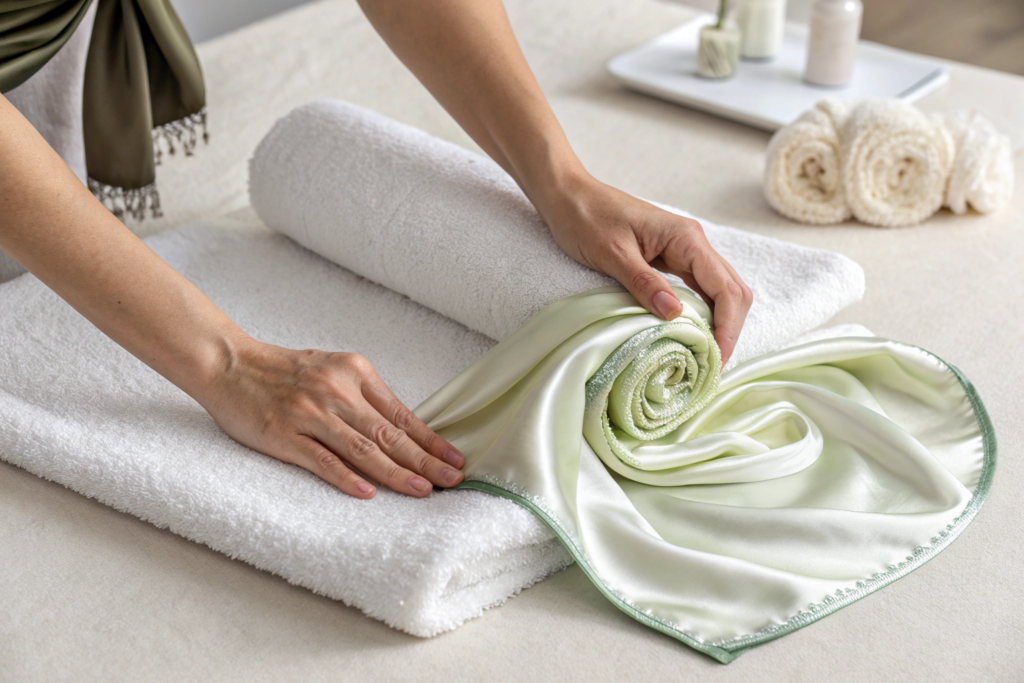
What is the Towel-Rolling Method?
How do you get the water out safely?
- Lay Out a Towel: Take a clean, thick, dry towel and lay it flat on a surface. A white towel is best to avoid any risk of color transfer.
- Place the Scarf on Top: Gently lift the wet scarf from the basin (do not wring it) and lay it flat on top of the towel.
- Roll it Up: Gently roll the towel and the scarf together into a "sausage" or "burrito."
- Press Gently: Once rolled, gently press down on the towel roll. The absorbent towel will wick the excess moisture out of the silk without any damaging friction or twisting.
- Unroll and Air Dry: Unroll the towel and lift off the now-damp scarf. The final step is to let it air dry. Hang it on a padded, non-slip hanger or drape it over a drying rack away from direct sunlight or direct heat. A silk scarf should be dry in about 30-60 minutes.
Why Should You Avoid Direct Sunlight?
Can’t the sun speed up the drying? Yes, but it will also cause significant damage. The ultraviolet (UV) rays from the sun can cause the vibrant colors of your scarf to fade dramatically. It can also weaken the silk fibers themselves, making them brittle. Always dry your silk in the shade or indoors. This is a key principle for the care of all fine dyed fabrics.
How Can You Iron a Silk Scarf Without Burning It?
Your scarf is now dry, but it’s likely a bit wrinkled, its once-smooth surface now crinkled with the faint creases of its journey through the dryer or the tension of being left draped over a chair. How do you get those wrinkles out without scorching the delicate fabric? Ironing silk requires care and the right settings, a gentle dance between heat and precision that can transform a rumpled accessory into a thing of soft, flowing beauty.
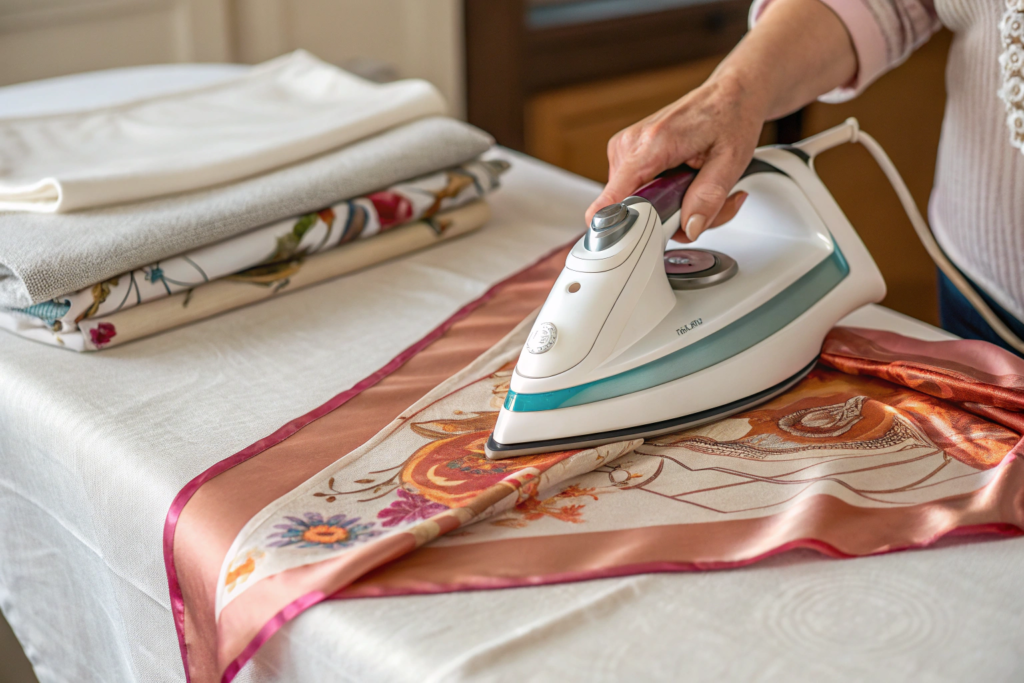
What Are the Rules for Ironing Silk?
What is the safest technique?
- Iron While Still Slightly Damp: The best time to iron silk is when it is about 95% dry but still has a hint of moisture in it. This makes it much easier to get the wrinkles out.
- Use the Lowest Heat Setting: Your iron should have a "Silk" setting. If it doesn’t, use the lowest temperature setting available.
- Iron on the Reverse Side: Always iron on the "wrong" side (the duller side) of the scarf. This protects the sheen and the printed design on the front. For a scarf with a hand-rolled hem, this is the side where you can see the tiny stitches.
- Use a Press Cloth (Optional but Recommended): For extra protection, you can place a clean, white piece of cotton fabric (like a pillowcase or a tea towel) between the iron and the scarf. This "press cloth" distributes the heat evenly and prevents any direct contact that could cause scorching or shine marks.
- Keep the Iron Moving: Never let the iron rest in one spot for more than a second or two.
How Should You Store Your Silk Scarves to Prevent Creases?
You’ve perfectly washed, dried, and ironed your scarf. How do you store it so you don’t have to iron it again next time? Proper storage is the key to longevity and wrinkle prevention. Stuffing a silk scarf in a drawer is a recipe for deep-set creases that are difficult to remove.
The goal is to store the scarf in a way that minimizes folding and allows the fabric to breathe.

What Are the Best Storage Methods?
What are the two best ways to store your scarves?
- Hanging: The ideal method is to gently loop your scarves over a single, smooth, padded hanger. Avoid hanging multiple scarves on top of each other, as the weight can cause creases. Never use hangers with clips, as they will leave marks and can snag the delicate fabric.
- Rolling: If you prefer to store your scarves in a drawer, do not fold them. Folding creates hard creases. Instead, gently roll the scarf from one end to the other, similar to how you rolled it in the towel. You can then store these "scarf rolls" side-by-side in a drawer or a box.
Why is a Breathable Environment Important?
Should you store them in plastic? No. Silk is a natural fiber and needs to breathe. Storing it in a plastic bag or container can trap moisture, which can lead to mildew and yellowing over time. A closet or a fabric-lined box is a much better environment. Also, remember to keep them out of direct sunlight to prevent the colors from fading. This is a core principle of textile preservation.
Conclusion
So, what is the best way to care for your silk scarves? Is it a mysterious or difficult process? Not at all. It is a simple, gentle routine that shows respect for a beautiful and valuable item.
It means hand-washing in cold water with the right soap. It means gently removing excess water with a towel, never wringing. It means ironing with low heat on the reverse side. And it means storing them by hanging or rolling, never stuffing.
By following these simple steps, you can ensure that your silk scarves—those beautiful pieces of wearable art—will remain as vibrant, soft, and luxurious as the day they were made, ready to be enjoyed for many years to come.
As a manufacturer, our greatest pride is seeing our creations loved and cared for. We hope this guide helps you do just that. If you have any more questions about fabric care or are interested in creating your own line of custom accessories, please contact our Business Director, Elaine, at her email: elaine@fumaoclothing.com.