As a professional buyer like Ron, you’re always looking for that perfect product: on-trend, high-volume, and with a healthy margin. Fabric belts—whether they’re woven elastic, classic canvas, or braided cotton—are a perennial bestseller, especially for spring and summer collections. The question isn’t if you should stock them, but how you can source them affordably in bulk without the quality issues that often come with a low price tag. You know that a belt that loses its stretch or a buckle that rusts after one season is a liability, not a value.
To find truly affordable fabric belts in bulk, you must partner with a specialized manufacturer in China’s accessory hubs (like Zhejiang and Guangdong) who can strategically reduce costs through material optimization, hardware selection, and efficient construction techniques. The secret to affordability isn’t just a low price; it’s achieving the best possible quality at that low price. It’s about smart value engineering, not just blind cost-cutting.
I’ve seen buyers get burned by chasing an impossibly low price, only to receive belts with flimsy webbing or buckles that tarnish in a week. At Shanghai Fumao Clothing, we define "affordable" as the sweet spot where cost, quality, and durability meet. It’s a science we’ve perfected over millions of units. Let me show you how a professional partner delivers real value, not just a cheap invoice.
Which Fabric Offers the Best Blend of Cost and Quality?
The fabric, or "webbing," is the main component and the biggest driver of both cost and performance. Choosing the right one is the most important decision you’ll make.
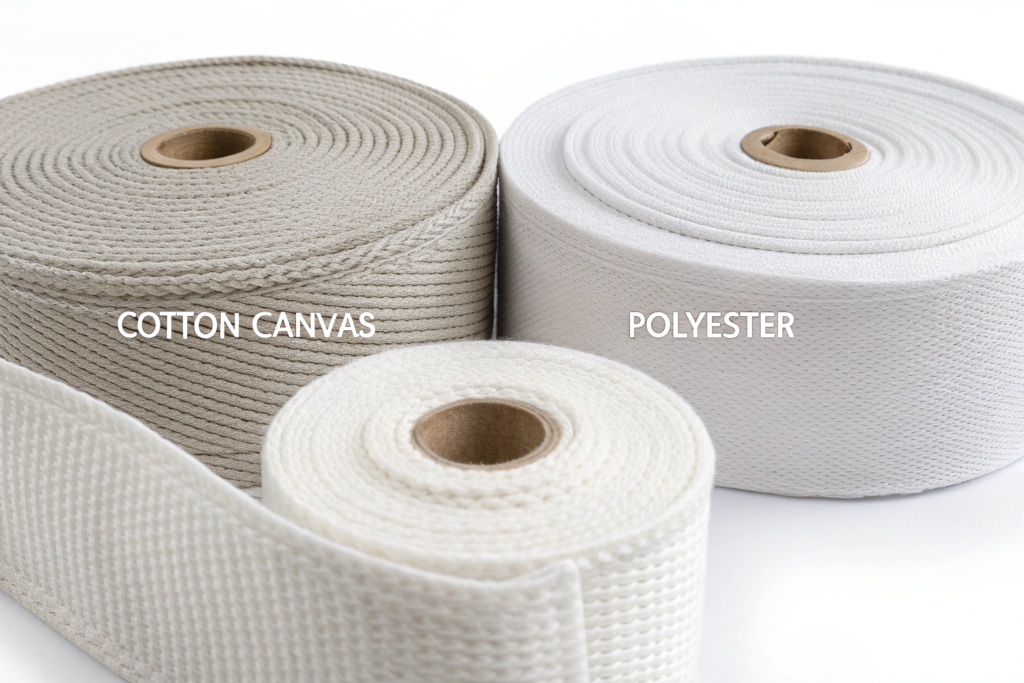
For the best blend of cost, durability, and perceived quality in fabric belts, polyester and polypropylene webbing are the superior choices for bulk production. While cotton feels nice, it can stretch, fade, and is more expensive. Polyester and polypropylene offer excellent strength, superior colorfastness, and a significantly lower cost, making them the workhorse materials for this category.
This is the first area we focus on for cost engineering. A client might initially request a 100% cotton canvas belt. We can absolutely make that, but we will also present them with a polyester canvas alternative that looks and feels nearly identical but might be 20% less expensive and will hold its color better over time. This kind of proactive material guidance is what a true partner does. Understanding these material differences is the foundation for making smart decisions about the belt’s hardware.
What is Polyester Webbing?
Polyester is a synthetic fiber that is strong, resistant to stretching and shrinking, and holds dye exceptionally well. A polyester canvas webbing is an ideal substitute for cotton canvas in belts, offering better durability and color retention at a lower price. It’s the most common material for a reason.
What is Polypropylene Webbing?
Polypropylene is another synthetic fiber that is even more cost-effective than polyester. It’s very lightweight and water-resistant. While it’s not quite as strong as polyester, it’s more than durable enough for a standard fashion belt and is a fantastic choice for achieving the lowest possible price point without sacrificing core functionality. You can learn about the technical properties of these materials from industrial textile suppliers or resources like Wikipedia’s entry on Webbing.
How Does Hardware Choice Impact the Price?
The buckle and any metal tips are the second biggest cost component. A heavy, solid brass buckle is a mark of luxury, but for a budget-friendly fabric belt, it’s complete overkill.
To keep the price down, you must choose simple, stamped-metal or zinc alloy hardware over more expensive options like solid brass. For fabric belts, the most cost-effective and popular buckle styles are the simple D-ring and the basic frame-style buckle, which can be produced efficiently in massive quantities.
This is a straightforward cost-saving measure. A simple, stamped steel D-ring might cost pennies, while a cast solid brass buckle could cost dollars. The choice is obvious for this product category. At our factory, we have a massive library of existing, "open-mold" buckle styles. By choosing one of these proven designs, you avoid any new mold fees and can leverage the economies of scale we’ve already achieved. This hardware decision is a critical part of the overall construction strategy.
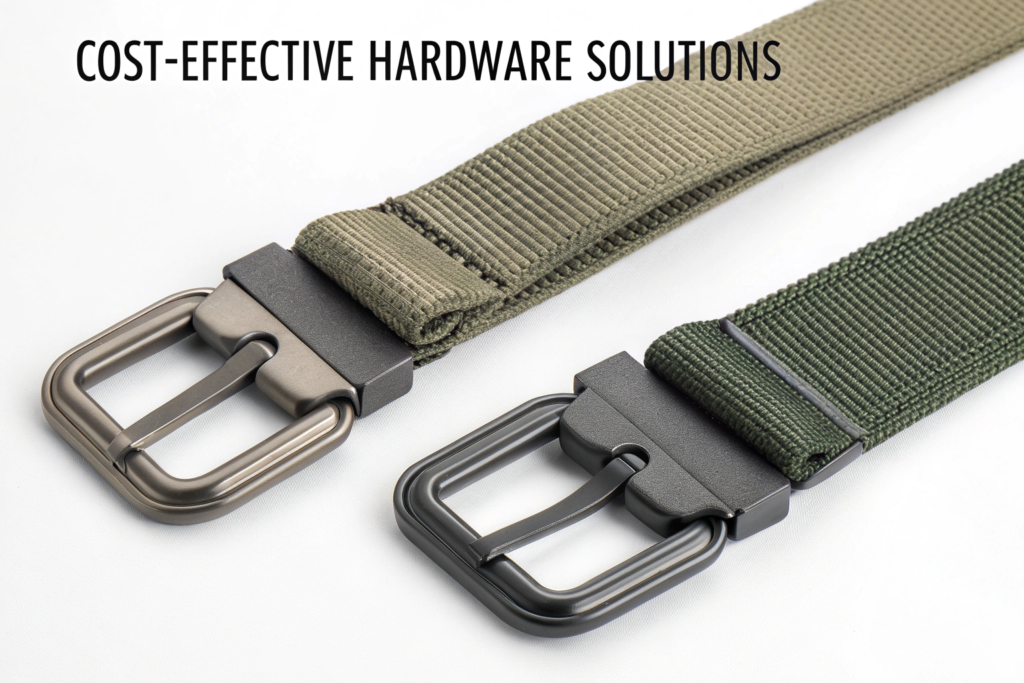
What is a "D-Ring" Buckle?
This is one of the simplest buckle designs, consisting of two D-shaped metal rings—each with a smooth, polished surface that glints softly in light, their edges slightly rounded for comfort.
The belt webbing, typically a sturdy, woven fabric or leather strip, is threaded first through the top ring, then through the bottom ring, and finally back through the top ring to create a secure, adjustable closure; this looped threading allows the belt to be easily tightened or loosened by pulling the webbing through the rings, ensuring a snug fit around the waist.
What is a "Stamped" Buckle?
Instead of being cast from molten metal, a stamped buckle is cut and bent into shape from a sheet of metal, like steel. This is a very fast and inexpensive manufacturing process, perfect for simple hardware shapes like D-rings or basic frames. For more information on metalworking techniques, you can look at manufacturing resources or educational sites like How It’s Made.
What Construction Techniques Are Most Efficient?
How the belt is assembled can have a surprising impact on the final cost. Every extra step, every extra stitch, adds seconds to the production time, which adds up over a 10,000-unit order.
The most efficient construction techniques involve minimizing sewing and using automated processes like heat-cutting for the webbing. For example, using a simple fold-and-stitch method to attach the buckle is much faster than using metal rivets. Similarly, heat-cutting the belt tip is faster and often more durable than attaching a separate metal end cap.
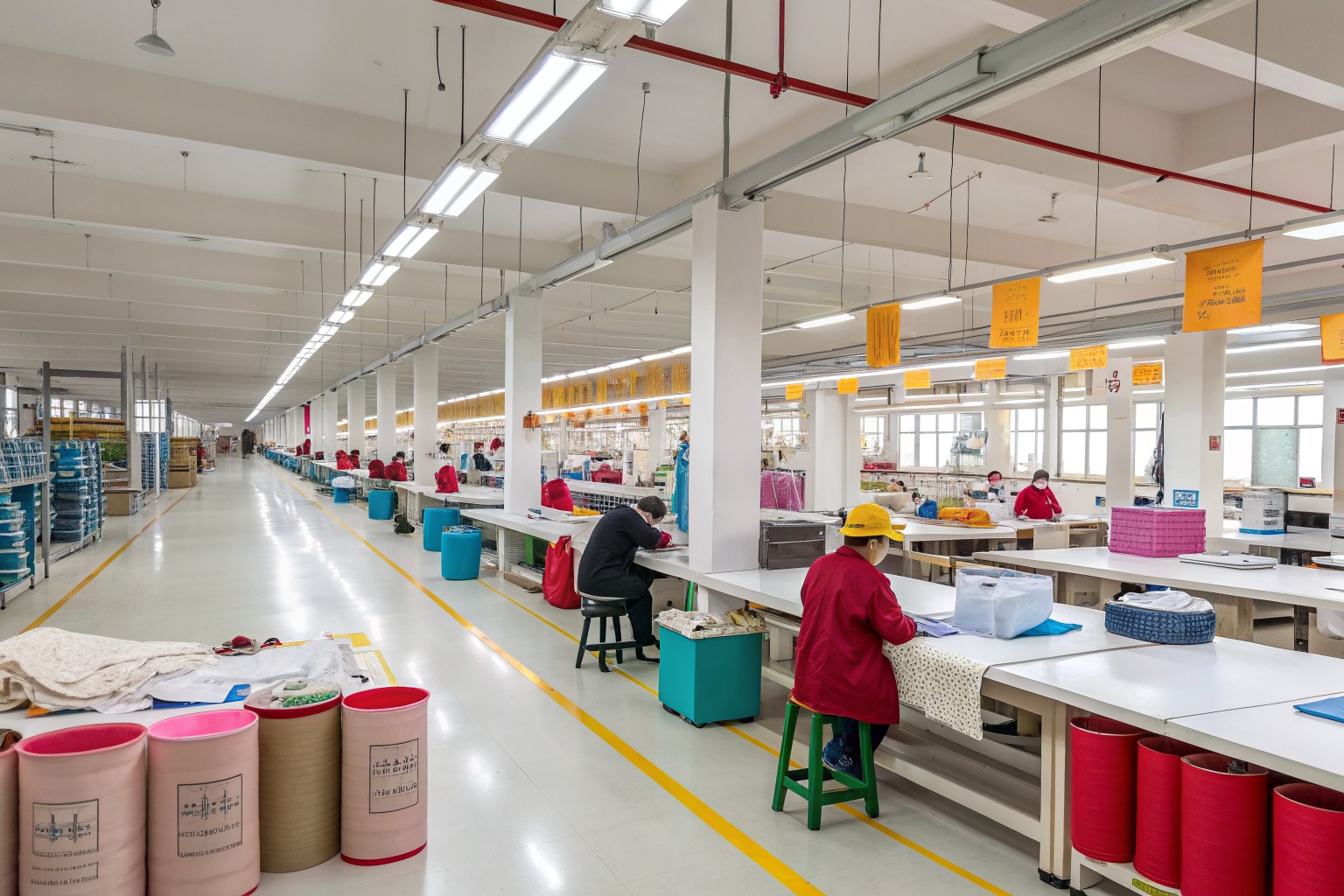
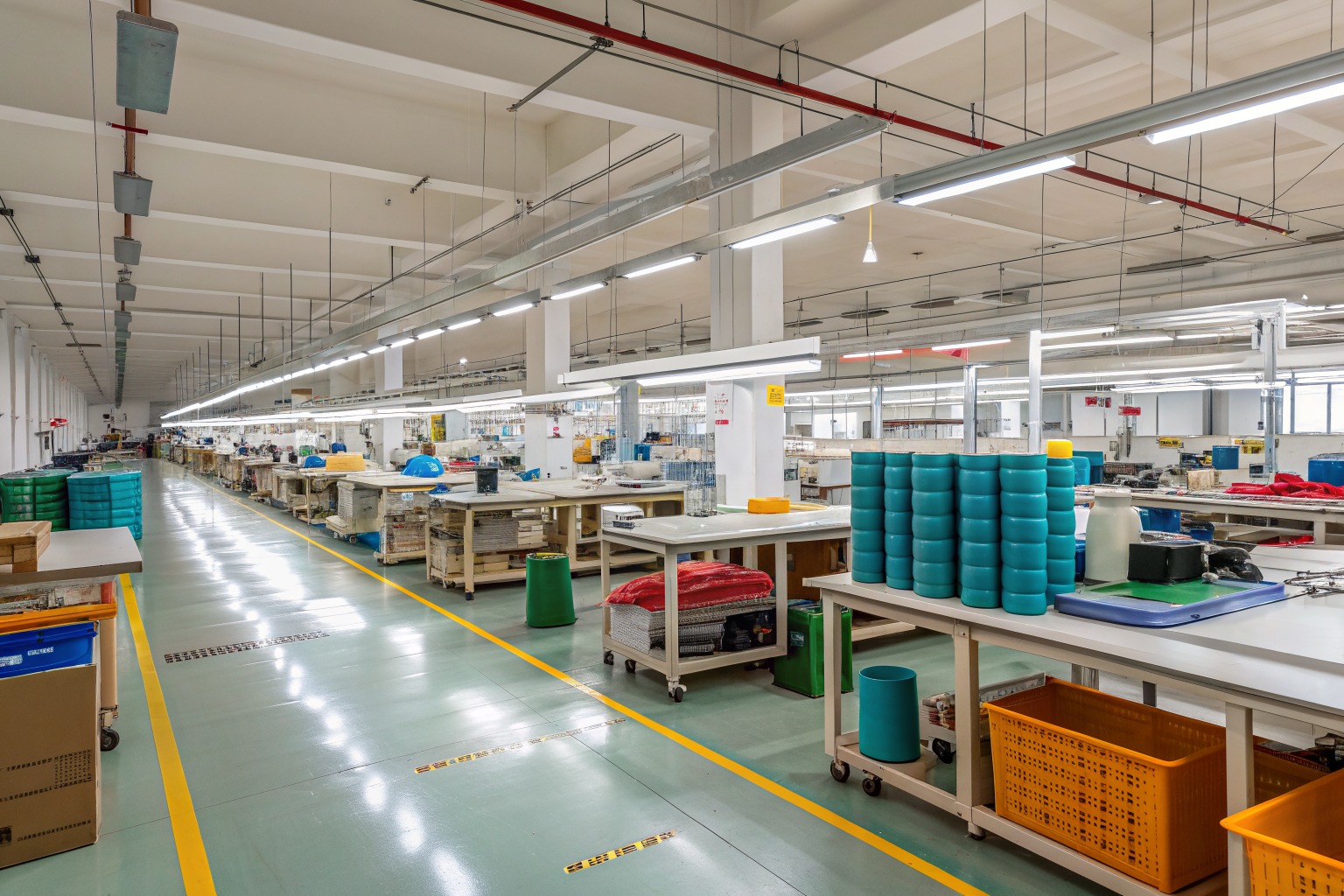
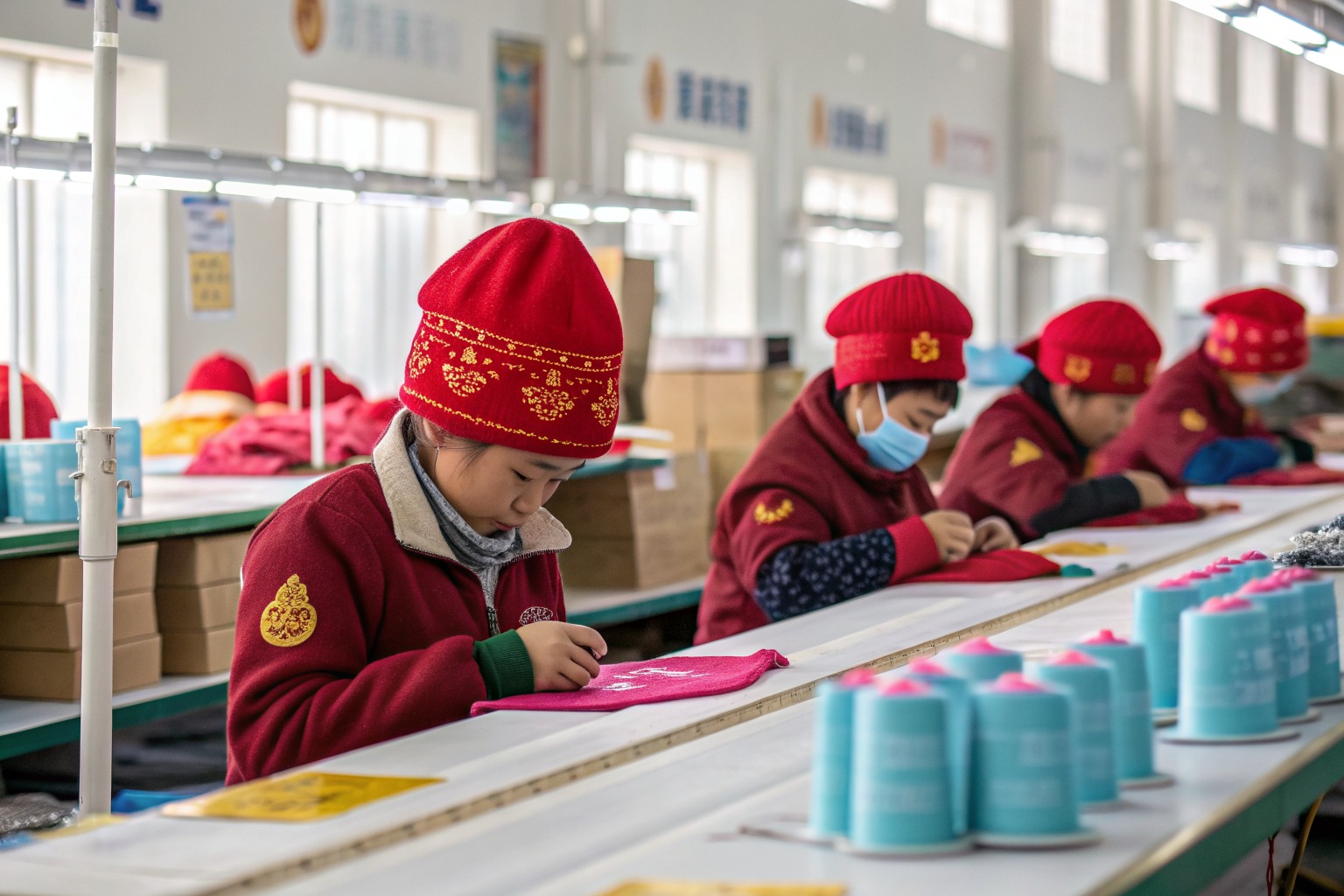
This is where the expertise of a high-volume factory really comes into play. Our production engineers are experts at designing an assembly process for maximum efficiency. We might recommend a specific stitch pattern that provides the necessary strength with the minimum number of stitches. We use automated heat-cutters that seal the end of the synthetic webbing as they cut it, preventing it from fraying and eliminating the need for a separate finishing step. These small, incremental efficiencies are what allow us to produce a high-quality belt at a truly affordable price, which is a key part of our overall value strategy.

What is Heat-Cutting?
When you cut synthetic webbing—such as polyester or polypropylene—with a hot knife or blade, the intense heat from the tool melts the individual fibers at the cut edge, causing them to fuse together seamlessly. This process results in a smooth, clean, and sealed edge that is completely resistant to unraveling, even with repeated use or exposure to stress.
The melted fibers form a solid barrier along the cut line, eliminating fraying and ensuring the webbing maintains its structural integrity. It’s an extremely fast and effective finishing technique, requiring minimal time and effort compared to alternative methods like sewing or using adhesives.
What is a "Fold-and-Stitch"?
This is the standard method for attaching a buckle to a fabric belt. The end of the webbing, typically a sturdy, woven material like nylon or polyester, is first carefully aligned with the flat, metal or plastic buckle bar, ensuring the folded edge lies smoothly against the bar’s surface.
The webbing is then folded over the bar, creating a neat, double-layered section that will be secured with stitching. A needle and thread—often heavy-duty upholstery thread or waxed polyester thread for durability—are used to stitch down this folded portion securely.
How Do You Ensure Quality at a Low Price?
This is the ultimate question. You’ve engineered a low-cost product. How do you ensure it doesn’t fall apart and that you’re not just buying future problems?
You ensure quality by establishing clear, non-negotiable quality control checkpoints for the most critical components: the webbing’s colorfastness, the buckle’s plating durability, and the strength of the stitching. A good factory will agree to and perform these specific tests as part of their standard QC process.
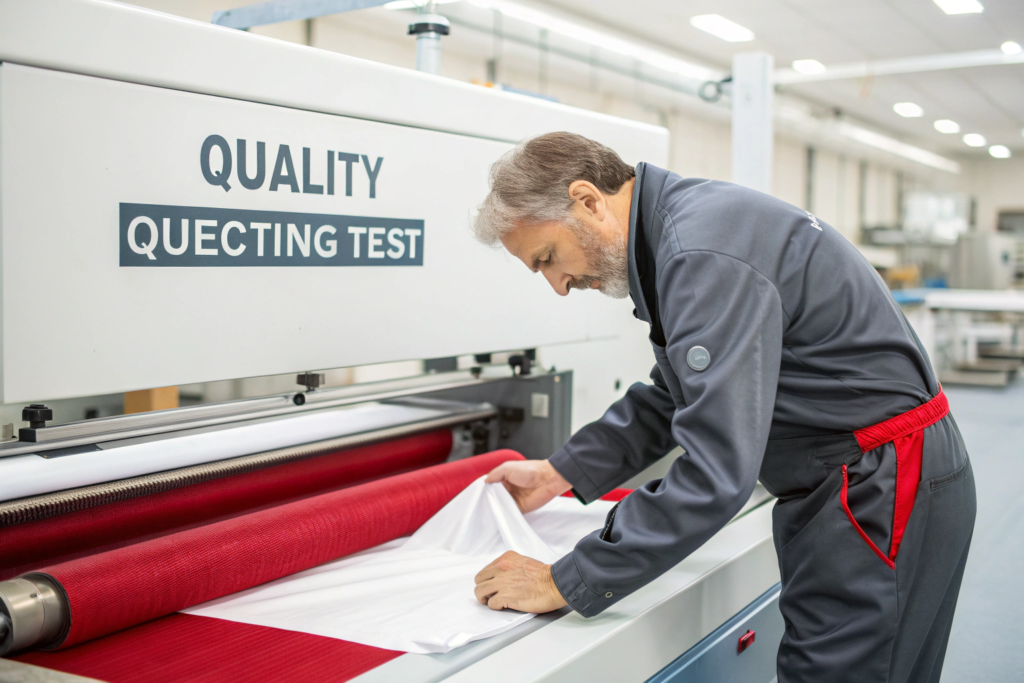
At Shanghai Fumao Clothing, our QC is not random. For fabric belts, we have a specific checklist. We perform crocking tests (rub tests) to make sure the color from the webbing doesn’t rub off on clothing. We perform salt-spray tests on the buckles to simulate exposure to humidity and ensure the plating won’t corrode. We do pull-tests on the stitching to make sure the buckle attachment is secure. Agreeing on these objective quality standards upfront is the only way to protect yourself and ensure the "affordable" belt you ordered is also a quality belt.
What is a "Crocking Test"?
This is a standard textile test to determine the amount of color that transfers from a fabric when it’s rubbed. It’s critical for belts to ensure they don’t stain a customer’s pants or shirt. This is one of many tests standardized by organizations like the AATCC (American Association of Textile Chemists and Colorists).
What is a "Salt-Spray Test"?
This is an accelerated corrosion test used for metal hardware. The buckle is placed in a chamber and exposed to a salt mist for a set number of hours (e.g., 24 or 48 hours). At the end of the test, it is inspected for any signs of rust or corrosion. This is essential for ensuring your buckles won’t rust in a humid environment.
Conclusion
Sourcing affordable fabric belts in bulk is a masterclass in value engineering. It’s not about finding the cheapest price; it’s about finding the smartest manufacturer. By making strategic choices—selecting cost-effective webbing like polyester, choosing simple and efficient hardware, utilizing smart construction techniques, and implementing a rigorous, targeted QC process—you can achieve an exceptional product at a highly competitive price. This partnership approach transforms sourcing from a risky gamble into a reliable, profitable strategy.
At Shanghai Fumao Clothing, this is our specialty. We are not just a factory; we are your product engineering partners. We work with you to strip out unnecessary costs while protecting the quality and durability that your customers expect.
If you are ready to develop a high-volume, high-value fabric belt program, let’s talk. Please contact our Business Director, Elaine, at her email: elaine@fumaoclothing.com, to get started.