Are you tired of hair bands that stretch out after a few uses, snap at the worst possible moment, or lose their shape and become useless? As a brand owner or buyer, you know that customer frustration with poor-quality hair accessories leads to negative reviews and lost sales. You’re searching for the secret to creating a hair band that isn’t disposable—one that is durable, reliable, and builds a reputation for quality.
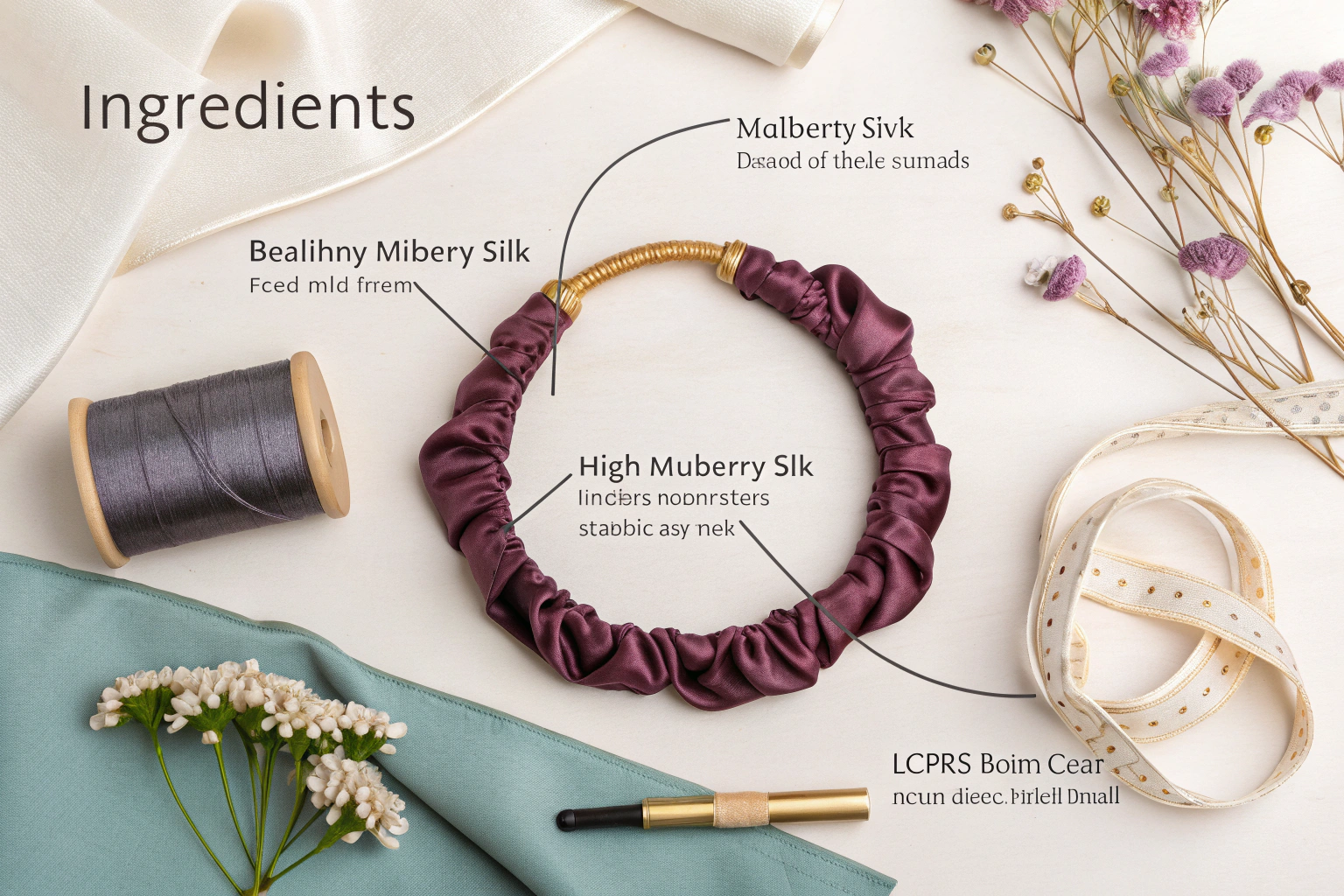
The best materials for a long-lasting hair band are a combination of a high-quality elastic core, like Lycra® or silicone, and a durable, gentle outer fabric, such as mulberry silk or high-grade microfiber. It’s not just one material, but the synergy between a resilient core that provides lasting stretch and a protective outer layer that prevents snagging and wear.
This focus on a dual-component system is something we’ve spent years perfecting. A cheap hair band is just a piece of elastic. A premium, long-lasting hair band is an engineered accessory. At Shanghai Fumao Clothing, we obsess over these material details because we know that true quality lies in creating a product that performs flawlessly, day after day. Let’s break down the components that make a hair band truly last.
Why Is the Elastic Core So Crucial?
What is the number one reason a hair band fails? It’s not the fabric; it’s the elastic core. That moment when you stretch your hair band and it either snaps or just gives up, becoming a limp, useless circle, is a failure of the core material.
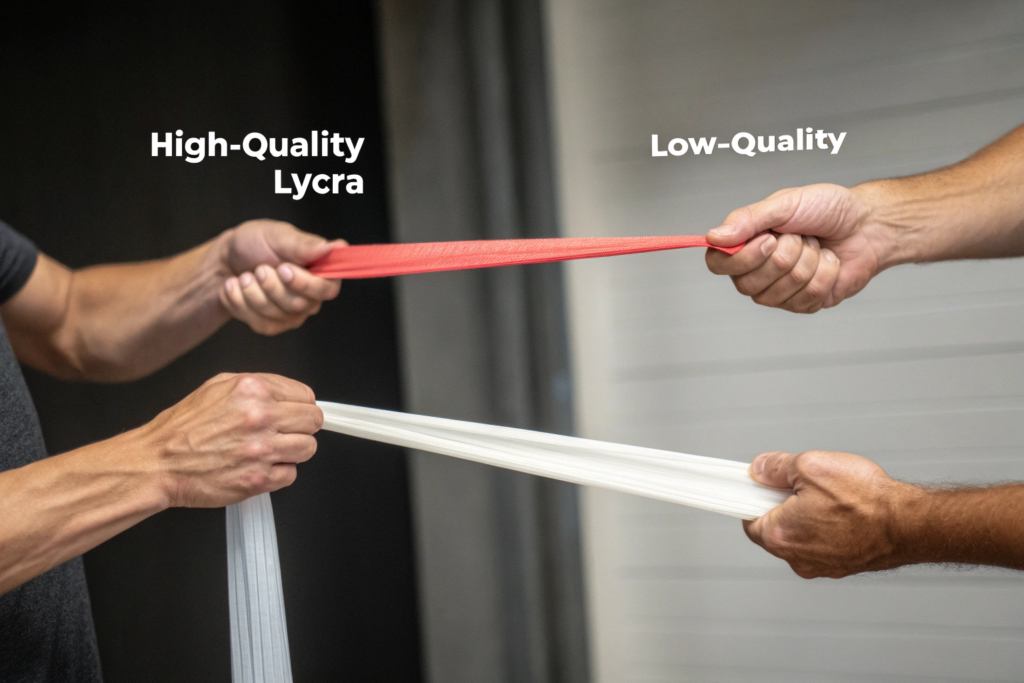
The elastic core is the heart of the hair band; its ability to repeatedly stretch and recover to its original shape, known as "modulus" or "elastic recovery," determines the lifespan of the accessory. A low-quality core will quickly lose its elasticity, becoming permanently stretched out. A high-quality core, however, is engineered for thousands of cycles of stretching and recovery without degradation.
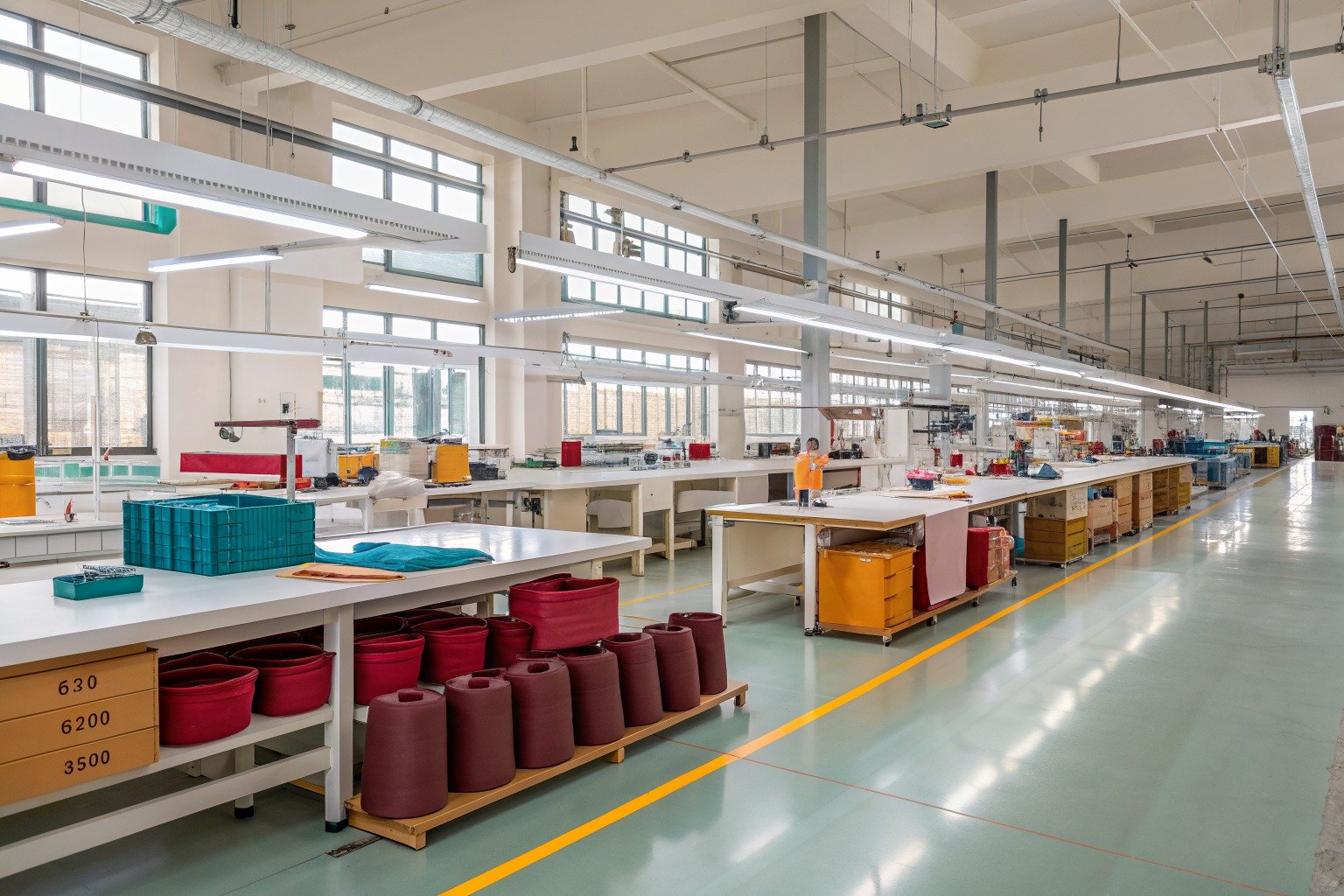
In our factory’s R&D lab, we have a machine that does nothing but stretch hair bands thousands of times to test their lifespan. The difference is staggering. A cheap, generic elastic might fail after 500 stretches. A premium, Lycra®-based core will still have excellent recovery after 5,000. This is why we insist on using superior core materials. The quality of this hidden component is the most important factor in creating a product that lasts, and it’s what supports the protective outer fabric.
What is Lycra® and why is it a superior choice?
Lycra® is a brand name for a type of spandex/elastane fiber known for its exceptional elasticity and strength. It can be stretched up to 500% of its length and will spring back to its original shape. Unlike generic elastics, it’s resistant to degradation from body oils, lotions, and sunlight. Using branded Lycra® or a comparable high-grade spandex ensures a consistent, reliable performance that cheaper alternatives cannot match. You can learn more about the properties of this fiber from its creator, The LYCRA Company, and textile science resources.
What about silicone-based hair bands?
Silicone is another excellent material for long-lasting hair bands, particularly for the popular "spiral" or "coil" style. Silicone is completely waterproof, hypoallergenic, and does not absorb oils or water, so it won’t get stretched out or degraded from being worn in wet hair or during sports. Its smooth, "grippy" surface also holds hair securely without snagging. While it has a different feel from fabric-covered bands, its durability is top-tier. You can see examples of these and their benefits on the websites of brands that specialize in them, like invisibobble or Kitsch.
What Is the Role of the Outer Fabric?
The elastic core provides the stretch, but what about the part that actually touches your hair? The outer fabric is not just for decoration; it plays a critical role in both the longevity of the hair band and the health of the hair itself.
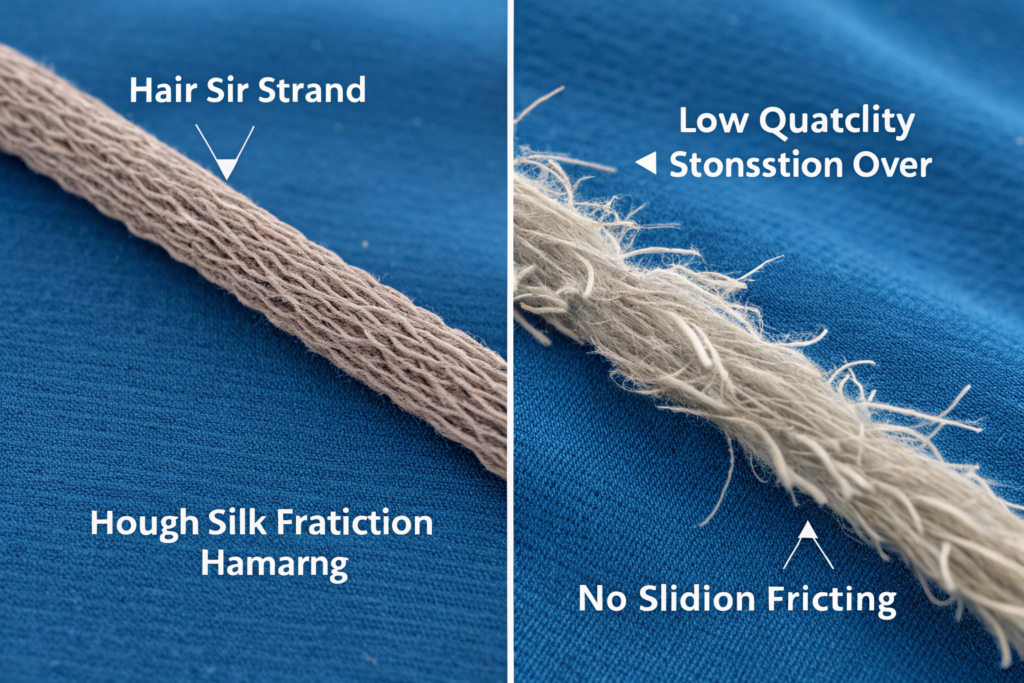
The outer fabric serves as a protective shield for both the elastic core and the hair. For the core, it guards against direct exposure to UV light, oils, and physical abrasion, extending its life. For the hair, a smooth, high-quality fabric minimizes friction, which prevents the snagging, breakage, and frizz caused by rougher materials.
This is a perfect example of how material choice impacts user experience. A cheap hair band with a rough polyester cover might hold hair, but it will cause damage over time. At Shanghai Fumao Clothing, we guide our clients towards fabrics that offer the best combination of durability and gentleness. It’s about creating a product that doesn’t force a compromise between hair health and a secure hold. This focus on gentle materials is a key part of the overall construction.
Why is mulberry silk considered the gold standard?
Mulberry silk is renowned for being one of the smoothest, strongest natural fibers in the world. Its ultra-smooth surface has a very low coefficient of friction, meaning it glides over the hair cuticle with minimal resistance. This drastically reduces the potential for snagging, tangles, and the dreaded "ponytail crease." Furthermore, silk is a protein-based fiber and is less absorbent than cotton, so it doesn’t strip moisture from the hair. While it is a premium material, its benefits for hair health make it a top choice for luxury hair accessories. You can read more about the benefits of silk for hair on high-end beauty sites like Vogue and dermatology resources.
What are some durable and cost-effective alternatives to silk?
For brands looking for a more accessible price point without sacrificing quality, there are excellent alternatives:
- High-Grade Microfiber: Modern microfiber fabrics can be engineered to be incredibly soft and smooth, mimicking some of the properties of silk. They are also very durable and machine-washable.
- Satin (Charmeuse Weave): It’s important to note that satin is a weave, not a fiber. A high-quality polyester satin with a charmeuse weave can offer a very smooth, slick surface that is gentle on hair and more cost-effective than silk.
- Soft Cotton Jersey: For a more casual, absorbent option (good for sports), a high-quality, soft-combed cotton jersey is a good choice. It’s breathable and gentle, though not as slick as silk or satin.
Fabric education sites like Mood Fabrics’ Sewciety Blog offer great explanations of the differences between these material types.
How Does Construction Affect Longevity?
You can have the best elastic and the best fabric, but if they are poorly put together, the hair band will still fail. Where the product is joined is its weakest point. How do manufacturers build a hair band that is strong from start to finish?
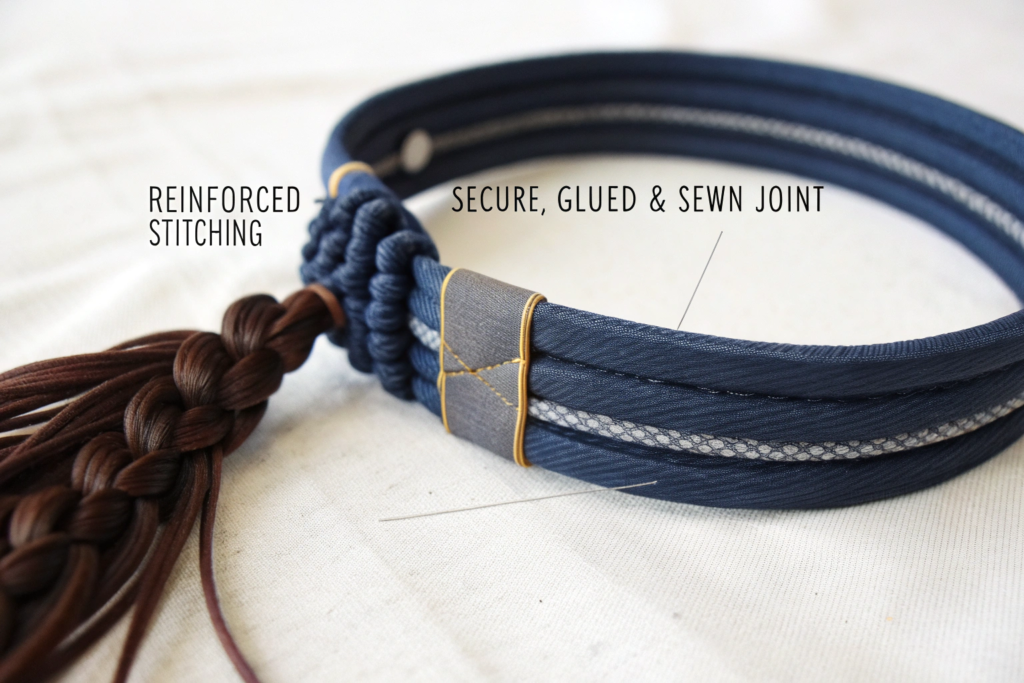
The construction method, particularly the quality of the stitching and the technique used to join the elastic core, is a critical factor in a hair band’s longevity. A long-lasting hair band will use a high stitch count with durable thread to close the fabric seam, and the elastic core will be securely joined by either a robust metal clamp or, preferably, a reinforced sewing technique, not just a dab of cheap glue.
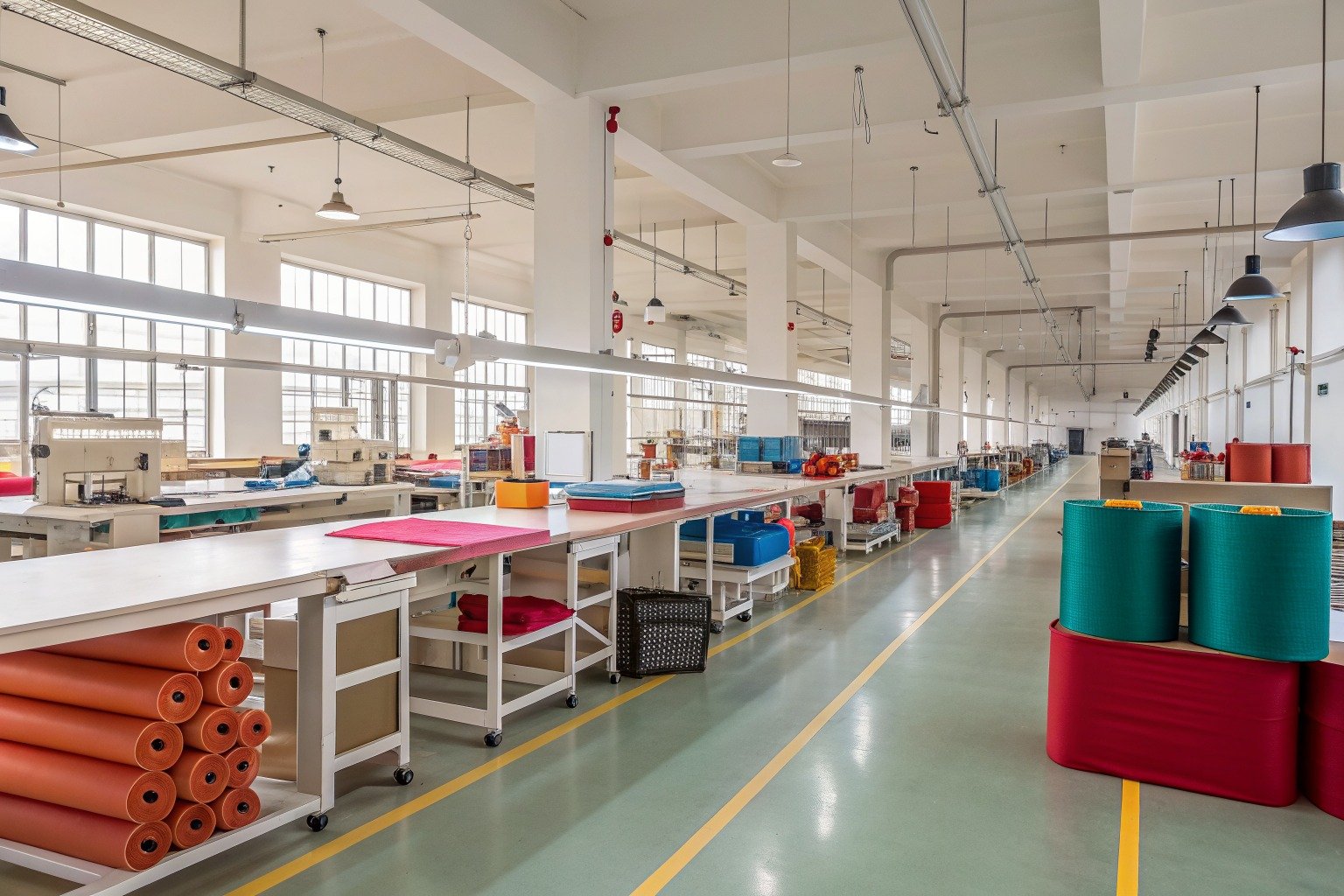
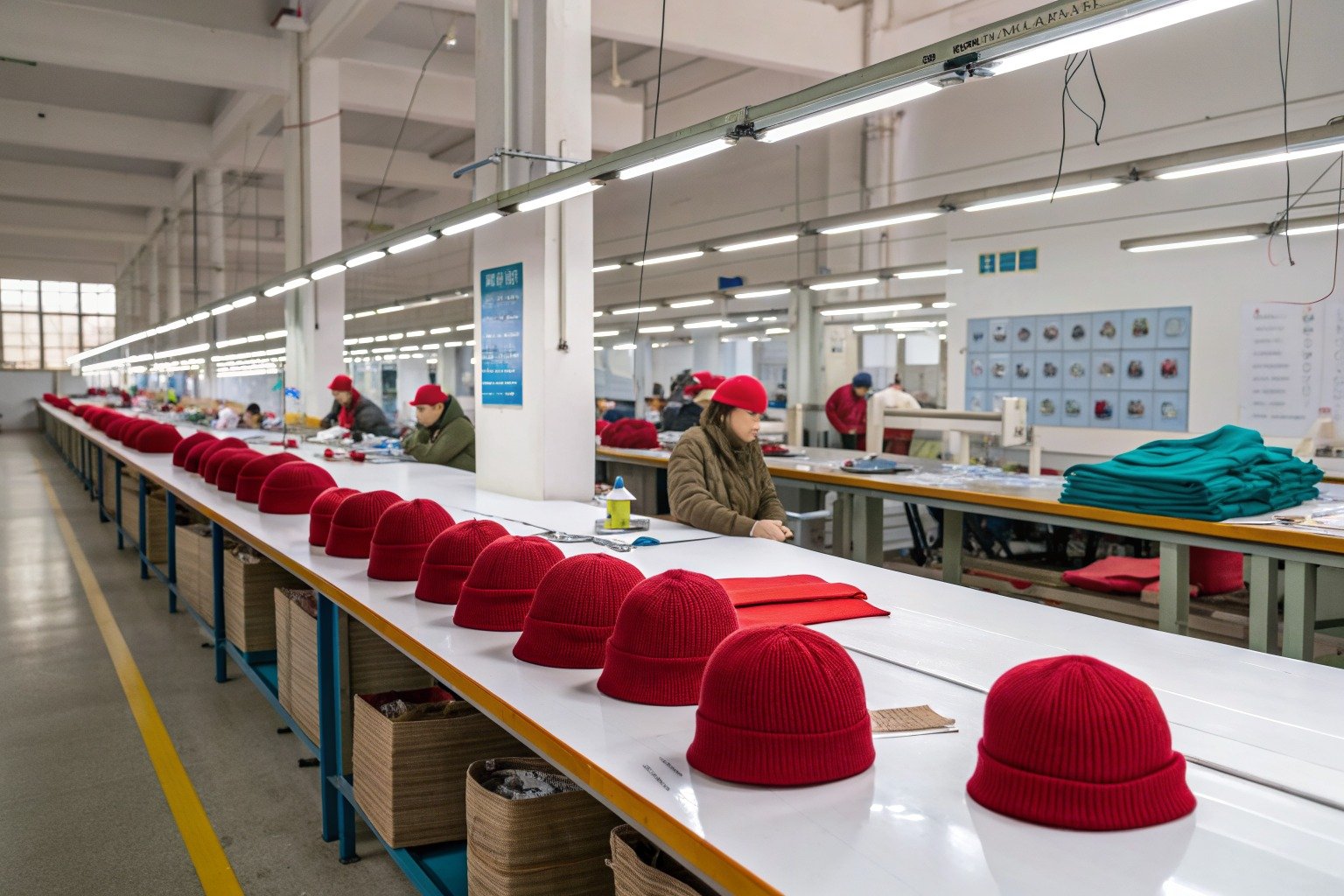
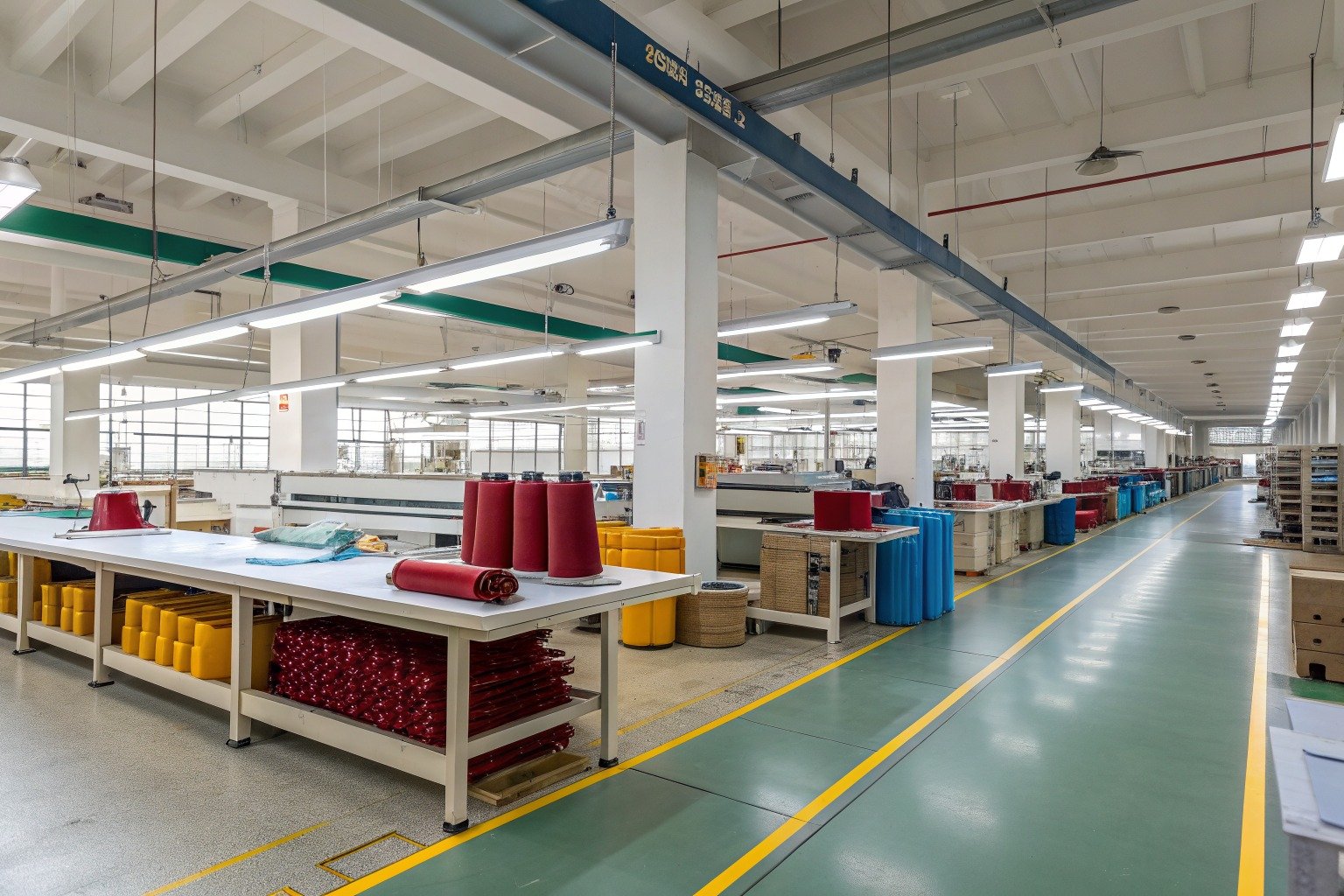
This is where craftsmanship meets mass production. Anyone can glue two ends of an elastic together. Our process involves a multi-step join: the elastic ends are overlapped and sewn together with a high-tensile thread in a specific bar-tack pattern for maximum strength. This join is then often reinforced before being enclosed in the fabric casing. It’s a more time-consuming process, but it creates a join that is as strong as the elastic itself, effectively eliminating the product’s weakest point. This attention to detail is what separates a premium product from a disposable one and is a key part of our quality promise.
What is the most common point of failure?
The most common point of failure is the join. On cheap hair bands, the elastic ends are often simply glued together. This glue becomes brittle over time, and the constant stress of stretching causes it to break. You’ll often see the fabric is fine, but the hair band has snapped at this single point. A securely sewn or clamped join is a must-have for a long-lasting product.
Why does stitch quality matter?
The seam on the outer fabric is also a potential weak point. If the stitch count is too low (stitches are too far apart) or the thread is low quality, the seam can unravel or burst under pressure. A high stitch count using a strong polyester or nylon thread ensures the fabric casing remains intact, protecting the elastic core and preventing fraying. You can learn about stitch types and quality from sewing resources and industrial machine manufacturers like Juki or Brother.
How Can You Identify a Long-Lasting Hair Band?
As a buyer or a consumer, you’re faced with a wall of products that all look similar. Without being able to put them in a stress-testing machine, how can you spot the ones that are built to last?
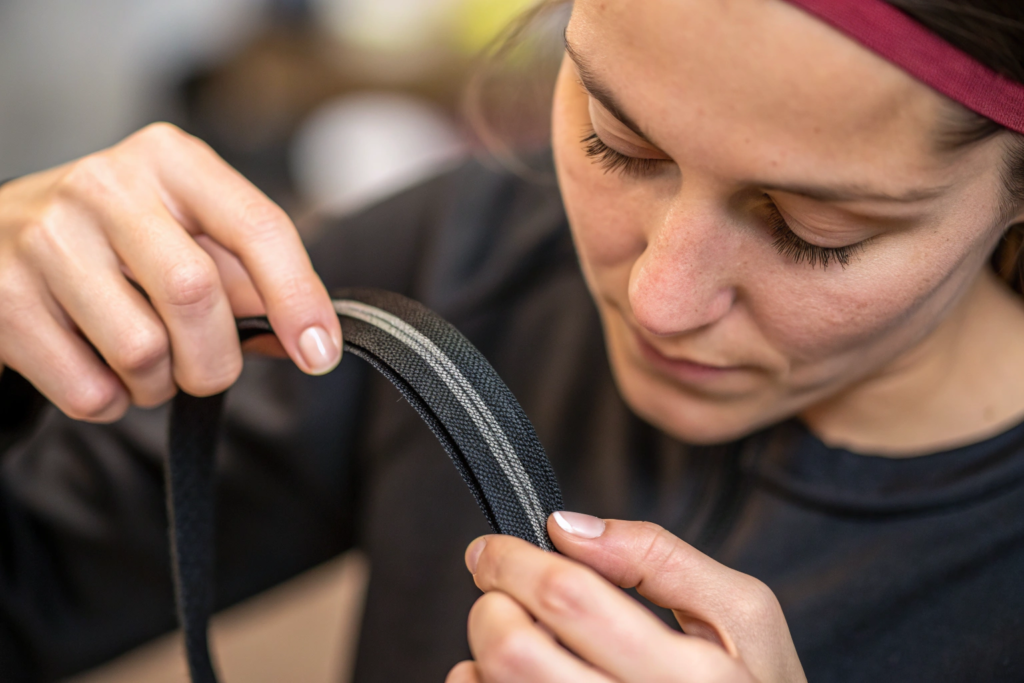
You can identify a long-lasting hair band by performing a few simple physical tests: check for strong elastic recovery, inspect the seam for tight, clean stitching, and feel the fabric for a smooth, substantial quality. These tactile clues can quickly reveal the difference between a well-made accessory and a flimsy, disposable one.
This is what I teach my new QC inspectors to do. Before they even start measuring, I tell them to feel the product. Stretch it. Does it snap back instantly? Or does it feel weak? Roll the seam between your fingers. Is it thick and secure, or can you feel the edges of the fabric? Is the fabric itself smooth and soft, or does it feel rough and cheap? Your sense of touch can tell you a lot about the hidden quality of the materials and construction.
What is the "Stretch Test"?
Gently stretch the hair band to about 80% of its maximum. It should offer firm, consistent resistance. Now, let it go. It should immediately snap back to its original size and shape with no visible sagging or loss of elasticity. If it feels weak or doesn’t fully recover, it has a low-quality core.
How to inspect the seam?
Look closely at the line of stitching where the fabric is joined. You shouldn’t be able to see the elastic core through it. The stitches should be small, tight, and evenly spaced. Try to gently pull the fabric apart at the seam; it should feel incredibly strong and secure. If you can see glue or the seam looks messy and uneven, it’s a sign of poor construction. This is a key part of the quality control process we use at Shanghai Fumao Clothing.
Conclusion
The secret to a long-lasting hair band is no secret at all: it’s a commitment to quality at every level. It’s the thoughtful engineering of a system, combining a resilient elastic core like Lycra® with a gentle, durable outer fabric like mulberry silk or microfiber. It’s the meticulous construction that ensures the weakest points are reinforced to be the strongest. It’s the difference between a product designed to be sold and a product designed to be used, loved, and trusted.
At Shanghai Fumao Clothing, we build products that last because we believe that is the foundation of a brand that lasts. We don’t cut corners on the hidden components because we know that true quality is what the customer experiences every time they use the product.
If you are ready to build a reputation for quality and offer your customers hair bands that won’t let them down, we are the partner you’ve been looking for. Please contact our Business Director, Elaine, at her email: elaine@fumaoclothing.com, to learn more about our premium materials and construction techniques.