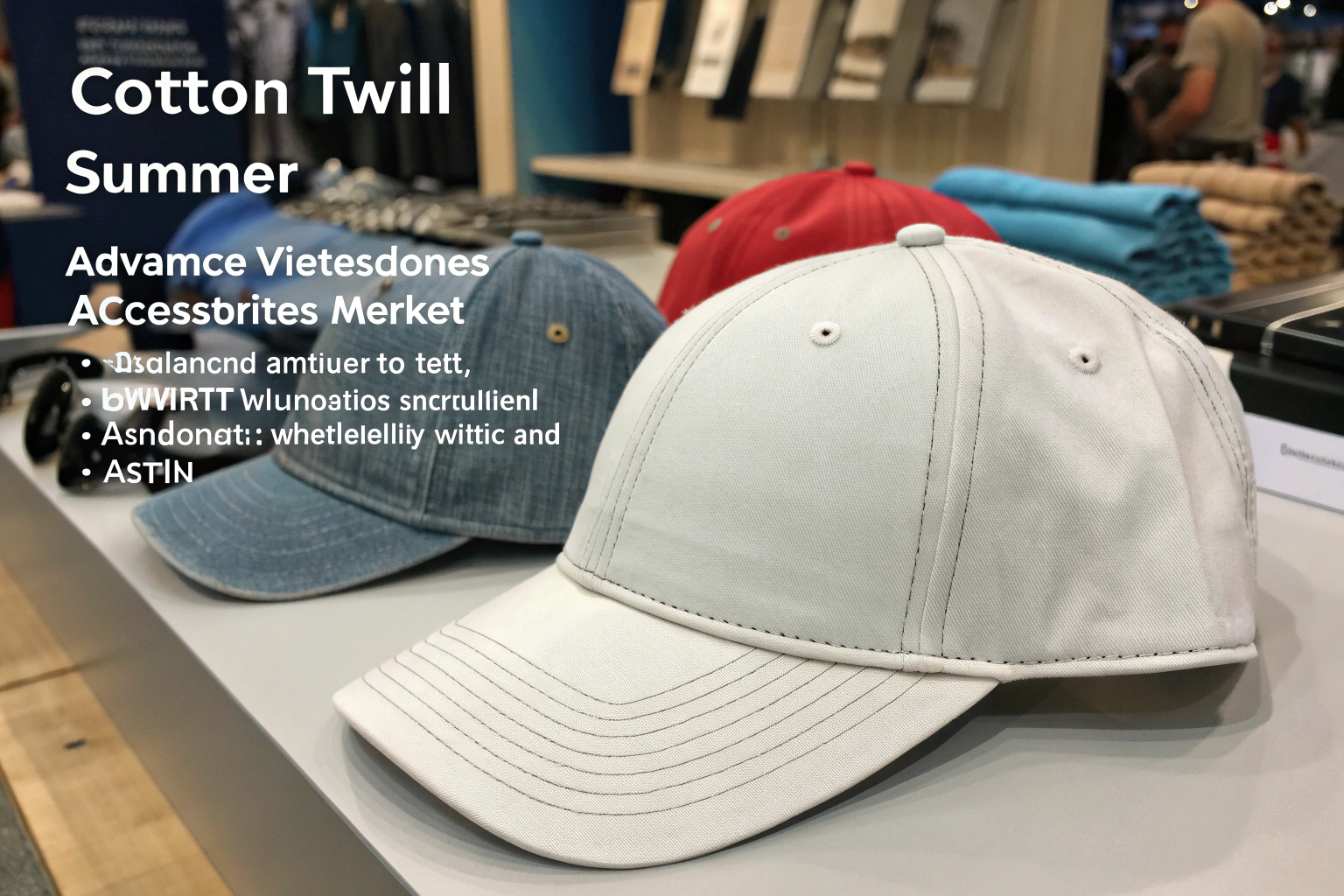
In the summer accessories market, cotton twill caps have become a cornerstone, prized for their classic style and natural comfort. However, true summer comfort moves beyond just tradition; it demands a strategic fusion of material science and intelligent design. For brands sourcing in 2025, consumers expect a cap that is not only made of cotton but is engineered for superior breathability, effective moisture management, and a lightweight, dry feel even in peak heat and humidity.
Breathable cotton twill caps meet summer needs through a multi-layered approach: leveraging the natural advantages of the cotton fiber, optimizing the twill weave structure for airflow, and incorporating modern moisture-wicking technologies. This creates a product that performs actively to keep the wearer cool and comfortable, transforming a basic accessory into a functional summer essential.
For manufacturers and brands, including partners like Shanghai Fumao Clothing, mastering this blend of natural properties and technical enhancements is key to delivering value in a competitive market.
How Does the Structure of Cotton Twill Fabric Inherently Promote Breathability?
The journey to a cool-wearing cap begins with its fundamental construction. Cotton twill is not a single entity but a category where specific structural choices—from the fiber’s innate properties to the weave’s architecture—directly dictate comfort performance.
At the fiber level, cotton is naturally absorbent and hydrophilic, with a good moisture regain. This allows it to absorb perspiration from the skin, which is the first step in the cooling process. However, traditional cotton’s drawback is that it can hold onto this moisture, leading to a damp, heavy feel. This is where the twill weave structure becomes critical. The characteristic diagonal rib (e.g., 1/3 or 2/2 twill) creates a more open and flexible fabric architecture compared to a plain weave. This structure allows for greater inter-yarn spaces, facilitating the movement of air through the fabric—a property scientifically measured as air permeability. Research confirms that while more open weaves like sateen offer the highest air permeability, twill structures provide a balanced combination of good airflow and the durability necessary for a structured cap.
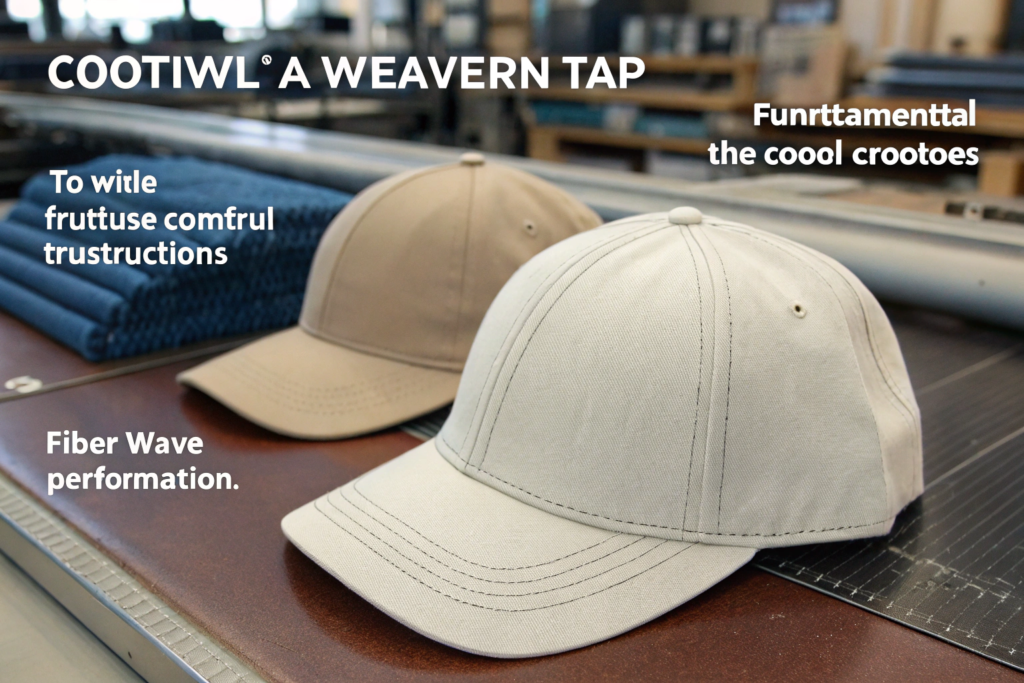
How Can Fabric Construction Be Optimized for Maximum Airflow?
To push breathability further, manufacturers can fine-tune several parameters during the fabric production stage. Scientific investigations into cotton woven fabrics have identified key levers:
- Yarn Twist: Increasing the twist level in the cotton yarns can lead to a measurable increase in air permeability. Tighter-twisted yarns are more compact, creating larger pores between yarns in the woven fabric.
- Yarn Count (Fineness): Using finer yarn counts (higher ‘Ne’ numbers) allows for the creation of lighter, less dense fabrics. Studies show that increasing the weft yarn count contributes directly to higher air permeability values.
- Weave Density: While not explicitly detailed in the current results, industry practice involves balancing the ends-per-inch (EPI) and picks-per-inch (PPI). A slightly lower density in a twill weave can enhance breathability while maintaining the fabric’s integrity.
What Are the Limits of Inherent Cotton Properties?
While the twill structure aids breathability, the inherent properties of the cotton fiber itself present a comfort challenge. Cotton’s high absorbency is a double-edged sword; it absorbs sweat but then dries relatively slowly. In high-humidity conditions or during intense activity, a standard cotton twill cap can become saturated, losing its ability to cool and becoming uncomfortable. This limitation has driven the development and integration of advanced moisture management technologies, moving performance beyond what natural structure alone can provide.
What Advanced Technologies Enhance Moisture Management in Cotton Caps?
To overcome the slow-drying nature of cotton and elevate summer comfort, the industry has moved from passive absorption to active moisture management. These technologies work in conjunction with the twill weave to actively transport sweat away from the skin and promote rapid evaporation.
Leading these innovations are finish-based and yarn-based technologies developed by organizations like Cotton Incorporated:
- Wicking Windows™: This technology is applied via a printed pattern, often on the inner (head-facing) side of the fabric. It functions by capillary action, channeling moisture laterally through the print’s engineered pathways to the outer surface of the cap where it can evaporate quickly. This reduces cling and the "wet" feeling against the skin.
- TransDry™: Applied at the yarn stage, this technology modifies the moisture affinity of the cotton. In a typical two-layer construction for caps, the inner layer (sweatband or lining) can be made with TransDry-treated yarns, while the outer shell uses untreated cotton. This creates a moisture-transfer gradient, pulling sweat from the skin to the outer layer for evaporation, keeping the inner layer feeling drier.
- Storm Cotton™: This is a durable water-repellent (DWR) finish that causes moisture (like light rain or splashes) to bead up and roll off the outer surface. Crucially, it is designed to maintain the fabric’s breathability, ensuring internal vapor from perspiration can still escape.
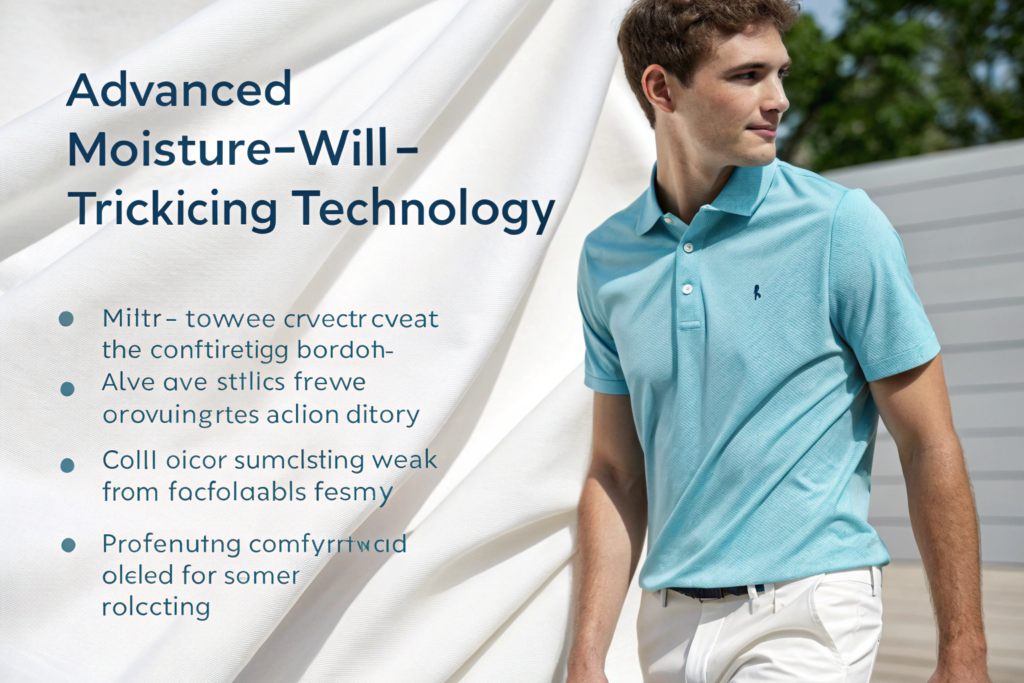
How Do These Technologies Integrate with the Twill Structure?
The effectiveness of these technologies is amplified by the twill weave. The diagonal lines and slightly porous structure of twill provide an ideal "highway system" for moisture transport. For Wicking Windows, the print can be engineered to follow the twill lines. For TransDry, the open spaces in the weave facilitate the movement of moisture from the treated inner layer to the untreated outer layer. The result is a fabric that not only allows air in but also efficiently moves liquid moisture out.
Are There Alternative Fiber Engineering Solutions?
Beyond cotton treatments, the principle of moisture management can be applied at the fiber level through blending or using specialized synthetic fibers. For instance, moisture-wicking synthetic fibers like Coolmax® are engineered with micro-channels or (special-shaped cross-sections) that create a powerful capillary effect to move sweat. Blending a small percentage of such fibers with cotton in a twill weave can significantly boost drying speed while retaining cotton’s soft hand feel and natural aesthetics. This approach is common in performance-oriented headwear lines.
How Do Design and Manufacturing Choices Amplify Comfort?
Technical fabric is only one component. The final comfort of a cotton twill cap is decisively shaped by thoughtful design and precise manufacturing, which ensure the engineered benefits are fully realized for the wearer.
Key design features that amplify breathability include:
- Ventilation Eyelets: Strategically placed grommets or mesh panels, particularly on the crown and rear, create active airflow channels, allowing hot air to escape. This directly supplements the fabric’s passive air permeability.
- Sweatband Design: Moving beyond a simple strip of fabric, advanced caps use multi-layer or channeled sweatbands made from specialized fabrics (often incorporating the moisture-wicking technologies mentioned above). This targets moisture management at the point of highest sweat production.
- Unstructured or Lightly Structured Crowns: Reducing or removing stiff buckram or foam inside the crown lowers weight and allows the cap to conform more naturally to the head, reducing heat buildup and improving overall air circulation.
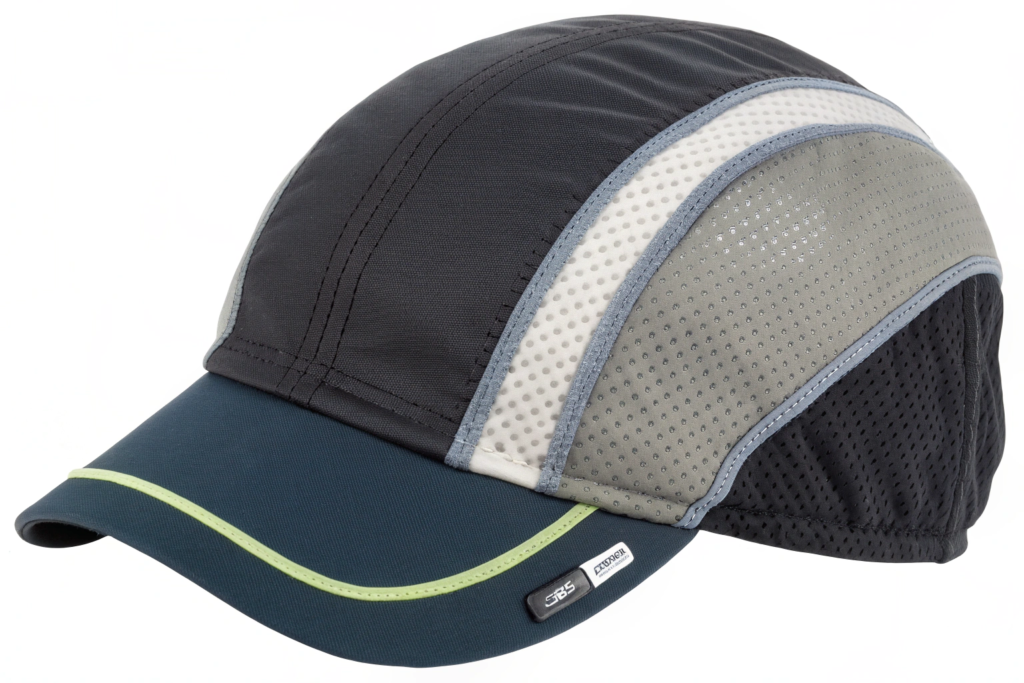
What Manufacturing Techniques Ensure Consistent Performance?
Manufacturing excellence is crucial to locking in comfort features. This involves:
- Precision in Fabric Cutting and Sewing: Accurate cutting ensures ventilation features align correctly. Tight, consistent stitching maintains the integrity of the fabric’s structure and any engineered moisture-management patterns or layers.
- Controlled Application of Finishes: For technologies like Wicking Windows or Storm Cotton, ensuring the even and complete application of the finish according to specifications is essential for consistent performance across every cap.
- Quality Control Focused on Comfort Metrics: Beyond visual defects, leading manufacturers test for parameters like air permeability and moisture vapor transmission rate (MVTR) on finished fabric rolls to verify performance meets summer comfort standards before production begins.
Why is End-User Testing and Validation Critical?
Ultimately, comfort is subjective. Incorporating wear trials in hot/humid conditions provides invaluable feedback that lab tests cannot. This can inform refinements in everything from the optimal blend ratio of fibers to the placement and size of ventilation holes. Partnering with a manufacturer that understands this holistic view of comfort—from lab data to real-world feel—is essential. This is the kind of integrated approach we apply in our development work with brands like Shanghai Fumao Clothing.
What Market Trends and Consumer Demands Are Driving Innovation?
The evolution of the cotton twill cap is propelled by clear market forces. Today’s consumer is informed and has high expectations, seeking products that deliver on both style and substantive function.
The dominant trends include:
- The "All-Day Comfort" Expectation: Consumers no longer accept caps that are only comfortable in the shade. They demand headwear suitable for active use, travel, and outdoor events, necessitating the advanced features discussed.
- Sustainability and Natural Fibers: There is a strong preference for natural, biodegradable materials like cotton. The challenge and opportunity lie in enhancing the performance of these sustainable materials to meet modern activity levels, making technologies that upgrade natural cotton highly relevant.
- Blurring of Categories: The line between casual fashion caps and performance sport caps is fading. A cotton twill cap is now expected to offer performance attributes (wicking, breathability) without sacrificing its classic, clean aesthetic.
How Can Brands Effectively Communicate These Benefits?
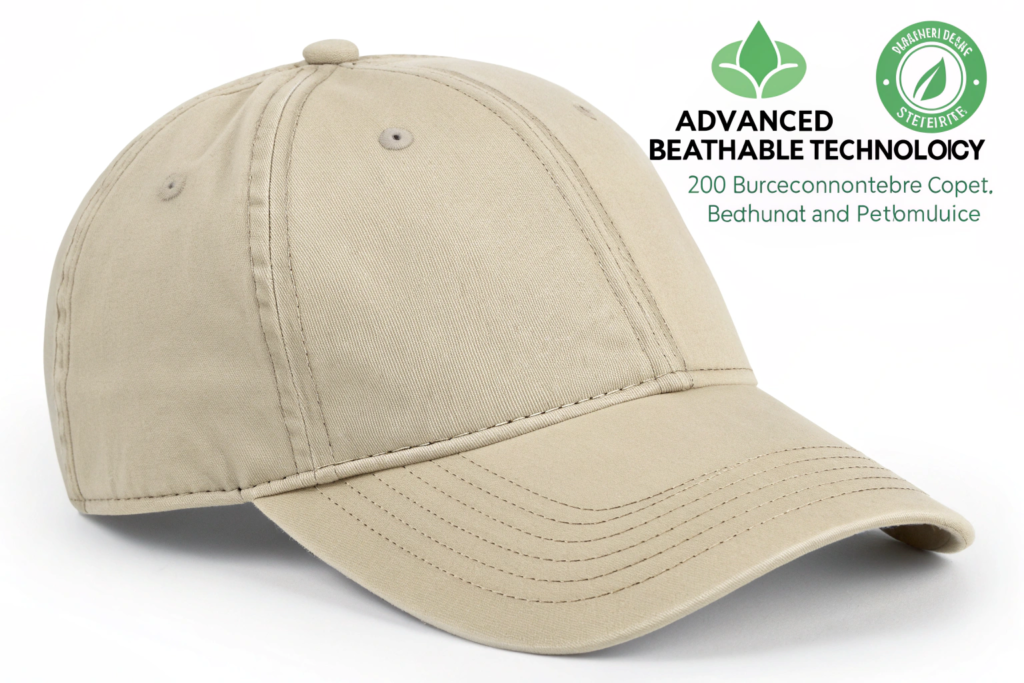
Marketing and labeling must transparently communicate the technology. Terms like "Moisture-Wicking," "Engineered Breathability," or specific technology names (e.g., "Featuring TransDry™ technology") help educated consumers make informed choices. Highlighting features like "laser-cut ventilation" or "channeled sweatband" visually conveys added value.
Conclusion
The modern breathable cotton twill cap is a testament to textile innovation, successfully bridging classic style with contemporary comfort needs. Its compliance with summer demands is achieved not by chance, but through a deliberate strategy: harnessing the inherent breathability of the twill weave, integrating intelligent moisture-management technologies, and executing thoughtful, ventilated designs.
For brands, this represents a significant opportunity to elevate a staple product. The key to success lies in specifying beyond just "100% cotton twill" to include details on yarn fineness, weave density, and performance finishes. It requires a manufacturing partner capable of precisely executing these technical specifications and integrating complex multi-layer components.
By mastering this blend of material science and design, brands can deliver cotton twill caps that don’t just exist in the summer heat, but actively work to defy it, providing customers with genuine, all-day comfort.
If you are looking to develop a leading range of high-comfort cotton twill caps for the upcoming season, our team is ready to collaborate. We combine expertise in fabric sourcing, technical design, and performance manufacturing to bring these advanced concepts to life. For a detailed consultation, please contact our Business Director, Elaine, at elaine@fumaoclothing.com.