In today’s fashion landscape, the traditional binary divisions of "men’s" and "women’s" are rapidly dissolving. Consumers, led by values-driven Gen Z, are no longer content with products and marketing that reinforce outdated gender norms. This shift isn’t a niche trend; it’s a fundamental realignment of the market. Global brands are responding not just with new products, but with a complete reimagining of design, storytelling, and brand identity.
Gender-neutral accessories meet modern inclusivity needs by moving beyond mere unisex sizing to embody a philosophy of personal freedom, fluid identity, and universal design. They serve as powerful tools for self-expression, allowing individuals to define their style without societal labels. For brands, this represents both a profound cultural alignment and a strategic commercial opportunity, enabling them to connect with a broader, more loyal audience while streamlining operations. Learn more Shanghai Fumao Clothing details page.
As a manufacturer witnessing this paradigm shift, we understand that inclusivity is now a baseline expectation. Success lies in authentically embedding these principles into every stage, from initial concept to final marketing. Let’s explore how this movement is being driven from the runway to retail, and how brands are practically implementing it.
How Are Runway Trends and Designer Philosophy Driving Gender Fluidity?
The push for gender-neutral fashion is being powerfully championed at the highest levels of the industry. Major design houses are using their platforms to deliberately blur and dismantle gender boundaries, moving from separate men’s and women’s shows towards a more unified vision.
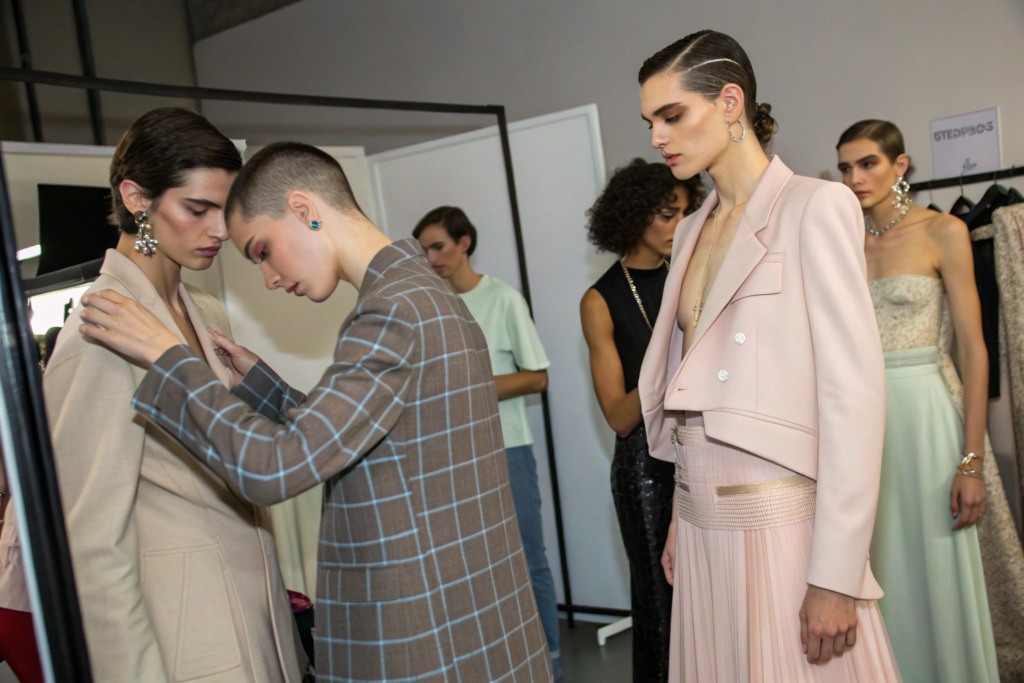
A pivotal moment was Pharrell Williams’ debut for Louis Vuitton in 2023, where he famously reframed his role: "People say I design men’s wear… but I would say, I design clothes for human beings". This statement encapsulates the industry’s new direction. We see this in action with mixed-gender or "co-ed" shows becoming mainstream. Designers like Jonathan Anderson for Dior are actively merging codes, reinterpreting classic Bar Jackets from menswear for womenswear. Similarly, Miuccia Prada has been a pioneer in creating items, like the Miu Miu Aventure bag, that are eagerly adopted by all genders regardless of their original design intent.
What is the "Normcore 2.0" Aesthetic and Why Does It Matter?
The current movement is an evolution of the earlier Normcore trend, now entering what Vogue terms "Normcore 2.0". While the original focused on neutral, comfortable, and functional clothing that rejected obvious gender symbols, Normcore 2.0 delves deeper. It is intrinsically linked to non-binary philosophy, which advocates for a fluid identity that moves beyond the male/female binary. Fashion is no longer seen as a way to signal gender or category status but as a pathway to "free oneself from normative frameworks".
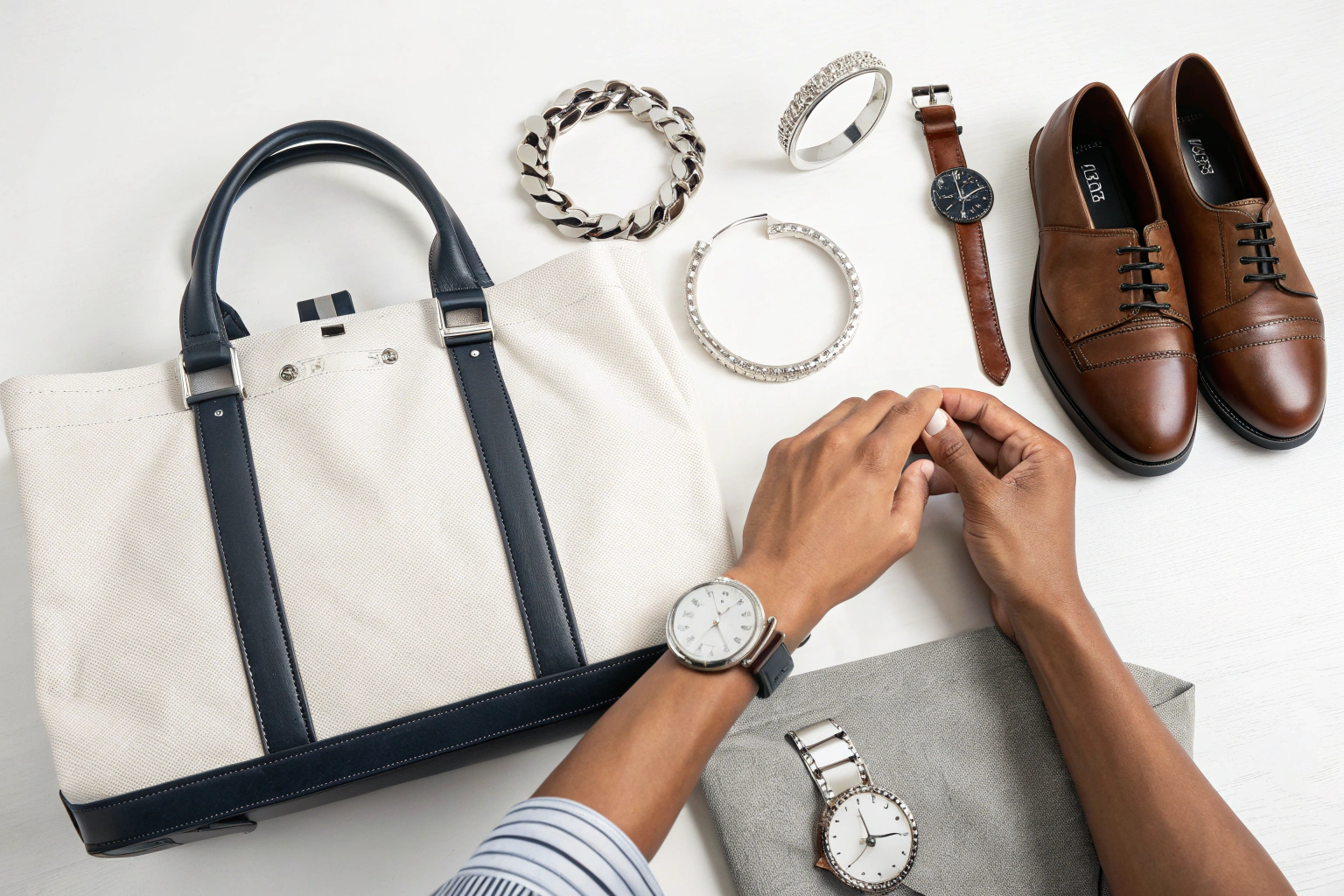
For accessories, this translates into designs that prioritize timelessness, quality materials, and versatile functionality over gendered decoration. A well-crafted tote, a simple leather belt, or a classic watch becomes a vehicle for personal identity rather than a marker of gender. This philosophical underpinning gives the trend lasting power, moving it beyond a fleeting seasonal style.
Are There Commercial Motivations Behind This Shift?
While driven by cultural change, the move towards gender fluidity also offers tangible business benefits. Industry observers note that some brands may adopt mixed-gender shows as a cost-saving measure. More strategically, it allows for a consolidated brand narrative. By presenting a single, cohesive aesthetic vision, brands can strengthen their identity and communicate more clearly to a generation that rejects rigid segmentation.
However, this shift also presents challenges, such as ensuring men’s design receives equal creative attention in a merged format. Furthermore, events like the cancellation of a dedicated London Fashion Week Men’s highlight the industry’s structural adaptation to this new reality. For brands, the key is to ensure that the pursuit of inclusivity is authentic and holistic, not just a presentation shortcut.
What Are the Core Design Strategies for Creating Gender-Neutral Accessories?
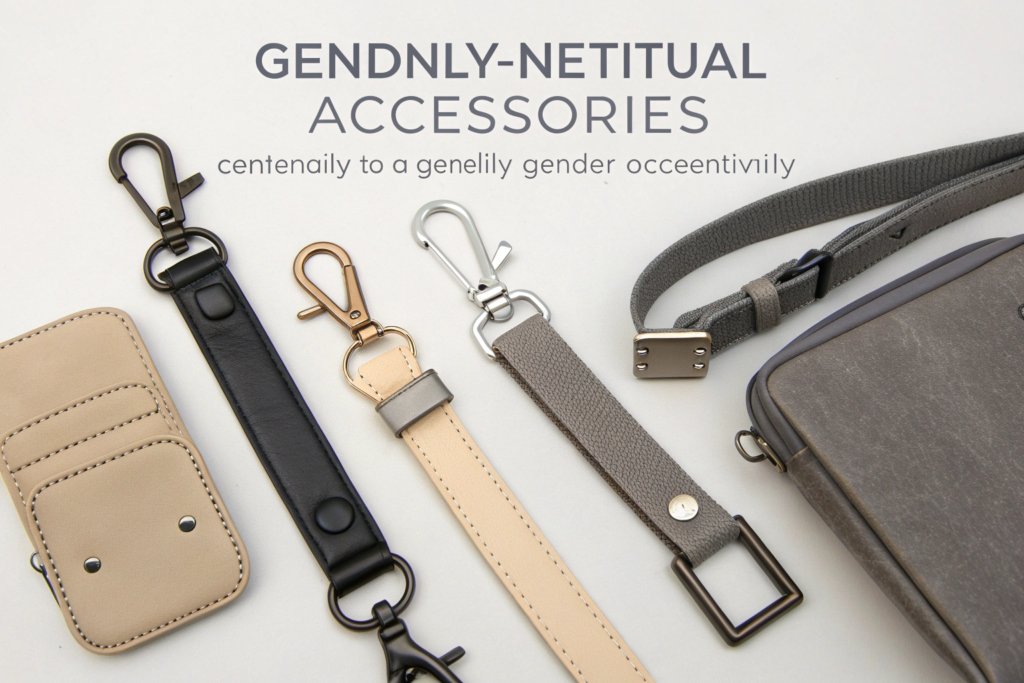
Creating genuinely gender-neutral accessories requires more than removing overtly feminine or masculine colors. It involves a fundamental rethinking of design principles, material choices, and functional considerations to achieve true universality.
The most effective strategy is designing for human-centered functionality and emotion. This means starting from a place of shared human experience rather than gendered assumptions. For example, the trend of "Guardian Design" identified by WGSN focuses on security features like anti-theft clips and RFID-blocking pockets. This addresses a universal need for safety and value protection, transcending gender. Similarly, the drive for "sophisticated escapism" through high-performance, multi-sensorial materials in outdoor gear speaks to a common desire for comfort and experience.
How Do Color, Material, and Silhouette Achieve Neutrality?
| Key design elements are being systematically re-evaluated: | Design Element | Gender-Neutral Strategy | Example / Impact |
|---|---|---|---|
| Color Palette | Moving beyond "pink for girls, blue for boys" to sophisticated neutrals, earth tones, and inclusive metallics. | WGSN highlights ‘Going for Gold’ as a key 2026 trend, with gold jewelry offering stability and glamour for all. POP趋势 reports the rise of (Muted Grey Silver)** as a premier neutral. | |
| Materials | Prioritizing natural, tactile, and high-quality fabrics that appeal to a shared sense of luxury and sustainability. | The use of vegetable-tanned leather, upcycled textiles, and artisan-woven fibers (as seen in brands like Hands of Fashion) emphasizes craft over gender. | |
| Silhouette & Fit | Focusing on adaptable, forgiving, or adjustable silhouettes that accommodate diverse body types. | Designs that feature wrap styles, adjustable straps, or modular components (like ISSEY MIYAKE’s transformative pieces) inherently support inclusivity. |
This approach aligns with data showing explosive market demand. Searches for "cross-gender design" grew 137% year-on-year, and 82% of designers aged 30-35 believe an "agender color language" will be a core future competency.
Why is Expanding Size and Fit Inclusivity Non-Negotiable?
True inclusivity fails if the product doesn’t physically fit the customer. A foundational step is radically expanding size ranges. A landmark example is the brand GCDS, which offers heels in European sizes 36 to 46, ensuring they are accessible to transgender women, drag performers, non-binary individuals, and men with wider feet.
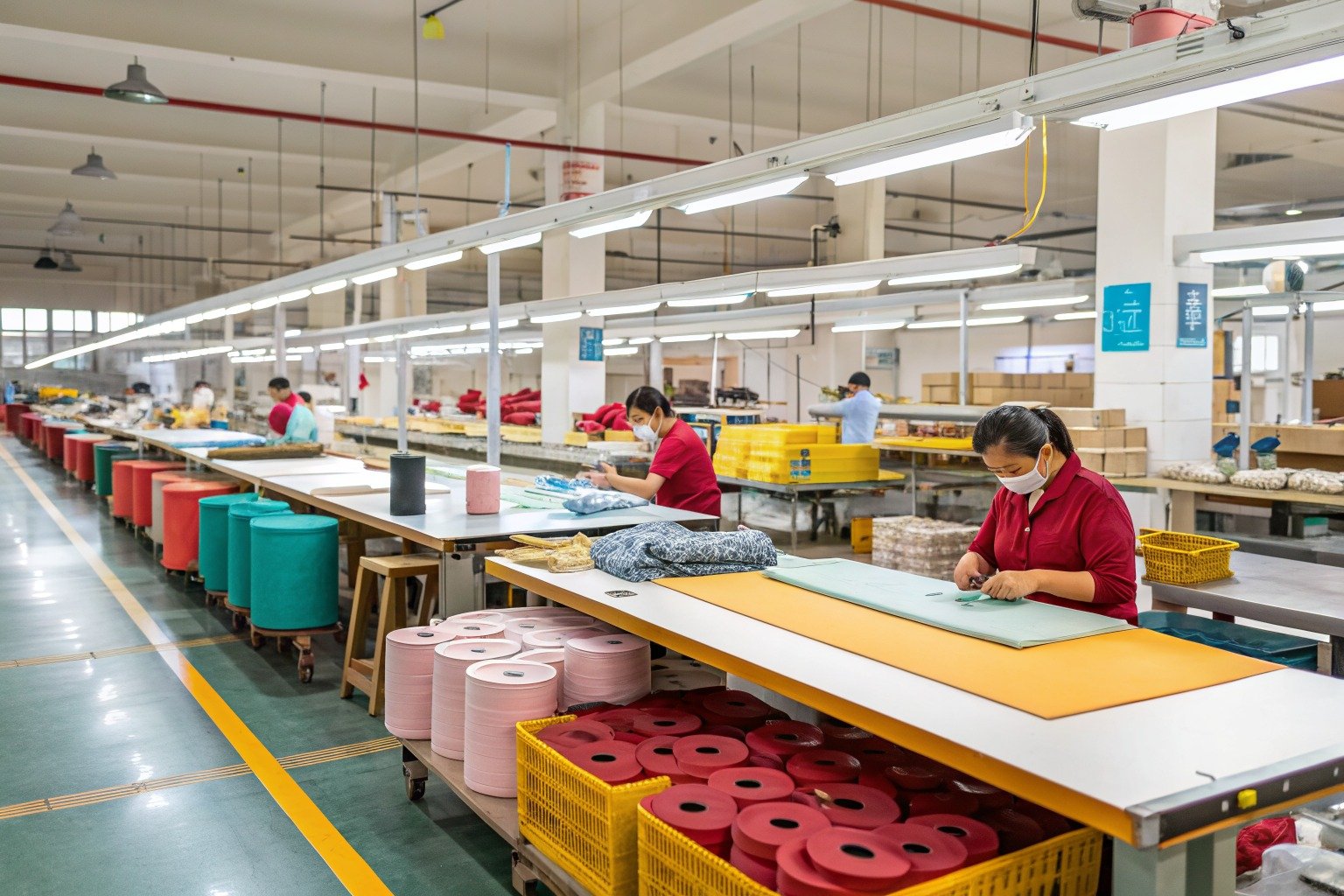
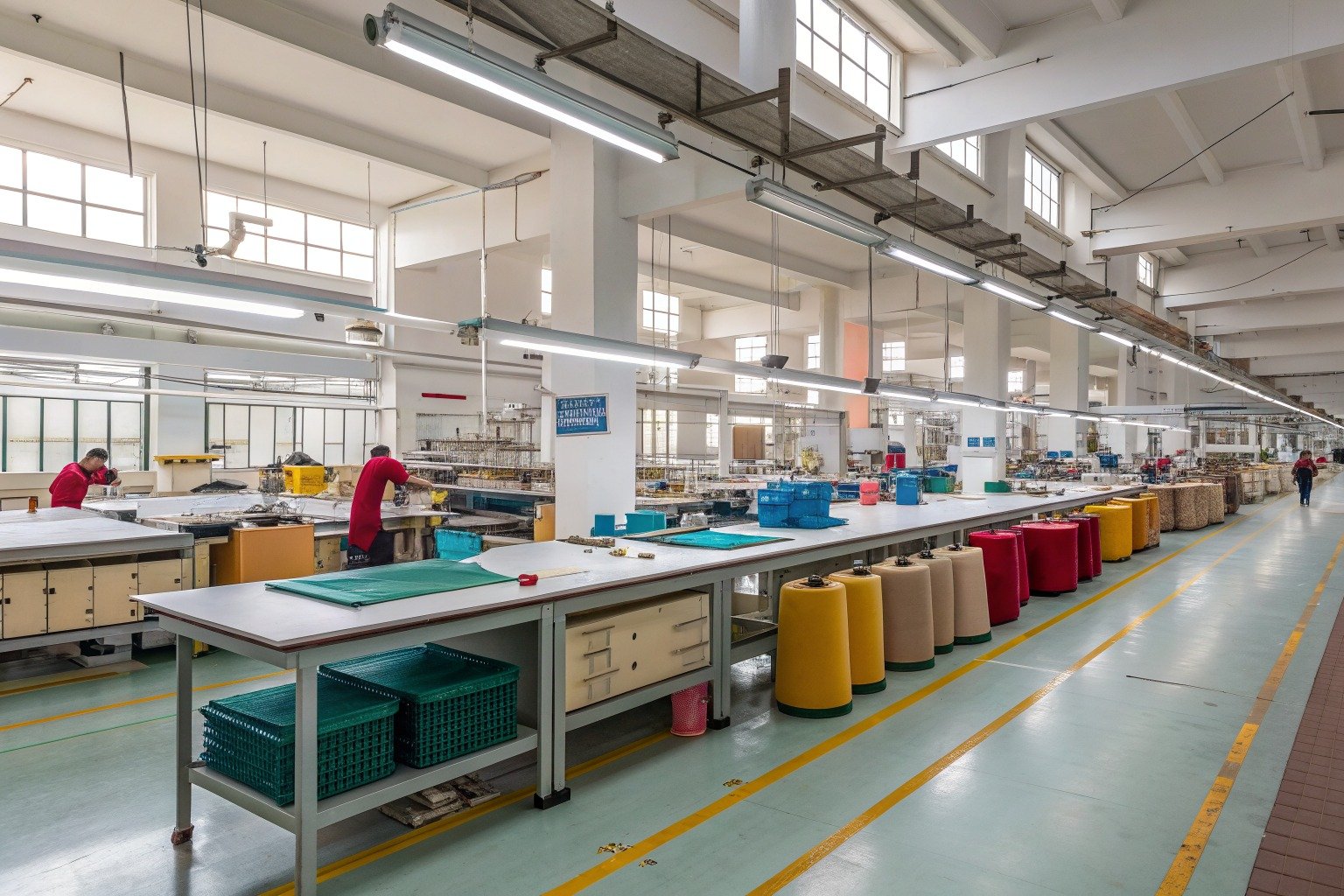
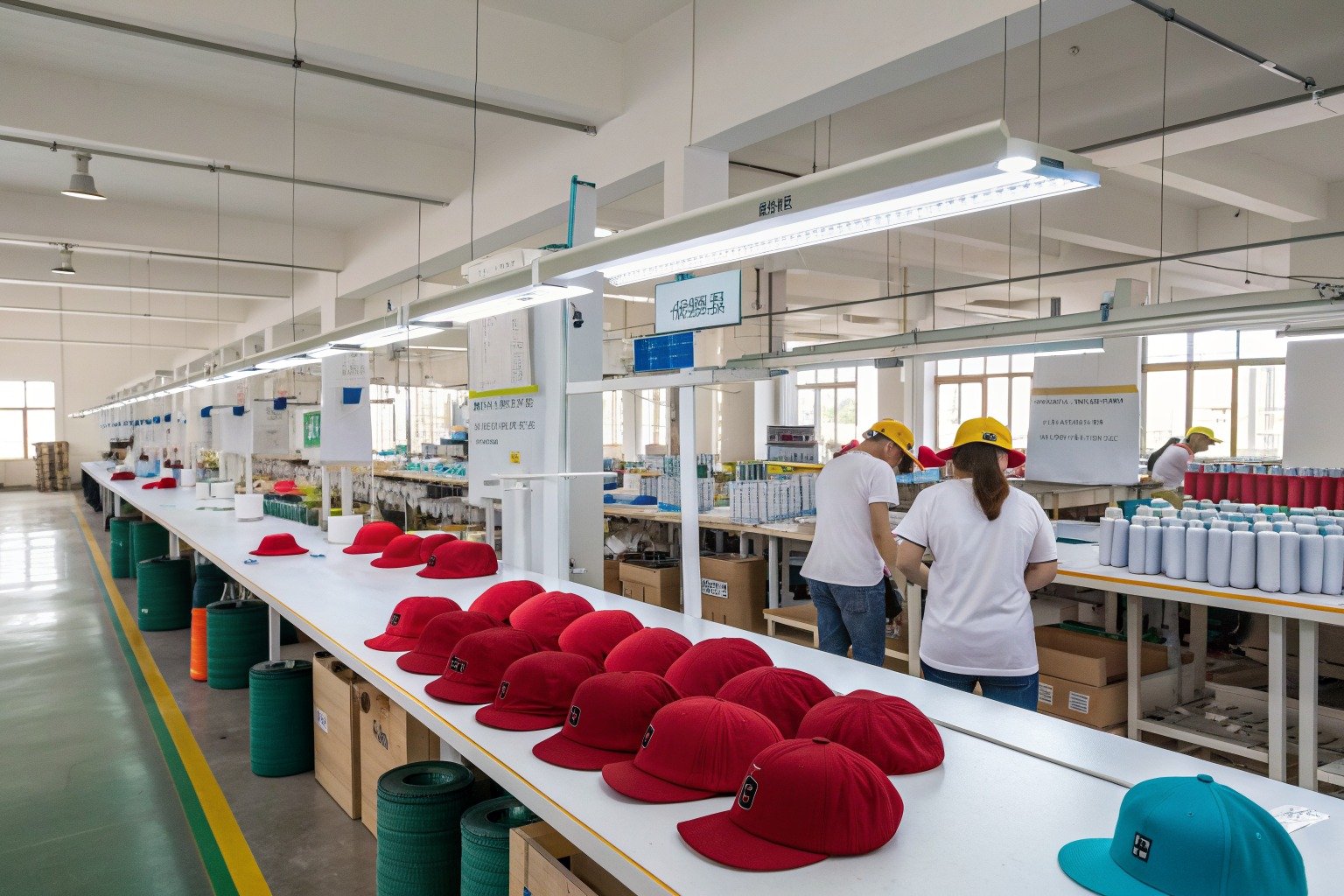
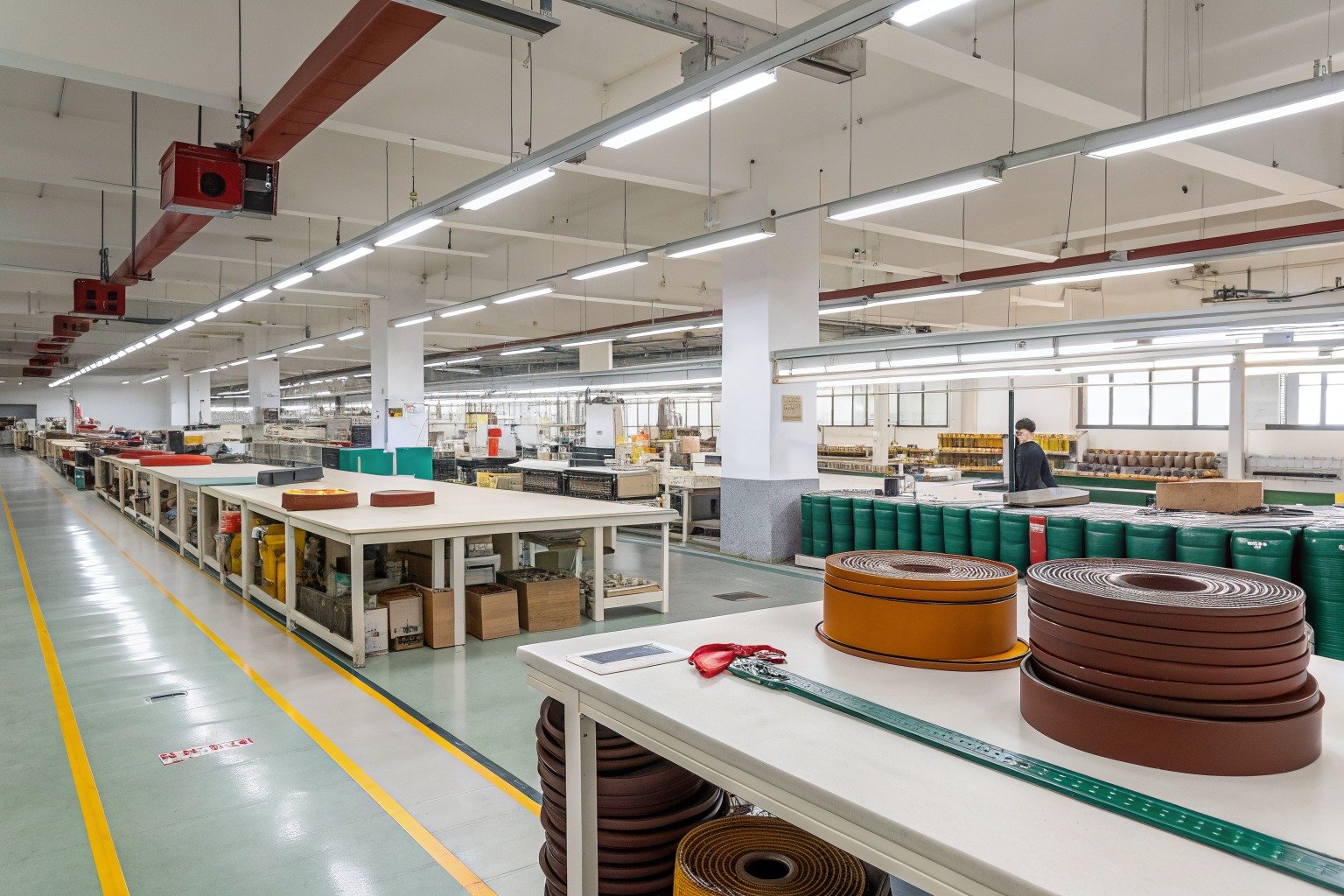
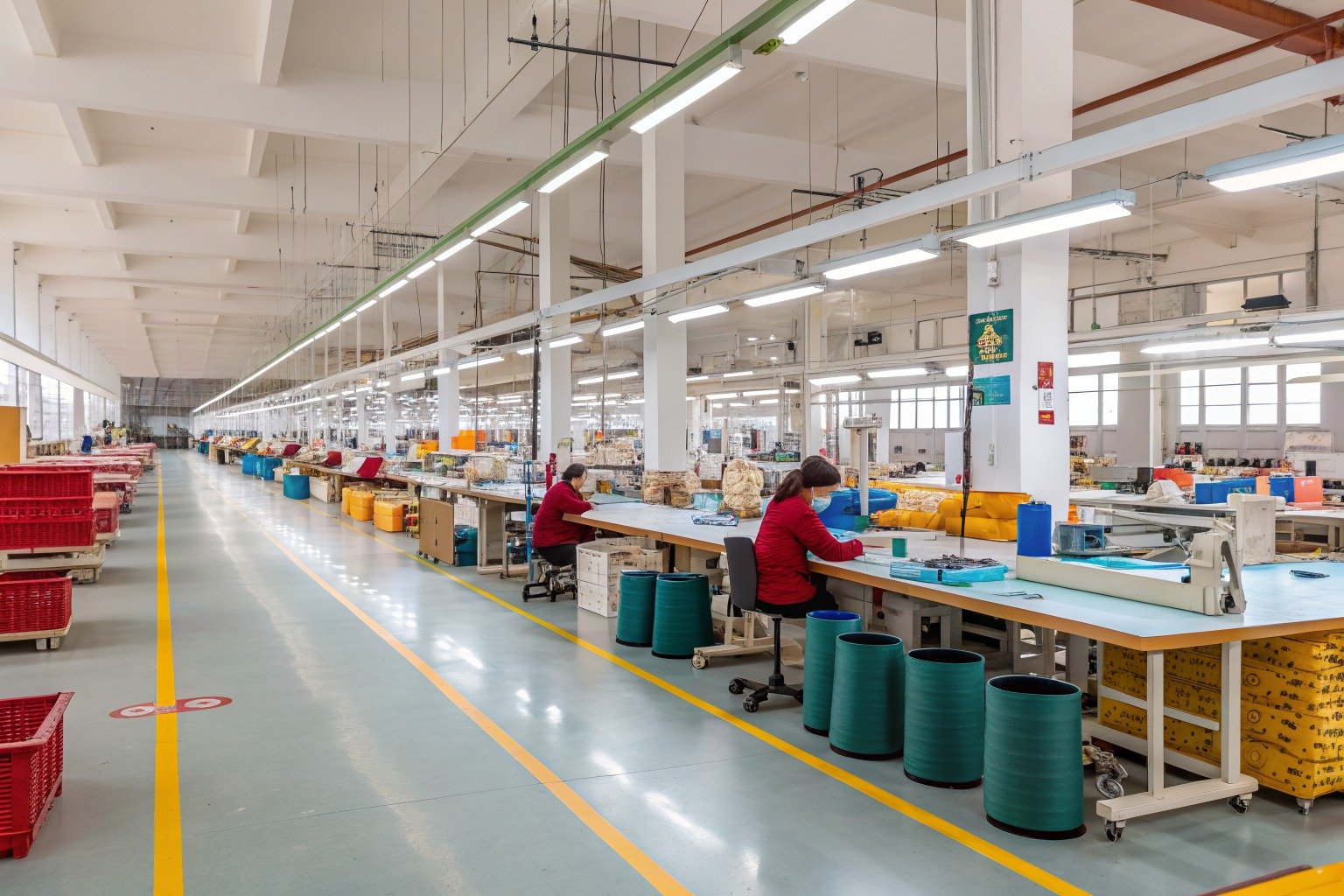
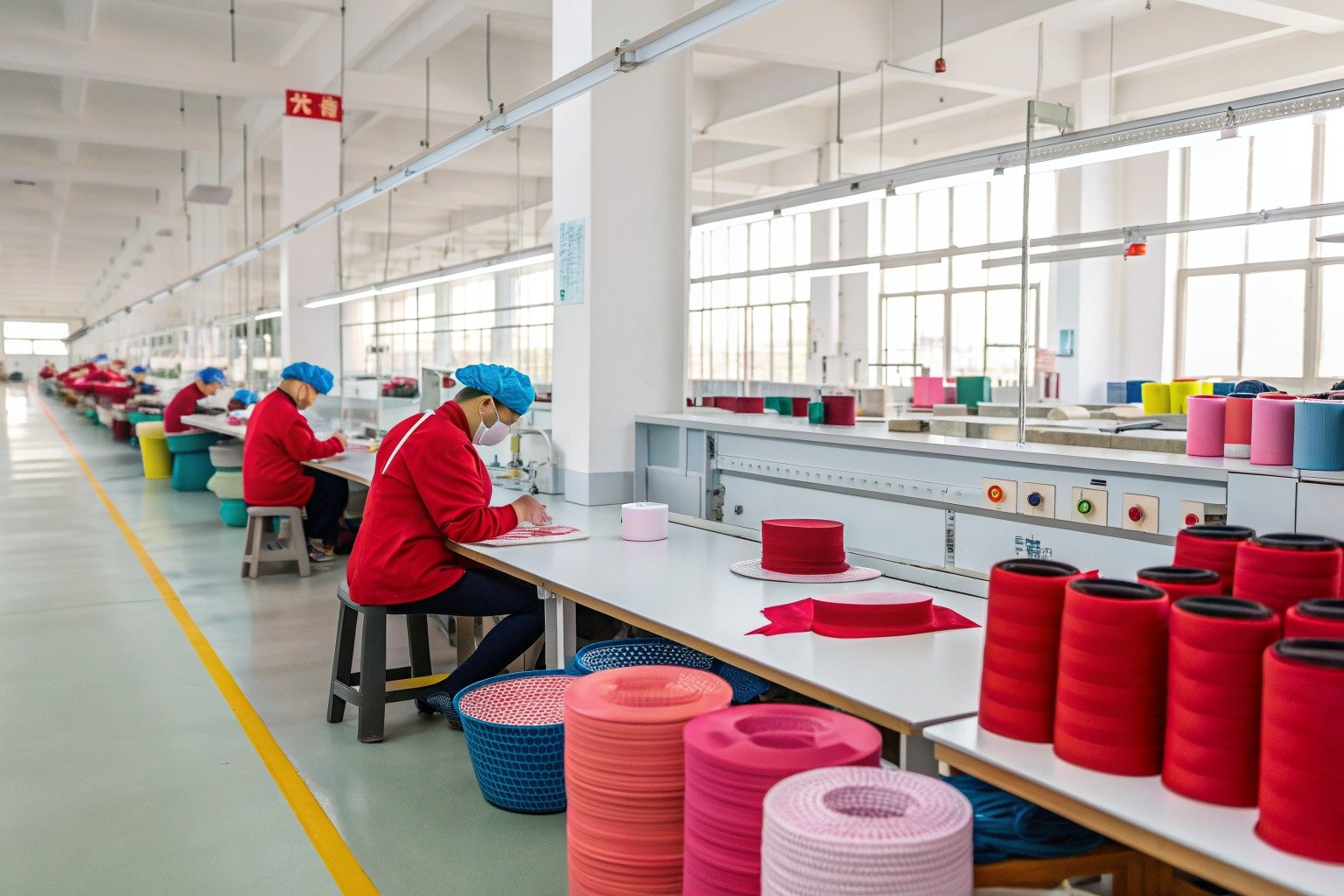
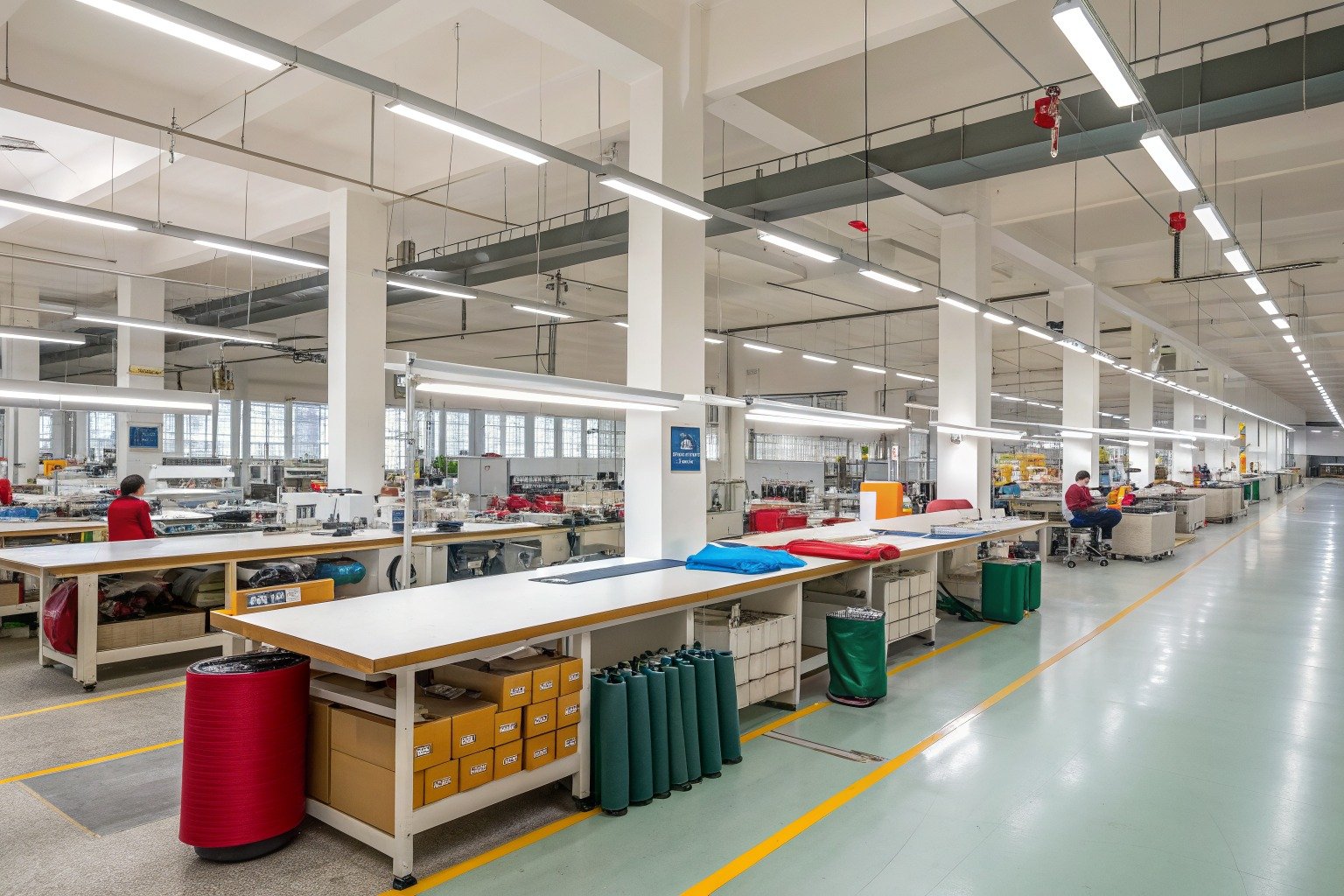
This goes beyond footwear. It applies to bracelet diameters, hat circumferences, and bag strap lengths. For a manufacturing partner, this requires flexible production capabilities and a commitment to producing smaller batches across a wider size spectrum—a challenge that forward-thinking factories are now solving. It’s a tangible way to operationalize the ethos of brands like Shanghai Fumao Clothing, which prioritize serving diverse global client needs.
How Are Brands Integrating Inclusivity into Storytelling and Marketing?
For global brands, launching a gender-neutral product is only half the battle. How they communicate it—through marketing, advertising, and brand narratives—determines whether the effort is perceived as authentic or merely performative.
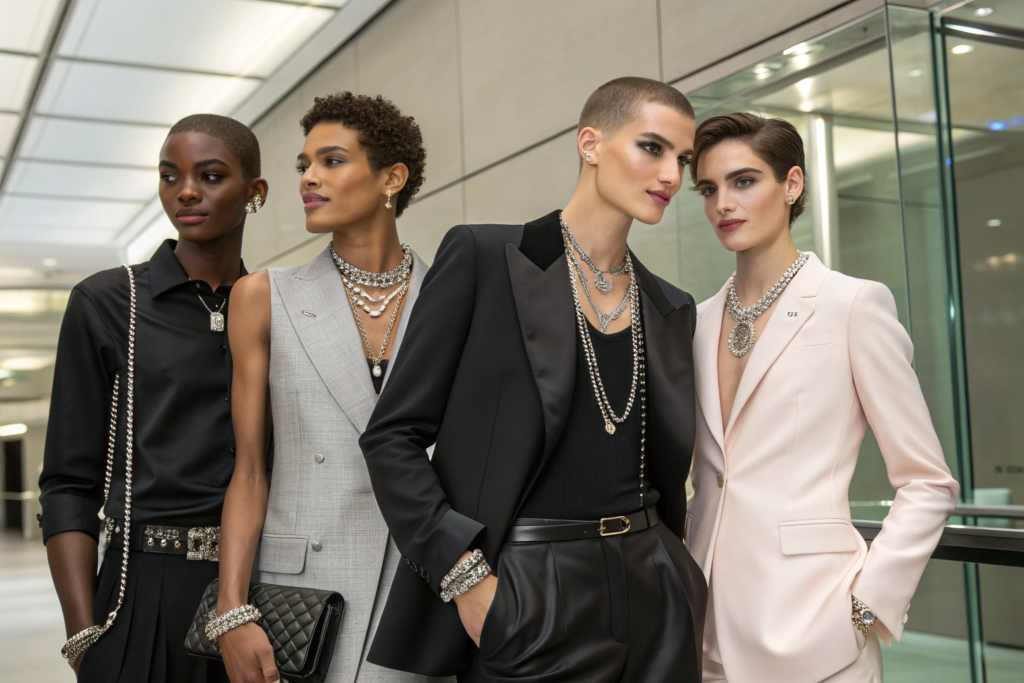
The most successful brands are those that normalize gender-fluid expression in their visuals and messaging. This means consistently featuring a diverse range of models—including non-binary and transgender individuals—not as a special campaign, but as standard practice. Tiffany & Co.’s Lock bracelet campaign, celebrated as an "agender fashion icon," and Dior’s use of jewelry in menswear shows are examples of this seamless integration.
What Does "Product-Led Storytelling" Look Like?
Beyond advertising, the product and its ecosystem can tell the story:
- Collaborations with Purpose: Brands are partnering not just with celebrities, but with communities. Crocs’ "Jibbitz for Good" charms, developed with Girl Up leaders, turn accessories into conduits for personal stories and confidence, aligning with their "come as you are" ethos.
- Packaging and Retail Experience: Neutral, minimalist packaging and retail spaces designed as "third spaces" avoid gendered cues. Brands like bosie use mannequins without defined facial features to avoid gender assignment.
- Layered Value Propositions: Marketing focuses on the emotional and functional benefits—like self-expression, comfort, security, or craftsmanship—that resonate universally.
How Does This Align with Broader Sustainability Goals?
The gender-neutral movement powerfully intersects with sustainability. By designing one versatile product for a larger audience, brands can reduce overproduction and waste. Reports indicate that eliminating separate men’s and women’s lines can halve costs in R&D, supply chain, and inventory management, while significantly lowering resource consumption. This creates a compelling dual narrative: inclusive design is inherently more efficient and responsible, appealing to the values of the modern consumer who cares about both identity and the planet.
What Are the Practical Challenges and Future Directions?
While the direction is clear, the journey towards full inclusivity presents ongoing challenges. The risk of "gender-neutral" becoming a superficial marketing label is real. Consumers are quick to spot inauthenticity, such as brands simply relabeling existing products or using diverse models while keeping narrow, gendered designs.
The future lies in deep integration and technological innovation. We are moving towards:
- Hyper-Personalization: Using technology to tailor accessories (like adjustable smart straps or modular components) to an individual’s body and style, making traditional gendered sizing obsolete.
- Empathetic Co-Creation: Following the lead of brands like Anrealage, which collaborates with disabled artists to create from unique sensory perspectives, ensuring inclusivity drives genuine innovation, not just aesthetics.
- Ethical Supply Chains as Standard: Inclusivity extends to the people who make the products. Brands are increasingly evaluated on fair labor practices and support for artisan communities, particularly women.
How Can Manufacturers and Brands Work Together to Overcome Hurdles?
Successful implementation requires a true partnership between brand vision and manufacturing execution. Key areas of collaboration include:
- Shared Language and Vision: Ensuring both parties have a deep, shared understanding of what "inclusive design" means beyond aesthetics—covering sizing, material ethics, and packaging.
- Agile Production Systems: Developing manufacturing processes that can efficiently handle wider size runs, smaller batch customizations, and mixed-material products without prohibitive cost increases.
- Joint Problem-Solving: Tackling challenges like finding suppliers for truly inclusive materials (e.g., vegan leathers in neutral textures) or engineering adjustable components that are both durable and elegant.
Conclusion
Gender-neutral accessories are far more than a trend; they are the physical manifestation of a major cultural shift towards self-determination and inclusion. For global brands, they represent a critical pathway to relevance, allowing them to connect with consumers on a deeper, values-driven level. Success is achieved not through a single unisex product line, but through a committed philosophy that permeates design (through universal functionality and expanded sizing), storytelling (through authentic normalization), and operations (through aligned sustainability efforts).
The brands that will lead are those that understand inclusivity as a design imperative, not a marketing checkbox. It requires partnership with manufacturers who are adept at flexible production, material innovation, and understanding nuanced global markets.
If you are looking to develop a truly inclusive accessory line that resonates with tomorrow’s consumer, we are here to partner with you. Our expertise in design, material sourcing, and agile production can help translate these essential principles into successful, beautiful, and meaningful products. To begin a conversation about creating your next inclusive collection, please contact our Business Director, Elaine, at elaine@fumaoclothing.com.