Are you struggling with material waste, quality rejects, or inefficient processes in your hair tie manufacturing? Traditional elastic hair tie production often generates significant waste through imprecise cutting, quality issues, and inefficient material usage that impacts both profitability and environmental sustainability.
Reducing waste in hair tie production requires implementing lean manufacturing principles, optimizing material usage, improving process efficiency, and adopting circular economy approaches that collectively minimize waste throughout the production lifecycle.This comprehensive strategy addresses waste reduction from multiple angles while maintaining product quality and manufacturing efficiency.
Let’s explore the specific strategies, technologies, and process improvements that deliver significant waste reduction in hair tie production across different materials, designs, and production scales.
How can material optimization reduce cutting waste?
Traditional hair tie production often involves manual cutting or inefficient pattern nesting that generates substantial material waste. This waste becomes particularly significant when working with expensive materials like silk, satin, or specialty elastics where every centimeter of material represents cost and environmental impact.
Material optimization reduces cutting waste through advanced nesting software, precision cutting equipment, and strategic material selection that maximize utilization while maintaining product quality and performance standards.
What nesting strategies maximize material utilization?
AI-powered nesting algorithms optimize material layout to minimize waste while maintaining quality standards. Our implementation for fabric-covered hair ties has improved material utilization from 72% to 94% by analyzing thousands of possible cutting patterns and selecting the most efficient arrangements. The system automatically adjusts cutting patterns based on real-time material inspection, avoiding flaws and optimizing grain direction for better performance. When processing expensive satin and velvet materials for our premium collections, the nesting optimization has reduced material costs by 38% while actually improving product quality through better material alignment. The system also learns from cutting results, continuously refining its algorithms to achieve even better efficiency over time.
How does precision cutting technology minimize waste?
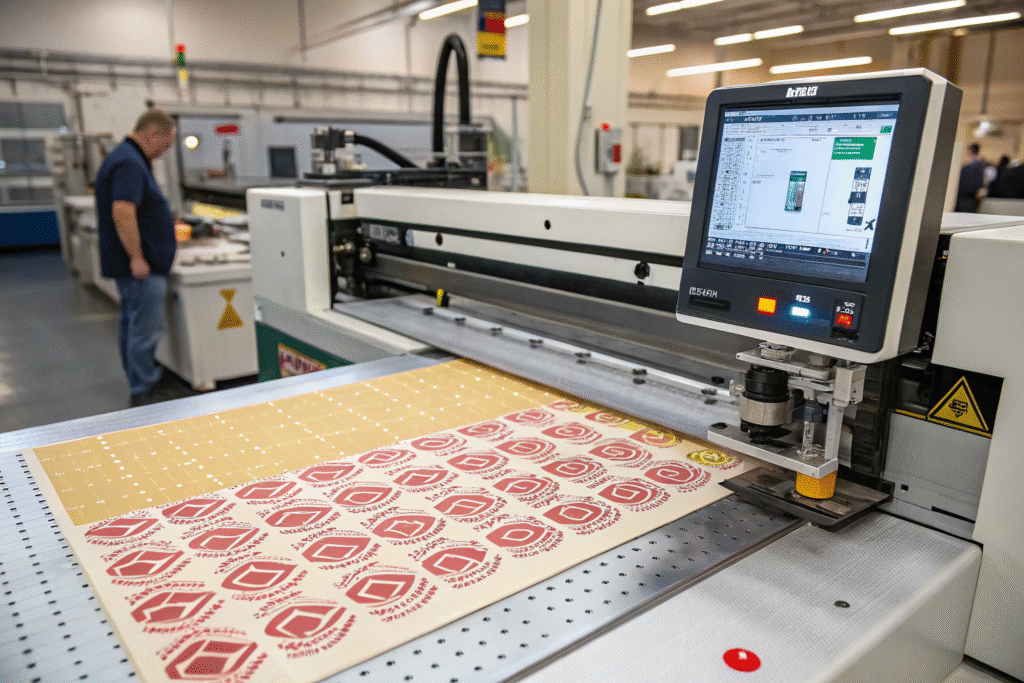
Computer-controlled cutting systems maintain exact dimensions and eliminate variations that create waste. Our automated cutting equipment for elastic hair ties uses vision systems to ensure perfect alignment and consistent cutting lengths. The precision has eliminated the 3-5mm length variations that previously occurred with manual cutting, reducing material waste by 27%. For our fold-over elastic hair ties, the system automatically adjusts cutting parameters based on material stretch characteristics, preventing the distortion that previously caused 8% of cuts to be rejected. The equipment also uses ultrasonic cutting technology for synthetic materials, sealing edges during cutting to prevent fraying and reducing the finishing waste that traditionally affected 12% of production.
How can process improvements reduce quality waste?
Quality-related waste represents a significant portion of total waste in hair tie production, with defective products requiring disposal or rework that consumes additional resources. Traditional quality control often detects issues too late, allowing waste to accumulate through multiple production stages.
Process improvements reduce quality waste through preventive quality management, real-time monitoring, and parameter optimization that address quality issues at their source rather than through end-of-line detection and rejection.
What preventive measures reduce manufacturing defects?
Proactive quality management identifies and addresses potential issues before they create waste. Our implementation includes real-time monitoring of 18 critical parameters during hair tie production, including elastic tension, stitching consistency, and joining temperature. When producing our spiral hair ties, the system detected that specific humidity conditions were affecting material elasticity and automatically adjusted tension settings to maintain perfect consistency. This intervention prevented the production of 1,200 defective units that would have been wasted. The system also includes predictive maintenance for production equipment, identifying potential issues before they cause quality problems. Recently, vibration analysis detected developing wear in our joining equipment that was causing inconsistent seals in our seamless hair ties. The early detection enabled repair during planned downtime, preventing what would have been a 15% rejection rate.
How does parameter optimization minimize material waste?
Data-driven process optimization fine-tunes production parameters to minimize waste while maintaining quality. Our machine learning system analyzes production data to identify optimal settings for different materials and designs. When working with a new recycled elastic material for our sustainable line, the system identified that traditional temperature settings were causing 12% waste due to inconsistent joining. The AI recommended parameter adjustments that reduced this waste to 2% while maintaining product durability. The optimization also addresses material-specific requirements—for our lace-edged hair ties, the system automatically adjusts sewing tension and speed based on lace characteristics, reducing the breakage and tearing that previously caused 9% waste. These optimizations have collectively reduced our quality-related waste by 68% and improved our first-pass yield from 83% to 96%.

How can circular economy approaches transform waste management?
Traditional hair tie manufacturing typically follows a linear model where waste materials are disposed of rather than recovered or repurposed. This approach not only creates environmental impact but also represents lost economic value from materials that could be utilized productively.
Circular economy approaches transform waste management through material recovery, recycling systems, and waste repurposing that minimize environmental impact while creating value from what would otherwise be waste streams.
What recycling systems can process production waste?
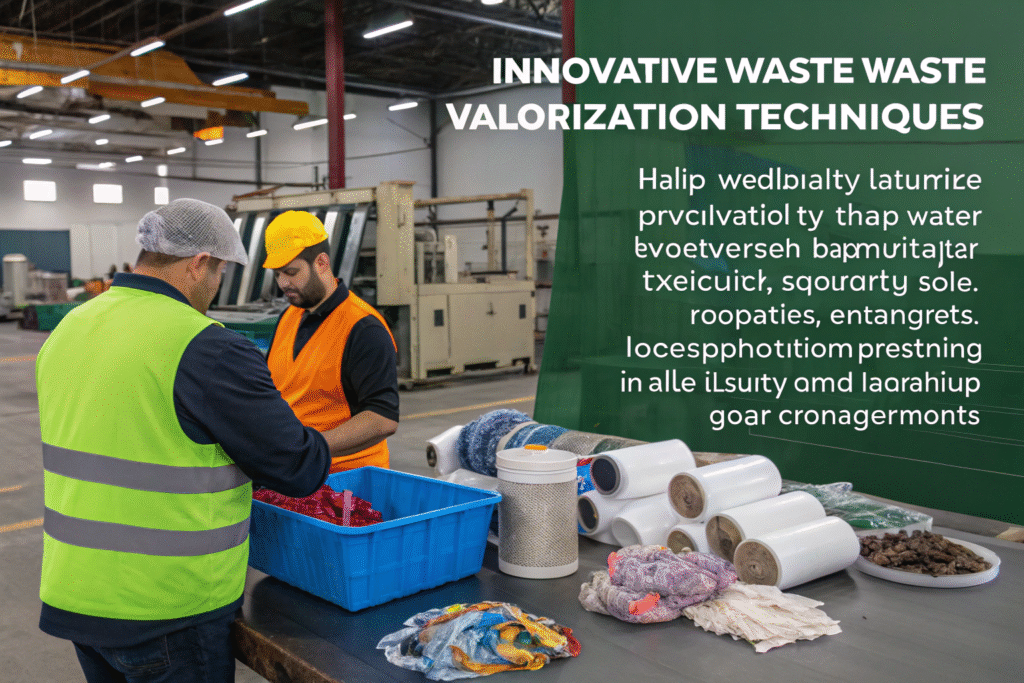
Closed-loop material recycling captures and processes waste materials for reuse in production. Our implementation includes specialized equipment that collects elastic scraps from cutting operations and processes them for reuse in lower-grade products. The system separates different material types—synthetic elastics, natural fibers, and metal components—for appropriate recycling pathways. For our fabric scrap waste, we’ve partnered with a specialized recycler that processes textile waste into new fibers for various applications. This approach has diverted 87% of our production waste from landfills and reduced our raw material requirements by 23% through internal recycling. The system also includes energy recovery for non-recyclable waste, converting material that cannot be practically recycled into energy for our manufacturing facilities.
How can waste materials be repurposed creatively?
Innovative waste valorization finds valuable uses for materials that would traditionally be considered waste. Our elastic scrap repurposing program transforms production waste into new products like composite hair accessories and filling materials for other applications. When we identified that our silk scrap from premium hair tie production was suitable for luxury paper production, we established a partnership that now generates additional revenue from what was previously waste. For our plastic component waste from packaging and hardware, we’ve implemented a 3D printing filament production system that converts these materials into filament for our prototyping and custom manufacturing operations. These creative approaches have transformed our waste management from a cost center to a value-generating activity, with waste-derived products now contributing 8% to our overall revenue.
How can lean manufacturing principles reduce process waste?
Lean manufacturing focuses on eliminating all forms of waste, including unnecessary motion, waiting times, overproduction, and inefficient processes that may not directly create material waste but contribute to overall inefficiency and resource waste.
Lean manufacturing principles reduce process waste through value stream mapping, workflow optimization, and continuous improvement that identify and eliminate non-value-added activities throughout hair tie production.
What value stream mapping reveals hidden waste?
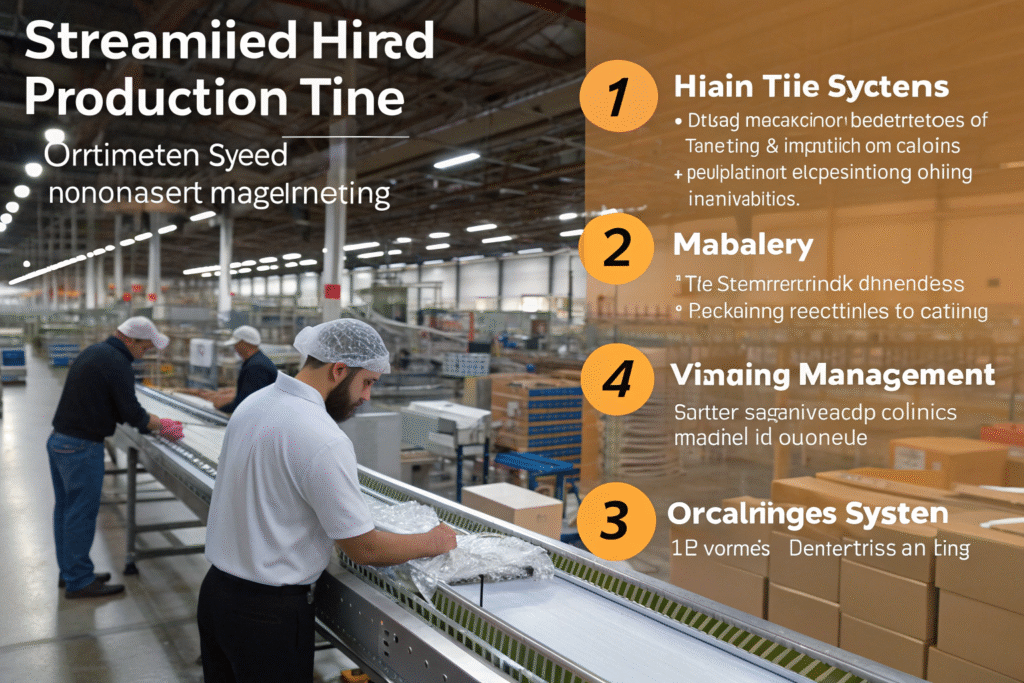
Comprehensive process analysis identifies waste sources that are not immediately obvious in traditional manufacturing. Our value stream mapping for hair tie production revealed that material handling and transportation between production stages was consuming 23% of total production time and creating opportunities for damage and quality issues. By reorganizing our production layout into a U-shaped cell design, we reduced material travel distance by 76% and eliminated the handling damage that previously caused 5% waste. The analysis also identified that our batch processing approach for color changes was creating significant setup waste. By implementing single-piece flow and quick-changeover techniques, we reduced changeover time from 45 minutes to 8 minutes, enabling more frequent small-batch production that better matches demand and reduces overproduction waste.
How does workflow optimization improve efficiency?
Streamlined production processes eliminate unnecessary steps and waiting times that contribute to waste. Our workflow optimization for hair tie assembly reduced the number of handling operations from 14 to 7 while improving quality consistency. The implementation of andon systems and visual management enables immediate problem identification and resolution, preventing the accumulation of defective products that would become waste. For our packaging operations, we eliminated unnecessary packaging materials and optimized packaging designs to reduce material usage by 34% while maintaining product protection. These lean approaches have improved our overall equipment effectiveness from 71% to 89% and reduced our total production waste by 42% through systematic elimination of inefficiencies.
Conclusion
Reducing waste in hair tie production requires a comprehensive approach that addresses material optimization, process improvements, circular economy implementation, and lean manufacturing principles. By implementing advanced nesting technologies, preventive quality management, creative waste repurposing, and streamlined workflows, manufacturers can achieve significant waste reduction while improving efficiency and sustainability. The most successful waste reduction strategies combine technological solutions with process optimization and cultural commitment to continuous improvement. As environmental concerns and material costs continue to increase, waste reduction becomes not only an environmental imperative but also a significant competitive advantage that impacts both profitability and brand reputation in the conscious consumer market.
If you’re looking to reduce waste in your hair tie production operations, we invite you to contact our Business Director, Elaine. She can discuss how our waste reduction expertise and sustainable manufacturing capabilities can help you achieve your efficiency and sustainability goals. Reach her at: elaine@fumaoclothing.com.