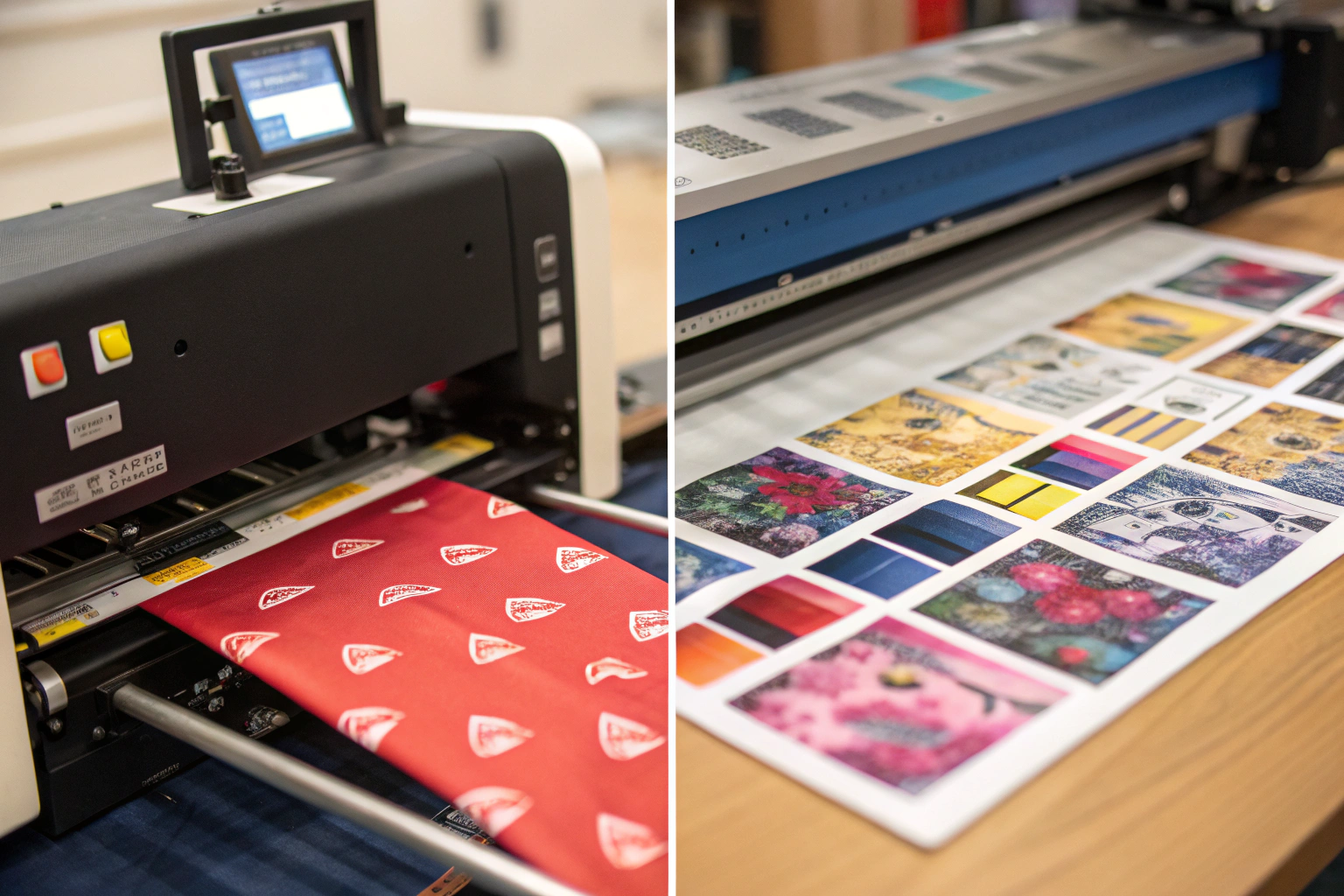
I’ve been in this business for decades, and I can tell you that dye sublimation is one of the most exciting and versatile printing methods for fashion accessories. It allows for vibrant, full-color, photo-realistic designs that are permanently embedded in the fabric. They won’t crack, peel, or fade like some other prints. When it’s done right, the results are stunning.
But dye sublimation is also a process that demands precision. It’s not as simple as hitting "print." There are many variables that can go wrong, leading to frustrating and costly mistakes. A blurry image, faded colors, or a ghosted outline can ruin an entire batch of products. Understanding these common pitfalls and how to avoid them is essential for anyone sourcing sublimated accessories.
At Shanghai Fumao Clothing, we have extensive experience with dye sublimation. We’ve invested in high-quality equipment and trained our team to master the process. We know what can go wrong and, more importantly, how to prevent it. In this post, I’ll share the most common dye sublimation mistakes and, crucially, how to avoid them. For more on our printing capabilities, you can read our guide on what are the best UV-resistant inks for outdoor accessories like umbrellas.
What Is Dye Sublimation And How Does It Work?
Before we dive into the mistakes, it’s important to understand the basics of how dye sublimation works. It’s a unique printing process that uses heat to turn solid dye into a gas, which then bonds with polymer fibers at a molecular level. The result is a print that is part of the fabric, not just on top of it.
The process involves three main steps:
- Printing: The design is printed onto special transfer paper using sublimation inks.
- Pressing: The printed paper is placed against the fabric (which must be at least 50-60% polyester for good results) and put into a heat press.
- Sublimation: Under high heat and pressure, the solid ink turns directly into a gas (sublimates) without becoming a liquid. This gas penetrates the polyester fibers and then solidifies again as it cools, becoming permanently trapped inside the fibers.
This creates a vibrant, durable, and long-lasting print. For more on the science, resources like the Digital Printing & Imaging Association are excellent. This process is similar in its precision to the techniques used in digital embroidery on delicate fabrics, where control over every variable is essential.
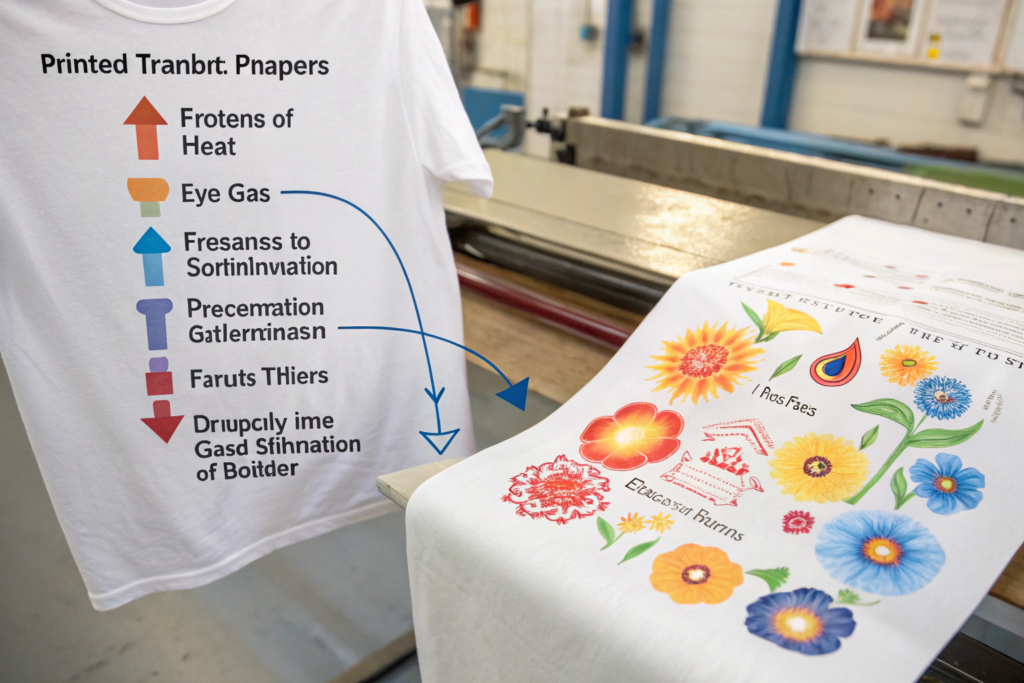
What are the key requirements for successful sublimation?
- Polyester Fabric: Sublimation inks bond only with polyester fibers. The higher the polyester content, the better and more vibrant the result. 100% polyester is ideal. Blends (like poly-cotton) will result in a faded, vintage look, as the ink only adheres to the polyester portion.
- Special Inks and Paper: You must use sublimation inks and special transfer paper. Regular inkjet inks will not work.
- High Heat and Pressure: A heat press is essential. A household iron cannot provide the consistent temperature, pressure, and timing required. The typical temperature range is 350-400°F (175-200°C).
- Correct Time: The pressing time must be precisely controlled. Too little time and the ink won’t fully transfer. Too much time and the colors can burn or the fabric can be damaged.
- Mirrored Image: The design must be printed in reverse (mirrored) on the transfer paper, as it will be reversed again when pressed onto the fabric.
Understanding these basics is the foundation for avoiding mistakes. This attention to foundational requirements is just as important when sourcing high-quality cotton twill caps, where the fabric and construction details determine the final quality.
What is "ghosting" and how do you prevent it?
Ghosting is a faint, blurry, or double image next to the main design. It looks like a shadow or a ghost of the original. It’s usually caused by movement of the paper or fabric during the pressing process.
How to prevent it:
- Secure the Paper: Use heat-resistant tape to securely tape the transfer paper to the fabric, especially on larger pieces or items with complex shapes. This prevents any shifting during pressing.
- Even Pressure: Ensure the heat press is applying even pressure across the entire design. Uneven pressure can cause the paper to shift slightly.
- Smooth Surface: Make sure the fabric is lying flat and smooth, with no wrinkles or bunching that could cause the paper to lift.
Preventing ghosting is all about ensuring everything is perfectly still during the transfer. This level of precision is similar to what’s required when applying the best finishes for a brushed metal look, where evenness is paramount.
How To Avoid Fabric-Related Problems?
The fabric itself stands as a critical variable in the sublimation process, its very essence dictating the success or failure of the final result. A mere whisper of misunderstanding or a single misstep in preparation can transform a promising project into a disappointing disaster, leaving colors muted, designs blurred, or patterns bleeding into unintended chaos. The wrong fabric—be it one with an incompatible fiber composition, improper weight, or lack of proper coating—acts as an insurmountable barrier, rendering even the most vibrant dyes inert and the most intricate designs lifeless.
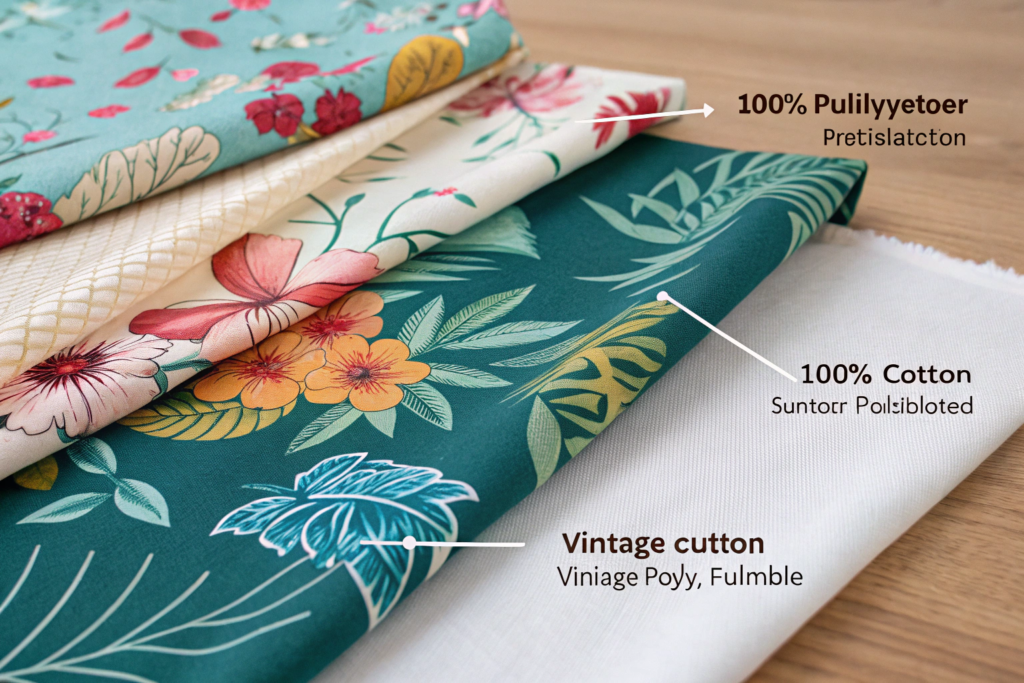
Why is fabric type so critical for sublimation?
As mentioned, sublimation inks bond only with polyester fibers. The ink turns into a gas and is absorbed by the polymer molecules. If the fabric has no polyester (like 100% cotton), there’s nothing for the ink to bond with. The gas will just dissipate, leaving a very faint, washed-out, and non-durable print. It will likely wash out almost entirely.
For best results, use 100% polyester with a high thread count. This will give you the sharpest, most vibrant, and most durable prints. For a more "vintage" or muted look, you can use poly-cotton blends, but you must understand that the final result will be less vibrant. This principle of choosing the right material for the desired outcome is also key when sourcing high-quality Panama hats, where the fineness of the weave determines the grade.
How do you prepare fabric for sublimation?
- Pre-Press the Fabric: Before you even place the transfer paper, it’s a great practice to pre-press the fabric in the heat press for a few seconds. This does two things:
- Removes Moisture: Any moisture in the fabric can turn to steam during the main press and interfere with the ink transfer, causing faded spots.
- Removes Wrinkles: It ensures the fabric is perfectly smooth and flat.
- Handle with Clean Hands: Oils from your skin can also affect the transfer. Handle the fabric with clean hands or wear gloves.
- Cut Fabric to Size: Cut your fabric pieces slightly larger than your design to allow for any minor shrinkage.
Proper preparation is a simple step that prevents many problems, much like the careful preparation required for bonding methods for attaching leather patches to ensure a strong, lasting bond.
What Are The Best Practices For A Successful Sublimation Workflow?
Avoiding mistakes is not just about fixing problems; it’s about creating a workflow that prevents them from happening in the first place. A systematic, quality-focused approach is the key to consistent, high-quality results.
At our factory, we have a rigorous sublimation workflow that we follow for every project. This ensures that every accessory we produce meets our high standards.
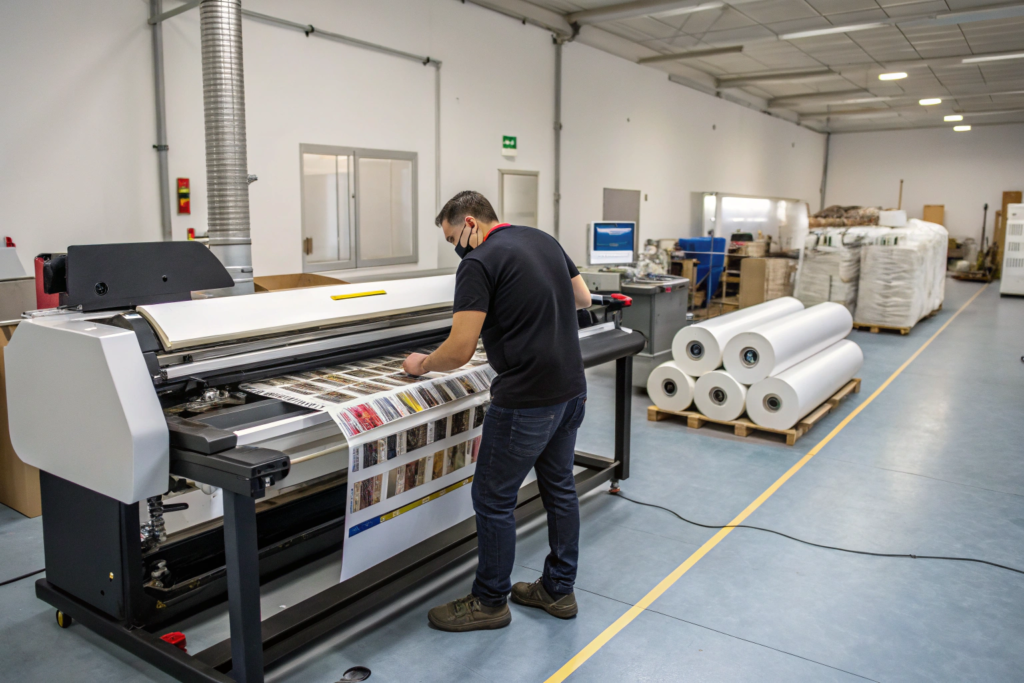
Why is a test print essential before full production?
This cannot be overstated. Always do a test print. Before you commit to a large production run, you must sublimate a sample on the exact fabric you’ll be using, using the exact settings you plan to use.
- Check Colors: This is the only way to see if the colors are accurate and to make any necessary adjustments.
- Check Alignment: For designs with multiple placements or complex shapes, a test print allows you to check alignment.
- Check the Fabric: See how the fabric reacts to the heat and pressure. Does it shrink? Does it discolor?
- Document Your Settings: Once you have a successful test, document all the settings (time, temperature, pressure, ICC profile) so you can replicate it exactly for the full production run.
A test print is a small investment that can save you from a costly disaster. This principle of testing before full production is also critical when sourcing accessories compliant with California Prop 65, where third-party testing is non-negotiable.
How do you maintain consistency across a large production run?
- Document Everything: As mentioned, keep detailed records of all settings for each job.
- Monitor the Process: Even during a large run, it’s good practice to periodically check the prints. Pull a random sample every so often and inspect it.
- Maintain Your Equipment: Regularly clean and maintain your printer and heat press. A dirty printer can cause banding or other print defects. A heat press with inconsistent temperature will lead to inconsistent results.
- Use Consistent Materials: Use the same brand and type of transfer paper, inks, and fabric for the entire run. Changes in materials can lead to changes in the final result.
Consistency is the hallmark of a professional operation, much like the consistency we strive for when sourcing fashionable and affordable hair clips for our clients.
Conclusion
Dye sublimation is a powerful and versatile printing method that can produce stunning results on fashion accessories. But it is also a process that demands precision and attention to detail. By understanding the common mistakes—ghosting, faded colors, bleeding, crease marks, and poor color matching—and knowing how to prevent them, you can ensure that your sublimated products are vibrant, durable, and exactly what your customers expect. The key is to control your variables: use the right fabric, prepare it properly, use correct printer settings and ICC profiles, maintain precise time and temperature in the heat press, and always, always do a test print.
At Shanghai Fumao Clothing, we have mastered the art and science of dye sublimation. Our factory in Zhejiang is equipped with state-of-the-art sublimation printers and heat presses. Our team is highly trained and follows a rigorous quality control workflow. We understand the nuances of the process and know how to avoid the pitfalls. We can help you bring your most vibrant, complex designs to life on a wide range of accessories.
If you’re ready to explore the possibilities of dye sublimation for your accessory collection, let’s talk. Please contact our Business Director, Elaine, at elaine@fumaoclothing.com. We’ll help you create products with prints that are as durable as they are beautiful.