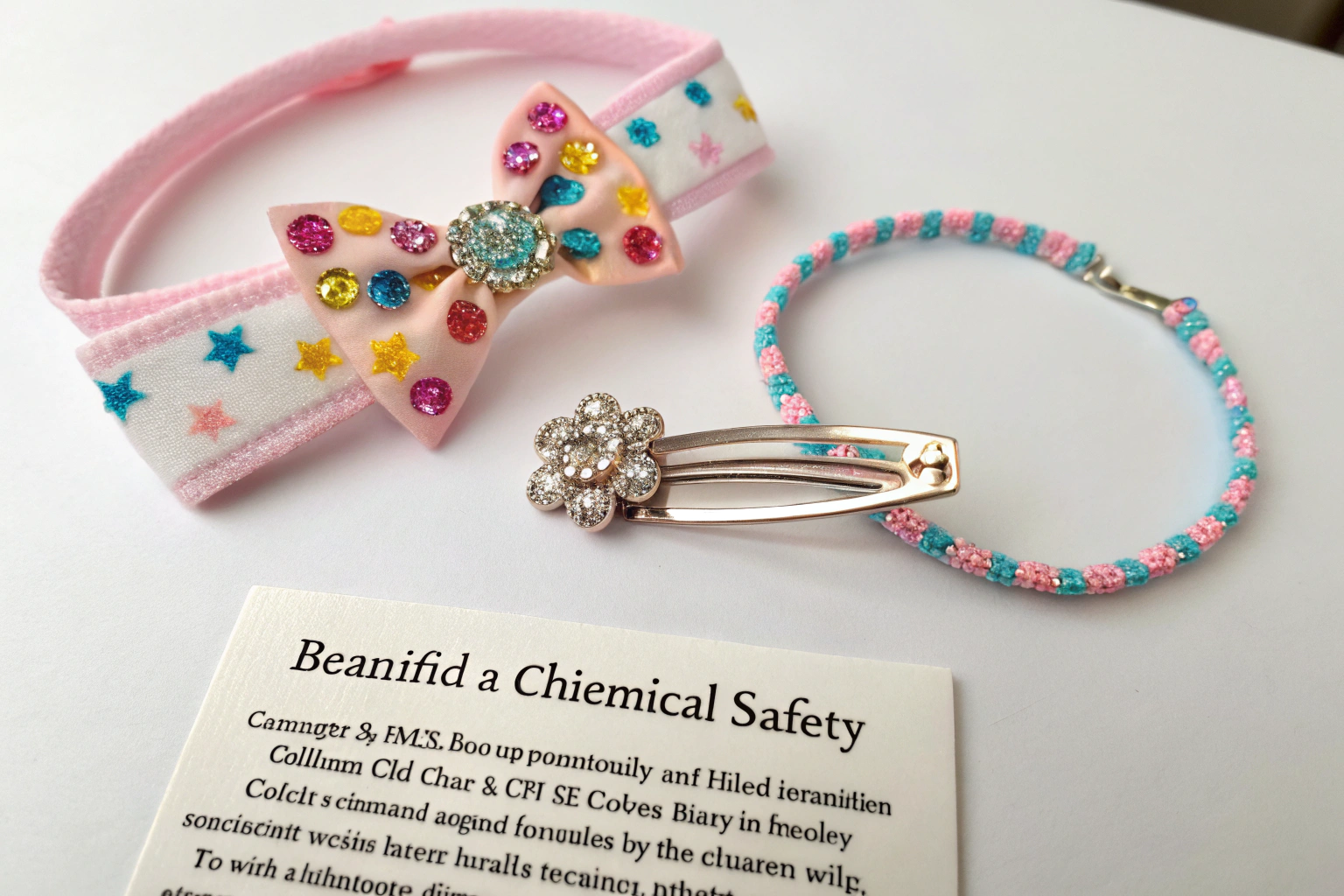
I’ve been in this business for decades, and I can tell you that nothing is more important than the safety of the products we make for children. A beautiful hair clip or a fun headband means nothing if it contains harmful chemicals that could hurt a child. Parents trust us to keep their kids safe, and we must take that responsibility incredibly seriously.
The regulations around chemical safety in children’s products are complex and vary from country to country. In the United States, we have the Consumer Product Safety Improvement Act (CPSIA). In Europe, there’s REACH and the EN71 standards. These regulations set strict limits on a wide range of substances, from heavy metals like lead and cadmium to phthalates and other harmful chemicals.
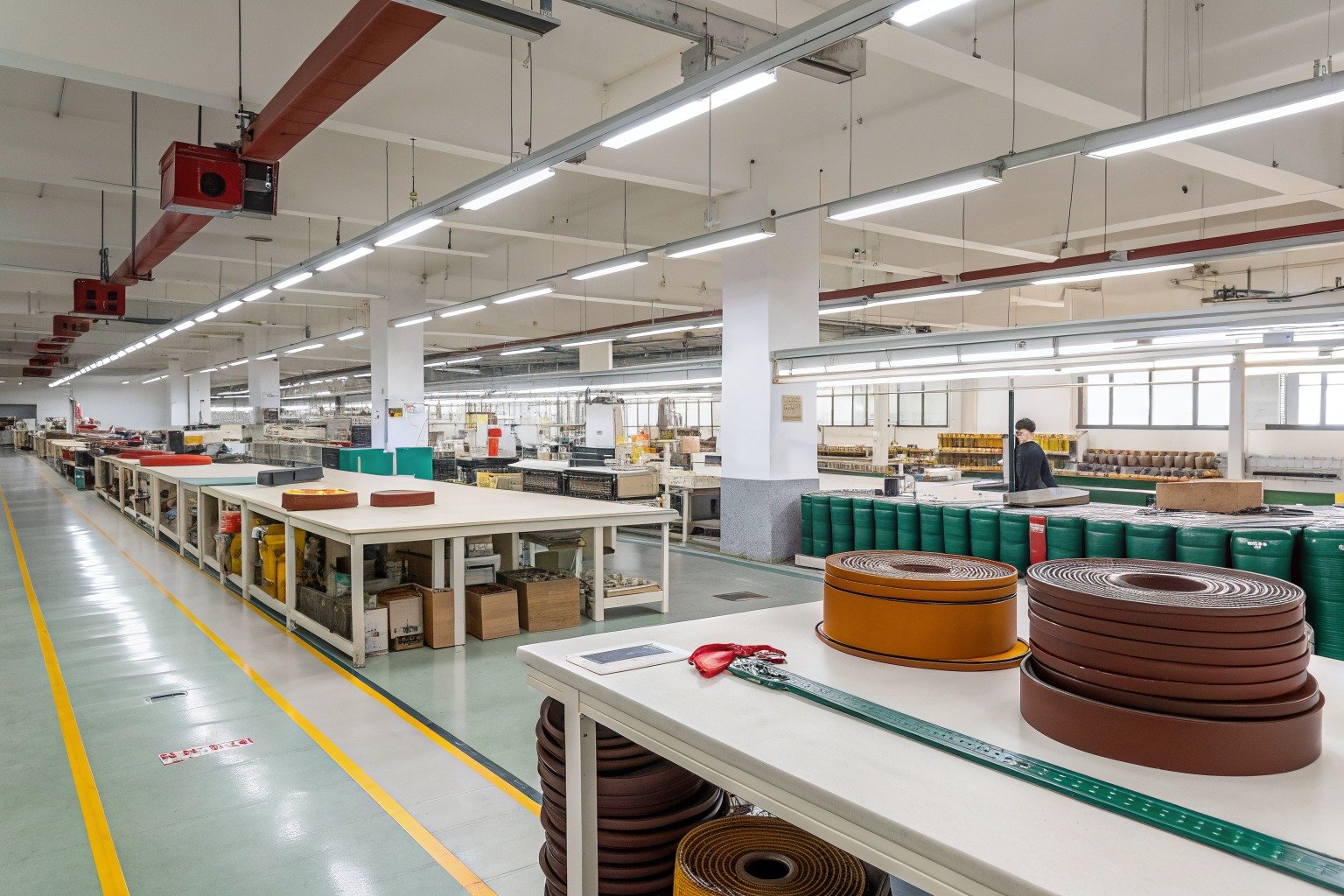
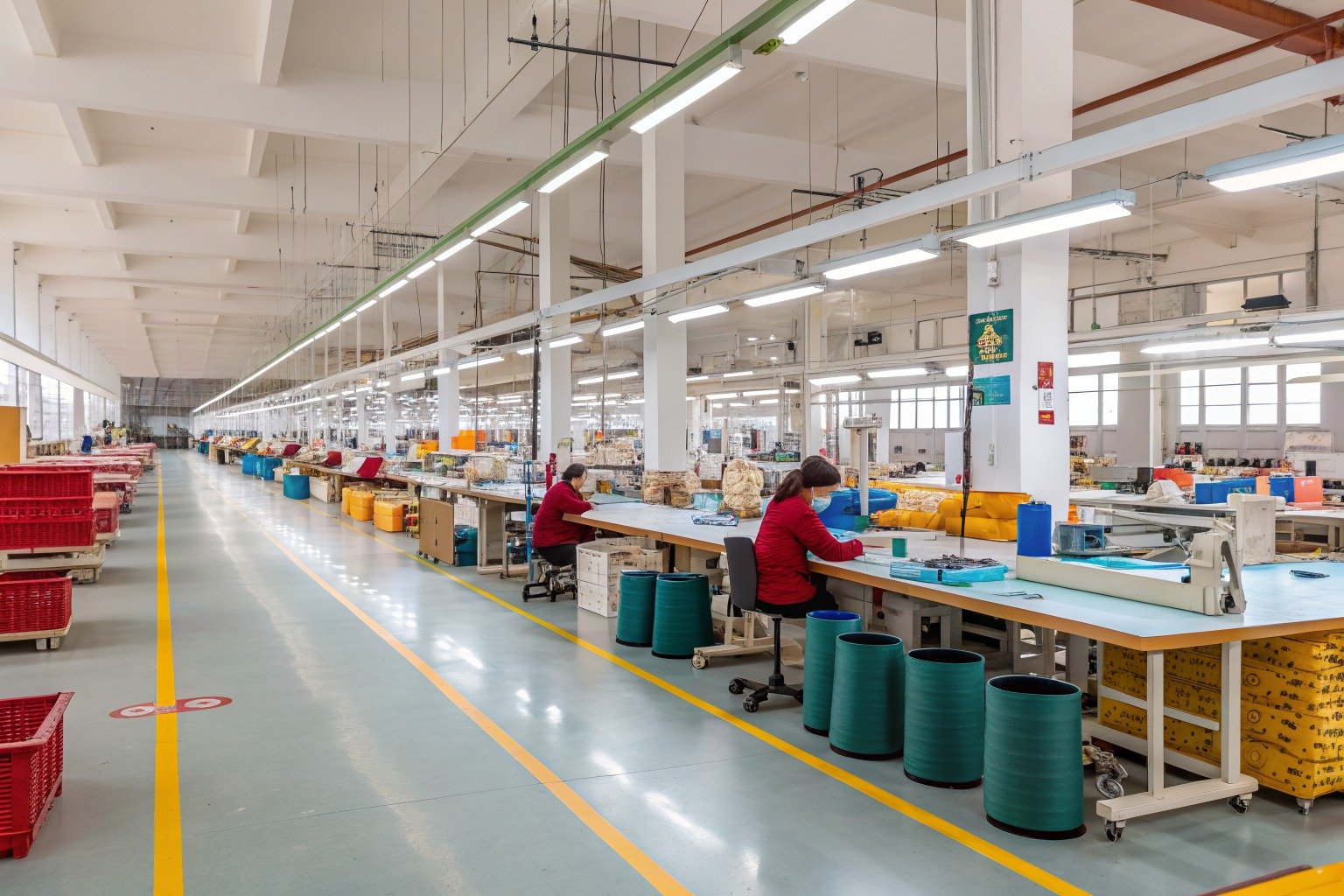
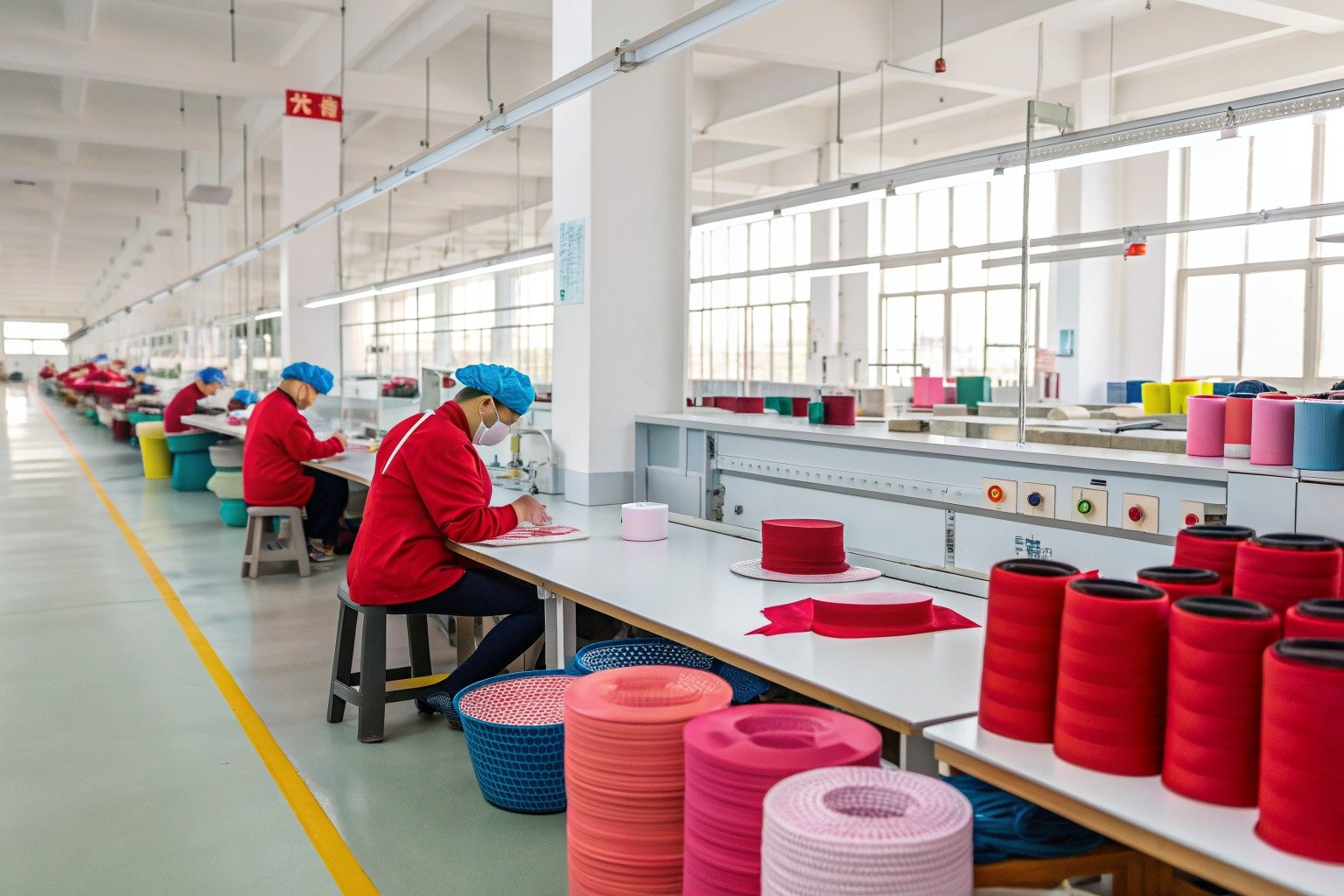
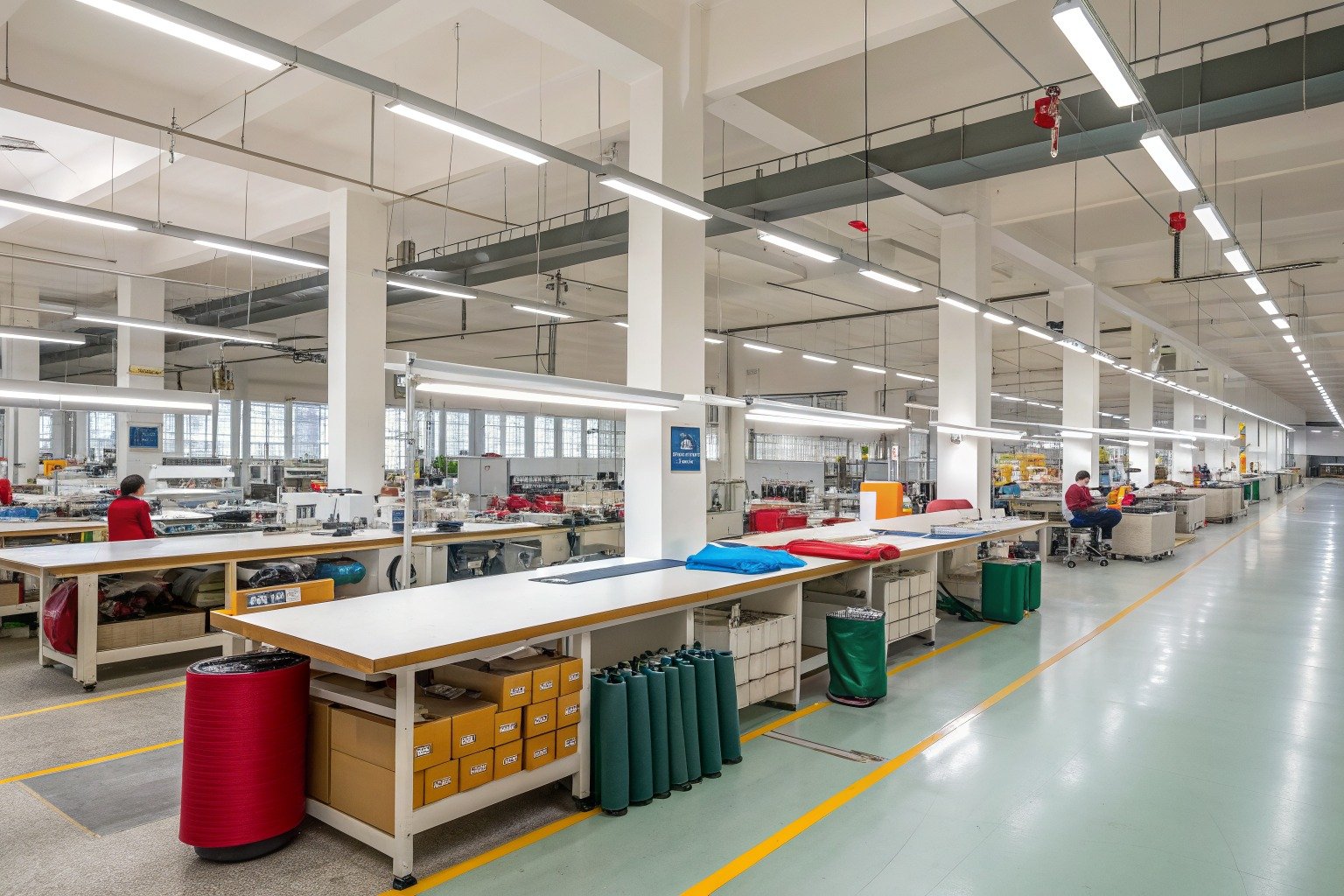
At Shanghai Fumao Clothing, we have a rigorous testing protocol for every children’s product we make. We work with accredited, third-party laboratories to ensure every batch of accessories meets the strictest international safety standards. In this post, I’ll walk you through the key tests for chemical safety in children’s hair accessories.
Why Is Chemical Safety Testing So Critical For Children’s Products?
Before we dive into the specific tests, it’s important to understand why this is so critical. Children are not just small adults. Their bodies are still developing, and they are more vulnerable to the effects of toxic chemicals. They also have behaviors, like putting things in their mouths, that can increase their exposure.
Hair accessories, while not typically intended to be mouthed, can still be a source of exposure. A child may chew on a clip, or chemicals can leach from the product onto their skin or hair, especially if they sweat or if the product gets wet. For more on children’s product safety, the U.S. Consumer Product Safety Commission (CPSC) and the European Chemicals Agency (ECHA) are the definitive sources.
What are the potential health risks from unsafe chemicals?
Exposure to harmful chemicals in children’s products can have serious health consequences, including:
- Heavy Metal Poisoning: Lead, cadmium, and other heavy metals can damage the nervous system, brain, and other organs. Children are particularly vulnerable to the neurotoxic effects of lead.
- Endocrine Disruption: Some chemicals, like certain phthalates, can interfere with the body’s hormone systems, potentially causing developmental and reproductive problems.
- Allergic Reactions and Skin Irritation: Some chemicals can cause contact dermatitis, rashes, and other skin problems.
- Cancer: Some substances are known or suspected carcinogens.
These risks are why regulations are so strict and why testing is non-negotiable.
What are the key regulations for children’s products in different markets?
- United States: The main regulation is the Consumer Product Safety Improvement Act (CPSIA) . It sets strict limits on lead (total lead and surface coating lead) and phthalates in children’s products. It also requires tracking labels and general conformity certification.
- European Union: The key regulations are REACH (Registration, Evaluation, Authorisation and Restriction of Chemicals) and the EN71 series of standards. REACH restricts a very wide range of substances, including heavy metals, phthalates, and many others. EN71-3 specifically covers the migration of certain elements from toys and children’s products.
- Canada: The Canada Consumer Product Safety Act (CCPSA) has similar restrictions on lead, phthalates, and other substances.
- Other Markets: Many other countries have their own regulations, often based on the EU or US models.
As a responsible manufacturer, we must be aware of and comply with the regulations for every market our products are destined for.
What Are The Key Tests For Heavy Metals?
Heavy metals are a primary concern in children’s products. They can be present in metal components (like the spring in a clip), in the plating, in paints and coatings, and even as contaminants in plastics. The most heavily regulated heavy metals are lead, cadmium, and barium, but others like antimony, arsenic, and mercury are also tested.
What are the limits for lead and cadmium?
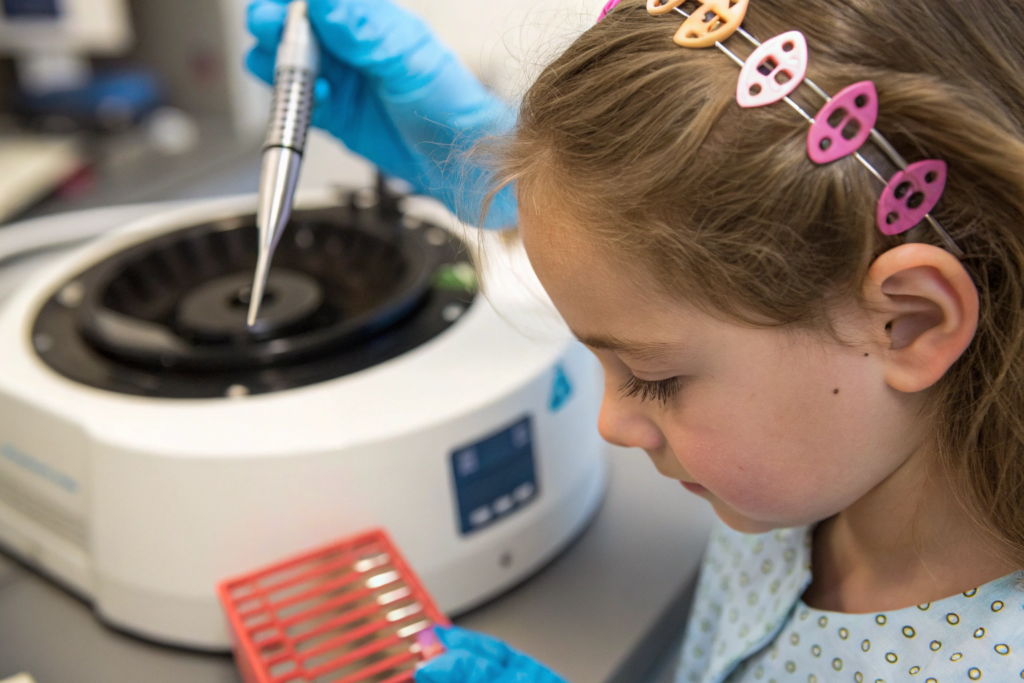
- Lead (Pb): The CPSC mandates that any children’s product cannot contain more than 90 parts per million (ppm) of total lead content. There are also separate, even stricter limits for lead in paint or surface coatings (90 ppm as well). This is an extremely low limit, requiring very sensitive testing.
- Cadmium (Cd): While there is no federal limit for total cadmium in all children’s products in the US, it is restricted under various state laws and is covered by the ASTM F963 standard for toy safety, which is often required. The limit is typically 75 ppm for paint and surface coatings, and similar low levels for substrate materials. In the EU, cadmium is strictly regulated under REACH.
Testing for these metals requires highly sensitive equipment, such as Inductively Coupled Plasma Mass Spectrometry (ICP-MS).
How is heavy metal content tested?
The testing process typically involves several steps:
- Sample Preparation: The product is often cut into small pieces to create a representative sample. Different materials (metal, plastic, fabric) may be tested separately.
- Digestion: The sample is dissolved in a strong acid solution to extract the metals. This process is done in a controlled environment.
- Analysis: The resulting solution is analyzed using a highly sensitive instrument, such as an ICP-MS (Inductively Coupled Plasma Mass Spectrometry) or an ICP-OES (Inductively Coupled Plasma Optical Emission Spectrometry). These instruments can detect and measure the concentration of multiple metals simultaneously at very low levels (parts per million or even parts per billion).
- Reporting: The lab provides a detailed report showing the concentration of each metal tested, compared to the regulatory limits.
This testing is done by accredited, independent laboratories to ensure impartial and accurate results.
What Are The Key Tests For Phthalates And Other Harmful Chemicals?
Beyond heavy metals, a wide range of other chemicals are restricted in children’s products. Phthalates are a major concern, but there are many others, including certain flame retardants, aromatic amines (from azo dyes), and formaldehyde.
What are phthalates and why are they restricted?
Phthalates (pronounced THAL-ates) are a group of chemicals used to make plastics, especially PVC, more flexible and durable. They are also used in some adhesives, inks, and coatings. Certain phthalates have been linked to endocrine disruption and other health problems, which is why they are strictly regulated in children’s products.
In the US, the CPSIA permanently restricts DEHP, DBP, and BBP at a level of no more than 0.1% (1000 ppm) in all children’s products. It also temporarily restricts DINP, DIDP, and DnOP at the same level in toys and child care articles that can be placed in a child’s mouth.
In the EU, a wider range of phthalates are restricted under REACH, and the limits are also typically 0.1%.
How are phthalates and other organic compounds tested?
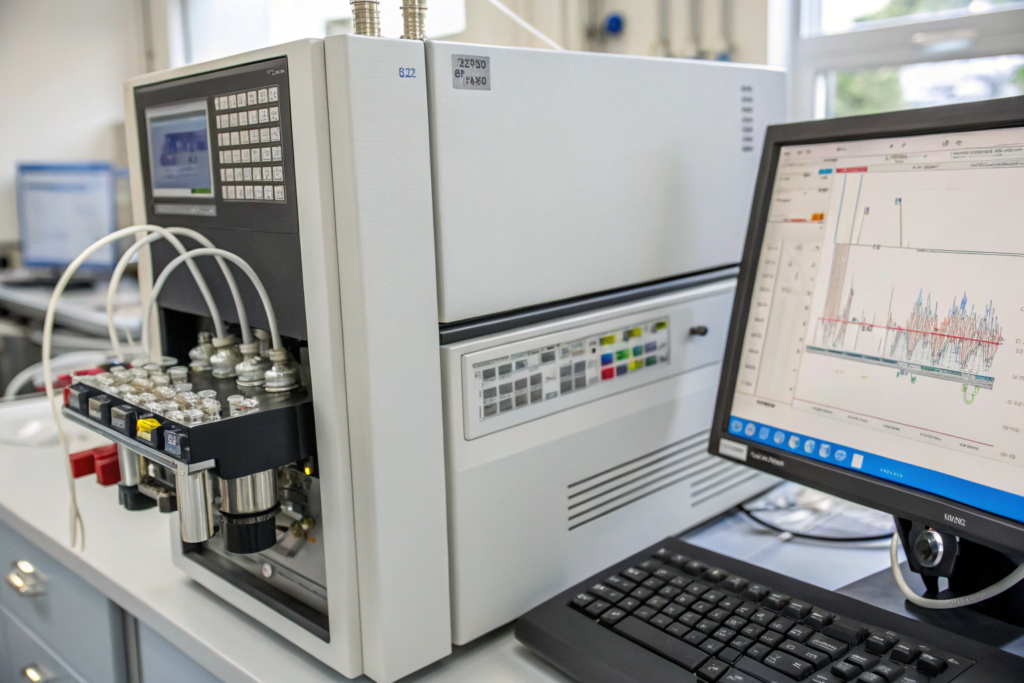
Testing for phthalates and other organic chemicals requires different analytical techniques than heavy metals. The most common method is Gas Chromatography-Mass Spectrometry (GC-MS) .
- Sample Preparation: A sample of the material (e.g., a piece of the plastic clip) is prepared.
- Extraction: The phthalates are extracted from the sample using a solvent.
- Analysis: The extracted solution is injected into the GC-MS. The gas chromatograph separates the different chemicals in the mixture, and the mass spectrometer identifies them based on their unique molecular "fingerprint." This allows for precise identification and quantification of specific phthalates and other organic compounds.
- Reporting: The lab provides a report showing the concentration of each targeted chemical.
This sophisticated analysis ensures that no restricted phthalates or other harmful organic chemicals are present above the legal limits.
What About Testing For Skin Irritation And Allergens?
Hair accessories are worn in direct contact with the skin and hair. Therefore, it’s also important to ensure they are not going to cause skin irritation or allergic reactions. This is often related to the presence of certain dyes, nickel (in metal components), and other substances.
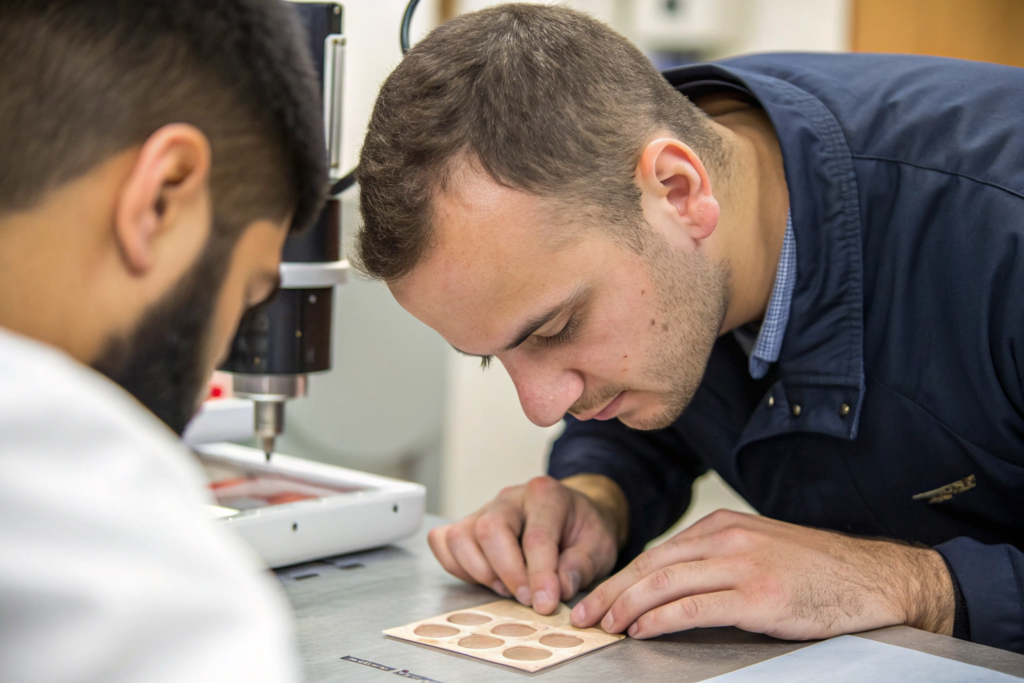
What is the test for nickel release?
Nickel is a common metal used in alloys for clips, buckles, and other components. However, it is also one of the most common causes of allergic contact dermatitis. When nickel comes into prolonged contact with the skin, it can cause a rash, itching, and redness in sensitive individuals.
The Nickel Release Test (EN 1811) is a standardized test that measures the amount of nickel that can be released from a metal component that comes into direct and prolonged contact with the skin. The test involves immersing the component in a simulated sweat solution for a week and then measuring the amount of nickel that has leached out.
For products intended for children, it is essential to use components that pass this test, ensuring that nickel release is below the safe limit.
How are dyes and other potential skin irritants tested?
Certain dyes, particularly some azo dyes, can break down into aromatic amines that are known carcinogens and can also cause skin irritation. The Azo Dye Test is used to screen for these restricted amines. A sample of the dyed fabric or plastic is analyzed to ensure it does not contain any of the banned azo dyes.
Other potential skin irritants can be assessed through a combination of chemical analysis (to identify and quantify specific restricted substances) and, in some cases, dermatological patch testing, though this is less common for standard production.
By conducting these tests, we can ensure that our hair accessories are safe for even the most sensitive skin.
Conclusion
Ensuring the chemical safety of children’s hair accessories is not just a legal requirement; it’s a moral imperative. The key tests cover a wide range of potential hazards, from heavy metals like lead and cadmium to harmful organic compounds like phthalates and azo dyes. Rigorous testing methods, using sophisticated instruments like ICP-MS and GC-MS, are required to detect these substances at the extremely low levels mandated by regulations like the CPSIA in the US and REACH/EN71 in Europe. Testing for nickel release and other skin irritants is also crucial for products worn close to the skin.
At Shanghai Fumao Clothing, we take this responsibility extremely seriously. Our factory in Zhejiang has a strict quality control protocol that includes mandatory third-party testing for all children’s products. We work only with accredited laboratories and maintain full traceability for all materials. We are committed to providing our clients with products that are not only beautiful and well-made, but also 100% safe for the children who will wear them.
If you are sourcing children’s hair accessories and want to ensure they meet the highest safety standards, let’s talk. Please contact our Business Director, Elaine, at elaine@fumaoclothing.com. We’ll help you create products that are safe, compliant, and beautiful.