A buyer from a major European coffee chain visited our showroom three months ago. She was not interested in the cup designs. She walked straight to the lid samples and spent twenty minutes opening, closing, sipping, and examining each one. She told me her company had received thousands of customer complaints about their current lid. The drink opening was too small, causing the coffee to dribble. The lid was hard to secure, causing spills. The plastic felt cheap and environmentally hostile. Her company had set a public sustainability target for 2026, and the current petroleum-based lid was incompatible with that commitment. She needed lids that solved the functional problems and told the sustainability story her customers demanded. That conversation shaped everything I am about to share with you.
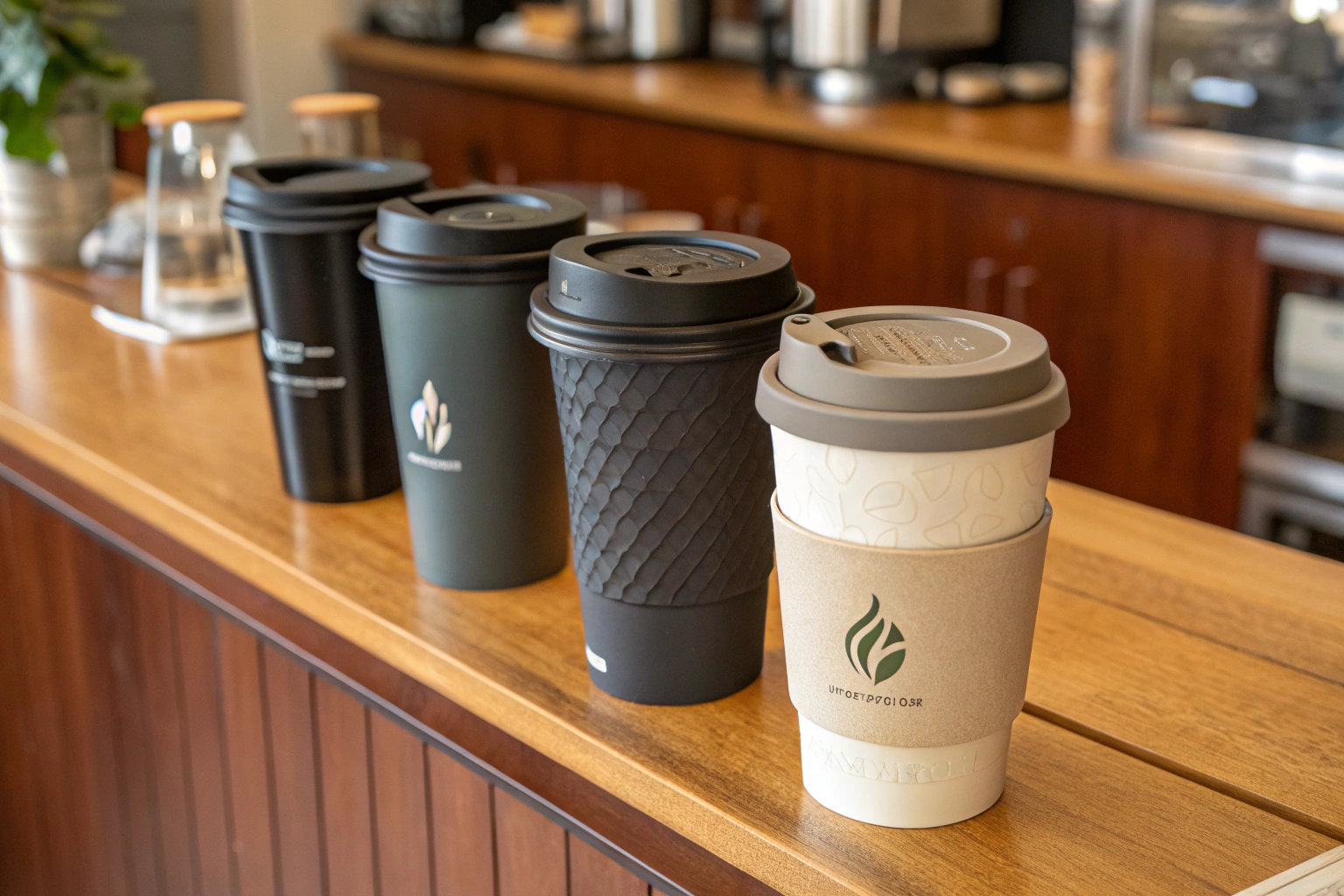
The top trending cup lid designs for hot beverage retail in 2026 are the splash-resistant sip lid with an integrated flow-control channel, the plant-fiber compostable lid with a smooth, comfortable mouthfeel, and the minimalist snap-on lid with a textured grip tab and a recessed condensation reservoir. The unifying trends across all three designs are improved drinking ergonomics, leak resistance, and verifiable sustainability credentials.
At Shanghai Fumao, we produce cup lids for coffee chains, tea brands, and food service distributors across North America and Europe. We track the lid innovations that are moving from niche to mainstream. Let me walk you through the three lid designs that will define the 2026 hot beverage experience.
Why Is the Splash-Resistant Sip Lid the New Functional Standard?
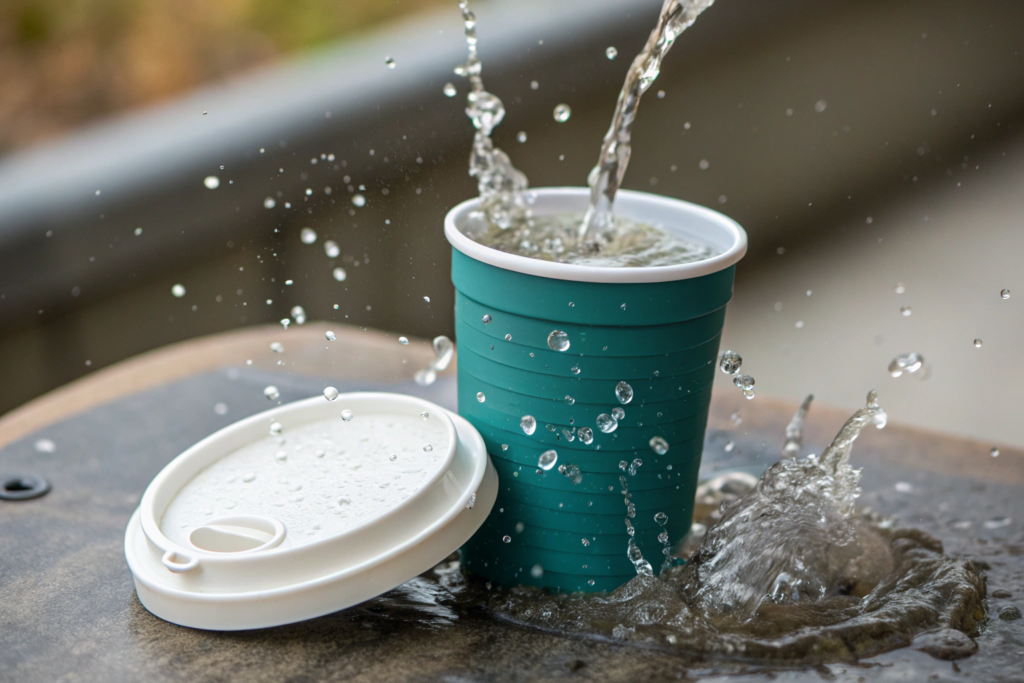
The splash-resistant sip lid solves the single most common consumer complaint about hot beverage lids. The dribble. The sudden splash of hot coffee that escapes through the drinking hole when the cup is jostled, when the consumer walks, or when the cup is tilted for the first sip. That splash is not just annoying. It is a burn risk and a clothing stain that can damage the consumer’s relationship with the brand.
The splash-resistant design uses a recessed drinking well. The opening is set below the rim of the lid surface. Any liquid that splashes upward hits the underside of the lid roof and drains back into the cup through small return channels. The drinking opening itself is often oval rather than round, sized and shaped to deliver a controlled, even flow that matches the natural shape of the lips. The result is a cleaner sip, a safer experience, and a lid that the consumer trusts.
How Does the Flow-Control Channel Work to Prevent Spills?
The flow-control channel is an internal feature molded into the underside of the lid. When the consumer tilts the cup to drink, the coffee flows into the channel before reaching the drinking opening. The channel regulates the flow rate. It prevents a sudden surge of liquid from reaching the opening all at once. The channel also serves as a secondary condensation barrier. Steam rising from the hot beverage condenses on the underside of the lid. Without a channel, this condensation can pool and then spill out when the cup is tilted. The channel collects the condensation and directs it back into the cup.
The engineering of the channel is precise. The depth, width, and angle of the channel determine the flow rate. A channel that is too shallow does not control the flow. A channel that is too deep traps liquid and can cause a delayed drip after the cup is returned to the upright position. Our mold engineers test multiple channel geometries for each lid design, measuring the flow rate at different tilt angles and verifying that no liquid remains trapped in the channel. Understanding liquid flow dynamics in drinkware lids helps you appreciate the engineering behind a lid that simply does not spill.
What Consumer Research Drove the Adoption of This Design?
Major coffee chains conduct extensive consumer research on lid performance. The data consistently shows that the drinking experience is the second most influential factor in overall cup satisfaction, behind only the beverage temperature. A lid that splashes, leaks, or feels unpleasant on the lips degrades the entire beverage experience. The consumer blames the brand, not the lid manufacturer.
Focus group studies show that consumers rank splash resistance as their top lid priority, above heat retention and even above sustainability. The reason is simple. A splash is an immediate, negative physical experience. It hurts. It stains. It embarrasses. The consumer remembers it vividly. A lid that prevents splashes eliminates a negative memory. A lid that allows splashes creates one. For a coffee chain with thousands of locations, the splash-resistant lid is not a cost. It is an investment in customer retention and brand reputation. If you are sourcing hot beverage lid performance standards, prioritize the features that directly impact the drinking experience.
How Are Plant-Fiber Compostable Lids Achieving Mainstream Acceptance?
Plant-fiber lids have been in development for years, but 2026 is the year they achieve mainstream commercial viability. The early versions had problems. They softened in contact with hot liquid. They imparted a papery taste. They were expensive and had limited production capacity. Those problems have been solved by advances in material science and molding technology.
The 2026 plant-fiber lid is made from bagasse, which is sugarcane fiber, or from molded pulp blended with a bio-based water-resistant coating. The coating is critical. It prevents the fiber from absorbing moisture and softening during use. The coating must be heat-resistant to withstand coffee at 90 degrees Celsius. It must be compostable so the entire lid can be disposed of with food waste. It must be neutral in taste and odor. The coating technology has matured to the point where these requirements are met consistently.

What Materials Are Leading the Shift Away from Petroleum-Based Plastics?
Bagasse is the most commercially advanced material for compostable lids. It is the dry, fibrous residue left after sugarcane stalks are crushed to extract their juice. It is an agricultural byproduct, not a purpose-grown crop. This gives it a strong sustainability narrative. The material is renewable, abundant, and does not compete with food production.
Polylactic acid, or PLA, is a bio-based plastic made from fermented plant starch, usually corn. It is transparent and can be used to make clear lids for iced drinks. For hot beverage lids, PLA is often blended with mineral fillers or natural fibers to improve heat resistance. A newer material is polyhydroxyalkanoate, or PHA, which is produced by bacterial fermentation. PHA is fully marine biodegradable, meaning it will break down in ocean water, which addresses the plastic pollution concern that resonates strongly with consumers. Each material has different properties, costs, and certifications. Understanding biodegradable and compostable lid materials is essential for selecting a lid that meets both your performance requirements and your sustainability claims.
How Do Compostable Lids Perform in Real-World Hot Beverage Use?
The performance gap between compostable and conventional plastic lids has closed significantly. A well-designed bagasse lid can maintain its structural integrity for over two hours in contact with a hot beverage. The lid does not soften, warp, or leak. The drinking opening remains stable. The snap fit on the cup rim remains secure.
The mouthfeel of compostable lids has also improved. Early versions had a rough, papery texture that consumers found unpleasant. Current versions have a smoother surface, thanks to the bio-based coating, and a thickness that mimics the feel of a conventional plastic lid. The lid feels substantial and comfortable on the lips. Blind consumer testing shows that the latest generation of plant-fiber lids achieves satisfaction scores comparable to traditional plastic lids. The consumer cannot tell the difference in a blind sip test. This is the milestone that makes mainstream adoption possible. If you are transitioning to compostable food service packaging, the technology is now mature enough to deliver the consumer experience your brand requires.
What Makes the Minimalist Snap-On Lid a Premium Retail Choice?
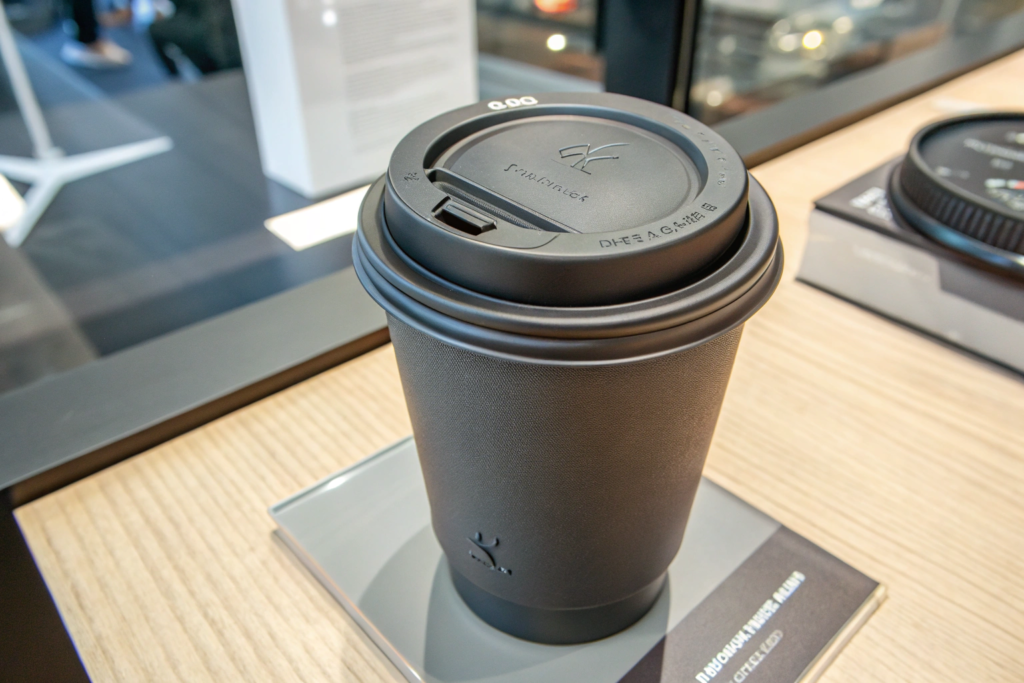
The minimalist snap-on lid is the design choice for premium and specialty coffee brands. It communicates quality through restraint. There are no unnecessary features. No complicated mechanisms. No visual clutter. Just a clean, well-engineered lid that performs flawlessly and looks beautiful.
This lid style is often paired with a premium double-wall paper cup or a reusable ceramic cup. The lid is part of a curated presentation that justifies a higher beverage price. The consumer feels that the brand has considered every detail of the experience, from the bean origin to the lid design. This attention to detail builds brand loyalty and supports premium pricing.
How Does the Triple-Seal Rim Prevent Leaks and Improve Security?
The snap-on lid must secure to the cup rim with enough force to prevent accidental removal, yet it must be removable by the consumer without excessive effort. This balance is achieved through the rim seal design. A triple-seal rim has three contact points with the cup rim. The outer skirt grips the outside of the cup. The inner plug seal fits inside the cup rim. A third, intermediate ridge provides a secondary seal and stabilizes the lid against side pressure.
The triple-seal design is more complex to mold than a simple snap-fit, but it provides superior leak resistance. When the cup is tipped for drinking, the triple seal prevents liquid from escaping between the lid and the cup rim. When the cup is squeezed, the triple seal maintains its grip. When the cup is dropped, the triple seal often keeps the lid in place, preventing a total spill. For a premium brand, this leak resistance is a quality signal. The consumer notices that the lid does not pop off. They notice that no coffee seeps onto their hand. These small positive experiences accumulate into a perception of brand quality. Professional lid seal engineering for hot beverage cups ensures the lid performs as expected in real-world handling.
What Role Do Texture and Grip Tabs Play in the Premium Experience?
The minimalist lid uses subtle textural details to enhance function. A textured grip tab, often a small area of micro-ribs or a matte finish patch, provides a visual and tactile cue for where to grip the lid for removal. The texture improves grip security, especially for consumers with wet or cold hands.
A recessed condensation management grid is another common feature. Hot beverages produce steam, which condenses on the underside of the lid and can pool on the top surface. A recessed grid captures this condensation in small channels, preventing it from dripping onto the consumer’s hand or clothing. The grid is barely visible, but its effect is noticeable. The lid surface stays dry. The consumer’s experience is clean and comfortable. These small design elements are the difference between a lid that is simply functional and a lid that feels thoughtfully designed. If you are developing premium hot beverage packaging, the lid is an opportunity to communicate your brand values through design details.
Conclusion
The trending cup lid designs for hot beverage retail in 2026 solve real consumer problems and tell a compelling sustainability story. The splash-resistant sip lid with its internal flow-control channel eliminates the dribble and splash that consumers hate. The plant-fiber compostable lid brings sustainability into the mainstream with performance that matches conventional plastic. The minimalist snap-on lid with its triple-seal rim and subtle textural details communicates premium quality through thoughtful design.
For a hot beverage brand, the lid is not an afterthought. It is the interface between the product and the consumer. It is the last thing the consumer touches before the first sip and the first thing they see when the cup is handed across the counter. A lid that leaks, splashes, or feels cheap undermines the entire beverage experience. A lid that performs flawlessly and aligns with the brand’s values enhances the experience and builds loyalty.
At Shanghai Fumao, our mold engineering team has developed all three of these trending lid designs for our hot beverage clients. We offer splash-resistant lids with customized flow-control channel geometries, certified compostable lids in bagasse and PLA, and premium snap-on lids with triple-seal rims and custom texture details. Our production capacity supports both regional chains and national brands.
If you are planning your 2026 hot beverage cup and lid program and want to explore these trending designs with a factory that understands both the engineering and the consumer experience, I encourage you to contact our Business Director Elaine at elaine@fumaoclothing.com. She can send you lid samples, provide material certifications, and quote production volumes for your specific cup sizes and design preferences. Your beverage deserves a lid that performs as well as it tastes.