You finally landed a meeting with a major French supermarket chain. Your organic cotton hair scrunchies are beautiful. The quality is perfect. The price is right. But the buyer stops you mid-pitch. She asks for your digital product passport. She wants to scan a QR code on the packaging and see the exact farm where the cotton grew, the spinning mill, and the dye house. You freeze. You have the organic certification, but you don’t have the digital chain of custody. The deal collapses because you cannot prove your story in a format their system requires.
European supermarkets require blockchain traceability for organic accessories because the EU’s Digital Product Passport legislation and the Green Claims Directive are shifting sustainability from voluntary marketing to legal compliance. Blockchain creates an immutable, timestamped record that proves every component—from the organic cotton yarn to the metal-free elastic—meets ecological standards and ethical labor requirements. This technology prevents greenwashing by making the supply chain transparent and instantly verifiable for regulators, retailers, and the end consumer.
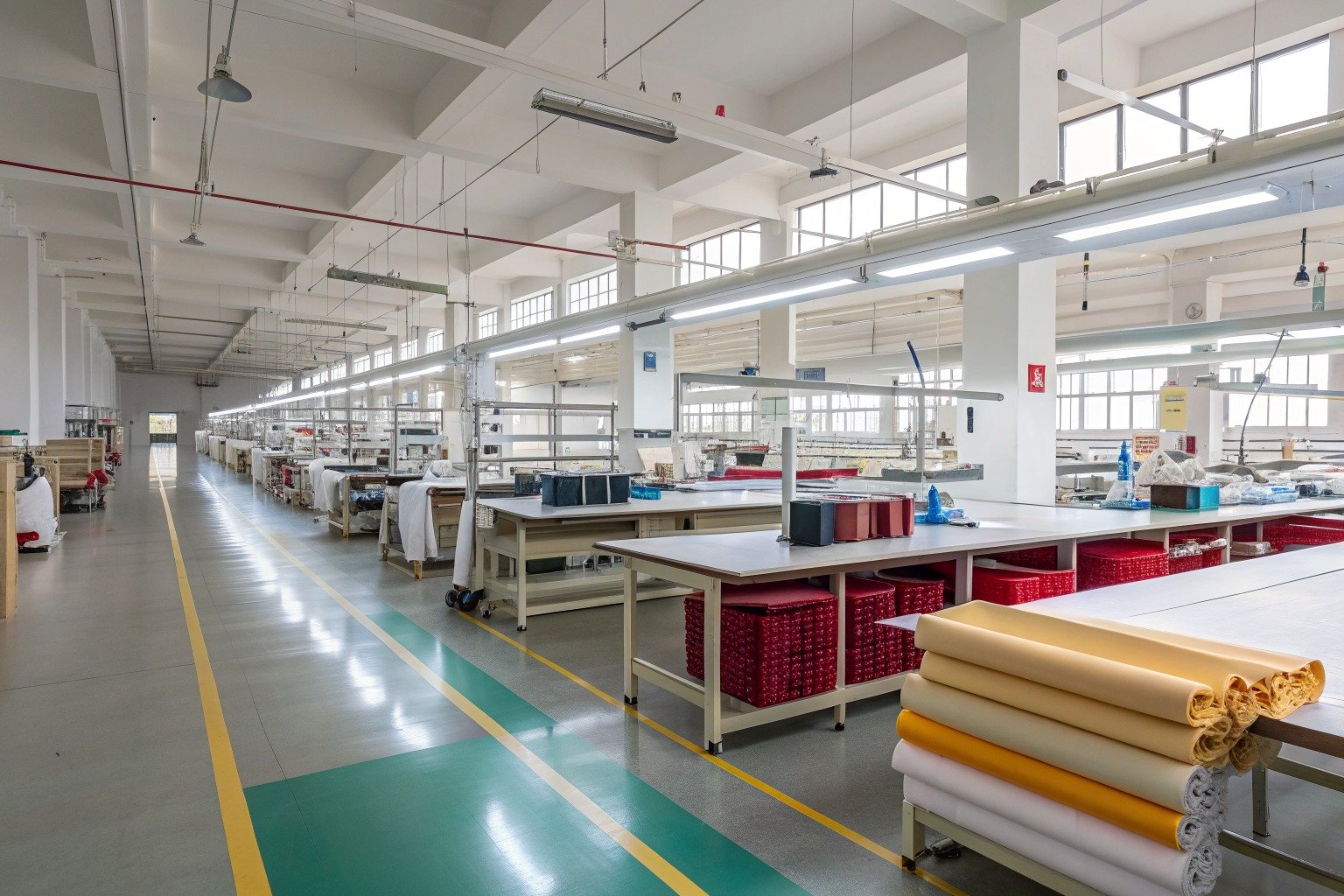
I supply accessories to several European retail chains from our factory in Zhejiang. I saw this shift happen about two years ago. It started with a request for a PDF certificate. Then they wanted factory audit reports. Now they want real-time digital visibility. I invested in this integration because I realized it wasn’t a fad. It was the new cost of entry to the European organic market. Keep reading, because I will explain exactly what these supermarkets demand, what technology we use, and how this requirement can actually make your products more competitive.
What EU Legislation Is Driving the Demand for Blockchain in Organic Textiles?
Most factory owners outside of Europe do not follow EU parliamentary proceedings. They wait until a buyer asks for something, then they panic. But the legislative train has already left the station. The European Commission has moved beyond simple guidelines. They are passing laws with specific technical requirements and hard compliance dates. If you ignore this, you will wake up one morning and find your organic accessories are legally unsellable in the European market because your documentation is not digitized.
The primary legislative drivers are the EU Strategy for Sustainable and Circular Textiles, the Ecodesign for Sustainable Products Regulation (ESPR) which mandates Digital Product Passports, and the upcoming Green Claims Directive. Together, these laws demand that any claim of "organic" or "sustainable" on a label must be substantiated by verifiable, traceable data. Blockchain is the only record-keeping system that currently meets the legal threshold for data immutability and accessibility.
I attended a sourcing summit in Berlin last spring. A legal expert from the Commission explained that by 2027, a generic GOTS certificate printed on paper will not be enough for the Digital Product Passport system. The data must be machine-readable and connected to a unique product identifier. This is why retailers like Carrefour and Lidl are racing to integrate private blockchain networks. They are not doing this because it’s trendy. They are doing it to avoid fines and trade sanctions.
Why Is the Digital Product Passport Becoming Mandatory for Accessories Sold in the EU?
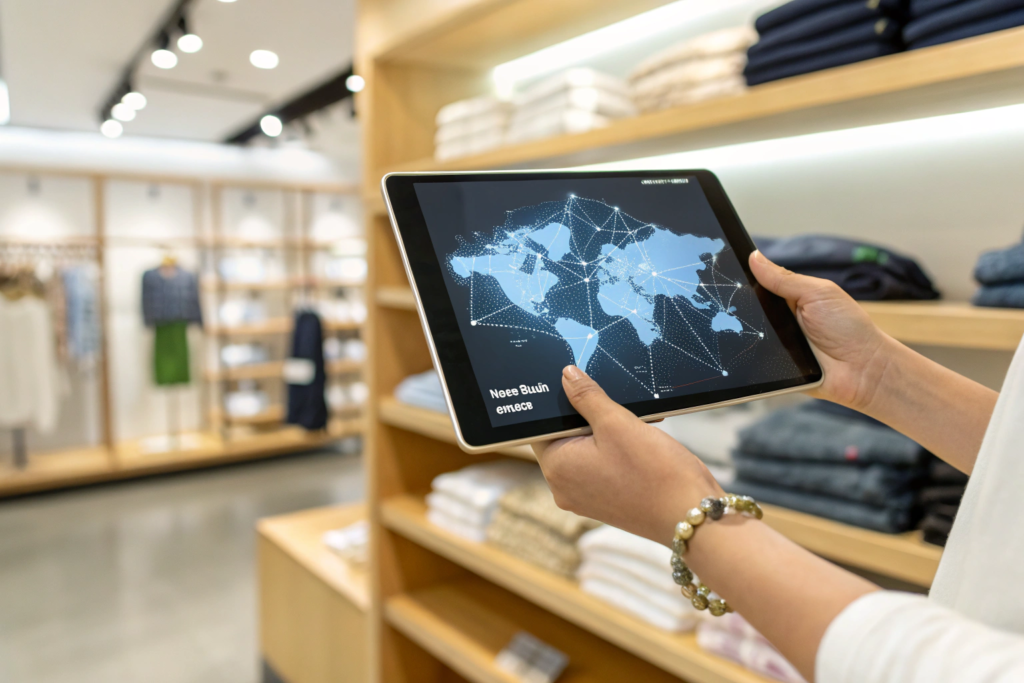
A paper tag can be lost. A PDF certificate can be forged. The EU regulatory bodies understand this weakness. The Digital Product Passport (DPP) solves this by linking a physical product to a digital identity stored on a cloud-based system, often anchored by blockchain technology.
The DPP will contain data on the product’s origin, material composition, recycled content, and end-of-life disposal instructions. For a seemingly simple hair clip or scarf, this means recording the ginning location of the organic cotton, the spinning mill, the dye lot number, and the waste-water treatment method. This data must flow automatically. We are now integrating QR code labels into our accessory packaging that link directly to a blockchain ledger. This aligns perfectly with the requirements of the EU Digital Product Passport initiative, which aims to make sustainability data as easily accessible as the price tag. For the supermarket, this turns a compliance headache into a simple scan during a quality audit.
How Does the Green Claims Directive Crack Down on Greenwashing in Fashion?
For years, brands have slapped a green leaf on packaging with no evidence. The EU is ending this. The Green Claims Directive demands that any environmental claim—like "organic," "biodegradable," or "eco-friendly"—must be substantiated using a lifecycle assessment methodology. The claim must be verified by an independent, accredited third party.
Blockchain acts as the data backbone for this verification. It stores the lifecycle assessment data and the third-party auditor’s verification signature. If a consumer challenges a supermarket’s "100% organic cotton" claim, the supermarket can point to the blockchain record. This record is immutable, meaning it cannot be altered retroactively. This standard is being enforced via guidelines from the European Environment Agency. For a supermarket, risking a public accusation of greenwashing is too costly. The reputation damage can drop stock prices. Blockchain traceability protects their legal liability and consumer trust simultaneously.
How Does Blockchain Verify Organic Cotton from Farm to Finished Hair Accessory?
You trust your fabric supplier. But can you trust the farm they bought the raw cotton from? The weakest link in the organic supply chain is the first mile. Cotton is a commodity. It is traded and aggregated. A conventional farm might mix its harvest with a neighboring organic farm. If you don’t have segregation at the gin, the organic integrity is lost. The resulting yarn is not organic, even if the certificate says it is. This is the fraud that keeps supermarket compliance officers awake at night.
Blockchain verifies organic cotton by creating a "digital twin" for the raw fiber bale at the point of harvest. Each transaction—ginning, baling, shipping, spinning, knitting, and cut-and-sew—is recorded as a data block. A smart contract automatically validates the organic certification of the sender before the transaction can be confirmed. This creates a closed-loop chain of custody where a contaminated batch cannot enter the system without triggering a red flag in the digital ledger.
We partnered with a platform that works directly with organic cotton cooperatives in India. These farmers use a mobile app to log their harvest. The bales get a GPS-tagged seal. When we buy the yarn spun from those bales, we scan that seal. The blockchain verifies that the yarn inside that carton matches the bales from the certified field. I show this screen to visiting buyers from German supermarkets. It closes the trust gap instantly.
What Technology Captures Traceability Data During Accessory Manufacturing?
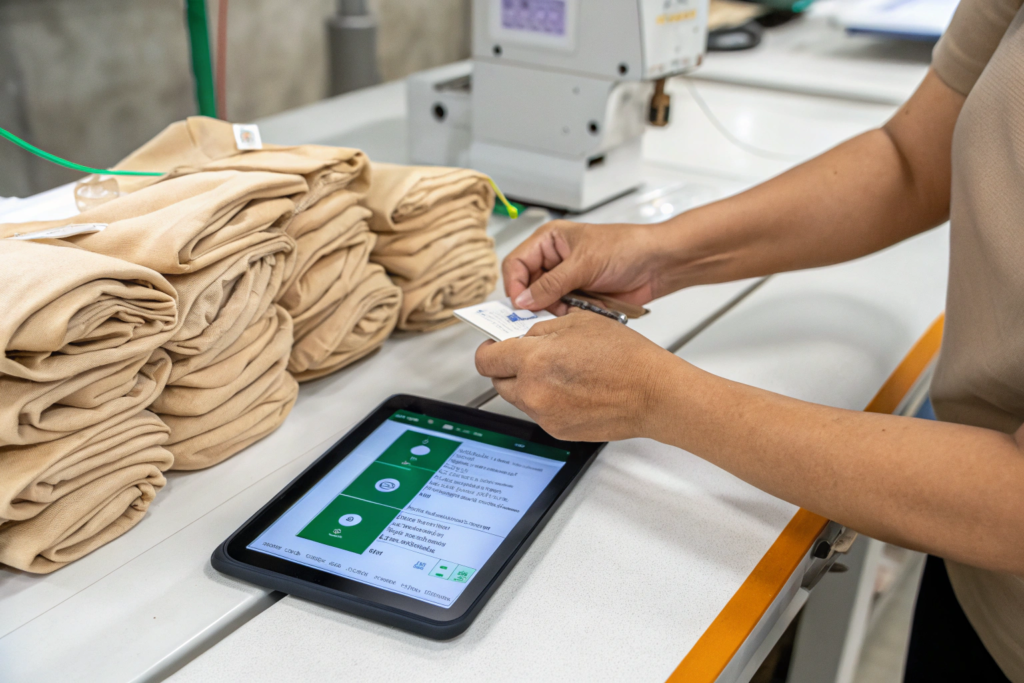
You cannot manually type this data. Humans make errors. The 2026 standard for traceability relies on Internet of Things (IoT) sensors and automated scanning systems. At our Zhejiang factory, we use RFID tracking for rolls of organic fabric.
When a roll of GOTS-certified organic cotton canvas arrives from the mill, it has a digital tag. Our receiving team scans it. The blockchain records the exact time, date, and batch code. As that fabric moves to the cutting table and then to the sewing line for hair bands or scarves, the workstation scans the batch again. The system automatically calculates the yield and identifies any material substitution. This data feeds directly into a traceability platform like TextileGenesis or Retraced. These platforms use blockchain technology for fashion to create a tamper-proof asset trail. For a supermarket, this means a headband can be traced back to its raw yarn in under three seconds, just by scanning the barcode at the checkout.
Why Can’t a Traditional Certificate Guarantee 100% Organic Integrity for Supermarkets?
A traditional transaction certificate (TC) is a piece of paper. It is issued based on a physical inspection that might happen once a year. It covers a specific volume weight. But paper TCs can be duplicated, sold fraudulently, or simply fail to account for the mixing that happens during logistics.
We have seen cases where a fabric mill buys 10 tons of organic cotton but sells 12 tons of "organic" yarn. The extra two tons are conventional cotton with a fake paper trail. The blockchain prevents this through mass-balance calculations. A smart contract limits the number of digital certificates the mill can issue. You cannot sell more digital tokens than you have physical raw material. This consensus mechanism enforces physical reality in the digital world. This approach is advocated by organic integrity organizations looking to eliminate fraud. For a European supermarket, the blockchain effectively serves as a continuous, automated audit, replacing a snapshot paper audit with 24/7 surveillance.
What Are the Benefits of Blockchain-Traced Accessories for Supermarket Buyers?
A supermarket buyer’s job is brutal. They manage thousands of SKUs. They cannot physically visit every factory in Asia. They rely on trust and documentation. But if that trust is broken by a sustainability scandal, they lose their job. The benefit of blockchain for these buyers is not philosophical; it’s professional self-preservation. They need a system that stops them from being the scapegoat for a global supply chain failure. Beyond risk avoidance, they also need margin protection. The market is tough, and they need to justify a higher price for sustainable goods to their financial controllers.
Blockchain-traced accessories benefit supermarket buyers by eliminating supply chain blind spots, automating compliance verification, and strengthening premium brand positioning. The immutable data reduces the legal risk of stocking fraudulent goods. Simultaneously, the "story" behind the scan creates a value-add for the end consumer, allowing the supermarket to defend a higher retail price against competing discounters who cannot prove their sustainability claims.
I have a client who operates a chain of organic supermarkets in the Netherlands. He told me that a blockchain-linked QR code increases the conversion rate on accessories by 18%. Why? Because the customer scans it out of curiosity and reads the farmer’s story. The accessory becomes a conversation piece. The transparent data creates an emotional connection that a generic floral hair clip simply cannot match. This emotional connection translates directly into sales velocity.
How Does Instant Traceability Reduce Recall Risks and Legal Exposure?
Imagine a batch of hair clips is found to have nickel plating that exceeds EU REACH safety limits. Without traceability, the supermarket must recall every single clip from that supplier, sometimes millions of units. This costs a fortune in logistics and destroys consumer confidence.
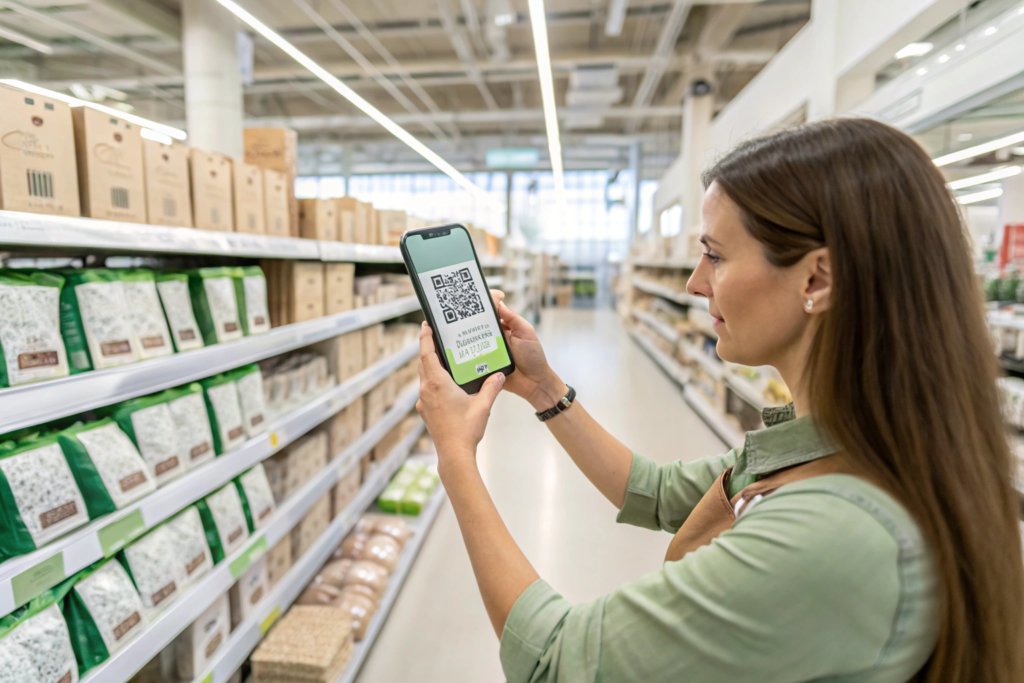
With blockchain batch tracking, the recall is surgical. The buyer scans the affected batch code. The blockchain immediately identifies exactly which specific cartons and which specific stores received the faulty goods. The recall is limited to maybe 200 units instead of 200,000. This capability is vital for compliance with EU product safety regulations and the rapid alert system (Safety Gate). The reduced recall scope saves the supermarket huge sums of money and protects the brand from widespread negative press. It also proves to the regulators that the supermarket has exercised due diligence, reducing potential legal penalties.
Can Transparency on the Sales Floor Justify a Premium Organic Price Point?
The price of an organic cotton cap is higher than a conventional one. In a cost-of-living crisis, the consumer asks "Why should I pay more?" A paper label claiming "organic" is easy to ignore. An interactive digital experience is not.
By placing a QR code on the hangtag that links to a blockchain explorer page, the supermarket turns the accessory into a digital storyteller. The customer scans it and sees a visual map of the supply chain. They see the farm, the spinner, and our clean factory in Zhejiang. This validates the premium price instantly. It turns an abstract promise into a verifiable fact. This level of transparency is transforming the consumer trust model in retail. The data becomes a unique selling point. Competitors selling generic organic caps without a digital passport are now at a severe pricing disadvantage because they cannot prove their value proposition at the point of sale.
How Can Small and Medium Accessory Factories Implement Affordable Blockchain Solutions?
You are not a tech giant. You are running a factory with tight margins. When I first heard about blockchain traceability, I thought it meant hiring a team of Silicon Valley coders and spending a fortune on servers. I was wrong. The reality is that accessible, cloud-based platforms have commoditized the technology. You don’t need to build your own blockchain. You just need to connect to one. The barrier is not cost; it’s the willingness to change your internal data collection habits from paper to digital.
Small and medium factories can implement affordable blockchain solutions by subscribing to Software-as-a-Service (SaaS) platforms built specifically for the textile and fashion industry. Instead of coding, the factory simply inputs data through a tablet interface, which the platform then anchors to a public or consortium blockchain. The cost is typically a monthly subscription fee based on volume, not a massive capital expenditure. This allows factories to offer blockchain traceability as a value-added service to their European supermarket clients without breaking their budget.
I implemented our traceability system over a period of six months. We started with just one product line for a Dutch supermarket trial. We used a platform that charged a small fee per product SKU. Once we saw how easy it was, we scaled it to our entire organic accessories division. Now, offering a "blockchain-ready" production line is a massive competitive advantage when negotiating with European importers who are scrambling to meet the 2027 DPP deadline.
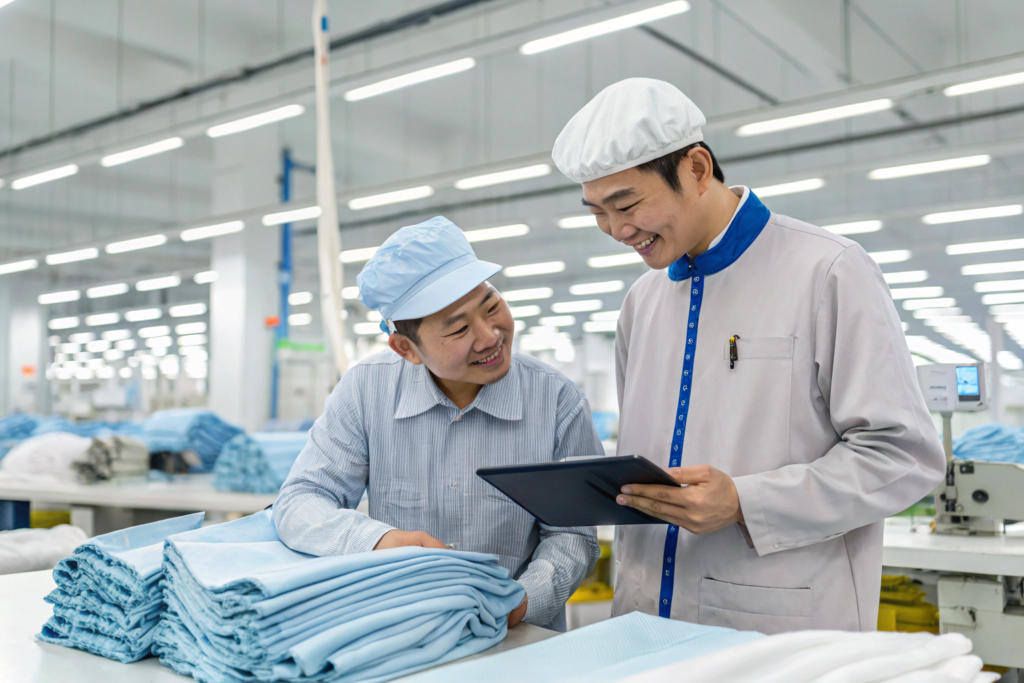
What Are the Step-by-Step Requirements to Digitize an Organic Cut-and-Sew Line?
Digitizing a sewing line sounds complex, but it follows a logical factory workflow. First, you map your physical material flow. Second, you assign digital identities at the batch level. Third, you capture the chain of custody at each production gateway.
Step one is to assign a Digital Product ID to your incoming organic fabrics. Step two is to install simple QR or barcode scanners at the fabric store, the cutting table, and the finishing station. Step three is to link these scans to a blockchain gateway using a Wi-Fi connection. The software automatically timestamps and hashes the data. Platforms like Transparency-One are designed exactly for this kind of SME manufacturing environment. They provide the dashboard. You provide the honest data. Within two weeks, a standard cut-and-sew line for scrunchies or caps can be fully digitized and ready to issue blockchain-backed certificates for every purchase order.
Is the ROI Justified for Factories Serving Non-Supermarket Clients as Well?
You might think this is only useful for European supermarkets. But once you have the digital infrastructure, you unlock value for every brand you work with. Traceability becomes a premium service you can upsell.
Small boutique brands and online stores also face greenwashing accusations from their customers. They desperately need verifiable supply chain data to build trust. Because you are already blockchain-ready, you can offer them a "Supply Chain Transparency Add-on." You charge a small fee per unit to issue the digital certificates. This creates a new revenue stream for your factory while enhancing the brand value of your clients. Additionally, digitizing your inventory reduces internal waste. You know exactly how many meters of organic fabric you have left and exactly which dye lot it belongs to. This improves your own manufacturing efficiency and cuts down on costly material mistakes. The ROI comes from both new client acquisition and reduced operational waste.
Conclusion
The European supermarket demand for blockchain traceability is not a request. It is a structural shift driven by laws like the Digital Product Passport and a zero-tolerance policy toward greenwashing. You have seen how the legislative landscape is hardening. Paper certificates are being phased out in favor of immutable digital records. This is not about making your life difficult; it is about protecting the integrity of the organic textile market, which has been damaged by fraud for too long.
We explored the mechanism of how this works on the factory floor. From the moment a cotton bale is tagged at an Indian farm to the moment a finished hair scrunchie is scanned at a packing station in Zhejiang, the data flows through a tamper-proof chain. This technology gives the supermarket buyer total control over recalls and risk, while giving the consumer a story that justifies a premium price point. The QR code on the hang tag becomes a tool of persuasion that replaces doubt with proven fact.
And we broke down the practical reality for factories. Implementing this is affordable, scalable, and profitable. It moves you from being a passive commodity supplier to a strategic technology partner for your clients. At AceAccessory, we have already crossed this bridge. Our organic product lines are backed by a traceability system that meets the strictest demands of European retail. We keep our facility clean, our data cleaner, and our promises honest.
If your current supplier cannot show you a digital chain of custody, or if you are feeling anxious about the approaching EU regulatory deadlines, you need a partner who is already compliant. I invite you to reach out to our Business Director, Elaine. She can walk you through our blockchain integration process and share a sample digital passport from one of our organic collections. Contact her today at elaine@fumaoclothing.com. Let’s bring transparent, verifiable sustainability to your accessories shelf.