
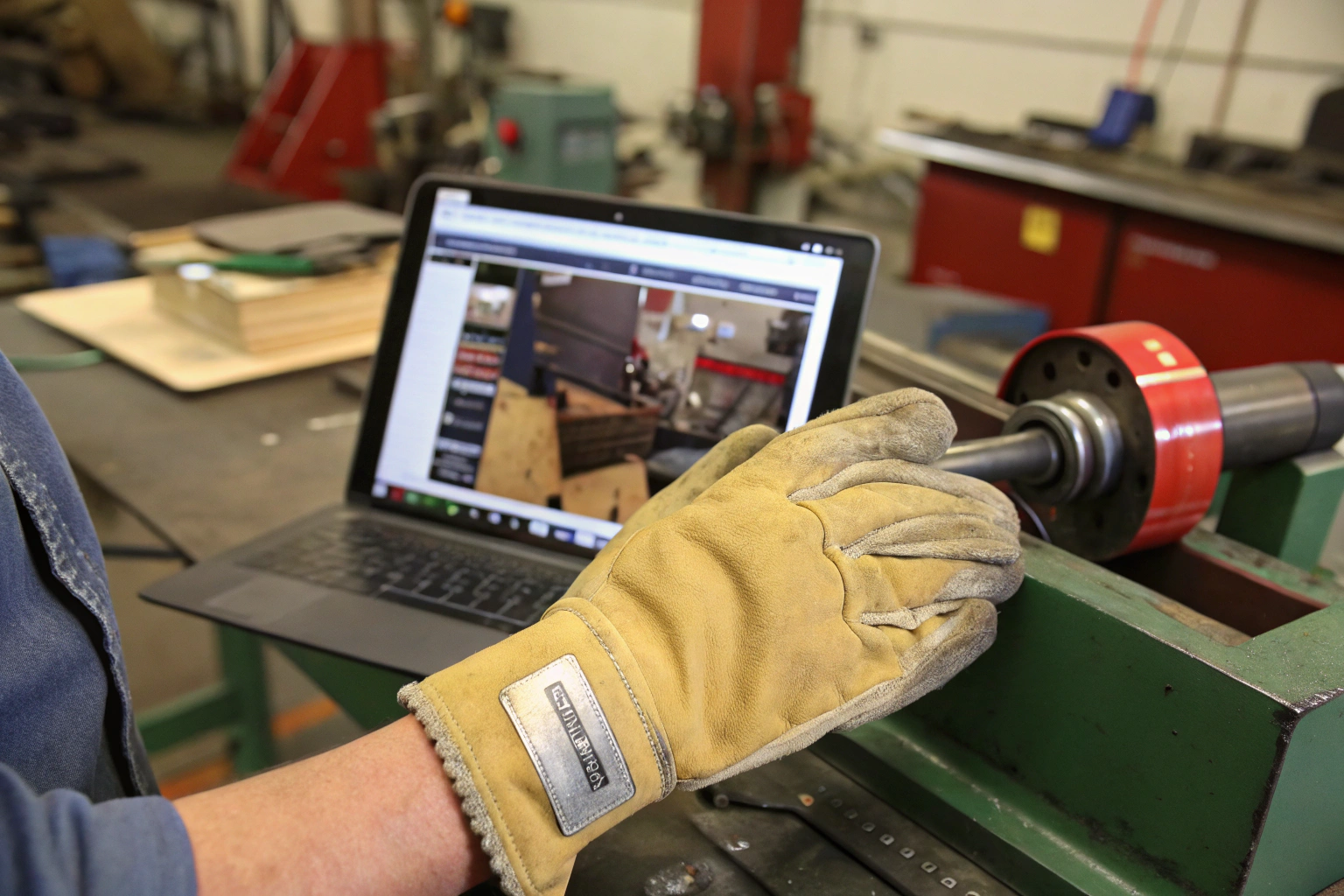
I lost a 10,000-unit glove order three years ago. A major US hardware chain asked for a seam strength test video. I sent a short clip shot on a phone. It was shaky, poorly lit, and showed a glove tearing at 12 pounds of force. The buyer called me immediately. Not to negotiate. To cancel. He said, "If you can’t prove it, you don’t have it." That moment taught me something I will never forget. American importers do not trust test reports on paper anymore. They trust video evidence that shows the failure happening in real time.
US importers ask for factory videos of the seam strength test on gloves because video documentation provides tamper-proof visual proof of compliance with ASTM D1683 or EN 388 standards. A paper certificate can be forged, a lab report can be bought, but a continuous, unedited video showing the glove seam under load until the exact moment of rupture proves three things simultaneously: the test was actually performed, the machine was calibrated, and the fabric and stitching genuinely met the claimed pound-force specification.
I now run a modern accessories factory in Zhejiang, and I treat these test videos as the most important five minutes of the production process. My relationship with a buyer hangs on whether a glove seam holds or bursts. American retailers face lawsuits if a work glove fails on a job site. They face chargebacks if a fashion glove splits at the fingers on the first wear. I want to explain exactly why this video has become the new currency of trust in global glove sourcing, and how you can use it to protect your own import business.
What Is the Seam Strength Test and Why Does It Matter for Imported Gloves?
Seams are the weakest point of any glove. The fabric can be bulletproof, but if the stitching breaks, the glove is useless. You can have the best leather, the thickest synthetic suede, the most advanced thermal lining. None of it matters if the seam splits when the wearer pulls the glove on or grips a tool. This is why US buyers fixate on seam strength. They have been burned before. They received a shipment that looked perfect, passed a visual inspection, but fell apart during use. The resulting returns, bad reviews, and liability exposure taught them to care about seam integrity above all else.
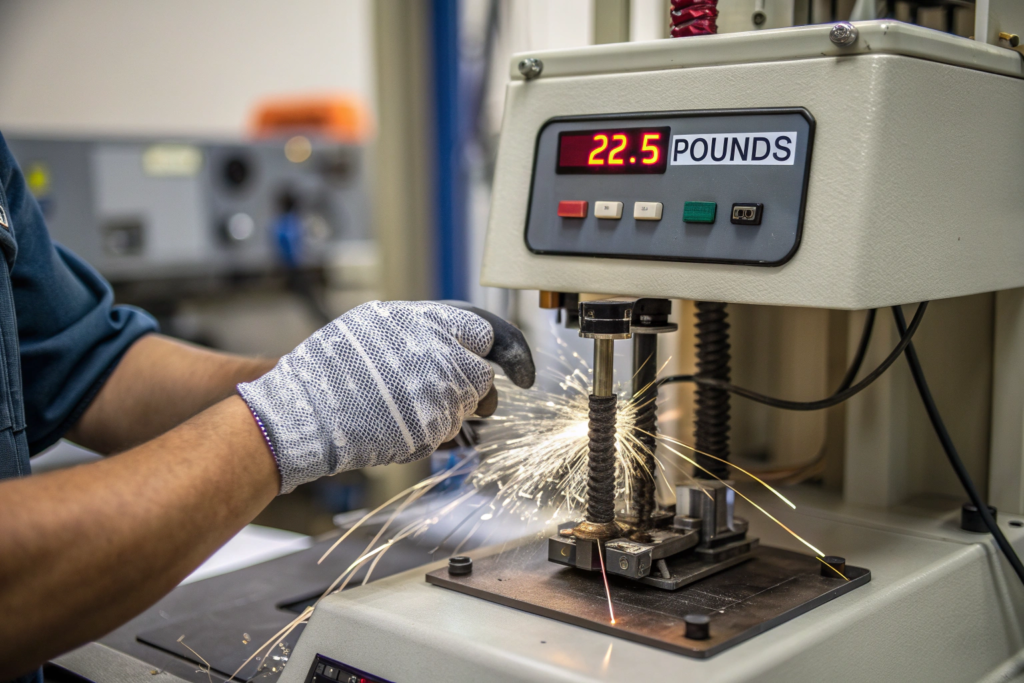
The seam strength test, defined by ASTM D1683 for woven fabrics, measures the force required to break the stitching that holds glove panels together. A standardized fabric strip with a seam in the center is clamped into a tensile testing machine. The machine pulls the two sides apart at a controlled speed until the seam bursts. The digital readout captures the peak force in pounds or newtons. This single number determines whether the glove meets the end-use requirements for industrial safety, cold-weather durability, or fashion longevity.
When I test a winter glove destined for a US hardware store, I need to see at least 15 to 20 pounds of force before failure. A fashion glove for a boutique might only require 8 to 10 pounds. The standard changes, but the test methodology remains the same. I perform this test on every new style before bulk production and at random during the run. It is non-negotiable.
How Does ASTM D1683 Define a Passing Seam Strength for Different Glove Types?
ASTM D1683 is the specific standard that governs seam strength testing for sewn fabrics. It is not a pass/fail standard by itself. It is a testing methodology that generates a force number. The buyer or the brand then sets the minimum acceptable force based on the glove’s intended use. This is a critical distinction. The standard tells you how to measure. The buyer tells you what number to hit.
For a lightweight polyester fashion glove, a seam breaking strength of 8 pounds-force may be acceptable. For a leather work glove, the minimum jumps to 20 or even 25 pounds-force. For a winter ski glove with a waterproof membrane, the requirement may be 18 pounds-force with the additional condition that the seam tape must not delaminate before the stitching breaks. We program the universal testing machine with the specific pull speed and gauge length dictated by the ASTM D1683 procedure. The machine generates a stress-strain curve. The peak of that curve is the seam breaking strength. If the number is below the buyer’s specification, we do not ship. The test eliminates subjectivity.
What Happens When a Glove Seam Fails Under Stress in a Real-World Setting?
A seam failure in a testing laboratory is a number on a screen. A seam failure in the real world is a crisis. Imagine a construction worker gripping a beam. The seam on his glove index finger splits open. He loses his grip. A tool falls. Or imagine a woman at a winter market. She pulls her fashionable knitted glove on, and the thumb seam tears. The glove is now garbage, and her brand loyalty is destroyed.
US importers think about these scenarios constantly. They face liability lawsuits if a work glove fails and causes an injury. They face a flood of one-star reviews if a fashion glove tears on the first use. A video of the seam test showing a high, clean break is their defense. It proves they exercised due diligence in sourcing. It shows the glove was built to a verified standard. This is also why product liability insurance carriers often ask importers for their quality control documentation, including these test videos. A documented testing program reduces insurance premiums and provides a legal shield in the event of a claim.
Why Don’t US Importers Trust Paper Certificates Alone Anymore?
Paper certificates used to be enough. A factory would mail a one-page PDF with a logo at the top and a test result in a table. The buyer would file it and move on. Then the fraud started. Factories began copying certificates from other products. They changed the dates in Photoshop. They sent the same certificate to ten different buyers with different product names. Some even paid corrupt inspectors to sign off on tests that never happened. The trust collapsed. Now, a paper certificate is considered a starting point for a conversation, not the end of a verification process.
US importers have lost trust in paper certificates because of widespread document fraud, batch-switching practices, and the inherent gap between a lab sample and bulk production. A paper report only proves that the specific sample sent to the lab passed. It does not prove that the bulk order sewn three weeks later used the same thread, the same stitch density, or the same fabric lot. Video provides temporal and visual context that a static PDF cannot. It shows the test being performed on the actual production run, with the current date and the specific purchase order visible in the frame.
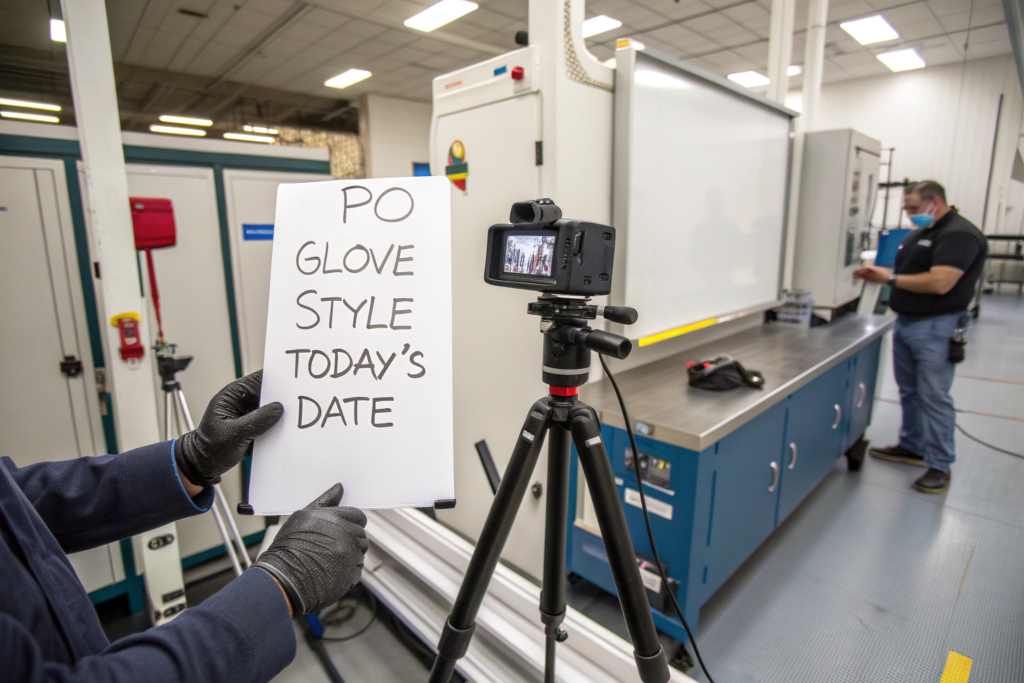
I used to just file paper reports. Now I record everything. When I send a test video to a buyer, I hold up the PO number on a whiteboard in front of the machine before I start the test. The video shows the complete, unedited sequence. The buyer sees the glove go into the clamps. They watch the force gauge climb. They see the seam burst. They hear the machine beep. This transparency builds a level of confidence that a typed report can never achieve.

How Does Batch Switching Undermine the Value of a Third-Party Lab Report?
A typical scheme works like this. The factory sends a carefully sewn, perfect sample to an external lab. The lab tests it and issues a glowing report. The factory then produces the bulk order using cheaper thread, looser stitch density, or thinner fabric. The buyer receives the paper certificate along with a container of inferior goods. By the time the quality issue is discovered, the factory has been paid.
Batch switching is the primary reason US importers now demand video evidence generated inside the factory during or just before the final shipment. A video shot on the factory floor, showing the actual bulk cartons and the PO reference, ties the test result to the specific goods being shipped. This connection between the test and the physical batch is what the paper certificate fails to establish. The rise of supply chain verification technology has made this kind of real-time evidence sharing standard practice among professional importers. A factory that refuses to provide a video is now treated with the same suspicion as a factory that refuses to provide any test at all.
Can a Calibrated Tensile Tester Display in a Video Prove Machine Accuracy?
A video of a test machine pulling a glove is meaningless if the machine itself is not calibrated. A machine that reads 20 pounds but is actually pulling 10 pounds is worse than no test at all. It creates false confidence. US importers know this. They look for evidence of calibration within the video.
A credible test video includes a brief shot of the machine’s calibration sticker at the beginning. This sticker shows the calibration date, the due date for recalibration, and the certifying body. The standard for tensile tester calibration is traceability to NIST in the US or its international equivalent. We calibrate our machines annually through an accredited third-party service. The calibration certificate number is visible on the machine body. A quick pan of the camera to show this sticker before the test begins is a powerful trust signal. This aligns with ISO 17025 laboratory quality management principles. It proves that the numbers on the screen correspond to real physical force, not a random digital readout from a neglected, drifting load cell.
How Does a Factory Produce a Credible Seam Strength Test Video?
Not all videos are equal. A shaky ten-second clip shot on a dirty workbench with no context is worthless. It could be from any factory, testing any glove, on any day. A credible test video is a structured piece of quality documentation. It anticipates the buyer’s skepticism and answers every question before it is asked. The video must establish context, show the test in full, and prove the result. This requires preparation, not expensive equipment. A modern smartphone on a tripod is sufficient if the lighting and framing are correct.
A credible seam strength test video must include four essential elements: a clear context shot showing the purchase order number, date, and glove style reference, a calibration verification showing the tester’s valid calibration sticker, a complete, unbroken recording of the test from clamp placement to seam rupture with the force display in sharp focus, and a final close-up of the digital peak force reading. The video file must be time-stamped and shared in its original, unedited format. Any cut, fade, or jump in the timeline destroys its credibility.
I trained my QC team to produce these videos in under ten minutes per style. We use a dedicated video station in the testing lab. The tripod is permanently set at the correct distance. The lighting is fixed. The whiteboard with dry-erase markers sits next to the machine. When a buyer requests a video, we don’t scramble. We follow the script, record, and upload. The professionalism of the video reflects the professionalism of the factory.
What Exact Visual Elements Must the Video Contain to Satisfy US Customs?
US Customs and Border Protection does not routinely ask for seam test videos. But if a shipment is flagged for a product safety review, having a structured video as part of your documentation package can accelerate clearance. The key is that the video must demonstrate that the product was tested according to the claimed standard.
The video should show a clear, readable label inside or attached to the glove that matches the invoice description. It should show the testing machine in operation with the force display continuously visible. It should show the seam failing completely so there is no ambiguity about the result. Finally, it should show a signed test report being filled out in real time, matching the video timestamp. For importers concerned about US import compliance, this level of documentation serves as a reasonable care defense. It demonstrates that the importer verified the product’s performance claims before entry, which is a key factor in penalty mitigation if a product is later challenged.
Why Is an Uninterrupted, Single-Take Recording Critical for Proof of Integrity?
A video that pauses, cuts away, and then resumes with a higher force reading is an obvious fraud. Even an innocent pause destroys trust because it creates an opportunity for sample substitution. The buyer’s mind immediately goes to the worst-case scenario. Did the factory test ten gloves and only show the best one? Did they swap in a reinforced sample for the camera?
The rule is absolute. One take, one glove, one result. If the seam breaks early and the number is low, we show it. We then investigate the root cause and fix the stitching. We do not hide the failure. US importers respect honesty about a failure more than they trust a perfect result from a suspiciously edited video. The integrity of quality control data depends on this transparency. A buyer who sees a factory willingly show a borderline failure knows that factory is managed with integrity. That trust is worth more than any single passed test.
What Other Glove Quality Tests Should Importers Request Alongside Seam Strength?
Seam strength is the headline test, but it is not the only test. A glove with bulletproof seams that is dyed with skin-irritating chemicals will still generate returns. A winter glove with strong seams but zero insulation will fail in the market. Smart US importers request a battery of tests that together paint a complete picture of the glove’s quality and safety. Asking for multiple test videos signals to the factory that you are a professional buyer who cannot be fooled by a single strong metric.
Alongside the seam strength video, importers should request a colorfastness to crocking test video to prove the dye won’t bleed onto skin, a puncture resistance test for work gloves, a thermal insulation test for winter gloves, and a chemical safety test report for REACH and CPSIA compliance. Each test addresses a different failure mode that could trigger a return, a bad review, or a regulatory action.
I package all test results into a single quality dossier for my buyers. The dossier includes the videos, the raw data files from the testing machine, the lab reports for chemical safety, and a summary page with pass/fail verdicts against the agreed specifications. This dossier travels with the shipping documents. It is the glove’s passport, proving it is fit to enter the US market.
How Does a Colorfastness Test Prevent Dye Transfer Complaints on Fashion Gloves?
A customer buys a pair of red leather fashion gloves. She wears them to a holiday party. When she takes them off, her palms are stained crimson. She leaves a one-star review with a photo. That single review can cost the brand thousands in lost sales. Colorfastness testing prevents this entirely.
The crocking test measures dye transfer. A white cotton cloth is rubbed against the glove fabric under controlled pressure for a set number of cycles. The cloth is then examined for color staining. For dry crocking, there should be almost no visible transfer. For wet crocking, which simulates sweaty hands, a slight transfer may be acceptable for dark colors but must be noted on the care label. We perform this test according to AATCC Test Method 8 and record it on video for the same reasons as the seam test. The buyer sees the white cloth come away clean and knows their customers will not be posting stain photos on social media.
Why Is CPSIA Lead and Phthalate Testing Non-Negotiable for Gloves Entering the US?
A glove is a wearable product that touches skin. Children may wear it. It may be handled and then food is eaten without hand washing. The US Consumer Product Safety Commission enforces strict limits on lead content and phthalate levels in consumer products under the Consumer Product Safety Improvement Act.
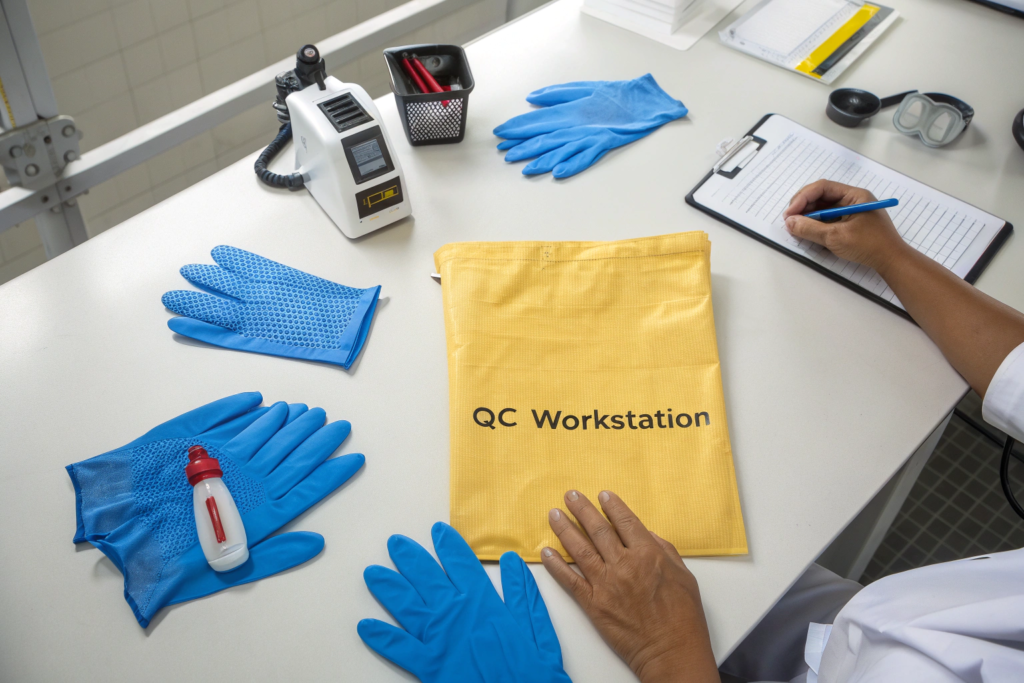
CPSIA testing must be performed by a CPSC-accepted third-party laboratory. A factory video cannot replace this lab test because it involves chemical extraction and chromatography. However, a factory can show video evidence of the sample collection and chain of custody. We film the random selection of gloves from the bulk shipment, the sealing of the samples in a tamper-proof bag, and the courier pick-up to the independent lab. This video, combined with the lab’s official CPSIA compliance certificate, forms a complete evidence chain. It proves the tested samples genuinely came from your production lot, not from a safe, pre-prepared batch. This level of rigor protects the importer from costly mandatory recalls.
Conclusion
The request for a seam strength test video on gloves is not a sign of a paranoid or difficult buyer. It is a sign of a professional importer who has learned from painful experience that paper promises break as easily as cheap stitching. You have seen how the ASTM D1683 test quantifies the exact force a seam can withstand, and how that single number separates a glove that protects from a glove that fails. You understand why paper certificates lost their power. Document fraud and batch switching created a trust vacuum that only video evidence can fill.
We walked through the anatomy of a credible test video. The whiteboard with the PO number, the calibration sticker check, the unbroken single take, the sharp focus on the peak force display. Each element answers a silent question in the buyer’s mind. Where did this come from? Is this machine accurate? Was this the best of ten tries? An honest, structured video answers all three. And we expanded the frame to include the other tests that matter. Colorfastness proves the dye stays on the glove, not on the customer’s skin. CPSIA lab tests prove the glove is safe to wear. Together, these tests form a shield around the importer’s business.
At AceAccessory, I built our quality system to deliver this shield as a standard service. Our Zhejiang factory has the calibrated tensile testers, the dedicated video recording station, and the trained QC technicians who perform these tests and document them properly. I ship every container of gloves with a digital quality dossier that includes the test videos, not just the paper reports.
If your current glove supplier hesitates when you ask for a seam test video, or if you are tired of receiving certificates that don’t match the product in the box, it’s time for a change. Contact our Business Director, Elaine. She can send you a sample test video from a recent glove shipment so you can see exactly what our documentation looks like. Reach her at elaine@fumaoclothing.com. Let’s build a glove supply chain where every seam is proven before it leaves the factory floor.




