
You are a product developer for an equestrian and outdoor sports brand. You attend a major trade show in early 2026. The hat wall is divided into two categories that no longer make sense: traditional riding helmets and casual hiking caps. The riding helmets are heavy, hot, and look like they belong in a dressage arena, not on a trail rider who spends six hours in the saddle under the summer sun. The hiking caps are lightweight but offer zero sun protection for the ears and neck. You see a gap. Your customer is an active woman who rides in the morning, hikes in the afternoon, and wants a single hat that performs for both activities and looks stylish enough for a post-ride coffee. The market is demanding a fusion of technical performance and equestrian heritage, and the factories that recognize this fusion are the ones writing the 2026 purchase orders.
The 2026 hat trends for equestrian and outdoor sports are converging on three hybrid designs: a lightweight, ventilated riding hat with a stiff, shaped brim, UPF 50 sun protection, and a moisture-wicking sweatband that can be worn during active riding and then transition to a casual hiking look; a technical performance cap with a built-in, removable sun cape that protects the ears and neck from UV exposure, made from quick-dry, insect-repellent treated fabric; and a classic waxed cotton bucket hat re-engineered with a hidden helmet-compatible crown, allowing it to be worn over a lightweight riding skull cap.
These hats are not fashion accessories. They are pieces of performance equipment that must survive sweat, dust, rain, and repeated machine washing while providing genuine sun protection and comfort during hours of wear. I want to break down each trend, the materials and construction methods we use to achieve the performance requirements, and how our Zhejiang facility tests these hats to the standards that equestrian and outdoor retailers demand.
What Is a Hybrid Riding Hiking Hat and What Performance Features Does It Require?
A traditional equestrian riding helmet is designed for impact protection. It is heavy, covered in black velvet or microfiber, and has no brim for sun protection because a wide brim can catch the wind and unseat the helmet. A traditional hiking cap is designed for shade and breathability but provides zero impact protection and looks out of place in a barn. The hybrid riding hiking hat bridges these two worlds.
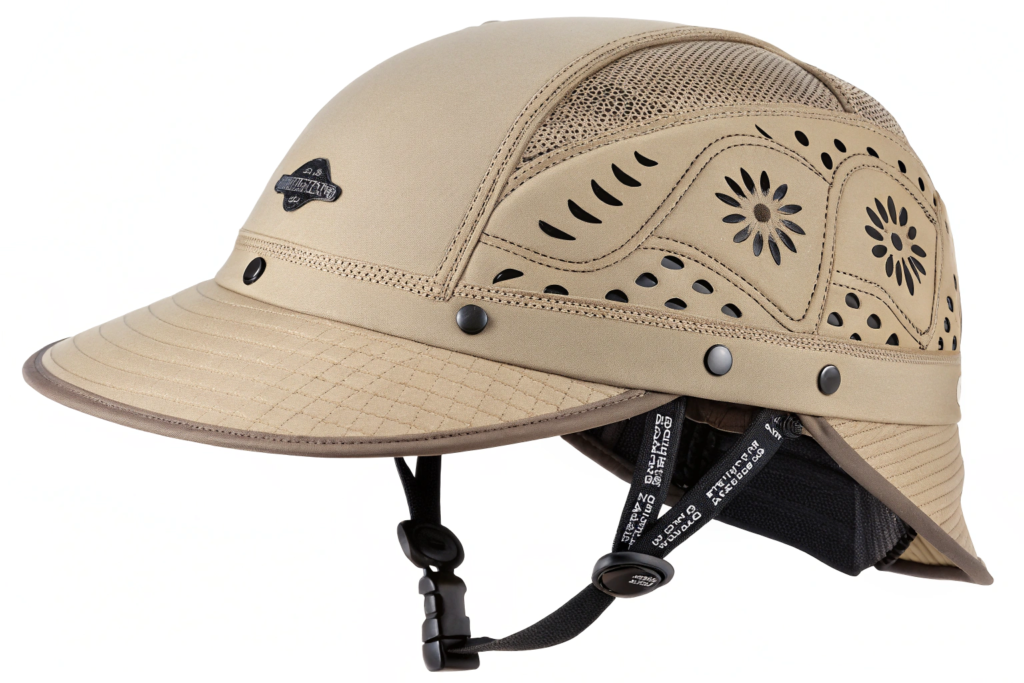
The hybrid riding hiking hat is a non-helmet, brimmed hat designed for low-speed riding, trail riding, and general barn and outdoor use. It does not replace a certified riding helmet for jumping or high-risk activities, but it provides the sun protection, ventilation, and secure fit that a traditional helmet lacks. The performance features include: a stiff, shaped brim that provides UPF 50 sun protection but is vented at the rear to prevent wind lift, a lightweight crown with laser-cut ventilation holes in a decorative pattern, a wide, moisture-wicking Coolmax sweatband, a chin strap with a quick-release magnetic Fidlock buckle, and a hidden size adjuster inside the crown.
We construct the hybrid hat crown from a lightweight, breathable polyester mesh with a semi-structured front panel that holds its shape when saturated with sweat. The brim core is a waterproof polypropylene sheet that will not warp or delaminate, unlike standard cardboard brims. The magnetic chin strap buckle is a Fidlock slider that secures the hat during a trot or canter but can be detached instantly if the hat snags on a branch. This is a critical safety feature adapted from the equestrian helmet industry. Our equestrian accessories production line is equipped to produce this hybrid hat.
How is the hat tested for wind lift at riding speeds?
We test the brim’s wind resistance in a small wind tunnel at our facility. The hat is placed on a mannequin head, and a fan generates an airflow of 30 kilometers per hour, simulating a trotting horse. The brim must not lift more than 1 centimeter from its resting position. The rear brim vents are tuned to allow air to pass through, equalizing pressure above and below the brim.
Can the chin strap be removed when the wearer is not riding?
Yes, the chin strap attaches with hidden snap fasteners under the sweatband. It can be removed entirely for hiking or casual wear, leaving a clean-looking brimmed hat with no dangling straps.
What Is a Technical Sun Cape Cap and Why Is It Replacing Standard Baseball Caps?
A standard baseball cap provides shade for the forehead and eyes. It leaves the ears, the back of the neck, and the sides of the face completely exposed to the sun. For an outdoor athlete spending hours in direct sunlight, this is inadequate protection. The technical sun cape cap solves this by adding a removable fabric cape that hangs from the cap’s circumference.
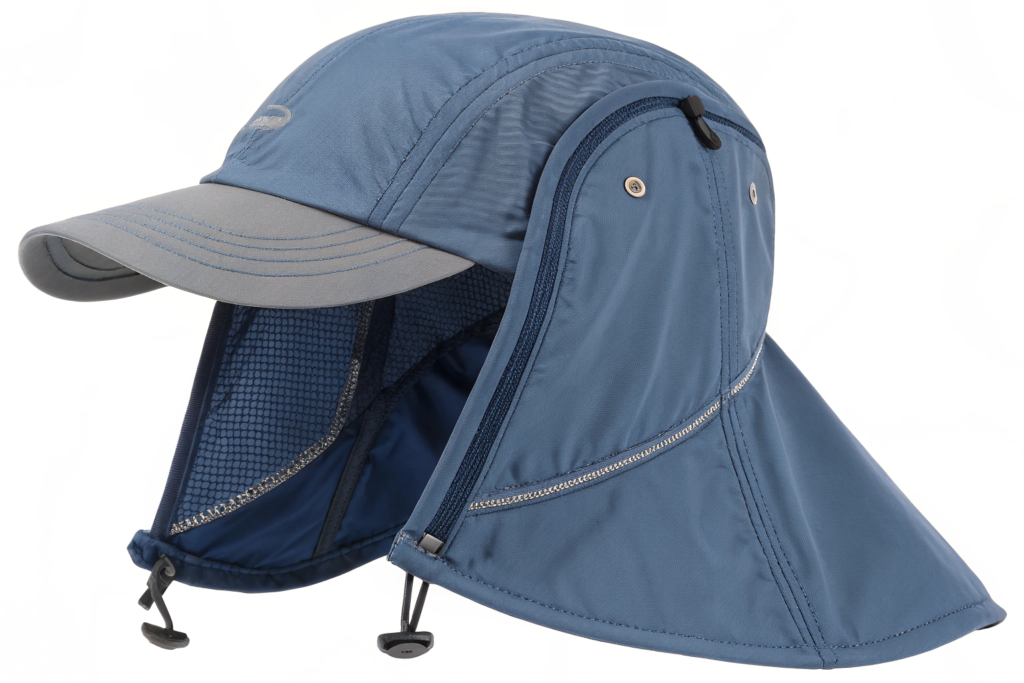
A technical sun cape cap is a lightweight, quick-dry polyester baseball cap with a zippered, removable sun cape that attaches to the cap’s edge with a hidden zipper or a series of low-profile snap fasteners. The cape covers the ears, the sides of the face, and the back of the neck, providing UPF 50 sun protection to the areas that a standard cap misses. The cape is made from a breathable, open-weave polyester mesh that allows airflow while blocking UV radiation. The cap crown is vented, and the sweatband is treated with an antimicrobial finish.
The cape is stored in a small, zippered pocket on the inside of the cap crown when not in use. The wearer unzips the pocket, pulls out the cape, and snaps it into place in under 30 seconds. When the sun drops or the wearer moves into the shade, the cape is detached and stowed.
Is the fabric treated with insect repellent?
Yes, we offer an optional permethrin insect-repellent treatment for the sun cape cap. The treatment is applied during the fabric finishing process and bonds to the polyester fibers. It repels mosquitoes, ticks, and other biting insects for up to 70 wash cycles. This treatment is popular with trail riders and hikers in tick-heavy regions.
How is the cape secured to prevent it from flapping in the wind?
The cape has a lightweight, coated metal wire sewn into the hem. The wearer can shape the cape to contour around their face and neck. The wire holds the shape, preventing the cape from flapping even in a strong wind. The wire is removable for washing.
What Is a Helmet-Compatible Waxed Cotton Bucket Hat?
The classic waxed cotton bucket hat is a heritage outdoor style. It is waterproof, durable, and develops a beautiful patina with age. However, it is incompatible with a riding helmet because the deep crown does not fit over a helmet shell, and the soft brim collapses when pressed against a helmet harness. The 2026 re-engineering solves both problems.
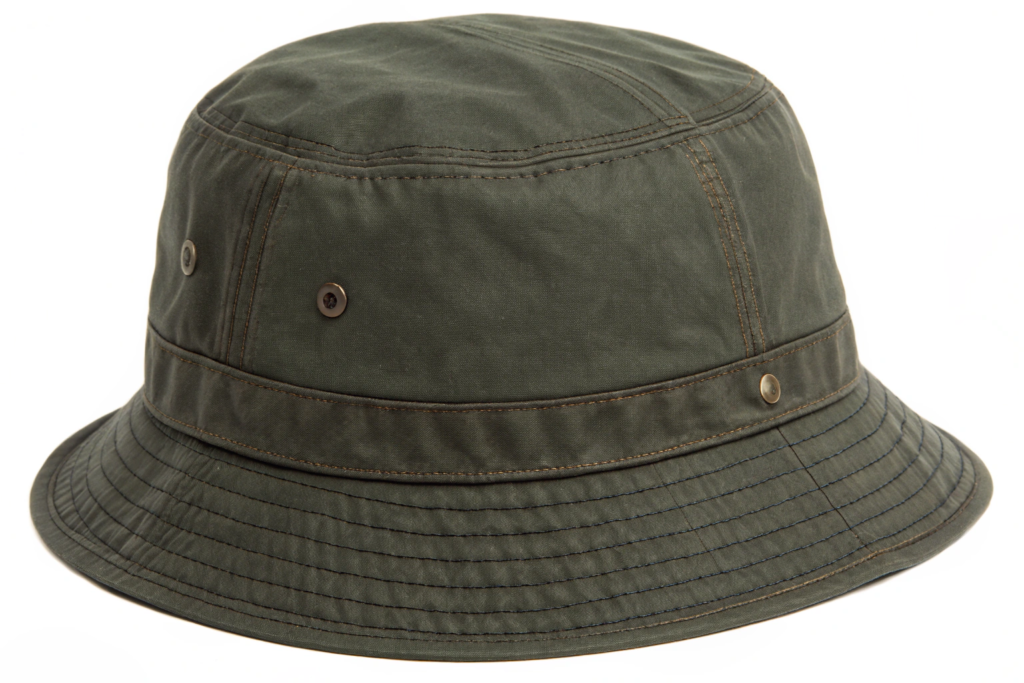
The helmet-compatible waxed cotton bucket hat features a redesigned crown that is slightly taller and wider than a standard bucket hat, with an internal elasticated panel that expands to accommodate a low-profile riding skull cap underneath. The brim is stiffened with a flexible, memory-retaining wire and lined with a grippy silicone dot pattern on the underside, which prevents the brim from sliding against the helmet harness. The hat is made from 200 GSM British Millerain waxed cotton, fully waterproof, with taped internal seams, and features a detachable, fleece-lined ear flap panel for cold-weather riding.
The ear flap panel attaches inside the crown with a low-profile zipper. When not needed, it is removed, and the hat functions as a standard waxed bucket hat. The internal silicone grip dots on the brim underside are a subtle but critical design feature that prevents the brim from being pushed upward by the helmet harness during a ride.
Is the waxed cotton fabric breathable enough for active use?
Waxed cotton is inherently less breathable than uncoated cotton or mesh. To compensate, we have added two brass ventilation eyelets to each side of the crown. These eyelets allow passive airflow and are finished with a waterproof grommet to prevent water ingress.
How does the removable ear flap attach securely?
The ear flap attaches via a fine-tooth, YKK coil zipper sewn into the interior crown seam. The zipper is invisible from the outside and sits comfortably against the head without creating a pressure point. The ear flap is lined with a soft, brushed fleece that provides warmth in winter riding conditions.
What Color and Material Trends Are Defining the 2026 Equestrian Hat Market?
The equestrian market has a long tradition of conservative colors: black, navy, hunter green, and brown. These colors still dominate the competition arena, but the recreational riding and outdoor sports segment is embracing a broader, more fashion-forward palette that aligns with the broader outdoor industry trends.
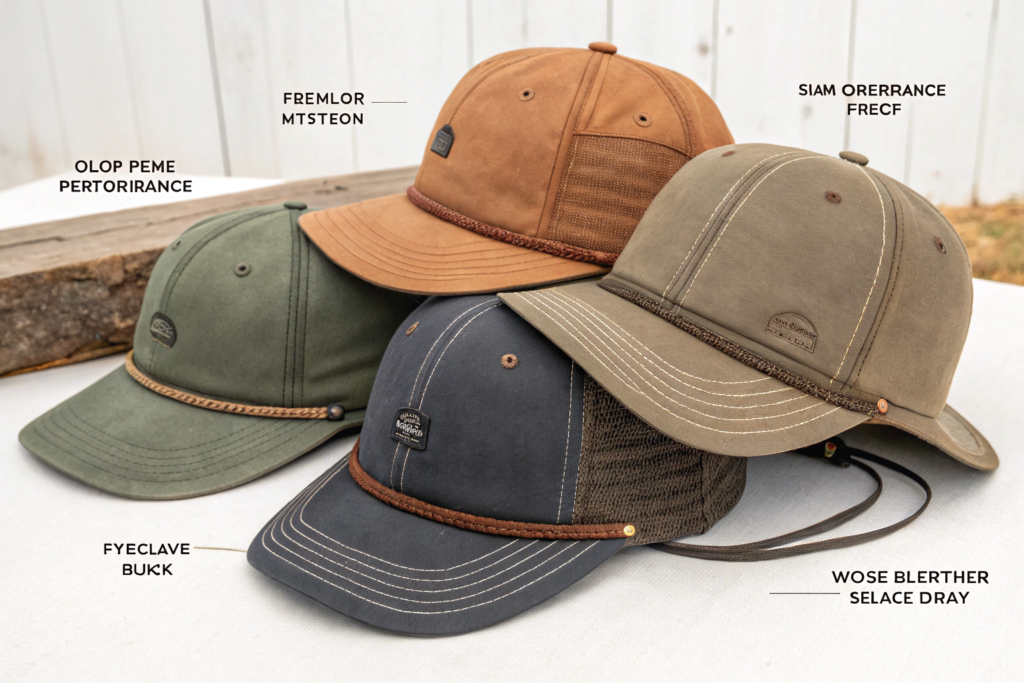
The 2026 color palette for equestrian and outdoor hats is shifting toward earthy, muted performance colors: heathered olive, dusty terracotta, sun-bleached sand, and slate grey. These colors hide trail dust effectively while looking stylish off the horse. Black and navy remain available for the traditional market. The materials trend is toward recycled polyester mesh for the crowns, vegetable-tanned leather for adjustable strap details, and PFC-free durable water repellent finishes on all weather-resistant fabrics.
The recycled polyester mesh we use is certified to the Global Recycled Standard. The mesh is woven from post-consumer plastic bottle flake and provides the same breathability, durability, and UPF rating as virgin polyester. The vegetable-tanned leather used for chin strap keepers and adjustment straps is sourced from a German tannery certified by the Leather Working Group.
Is the PFC-free DWR finish as effective as the older fluorocarbon-based finishes?
Early PFC-free finishes had lower water repellency and poorer durability. The 2026 generation of silicone-based and plant-based DWR finishes have closed the performance gap significantly. Our PFC-free DWR achieves a spray rating of 90 on the AATCC 22 scale, which is equivalent to the performance of a C6 fluorocarbon finish, and maintains this rating for 20 machine wash cycles.
How is the recycled content of the fabric verified for the consumer?
The hangtag includes the Global Recycled Standard logo and a QR code that links to a digital product passport showing the recycled content percentage, the certification body, and the certificate number. This transparency is increasingly demanded by outdoor and equestrian retailers.
Conclusion
The 2026 equestrian and outdoor hat market is defined by hybrid designs that fuse the technical performance of outdoor gear with the heritage aesthetics of riding apparel. The ventilated riding hiking hat with a magnetic chin strap provides sun protection and secure fit for trail riding and hiking. The technical sun cape cap adds removable UPF 50 ear and neck protection to a ventilated cap. The helmet-compatible waxed cotton bucket hat re-engineers a classic for modern riding. Materials are shifting to recycled polyester, PFC-free DWR, and vegetable-tanned leather accents in an earthy, muted color palette.
Our Zhejiang facility produces these technical hats for equestrian and outdoor brands. We have the wind tunnel for brim lift testing, the UPF testing capability, the magnetic Fidlock buckle sourcing, and the GRS-certified recycled fabric supply chain. Our production team is experienced in the specific quality requirements of the equestrian market.
If you are developing an equestrian or outdoor hat collection for 2026 and need a factory with the technical capabilities and material certifications to support it, contact our Business Director, Elaine. She will send you a sample hybrid hat, our technical spec sheet with UPF and wind lift test data, and our GRS and PFC-free certifications. Write to her at elaine@fumaoclothing.com. Let’s put a hat on riders that performs as hard as they do.