Choosing the wrong embroidery for your custom hats can make your brand look outdated before the product even hits the shelves. You invest in high-quality caps, but if the font and style are off-trend, customers scroll right past. Your logo deserves to be showcased with the same contemporary edge that defines your brand.
The key to standout 2026 hat embroidery lies in balancing timeless appeal with fresh, stylistic details. It’s not about chasing fleeting fads, but about adopting evolving techniques that convey craftsmanship, personality, and modern aesthetics. This year, we’re seeing a powerful move towards organic textures, dimensional effects, and fonts that prioritize legibility with character.
Let’s explore the specific font families and embroidery styles that will define the custom hat landscape in 2026, ensuring your branded headwear makes a lasting and positive impression.
Which Font Families Will Dominate Custom Hat Designs in 2026?
Font choice is the voice of your brand stitched in thread. Getting it wrong means your message is lost in translation. The trends for 2026 are splitting into two clear, powerful directions: ultra-clean, geometric sans-serifs for impact, and expressive, flowing scripts for personality. Both move away from overly thin or overly ornate styles that can get lost in embroidery.
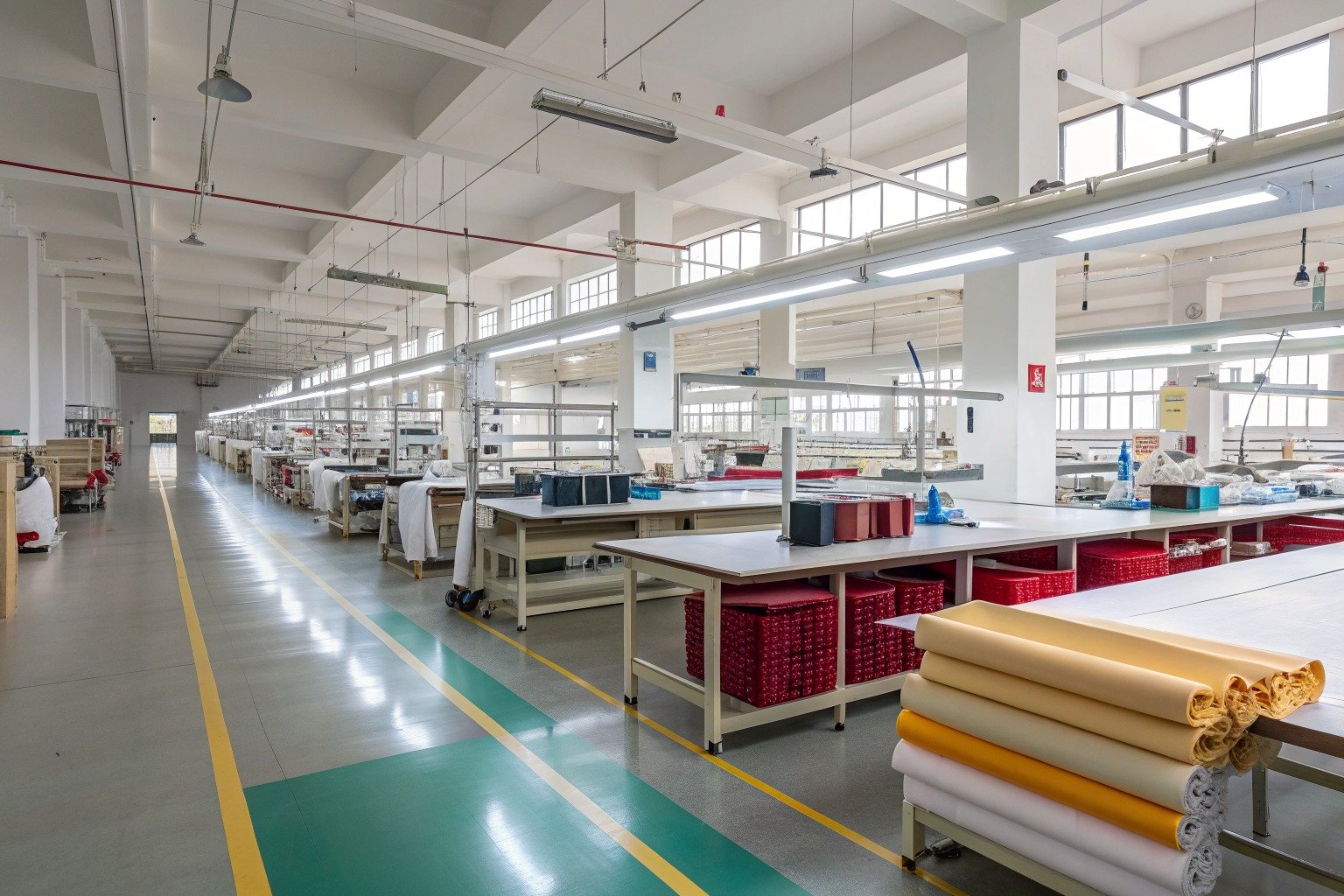
The dominant trend is bold, weighty sans-serif fonts with slightly rounded terminals or open counters. Think fonts like "Pangram" or "Circular Std" – they offer excellent readability from a distance, even when stitched small on a cap’s curved panels. For a more human touch, expressive modern scripts are surging. These aren’t the overly swirled cursive of the past, but cleaner, more deliberate scripts with controlled flourishes and consistent baseline weight. At Shanghai Fumao Clothing, our design team is prepping digitized libraries of these trending font styles to help clients visualize their logos with 2026 relevance.
Why Are "Chunky Sans-Serif" Fonts a Top Choice for Brand Visibility?
On a curved, textured surface like a hat, fine details disappear. Chunky sans-serif fonts excel because their generous stroke weight and open letterforms translate perfectly into dense, clean satin stitch columns. This creates a highly tactile and visually solid logo that can be read across a room.
From a manufacturing perspective, these fonts are also more forgiving and consistent. They require less precision in digitizing and stitching than ultra-thin serifs, leading to a higher yield of perfect caps per production run. This means fewer seconds and more profit for you. The style conveys confidence and modernity, perfect for sportswear brands, tech companies, and lifestyle labels. For inspiration on effective brand typography, resources like Google Fonts showcase many open-source typefaces that embody this chunky, readable aesthetic and can be adapted for embroidery.
How Are "Modern Script" Fonts Evolving for Better Embroidery?
The classic script embroidery often suffered from thread breaks on tiny details and illegible, tangled lettering. The 2026 modern script trend solves this. These fonts feature:
- Increased stroke consistency: Less variation between thick and thin lines, making digitizing smoother.
- Optimized connections: Letters are designed to be distinct yet flow naturally, preventing thread jumps that can snag.
- Generous x-heights: The main body of lowercase letters (like ‘a’ or ‘x’) is taller, improving readability on a small space.
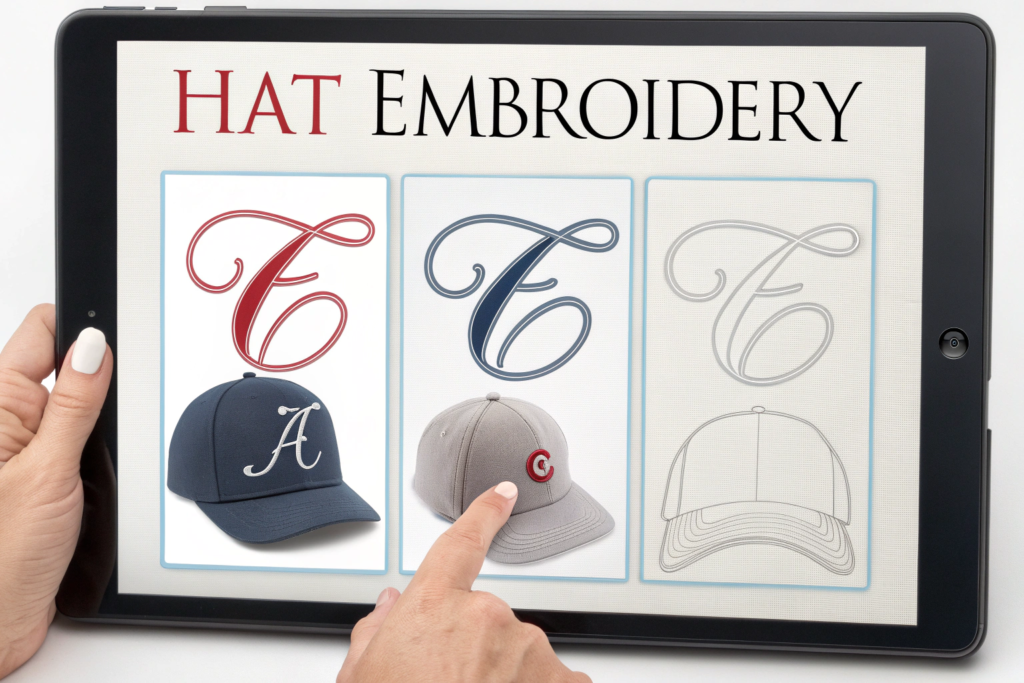
This evolution means you can achieve an elegant, personalized look without sacrificing durability or clarity. It’s ideal for boutique brands, cafes, and names/initials on custom hats. When we digitize a script logo at our factory, we carefully analyze these connection points to ensure the stitch path is both beautiful and robust, a process detailed in guides on professional embroidery digitizing.
What Embroidery Style Techniques Are Gaining Popularity?
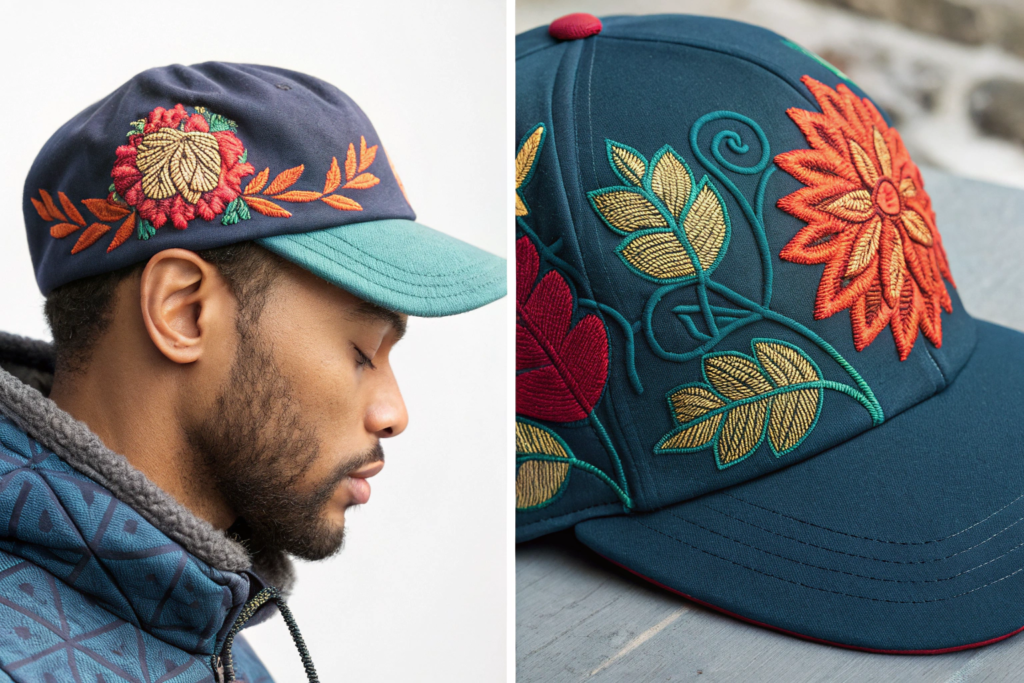
Beyond the font itself, how it’s stitched defines its character. Flat satin stitch is the standard, but 2026 is about adding depth, texture, and a handcrafted feel. The leading styles are 3D puff embroidery for bold statements and fine-line stitching for detailed artistry. Both require expert digitizing and precise machine calibration to execute well.
3D puff embroidery involves laying a foam backing under the stitches, which raises the design off the fabric. When combined with a chunky font, the effect is incredibly impactful and premium. Conversely, fine-line or "sketch" style embroidery uses very narrow columns of satin stitch or clever running stitches to mimic the look of a hand-drawn line. This technique is perfect for more illustrative logos or delicate script accents. Mastering these styles sets a manufacturer apart and allows brands to offer truly unique custom headwear.
When Should You Choose 3D Puff Embroidery for Your Hats?
3D puff is not for every design. It works best with bold, blocky letters and solid shapes that have a minimum stroke width (usually 4mm or more). It’s the premier choice for:
- Primary logos on structured caps (like baseball caps).
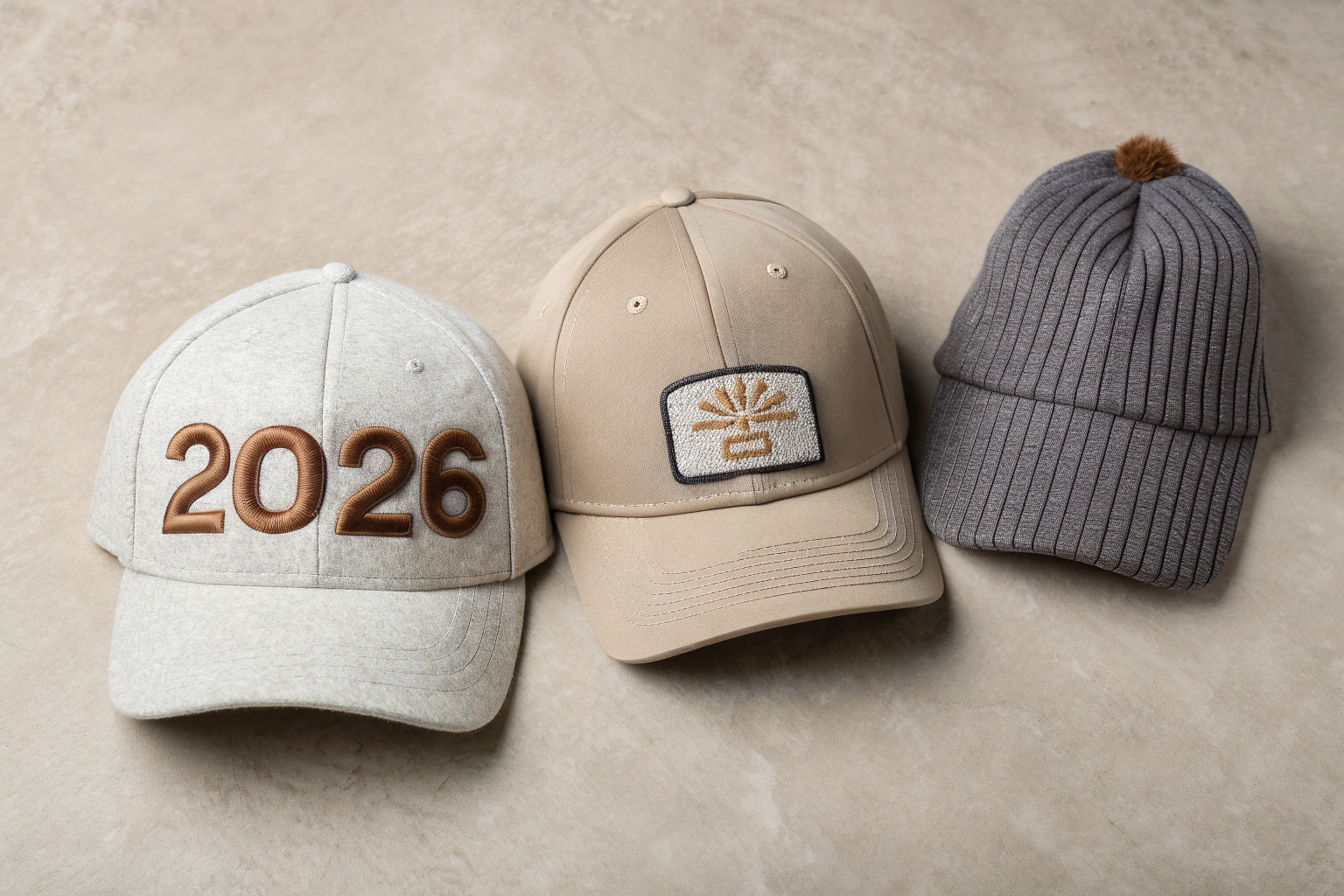
- Numbering on sports team hats.
- Key brand words where you want maximum tactile impact.
It’s important to note that 3D puff is less suited for unstructured beanies or designs with small, intricate details, as the foam can cause distortion. A professional factory will advise on its suitability. The process requires specialized digitizing to account for the foam’s expansion and precise machine tension to create a clean, defined edge. This technique, offered by experts like Shanghai Fumao Clothing, instantly elevates the perceived value of the hat.
What is "Fine-Line" Embroidery and Which Brands Use It Best?
Fine-line embroidery is the opposite of 3D puff. It aims for subtlety and detail, using the finest possible threads (like 100wt or 120wt) and precise digitizing to create designs that look almost printed or drawn. This style is gaining huge traction for:
- Minimalist brand marks.
- Detailed illustrations (like animal portraits or landscapes).
- Signature-style logos.
It works exceptionally well on premium materials like wool felt, brushed cotton, and performance fabrics where a heavy stitch would be overpowering. Brands in the heritage, outdoor, and luxury sectors are adopting this style to convey craftsmanship and attention to detail. Executing it requires high-end, well-maintained embroidery machines and expert operators to prevent thread breaks. Understanding fabric and thread interaction is key, as discussed in technical forums for apparel decoration.
How Do Color and Thread Choices Impact the Modern Look?
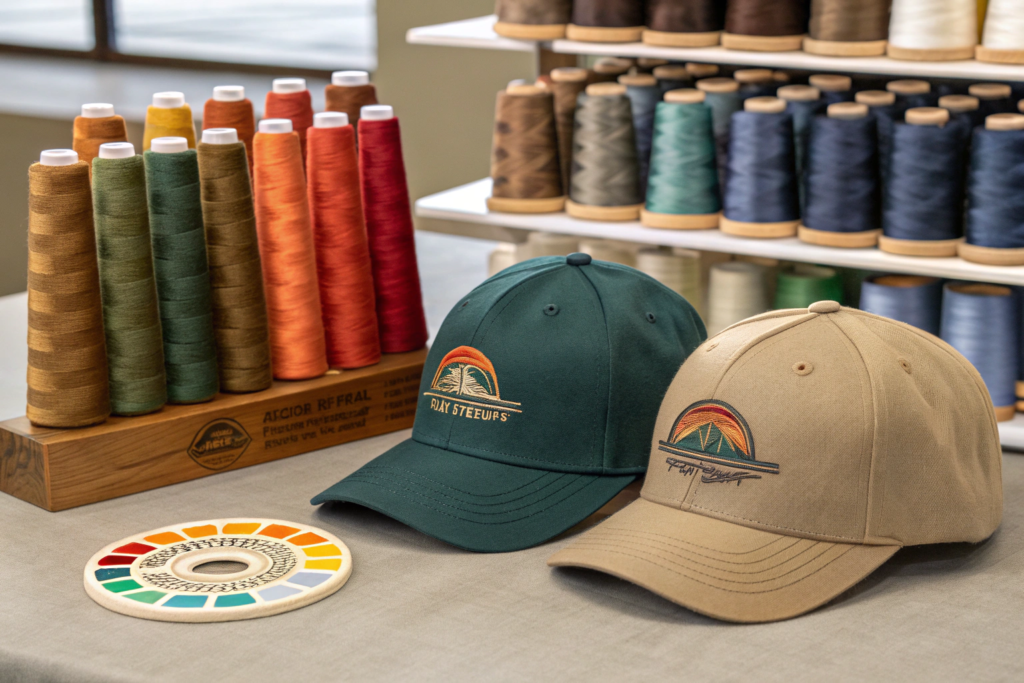
The modern aesthetic extends beyond shape and stitch to color philosophy. The trend is moving away from simple, flat color fills toward tonal gradients, textured matte finishes, and strategic accent colors. The right thread type can make a standard font feel premium or a vintage design feel authentic.
For a contemporary look, consider using a gradient fill within letters, transitioning from a dark to a light shade of the same hue. This adds incredible depth. Another key trend is the use of matte or cotton-finish threads instead of high-sheen rayon for a more sophisticated, understated look. For vintage or heritage styles, contrast outlining on a flat fill or using variegated thread (a single thread that changes color along its length) can create a unique, handcrafted effect.
Why Are Tonal Palettes and Gradients Replacing Flat Colors?
Flat, single-color embroidery can look static. Tonal palettes (using different shades of one color) and subtle gradients create visual movement and a sense of dimension, even on a flat-stitched design. This makes a logo feel more dynamic and modern.
From a production standpoint, gradients require advanced digitizing to blend thread colors smoothly, but the effect is well worth it. It signals a high level of craftsmanship. This approach aligns with broader graphic design trends favoring depth and realism, moving logos from simple 2D marks to more engaging visual elements. Discussing color transitions with your manufacturer early in the design phase is crucial for the best result.
What’s the Difference Between Rayon, Polyester, and Matte Threads?
The thread material itself defines the final look.
- Rayon: Traditional high-sheen, vibrant luster. It’s smooth and dyes brightly but is less durable than polyester.
- Polyester: The industry workhorse. It has excellent colorfastness, strength, and mildew resistance. It comes in both high-sheen and matte finishes.
- Matte Polyester/Cotton-Finish: This is the rising star for 2026. It provides a soft, non-reflective, premium look that feels more like printed fabric or fine needlework. It’s perfect for achieving that modern, understated aesthetic.
For custom hats that will face sun and wear, we strongly recommend polyester thread for its durability. The choice between sheen and matte then becomes a stylistic one. Understanding these material properties is essential for specifying the right look and longevity, a topic covered by thread manufacturers like Madeira.
How to Prepare Your Logo for 2026 Embroidery Success?
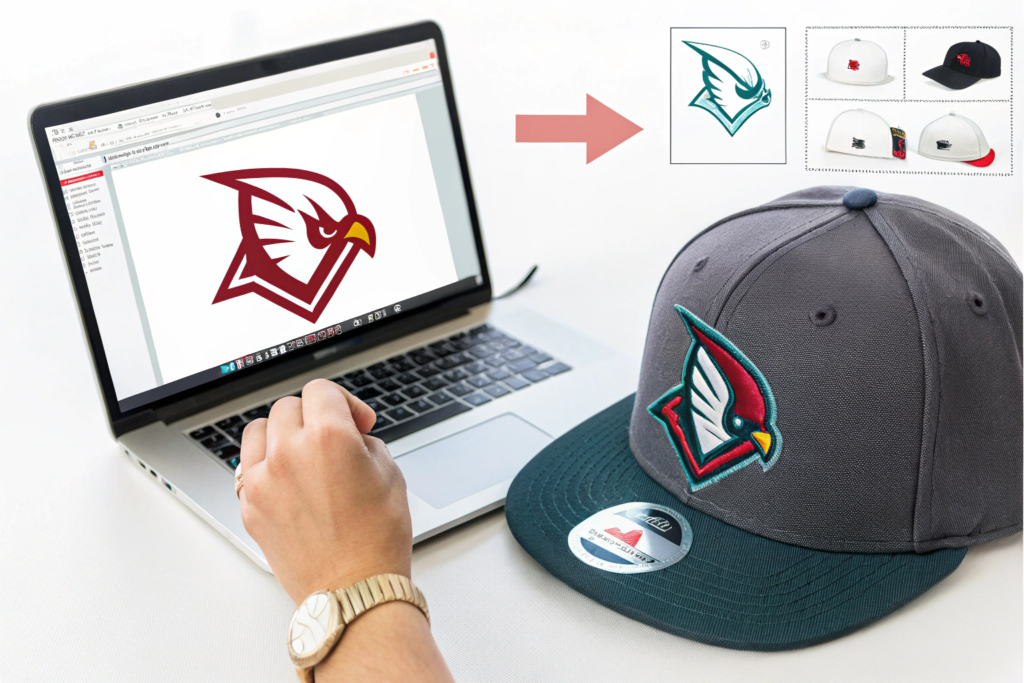
The final step is translation—turning your digital logo into impeccable stitchwork. This hinges on professional embroidery digitizing, which is the process of converting artwork into a stitch file that an embroidery machine can read. A poor digitizing job can ruin even the most beautifully designed font.
Provide your manufacturer with a high-resolution vector file (AI, EPS, PDF). Be open to their suggestions for minor tweaks that optimize for stitching, such as slightly widening a stroke or simplifying a tiny detail. Ask to see a stitch-out sample on actual hat fabric before full production. This is your chance to check the thread colors, density, and overall look. A reliable partner will guide you through this technical process to ensure the final product matches your vision.
What File Format and Details Should You Provide Your Manufacturer?
To ensure the best outcome, send your logo in a vector format (not a JPG or PNG). Vector files (like .AI or .EPS) contain mathematical paths, not pixels, allowing the digitizer to scale and edit the design perfectly. Key details to specify include:
- Exact Pantone (PMS) colors for thread matching.
- Desired finished size (height/width in inches or cm).
- Preferred placement on the hat (center front, left side, etc.).
- Any style preferences (e.g., "modern script, fine-line effect").
Clear communication at this stage prevents costly revisions later. Our project managers at Shanghai Fumao Clothing provide a detailed checklist to clients to gather all necessary information before digitizing begins, streamlining the entire process.
Why is a Stitch-Out Sample Non-Negotiable Before Production?
A stitch-out sample is your only true quality check before thousands of hats are produced. The screen preview and digitizing file can’t show how the thread interacts with the specific hat fabric, how the colors look under natural light, or if the stitch density causes the fabric to pucker.
Approving a physical sample protects your investment. It allows you to confirm size, color, and overall aesthetic. Any adjustments to tension, density, or underlay can be made at this stage with minimal cost. Skipping this step risks a bulk order that doesn’t meet your expectations. This practice of sample approval is a standard part of professional quality assurance in contract manufacturing, ensuring client satisfaction from the first unit to the ten-thousandth.
Conclusion
The trending embroidery fonts and styles for 2026 custom hats are defined by a blend of bold clarity and artful subtlety. Dominant chunky sans-serifs ensure brand visibility, while refined modern scripts add personality. Technically, 3D puff and fine-line embroidery offer contrasting paths to premium texture and detail, all supported by a sophisticated use of tonal colors and matte threads.
Successfully capturing these trends requires more than just choosing a font from a list; it demands a collaborative partnership with a manufacturer skilled in modern digitizing and precision stitching. The right factory will act as a consultant, guiding you from your initial logo file to a perfectly executed, trend-forward embroidered hat.
Ready to embroider your brand’s story with 2026’s leading styles? For expert guidance on digitizing, stitch techniques, and producing a standout custom hat collection, contact our Business Director, Elaine, at elaine@fumaoclothing.com. Let’s stitch your vision into reality.