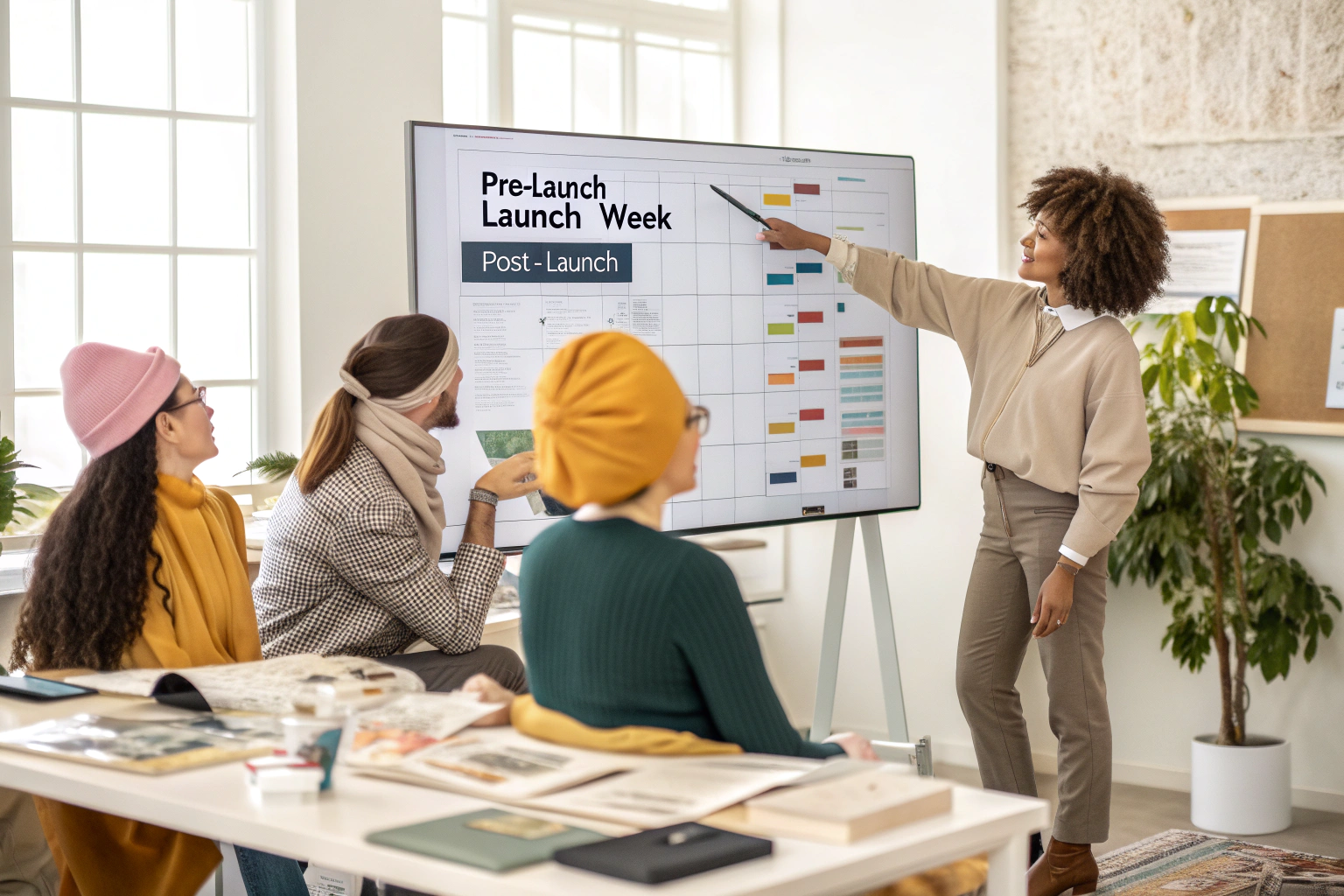
You’ve designed a stunning new line of accessories. The samples are perfect, production is scheduled, and you can already see them flying off the shelves. But then, reality hits: how do you actually get them in front of the right customers and make them buy? A great product alone doesn’t guarantee success. Without a clear, actionable marketing plan, even the best designs can get lost in the noise.
The foundation of a successful launch is a structured marketing plan that aligns your goals with your audience’s desires and the realities of the market. It’s a roadmap that moves from creating awareness to driving sales, using the right channels at the right time. For accessory brands, this means blending visual storytelling with strategic outreach to retailers and end consumers.
Many new brands make the mistake of jumping straight to promotions without building a story or defining their target customer. This guide will walk you through a step-by-step process to create a launch plan that builds buzz, engages your community, and drives measurable sales. We’ll cover how to define your launch strategy, build pre-launch hype, execute a multi-channel campaign, and measure your results to refine future efforts.
How Do You Define Your Launch Goals and Target Audience?
You’re excited to launch, but what does "success" actually look like? Is it 100 online sales, securing 10 new retail partners, or reaching 50,000 social media impressions? Launching without clear goals is like driving without a destination. Similarly, trying to market to "everyone" will dilute your message and waste your budget. How do you set the right targets and find your ideal customer?
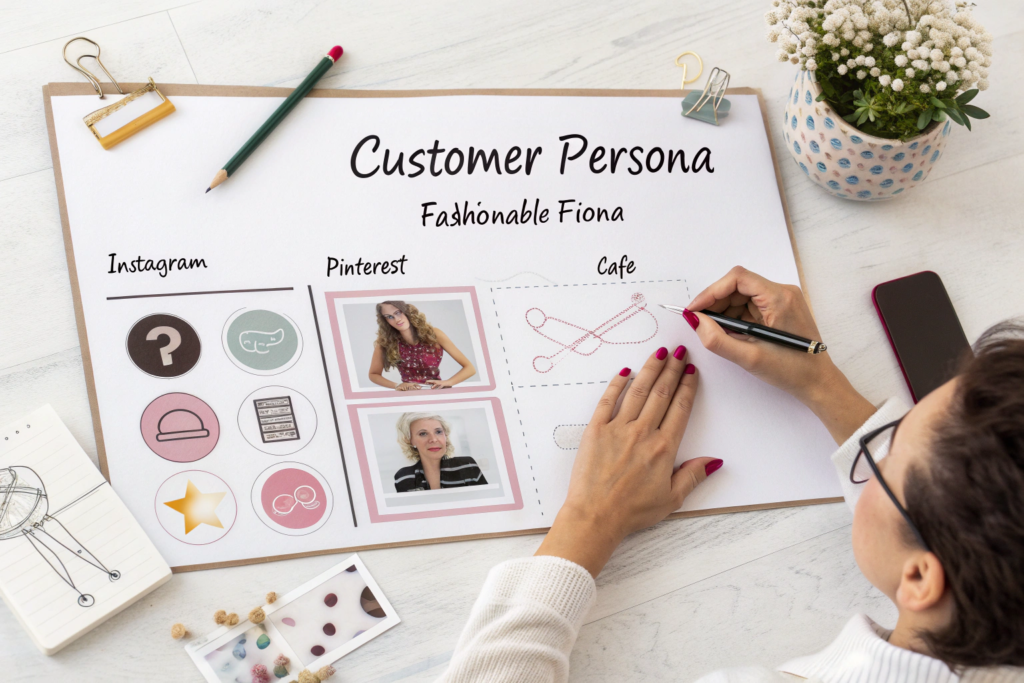
Start by setting SMART Goals (Specific, Measurable, Achievable, Relevant, Time-bound). For example, "Achieve $10,000 in direct online sales within the first 30 days" or "Secure partnerships with 5 boutique retailers in North America by launch month." Next, build a detailed profile of your target audience. Go beyond basic demographics. Understand their lifestyle, what brands they love, where they shop, and what problems your accessory solves for them. This clarity will guide every other decision in your plan.
Why are SMART Goals Non-Negotiable for a Product Launch?
Vague goals like "get famous" or "sell a lot" provide no direction for your strategy or metrics for success. SMART goals force you to be precise. For an accessory launch, relevant goals often fall into categories like Sales Revenue, Customer Acquisition (number of new email subscribers or first-time buyers), Brand Awareness (reach, impressions, media features), and Partner Growth (new wholesale accounts). According to project management principles outlined by the Project Management Institute (PMI), well-defined objectives significantly increase the likelihood of project success. For example, a specific sales goal will directly influence your budget allocation for paid ads and influencer collaborations.
How Can You Use Market Research to Refine Your Audience?
Don’t guess who your customer is—use data. Start by analyzing your competitors: who follows them, who tags them in photos, and what those customers are saying. Use social listening tools or simple hashtag searches. Look at industry reports from sources like the Fashion Retail Academy for broader accessory market trends. Furthermore, engage directly. If you have an existing email list or social following, run polls or ask questions about their preferences. This research might reveal that your target audience for hand-crafted hair pins is not just young women, but specifically brides-to-be looking for unique accessories, which would dramatically narrow and focus your marketing messaging.
How to Build Anticipation Before the Launch Date?
The launch day shouldn’t be the first time people hear about your product. A silent launch is a missed opportunity. The pre-launch phase is about building a community of people who are eagerly waiting to buy. How do you turn strangers into interested followers, and followers into committed early buyers?
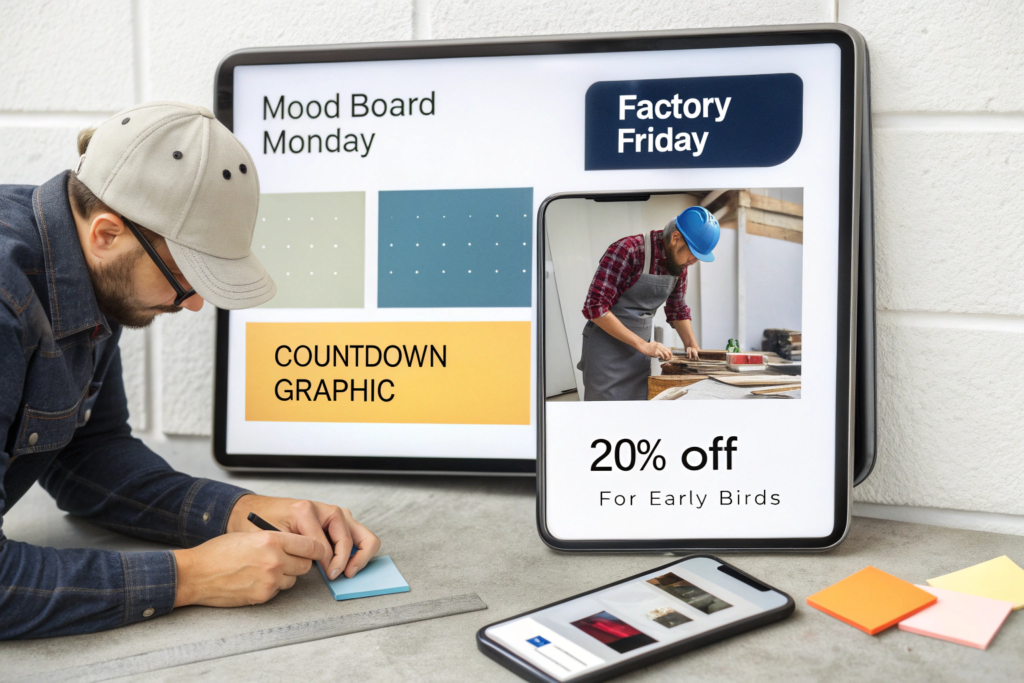
Create a pre-launch content calendar that slowly reveals your story. Start with "teaser" content that hints at the new line—think behind-the-scenes clips of design sketches at the factory, close-ups of textures and materials, or shadowed silhouettes of the products. The goal is to spark curiosity. Center this phase around building an email list by offering an incentive, like early access or a special discount, to those who sign up. This gives you a dedicated channel to communicate directly with your most interested prospects.
A strategic pre-launch turns your audience from passive observers into active participants in your brand’s story, dramatically increasing day-one conversion rates.
What Types of Teaser Content Generate the Most Buzz?
Teaser content should be heavy on aesthetics and light on direct sales. Focus on the feeling and craftsmanship behind the accessories. High-quality macro photography of details—the weave of a straw hat, the clasp of a belt, the shimmer on a hair clip—works exceptionally well. Short, looping 15-second videos showing the product being made or worn in slow motion are highly engaging for platforms like Instagram and TikTok. Collaborate with a handful of micro-influencers during this phase for "unboxing" or "first impression" content, asking them not to reveal full details but to share their excitement. This leverages their credibility to build trust with their audience, as noted in marketing studies on Influencer Marketing Hub.
How Effective are Email Waitlists for Accessory Brands?
Extremely effective. An email waitlist is your most valuable pre-launch asset. It provides a direct marketing channel you own, free from algorithm changes. To build one, create a simple, visually appealing landing page with a compelling hero image of your best accessory and a clear value proposition (e.g., "Be the first to shop our artisan scarf collection"). Offer a strong incentive for signing up, such as an exclusive launch-day discount or free shipping. Tools like Mailchimp’s landing page creator make this easy. Then, use email sequences to nurture these leads. Send them the behind-the-scenes content, introduce the design story, and make them feel like insiders. This warm lead list will be your primary driver for initial sales momentum.
What Does a Multi-Channel Launch Campaign Look Like?
Launch day has arrived. Now, your plan shifts from building anticipation to driving action across all touchpoints. Relying on a single channel is risky. A multi-channel approach surrounds your potential customer with a consistent, compelling message, making it easy for them to learn, engage, and purchase wherever they are.
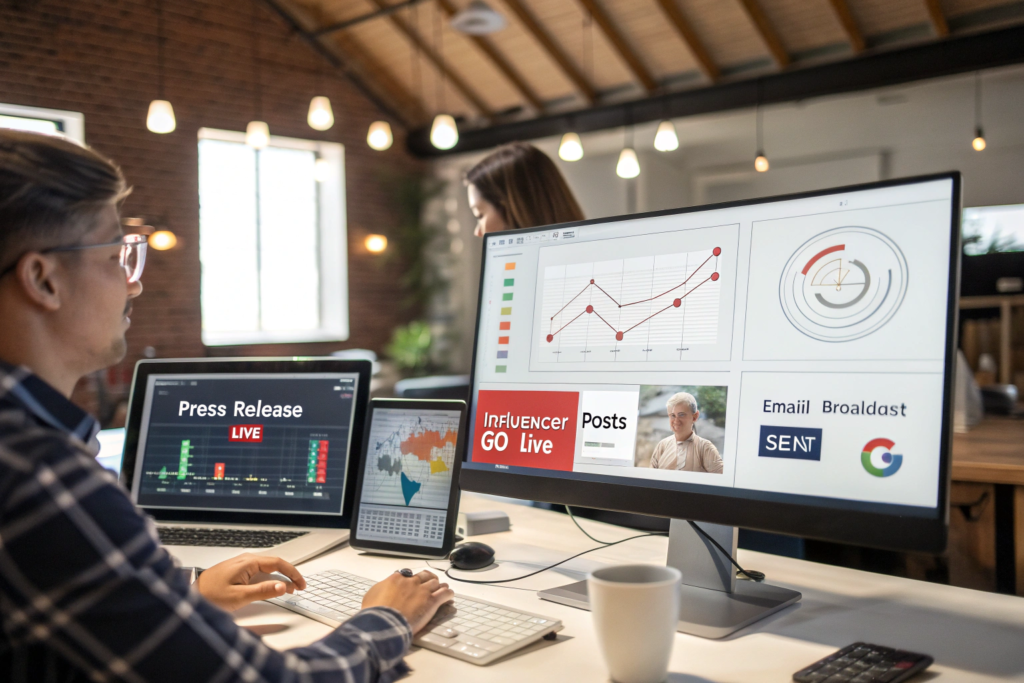
Your launch week campaign should synchronize activities across your owned channels (website, email list), earned channels (PR, press features), and paid channels (social media ads, Google Shopping). The messaging should be unified, clear, and focused on the launch offer. For example, a coordinated Instagram post, an email to your waitlist with a special link, a targeted Facebook ad campaign, and a press release to relevant fashion blogs should all go live in a coordinated window.
How to Structure Your Launch Day Email and Social Media?
For email, your launch message to your waitlist should be straightforward and exciting. The subject line should be clear, e.g., "It’s Here! Our [Collection Name] is Now Live!" The email should feature your best hero imagery, a concise story, clear calls-to-action (CTAs) linking directly to product pages, and reiterate the exclusive offer for subscribers. For social media, create a launch content series. Start with a "Now Live!" announcement post/video. Follow up with individual product spotlight posts throughout the day. Utilize all relevant platform features: Instagram Stories with product stickers, a Facebook Live unboxing, and Pinterest pins linked directly to your product pages. Consistency in visual aesthetic and hashtags (e.g., #[YourBrand]Launches) is key across all posts.
Should You Invest in Paid Advertising for a Launch?
A controlled investment in paid advertising can be the accelerator your launch needs, especially to reach beyond your existing audience. Start with a modest test budget. The most effective platforms for visual products like accessories are often Instagram and Facebook Ads (for brand awareness and conversion) and Google Shopping Ads (for capturing high-intent search traffic). The key is precise targeting. Use the detailed audience profiles you built earlier. For example, target users who follow similar brands or have interests in specific fashion trends. As a manufacturing partner, we at Shanghai Fumao Clothing often see our brand clients succeed by using video assets of the production process in their ads, as it builds authenticity. Resources like Meta’s Blueprint offer free courses on crafting effective ad campaigns.
How to Measure Launch Success and Plan for the Future?
The launch week frenzy is over. Sales are trickling in. Now what? Many brands make the critical error of stopping their analysis here. Measuring success isn’t just about counting first-week sales; it’s about understanding why you hit or missed your goals and learning for the next collection.
Implement a post-launch review process 30-60 days after launch. Go back to your SMART goals and measure your actual performance against each one. Analyze data from all your channels: website analytics (conversion rate, traffic sources), email performance (open rates, click-through rates), social media insights (engagement, follower growth), and sales data (best-selling items, average order value). This isn’t just about numbers; it’s about stories. Read customer reviews and feedback carefully.
This analysis turns a single launch into a continuous learning cycle, making each subsequent collection launch more sophisticated and successful than the last. It also highlights the value of a reliable production partner who can help you quickly re-order bestsellers, like Shanghai Fumao Clothing.

What are the Key Performance Indicators (KPIs) for a Launch?
Your KPIs should directly reflect your SMART goals. Common essential KPIs for an accessory launch include: 1. Conversion Rate (percentage of website visitors who make a purchase), 2. Customer Acquisition Cost (CAC) (total marketing spend divided by number of new customers), 3. Return on Ad Spend (ROAS), 4. Email List Growth Rate, 5. Social Media Engagement Rate (likes, comments, shares relative to follower count), and 6. Sell-Through Rate (percentage of inventory sold in a given period). Tools like Google Analytics 4 are fundamental for tracking website KPIs. Monitoring these metrics helps you identify what’s working. For instance, if your conversion rate is low but traffic is high, your product pages or checkout process may need optimization.
How Do You Gather and Act on Post-Launch Customer Feedback?
Customer feedback is gold. Proactively gather it through post-purchase email surveys asking about fit, quality, and what they loved. Monitor reviews on your site and social media mentions. Look for patterns. Are multiple customers praising a particular scarf’s softness? Highlight that in future marketing. Is there confusion about the sizing of a hat? Improve the size guide on the product page. This feedback loop is also crucial for your manufacturing partner. At our factory, we closely review client feedback on product quality to make immediate improvements to our processes. Sharing constructive feedback with your supplier ensures continuous improvement in future production runs, strengthening that strategic partnership.
Conclusion
Creating a successful marketing plan for your accessory launch is a systematic process that blends strategy, creativity, and analysis. It begins with setting clear goals and understanding your customer intimately. It builds momentum through a curated pre-launch phase designed to gather a community of eager buyers. It hits its peak with a coordinated, multi-channel launch campaign that drives action. And it concludes with a thorough review that turns data and feedback into actionable insights for future growth.
Remember, your product is the hero, but the marketing plan is the story that invites the world to see it. By investing time in this planning, you move from hoping for a successful launch to engineering one. Each step you take to define, engage, convert, and learn makes your brand more resilient and your next launch even more powerful.
If you have a groundbreaking accessory line ready for production and need a manufacturing partner who understands that quality execution is the foundation of any great launch, let’s connect. Shanghai Fumao Clothing is ready to be your reliable back-end partner, ensuring your products are made perfectly and on time, so you can focus on your marketing story. Contact our Business Director Elaine to start planning your next successful launch. Reach her at: elaine@fumaoclothing.com.