Many overseas buyers like the look of fashion accessories, but they worry about late delivery, unstable color, weak packaging, and unclear factory answers. I understand that pressure because I see it before every peak season.
My answer is that fashion accessories orders work best when the buyer treats the factory as a production partner. I need clear artwork, target market rules, packing needs, and a real delivery window. Then I can give a practical route.
In this article, I explain how I handle this question as a China fashion accessories supplier. I focus on the steps that reduce risk for overseas B2B buyers, from sample approval to bulk inspection and shipment.
How Should Buyers Start?
What problem should I solve first?
I treat fashion accessories sourcing as a control job, not only a style job. When overseas B2B buyers ask me about sourcing risk, I first check the selling channel, the target country, the retail price range, and the expected reorder cycle. That tells me which factory process matters most.
My direct answer is simple. A good order plan must connect design, material, testing, packing, and shipping in one file. If one part is missing, the buyer may still receive goods, but the order becomes hard to repeat. I often compare our internal checklist with public references such as CPSC business guidance when a buyer needs a formal standard.
For fashion accessories, I also ask for real usage details. A hair accessory used by children is not the same as a fashion item for adult boutiques. A belt for a discount chain is not planned like a premium private label belt. I keep the language clear, because buyers need a decision, not a long lecture.
In my factory work, the strongest result comes from early confirmation. I want the buyer to approve color, size tolerance, logo position, packaging, and inspection points before bulk cutting or assembly. This saves time, lowers waste, and protects the buyer’s shelf plan.
What details should a buyer send?
I treat fashion accessories sourcing as a control job, not only a style job. When overseas B2B buyers ask me about bulk order planning, I first check the selling channel, the target country, the retail price range, and the expected reorder cycle. That tells me which factory process matters most.
My direct answer is simple. A good order plan must connect design, material, testing, packing, and shipping in one file. If one part is missing, the buyer may still receive goods, but the order becomes hard to repeat. I often compare our internal checklist with public references such as FTC labeling guidance when a buyer needs a formal standard.
For fashion accessories, I also ask for real usage details. A hair accessory used by children is not the same as a fashion item for adult boutiques. A belt for a discount chain is not planned like a premium private label belt. I keep the language clear, because buyers need a decision, not a long lecture.
In my factory work, the strongest result comes from early confirmation. I want the buyer to approve color, size tolerance, logo position, packaging, and inspection points before bulk cutting or assembly. This saves time, lowers waste, and protects the buyer’s shelf plan.
How Do I Control Quality?
Which tests matter for this order?
I treat fashion accessories sourcing as a control job, not only a style job. When overseas B2B buyers ask me about sourcing risk, I first check the selling channel, the target country, the retail price range, and the expected reorder cycle. That tells me which factory process matters most.
My direct answer is simple. A good order plan must connect design, material, testing, packing, and shipping in one file. If one part is missing, the buyer may still receive goods, but the order becomes hard to repeat. I often compare our internal checklist with public references such as U.S. Customs importer guidance when a buyer needs a formal standard.
For fashion accessories, I also ask for real usage details. A hair accessory used by children is not the same as a fashion item for adult boutiques. A belt for a discount chain is not planned like a premium private label belt. I keep the language clear, because buyers need a decision, not a long lecture.
In my factory work, the strongest result comes from early confirmation. I want the buyer to approve color, size tolerance, logo position, packaging, and inspection points before bulk cutting or assembly. This saves time, lowers waste, and protects the buyer’s shelf plan.
| Order Point | What I Check | Why It Matters |
|---|---|---|
| Material | Composition, hand feel, color lot | Keeps the product stable in bulk |
| Logo | Position, size, color, durability | Protects brand presentation |
| Packing | Polybag, carton, barcode, label | Reduces warehouse mistakes |
| Inspection | AQL points, photos, defect list | Makes approval clear |
How do I prevent bulk defects?
I treat fashion accessories sourcing as a control job, not only a style job. When overseas B2B buyers ask me about bulk order planning, I first check the selling channel, the target country, the retail price range, and the expected reorder cycle. That tells me which factory process matters most.
My direct answer is simple. A good order plan must connect design, material, testing, packing, and shipping in one file. If one part is missing, the buyer may still receive goods, but the order becomes hard to repeat. I often compare our internal checklist with public references such as ISO quality management principles when a buyer needs a formal standard.
For fashion accessories, I also ask for real usage details. A hair accessory used by children is not the same as a fashion item for adult boutiques. A belt for a discount chain is not planned like a premium private label belt. I keep the language clear, because buyers need a decision, not a long lecture.
In my factory work, the strongest result comes from early confirmation. I want the buyer to approve color, size tolerance, logo position, packaging, and inspection points before bulk cutting or assembly. This saves time, lowers waste, and protects the buyer’s shelf plan.
How Should Pricing Be Compared?
What cost items change the quote?
I treat fashion accessories sourcing as a control job, not only a style job. When overseas B2B buyers ask me about sourcing risk, I first check the selling channel, the target country, the retail price range, and the expected reorder cycle. That tells me which factory process matters most.
My direct answer is simple. A good order plan must connect design, material, testing, packing, and shipping in one file. If one part is missing, the buyer may still receive goods, but the order becomes hard to repeat. I often compare our internal checklist with public references such as OEKO-TEX standards when a buyer needs a formal standard.
For fashion accessories, I also ask for real usage details. A hair accessory used by children is not the same as a fashion item for adult boutiques. A belt for a discount chain is not planned like a premium private label belt. I keep the language clear, because buyers need a decision, not a long lecture.
In my factory work, the strongest result comes from early confirmation. I want the buyer to approve color, size tolerance, logo position, packaging, and inspection points before bulk cutting or assembly. This saves time, lowers waste, and protects the buyer’s shelf plan.
When is the cheapest quote risky?
I treat fashion accessories sourcing as a control job, not only a style job. When overseas B2B buyers ask me about bulk order planning, I first check the selling channel, the target country, the retail price range, and the expected reorder cycle. That tells me which factory process matters most.
My direct answer is simple. A good order plan must connect design, material, testing, packing, and shipping in one file. If one part is missing, the buyer may still receive goods, but the order becomes hard to repeat. I often compare our internal checklist with public references such as SGS consumer goods testing when a buyer needs a formal standard.
For fashion accessories, I also ask for real usage details. A hair accessory used by children is not the same as a fashion item for adult boutiques. A belt for a discount chain is not planned like a premium private label belt. I keep the language clear, because buyers need a decision, not a long lecture.
In my factory work, the strongest result comes from early confirmation. I want the buyer to approve color, size tolerance, logo position, packaging, and inspection points before bulk cutting or assembly. This saves time, lowers waste, and protects the buyer’s shelf plan.
How Do Shipping And Reorders Work?
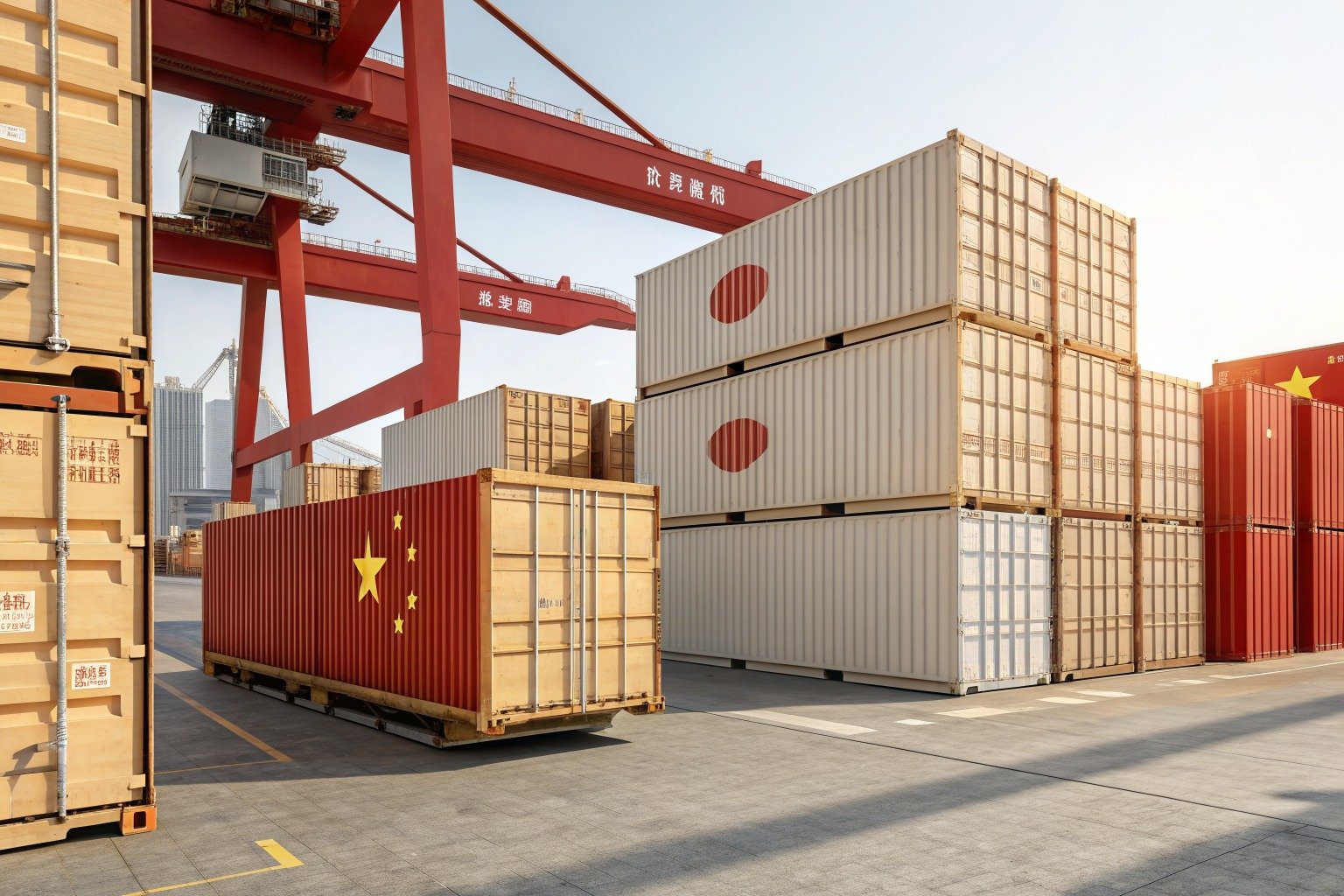
Which logistics terms fit the buyer?
I treat fashion accessories sourcing as a control job, not only a style job. When overseas B2B buyers ask me about sourcing risk, I first check the selling channel, the target country, the retail price range, and the expected reorder cycle. That tells me which factory process matters most.
My direct answer is simple. A good order plan must connect design, material, testing, packing, and shipping in one file. If one part is missing, the buyer may still receive goods, but the order becomes hard to repeat. I often compare our internal checklist with public references such as Intertek softlines testing when a buyer needs a formal standard.
For fashion accessories, I also ask for real usage details. A hair accessory used by children is not the same as a fashion item for adult boutiques. A belt for a discount chain is not planned like a premium private label belt. I keep the language clear, because buyers need a decision, not a long lecture.
In my factory work, the strongest result comes from early confirmation. I want the buyer to approve color, size tolerance, logo position, packaging, and inspection points before bulk cutting or assembly. This saves time, lowers waste, and protects the buyer’s shelf plan.
| Trade Term | Best Use | Buyer Reminder |
|---|---|---|
| FOB | Buyer controls main freight | Confirm port and forwarder early |
| CIF | Factory arranges sea freight to port | Check insurance and destination fees |
| DDP | Door delivery for smaller programs | Confirm tax scope and address details |
| Air | Urgent samples or small batches | Check weight, volume, and deadline |
How do I prepare repeat orders?
I treat fashion accessories sourcing as a control job, not only a style job. When overseas B2B buyers ask me about bulk order planning, I first check the selling channel, the target country, the retail price range, and the expected reorder cycle. That tells me which factory process matters most.
My direct answer is simple. A good order plan must connect design, material, testing, packing, and shipping in one file. If one part is missing, the buyer may still receive goods, but the order becomes hard to repeat. I often compare our internal checklist with public references such as Bureau Veritas consumer products services when a buyer needs a formal standard.
For fashion accessories, I also ask for real usage details. A hair accessory used by children is not the same as a fashion item for adult boutiques. A belt for a discount chain is not planned like a premium private label belt. I keep the language clear, because buyers need a decision, not a long lecture.
In my factory work, the strongest result comes from early confirmation. I want the buyer to approve color, size tolerance, logo position, packaging, and inspection points before bulk cutting or assembly. This saves time, lowers waste, and protects the buyer’s shelf plan.
Conclusion
If you are sourcing fashion accessories, I suggest you start with a clear target market, a realistic delivery date, and a sample plan that matches your retail channel. My team at AceAccessory works with buyers through DDP, FOB, and CIF, and we can support design, sampling, production, inspection, packing, and shipment from China.
You can contact Elaine Zhou at elaine@fumaoclothing.com when you need a direct China fashion accessories supplier for custom production or purchasing support. I will help you review the order details, choose the right process, and build a repeatable supply plan for your brand.
#fumao #aceaccessory #fashion #fashionaccessory #fashionaccessories #chinafactory #fashionaccessoriessupplier #customaccessories #sourcingrisk #sourcing9