Have you ever shipped a container of premium winter gloves to Moscow, only to receive an email saying the shipment smells moldy and looks damp? I have seen it happen to factories that cut corners on packaging. It hurts your reputation. It hurts your cash flow. The real culprit is not the glove material. It is the packaging method. Standard shipping bags fail in extreme cold and moisture. Russian buyers understand this threat better than anyone. That is why they demand heat-sealed packaging. It is not a preference. It is a survival necessity for goods entering a brutal climate.
AceAccessory is a professional manufacturer and exporter of accessories. Russian buyers ask for heat-sealed packaging for winter gloves because it creates an airtight barrier that blocks moisture, prevents mold in extreme temperature swings, and preserves the gloves’ insulation properties during the long transit from China to Russia.
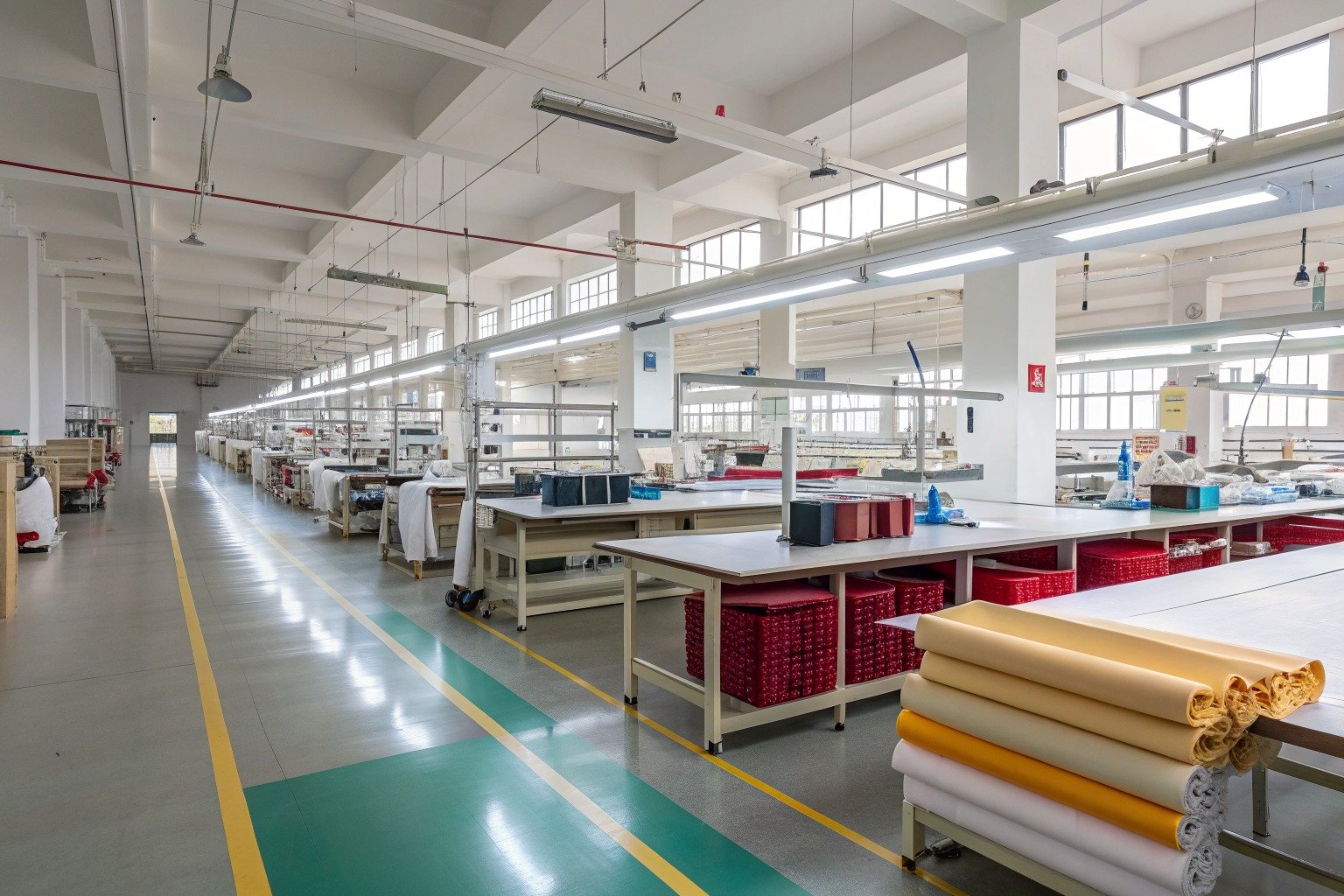
You might think a glove is just about the fabric and the stitching. But imagine a thirsty, expensive pair of wool-lined leather gloves sitting in a damp cardboard box for four weeks. That beautiful glove becomes a breeding ground for bacteria before it even hits the retail shelf. The packaging is the first line of defense. As the owner of a factory in Zhejiang, I have designed packaging solutions specifically for the Russian and Eastern European markets. Let me explain the science and the business logic behind this airtight requirement.
How Does Heat-Sealed Packaging Protect Insulation Quality?
Insulation is about trapping air. Fleece linings and Thinsulate layers have tiny air pockets that hold body heat. If moisture gets into these pockets, the insulation collapses. The glove becomes cold and useless. The biggest technical challenge for Russian imports is not the cold itself. It is the freeze-thaw cycle. Goods sit in freezing warehouses. Then they move to warm loading docks. This creates condensation inside the box.
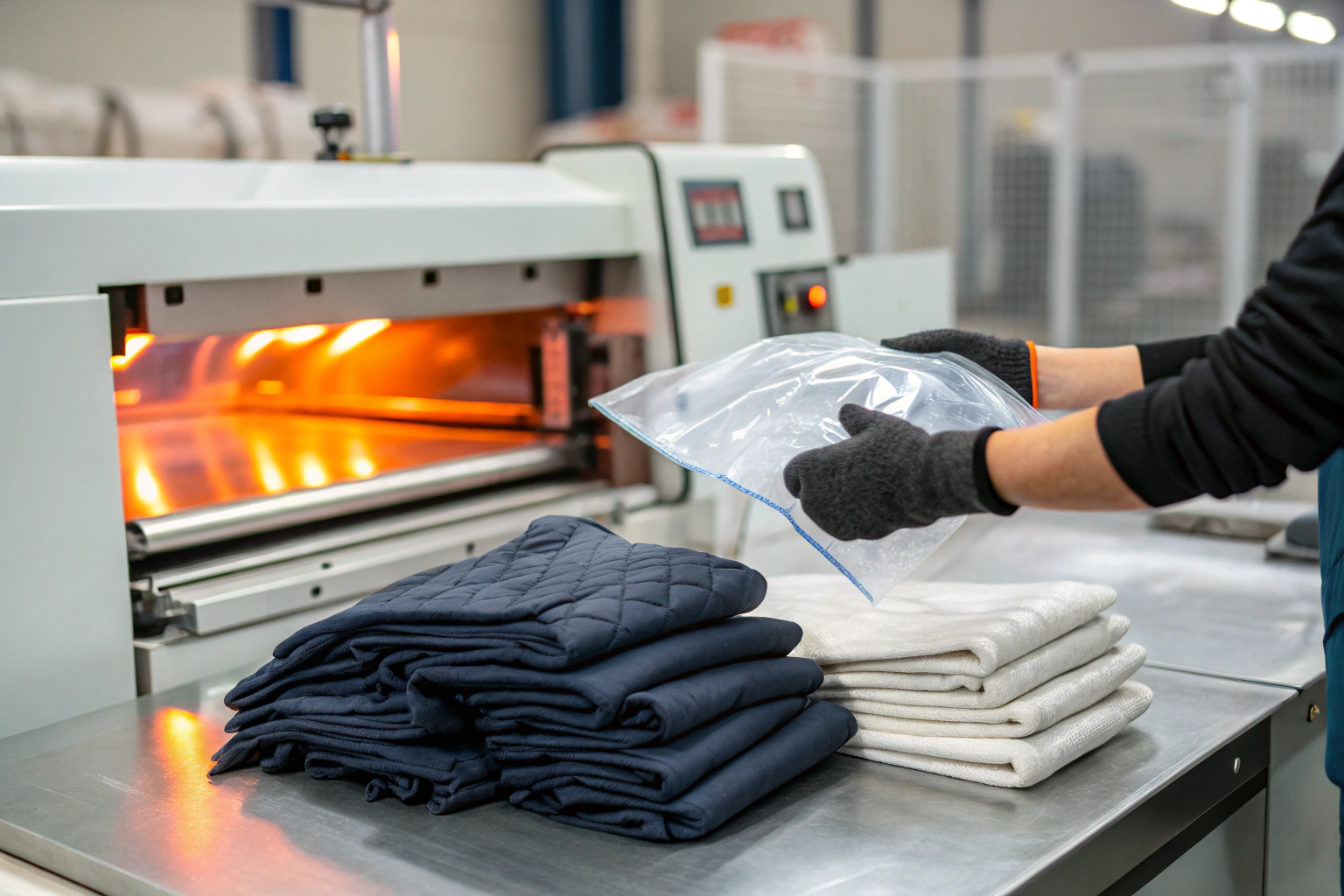
Heat-sealed packaging solves this by creating a physical barrier. It locks the factory air inside the bag. Factory air is dry and controlled. Our quality control team monitors the humidity in our sealing room. We keep it below 30% relative humidity. When we seal the glove inside, we trap that perfect environment. The glove does not breathe the outside air. It does not absorb moisture from a damp truck. Your customer opens a fresh, clean product that feels like it just came off the finishing line.
Why Does Condensation Ruin Winter Gloves During Shipping?
Condensation is a silent killer. A container ship passes through different climate zones. The temperature outside the container changes quickly. The air inside the container changes slowly. When warm, humid air hits cold metal walls, water droplets form. These droplets fall onto the shipping cartons. If the gloves are in open poly bags or cardboard boxes, they soak up this water like a sponge.
Heat-sealed packaging is impermeable. Water sits on the surface of the bag but never touches the fibers. We use a 3-layer polyethylene film for our Russian clients. The middle layer is a nylon barrier. This stops water vapor transmission. Even if the box gets wet, the glove stays dry. This protects the leather from cracking and the wool from smelling sour. It is a critical step that reduces insurance claims for transit damage.
Can an Airtight Seal Really Keep Insulation Functional?
Yes, and it is a matter of physics. Insulation fibers need space to loft. When a glove is compressed and exposed to humidity, the fibers mat down. They never fully recover their loft. An airtight seal keeps the fibers dry, so they spring back instantly when the customer opens the package.
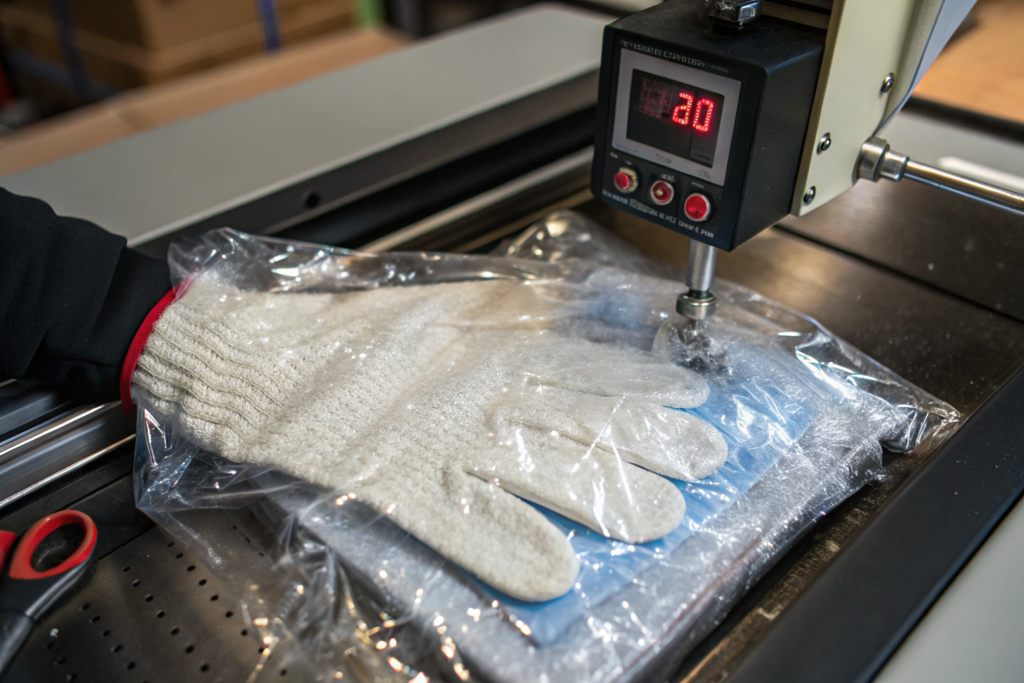
We do a simple test in our Zhejiang factory. We seal a glove in a bag with a humidity indicator card. After 48 hours in a steam chamber, the card inside the bag is still blue. A glove in a standard bag shows a pink card. That means it is wet. This is the standard that serious buyers from Russia and Europe demand. They want to be sure the thermal insulation is not compromised before the first use.
Why Is Mold a Serious Concern for Russian Winter Accessories?
Mold is the number one reason for returns in cold climates. Russian shoppers have high standards for hygiene. If a person takes a glove out of a box and it smells musty, they will not just return it. They will post a photo online. That photo can destroy a brand’s reputation in a market overnight.
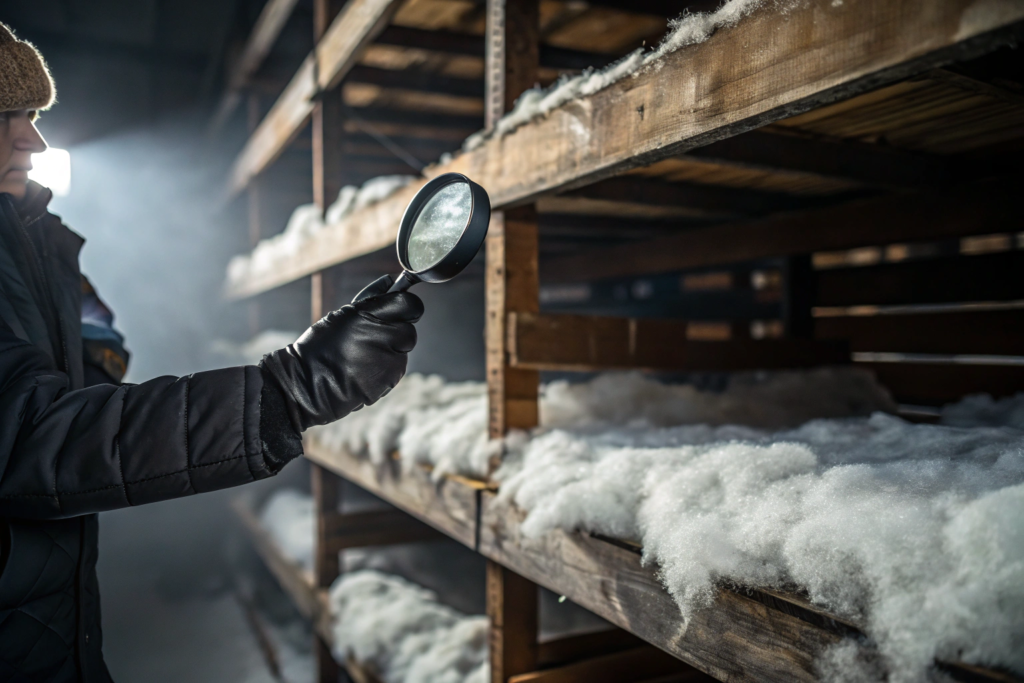
The Russian market specifically deals with long lead times. Goods often travel through the Trans-Siberian Railway or sit in customs warehouses for weeks. These places are rarely perfectly dry. Mold spores are everywhere. They only need a little moisture to grow. Heat-sealed packaging starves the spores of oxygen and water. We often inject a small nitrogen gas flush before sealing high-end leather gloves. This displaces the oxygen completely. It is a technique used in the food industry, but it works wonders for preventing organic material like wool and leather from degrading.
What Temperature Swings Cause Mold Growth in Transit?
The danger zone is between 4°C and 30°C. This is where mold thrives. A container may spend a week in a warm Asian port. Then it moves to the cold northern seas. The cargo hold is not a stable environment. The air expands and contracts. Standard packaging breathes. It sucks in dirty, moist air like a pump.
Heat-sealed packaging does not breathe. The seal is a solid, continuous weld. We test our bags at -20°C to ensure the plastic does not become brittle and crack. If a bag cracks in the cold, the seal is useless. We use a special additive in our polyethylene to keep it flexible in the deep freeze. This means the barrier holds strong, even when the plastic feels stiff. It is a critical detail that many cheap factories overlook, leading to mold remediation costs that no one wants to face.
How Does Nitrogen Flushing Improve Long-Term Storage?
Oxygen is the fuel for mold and rust. On metal zippers or buttons, oxygen causes tarnishing. Nitrogen is an inert gas. It does not react with anything. When we push nitrogen into the heat-sealed bag before closing it, we chase out the oxygen. The glove sits in a protective bubble.
This is necessary for the Russian market because of the stock rotation. Retailers there often order big volumes for the entire winter season. These gloves might sit in a backroom for months. A nitrogen-flushed package ensures that a glove manufactured in August smells fresh when opened in January. It is a sign of a premium supplier. Our project managers always suggest this for clients worried about long-term warehouse storage conditions.
What Are the Specific EAC Packaging Compliance Rules?
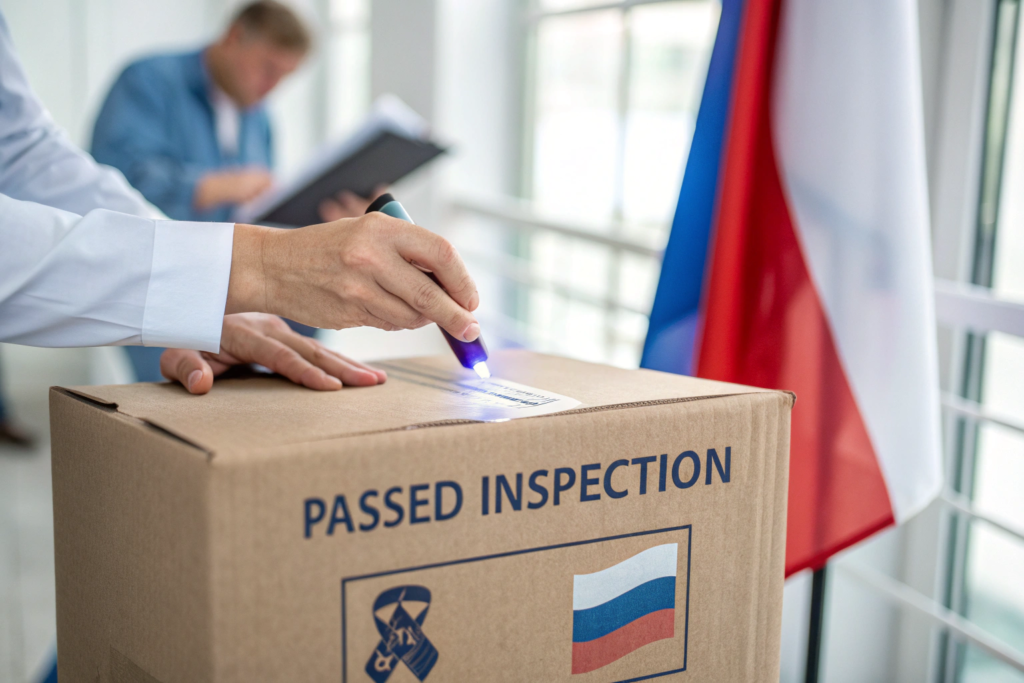
Russian buyers do not just ask for heat-sealed packaging because they like it. They ask for it because the EAC (Eurasian Conformity) regulations indirectly demand it. The EAC mark certifies that products meet the health and safety standards of the Eurasian Economic Union. For textile goods like gloves, this includes strict bacteriological safety standards.
If a glove arrives at customs with visible moisture damage or a smell, the inspector has the right to classify it as a sanitary risk. The shipment gets blocked. It gets sent to a laboratory for testing. This process can take weeks. The buyer loses sales during the peak winter window. Heat-sealed packaging with a visible quality seal reduces the chance of a random inspection. It shows the customs officer that the factory took microbiological cleanliness seriously. We provide a certificate of packaging sterility for bulk shipments to Russia. This gives the customs broker a document to argue with.
Why Do EAC Standards Require Bacteriological Safety for Gloves?
Winter gloves touch the skin. They are categorized similarly to personal hygiene items in some contexts. The EAC standard TR CU 017/2011 sets limits on chemical migration and biological indicators. You cannot just ship gloves in a woven sack and expect to pass.
A heat-sealed package is a physical claim of cleanliness. It says that no rats, cockroaches, or dirt have contaminated the product since it left the production line. We place a desiccant packet inside the heat-sealed bag. This absorbs any accidental moisture. It also acts as a visual indicator. If the packet is swollen, the seal was broken. This traceability is essential for EAC certification procedures at the border.
How Can Packaging Speed Up Russian Customs Clearance?
Speed is money in the fashion business. Winter arrives early in Russia. A delay of three weeks can mean missing the entire selling season. Customs officers are more likely to stop boxes that look damp or smell organic. A clean, heat-sealed carton stack looks professional. It suggests a high-value, low-risk shipment.
We use a specific "transparent camouflage" strategy for our Russian shipments. The outer cartons are standard, but the inner heat-sealed bags are crystal clear with a blue sterilization stripe. When customs opens a random box, they instantly see the gloves are sterile and packed carefully. They often reseal the box without removing the goods. This saves hours of inspection time. Our logistics team works with Russian logistics providers to ensure the packaging meets the unwritten rules of the checkpoint.
How Does This Packaging Method Lower the Total Import Cost?
Russian buyers are tough negotiators. They focus heavily on the price. But they also calculate the "landed cost," not just the FOB price. Landed cost includes waste, returns, and demurrage fees. A cheap price from a factory that uses poor packaging is an illusion. It leads to high hidden costs.
Heat-sealed packaging increases the unit cost by a few cents. But it saves dollars in risk management. A damaged box of leather gloves can ruin the whole master carton. If one moldy glove is found, the retail chain might reject the entire consignment. The buyer has to pay for destruction or re-export. By using a hermetically sealed bag, the buyer isolates the risk. Even if the master carton is submerged in water, the product might survive. This is a hard promise for a factory to make, but we have tested it. Our packaging survived a 24-hour flood simulation without a single drop inside the bag.
What Is the Real Cost of Product Returns Due to Moisture?
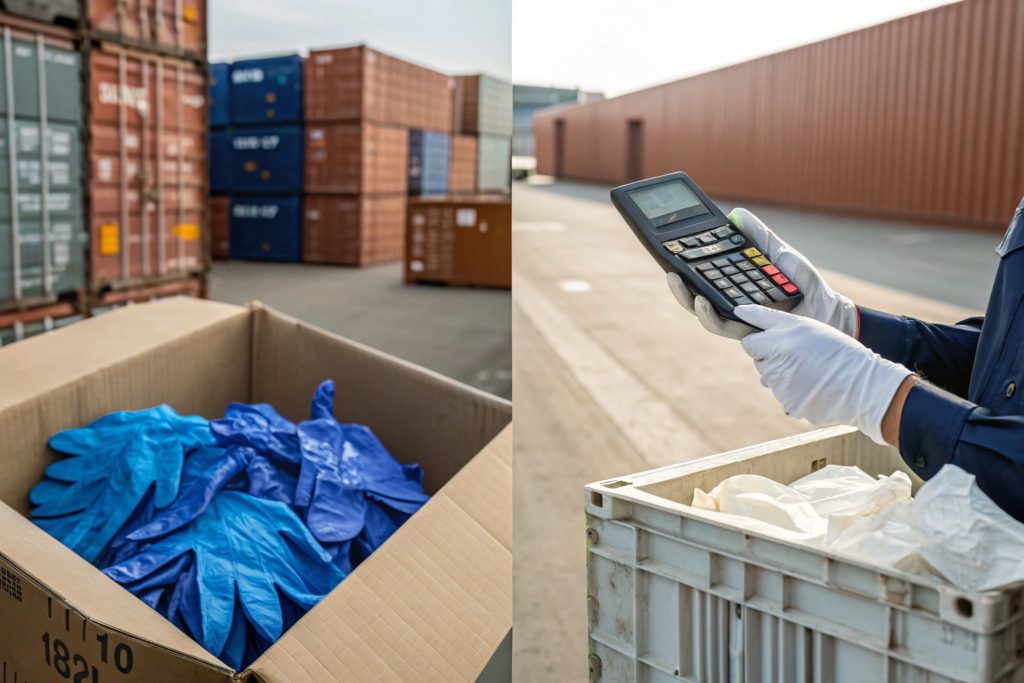
Let us look at the numbers. The cost of a return is not just the shipping fee. It is the loss of customer trust. It is the negative review. It is the administrative labor to process a refund.
Here is a simple breakdown of the risk:
| Packaging Type | Water Resistance | Mold Risk | Insurance Likelihood |
|---|---|---|---|
| Standard Poly Bag | Low | High | High |
| Taped Poly Bag | Medium | Medium | Medium |
| Heat-Sealed Barrier Bag | High | Zero | Low |
A heat-sealed bag costs roughly 5 cents more than a standard bag. But it saves you from a full product recall. For a buyer importing 10,000 pairs, that is a 500-dollar investment to protect a shipment worth over 50,000 dollars. It is a logical business decision. It is why the best importers never skip packaging costs.
Why Do High-Quality Brands Demand Airtight Seals for Shelf Appeal?
Visual appeal matters. A glove that is squashed in a wrinkled, open bag looks cheap. A glove in a tight, smooth, heat-sealed bag looks like a premium medical device. The high-end Russian consumer loves this look. It signals that no one else has tried on their gloves.
We design the sealed bag with a euro-slot hang hole. This means the retailer can hang the sealed glove directly on the shelf. They do not need to repackage it. The seal keeps the shape of the glove perfect. The fingers are not bent. The cashmere lining looks plump. This "ready-to-display" feature is a huge value-add for supermarket chains like Lenta or Perekrestok. It reduces their in-store labor costs. This also answers the big question every buyer asks about the final retail presentation.
Conclusion
Russian buyers ask for heat-sealed packaging for winter gloves because they understand the journey from factory to customer. They know that condensation kills insulation. They know that mold thrives in transit. They know that EAC customs officers trust a sterile seal. Most importantly, they know that a few extra cents spent on packaging saves thousands of dollars in ruined inventory and lost reputation.
In our Zhejiang factory, we do not just stitch gloves. We engineer the environment they travel in. Our design team works with packaging engineers to match the barrier film to your specific transit time and climate. We use nitrogen flushing, humidity indicators, and flexible cold-resistant films. This is the professional, reliable service our project managers deliver every day.
If you want to supply the demanding Russian or Northern European markets, you need a factory that understands the science of packaging. A cheap bag is a gamble. A heat-sealed bag is insurance. I invite you to reach out to our Business Director, Elaine. She knows the specific import regulations of the Eurasian Economic Union. She can help you design a product and package that clears customs smoothly and arrives in perfect condition. Send her an email at elaine@fumaoclothing.com. Let us ensure your winter collection arrives as perfectly as it leaves our factory floor.