Have you ever finalized a belt buckle design, only to realize the factory timeline is slipping? I have watched promising brands lose a whole selling season because they did not understand the mold-making process. You feel the stress. You see the launch date pass by. You lose revenue. The confusion often comes from the gap between a "quick sample" and a "production-grade mold." If you trust the wrong timeline, your inventory arrives late, and your marketing budget goes up in smoke.
AceAccessory is a professional manufacturer and exporter of accessories. It usually takes 7 to 18 days to produce custom silicone molds for belt buckles. The exact time depends on the mold complexity, the number of cavities, and the texture detailing required for the final production.
You might think a mold is just a simple shape. But a silicone mold for a belt buckle is a precision tool. It controls the sharpness of the logo, the smoothness of the edges, and the consistency of the color. A poorly made mold leaves rough edges. A great mold gives a premium finish. As the owner of a factory in Zhejiang with an in-house mold department, I want to walk you through the exact steps and timeframes. This will help you plan your supply chain better.
Why Does a Silicone Mold Take Over a Week to Make?
A silicone mold is not just a poured shape. It is a chemical process. You cannot rush chemistry without risking the quality. The timeline starts with a master model. This is a perfect sample of your buckle design. We usually make it from brass or a high-density resin. This master takes 2 to 3 days to prepare and polish. Every tiny scratch on the master will show up on every single production piece. So, we take our time here.
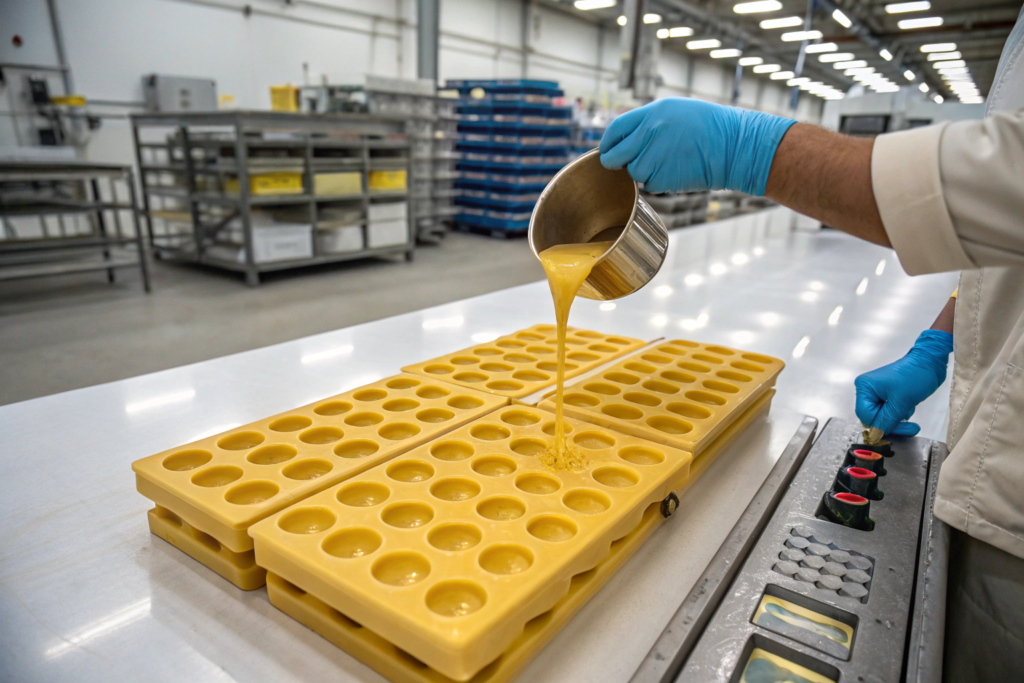
Once the master is perfect, we build a mold box and pour the liquid silicone. The silicone is a two-part compound. It generates heat when it mixes. If we try to cure it too fast with high heat, the silicone warps. It also traps air bubbles against the master. Those bubbles become ugly blemishes on the buckle surface. We use a vacuum chamber to suck out the air first. This degassing takes about 30 minutes. Then we let the silicone cure slowly at room temperature. This can take 12 to 24 hours. Rushing this cure causes shrinkage. The final mold will be slightly smaller than the master. That is a disaster for dimensional accuracy. Our project managers always explain this to customers who need exact sizing for custom belt buckles.
What Is the Role of a Master Model in Mold Making?
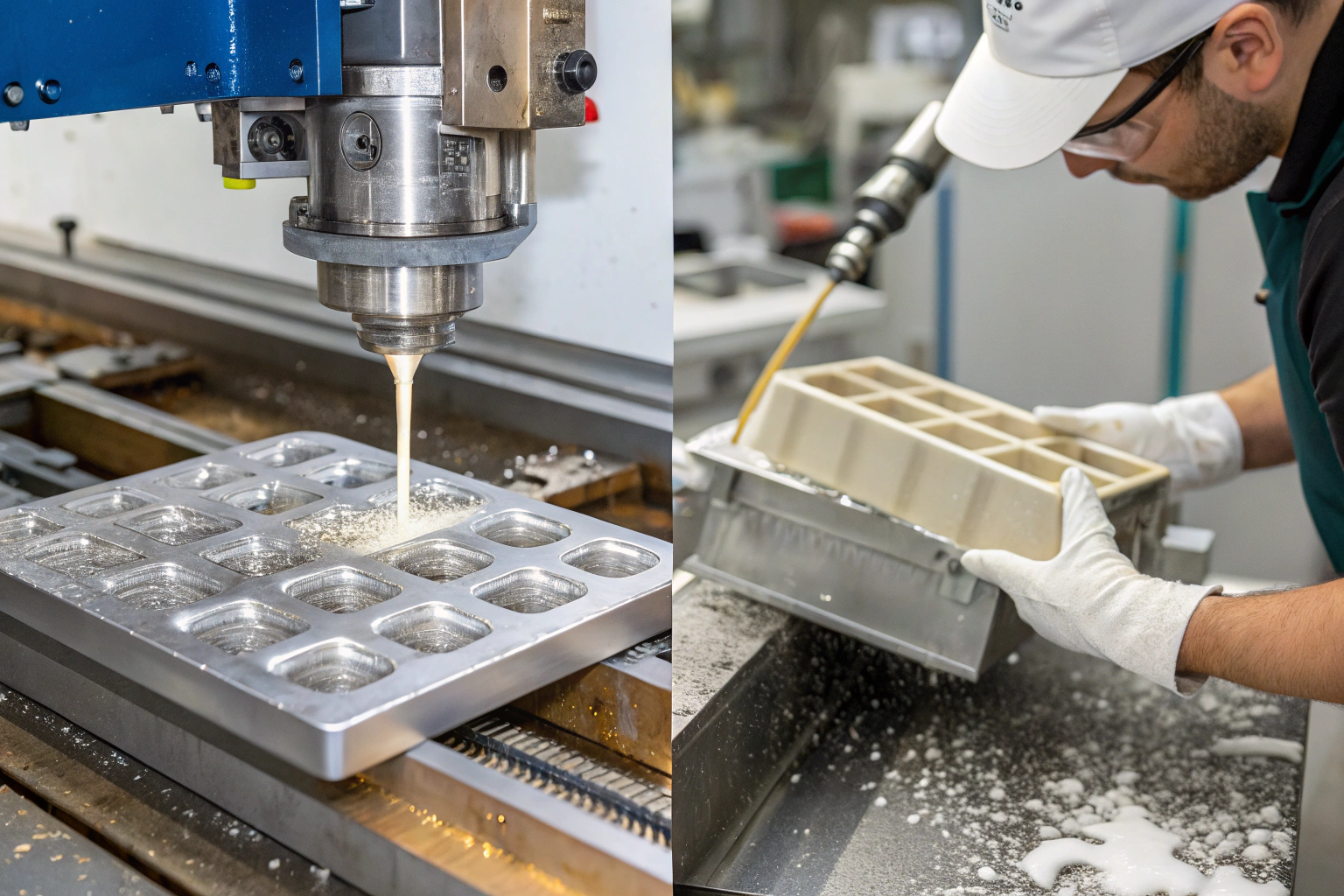
The master model is the DNA of your buckle. If the master is wrong, every copy is wrong. We machine masters on a CNC router. For complex 3D designs like an eagle or a skull, the CNC runs for hours. After machining, we hand-polish the master. This removes tool marks.
The polishing stage is where a good factory shines. A rough polish leaves a dull buckle. A mirror polish leaves a shiny, high-end buckle. We use diamond paste for the final polish on metal masters. It takes a full day just to hand-finish a detailed logo. This is not a cost-saving step. You skip this, and your mold makes cheap-looking product. It is the difference between a luxury accessory and a flea market find.
How Long Does Silicone Curing Actually Take?
Silicone cures through a platinum or tin catalyst reaction. Tin-cure silicone is cheaper but shrinks more. We only use platinum-cure silicone for production molds. It is stable. It does not degrade as fast.
Here is a basic timeline for a simple single-cavity mold:
| Process Step | Time Required |
|---|---|
| CNC Master Machining | 2-3 Days |
| Master Polishing | 1 Day |
| Silicone Pouring & Degassing | 1 Hour |
| Room Temperature Curing | 24 Hours |
| Post-Curing (Oven) | 4 Hours |
| Mold Trimming & Testing | 1 Day |
If you skip the post-curing oven step, the silicone off-gasses during production. That can cause bubbles in your casted buckles. You have to be patient. The silicone technology requires it.
How Does Cavity Design Speed Up Production Time?
Creating the first mold takes a week. But making a mold that produces fast is another art. A single-cavity mold is slow. It makes one buckle every few minutes. A multi-cavity mold makes 10 or 20 buckles in the same time. The design of this multi-cavity mold decides your unit price and your delivery speed.
We use a runner system. This is a network of channels that connects the pouring hole to all the cavities. The design must be balanced. The liquid material must reach all cavities at the same moment. If it does not, some buckles will cure before the mold is full. You get defects. Our design team uses flow simulation software to calculate the perfect runner diameter. We aim for a "waterfall" flow. The material cascades smoothly into every cavity without trapping air. This takes a day of computer work before we even pour the silicone. It saves weeks of time later in production.
What Is the Benefit of a Multi-Cavity Silicone Mold?
Speed and cost. A single-cavity mold requires the worker to do the same motion 500 times a day. Fatigue leads to mistakes. A 10-cavity mold requires the worker to do the motion just 50 times. The consistency is much higher.
But multi-cavity molds are harder to make. The silicone block must be perfectly flat. If it is 0.1mm thicker on one side, the cavities on that side will make thicker buckles. We machine the silicone surface flat after curing. This is a specialized step. Not every factory has the equipment to mill soft silicone. We do. It lets us offer high-yield production without sacrificing quality. It is how we support major supermarkets who order tens of thousands of fashion accessories per month.
How Do You Prevent Air Traps in Complex Buckle Molds?
Air is the enemy of casting. A buckle with a raised logo, like a horse or a letter, traps air easily. The air sits in the high points and creates a bubble defect. We solve this with "strategic venting." We cut tiny, hair-thin channels from the high points of the cavity to the edge of the mold. Air escapes through these channels. The liquid material fills the space.
Cutting these vents requires a steady hand and a scalpel. A poorly cut vent leaves a spike of material on the buckle. This requires extra trimming work. That adds labor cost. Our mold technicians have done this for over 10 years. They know the exact angle to cut so the vent breaks off cleanly. This expertise is hard to find. It is the kind of professional, reliable service we offer to clients who care about the final product quality.
Why Does Belt Buckle Texture Affect Mold Timing?
Texture takes time. A smooth, polished buckle mold is the fastest to make. You just polish the master. The mold copies the smoothness. But if you want a stone texture, a sand finish, or a leather grain, the master model needs that texture too. We cannot just "add" texture to a silicone mold without the master showing it.
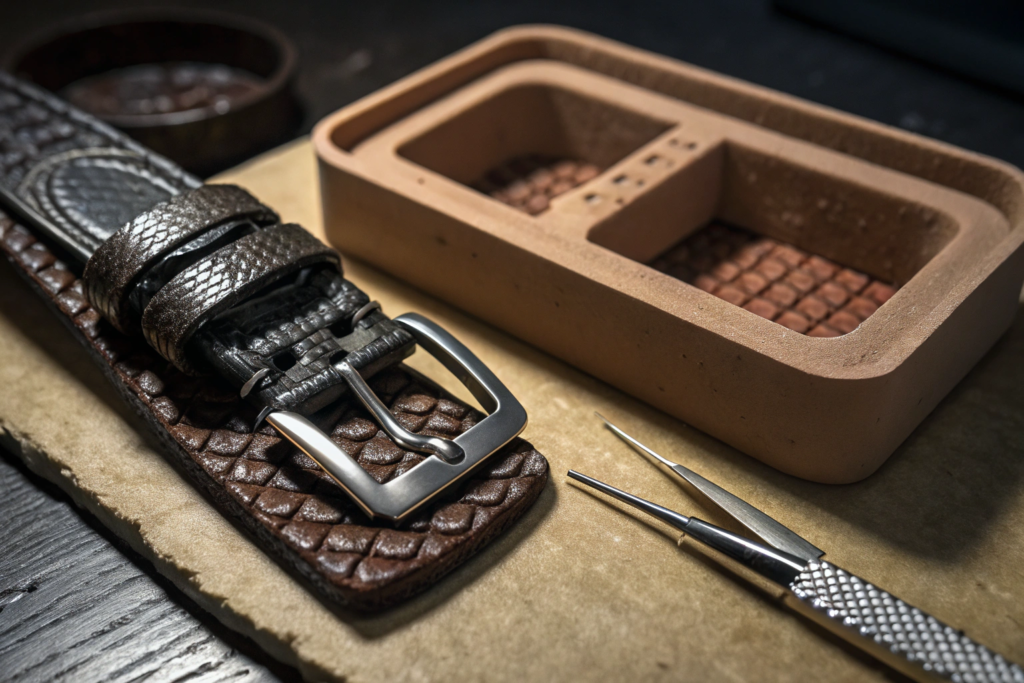
Applying texture to a master is a manual process. For a leather pattern, we use a textured film or a laser engraving. A laser takes an hour or two to burn the pattern into the metal. For a stipple effect, we might use a chemical etching spray. The spray sits on the metal for 20 minutes. If the technician leaves it too long, the texture deepens too much and ruins the mold. This risk means we charge a bit more for textured molds. The time jumps from 7 days to maybe 12-14 days. But the result is a buckle that looks like a premium, die-cast piece. The design team at AceAccessory is expert at this. We match the texture sample you send us.
Can 3D Printing Speed Up the Textured Master?
Yes, but with limits. A high-resolution 3D print can apply a leather texture directly. We use an 8K resin printer for this. It prints the master in about 4 hours. That is much faster than a 3-day CNC job.
However, the resin master is fragile. It cannot handle high heat. It also reacts with some types of silicone. We have to coat it with a special barrier spray before molding. This spray adds 30 minutes of work. The real benefit is the iteration speed. If you do not like the first texture, we can tweak the digital file and print a new master overnight. This is perfect for online store owners who need to test new design trends quickly.
How Does Post-Cure Mold Testing Ensure Texture Transfer?
The mold is not ready until we cast a sample. The first shot from a mold is the moment of truth. The texture might look great in the negative cavity but fail to fill in production. If the silicone is too soft, it does not hold the fine details. If the casting resin is too thick, it does not flow into the micro-crevices.
We mix a small batch of the production resin. We pour it into the mold. We put it in a pressure pot at 60 PSI. The pressure crushes any invisible bubbles. We de-mold the piece and inspect it under a magnifying lamp. We look for a crisp texture match. If the logo is fuzzy, we might need to adjust the resin viscosity or add a surfactant to the mold surface. This testing day is critical. It proves the mold is ready for mass production. You cannot skip this step if you want fast production lead times.
What is the Fastest Way to Get a Belt Buckle Sample?
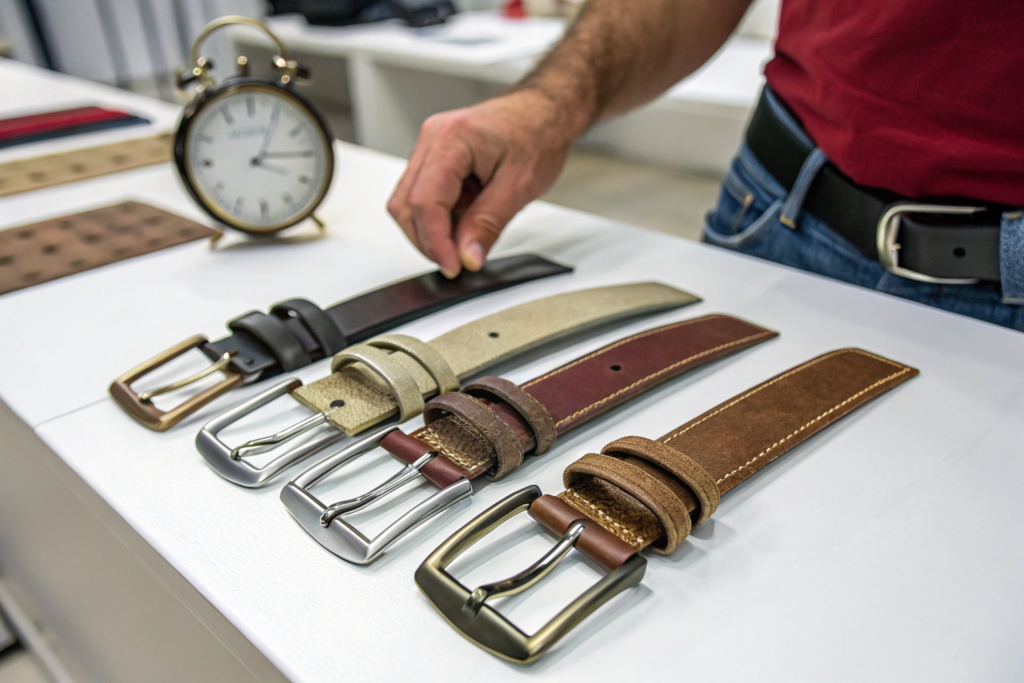
The world moves fast. You cannot always wait two weeks. Sometimes you need a physical sample for a buyer meeting in 5 days. Is that possible? Partially. We offer a "flash prototyping" service. We do not make a full silicone mold in 5 days for production. We make a quick cast mold instead.
A quick cast mold is a low-durability silicone. It cures in 4 hours instead of 24. It will only last for maybe 20 shots. But those 20 shots are enough to make a handful of samples. We 3D print the master and skip the heavy polishing. The sample will have a slight texture from the print layers. It is not perfect for sale. But it is perfect for a buyer to hold, touch the weight, and see the size. This bridges the gap between a digital mockup and a final order. We send these samples via DHL 3-day express. It has closed many deals for our clients.
How Can a Bridge Mold Save a Business Deal?
A bridge mold is a temporary tool. It is a risk management strategy. You pay a small fee for the quick mold. You get physical samples. You confirm the sales order. Then you pay for the permanent, high-cavity production mold.
This protects you from a mistake. Imagine you order a 1000-dollar production mold. The sample comes, and you realize the buckle is too heavy for your fabric belt. The mold is now useless. A bridge mold costs a fraction of that. You find the weight issue early. You fix the design. It is a practice wise buyers use to save money. It fits perfectly with our professional customer-centric energy. We guide you through this prototyping process carefully.
Why Is Material Selection a Factor in Sample Speed?
The material you choose for the final buckle dictates the silicone type. Zinc alloy casting uses heat. Silicone molds for low-melt metals degrade fast. We use a high-temperature silicone that takes longer to cure. If you choose a polyurethane resin, it cures at room temperature. The mold life is longer, and the silicone can be cured faster.
We present these options on a call. A resin buckle sample can be in your hands within a week. A metal-cast sample might take 10 days. The choice affects the look and feel. Metal feels cold and heavy. Resin can feel light. We help you decide based on your brand identity. This is the kind of consultative approach our project managers provide.
Conclusion
Producing a custom silicone mold for a belt buckle is a battle between time and precision. A rapid sample can be in your hands in a week. A permanent multi-cavity mold ready for mass production takes a little over two weeks. The key is the preparation. The master model defines the detail. The silicone curing defines the stability. The venting defines the quality.
Cutting corners on curing time causes shrinkage and bubbles. It destroys the crispness of your logo. As the owner of a Zhejiang factory with a dedicated mold shop, I guarantee we never shortcut the curing process. We use platinum silicone, vacuum degassing, and pressure-pot testing. This ensures your mold makes thousands of perfect belt buckles. Whether you need a single bridge sample or a complex 10-cavity production mold, our design team and quality control team have the experience to deliver.
If you have a buckle sketch or a 3D file waiting for a quote, I invite you to speak to our Business Director, Elaine. She understands the pressures of launch deadlines. She can arrange the prototyping schedule that aligns with your buyer meetings. Send her an email directly at elaine@fumaoclothing.com. Let’s turn your design into a physical masterpiece without the stress of hidden delays.