A buyer from a national US retail chain once told me that trust in this industry is invisible until it breaks. You do not see it working. You only see it when it fails. A late shipment. A quality slide. A communication gap that costs you a shelf placement. She told me she had fired three factories before she found one that simply delivered what it promised. She did not need a miracle. She needed predictability at scale.
Our clients trust us for high-volume accessory production because we combine in-house mold making, raw material control, dedicated production lines, and a multi-stage quality system to deliver consistent output. We have proven capacity to produce over 500,000 units per month without sacrificing the defect rate standards required by major retailers.
Trust is not a slogan. It is a system. At AceAccessory, we built our systems specifically for buyers who cannot afford to be let down. Let me walk you through the exact reasons why large brands and supermarkets keep coming back to us order after order.
How Do We Guarantee Capacity Without Sacrificing Quality?
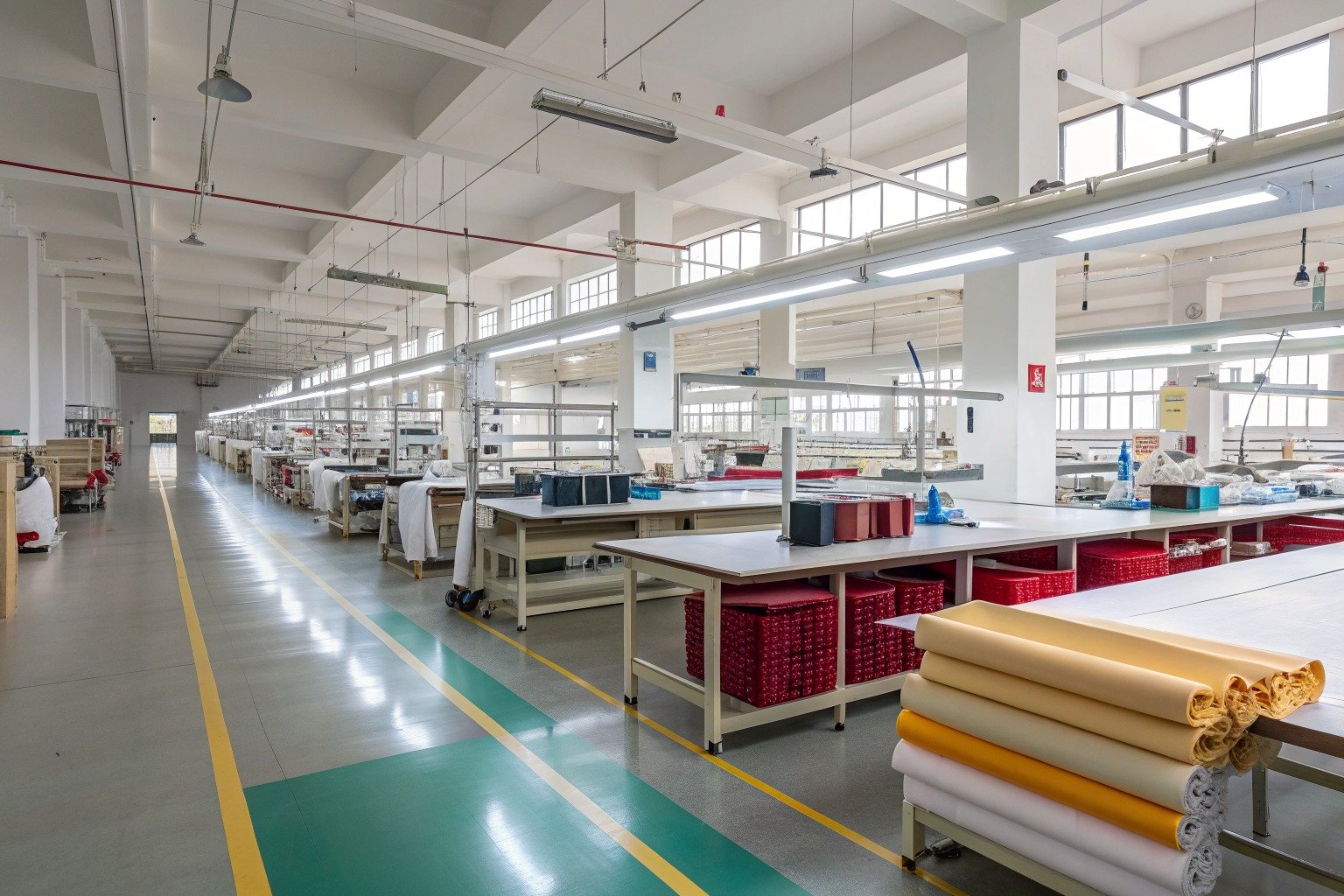
Every factory promises capacity. Few define it honestly. I have walked through factories that claimed 100,000-unit monthly output, only to find three aging machines and a skeleton crew. A real capacity commitment requires real assets, real scheduling discipline, and the courage to say no to an order you cannot fulfill.
At our Zhejiang facility, we track production utilization daily. If a line is running at 90% capacity, we know that accepting another large order will push it to 100% and introduce risk. We tell you this honestly. Sometimes we suggest a delivery date a week later than you want, not because we are slow, but because we refuse to overload a line and compromise your quality. Short-term honesty builds long-term trust.
What Dedicated Production Lines and Equipment Support High-Volume Orders?
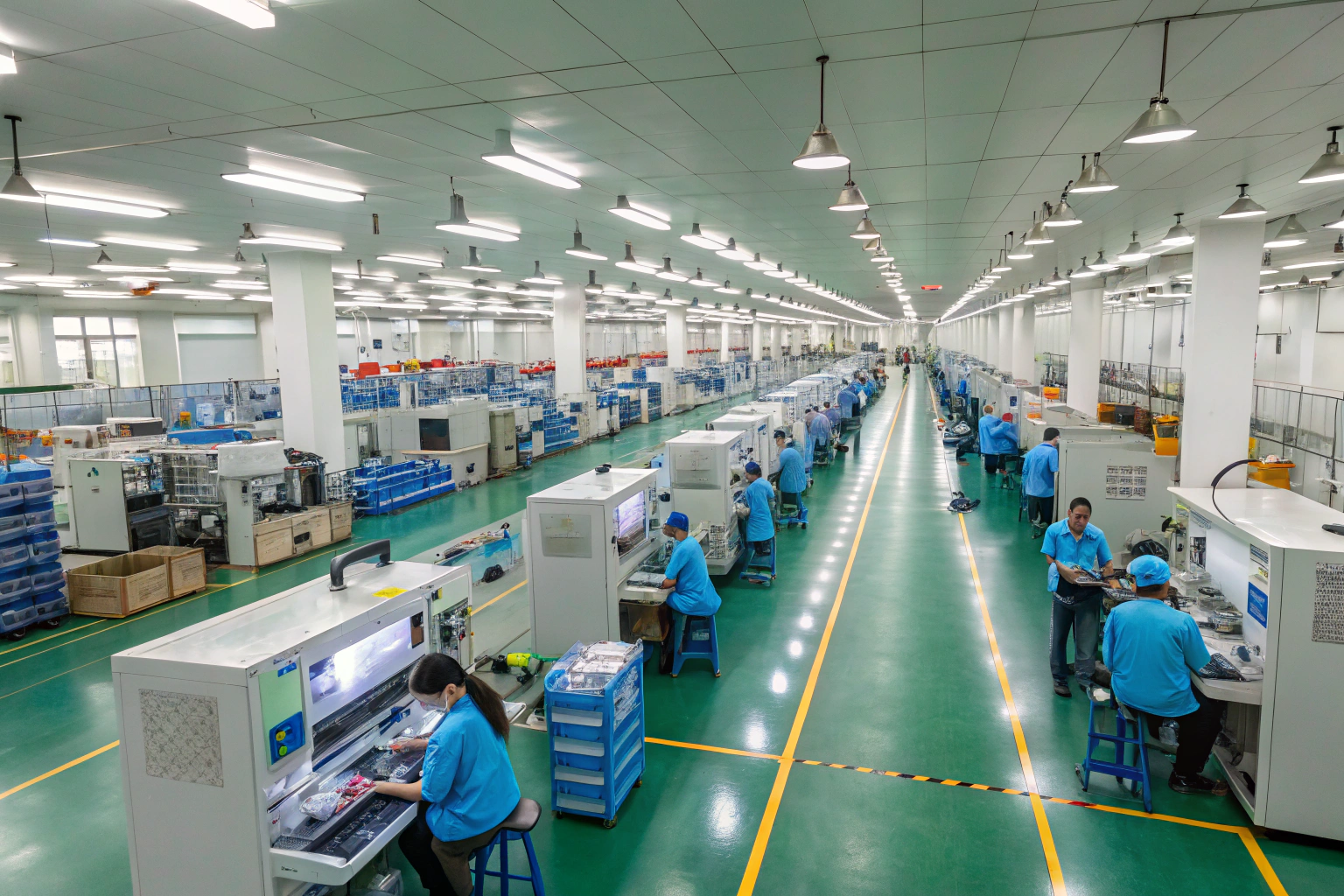
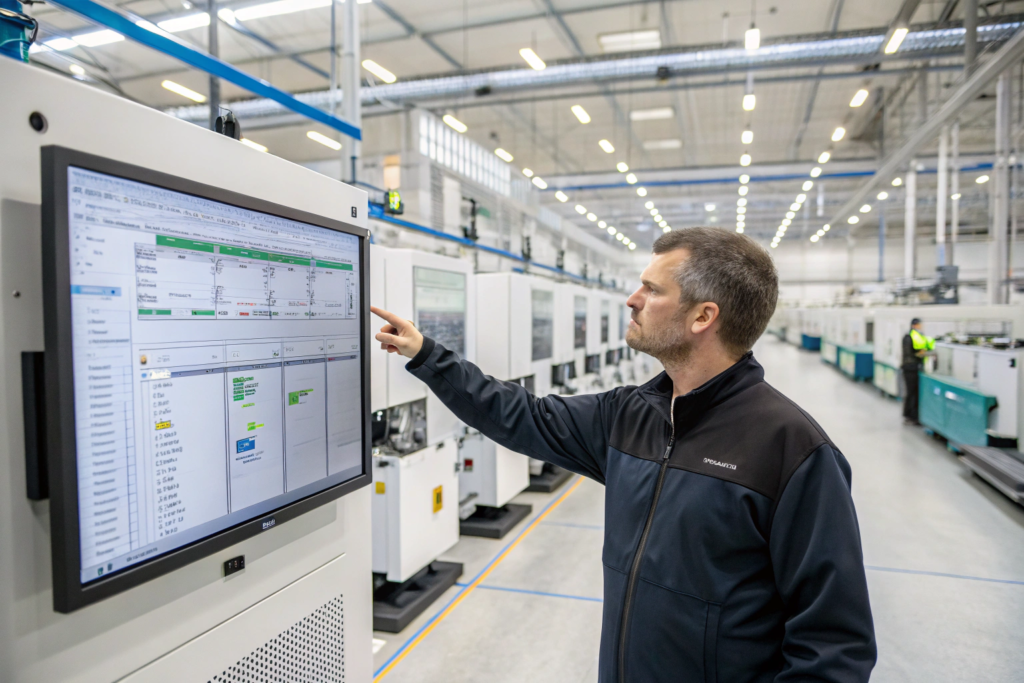
We do not mix your order with another brand’s on the same line. When a major supermarket places a 200,000-unit order for hair claws, we dedicate specific injection molding machines and assembly stations to that order for its entire production run. This prevents cross-contamination, color mixing, and specification drift.
Our factory floor houses over forty injection molding machines ranging from 80-ton to 350-ton clamping force. We run twenty-four hours a day in peak season, with three shifts of trained operators. Our maintenance team performs preventive service every 500 operating hours, not just when a machine breaks down. Understanding injection molding capacity planning is critical for buyers who need to know their supplier can scale.
How Does Our In-House Mold Shop Prevent Production Bottlenecks?
Many factories outsource their mold making. When a mold needs repair or modification mid-production, they wait for an external shop to schedule the work. I have seen a simple mold repair delay a shipment by two weeks because the factory had no control over the mold shop’s schedule.
We have a full mold-making workshop inside our factory. Our mold engineers can repair, modify, or even build a new cavity insert without the mold ever leaving our premises. If a mold shows wear after 50,000 shots, our team polishes it that same night, and it is back in the press by the next morning. For a buyer facing a tight seasonal deadline, this in-house tooling capability is the difference between an on-time delivery and a missed season.
What Quality Systems Prevent Defects at Scale?
The mathematics of high-volume production are unforgiving. A 1% defect rate on a 1,000-unit order is ten bad pieces. Annoying but manageable. A 1% defect rate on a 500,000-unit order is 5,000 defective units. That is 5,000 reasons for your customer to complain, 5,000 returns, and a potential chargeback from a retailer that wipes out your margin on the entire order.
Our quality system is designed for scale. We do not inspect quality into the product at the end. We build it in at every stage, from raw material receipt to final carton sealing. This is not extra work. This is the only work that matters for high-volume buyers.
How Does Inline QC Catch Defects During Production?
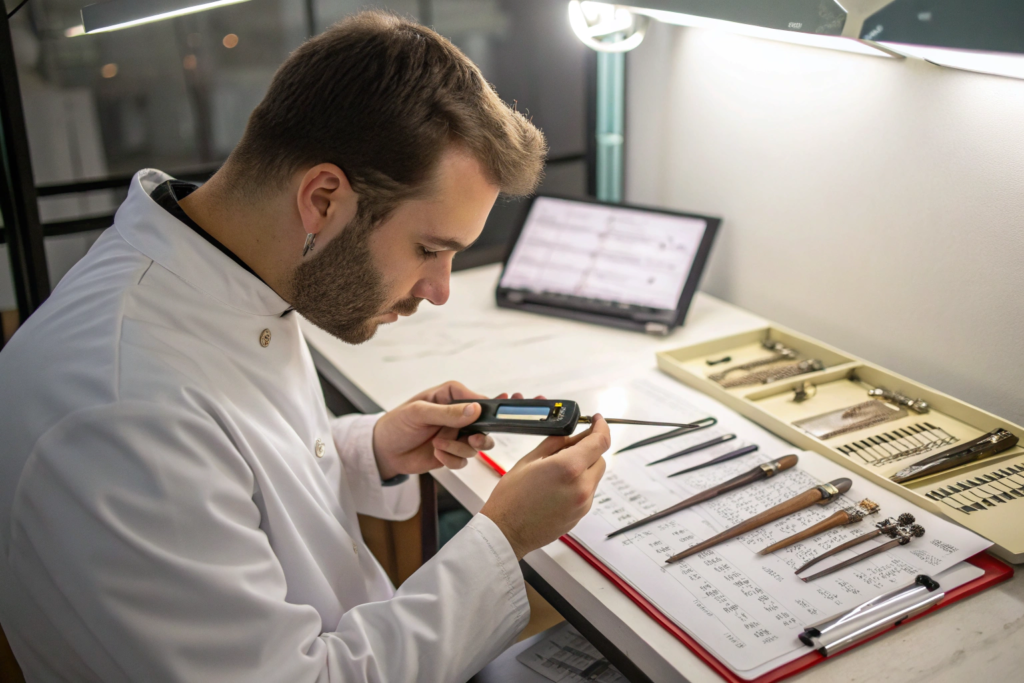
We position QC inspectors directly on the production line, not just in a final inspection room at the shipping dock. An inline inspector checks components as they come out of the injection molding machine. Every thirty minutes, she pulls a sample from each cavity, measures critical dimensions, and checks for surface defects like flash, sink marks, or discoloration.
If cavity number six starts producing a slightly short hair clip arm, she catches it within thirty minutes, not thirty thousand pieces later. The mold technician adjusts the process parameters immediately. The defective pieces from that thirty-minute window are quarantined. They never reach your carton. Our inline quality control in manufacturing system catches problems when they are cheap to fix and contain.
What Final Inspection Protocols Meet Major Retailer Requirements?
Before your shipment leaves our factory, it passes through our final QC station. We use Acceptable Quality Level sampling based on the ANSI/ASQ Z1.4 standard. For a major retailer order, we typically inspect at Level II, which means a larger sample size and tighter acceptance criteria.
Our final QC check includes dimensional measurement, functional testing of spring mechanisms on hair claws, color matching against your approved swatch under a lightbox, and a packaging integrity check. We record every inspection result. If you ever need to trace a batch, we can pull the inspection records by production date and cavity number. This is the documentation discipline that retailer compliance audits demand. Our clients never worry about failing a third-party inspection because our internal standards are already stricter than the inspector’s checklist.
How Does Supply Chain Integration Ensure On-Time Delivery?
Producing 500,000 units on time means nothing if they sit in a warehouse waiting for a shipping container that was never booked. Production and logistics are two legs of the same journey. If one stumbles, the delivery falls. We manage both legs under one roof.
Our project managers do not hand off your order to a separate shipping department after production finishes. They own it from sampling to sailing. This single-point accountability removes the finger-pointing that plagues fragmented supply chains.

Why Does Raw Material Stock Control Matter for Your Timeline?
A factory that orders raw material only after receiving your purchase order is already late. We maintain strategic inventory of common materials: ABS, polycarbonate, polypropylene, and our most-used fabric bases. When your order lands, our material is already on our shelves, tested, and ready to feed into the machines.
For custom colors or specialized materials, we order from our pre-qualified suppliers immediately upon your deposit. Our procurement team knows the lead time of every raw material SKU. They build buffers into the schedule. A delayed material delivery is the most common cause of late production in this industry. We solve it with inventory management discipline, not luck.
How Does Our Shipping Partnership Prevent Last-Minute Delays?
We have built long-standing relationships with major freight forwarders who service the North American and European lanes heavily. Our logistics team books vessel space as soon as your production schedule firms up, not after the goods are packed. During peak season, when space is tight, our forwarders prioritize our bookings because of our consistent volume.
We also handle the full suite of export documentation: commercial invoices, packing lists, certificates of origin, and any retailer-specific labeling requirements. A shipment that arrives at the port with incorrect paperwork faces delays that no amount of production speed can fix. Our international freight coordination ensures your goods clear customs without drama.
What Account Management Support Comes with Large-Volume Orders?
A 100,000-unit order is not just a bigger box. It is a more complex relationship. You need a point of contact who understands your business, remembers your preferences, and anticipates problems before you see them. You do not want to explain your brand from scratch every time you place a reorder.
At Shanghai Fumao, every client receives a dedicated project manager who stays with their account. This person learns your quality tolerances, your packaging preferences, your critical dates, and your communication style. When you email at 10 PM your time, you wake up to a reply because your project manager already addressed it during China business hours.

How Does a Dedicated Project Manager Simplify Your Sourcing?
Your project manager is your single point of truth. She coordinates with design, mold engineering, production scheduling, QC, and logistics. You do not need to email five different departments and piece together a status update from five different replies. You ask her. She answers.
She also pushes timelines proactively. If she sees that the plating subcontractor is running a day behind, she adjusts the assembly schedule before the delay impacts your ship date. She communicates this to you immediately with a revised plan, not an excuse. This proactive project management approach is what turns a transactional supplier into a strategic partner.
Why Is Transparent Communication Critical for High-Value Orders?
No production run is perfect. Machines break. Fabrics arrive with a shade variation. A typhoon delays a vessel. The difference between a trusted supplier and a frustrating one is how they handle the inevitable problems. We communicate issues immediately, with supporting data and a proposed solution. We never wait hoping the problem resolves itself.
I once called a buyer in Germany at 6 AM his time to tell him his shipment might be two days late due to a port congestion issue. He was not happy about the delay, but he was grateful for the early warning. He adjusted his warehouse schedule and avoided a stockout. He told me later that most factories would have waited until the ship actually missed its connection before telling him. That early honesty preserved his operation and cemented his trust. Our commitment to supply chain transparency means you are never the last to know.
Conclusion
Trust in high-volume accessory production is earned through systems, not promises. Our clients trust us because we have the dedicated production lines, the in-house mold shop, the inline and final QC protocols, the integrated raw material strategy, and the professional project management to deliver consistent quality at scale, month after month, season after season.
I think back to that buyer who had fired three factories. She has been with us for seven years now. She orders over a million units annually. She once told me that the most valuable thing we give her is not the accessories. It is the ability to sleep through the night without worrying about her supply chain. That is what trust means in practical terms. Peace of mind.
If you are sourcing high-volume accessory production and you are tired of suppliers who overpromise and underdeliver, I invite you to experience a different kind of factory relationship. Contact our Business Director Elaine at elaine@fumaoclothing.com. She can arrange a video tour of our production floor, share capacity availability for your delivery window, and provide a detailed quote based on your specific designs and volume projections.
Whether you need 50,000 hair clips or 500,000 scarves, you deserve a manufacturing partner who treats your order with the seriousness and professionalism it deserves. Let us show you why so many major retailers and brands have made AceAccessory their long-term accessory production partner.