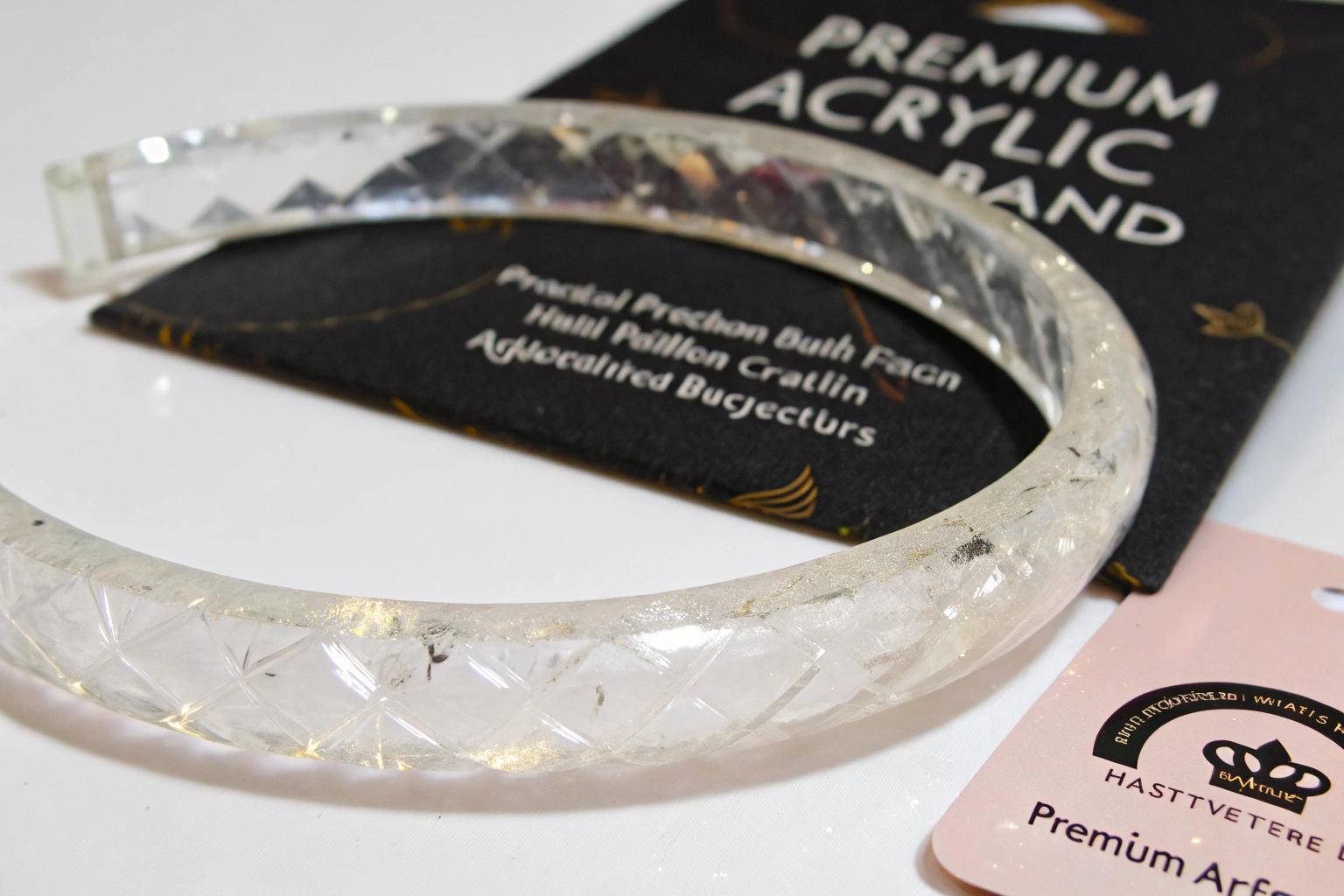
A beauty accessories brand owner from Seoul called me last spring with a quality issue that was driving her return rate to unacceptable levels. Her hero product was a collection of wide, polished acrylic hair bands. They were beautiful. The acrylic was crystal clear and glossy, with a deep, glass-like luster. She sold them in premium department stores and online, where the unboxing experience was a critical part of her brand promise. But customers were receiving hair bands with visible scratches on the surface. The scratches were not from use. They were from the packaging. The care label, a small piece of fabric with washing instructions, was rubbing against the polished acrylic surface during transit. The fabric label was acting like fine sandpaper. The hair band was moving slightly within its packaging during shipping, and every microscopic movement of the label against the acrylic was creating a new scratch. She was losing thousands of dollars in returns and replacements. She needed to know how to stop it.
To avoid label scratching on acrylic hair bands during packing, you must physically separate the label from the polished surface, immobilize the product within the packaging, and use label materials that are inherently non-abrasive. The most effective solution is to enclose the care label in a separate compartment or to attach it in a way that prevents contact with the hair band surface. If the label is a hangtag attached with a swift tack or a string, ensure it is wrapped in tissue or placed in a separate pouch. If the label is a sewn-in fabric label, cover the label with a protective sleeve or relocate it to the inside of the band where it does not contact the visible polished surface. The product must be immobilized. The hair band should be secured on a die-cut insert, a card, or a formed tray that holds it firmly in place and prevents any movement during transit. The packaging materials that contact the polished surface, the insert card, the tissue wrap, and the polybag, must be soft, smooth, and free of any abrasive fibers or coatings. The label itself should be made from a soft, non-scratch material, such as a satin-finished polyester or a fine woven cotton, rather than a coarse or stiff fabric.
Acrylic is a beautiful material for hair accessories. It has a depth and a luster that plastic cannot match. It can be polished to a mirror finish. But it is also soft. On the Mohs hardness scale, acrylic is around 3 to 4, similar to a fingernail. It scratches easily. The care label, which is a necessary legal and practical component of the product, can become a source of damage if it is not managed correctly. The scratches are often microscopic, invisible when the customer first opens the package, but they become visible over time as light catches the fine abrasions. The customer notices the scratches after a few uses and assumes the product is of poor quality. At AceAccessory, we produce acrylic hair bands for brands around the world. We have learned, through experience and through solving problems like the one from Seoul, how to package polished acrylic products so they arrive in the customer’s hands as flawless as they left our factory. Let me walk you through the materials, the techniques, and the packaging designs that prevent label scratching.
Why Do Labels Scratch Acrylic Surfaces During Transit
Understanding why labels scratch acrylic surfaces requires understanding the physics of surface contact and the materials involved. Acrylic, polymethyl methacrylate, is a transparent thermoplastic. Its surface is smooth at a molecular level when polished, but it is relatively soft. The hardness of a material determines its resistance to scratching. A harder material will scratch a softer material. The care label is made from a textile, typically cotton, polyester, or a blend. The individual fibers of the textile are harder than the acrylic surface. A single cotton fiber may not be harder than acrylic, but the collective abrasiveness of many fibers, combined with any microscopic dust or dirt particles that become embedded in the fabric, creates an abrasive surface. When the label rubs against the acrylic, these fibers and particles act like a very fine sandpaper. They gouge tiny furrows in the acrylic surface. These are the scratches.
Labels scratch acrylic surfaces during transit because of a combination of relative motion, contact pressure, and abrasive materials. The relative motion is caused by the vibration and shock of transportation. The truck, the plane, the conveyor belt, all transmit vibrations through the packaging. If the hair band is not completely immobilized, it vibrates within its package. The label, which is attached to the hair band or placed in contact with it, vibrates against the acrylic surface. Each vibration cycle is a microscopic rubbing motion. Over thousands of vibration cycles during a multi-week journey, the cumulative effect is visible scratching. The contact pressure is the force pressing the label against the acrylic. If the hair band is packed tightly in a box, with other items pressing against it, or if the packaging is compressed during stacking, the label is pressed firmly against the acrylic surface. The pressure increases the friction and the depth of the scratches. The abrasive materials are the label fabric itself and any contaminants it carries. A label made from a coarse, stiff fabric, such as a heavily sized cotton or a rough polyester, is inherently more abrasive than a label made from a fine, soft fabric. Dust and dirt particles that settle on the label during the packing process add to the abrasiveness. Even a soft label can cause scratching if it traps a piece of grit. The combination of vibration, pressure, and an abrasive material is a perfect recipe for surface damage.
The solution is to break the chain of causation. Eliminate the relative motion, or eliminate the contact, or eliminate the abrasive material. The most effective packaging designs do all three. Let me detail the two most important factors in the scratching mechanism.
How Does Vibration During Shipping Cause Surface Abrasion?
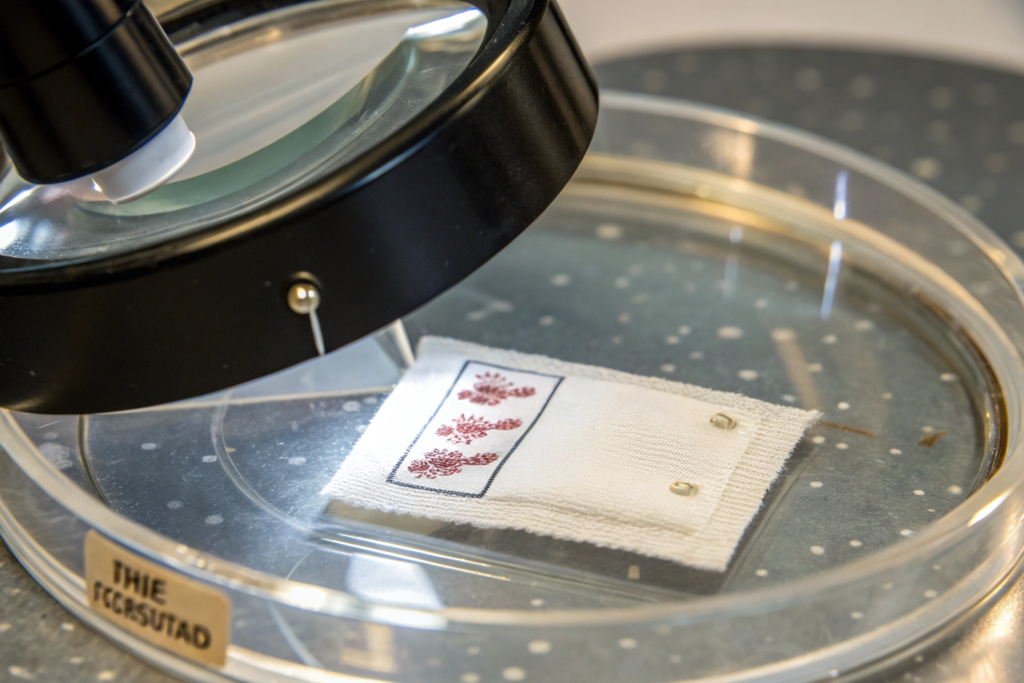
Shipping vibration is the invisible enemy of polished surfaces. A package traveling from a factory in China to a customer in Europe or North America experiences a continuous, low-level vibration during its entire journey. The truck engine vibrates. The airplane engines vibrate. The conveyor belts vibrate. The forklift vibrates. These vibrations are transmitted through the packaging materials to the product inside. If the product is not completely immobilized, it moves in response to the vibrations. The movement is tiny, often just fractions of a millimeter. But over days or weeks of continuous vibration, the number of movement cycles is enormous. A vibration frequency of 50 Hertz, common in transportation, means 50 cycles per second. Over a two-week journey, that is tens of millions of vibration cycles. Each cycle is an opportunity for the label to rub against the acrylic. The wear is cumulative. The process is identical to the way a polished stone is worn smooth by the constant motion of sand and water. Except in this case, the motion is unwanted, and the result is damage, not beauty. The vibration is amplified by loose packaging. If the hair band has room to move within its box, it will rattle around. The larger the gap, the greater the amplitude of the movement, and the more severe the scratching. A product that is packed tightly, with no room to move, experiences much less relative motion between the label and the acrylic. The vibration is still present, but the product and the label move together as a single unit, and there is no rubbing. The packaging design must account for the vibration environment of the entire supply chain. The packaging is not just for the retail shelf. It is for the container ship, the delivery truck, and the sorting facility.
What Label Materials Are Most Abrasive to Acrylic?
The abrasiveness of a label against acrylic depends on the fiber type, the fabric construction, the surface finish, and the presence of any coatings or contaminants. Understanding the relative abrasiveness of different label materials allows for an informed choice. Coarse cotton labels are among the most abrasive. A cotton label made from thick, short-staple fibers has a rough, nubby surface. The individual cotton fibers have a twisted, irregular shape that creates many sharp contact points. A heavily sized or starched cotton label is stiffer and even more abrasive. Standard polyester labels are moderately abrasive. A basic polyester satin label has a smoother surface than cotton, but the individual polyester fibers are still harder than acrylic, and the weave structure can create a slightly textured surface. A polyester label with a rough selvage edge, the woven edge of the fabric, can be particularly abrasive. Nylon labels are similar to polyester in hardness but are often smoother. Paper labels, including Tyvek and coated paper, can be surprisingly abrasive. The paper fibers are stiff, and the surface of a paper label can contain mineral fillers, such as calcium carbonate or clay, that are harder than acrylic. A paper hangtag rubbing against an acrylic surface will cause scratching. The least abrasive label materials are fine, soft fabrics. A microfiber label, made from ultra-fine polyester or nylon fibers, is exceptionally soft and non-abrasive. A fine silk or silk-blend label is also very soft. A woven label made from a high-twist, long-staple cotton or a filament polyester, with a smooth, satin finish, is significantly less abrasive than a coarse cotton label. The label’s edge finish also matters. A label with a raw, cut edge, where the individual fibers are exposed, is more abrasive than a label with a folded, hemmed, or ultrasonically sealed edge. The sealed edge encapsulates the fibers and presents a smooth, non-abrasive surface. For acrylic products, a soft, sealed-edge label is the recommended choice.
What Packing Techniques Prevent Label Contact Damage
Preventing label contact damage requires designing the packaging so that the label and the polished acrylic surface never touch, or if they must be in proximity, they are separated by a protective barrier. The packaging design must consider the entire journey, from the factory packing table to the customer’s hands. The product must be secured, the label must be isolated, and any materials that contact the acrylic must be soft and non-abrasive. These principles apply whether the packaging is a simple polybag with a header card or a premium rigid gift box.
The packing techniques that prevent label contact damage on acrylic hair bands are physical separation, product immobilization, and protective wrapping. Physical separation means placing the label in a location where it cannot contact the polished surface. If the label is a hangtag, it should be attached in a way that it hangs freely, away from the acrylic. It can be placed in a separate compartment of the packaging, such as a small pocket inside the box lid. If the label is a sewn-in fabric label, it should be sewn on the inside of the band, where it contacts the hair and not the visible outer surface. Product immobilization means securing the hair band so it cannot move during transit. The band should be held firmly on a die-cut cardboard insert, a molded plastic tray, or a foam form. The insert should grip the band tightly, with no gaps or looseness. The band should not be able to slide, rotate, or rattle within the packaging. Protective wrapping means enveloping the polished acrylic surface in a soft, non-abrasive material before it is placed in the packaging. An acid-free tissue paper wrap, a soft microfiber pouch, or a thin foam sleeve can be used. The wrapping material acts as a buffer between the acrylic and any other components, including the label. The wrapping should be secured so it does not come loose during transit. The packaging should be tested by performing a vibration test. A sample package is placed on a vibration table and subjected to a simulated transit vibration for a period that represents the expected shipping duration. The package is then opened, and the acrylic surface is inspected under a bright light for any scratches. This test validates the effectiveness of the packing design.
The packing techniques are simple in concept but require discipline in execution. The packing line workers must be trained in the correct procedures. The packing materials must be consistently available and of the correct quality. Let me detail the two most effective techniques.
Should Labels Be Placed in a Separate Pouch or Compartment?
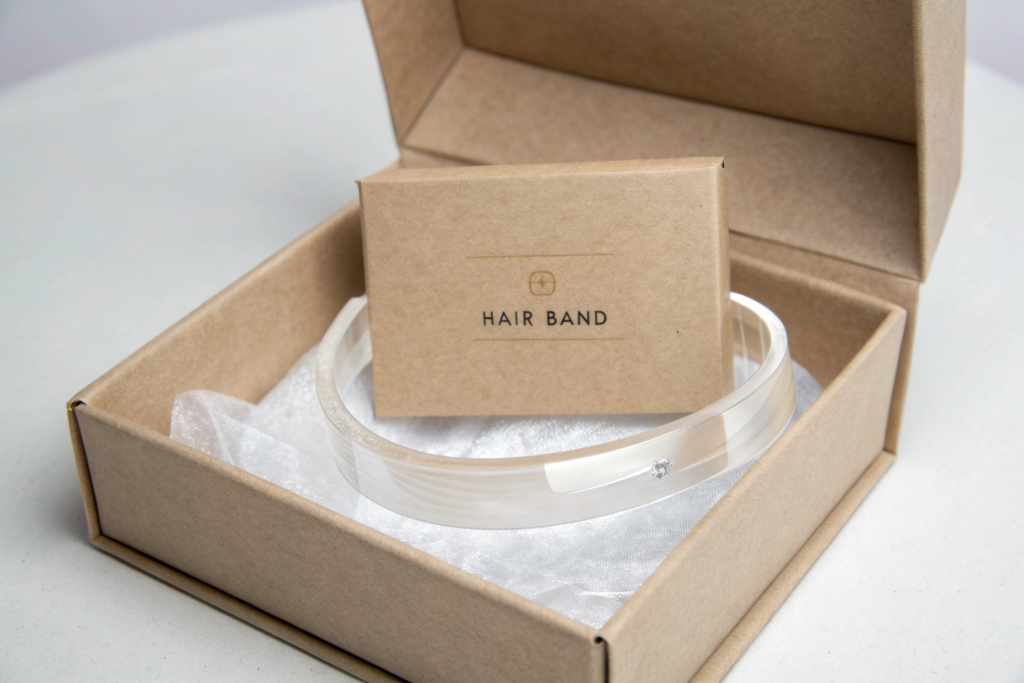
Yes, placing the label in a separate pouch or compartment is the most effective method for preventing label contact damage. This technique completely eliminates the possibility of the label rubbing against the acrylic surface during transit. The label and the product are physically separated. The label can be placed in a small, clear polybag that is attached to the packaging or placed loose inside the box. The polybag should be made from a soft, non-abrasive material, such as a low-density polyethylene, and should be sealed to prevent the label from falling out. The label pouch can be tucked into a pocket inside the box lid, secured under a ribbon or an elastic band, or simply laid on top of the tissue-wrapped product. For a premium presentation, the label can be placed in a small, custom-printed envelope that matches the brand’s aesthetic. The envelope can be made from a soft, textured paper and can be sealed with a sticker or a wax seal. The label envelope is placed on top of the product or in a dedicated slot in the packaging insert. If the label is a sewn-in fabric label, the separation can be achieved by covering the label with a protective sleeve. The sleeve is a small tube of clear, soft plastic film that is slipped over the label and secured with a small piece of tape or a heat seal. The sleeve covers the label and prevents its fibers from contacting the acrylic. The sleeve is removed by the customer after purchase. The sleeve should be easy to remove and should not leave any residue. The separate pouch or compartment technique is the gold standard for acrylic product packaging. It adds a small cost to the packaging materials and a small amount of labor to the packing process, but it eliminates the risk of label scratching entirely. For premium products where the polished surface is a key selling point, this technique is strongly recommended.
How Should Acrylic Hair Bands Be Secured Inside Packaging?
Securing the acrylic hair band so it is immobilized is the second critical technique. Even if the label is separated, the hair band can still be scratched by other components, the cardboard insert, the box walls, or other items in the package. The band must be held firmly and protected from all sides. The most effective securing method is a custom die-cut insert. The insert is a piece of cardboard or foam that has a recessed shape cut into it. The shape is an exact match to the profile of the hair band. The band is pressed into the recess. The insert grips the band by friction. The band should fit snugly, requiring a slight press to insert it and a slight pull to remove it. The insert holds the band in a fixed position, preventing any movement in any direction. The insert also elevates the band away from the walls of the box. The band is suspended in the center of the box, surrounded by the protective insert material. The insert can be made from a variety of materials. A rigid cardboard insert, made from a thick, uncoated chipboard, is the most common. The cardboard must be smooth and free of any abrasive particles. A foam insert, made from a soft, closed-cell polyethylene foam, provides the best cushioning and is ideal for premium products. A molded plastic tray, made from a clear PET or a flocked plastic, provides a secure hold and a premium retail presentation. The insert can also incorporate a slot or a compartment for the label, solving both problems with a single component. For a simpler packaging format, such as a header card and polybag, the hair band can be secured with a few small, clear elastic bands or with a loop of soft ribbon. The elastic bands hold the band to the header card. The elastic must be soft and must not cut into the acrylic. The ribbon ties the band in place. The securing method must not itself cause scratching. The materials that contact the acrylic must be soft and smooth. The packing line workers must be trained to handle the acrylic bands with care, wearing clean cotton gloves to prevent fingerprints and using gentle movements to avoid knocking the bands against hard surfaces.
What Packaging Materials Protect Polished Acrylic Surfaces
The materials that contact the polished acrylic surface during packing and transit are the final line of defense against scratching. Even if the label is separated and the product is immobilized, the wrong choice of wrapping material or insert material can still cause damage. The materials must be soft, smooth, non-abrasive, and free of any contaminants. They must be acid-free and chemically stable, so they do not react with the acrylic over time. They must be clean and dust-free at the point of use. The material selection is as important as the packaging design.
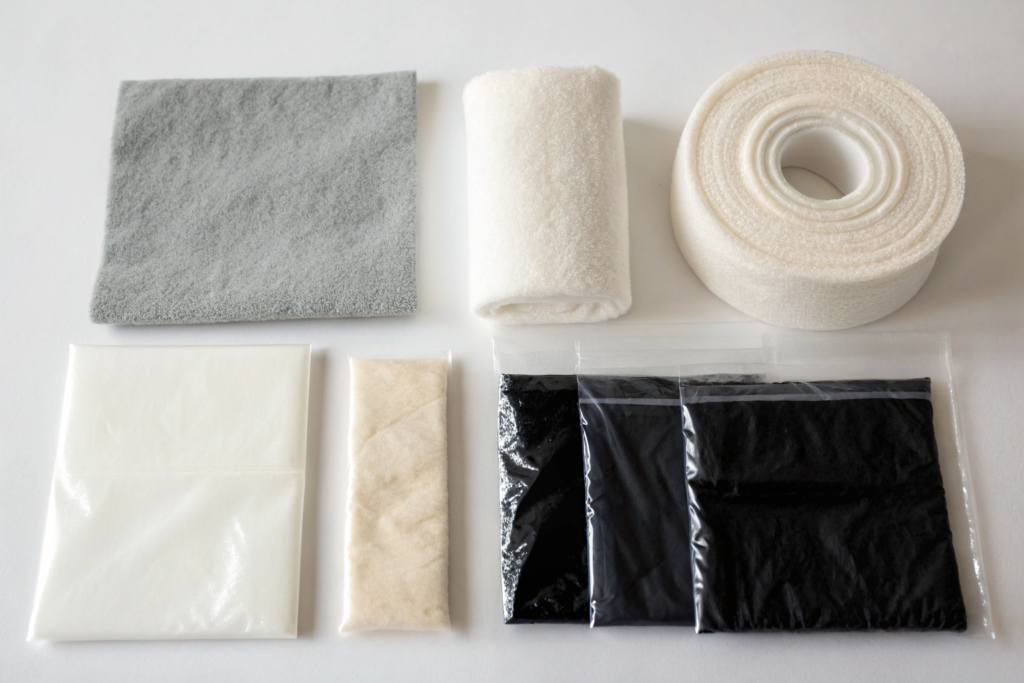
The packaging materials that protect polished acrylic surfaces are acid-free tissue paper, microfiber pouches, soft foam inserts, and smooth, uncoated cardboard. Acid-free tissue paper is the standard protective wrap for polished accessories. The paper is made from virgin pulp, free of lignin and acidic compounds that can cause yellowing or surface degradation. The paper has a soft, smooth surface that will not scratch acrylic. The tissue is used to wrap the hair band before it is placed in the packaging. The wrap should be snug but not tight, providing a cushioning layer that absorbs vibration and prevents contact with other surfaces. Microfiber pouches are a premium protective solution. The hair band is slipped into a small pouch made from a soft, non-abrasive microfiber fabric. The pouch completely encases the band, protecting it from all sides. The pouch also serves a dual purpose. It is a reusable storage pouch for the customer, adding value and enhancing the brand experience. The pouch can be printed with the brand logo. Soft foam inserts, made from closed-cell polyethylene foam, provide excellent cushioning and immobilization. The foam is soft, lightweight, and chemically inert. It can be die-cut into custom shapes that perfectly cradle the hair band. The foam’s surface is smooth and non-abrasive. The foam should be a non-dusting grade, meaning it does not shed small particles that could act as abrasives. Smooth, uncoated cardboard inserts can be used, but the cardboard must be carefully selected. The cardboard should have a smooth, calendered surface, not a rough, recycled texture. It should be uncoated, as some clay coatings used on coated cardboard can be abrasive. The edges of the cardboard insert must be cleanly cut and free of burrs. A layer of tissue or a soft coating can be applied to the cardboard surface that contacts the acrylic.
The material selection should be tested before production. A sample of each material is rubbed against a polished acrylic test piece under controlled pressure. The acrylic surface is then inspected under a bright light. Any material that causes visible scratching is rejected. Let me detail the two most important material choices.
How Does Tissue Paper Prevent Surface Abrasion on Acrylic?
Tissue paper prevents surface abrasion on acrylic through a combination of softness, cushioning, and slip. The softness of the tissue means that its fibers are flexible and yield under pressure, rather than pressing into the acrylic surface and causing scratches. The tissue is made from long, fine cellulose fibers that are loosely bonded. The surface of the tissue is smooth and has a low coefficient of friction against acrylic. When the wrapped band vibrates, the tissue slides against the acrylic without causing abrasion. The cushioning effect of the tissue absorbs vibration energy. The tissue layer acts as a spring, compressing and decompressing with the vibration, reducing the amplitude of the movement between the band and the packaging. The tissue also traps any dust or grit particles that might be present, embedding them within its fibrous structure and preventing them from contacting the acrylic. The tissue should be acid-free. Acidic tissue, made from wood pulp that contains lignin, can degrade over time and release acidic compounds that can etch or yellow the acrylic surface. Acid-free tissue is made from purified pulp or from cotton linters and is chemically stable. The tissue should be used in sufficient quantity. A single, thin layer of tissue may not provide enough cushioning. Two or three wraps of tissue provide a more substantial protective layer. The tissue should be wrapped smoothly, with no wrinkles that could create pressure points. The tissue should be secured with a small piece of tape or a sticker, ensuring that the tape does not contact the acrylic. The tissue wrap is a simple, cost-effective, and highly effective protective measure for polished acrylic products.
Are Microfiber Pouches a Better Alternative to Tissue Wraps?
Microfiber pouches are a premium alternative to tissue wraps, offering superior protection and an enhanced brand experience. A microfiber pouch is made from a fabric woven from ultra-fine synthetic fibers, typically polyester and polyamide, that are split during manufacturing to create a dense, soft, suede-like surface. The fibers are incredibly fine, less than 1 denier per filament, and they are extremely soft. The pouch completely encases the hair band. The band is inserted into the pouch, and the pouch is closed with a drawstring or a flap. The band is protected from all sides. The soft, plush interior of the pouch cushions the band and absorbs vibration. The smooth exterior of the pouch slides easily against the packaging materials without catching. The pouch provides a higher level of protection than tissue because it is thicker, more durable, and fully enclosing. The pouch also serves a marketing function. It is a reusable accessory that the customer can use to store the hair band when not in use, or to protect other delicate items during travel. The pouch can be printed with the brand logo, either by screen printing, embroidery, or a woven label. The pouch elevates the unboxing experience and reinforces the brand’s premium positioning. The cost of a microfiber pouch is higher than a tissue wrap, typically by a factor of five to ten times, but for a premium product with a high retail price, the cost is justified by the reduction in returns and the enhancement of the brand image. The pouch should be made from a high-quality microfiber with a dense weave and a soft hand feel. The edges should be neatly finished, with no loose threads. The drawstring or closure should be secure. The pouch itself should be packaged in a way that protects it from dust and dirt before it reaches the customer.
Conclusion
Preventing label scratching on acrylic hair bands during packing is a problem that is solved through a combination of smart packaging design, careful material selection, and disciplined packing processes. The polished acrylic surface, beautiful but vulnerable, must be protected from the abrasive effects of the care label, which, through the relentless vibration of transit, can act like fine sandpaper. The solutions are straightforward but require attention to detail. Separate the label from the product, by placing it in a pouch, a compartment, or a protective sleeve. Immobilize the product, by securing it on a custom die-cut insert that prevents any movement. Wrap the product in a soft, protective material, such as acid-free tissue or a microfiber pouch. Choose label materials that are inherently soft and non-abrasive. And test the packaging to ensure that the design works under real-world shipping conditions. Each of these measures adds a small cost, but the return on that investment is a dramatic reduction in customer returns, a protected brand reputation, and a customer who receives a flawless product.
At AceAccessory, we produce acrylic hair bands and other polished accessories for brands that demand a premium unboxing experience. We have learned, through years of experience and through solving problems for our clients, how to package these products so they arrive in perfect condition. Our packing team is trained in the specific handling requirements of polished acrylic. Our packaging designers create custom inserts and protective wraps that are both functional and beautiful. Our QC team inspects the packed product and performs vibration testing to validate the packaging design.
If you are producing polished acrylic accessories and you are experiencing scratching issues, or if you want to ensure that your packaging is designed to prevent damage from the start, I invite you to contact us. Reach out to our Business Director, Elaine, at elaine@fumaoclothing.com. Tell her about your product, your current packaging, and the issues you are facing. She can provide samples of our protective packaging solutions, discuss material options, and provide a quotation for production that includes optimized, damage-preventing packaging. Let us help you deliver a flawless product to your customers, every time.