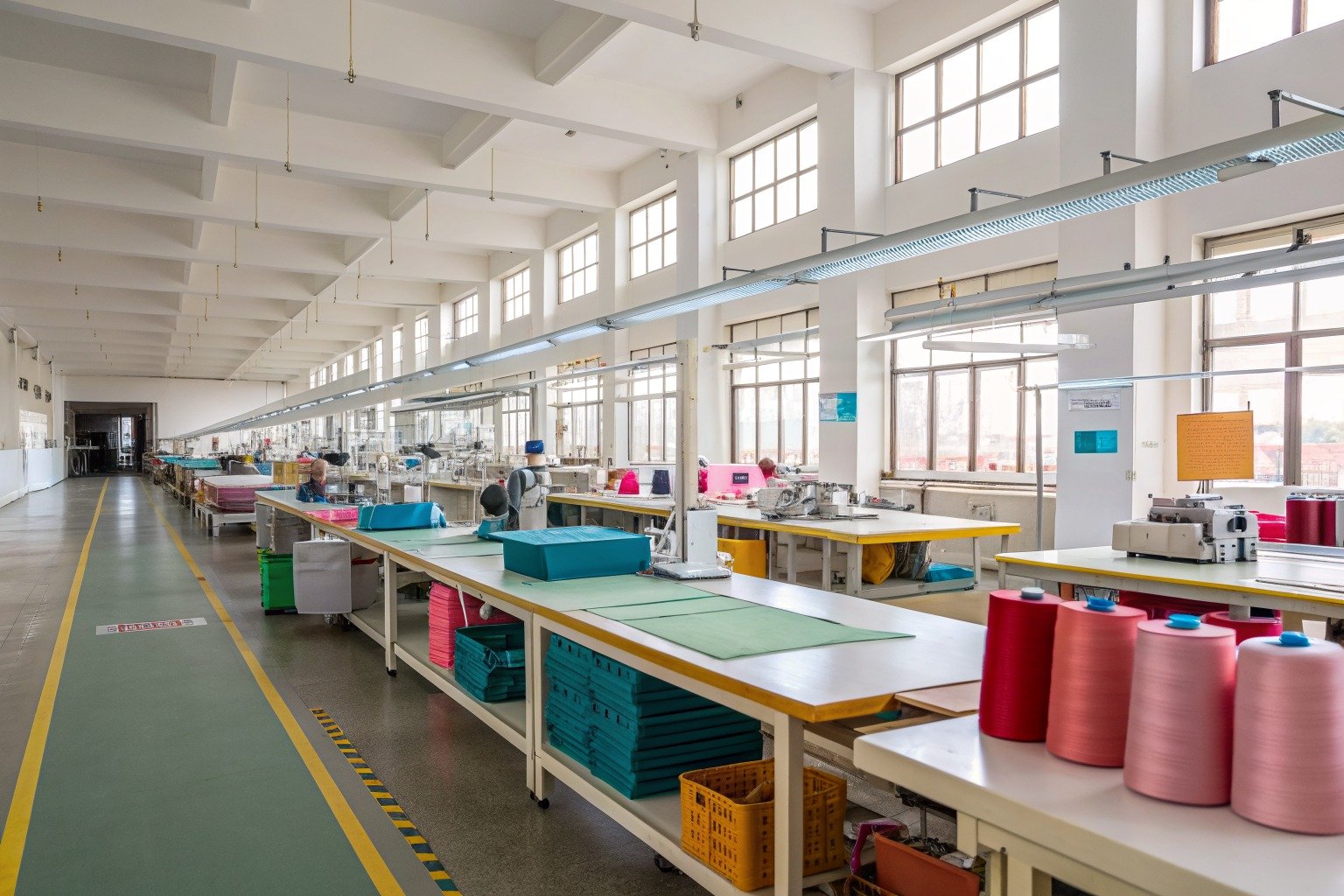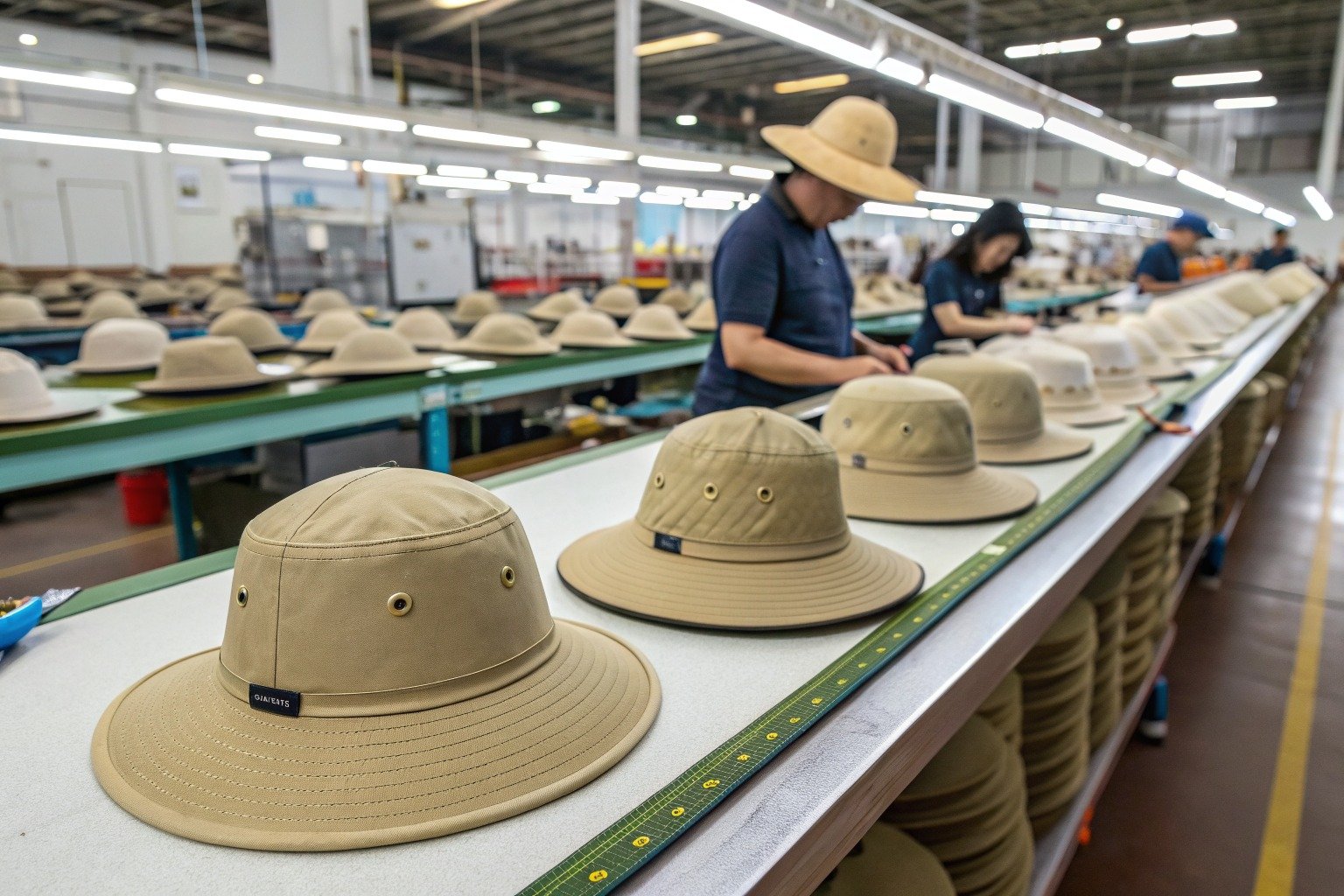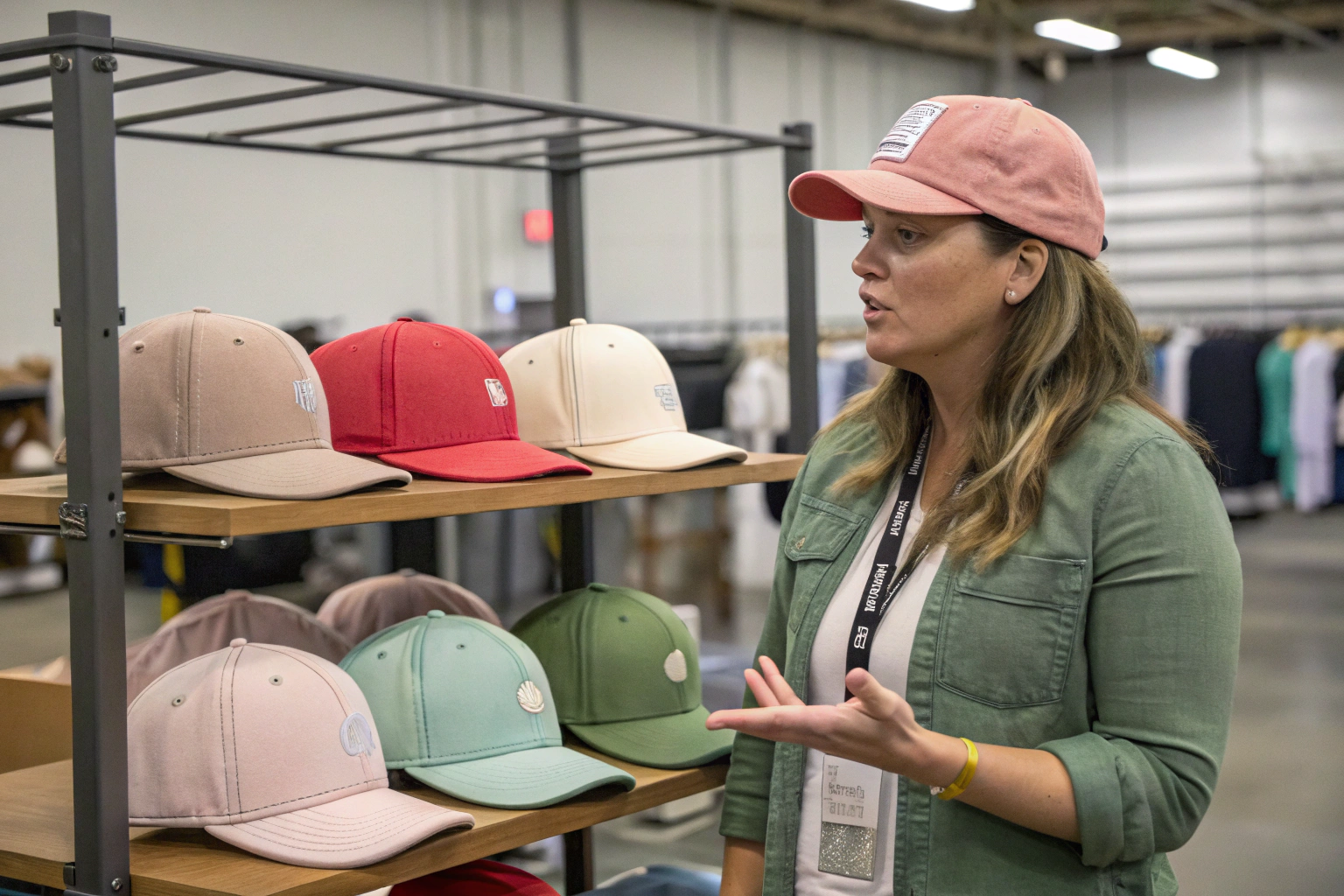
A merchandising director from a national sports lifestyle brand called me two years ago with a production challenge that had been frustrating her team for multiple seasons. Her brand’s baseball cap collection was built around a seasonal color palette. For spring, it was dusty rose, sage green, and cream. Within that palette, they offered two distinct cap styles. Solid color caps, where the entire crown and visor were a single, unified color. And colorblock caps, where the crown panels were stitched together in two or three contrasting colors from the same palette. The solid caps were the volume sellers, the reliable basics. The colorblock caps were the fashion pieces that generated the social media buzz and the editorial features. She had been splitting the order between two factories. One specialized in solid color caps because they could run large, efficient dye lots of a single color. The other specialized in colorblock caps because they had the pattern engineering and the sewing expertise to manage the multi-panel construction. The result was a logistical headache. Two purchase orders, two production schedules, two quality standards, and two shipments that never arrived at the same time. She wanted one factory, one order, one delivery, and one quality standard. She asked me, "Can you do both?"
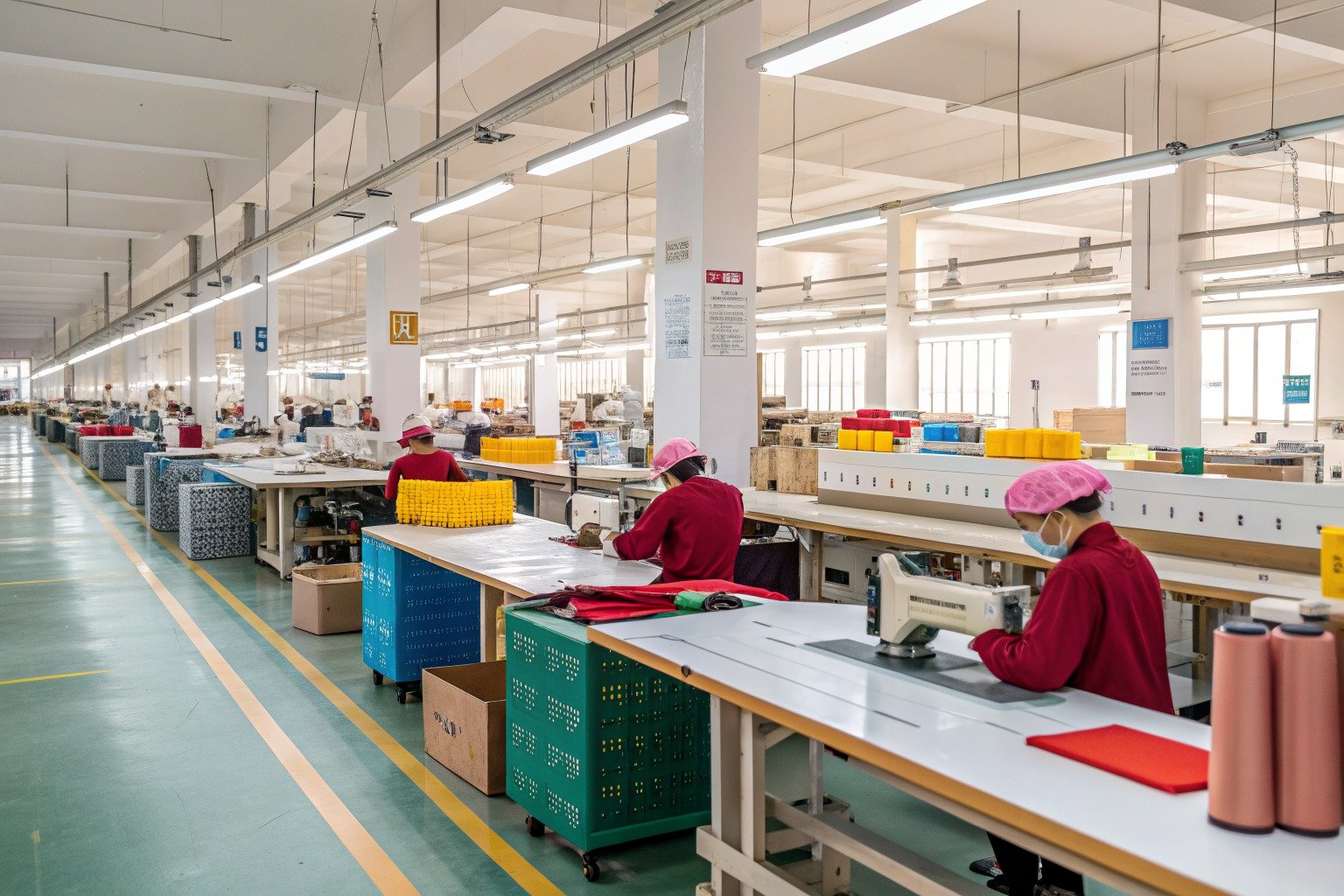
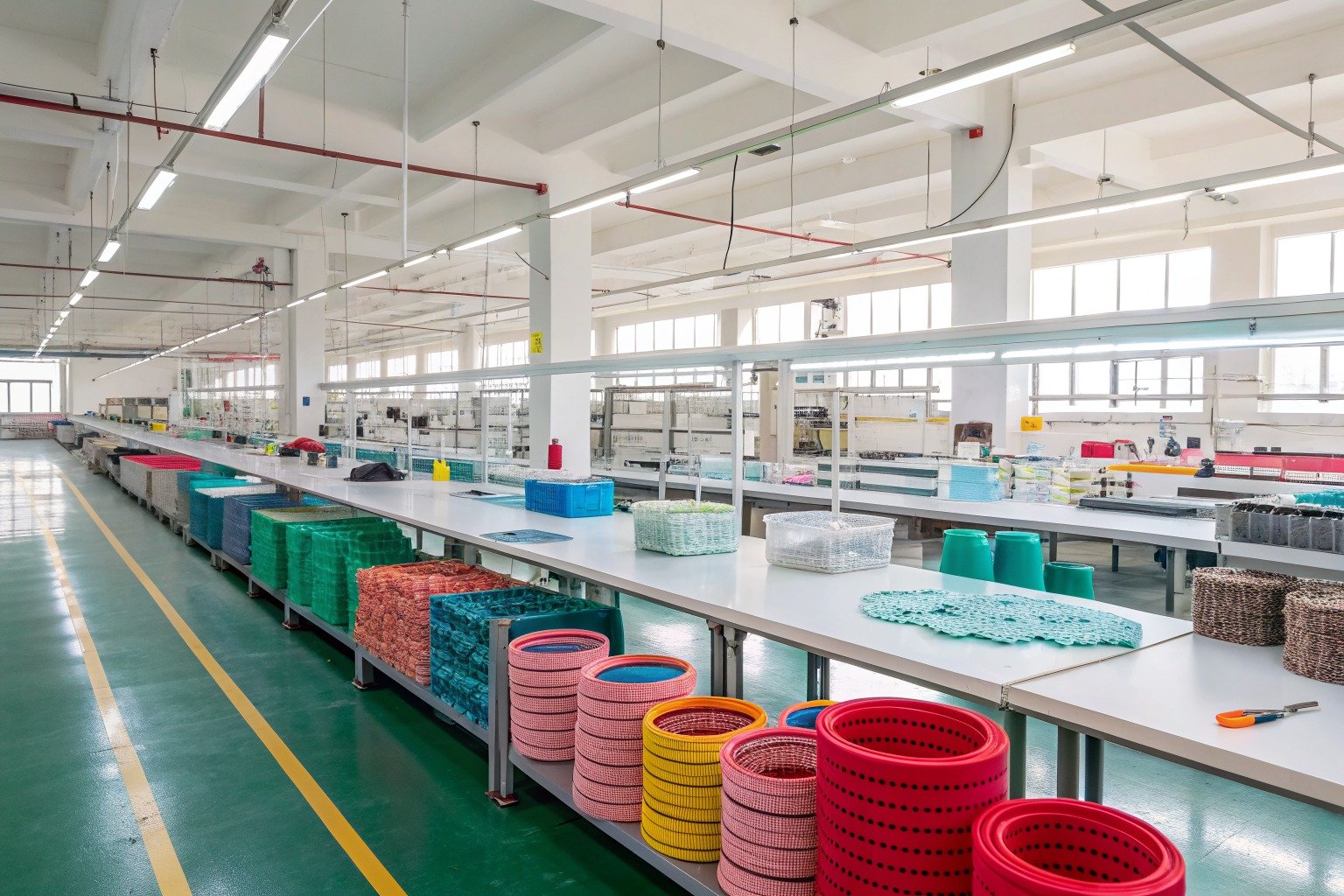
Yes, our factory produces both solid color and colorblock baseball caps within a single, consolidated production order. We achieve this through a flexible production system that combines centralized fabric dyeing with modular sewing lines. The fabric for both solid and colorblock caps is dyed in the same dye lots, ensuring perfect color consistency across the entire collection. The solid color caps are cut and sewn on dedicated high-efficiency lines that are optimized for single-color production. The colorblock caps are cut and sewn on flexible lines that can handle the multi-panel, multi-color construction. Because both styles share the same dye lots, the same thread colors, the same visor materials, and the same closures, the entire order is coordinated under a single production schedule. The minimum order quantity for a consolidated order is 300 pieces per style per color, with a combined total order of at least 1,200 pieces. The production lead time is 30 to 45 days for standard orders. The result is a unified collection where the solid cap and the colorblock cap in, for example, sage green, share the exact same shade of green, the exact same fabric weight, and the exact same finishing quality.
The baseball cap is the most iconic headwear silhouette in the world. It is a staple of sports, streetwear, fashion, and promotional merchandise. The solid color cap is the foundation of any cap collection. The colorblock cap is the evolution, the design-driven variation that adds visual interest and brand identity. The ability to produce both styles in one factory is a supply chain optimization that delivers cost savings, color consistency, and logistical simplicity. At AceAccessory, we produce baseball caps for sports brands, fashion labels, and corporate promotional programs. Our factory is organized to handle both solid and multi-color cap production efficiently. Let me walk you through how we make it work.
What Are the Production Differences Between Solid and Colorblock Caps
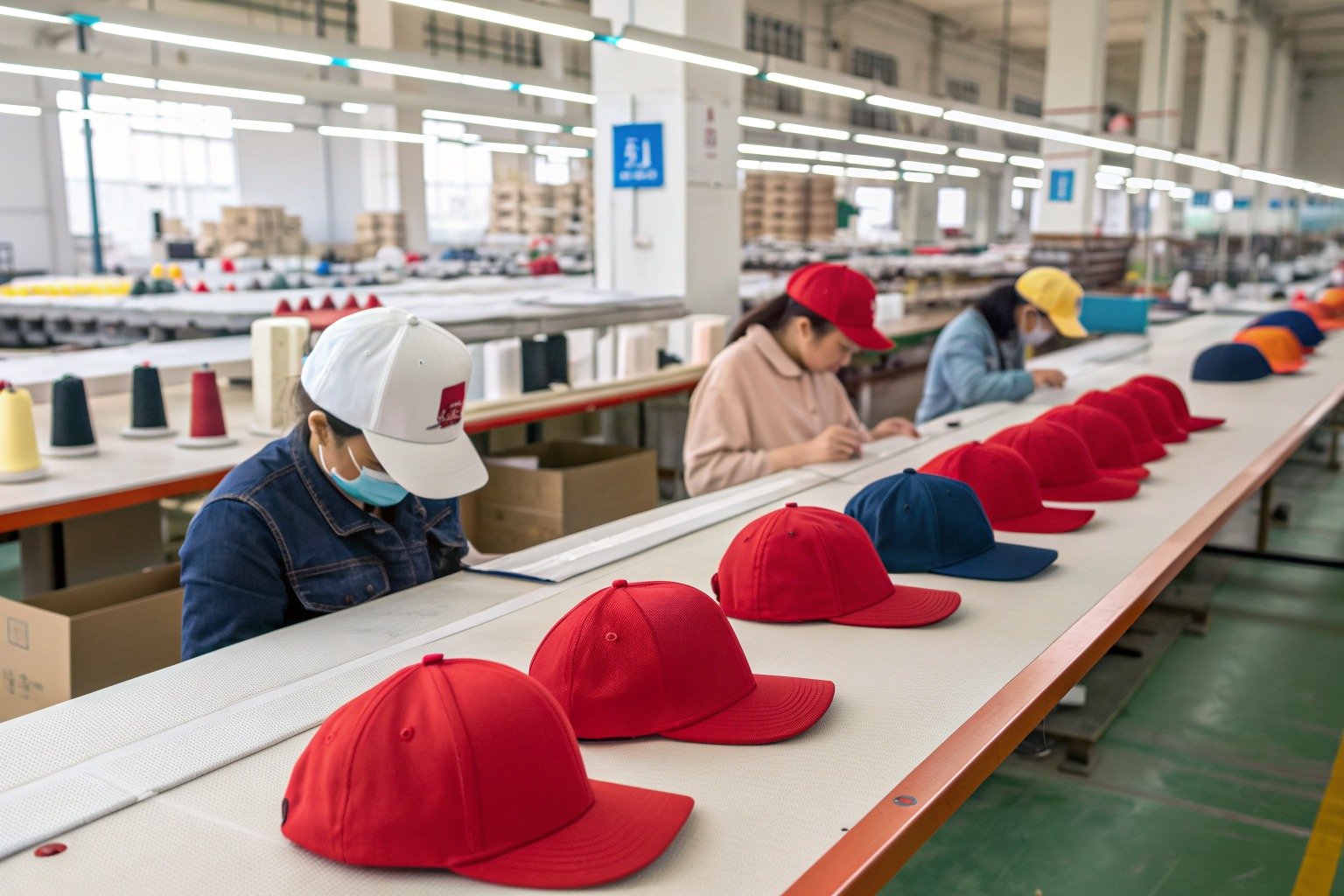
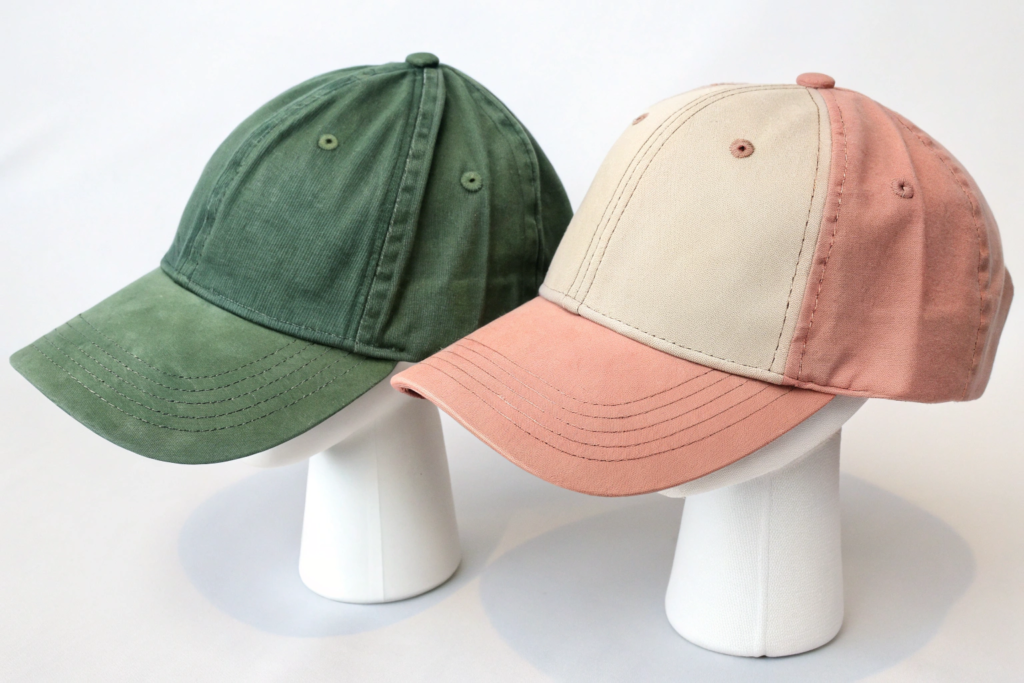
The solid color baseball cap and the colorblock baseball cap are variations on the same fundamental design, a six-panel crown, a curved visor, a sweatband, and a closure. The difference lies in the fabric color of the individual panels. A solid cap uses a single color of fabric for all six panels, the visor, and the top button. A colorblock cap uses two or more colors, with specific panels cut from different colored fabrics according to a defined pattern. The colorblock design can be simple, two colors, or complex, with each of the six panels in a different color, the visor in a seventh color, and the button in an eighth. The production difference is primarily in the cutting and the sewing. The solid cap is simpler to cut and sew because all the panels are the same color. The colorblock cap requires more careful material management, more complex cutting, and more attentive sewing.
The production differences between solid and colorblock baseball caps are in the fabric inventory management, the cutting process, and the sewing line setup. For a solid cap, the fabric is a single color. The cutting table is laid up with multiple plies of the same fabric. The panels are cut in a single operation. The cut panels are bundled and sent to the sewing line. The sewing operator works with a single thread color and does not need to change threads or refer to a panel map. For a colorblock cap, the fabric inventory is more complex. Each color in the colorblock design is a separate fabric roll that must be stored, tracked, and issued to the cutting table. The cutting process is more intricate. The pattern for each color is a subset of the full cap pattern. The cream fabric is laid up, and only the panels that are specified to be cream are cut from it. The sage fabric is laid up, and the sage panels are cut. The dusty rose fabric is laid up, and the dusty rose panels are cut. The cut panels from the different colors are then sorted and bundled into complete cap sets. A single cap set contains the correct panels in the correct colors. The sewing process is more demanding. The operator must follow a panel map that specifies which color goes where. The thread color may need to be changed for different seams, if the thread is to match the fabric. The operator must ensure that the correct panels are sewn together in the correct sequence. The colorblock cap requires more skill and more attention to detail from the sewing operator.
Despite these differences, both styles can be produced efficiently in the same factory. The key is a well-organized production system that manages the flow of materials and the assignment of work orders. Let me detail the two most important production considerations.
How Is Fabric Cut Differently for Colorblock Caps?
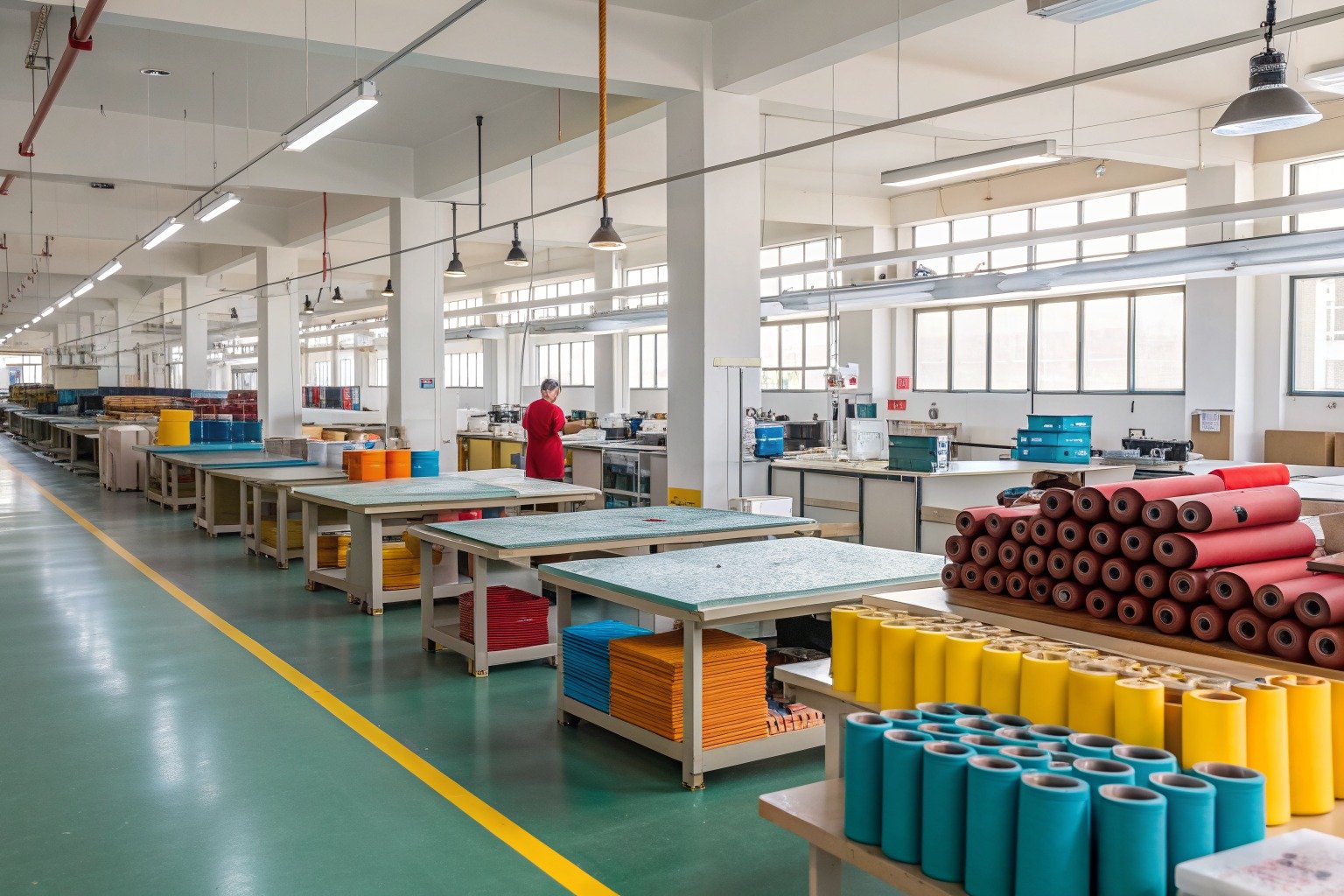
The cutting process for colorblock caps is a exercise in precision and organization. For a solid color cap, the cutting is straightforward. The fabric, a single color, is spread on the cutting table in multiple layers. The cap pattern, which includes all six crown panels, the visor pieces, and the button cover, is laid out on the top layer. The cutter uses a rotary knife or a band knife to cut through all the layers simultaneously. The cut panels are bundled and sent to the sewing line. The entire process takes minutes per spread. For a colorblock cap, the cutting is done by color. Each color fabric is spread and cut separately, using only the pattern pieces that correspond to that color. If the colorblock design uses three colors, there are three separate cutting operations. The cream fabric is spread on the table. The pattern pieces for the cream panels, perhaps the front two crown panels and the top button cover, are laid out. The cutter cuts only those pieces. The cream panels are bundled and labeled. The sage fabric is spread. The pattern pieces for the sage panels, perhaps the side panels and the visor, are laid out and cut. The sage panels are bundled and labeled. The dusty rose fabric is spread, the dusty rose panels are cut, bundled, and labeled. The cutting supervisor then collates the bundles. For each cap, a complete set of panels is assembled. The set includes two cream crown panels, two sage crown panels, two dusty rose crown panels, a sage visor, and a cream button cover. The set is placed in a bag or tied with a bundle ticket. The bundle ticket identifies the cap style, the colorway, and the size. This set is sent to the sewing line. The cutting process for colorblock caps takes longer and consumes more fabric than for solid caps. The fabric utilization is lower because each color is cut from a separate spread, and the pattern pieces for each color do not nest together as efficiently as a single-color layout. The fabric waste is higher, which is reflected in the slightly higher cost of colorblock caps.
Can the Same Thread Colors Be Used Across Both Styles?
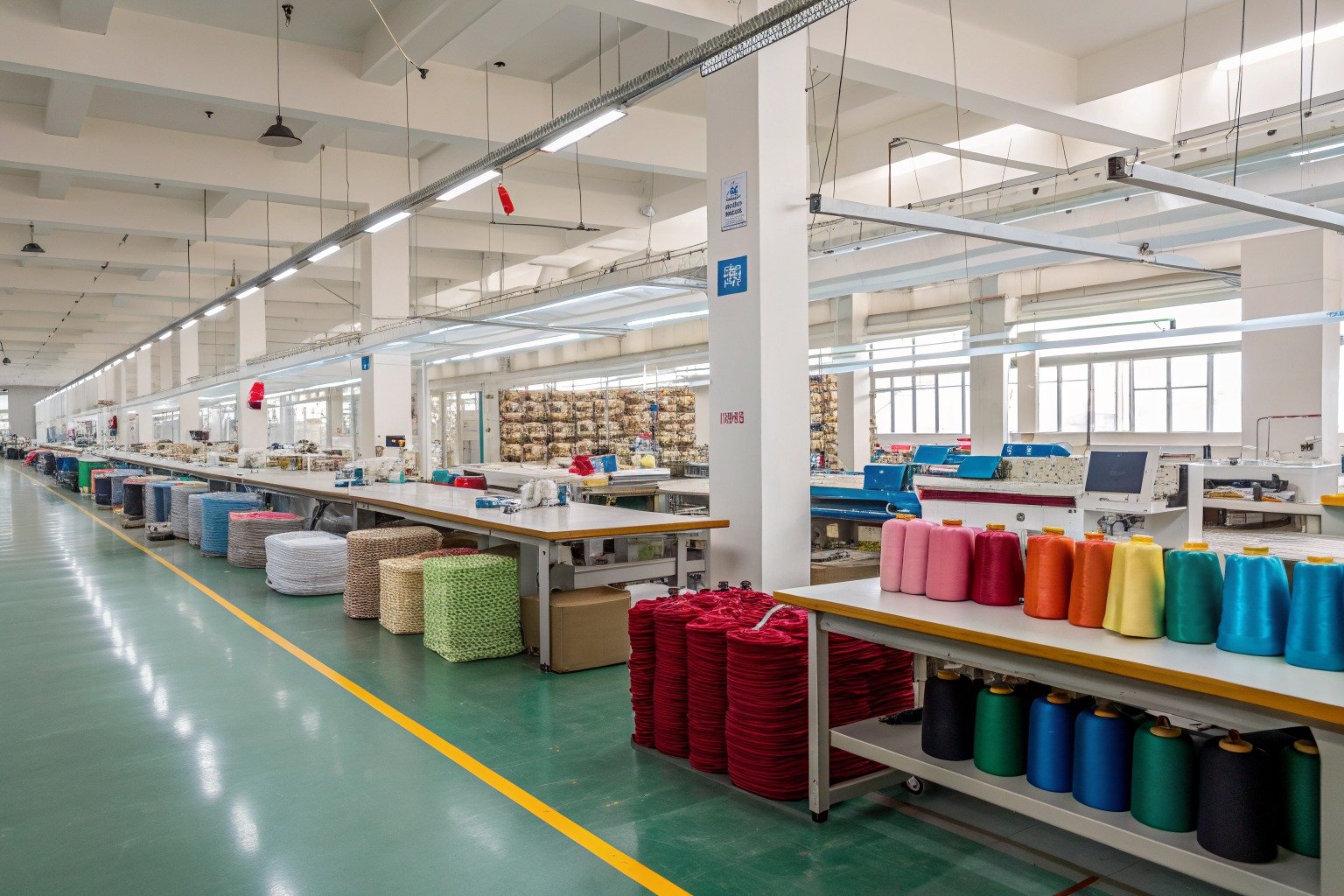
Yes, and using the same thread colors across both solid and colorblock caps is essential for production efficiency and quality consistency. The thread is a small but critical detail. The stitching on a baseball cap is visible. The topstitching on the visor, the seam lines on the crown, and the closure attachment are all part of the cap’s aesthetic. The thread color must match or complement the fabric color. For a solid cap, the thread color is typically a close match to the fabric color. A sage green cap is sewn with sage green thread. For a colorblock cap, the thread color decision is more complex. If the cap has panels in cream, sage, and dusty rose, one of those colors must be chosen for the thread, or a neutral color like white or tonal grey must be used. The most common approach is to use a thread color that matches the visor, because the visor topstitching is the most prominent seam on the cap. The crown seams are less visible, and a thread that blends with one of the panel colors is usually acceptable. Alternatively, a contrasting thread color can be used deliberately as a design element, creating a visible stitch line that adds a sporty or utilitarian aesthetic. By standardizing the thread color across the solid and colorblock caps, the sewing line can run more efficiently. The operator does not need to change the thread on the machine when switching between styles. The thread inventory is simplified. The purchasing department can buy larger quantities of fewer thread colors, which reduces cost. The thread color is specified in the tech pack for each cap style and colorway. The specification should include the thread brand, the color code, and the ticket number, thickness. We maintain a thread color library that matches our fabric color palette, ensuring consistent thread selection across all production orders.
How Are Solid and Colorblock Caps Coordinated in One Order
Coordinating the production of solid and colorblock caps in a single factory requires a unified production planning system that treats the two styles as components of a single order. The production schedule must account for the different material flows, the different cutting requirements, and the different sewing line configurations. The goal is to complete both styles at the same time, so they can be packed together and shipped as a single delivery. This coordination is managed through a shared dye lot, a consolidated cutting schedule, and parallel sewing lines.
Coordinating solid and colorblock caps in one order is achieved through a shared dye lot system and synchronized production scheduling. The foundation is the shared dye lot. All the fabric for the order, for both solid and colorblock caps, is dyed in the same batch. The cream fabric for the solid caps and the cream fabric for the colorblock caps come from the same dye lot. The sage and dusty rose fabrics are similarly unified. This guarantees perfect color matching across styles. The production schedule is built around the shared dye lot. The fabric is received, inspected, and released for cutting. The cutting department receives a consolidated cutting order that lists all the panels needed for both solid and colorblock caps, organized by color. The solid color panels are cut first, in large, efficient batches. The colorblock panels are cut next, by color, and assembled into cap sets. The cut panels for both styles are released to the sewing department simultaneously. The sewing lines are configured in parallel. One line is set up for solid color caps. The operators on this line work with a single fabric color and a single thread color. The workflow is streamlined and fast. Another line is set up for colorblock caps. The operators on this line are more experienced and are comfortable working with the panel maps and the multi-color construction. Both lines run simultaneously. The output from both lines feeds into a single finishing and packing station. The finished caps from both styles are inspected, folded, and packed according to the client’s packing instructions. They are packed into shared cartons and shipped as a single delivery.
The parallel production system requires careful planning, but it delivers significant benefits. The unified dye lot ensures color consistency. The parallel lines allow both styles to be produced within the same lead time. The consolidated shipment simplifies logistics and reduces shipping costs. Let me detail the two most important coordination elements.
How Do You Ensure Color Consistency Across Solid and Colorblock Styles?
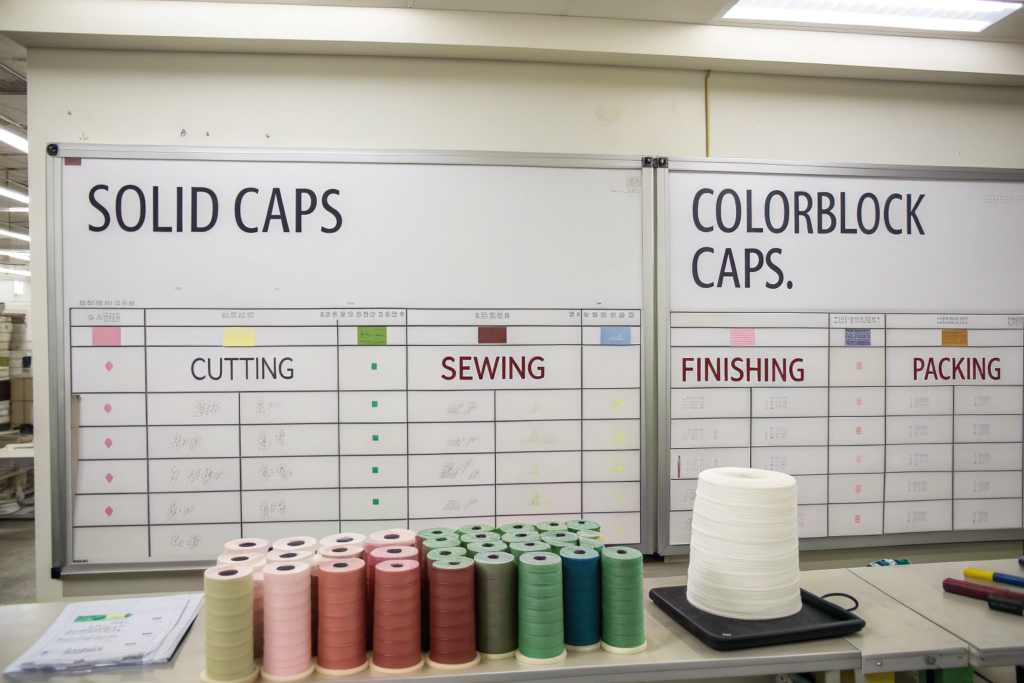
Color consistency across solid and colorblock caps is achieved through rigorous dye lot management. The principle is simple. All fabric that is supposed to be the same color must come from the same dye lot. A dye lot is a single batch of fabric that was dyed together in one dye bath. Every yard of fabric in that batch received the same dye formulation, the same temperature, and the same processing time. The color is chemically identical. The process for ensuring color consistency begins with the order placement. The total fabric requirement for the entire order, solid caps plus colorblock caps, is calculated for each color. The fabric order for each color is placed as a single purchase order, specifying that all fabric must come from one dye lot. The fabric supplier dyes the entire quantity in one batch. The fabric is delivered to our factory with a dye lot certificate. The fabric is inspected upon receipt. A sample from each roll is compared to the approved color standard under a D65 daylight lamp. The spectrophotometer measures the color and confirms that the Delta E, the color difference, is within the acceptable tolerance, typically less than 1.0. The fabric for solid caps and the fabric for colorblock caps are from the same roll or from different rolls of the same dye lot. They are stored together, labeled with the dye lot number. When the fabric is issued to the cutting department, the dye lot number is recorded on the work order. The cut panels for solid caps and colorblock caps are traceable to the same dye lot. The finished caps are inspected side by side under the daylight lamp. The solid sage cap and the colorblock cap with sage panels are visually compared. The color must be identical. The dye lot traceability is maintained throughout production and is documented in the QC report. This system guarantees that the solid cap and the colorblock cap are the exact same shade.
Can Both Styles Be Packed Together for Retail Display?
Yes, packing both solid and colorblock caps together is the final step in the consolidated order, and it is a critical one for retail-ready delivery. The packing configuration depends on the client’s retail strategy. The most common configuration is to pack the caps in pre-assorted cartons. The client specifies the assortment ratio. For example, a carton might contain 12 solid sage caps, 6 solid cream caps, 6 solid dusty rose caps, and 6 colorblock caps. The carton is labeled with the contents and the quantity. The retailer receives the carton and can immediately stock the shelves with the full color assortment. This is the most efficient configuration for retail distribution. The pre-assorted carton is packed at our factory. The packing team follows a packing slip that specifies the exact contents of each carton. The caps are folded and placed in the carton, with the solid caps and colorblock caps interleaved or separated by a divider. Another configuration is to pack each style separately. All the solid sage caps are packed in one carton, all the solid cream caps in another, and all the colorblock caps in a third. This configuration is used when the client’s distribution center prefers to sort and allocate the caps themselves. A third configuration is to include retail-ready packaging. Each cap, whether solid or colorblock, is individually packaged in a polybag with a branded header card, or in a custom-printed box. The individually packaged caps are then packed into the master carton. The retail-ready packaging is consistent across styles. The header card design, the box design, and the hangtag design are the same for the solid caps and the colorblock caps. The unified packaging reinforces the collection cohesion. The packing process is inspected by our QC team. The inspector checks that the correct assortment ratio is being packed, that the caps are correctly folded and not crushed, and that the carton labeling is accurate.
What Minimum Order Quantities Apply to Combined Orders
The minimum order quantity for a combined solid and colorblock baseball cap order is determined by the fabric dyeing minimums and the production efficiency of the cutting and sewing lines. The MOQ is not a single number. It is a structure that allows for color and style variety within a total order volume. The MOQ is designed to make the consolidated order model accessible to mid-sized and large brands while ensuring that the production economics are viable.
The minimum order quantities for a combined solid and colorblock baseball cap order are structured to allow for style and color variety. The per-style, per-color MOQ is 300 pieces. This means that for each color within each style, the minimum order is 300 caps. For example, a solid sage cap requires a minimum of 300 pieces. A colorblock cap in the sage-cream-rose colorway requires a minimum of 300 pieces. The combined order total must be at least 1,200 pieces. This total can be distributed across styles and colors. A typical order might be 600 solid caps, 300 in sage, 200 in cream, and 100 in dusty rose, and 600 colorblock caps, 300 in one colorway and 300 in another. The MOQ per color is driven by the fabric dyeing minimum. The dyehouse requires a minimum weight of fabric per color to run a dye lot, typically 30 to 50 kilograms. Three hundred caps consume approximately this amount of fabric, depending on the cap size and the fabric weight. The combined order total of 1,200 pieces ensures that the production run is large enough to be scheduled efficiently. The setup costs for the cutting tables and the sewing lines are amortized over a reasonable volume. The MOQ applies to each colorway separately. A colorway is a specific combination of panel colors. If the brand wants three different colorways of the colorblock cap, each colorway must meet the 300-piece MOQ. The MOQ can be met by combining multiple sizes within the same color and style. If the cap is offered in two sizes, the 300-piece MOQ can be 150 pieces of each size.
The MOQ structure is a balance between the brand’s need for variety and the factory’s need for production efficiency. A brand that wants a wide range of colors and colorways must be prepared to meet the MOQ for each. A brand that wants a smaller, more focused collection can meet the combined total with fewer variations. Let me detail the two most important MOQ considerations.
How Do Color Variations Affect the Minimum Order Quantity?
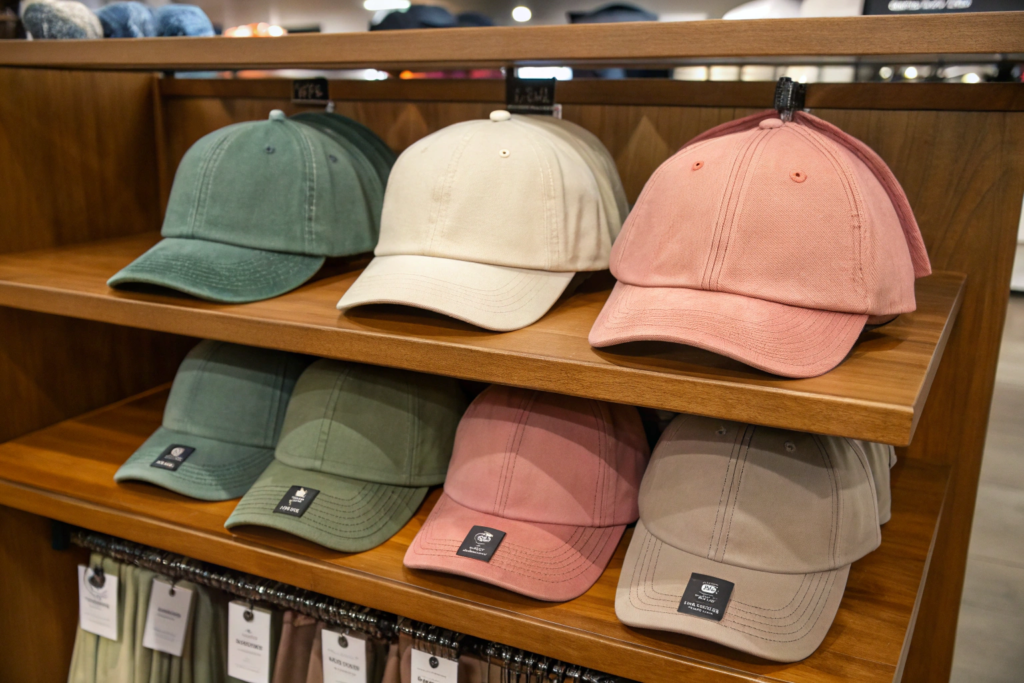
Each color in the collection is a separate dye lot and carries its own MOQ. The MOQ is driven by the fabric dyeing process. The dyehouse has a minimum batch size. If the order for a particular color does not meet the minimum fabric weight, the dyehouse will either refuse the order or charge a significant surcharge. The minimum fabric weight is typically 30 to 50 kilograms per color. For a standard baseball cap, the fabric consumption is approximately 0.15 to 0.20 kilograms per cap, including cutting waste. A minimum batch of 30 kilograms therefore yields approximately 150 to 200 caps. The 300-piece MOQ provides a buffer above this minimum, ensuring that the dye lot is viable and that there is enough fabric to cover any defects or re-cuts. A brand that wants a custom Pantone-matched color that is not in our stock palette will need to meet the custom dye MOQ, which is typically higher, 500 to 1,000 pieces per color, because the dyehouse must set up a new color formulation. The MOQ per color is the same for solid caps and colorblock caps. If the color sage is used in both the solid cap and the colorblock cap, the combined fabric consumption counts toward the MOQ. The 300-piece sage solid cap and the 300-piece colorblock cap that uses sage panels together consume enough sage fabric to meet the MOQ. If the colorblock cap uses sage as a small accent panel, the fabric consumption for that color may be low, and it may need to be combined with the solid cap order to meet the MOQ. The color MOQ is a planning constraint that the brand and the factory must work through together.
Can You Mix Different Cap Styles Within the Same Color MOQ?
Yes, mixing different cap styles within the same color MOQ is the fundamental concept that makes the consolidated order model work. The MOQ is per color, not per style. As long as the total fabric consumption for a given color, across all the styles that use that color, meets the dyehouse minimum, the MOQ is satisfied. This allows the brand to distribute the color across solid caps, colorblock caps, and even different cap silhouettes, such as a dad cap and a high-profile cap, within the same order. The combined fabric consumption for that color is the sum of the fabric used for the solid caps, plus the fabric used for the colorblock caps, plus the fabric used for any other styles that use that color. The dye lot is a single batch. The fabric is dyed all at once. The fabric is then allocated to the different styles according to the cutting plan. The traceability is maintained through the dye lot number. The color consistency is guaranteed because all the fabric came from the same batch. The ability to mix styles within the color MOQ is a powerful tool for the brand. It allows the brand to offer a coordinated collection without having to order massive quantities of each individual style. The 300-piece solid sage cap and the 300-piece colorblock cap that uses sage are both achievable within the same MOQ framework. The mixing of styles within the color MOQ is managed through the production planning system. The cutting orders are consolidated by color. The sewing lines are scheduled to process the different styles in parallel. The packing team assembles the final assortment.
Conclusion
Producing both solid color and colorblock baseball caps in a single, consolidated order is a supply chain strategy that delivers tangible benefits in color consistency, logistics efficiency, and brand cohesion. The solid cap, the foundation of any cap collection, and the colorblock cap, the design-driven statement piece, share the same materials, the same dye lots, and the same quality standards. When produced under one roof, they are a unified collection, not a patchwork of pieces sourced from different factories with different color standards. We have explored the production differences between the two styles, the more complex cutting and sewing required for colorblock construction. We have examined how the two styles are coordinated through a shared dye lot system, parallel sewing lines, and consolidated packing. We have detailed the MOQ structure that makes the consolidated order model accessible, with per-color minimums that can be shared across styles. The result is a collection that looks and feels cohesive, that arrives in a single shipment, and that is ready for retail display.
At AceAccessory, we produce baseball caps for brands that demand quality, consistency, and reliability. Our dye lot management system, our flexible cutting and sewing lines, and our production planning expertise enable us to handle both solid and colorblock cap production efficiently. We understand the importance of color consistency across a collection. A sage green cap must be the same sage green, whether it is a solid cap or a colorblock panel. We deliver that consistency.
If you are developing a baseball cap collection that includes both solid and colorblock styles, and you want the simplicity and the assurance of a single manufacturing partner, I invite you to contact us. Reach out to our Business Director, Elaine, at elaine@fumaoclothing.com. Tell her about your collection, your color palette, your style mix, and your quantities. She can provide fabric swatches, discuss MOQ options, and provide a quotation for a consolidated production order. Let us simplify your supply chain and unify your cap collection.