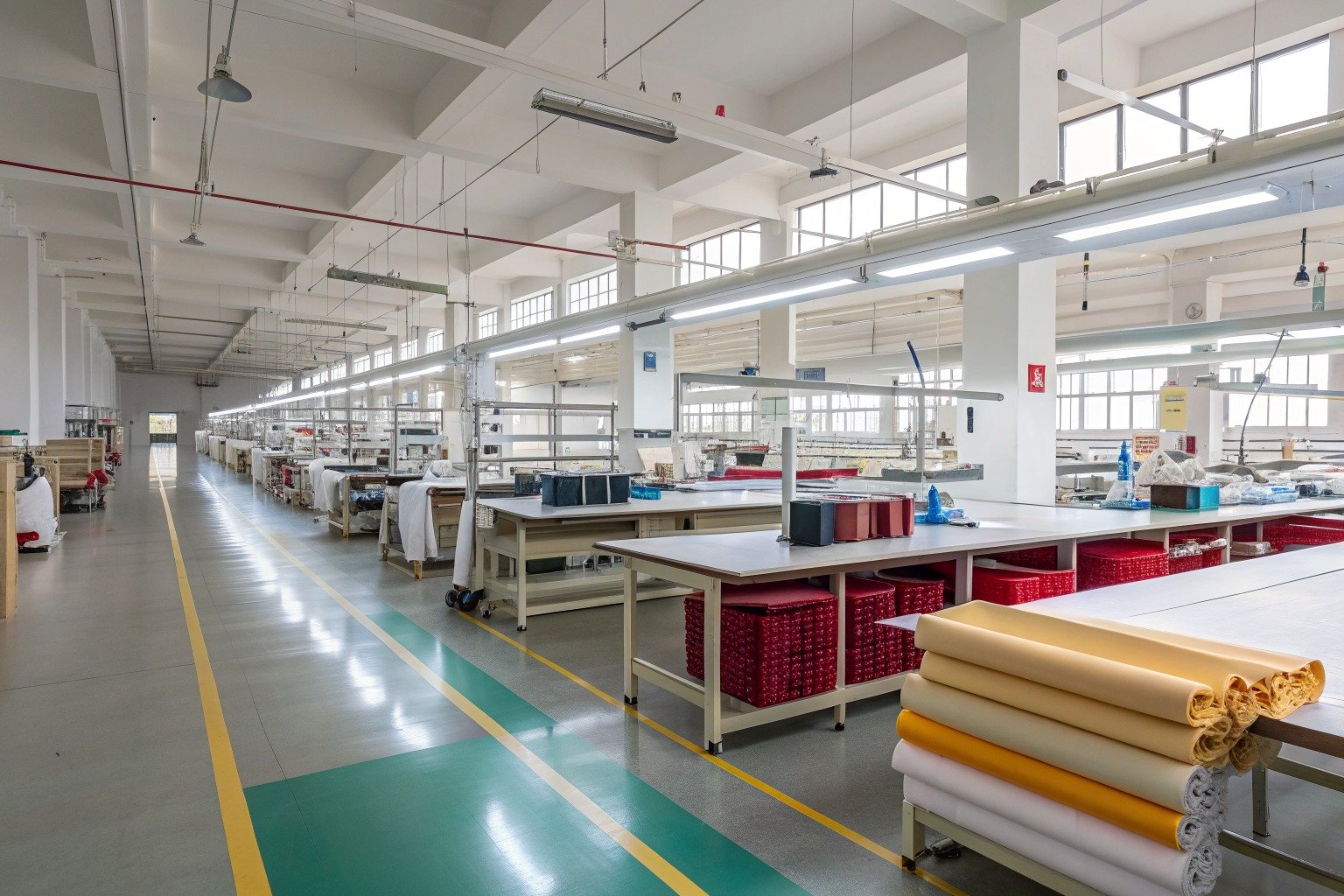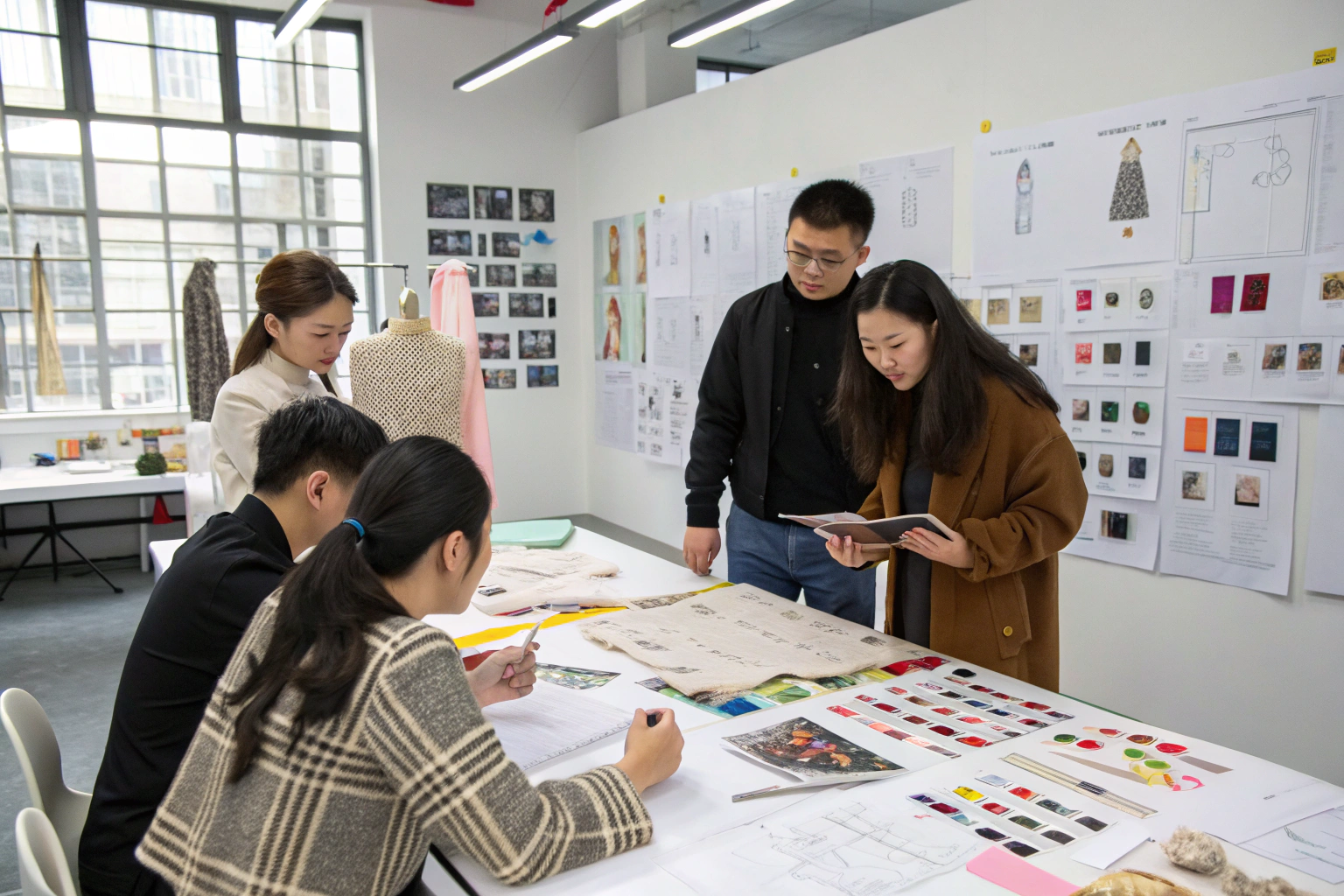
A brand manager from a fast-fashion chain once sat in our design room and watched our team for an hour. She was silent. Then she turned to me and said, "I have a team of five designers in London, and they struggle to deliver fifteen solid styles a month. How are you doing fifty?" She was not doubting us. She was genuinely trying to understand the engine she was watching. I told her the truth. It is not about talent alone. It is about a system that turns creative work into a disciplined, repeatable process.
Our design team creates 50 new hair accessory styles per month by operating on a structured three-stream system: trend-driven original design, client-directed custom development, and rapid material-led innovation. We combine a dedicated team of eight in-house designers with direct access to our sample room, mold shop, and material library, which compresses the time from sketch to physical sample to under 48 hours.
Speed in design is useless without commercial relevance. Every style we create must be producible, cost-effective, and on-trend. Let me show you exactly how we structure this creative output so you understand the machinery behind the magic.
What Is the Structured Process Behind High-Volume Style Creation?
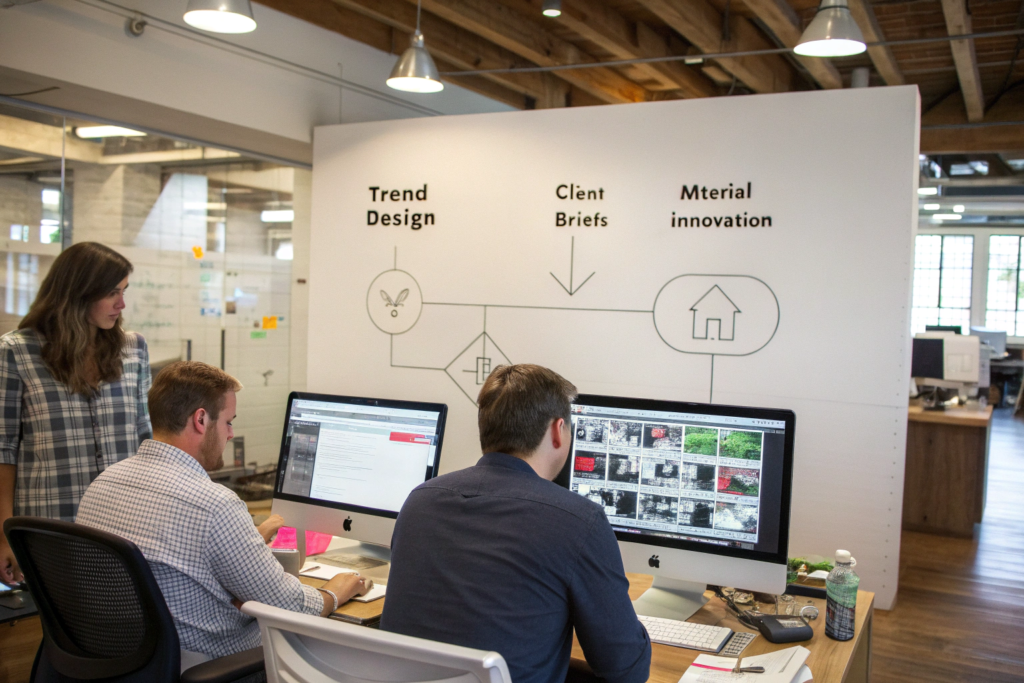
Fifty styles a month sounds impossible if you imagine one designer sketching ideas in isolation until inspiration strikes. That is not how we work. We run three parallel design streams, each with its own trigger, timeline, and output target. Together, they produce a steady flow of new styles without burning out the team or sacrificing quality.
The system is designed to remove creative bottlenecks. No single person holds up a style. Multiple designers can pull from shared resources, and our sample room can produce prototypes for all three streams simultaneously. This parallel processing is the core of our speed.
How Does the Trend-Driven Original Design Stream Operate?
Our trend stream is proactive. Two senior designers on our team focus exclusively on forward-looking trend research. They analyze runway reports, street style photography from major cities, and social media trend data. They also subscribe to professional forecasting services like WGSN to get color and material predictions twelve to eighteen months out.
Each month, this team produces a batch of twenty to twenty-five fully original designs. These are not copies of existing products. They are new silhouettes, new material combinations, and new embellishment concepts. We present these collections to our existing clients as proactive design suggestions. Many brands simply choose from our monthly collection rather than sending their own briefs. This is valuable for trend forecasting in fashion because it keeps our factory’s output aligned with where the market is heading, not where it has been.
How Does Client-Directed Custom Development Work Alongside?
While the trend team pushes forward, another group of designers works exclusively on client briefs. A brand sends us a mood board, a few reference images, or even a competitor product they want to adapt. Our designers translate that into production-ready technical drawings within twenty-four hours.
The key to speed here is our digitized base pattern library. We have over 500 base patterns for common hair accessory constructions: snap clips, claw clips, headbands, scrunchies, and barrettes. When a client asks for a new claw clip design, our designer starts from an existing base pattern that matches the desired size and spring mechanism. She modifies the silhouette, adds surface details, and adjusts proportions. She does not design from a blank screen. This custom product development approach cuts concept time by more than half compared to starting from scratch every time.
How Does Material Innovation Drive Rapid Style Generation?
Sometimes the material tells us what to design, not the other way around. Our procurement team constantly sources new materials from suppliers across China and Asia. When an interesting new acetate, a unique printed fabric, or a novel metal finish arrives, our designers experiment with it immediately.
Material-led design is the fastest path to a fresh style. The material itself provides the novelty. The silhouette can be simple and proven. A classic snap clip silhouette in a groundbreaking material becomes a new style without needing a complex new mold.
Why Does Our In-House Material Library Enable Faster Turnarounds?
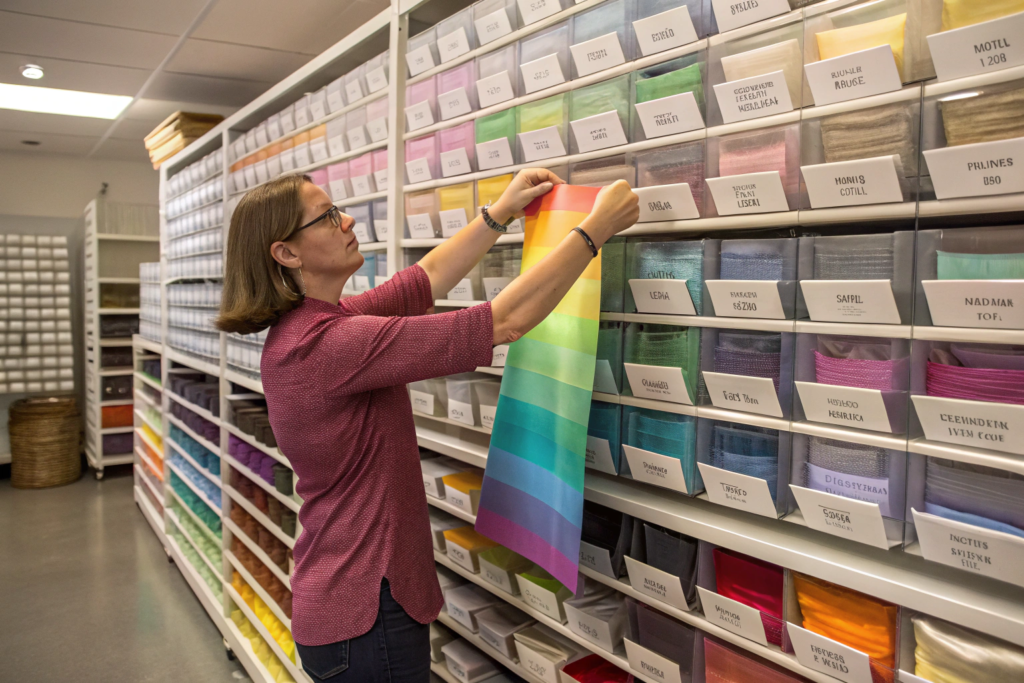
We maintain a physical library of over 2,000 active material SKUs in our design department. This includes acetate sheets in every pattern we can source, resin pellets in hundreds of colors, fabric swatches from dozens of mills, and metal trims in multiple finishes. When a client asks for a marble-effect hair claw, our designer walks to the material wall and pulls ten different marble acetate options in three minutes.
Compare this to a design team that sources materials only after a concept is approved. They must request samples from suppliers, wait for delivery, and then discover if the material works. That process takes a week minimum. Our material library eliminates that wait for most projects. Understanding the role of material sourcing in product design explains why access to physical materials, not just digital images, accelerates creative work dramatically.
How Do Supplier Partnerships Feed Our Innovation Pipeline?
Our long-standing relationships with acetate manufacturers, fabric mills, and resin compounders give us first access to new materials. Suppliers bring their latest developments to us before they show them to the general market because they know we will use them in volume.
Last quarter, an acetate supplier brought us a new bio-based acetate made from wood pulp and plant-based plasticizers. It was not even in commercial production yet. We created a ten-piece capsule collection using that material within two weeks. A European eco-conscious brand saw the samples and placed an immediate order. This supplier collaboration in manufacturing model ensures our design team always has fresh ingredients to work with.
What Role Does the Digital Design and Sample Room Play?
The distance between a sketch on paper and a sample in your hand is where most factories lose time. Our design room and sample room are physically connected. A designer can hand a technical drawing to a sample technician, discuss the construction details face-to-face, and get a first prototype back the same afternoon.
We invested heavily in our sample room because we know that a digital image on a screen cannot answer every question. Does the spring tension feel right? Does the acetate catch the light as expected? Does the headband grip without pinching? These questions can only be answered with a physical sample. The faster we can produce that sample, the faster we can iterate toward perfection.
How Does Our 3D CAD Modeling Software Improve Speed and Accuracy?
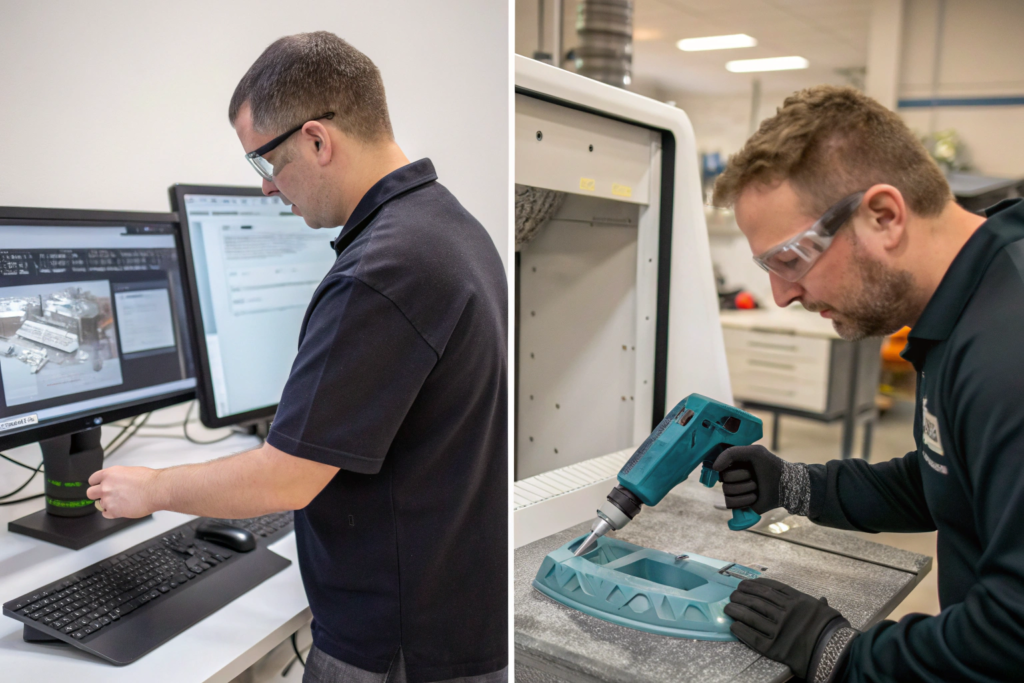
Every new style starts as a 3D model in professional CAD software like Rhino 3D or SolidWorks. This is not just for visualization. The 3D model feeds directly into our CNC machining centers for mold making and into our rendering software for client presentations.
A client can approve a photorealistic 3D rendering of a hair claw before a single piece of steel is cut. They see the exact proportions, surface finish, and color. If they want the claw 10% larger or the curve adjusted, the designer modifies the digital model in minutes, not days. Once approved, the same file guides the mold engineer. There is no translation error between design intent and tooling execution. This digital thread from CAD in product design to manufacturing is what enables our 48-hour sample turnaround for standard designs.
What Makes Our Sample Room Responsive Enough for Fifty Styles Monthly?
Our sample room operates like a miniature factory. It has small-scale injection molding machines for rapid prototyping, a vacuum casting setup for resin samples, sewing stations for fabric accessories, and a full finishing bench for painting, plating, and assembly. Two dedicated sample technicians work full-time just on new development prototypes.
When a new claw clip design is approved in CAD, the sample technician programs a small aluminum prototype mold. He can mold a handful of sample pieces within hours. These are not production-quality yet, but they validate the design, the ergonomics, and the aesthetic. Clients can hold a physical sample, wear it, and give feedback. Multiple rapid prototyping techniques in-house means we do not wait for external vendors to deliver samples. We control the clock.
How Does the Design Team Stay Aligned with Client Brand Identities?
Creating fifty styles means nothing if none of them fit your brand. A generic factory design team produces generic products. Our designers invest time in understanding each major client’s brand DNA, their target customer, their price architecture, and their competitive landscape.
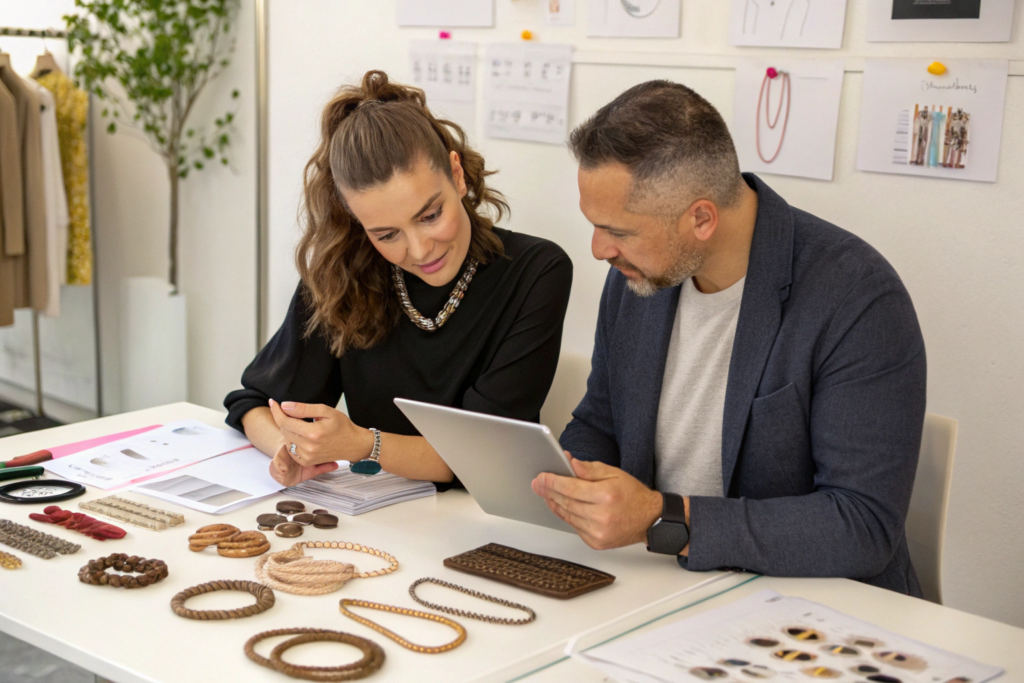
We keep a digital brand book for every long-term client. It includes their approved color palettes, their logo placement guidelines, their packaging standards, and notes on past styles that sold well or underperformed. When we design for them proactively, we design within their world, not ours.
How Do Client Brand Books Guide Proactive Design Submissions?
Before we present our monthly trend collection to a client, our project manager and lead designer review that client’s brand book together. They filter the trend-driven designs through the brand’s lens. A neon claw clip design might be perfect for a youth-oriented fast-fashion brand but completely wrong for a minimalist Scandinavian label. We only show what is relevant.
This curation step saves the client enormous time. They do not need to sift through fifty random designs to find three that match their aesthetic. We send them a pre-curated selection of ten to fifteen styles, each with a brief rationale for why it fits their brand. This brand-aligned product development approach makes our factory feel less like a vendor and more like an extension of their own design department.
Why Does Design Continuity Matter for Your Repeat Orders?
Your customers expect consistency. If your bestselling claw clip changes its spring strength or color saturation from batch to batch, you lose trust. Our design team maintains a technical specification archive for every style we have ever produced for a client. Reorders are not re-designed. They are re-produced to the exact original specifications.
Design continuity also applies to new styles that belong to an existing family. If you have a successful range of floral claw clips, a new addition to that family must feel like it belongs. Our designers reference the original family’s proportions, color palette, and level of detail to ensure a coherent shelf presentation. This attention to design consistency in manufacturing keeps your brand identity strong across multiple seasons and product generations.
Conclusion
Creating fifty new hair accessory styles every month is not a miracle. It is a machine. A machine powered by a structured three-stream design process, an extensive in-house material library, integrated 3D CAD and rapid prototyping capabilities, and a deep commitment to understanding each client’s brand identity. Our team of eight designers, supported by two dedicated sample technicians and a digital pattern library of over 500 base constructions, turns ideas into physical samples in under forty-eight hours.
What this means for you as a buyer is simple. You get a constant flow of fresh, on-brand options without having to hire and manage your own design team in a distant time zone. You can react to trends faster. You can refresh your assortment more frequently. You can test new materials with minimal upfront investment. And you can do all of this while knowing that every style you approve has already been validated for production feasibility by the same factory that will manufacture it.
If you want to see what fifty new styles a month looks like for your brand, I invite you to contact our Business Director Elaine at elaine@fumaoclothing.com. She can arrange a video walkthrough of our design studio, share our latest monthly collection deck, and discuss how our design team can support your specific product development calendar. Whether you need a full collection designed from your mood board or you simply want to select from our trend-driven offerings, our creative engine is ready to work for you.