Have you ever designed a beautiful custom print for a cooling towel, only to be told the factory will not make it unless you buy 5,000 pieces? I have watched small brands hit this wall and give up. They had a great idea. They had the customer demand. But the factory treated them like a nuisance. The problem is not the design. It is the production setup. Most factories are set up for massive, single-print runs. They do not want to stop the machines for a small order. This forces you to tie up your cash in inventory you might not sell.
AceAccessory is a professional manufacturer and exporter of accessories. The minimum order for custom printed cooling towels typically starts at 300 to 500 pieces per design, depending on the complexity of the print and the fabric base. We use a digital sublimation process that allows for lower minimums without expensive screen setup fees.
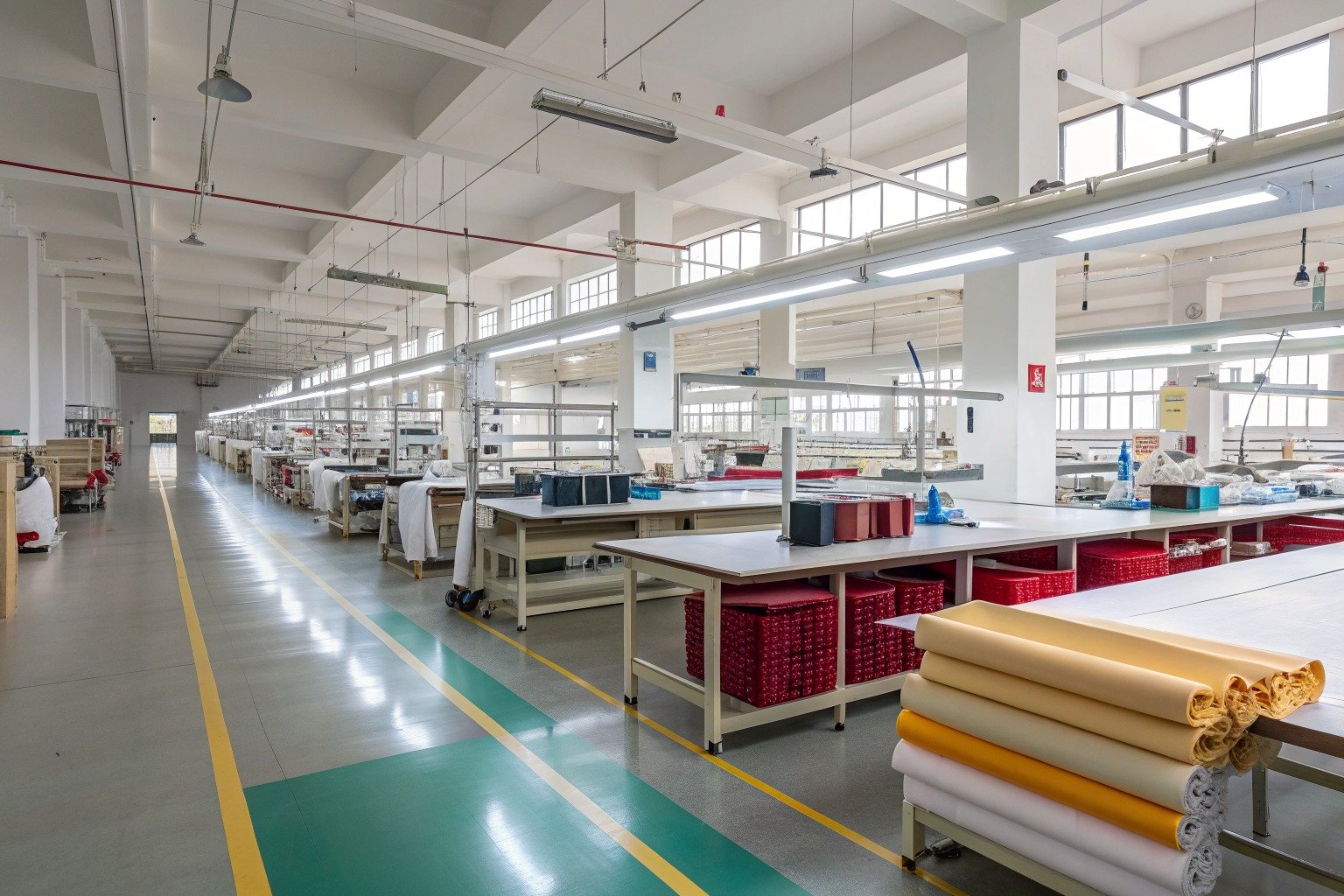
A cooling towel looks simple. It is a piece of hyper-evaporative fabric. But the printing process is where the risk lies. The print must survive the cold water soak. It must not bleed onto your skin. It must stay vibrant after months of sun exposure. As the owner of a factory in Zhejiang, I have invested in a digital print line specifically to serve small and medium brands. Let me explain exactly how the minimums work, what drives the cost, and how you can launch your own line without over-ordering.
Why Do Custom Towel Orders Have a Minimum Quantity?
The minimum exists because of the setup time. The machine must be calibrated. The ink must be mixed. The transfer paper must be printed and aligned. Whether you print one towel or one hundred, the setup time is identical. We need to cover that labor cost.
Cooling towels are made of microfiber. This is a blend of polyester and polyamide. It is thirsty. It is soft. But it is sensitive to heat. The sublimation process uses high heat and pressure to turn solid ink into a gas. That gas penetrates the polyester fibers and solidifies inside them. If the heat is too low, the print fades. If the heat is too high, the towel melts and becomes scratchy. Our press operators run a test cycle for every new design. They check the temperature profile. They check the pressure. This test wastes a few towels. We call this the "make-ready." The minimum quantity spreads this make-ready cost across enough units to keep the price per piece reasonable.
How Does Sublimation Printing Affect MOQ?
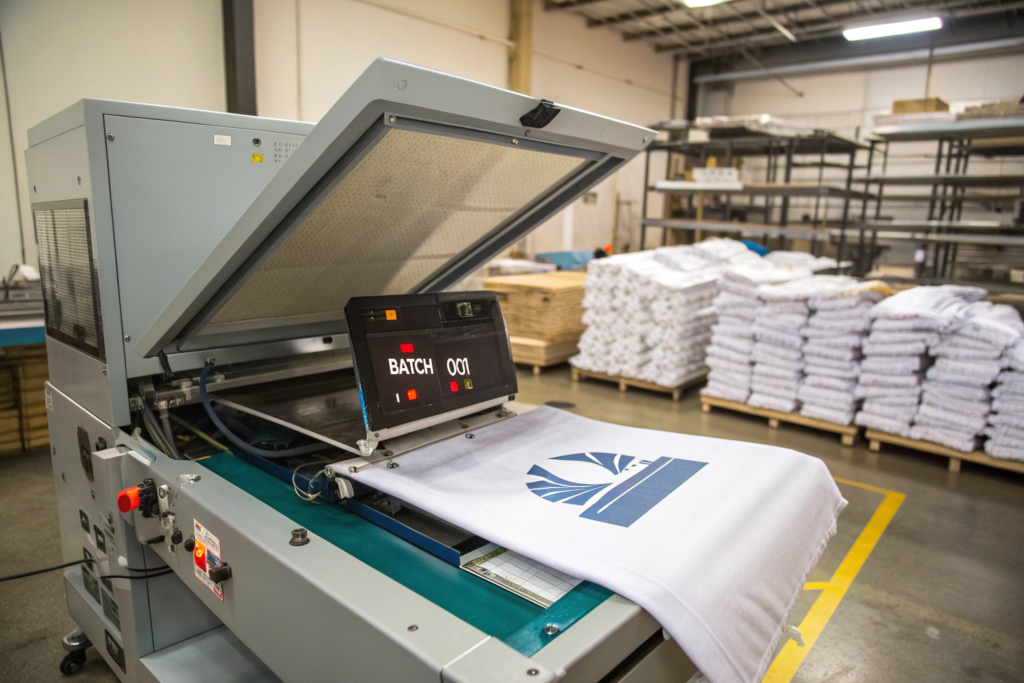
Sublimation is different from screen printing. Screen printing requires a physical mesh stencil. Making that stencil costs money. That cost demands a high MOQ, usually 1000 pieces or more, to be profitable.
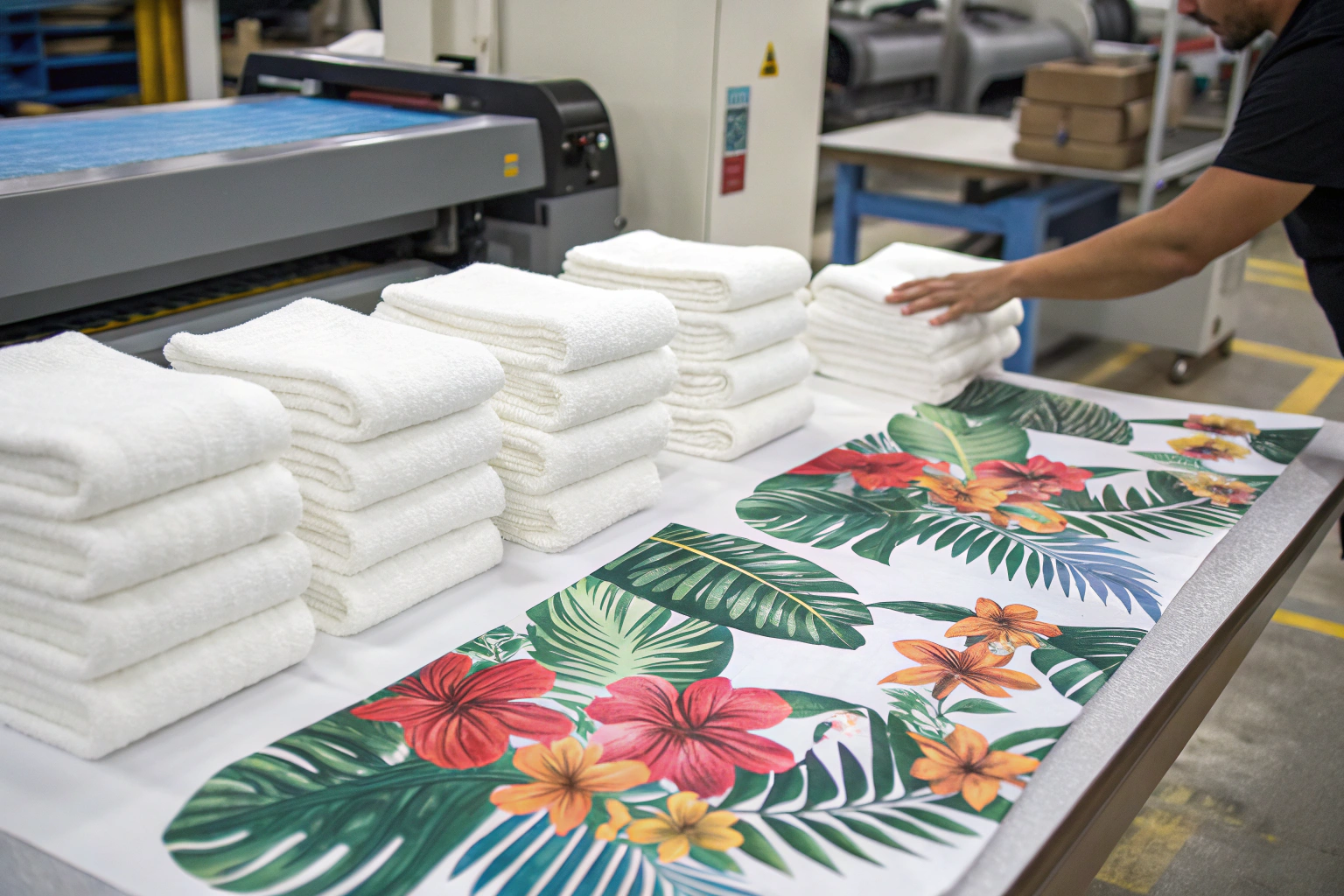
Digital sublimation has no stencil. We print the design onto paper using a large-format inkjet printer. We just press "print." This is why we can offer an MOQ as low as 300 pieces. The flexibility is in the paper printing. However, the ink is specialized. We use a CMYK profile specifically calibrated for our towel fabric. The colors look dull on the paper, but they explode into vibrancy under the heat. Setting up this color profile for a new brand takes an hour of color matching. We charge a small digitization fee for this. But the low digital textile printing MOQ opens the door for boutique fitness studios.
What Is the Difference Between MOQ and Economical Order Quantity?
MOQ is the absolute minimum we will produce. It is the survival point. But the price per piece at 300 units is higher than at 1,000 units.
We are transparent about this. At 300 pieces, you pay for the full setup labor. At 1,000 pieces, that labor is divided by a larger number. The unit price drops. We advise brands to order samples first. Test the towel. Test the print. Then order 300 pieces for a market test. If it sells well, re-order at 1,000 pieces to get a better margin. Do not bet your entire budget on a first order. This strategy protects your cash flow. It is the kind of consultative approach our project managers use with startups in the fitness accessory market.
What Are the Custom Print Options for Cooling Towels?
Customization goes beyond a logo in the corner. We offer three levels of print coverage. The first is "logo placement." This is a small, standard-sized logo repeated on one edge of the towel. This is the cheapest option. It uses minimal ink. The second is "repeat pattern." This is a seamless tile of your design across the whole towel. It looks like custom fabric. It is very popular for brands that sell the towel as a retail product.
The third option is "full bleed." The design covers the entire towel from edge to edge, with no white borders. This is the most premium look. It requires precise alignment. The edges of the towel must be printed without any unprinted white fringe. We use a vacuum table on our heat press to hold the towel perfectly flat. The paper is oversized. The ink goes past the edge of the fabric. This "bleed" ensures the design wraps the edge fully. The visual impact is huge. It makes the cooling towel look like a high-value fashion accessory, not a gym rag. The design team helps you choose the right format for your brand’s visual identity.
Can You Print Photographic Images on a Cooling Towel?
Yes, and this is where digital sublimation shines. The process prints millions of colors. It is a continuous tone. A photograph of a sunset or a pet’s face comes out looking sharp.
But there is a texture limitation. Microfiber is not glossy paper. It is a woven fabric. The fibers diffuse the image slightly. Very fine details, like small text or thin lines, can blur or "bleed" into the weave. We advise clients to avoid fonts smaller than 10 points. We also recommend a slight sharpening of the artwork before printing. We use a pre-press software that compensates for the fabric’s absorbency. The result is a photorealistic print that looks stunning in person.
How Do You Ensure the Print Does Not Fade After Washing?
Sublimation is permanent. The ink becomes part of the polyester fiber. It does not sit on top like a sticker. It cannot crack or peel. But it can fade if the fiber is degraded by chlorine or harsh detergents.
We use a high-colorfastness ink. It is rated for 50+ washes. We test it in our lab with a standard wash cycle at 40 degrees Celsius. We use an alkaline detergent. We measure the color difference with a spectrophotometer after 20 washes. The delta-E score, which is the measure of color change, must be under 1.5. That is invisible to the human eye. We also advise our clients to print a care instruction label on the towel. It says "No Bleach, No Fabric Softener." This simple step extends the life of the custom printed fabric.
Can You Combine Different Prints in One Order?
This is a common question from sports teams and event organizers. "I need 50 towels with ‘Coach’ printed, and 50 with ‘Player’ printed. Can you do that?" The answer is yes, with some structure.
We treat each design as a separate "run" inside the order. If your total quantity meets the MOQ per design, we can combine them. For example, you order 300 towels total. You split them into three designs of 100 pieces each. This works because we are printing digitally. We are not making a new screen. We just load a different digital file into the printer. The labor cost increases slightly because our workers have to change the paper and re-register the press. We charge a small "split-run" fee per extra design. This covers the operator’s time. But it is much cheaper than placing three separate orders. This flexibility is perfect for leagues, corporate wellness events, or a retail collection with multiple colorways.
What Is the Cost of a Split-Run Order?
A split run changes the efficiency. The machine runs continuously, but the operator’s focus shifts. The fee covers the cost of pausing the press, cleaning the platen, and aligning the new paper.
The economy of scale applies. If you order 300 pieces of one design, the unit cost is lowest. If you order 300 pieces with 3 designs, the unit cost increases by roughly 10-15%. If you split into 10 designs, the cost increase is higher. We map this out in a simple quote table. Our project managers show you the exact breakdown so you can decide if the variety is worth the slight premium. This level of transparency builds trust with event merchandise planners.
How Do You Package and Label Mixed Designs?
Logistics can become a nightmare with mixed designs. You open a box and have to sort through a rainbow of prints. We solve this with "pick-and-pack" ready packaging.
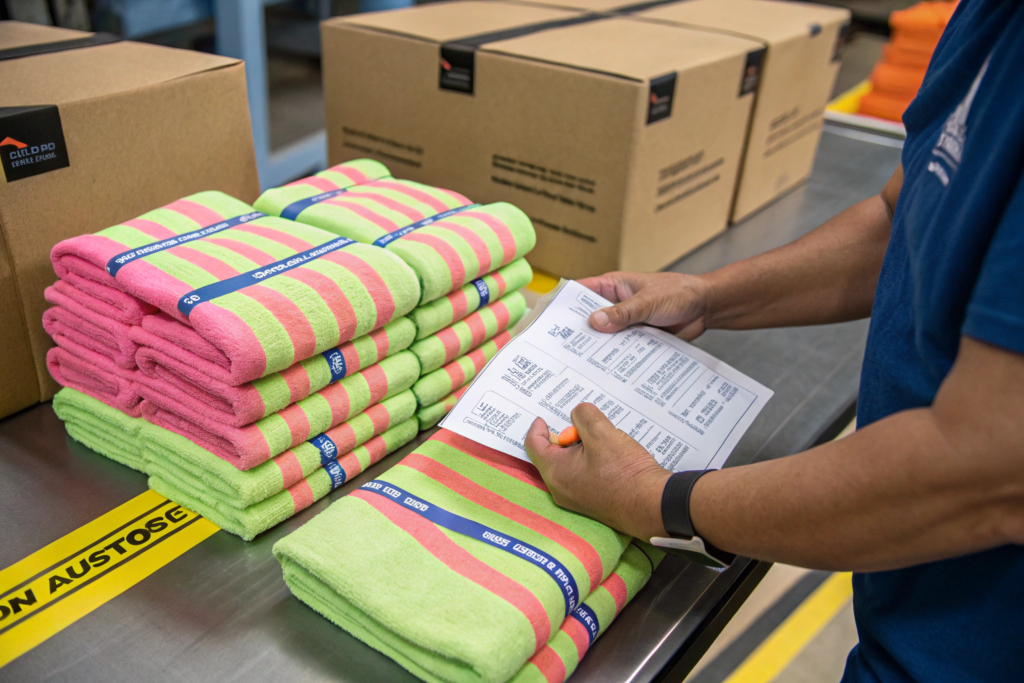
We polybag each design variation separately. We print a unique SKU barcode sticker on each polybag. The outer carton contains a packing list that maps the SKU to the design name. For example, SKU #001 is "Coach Blue." SKU #002 is "Player Red." You just scan the bag and hand it out. No sorting required. This pre-retail preparation is part of our high-quality service. It saves you hours of volunteer labor. It is a value-add we provide for all custom team orders.
What Is the Lead Time for a Custom Cooling Towel Pilot?
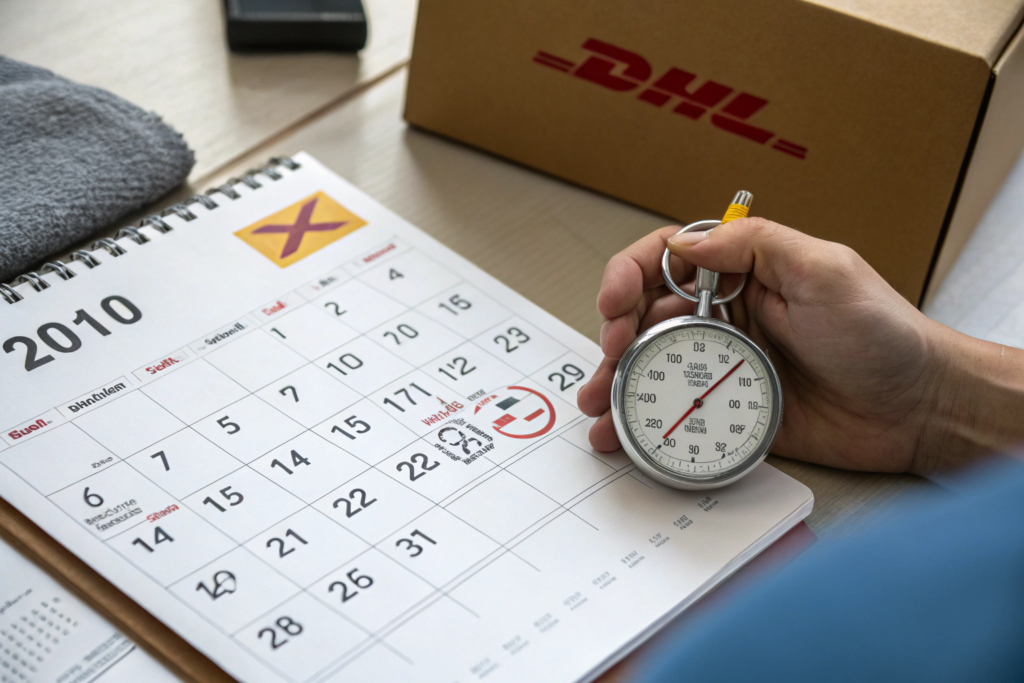
Speed to market is critical. If you need towels for a July 4th event, you cannot order them in July. The standard lead time for a custom printed cooling towel pilot is 10 to 15 working days after artwork approval.
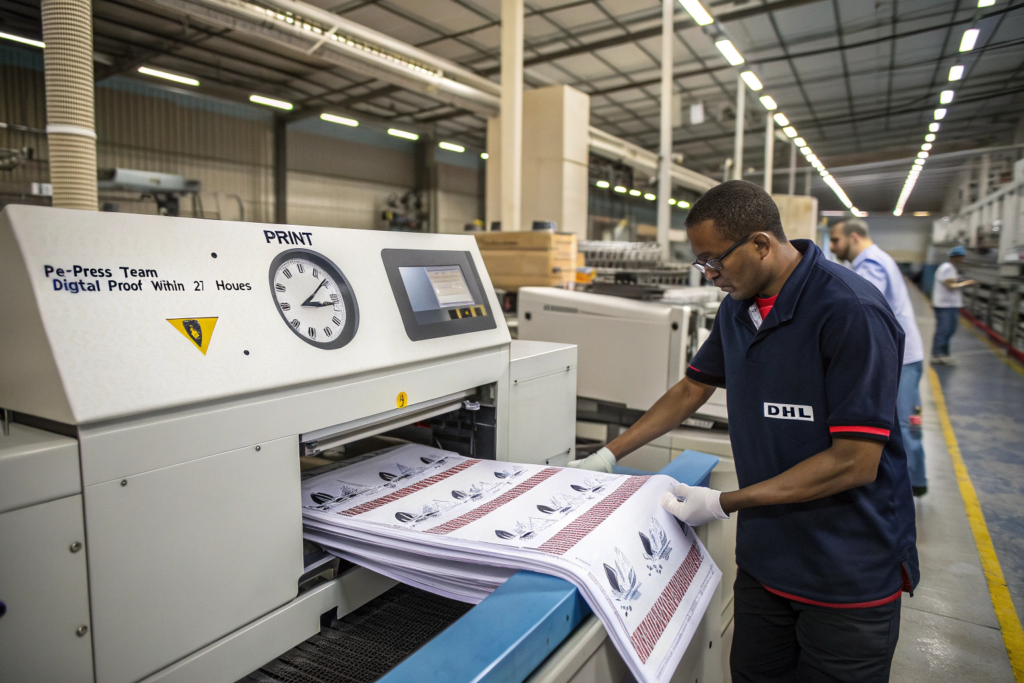
The clock starts when you say "print." We require vector artwork or a high-resolution PNG file. Our pre-press team checks the file for issues. They send you a digital proof within 24 hours. You approve it. Then the printing starts. The heat press process is fast. The bottleneck is usually the cutting and folding. A cooling towel is often folded into a small, portable pack. We do manual folding for pilot orders. It takes a careful hand to fold the towel neatly so the brand logo is visible on the front panel. For larger orders, we use automated folding machines. But for a small 300-piece order, we hand-fold. This takes a day or two. Then we package and ship. We always recommend choosing an express courier like DHL for the pilot. You get the towels in 3-4 days globally.
How Can a Pilot Order Test the Market Fit?
A 300-piece order is a pilot. It is a test. You do not need to sell thousands to prove the concept. You sell 300 pieces to your loyal customers.
We encourage brands to order the pilot, take professional photos, and list the product on their website. Track the "sell-through rate." If 300 pieces sell out in a week, you have a hit. You can immediately place a re-order of 3,000 pieces. The re-order lead time is faster, about 10 days, because the color profiles and print files are already archived in our system. This iterative process reduces the risk of dead stock. It is a lean manufacturing methodology applied to promotional merchandise.
What Happens During the Artwork Proofing Stage?
Proofing is the safety net. A misprint on a towel is a total loss. We check the size. Many first-time buyers make their logo too large for the folded towel size.
We overlay the artwork on a 3D digital towel mockup. We show you the exact placement. We print a "strike-off" proof. This is a small physical sample of the print on the actual fabric. We mail it to you. You see the real color under your own lighting. It is the only way to guarantee satisfaction. We do not start the bulk run until you sign off on the physical strike-off. This meticulous quality control process prevents expensive mistakes.
Conclusion
The minimum order for custom printed cooling towels does not have to be a wall. It can be a door. With digital sublimation, the MOQ drops to a manageable 300 to 500 pieces. You can print full-bleed photographic images, split the order into multiple designs, and receive your batch within two weeks. You do not need to be a giant corporation to have your own branded accessory.
The key is the factory’s willingness to be flexible. A traditional factory protects its margin by rejecting small orders. A modern, service-oriented factory invests in digital flexibility to nurture growing brands. In our Zhejiang facility, we have dedicated small-batch lines. Our project managers are trained to walk you through the artwork specs, the split-run costs, and the folding options.
If you have a logo and a vision for a cooling towel, I invite you to speak to our Business Director, Elaine. She can explain the MOQ options for your specific design, send you a strike-off proof of your artwork, and schedule your pilot run. Reach her at elaine@fumaoclothing.com. Let’s take the risk out of your inventory and put your brand in your customer’s hands.