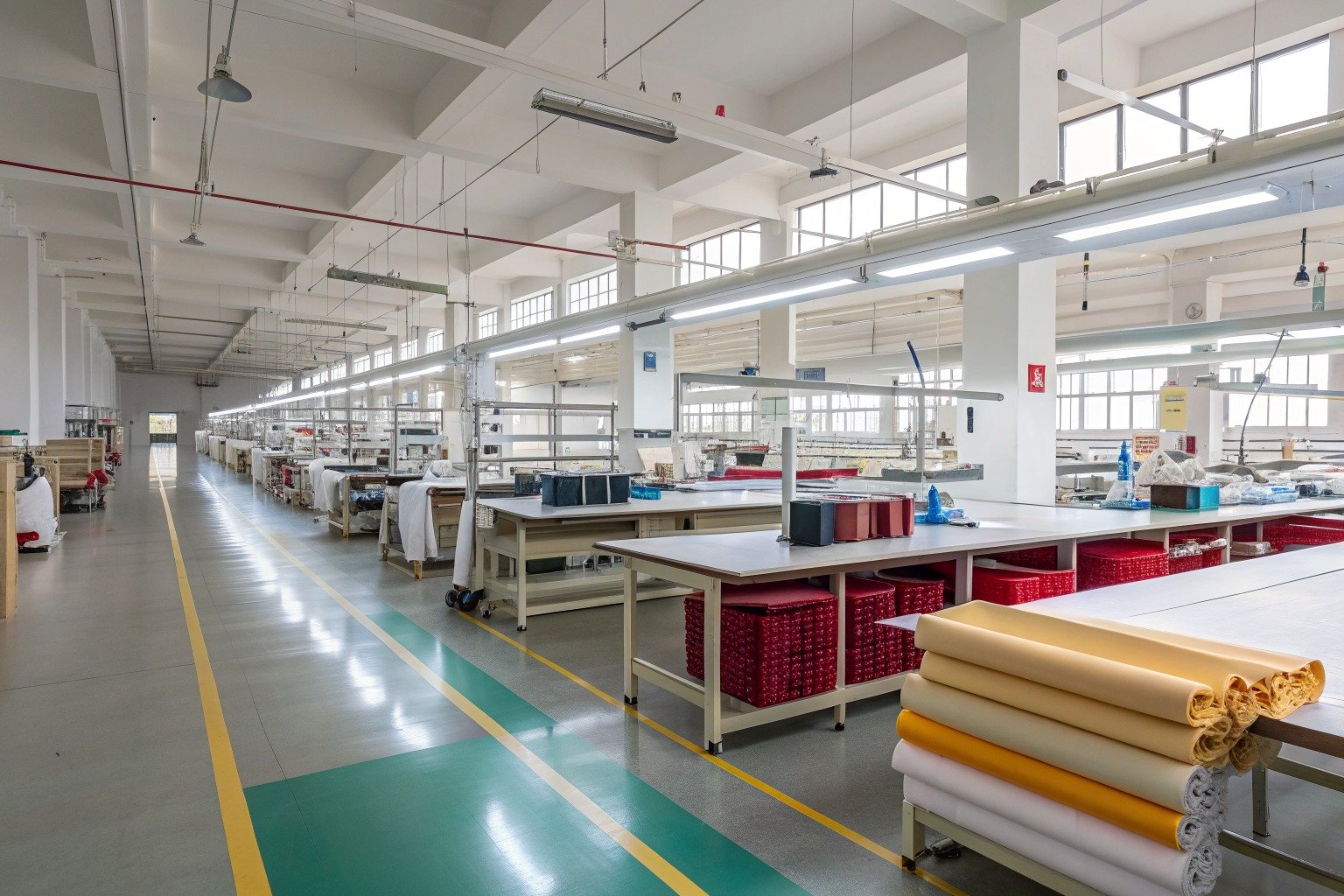
Have you ever ordered a batch of hair clips in what you thought was the hottest color, only to see them sit unsold on the shelf? I saw this happen to a good client of mine three years ago. She bet big on a neon yellow. But the market had already shifted to soft lavender. She was stuck with dead stock. Her cash flow froze. The problem was not her taste. It was the timing. Fashion colors move like a wave. You have to catch the swell before it breaks. If you order too late, you are selling a trend that is already dead. Predicting color is not magic. It is a disciplined, step-by-step process of research and validation.
AceAccessory is a professional manufacturer and exporter of accessories. Our design team predicts color trends for hair accessories by analyzing runway data, filtering it through consumer lifestyle shifts on social media, validating it with professional color standards like Pantone, and adapting the palette to the specific material constraints of acetate, fabric, and resin production.
Color sells the first impression. Before a customer touches the clip or the band, they see the hue. It triggers an emotion. It says "new season." As the owner of a factory in Zhejiang with an in-house design studio, I turn runway fantasy into commercial reality every week. Let me pull back the curtain on how we forecast the shade of your best-selling scrunchie twelve months from now. This insight will help you buy smarter and plan your inventory with confidence.
Where Do Hair Accessory Color Trends Actually Start?
The journey of a color starts about 18 months before you see it on a shelf. It starts in the world of high fashion and paint. Our team does not guess. We subscribe to trend forecasting agencies. These agencies have analysts who study art exhibitions, political moods, and even new movie releases. They spot patterns.
But runway fashion is too extreme for mass-market hair accessories. A neon green feather on a Paris catwalk is art. A neon green hair claw in a supermarket is a tough sell. Our job is to translate. We take the abstract concept. Maybe the concept is "Digital Escape," which is about bright blues and purples. We filter it through a commercial lens. We ask, "Will a mother buying a school clip like this?" We usually cool the runway shade down by 20%. We add a hint of gray to make it wearable. This "commercialization" is the key skill. We also look at the automotive and interior design industries. They are two years ahead of fashion accessories. If mint green is the new car color, it will likely be a hair band color in two years.
How Do Runway Shows Influence Mass Market Accessories?
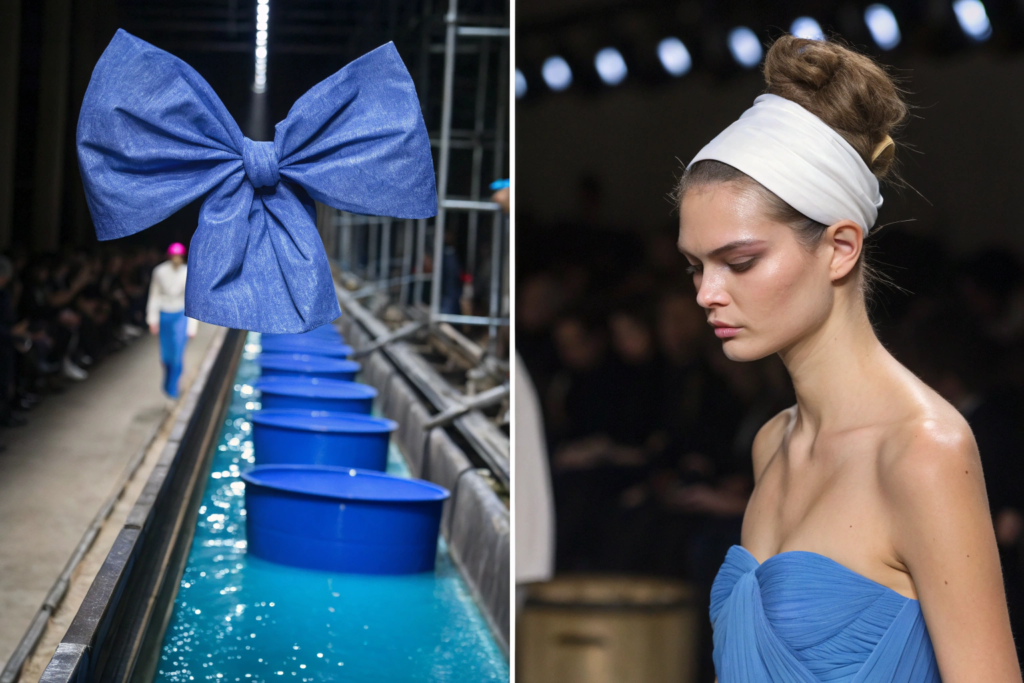
A runway show is a concept. A designer sets a theme. That theme gets picked up by fashion magazines and influencers. The filter-down effect takes months.
We watch the four major fashion weeks. But we do not just look at the clothes. We look at the backstage beauty pictures. What hair clips are the stylists using? Are they using massive metal claws? Are they using tiny satin bows? These backstage shots are a direct signal of what the fashion elite thinks is modern. We screenshot these. We put them on our trend wall. We wait to see if the street style photographers catch it. If a trend jumps from the runway to the street in six months, we know it has staying power. It is a safe bet for production. This is how we de-risk color decisions. It aligns us with the global fashion forecasting ecosystem.
Why Is the Pantone Color System Essential for Factories?
Language fails with color. "Sky Blue" means a pale blue to you. It means a bright turquoise to me. This confusion creates a bad batch. We speak in Pantone codes.
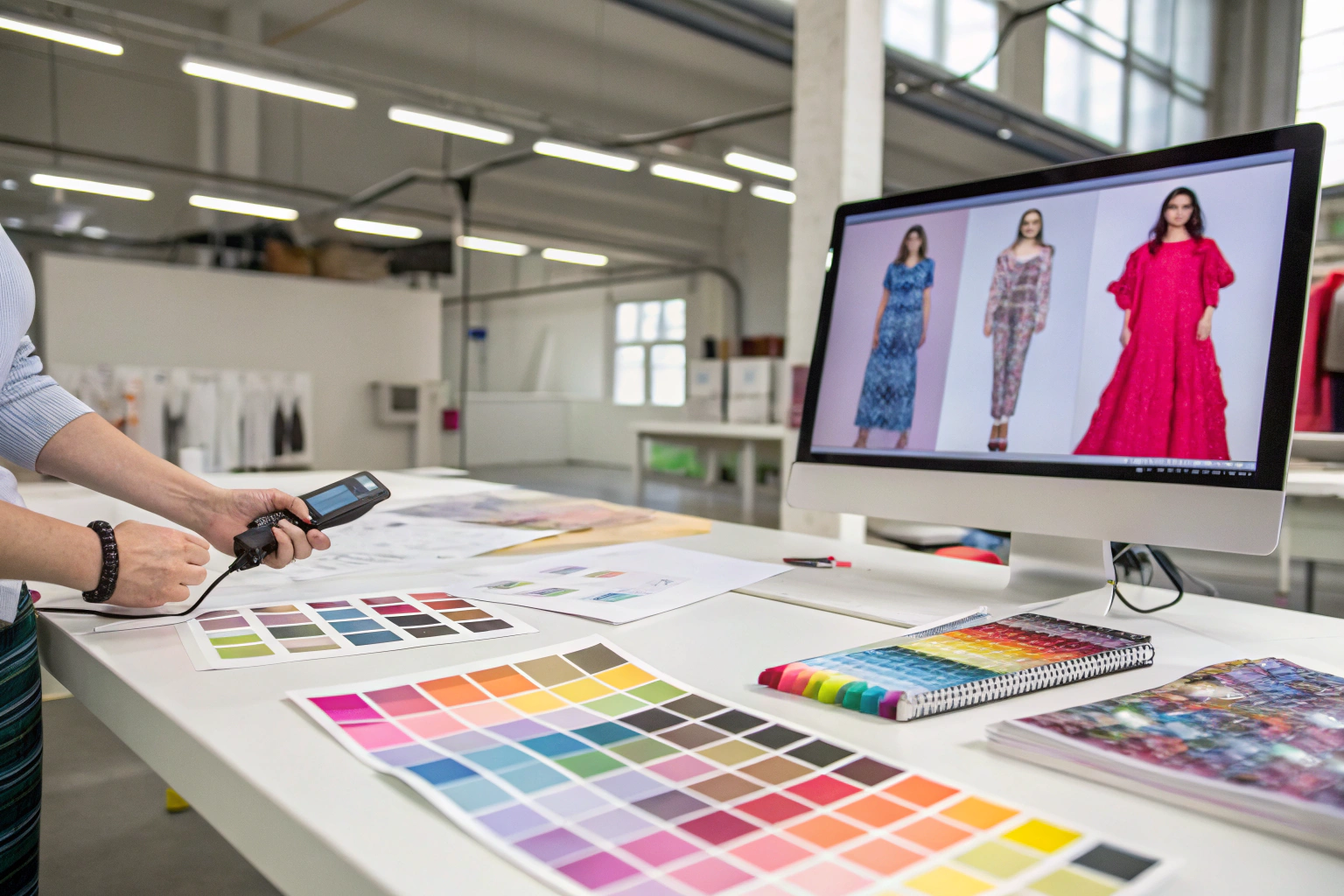
When a buyer says "I want a pastel pink," we send them a cotton Pantone swatch book. We ask for the specific number. This number translates into a chemical recipe. We input the Pantone code into our color-matching software. It tells us exactly how many grams of red, white, and yellow pigment to mix for a resin hair claw. For dyed fabric, we do a lab dip. We boil a tiny piece of the fabric in the dye. We check the color under a daylight lamp and a department store lamp. We match it to the Pantone chip. This removes all subjectivity. It turns color into a measurable science. This is the standard in industrial dyeing.
How Does Social Media Speed Up the Color Trend Cycle?
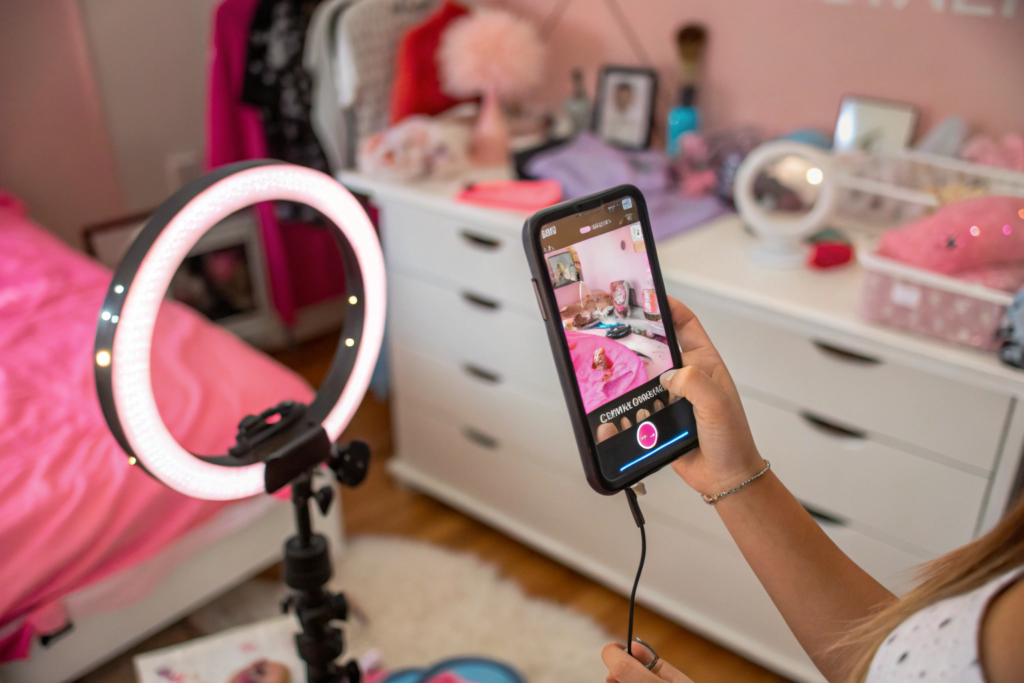
In the past, a color trend lasted two years. Now, thanks to TikTok, a trend can spike and die in three months. "Barbie Pink" was a global phenomenon. The movie trailers dropped. Within a week, the search for pink hair accessories exploded. A factory that waited three months to ship missed the peak.
Our design team has a dedicated social media analyst. We track hashtags like #HairAccessories and #HairClawClip. We look at the volume of posts per day. If we see a specific shade, like cherry red, growing exponentially, we alert our raw material team immediately. We pre-order the red dye. We do not wait for the buyer to ask. We suggest it to them. We say, "Cherry red is trending on TikTok. We recommend you allocate 30% of your order to this." This reactive speed is a competitive advantage. It turns our factory from a passive supplier into a proactive trend partner. We also monitor Pinterest. Pinterest trends are slower and more stable. They are better for forecasting the next season, not the current one.
Can Viral TikTok Trends Lead to Real Sales Growth?
Yes, but you need speed. A viral video on a Monday creates a spike in store visits by Saturday. The supply chain must be short.
We keep a large stock of "greige goods." These are undyed, plain resin clips and white fabric headbands. We only dye the final quantity when a trend is confirmed. This postponement strategy lets us react to viral colors in two weeks. It avoids the risk of a pile of unsold neon green. We just dip the white bands into the viral shade. This quick response manufacturing is how we support online store owners who live and die by the social media trend cycle.
What Role Do Beauty Influencers Play in Color Forecasting?
Influencers are the new fashion editors. When a top beauty influencer wears a lavender claw clip in a tutorial, it sells out. We track the top 100 hair influencers.
We look for pattern breaks. If three of them switch from gold hardware to silver hair clips within a week, it is a signal. It tells us the market mood is shifting from warm tones to cool tones. This "cooling" means blues, greens, and purples will be popular. We start developing those palettes for our clients. This direct line to the consumer’s screen gives us a 3-month lead over a factory that only looks at traditional trade shows. It is a form of real-time consumer sentiment analysis.
What Are the Key Seasonal Color Shifts for Hair Accessories?
The seasons dictate the mood. This is the oldest rhythm in fashion. Spring/Summer is about pastels, brights, and neons. The sun is out. The skin is tanned. Bright colors pop. The peak shades for the last few summers have been "butter yellow" and "digital lavender." These are uplifting, happy colors.
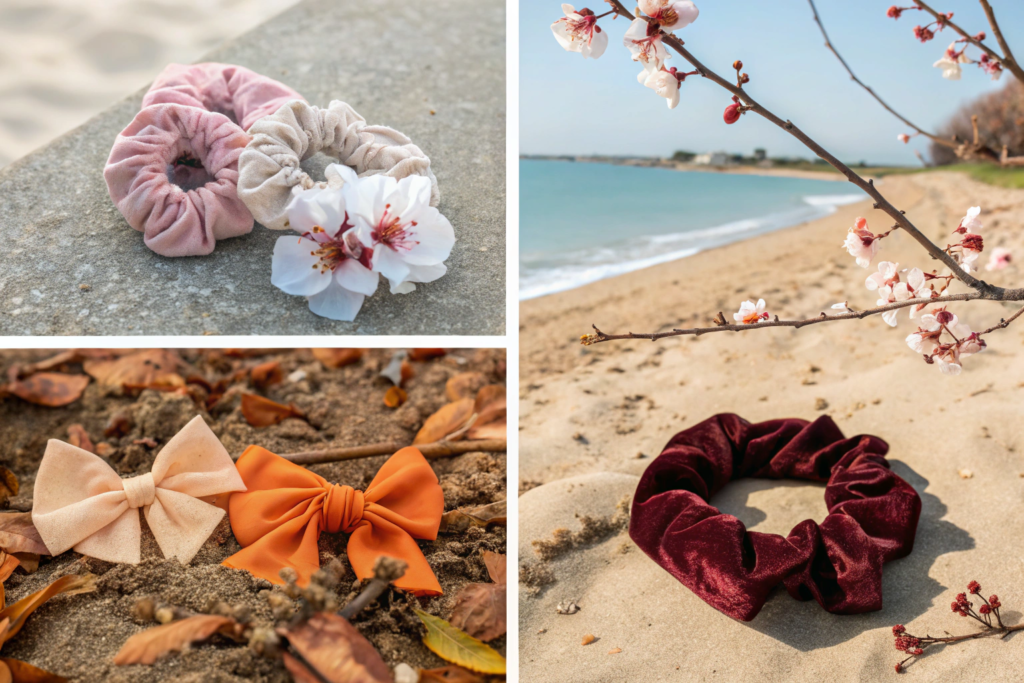
Autumn/Winter shifts to deep, rich, and earthy. The fabrics change. Summer hair ties are light polyester. Winter accessories are velvet, knit, and thick acetate. The colors mirror the fire. We use burgundy, forest green, dark chocolate, and navy. We also add a metallic highlight for the holiday season. Gold and silver hair bands spike in October for the party season. The design team updates the palette twice a year. We present the seasonal palette to our key accounts nine months in advance. This gives them time to plan their photoshoots.
Why Do Tortoiseshell Patterns Return Every Autumn?
Tortoiseshell is a classic. It is not a single color. It is a blend of amber, brown, and black. It mimics the natural shell of a hawksbill turtle.
It returns every fall because it matches the autumn wardrobe. Beige trench coats, brown leather boots, and tortoiseshell hair claws are a perfect match. The pattern adds warmth and luxury. It is the "neutral" of the hair accessory world. We create a fresh version every year. Sometimes we add a tint of plum to the brown. Sometimes we make it translucent. It is a reliable seller. We always recommend keeping a variation of this in your collection. It bridges the gap between a risky fashion color and a safe basic accessory.
How Do Holiday Seasons Impact Metallic and Glitter Trends?
The holiday season is the peak for bling. Christmas, New Year, and Spring Festival party dresses demand sparkle. The hair accessory must match.
Metallic is a tricky material for a factory. Glitter flakes off. Cheap metallic paint tarnishes. We use a high-grade electroplating on our metal clips. It looks like real gold or silver. For glitter, we use a biodegradable film type that does not shed microplastics. The color of the metal matters. In 2024, silver overtook gold for Gen Z. They see silver as futuristic and cool. Our sales data confirmed this. We shifted our metal hair clip production from 70% gold to 50% gold and 50% silver. This data-driven adjustment kept our clients on trend. The holiday palette is pure emotion, captured in trend reporting.
How Does Material Science Constrain Color Choices?
Not all colors work on all materials. A neon pink that is vibrant on polyester fabric might look dirty on a resin claw. The material eats the color. Our design team works closely with the chemistry lab.
Cellulose acetate is our premium material. It takes transparent and marbled colors beautifully. The light passes through it. But it does not hold bright white well. It turns slightly yellow. So, we use a different polymer for stark white clips. Nylon is great for hairbrushes. It dyes easily. But a glitter-filled nylon is weak. The glitter creates fracture points. We had to stop a gold glitter hairbrush design because it snapped during the drop test. We traded the color for the integrity of the product. These are the invisible decisions that happen behind the walls of a quality factory. We push back on a trendy color if it compromises the durability of the accessory.
Why Do Some Colors Fade Faster in the Sun?
Fugitive pigments. Some chemical dyes have weak molecular bonds. When UV light hits them, the bond breaks. The color disappears.
Red is the most fragile color. Red hair bows fade to a dusty pink in a sunny shop window. We use high-energy reactive dyes for red fabrics. They form a covalent bond with the cellulose. It lasts ten times longer. For resin, we add a UV inhibitor powder. It acts like sunscreen for the plastic. It costs more, but it stops the clip from turning a sickly yellow. We test our colors in a fadeometer machine. It blasts the clip with artificial sunlight for 500 hours. This simulates months in a retail display. We only ship colors that pass the UV stability test.
How Do You Achieve Marble and Swirl Effects in Plastic Clips?
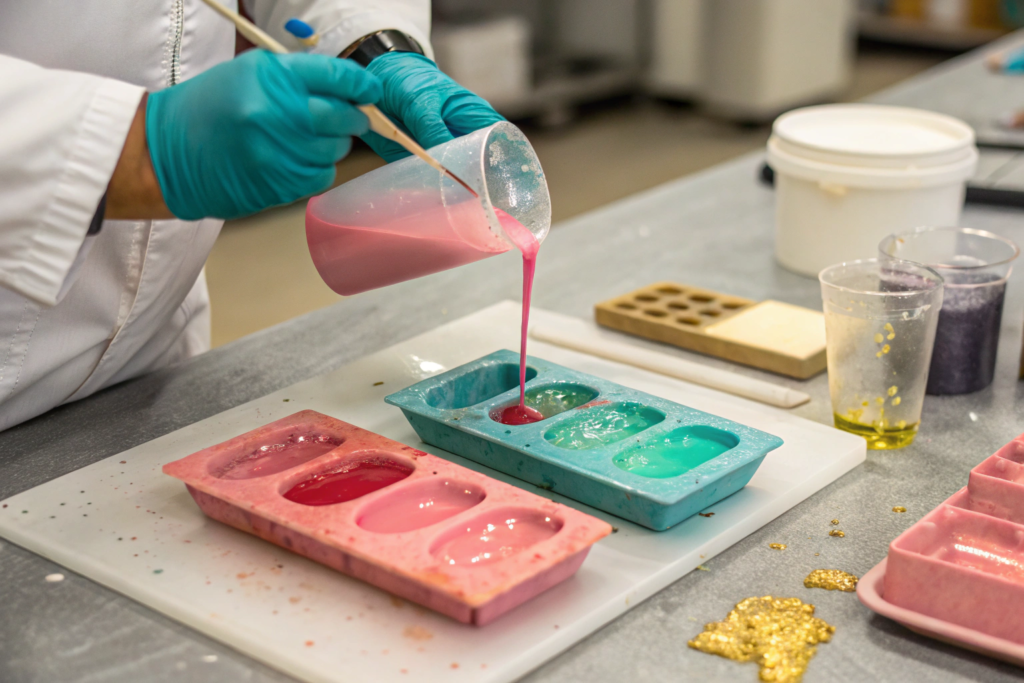
Marbling is an art form. It is not a single Pantone code. It is a physical motion. We pour two or three colored resins into a mold at the same time.
The temperature must be exact. If the base is too hot, the colors mix into a muddy brown. If it is too cool, they do not swirl. They just sit in blobs. Our senior technicians have a "swirl recipe" book. It details the exact viscosity and pouring angle for a specific pattern. A "tiger stripe" needs a different motion than a "galaxy swirl." This is handicraft inside a factory. It means every single marbled clip is slightly unique. That is the beauty. It is a point of difference that cannot be easily replicated. It is a premium manufacturing capability.
Conclusion
Predicting the color of a hair accessory is a blend of art, data, and chemistry. Our design team starts with the big picture, the runway themes, and the lifestyle shifts. We filter them through the high-speed lens of social media to catch the viral spike. We lock them down with the precision of Pantone codes and lab dips. Finally, we test them against the physical reality of the material to ensure the color does not fade or crack.
This is the difference between a speculative buyer and a confident one. You do not need to guess what color will sell next season. You can rely on a factory that has already done the research and mixed the dyes. In our Zhejiang design studio, we have already mapped out the palettes for the next four seasons.
If you want to see our latest color trend forecast for hair accessories, I invite you to contact our Business Director, Elaine. She can share our seasonal trend book with you. She can also arrange for our design team to create an exclusive custom palette for your brand. Send her an email at elaine@fumaoclothing.com. Let’s make sure your next collection is dressed in the perfect shade.