I spoke with a buyer from a Milanese fashion house two months ago. She was panicking. Her team had developed a beautiful driving glove collection for Spring 2026, but the leather they selected was already outdated. The market had moved. The trend reports she relied on were eighteen months old when they published. She needed real-time factory intelligence, not recycled fashion forecasts. That conversation shaped what I am about to share with you.
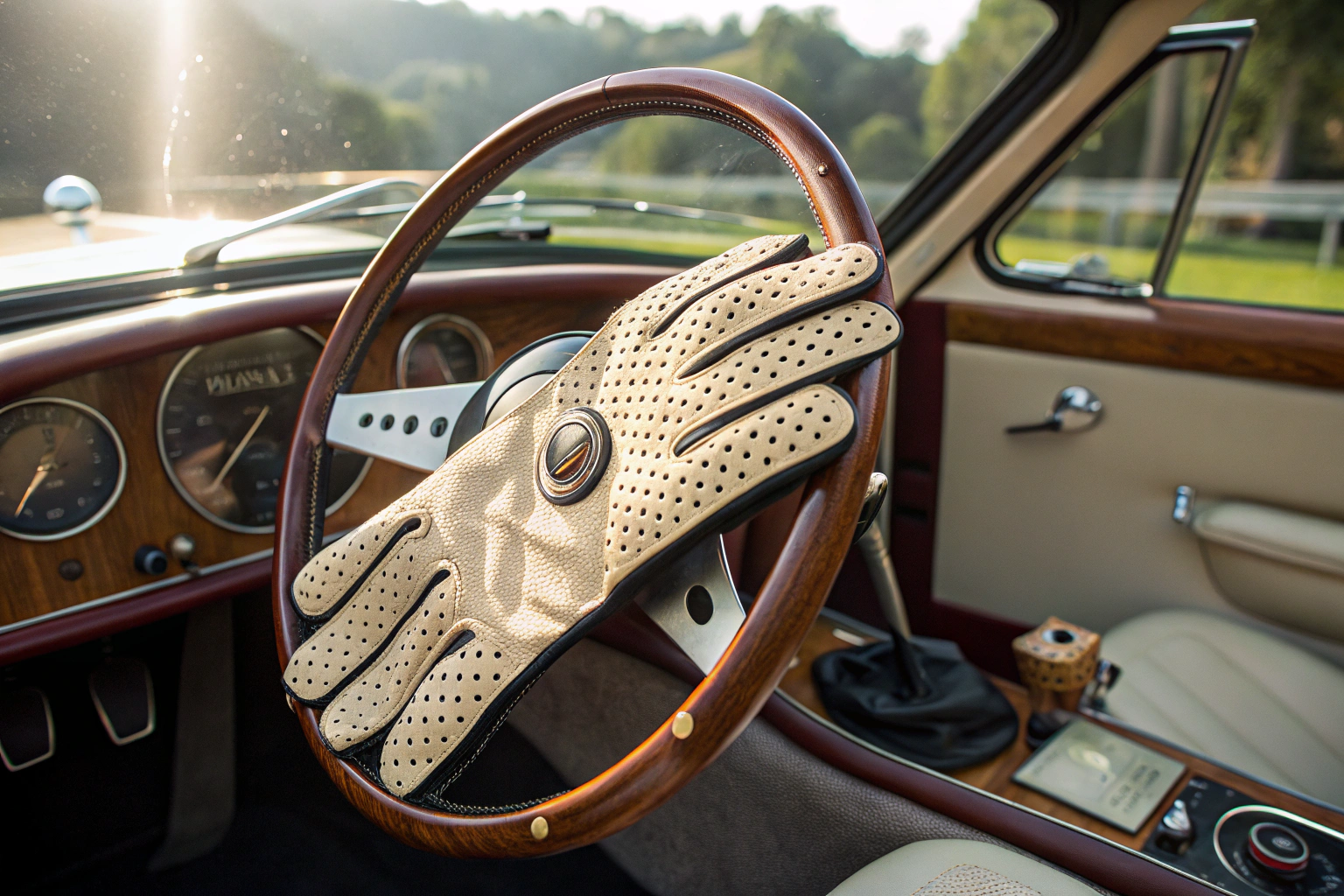
The 2026 trends for luxury leather driving gloves center on sustainable chrome-free leathers, touchscreen-compatible conductive detailing, bold perforation geometries, and a return to unlined naked leather constructions. Color direction is moving away from classic black and tan into muted earth tones and deep jewel shades like oxblood, forest green, and burnt ochre.
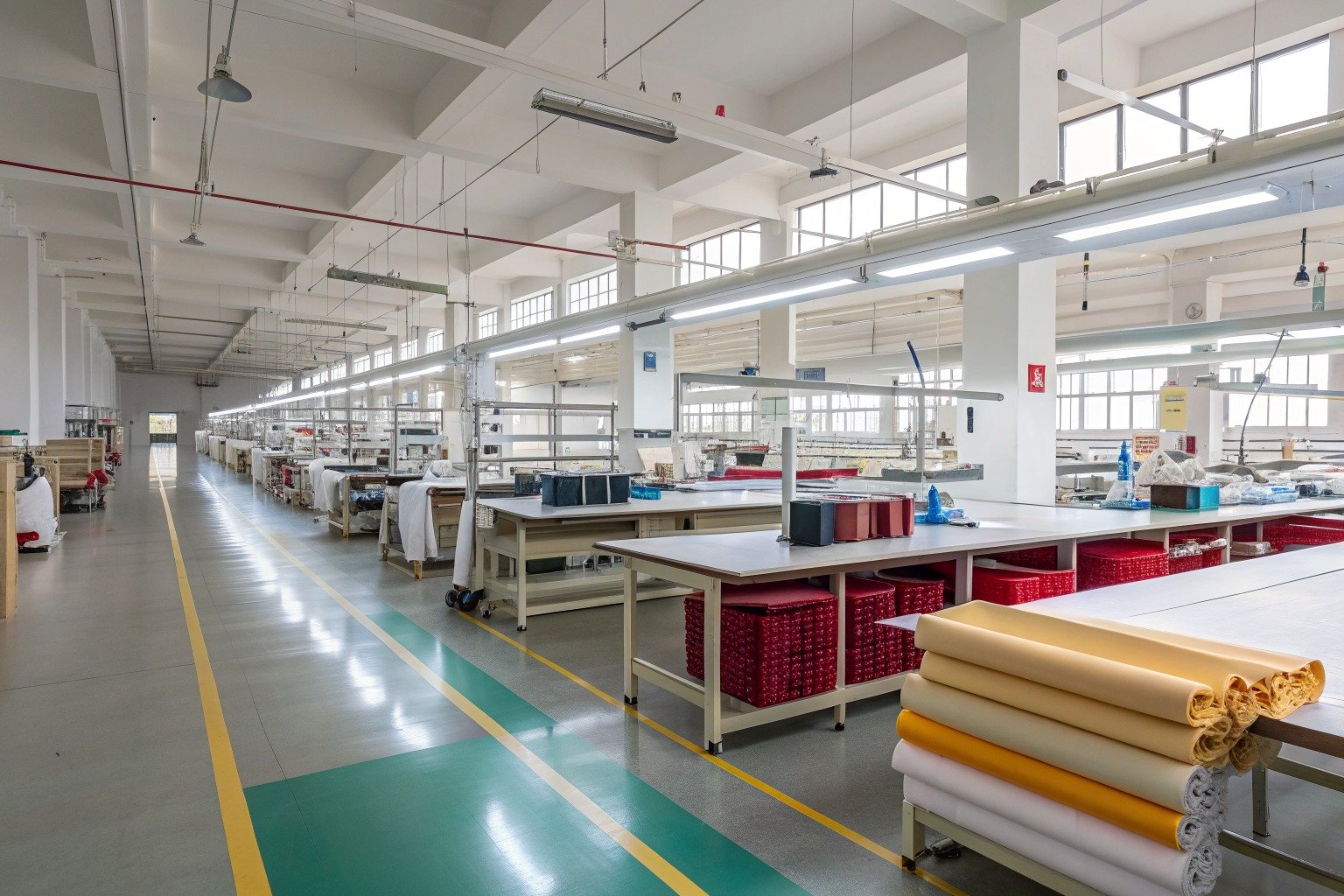
As a factory that produces leather gloves for European and American brands, I see trends eighteen months before they hit retail shelves. Our design team starts sampling new materials and techniques while the current season is still shipping. Let me take you inside what is actually being ordered for 2026 delivery.
Which Sustainable Leathers Are Defining the 2026 Driving Glove Market?
Sustainability is not a trend anymore. It is a baseline requirement. My European buyers now ask for leather traceability documentation before they even ask about the price. The driving glove customer in 2026 is someone who cares about where their leather came from and how it was tanned. They want luxury that does not feel guilty.
The shift away from traditional chrome tanning is accelerating. Chrome-tanned leather, while durable and fast to produce, carries environmental baggage that luxury consumers increasingly reject. Our tannery partners in China and Italy have invested heavily in alternative tanning methods that deliver the same performance without the chromium salts.
Why Is Chrome-Free Vegetable-Tanned Leather Leading This Shift?
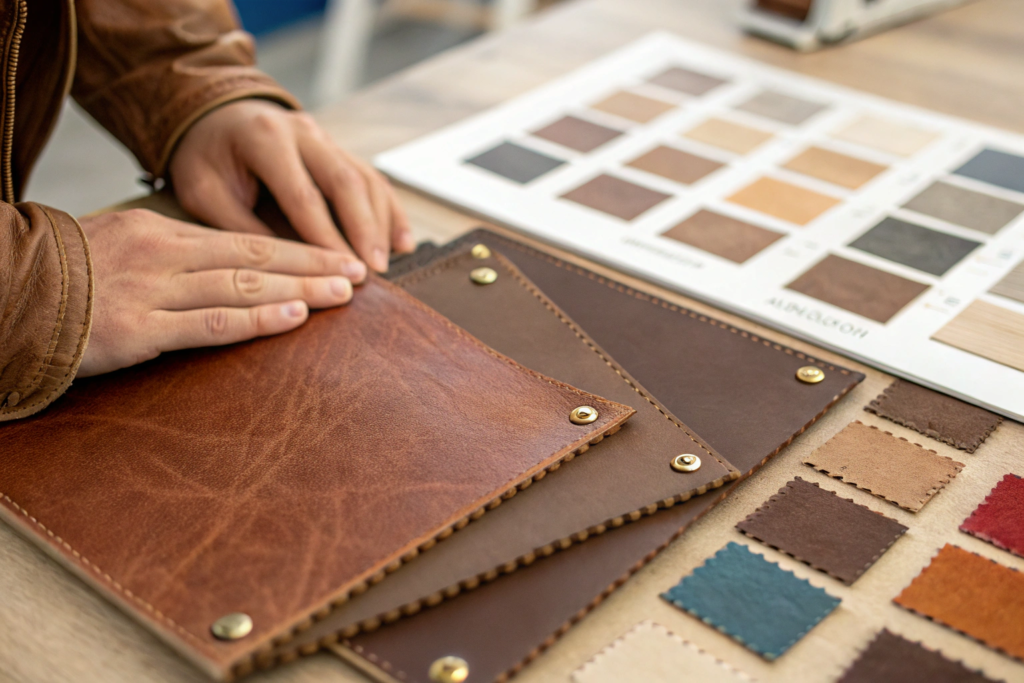
Vegetable-tanned leather uses natural tannins from tree bark, leaves, and fruits. The process takes longer and costs more. The result is a leather that ages beautifully, developing a unique patina over time. Each pair of driving gloves becomes personal to the owner. That story of individuality is exactly what luxury buyers want in 2026.
I sampled a new veg-tan lambskin for a German driving glove brand last quarter. The leather was so supple that it molded to the hand within minutes of wearing. The brand owner told me his customers are asking for "leather that breathes" and "leather that lives." These are not technical terms. They are emotional ones. Understanding sustainable leather production standards helps you communicate this value to your end customer effectively.
How Are Recycled and Bio-Based Leather Alternatives Entering the Category?
Real driving enthusiasts still want real leather. But the industry is seeing demand for hybrid materials. Recycled leather fiber composites bonded with bio-based resins are emerging for the palm and inner finger panels. The outer shell remains genuine full-grain leather. The inner reinforcement uses recycled content.
A Swedish brand we work with demanded 30% recycled content in their 2026 driving glove collection. We sourced a certified recycled leather fiber backing that met their requirement without compromising the luxurious feel of the exterior. The cost was 12% higher. They absorbed it. Their consumer research showed their target market would pay a premium for eco-friendly fashion accessories. This is the new math of luxury.
What Design Details Are Defining 2026 Luxury Driving Gloves?
Driving gloves have been around for over a century. The basic silhouette has barely changed. What changes every season is the detailing. In 2026, the details are not subtle. They are deliberate, visible, and functional. Brands are using perforation patterns as brand signatures. Stitching is becoming bolder. The hardware at the wrist is getting more sculptural.
I always tell my design team that on a driving glove, real estate is limited. There is only the back of the hand, the fingers, the palm, and the wrist. Every square centimeter must earn its place. In 2026, the trend is maximum impact from minimum surface area.
Why Are Oversized Perforation Patterns Replacing Traditional Pin-Dot Designs?
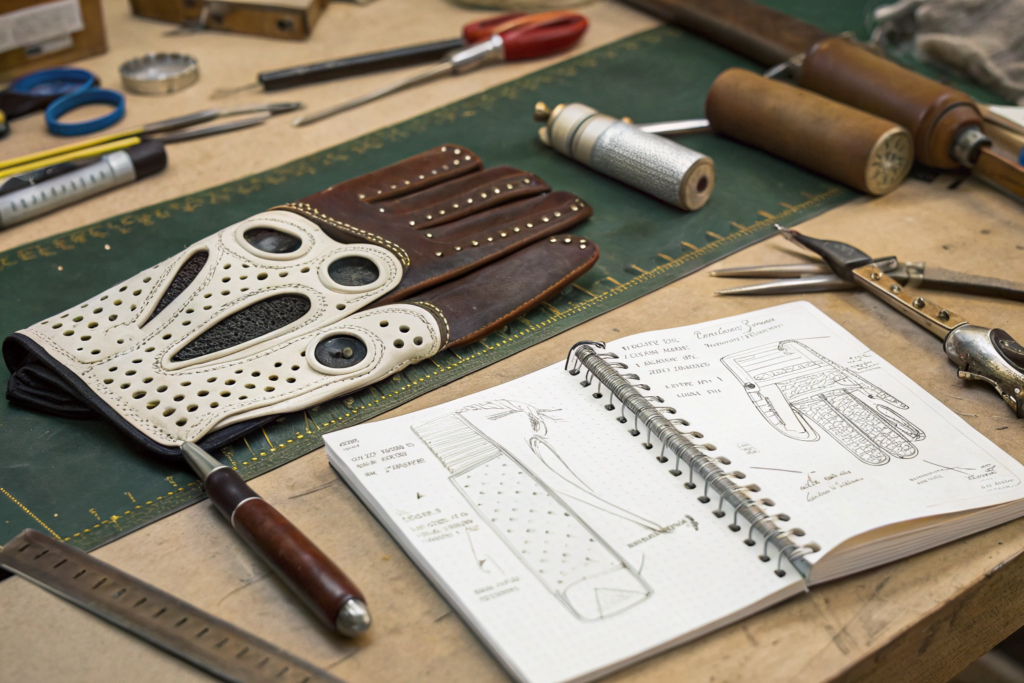
For decades, driving gloves featured the same tiny, evenly spaced perforations. That era is ending. Laser cutting technology now allows for perforation patterns that range from oversized circles to elongated ovals to complex geometric shapes. We have a laser cutting machine in our factory that can produce a custom perforation pattern with tolerances tighter than 0.1mm.
A California-based brand ordered quarter-sized circular perforations for their Spring 2026 collection. They looked almost like a golf glove on the back of the hand, but the leather was butter-soft lambskin. The contrast was striking. If you want to explore the technical limits of leather laser cutting, the technology now allows for detail that was impossible five years ago.
How Is Touchscreen Compatibility Becoming a Standard Requirement?
This shift is no longer optional. Every luxury driving glove in 2026 must allow the wearer to operate a smartphone or vehicle touchscreen without removing the glove. The old solution of cutting off the fingertips is unacceptable for a luxury product. The new standard is conductive leather or embedded conductive thread in the index finger and thumb.
We developed a technique where a thin strip of conductive microfiber is stitched seamlessly into the fingertip. It is barely visible but fully functional. A Japanese brand we supply tested twelve different conductive solutions before choosing ours. The winning factor was wash durability. The conductive function must survive at least fifty wear-and-wash cycles. If you are researching touchscreen-compatible gloves, pay attention to the durability claims. Many solutions work once and fail after cleaning.
What Color Trends Are Emerging for 2026 Driving Gloves?
Color is the loudest signal of a fashion season. Classic black and tan driving gloves will always sell. They are the backbone of every collection. But the growth in 2026 comes from color. Buyers are planning smaller quantities of safe colors and larger investments in statement shades. The mood is earthy, warm, and sophisticated.
This shift reflects the broader movement in menswear and womenswear toward colors found in nature. Not bright, synthetic colors. Colors that feel excavated from the earth, oxidized by time, and softened by age. A 44-year-old buyer like Ron, confident and style-conscious, is exactly the customer who will choose an oxblood driving glove over a black one.
Why Are Earth Tones Dominating the 2026 Color Palette?
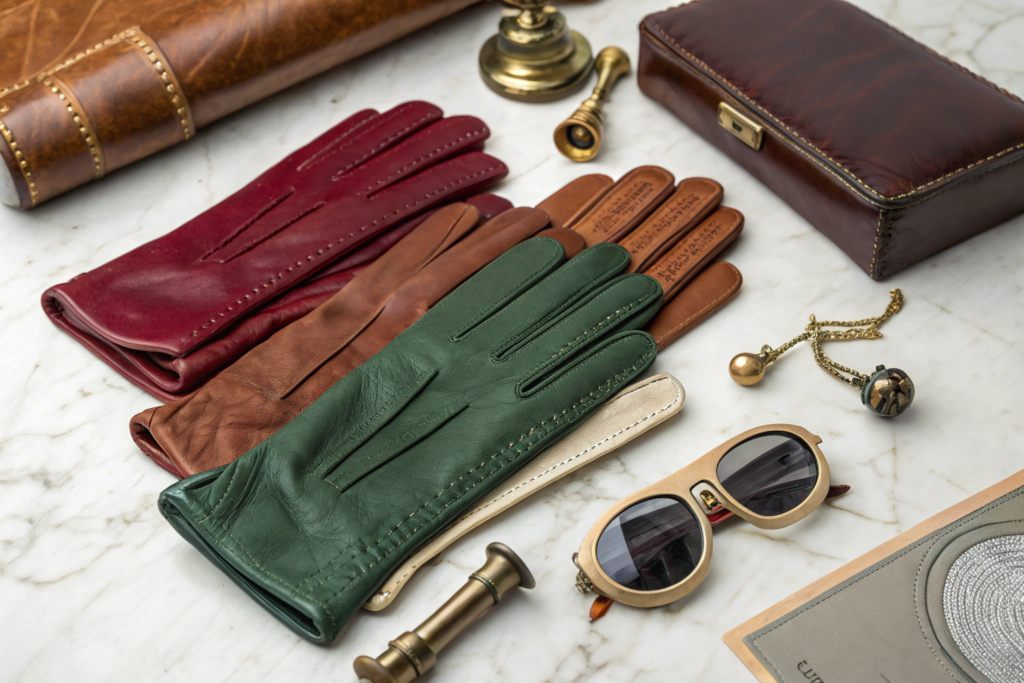
Olive, taupe, sand, terracotta, and warm grey are the core earth tones for 2026. These colors pair beautifully with the natural grain of vegetable-tanned leather. They also match the interior colors of modern luxury vehicles, which have moved away from pure black toward softer browns and greys.
A buyer for a French automotive lifestyle brand told me his Spring 2026 driving glove order is 40% earth tones, up from 15% in Spring 2024. His best-selling color is a shade he calls "burnt olive." It is a complex green-brown that reads differently under different light. Colors like this are difficult to achieve consistently in leather dyeing. We run multiple color-matching rounds before production to nail the exact shade. The Pantone fashion color trend report captures this movement toward grounding, natural tones that resonate with the post-pandemic consumer mindset.
What Jewel Tones Are Making a Surprising Comeback?
Alongside the earth tones, deep jewel shades are claiming their place. Oxblood is the strongest performer. It has been growing for three seasons and shows no sign of slowing. Forest green is next, followed by deep navy and aubergine. These are not bright jewel tones. They are dark, saturated, and intense.
I produced a batch of oxblood driving gloves for a US direct-to-consumer brand in late 2024. They sold out in three weeks. The brand doubled their order for 2025 and tripled it for 2026. The color photographs beautifully on social media. It looks expensive. It also hides road grime better than tan leather, which is a practical consideration driving repeat purchases. When you plan your luxury accessory color strategy, consider how the color will look on Instagram as much as how it will look on the steering wheel.
How Are Construction Methods Evolving for Premium Driving Gloves?
The way a driving glove is constructed determines how it feels on the steering wheel. External seams irritate the fingers. Bulky linings reduce steering feedback. The driver wants to feel the wheel through the leather, not feel the glove. This is why construction method is a performance feature, not just a manufacturing detail.
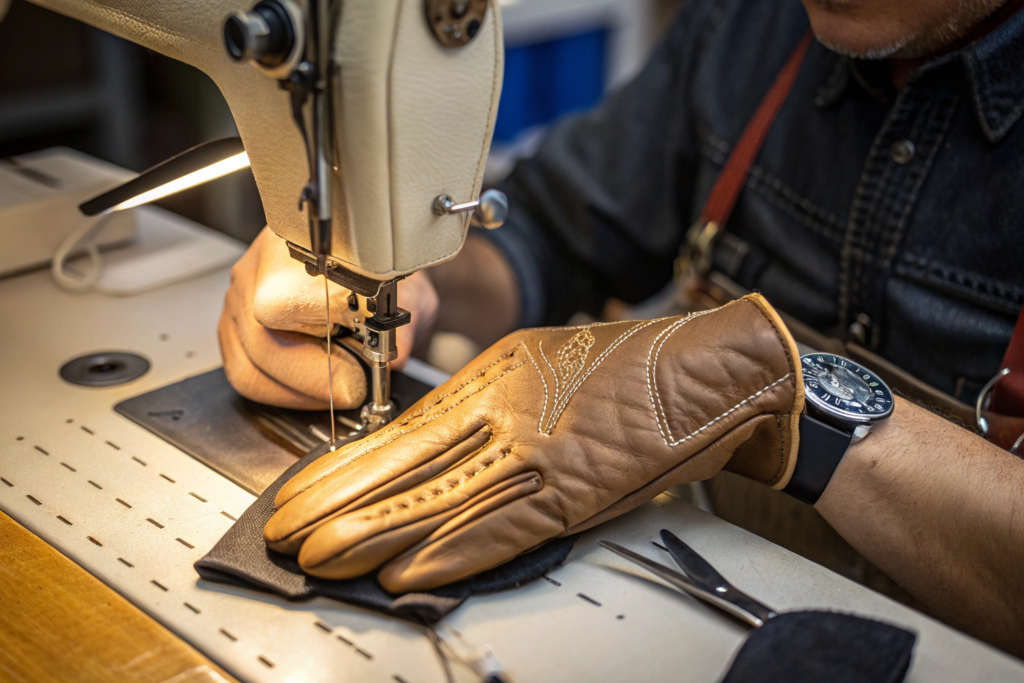
In 2026, the trend is toward minimal construction. Less lining. Fewer layers. Thinner seams. The glove should feel like a second skin. Achieving this requires higher precision in cutting and stitching because there is no padding to hide mistakes.
Why Is Unlined Construction the Preferred Choice for Driving Enthusiasts?
An unlined driving glove uses the full-grain leather’s natural smooth interior against the skin. There is no fabric lining to bunch up, absorb sweat, or dull the tactile sensation. The leather is typically a chrome-free nappa lambskin that is finished on both sides.
I wear unlined driving gloves myself. The first time I drove with them, I understood immediately. Every texture of the steering wheel leather comes through. The connection between car and driver feels unfiltered. Our production team finds unlined gloves actually more challenging to sew than lined ones because there is zero tolerance for sloppy seam work inside the glove. Any loose thread ends will irritate the wearer. Learn more about glove construction techniques from industry associations that document these traditional methods.
What Stitching Methods Are Brands Using as Design Statements?
Stitching is stepping out of its functional role and becoming decorative. Contrast stitching in white, cream, or even red against dark leather is the most visible trend. The stitch type matters too. The traditional baseball stitch on the back of the hand remains dominant, but some brands are switching to a finer, tighter pitch that creates a more refined appearance.
Our factory invested in new post-bed sewing machines in 2024 specifically to offer variable stitch density on driving gloves. A tighter stitch takes longer but looks significantly more premium. A German performance brand we supply requires 7 stitches per inch on their external seams, compared to the industry standard of 5. That 2-stitch difference costs them 15% more in labor. They consider it their signature. Understanding industrial sewing techniques helps you specify exactly what you want in your production order.
Conclusion
The 2026 luxury leather driving glove is sustainable, connected, and colorful. Chrome-free vegetable-tanned leather is the new standard. Touchscreen-compatible fingertips are non-negotiable. Oversized perforation patterns are replacing traditional dots. Earth tones and jewel shades are overtaking black and tan. Unlined construction and visible stitching are the hallmarks of premium craftsmanship.
These trends are not guesses. They are what brands across Europe, America, and Asia are actually ordering from factories like ours right now for 2026 delivery. If you are a brand owner or buyer planning your driving glove collection, the time to lock in your materials and designs is this quarter. Leather supply chains take months. Color matching takes weeks. Sampling takes time. The brands that move early secure the best materials and the best production slots.
At Shanghai Fumao, our Zhejiang factory has decades of experience producing leather gloves and accessories for demanding markets worldwide. Our design team can help you interpret these 2026 trends into a collection that fits your brand DNA and your price point. Our project managers can guide you from trend research to finished samples to bulk production without the anxiety that comes from managing an unfamiliar supply chain.
If you want to discuss your 2026 driving glove collection with a factory that understands both luxury fashion trends and the realities of production, please email our Business Director Elaine at elaine@fumaoclothing.com. Share your vision, your target retail price, and your timeline. She will help you turn these trends into tangible products that your customers will love to wear.