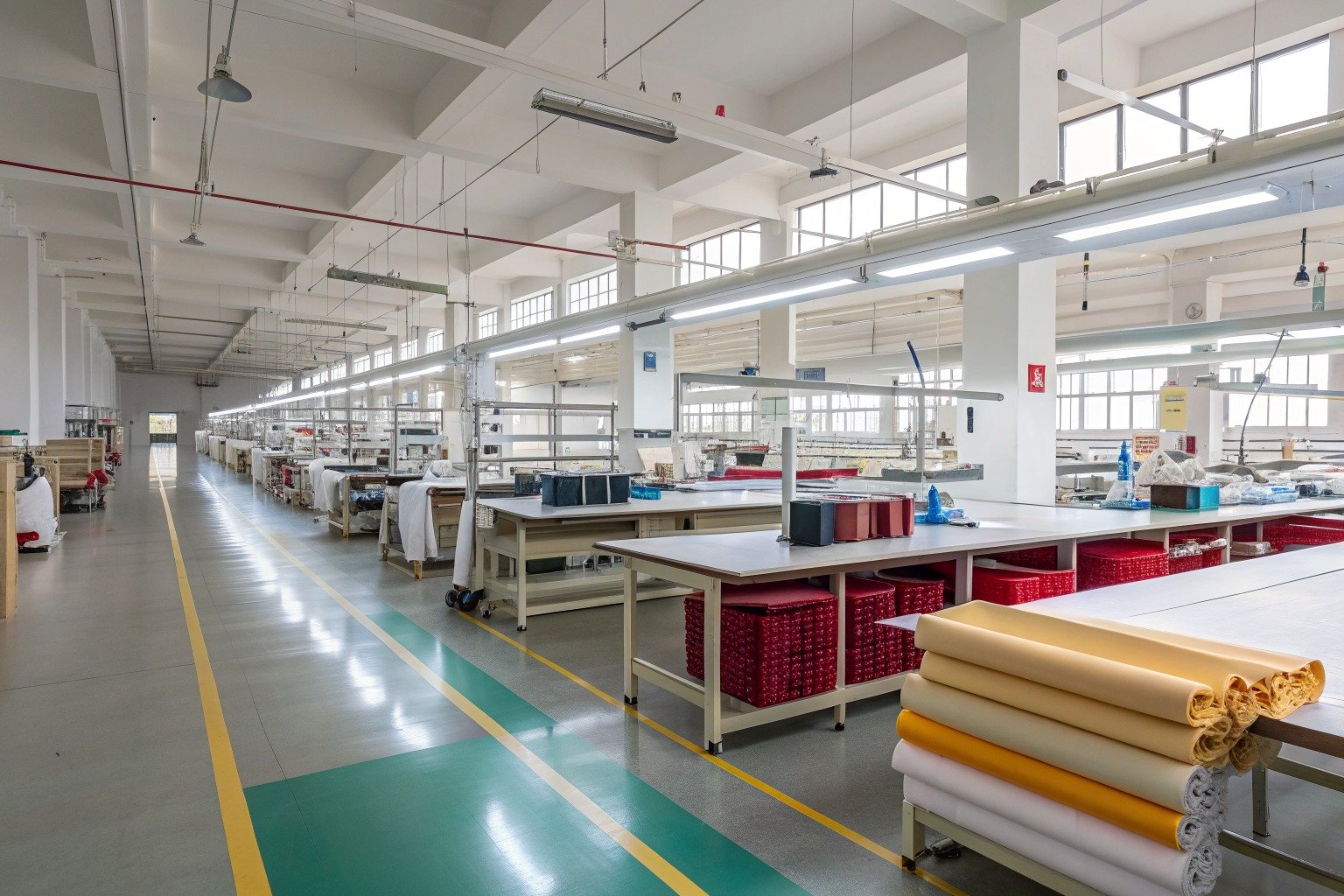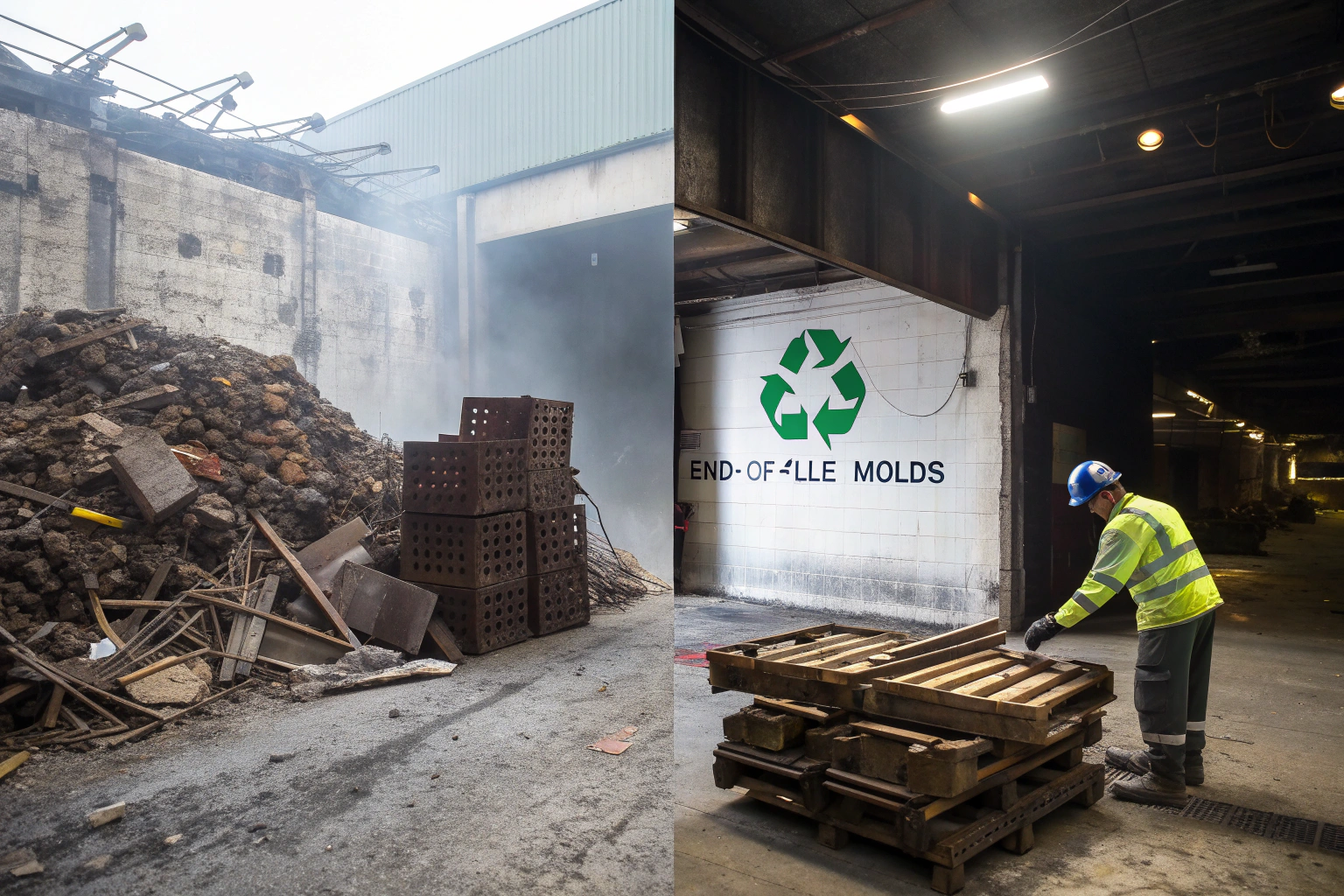
Have you ever opened your warehouse door to find it packed to the rafters with heavy, rusting, obsolete steel molds, a graveyard of past products that cost you money just to store? I have seen a brand owner nearly crushed, physically and financially, by this problem. A heavy steel injection mold for a belt buckle slipped from a forklift. It narrowly missed his leg. It shattered the concrete floor. He was paying a monthly storage fee for a museum of dead designs. He had asked the original factory to take them back. They refused. They wanted a "disposal fee" per kilogram. The molds were 50 kilograms of high-grade steel each. The disposal cost was more than the molds were worth. He was trapped with toxic, heavy waste he could not legally throw in the trash.
AceAccessory is a professional manufacturer and exporter of accessories. You find a factory that offers free disposal of your old molds by selecting a manufacturer with a documented "Mold Stewardship Program" that includes a contractual clause for free end-of-life return, in-house metal recycling partnerships, and a transparent process for decommissioning and recycling the high-grade tool steel into new production material.
A mold is a physical asset. But at the end of its life, it becomes a liability. A responsible factory takes ownership of the complete lifecycle of the tooling they built. This is a core part of our sustainability commitment. As a factory owner in Zhejiang who has built a closed-loop mold management system, I can tell you exactly what to look for in a genuine mold stewardship program. This is how you free up your storage space, protect the environment, and recover the intrinsic material value of your old tooling.
What Is a Factory’s "Mold Stewardship Program"?
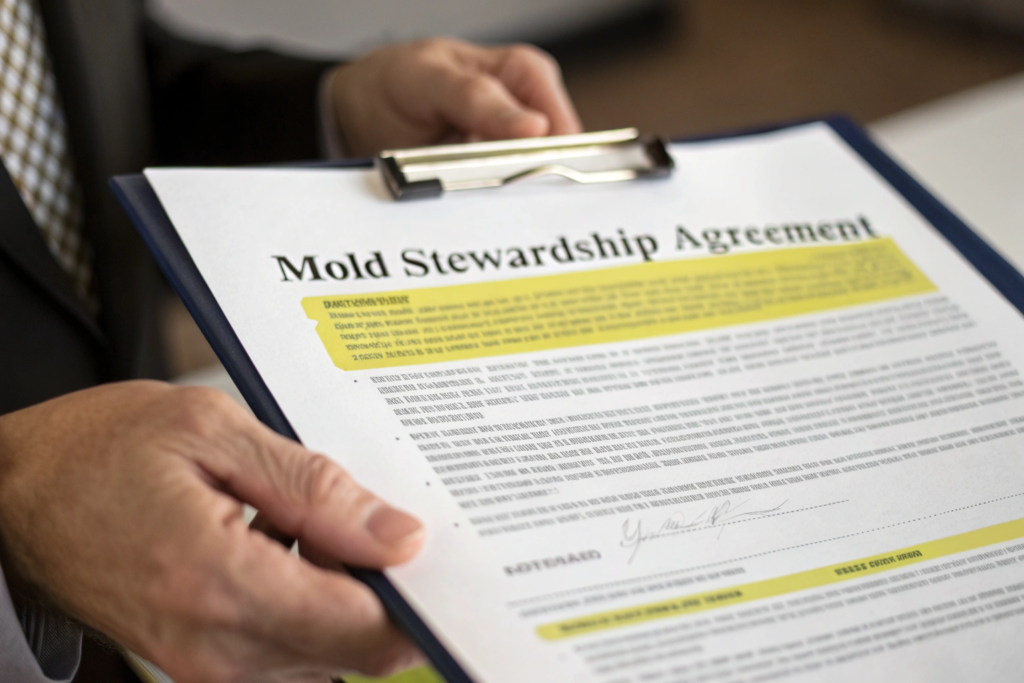
A Mold Stewardship Program is a formal, documented commitment from the factory to take back and responsibly recycle your old molds. It is not a vague verbal promise. It is a specific, contractual clause in the initial manufacturing agreement. It covers the entire lifecycle of the tooling, from the first steel cut to the final recycling.
The program has three pillars. The first is the contractual right of return. The manufacturing agreement explicitly states that the factory will take physical possession of the decommissioned mold at no cost to you. The second pillar is the in-house or partnered recycling capability. The factory must have a demonstrated system for processing the metal. Steel is not trash. It is a highly valuable, infinitely recyclable commodity. Our factory has a direct partnership with a local, certified metal recycling foundry. They provide us with a dedicated collection bin for high-grade tool steel. The third pillar is the transparent documentation. The process must be auditable. We provide a "Mold Decommissioning Certificate." This document records the mold’s unique ID number, its weight, the date of disposal, and the destination recycling facility. A photograph of the mold being placed in the recycling container is included. This closes the chain of custody. It provides you with proof that your legal liability for the waste has been properly transferred and that the material has been responsibly handled.
Why Is the Contractual Clause So Critical?
A verbal "we’ll take care of it" is worthless. The factory manager who made that promise might leave the company. The new manager might deny all knowledge. You are left with the molds and no recourse. The written clause, signed by an authorized company director, is legally enforceable. It survives personnel changes. It transforms a favor into a binding obligation. This is the first and most important thing to look for.
What Happens to the Recycled Steel?
The high-grade tool steel, typically P20 or 718 steel, is a prized material for recycling. It is melted down in an electric arc furnace. The chemistry is adjusted. It is recast into new steel blocks. These blocks can become new molds for a future product, or they can enter the general steel supply chain for construction or automotive use. The energy required to recycle steel is a fraction of that required to mine virgin iron ore. This circular flow is the environmental heart of the program.
How Does the Mold Return and Recycling Process Actually Work?
The physical process must be logistically practical. We have designed a simple, step-by-step return protocol that minimizes your effort and cost.
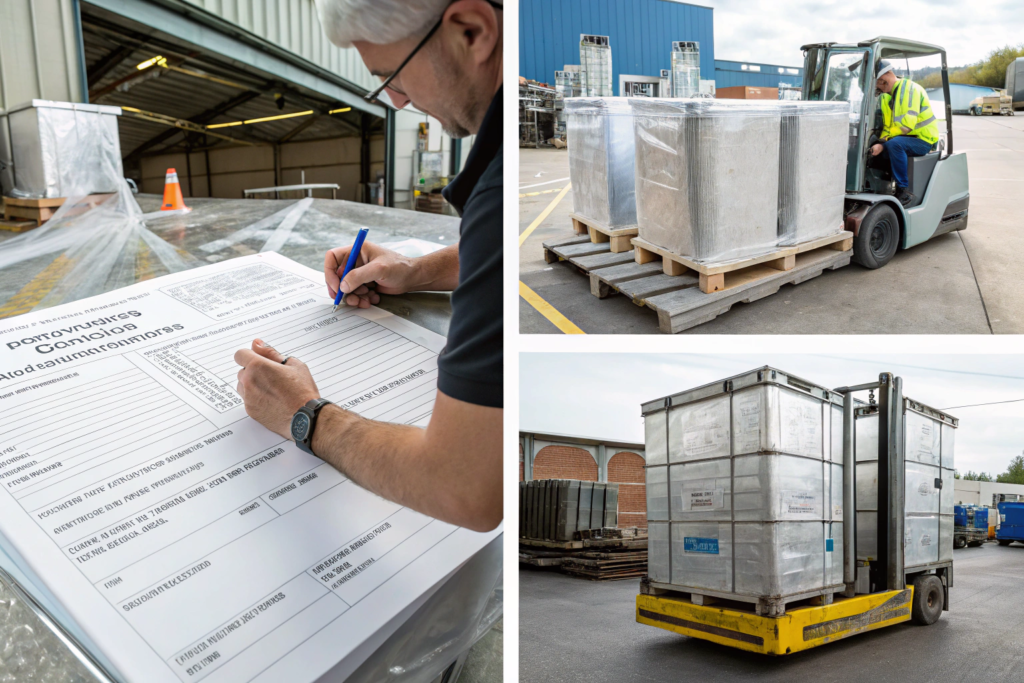
Step one is the formal request. You send us a written "End-of-Life Mold Return Request." This can be a simple email. It identifies the mold by its unique serial number, which is engraved on the mold itself. We verify the number against our mold records. We confirm the mold was originally produced by us and is eligible for the stewardship program. Step two is the mold preparation. You ensure the mold is clean. It must be free of any residual plastic, heavy oil, or hazardous chemical residue. This is a basic safety requirement of our recycling partner. You do not need to polish it. It just needs to not be a biohazard. Step three is the logistics coordination. This is the critical part. For a domestic return within China, we arrange a truck to collect the mold directly from your warehouse or freight forwarder. We pay the domestic freight. For an international return, the logistics are more complex. Shipping heavy steel internationally is expensive. However, the scrap value of the high-grade steel often offsets the freight cost, or even exceeds it, creating a net positive value. In this case, we coordinate with the shipping line and apply the scrap value credit against the freight. If the freight exceeds the scrap value, we work transparently to find the most cost-effective solution, but our policy is to cover the net disposal cost. Step four is the recycling confirmation. When the mold arrives at our partner foundry and is placed in the dedicated bin, we take a time-stamped photograph. We issue the Mold Decommissioning Certificate to you. The process is complete.
Who Pays for the Freight for an International Return?
This is negotiated upfront in the Stewardship Agreement. Our standard clause states that the factory pays for the domestic freight to the recycling point. For international freight, we assess the scrap metal value. If the value covers the freight, the freight is effectively free. If not, we work on a shared-cost basis or, for high-volume, long-term partners, we absorb the cost entirely as part of the partnership value. The key is the transparent negotiation at the contract stage.
How Do You Certify That the Mold Is Actually Recycled?
The Mold Decommissioning Certificate is the proof. It is not just a letter. It includes a photograph of the specific mold, with its serial number clearly visible, sitting inside the designated recycling bin at the foundry. The photograph is geo-tagged and time-stamped. The certificate is signed by our factory manager and a representative of the recycling foundry. This is auditable evidence for your corporate social responsibility reporting.
Why Does a Factory Offer This Service for Free?
The "free" disposal is not an act of charity. It is a sound business model based on the circular economy. The high-grade tool steel in your old mold has a significant intrinsic scrap value. We are not doing you a favor by taking your trash. We are recovering a valuable raw material.
A typical mold for a zinc alloy belt buckle weighs 40 kilograms. The steel is P20, a pre-hardened mold steel. Its scrap value fluctuates with the global metal markets, but it is consistently high enough to cover our domestic logistics and processing costs. By aggregating the returned molds from multiple clients, we create a significant volume of high-quality scrap steel. Our recycling partner pays us a premium price for this clean, sorted, high-grade material, compared to mixed, contaminated scrap. This revenue stream covers the cost of the stewardship program. It is a self-funding system. Furthermore, offering this service is a powerful competitive differentiator. It solves a real pain point for our clients. It builds immense loyalty. A buyer stuck with a warehouse of dead molds will switch to a factory that offers a free, responsible exit. This service wins and retains business. It also aligns perfectly with the sustainability requirements of major European and American retailers. Our mold stewardship program is a key element of our ESG proposition. It demonstrates our commitment to product lifecycle responsibility. This is increasingly a mandatory vendor qualification criterion.
What Is the Current Scrap Value of P20 Mold Steel?
The value varies, but as a benchmark, clean, sorted P20 scrap typically fetches a price that is 40-60% of the new steel price. This is significantly higher than mixed construction scrap. This high-value recovery is what makes the free disposal model economically viable. We are transparent about this value with our clients.
How Does This Service Help with Brand ESG Reporting?
Your company’s Environmental, Social, and Governance report requires data on waste reduction and circular economy initiatives. The Mold Decommissioning Certificate provides you with verifiable data. You can report that in a given year, you responsibly recycled X kilograms of high-grade tool steel through a closed-loop factory partnership, avoiding landfill and reducing your Scope 3 waste footprint. This is a valuable data point for your sustainability scorecard.
How Do You Verify a Factory’s Claim Before You Sign a Contract?
Do not rely on a brochure. Verify. A genuine mold stewardship program is physically visible and auditable. You can do this remotely or in person. We welcome both.
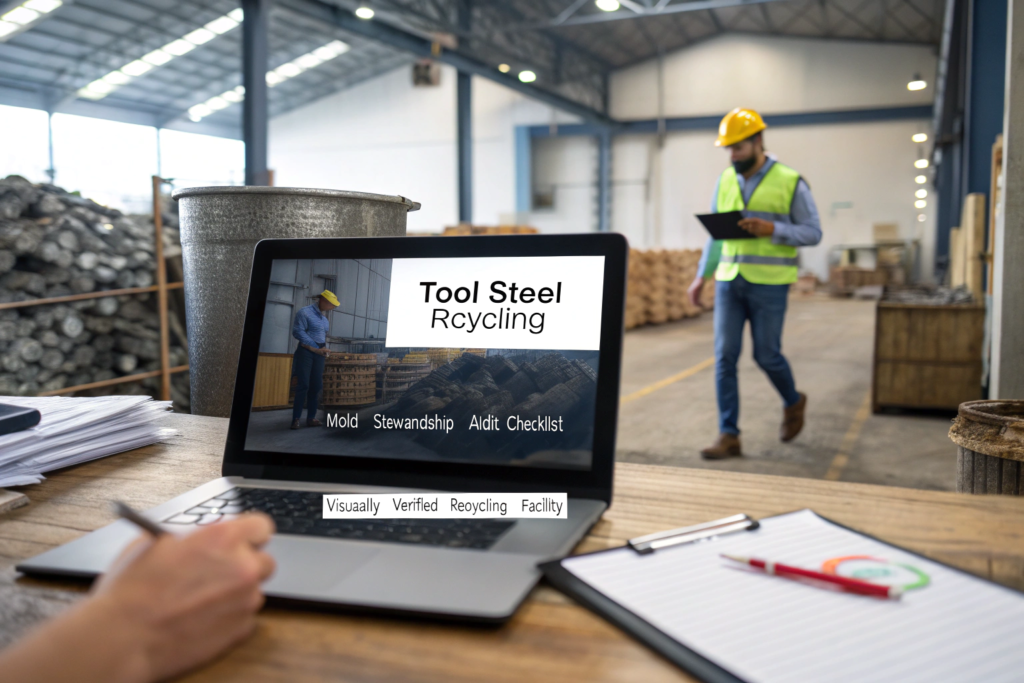
The first verification step is a live video audit. Ask the factory manager to walk you, live and unpaused, to their recycling area. You want to see the designated container for tool steel. It should be clearly labeled. You want to see molds in the container. Ask them to show you a mold that has a clearly visible serial number and ask them to explain where it came from. A genuine program has live inventory. An empty, pristine container is a sign of a marketing fiction. The second step is a document audit. Request a sample Decommissioning Certificate from a previous client, with the client’s name redacted for privacy. Check the date, the mold weight, and the destination facility. The third step is a partner audit. Ask for the name and address of the recycling foundry. A transparent factory will provide this. You can then independently verify the foundry’s environmental permits and operating license. This is standard supply chain due diligence. The fourth step is a reference check. Ask the factory to connect you with an existing client who has used the mold stewardship program. A brief email conversation with a fellow brand owner is the most powerful verification of all. A factory that hesitates or is vague on any of these steps is likely not operating a genuine program.
What Should You See in a Live Video Audit?
Look for the physical evidence of the process flow. An area for receiving and cleaning returned molds. A segregation system for different steel grades. The actual recycling container with a current date. A real-time demonstration of a mold being placed in the container. The factory manager should be knowledgeable and immediate in their answers, not reading from a script.
Why Is the Recycling Partner’s Identity Important?
Some unscrupulous operators might claim to recycle but actually send the molds to an illegal, polluting backyard smelter or simply dump them. The identity of the recycling partner is a transparency checkpoint. A legitimate, ISO 14001 certified foundry is a point of pride. We provide our partner’s details openly. This allows our clients to conduct their own environmental compliance verification.
Conclusion
Free disposal of old molds is a service that separates a transactional, linear factory from a strategic, circular manufacturing partner. It is founded on a contractual Mold Stewardship Agreement, driven by the economic reality of high-grade steel scrap value, and proven through a transparent, auditable process of return logistics, witnessed recycling, and documented certification.
The benefit to you is the liberation of valuable warehouse space, the legal peace of mind of proper waste disposal, and a tangible data point for your corporate sustainability reporting. The benefit to the factory is a loyal customer, a competitive edge, and a recovered material asset.
In our Zhejiang factory, the mold stewardship program is integrated into our customer portal. Every mold we make has a digital twin that tracks its lifecycle status, from "Active Production" to "Idle" to "End-of-Life Returned" to "Recycled."
If you are currently burdened with old, decommissioned molds from a previous supplier, or if you want to start a new project with the security of a full lifecycle commitment, I invite you to contact our Business Director, Elaine. She can share a copy of our standard Mold Stewardship Agreement clause and a sample Decommissioning Certificate. She can arrange a live video audit of our recycling area. Send her an email at elaine@fumaoclothing.com. Let us transform your dead weight into a responsible, circular resource.