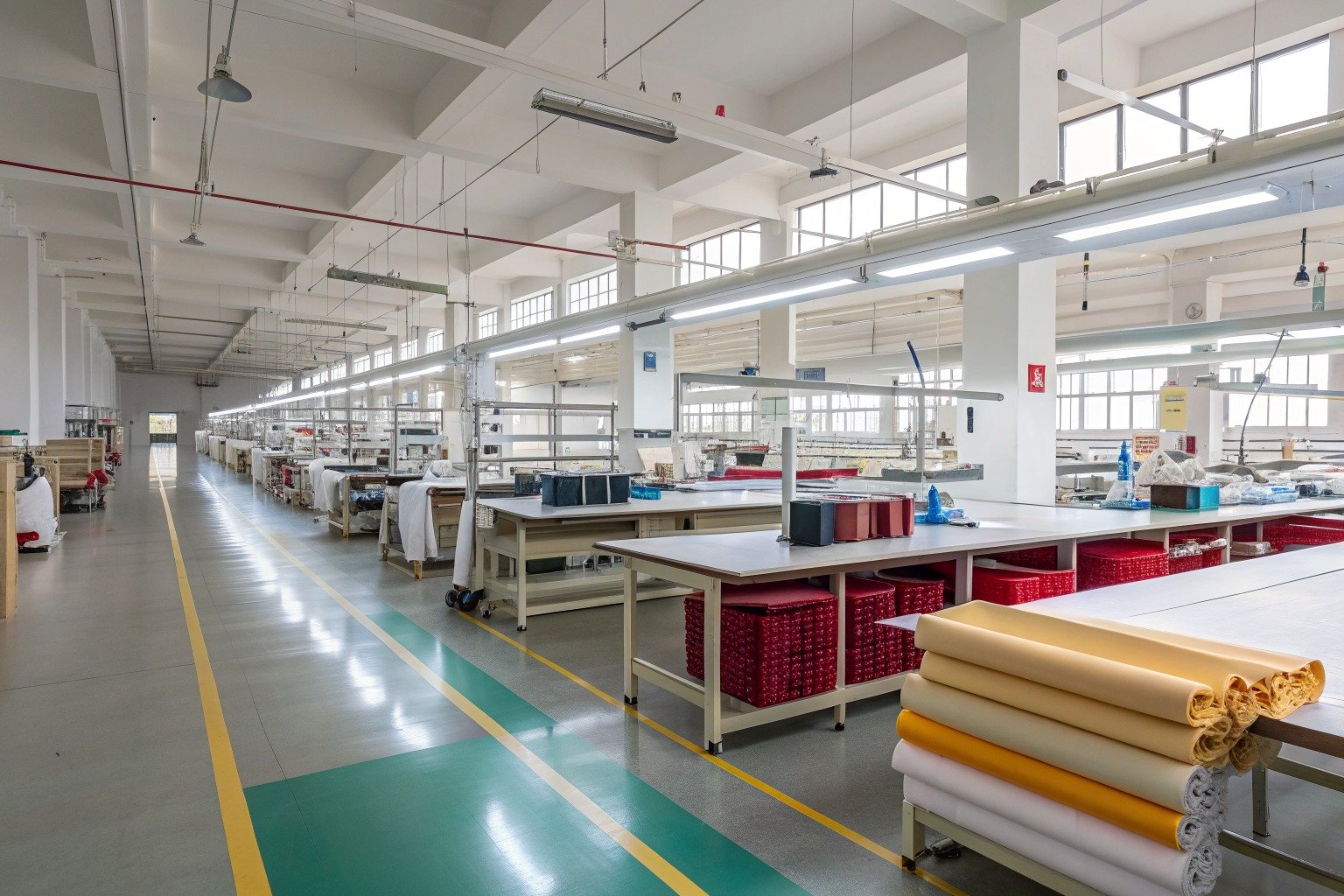
Have you ever had a customer pull a brand new leather belt tight, only to hear a sickening "crack" as the buckle snapped clean off the strap? I have witnessed this exact failure at a trade show. A potential buyer picked up our competitor’s belt. He wrapped it around his hand and gave it a sharp tug. The metal pin sheared. The leather tore at the stitch line. He dropped the broken belt on the table, wiped his hands, and walked away. The competitor lost a $50,000 order in one second. The problem was not visible. The belt looked strong. But the internal structure, the rivet setting, the leather fiber density, was never properly tested. It was a belt designed for the shelf, not for the body.
AceAccessory is a professional manufacturer and exporter of accessories. US importers ask for factory videos of the tension test on belts because the Consumer Product Safety Improvement Act imposes strict liability for mechanical failures, and the video serves as the only verifiable, time-stamped proof that each production batch withstood a specific, calibrated pulling force without breaking, deforming, or releasing its buckle.
The tension test is the ultimate truth-teller. It answers the simple question: "Will this belt hold together when a person bends over, sits down, or runs for a bus?" A belt is a safety device. It must not fail. As a factory owner in Zhejiang who has invested in a certified tensile testing laboratory, I can explain the exact machines, the standards, and the forensic video evidence that US buyers demand to protect their businesses.
What Is the Legal Liability That Drives This Video Request?
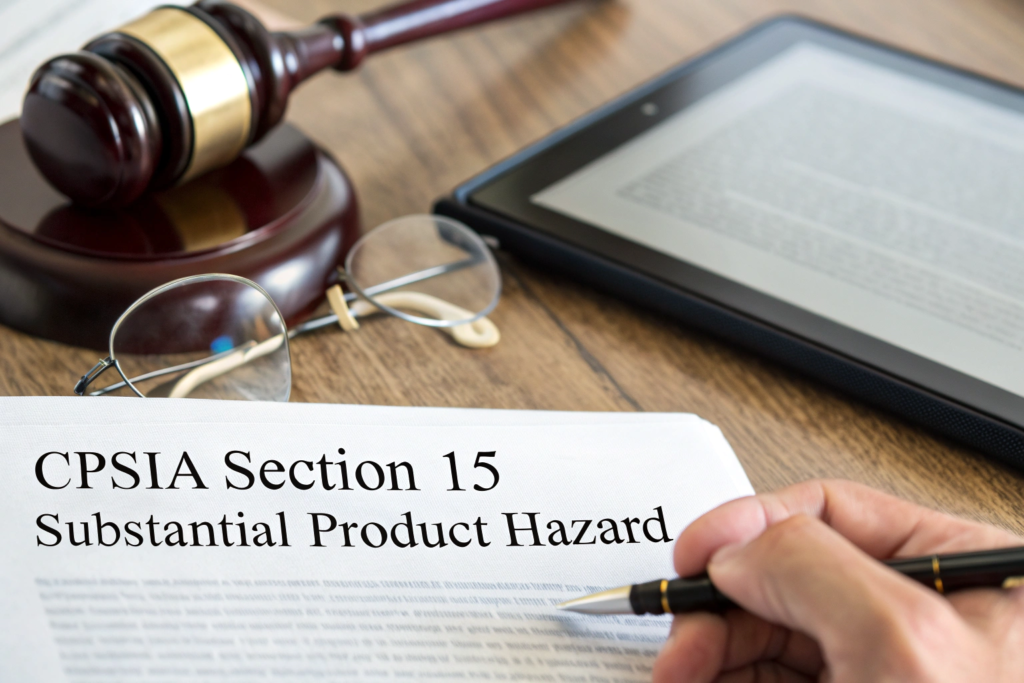
The legal framework in the United States is unambiguous. The Consumer Product Safety Act, as amended by the CPSIA, gives the Consumer Product Safety Commission the authority to regulate consumer products. A belt that snaps during normal use is classified as a "substantial product hazard." The importer of record is strictly liable. This means the injured consumer does not need to prove negligence. They only need to prove the belt broke and caused injury. The importer is automatically responsible.
The financial consequences of a failure are catastrophic. A single injury lawsuit for a lacerated hand or a fall caused by a broken belt can run into six or seven figures. A recall of a defective belt line can bankrupt a small brand. The legal defense against this liability is documented due diligence. The importer must demonstrate to a court or to the CPSC that they took every reasonable and necessary step to ensure the product’s safety before it entered the stream of commerce. A paper certificate from the factory is insufficient. It can be forged. A continuous, unedited video of the actual tension test being performed on a random sample from the specific production batch is legally defensible evidence. The video shows the specific belt. It shows the calibrated machine applying a specific force. It shows the belt surviving the test. It is a time-stamped, visual affidavit of safety. In a deposition, this video is the importer’s shield.
How Does the CPSC’s "Substantial Product Hazard" Definition Apply to Belts?
A belt is a load-bearing accessory. A sharp metal buckle pin, a heavy leather strap, a metal rivet. If any of these components fails under a load that is reasonably foreseeable, the product is hazardous. A person bending over exerts a force. A person catching their belt on a door handle exerts a sudden shock load. The CPSC evaluates whether the failure could cause a puncture wound, a laceration, a fall, or a choking hazard from a small detached part. A broken belt is not just a minor inconvenience. It is a legally defined safety risk.
What Is a "Calibrated Machine" and Why Is It Essential for Legal Proof?
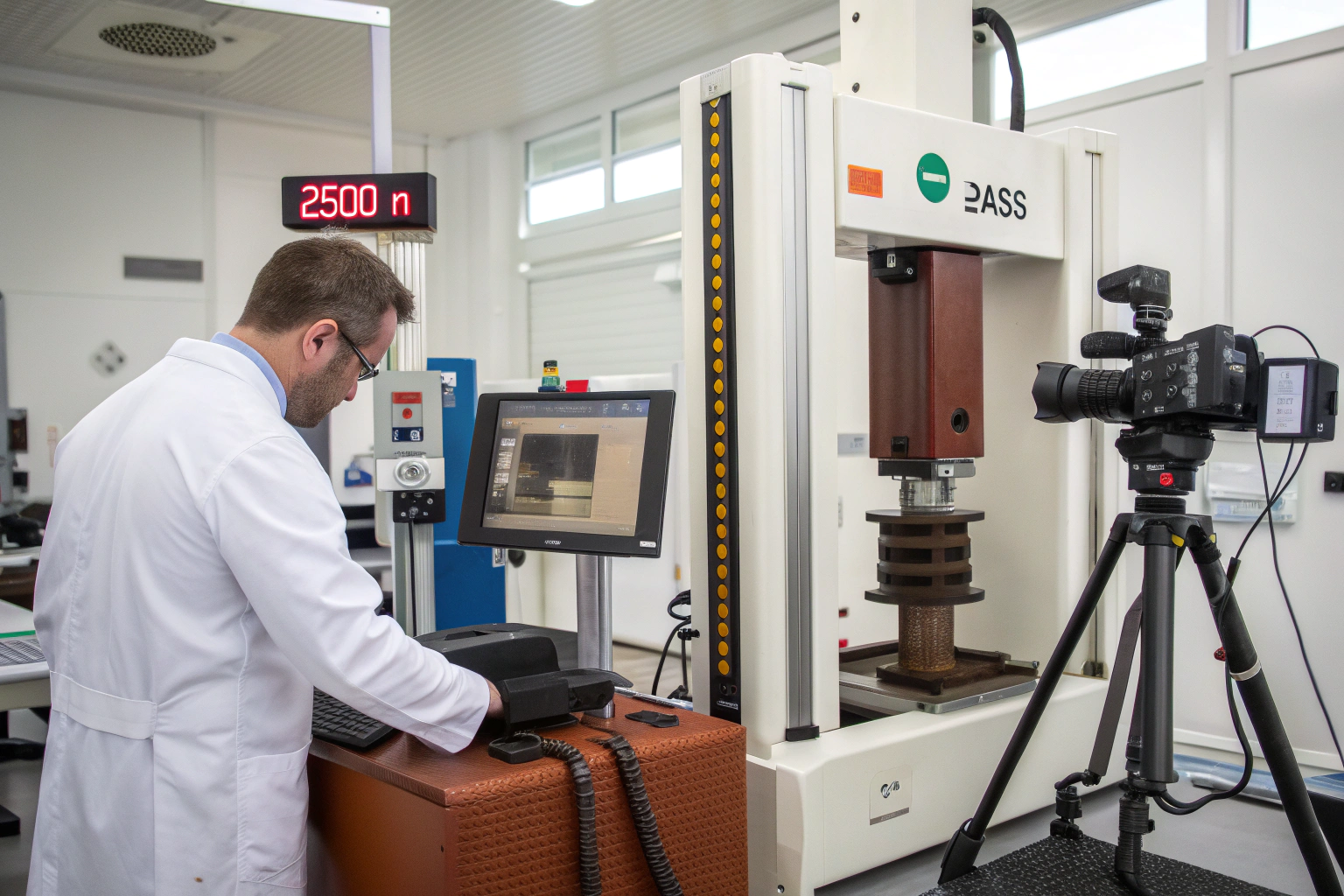
A tensile testing machine is a precision instrument. It measures force using a calibrated load cell. This load cell must be certified annually by an accredited metrology lab. The calibration certificate is traceable to national standards. The video must show the calibration sticker on the machine. This proves the force measurement is accurate. An uncalibrated machine’s results are legally worthless. This calibration discipline is the foundation of the evidence.
How Do You Prove the Tension Test Was Performed on a Production Batch?
The video’s legal power rests on the chain of custody. The buyer must prove the belt that was tested was from their actual production batch, not a specially prepared "golden sample." Our protocol creates an unbreakable chain.
The video recording begins with a wide shot of the finished goods quarantine area. The camera zooms in on the carton labels, showing the purchase order number, the style number, and the quantity. The QC inspector, wearing a lab coat and gloves, is identified on camera. They verbally state the date, time, and batch number. The inspector uses a random number generator on a tablet to select a specific carton. The camera follows the inspector as they walk to the selected carton, open it, and remove a belt. This is the "random selection" evidence. The inspector then scans the barcode on the carton and a separate barcode on the belt’s hang tag. The scanning software links the test data to the specific batch and unit. The camera follows the belt to the tensile testing machine. The entire journey is recorded in one continuous, unedited shot. This forensic-level chain of custody eliminates any doubt that the tested belt was a genuine, random production sample. It proves the factory is testing the real product, not a showpiece.
What Is the Standard Sample Size for the Tension Test?
We use an AQL sampling plan. For a batch of 1,000 belts, with a normal inspection level, we randomly select 20 belts for the tension test. This sample size is statistically significant. It provides a 95% confidence level that the batch meets the specification. The video records the testing of all 20 samples. The final report lists the individual force results for each of the 20 serial numbers.
Why Must the Video Be a Single, Continuous File?
A single cut in the footage is a reasonable doubt. A lawyer will argue the belt could have been swapped for a stronger one during the cut. The continuous, unbroken recording is the forensic standard that makes the evidence inadmissible to such arguments. Our camera system uses write-once media that cannot be edited.
What Are the Specific Pass/Fail Criteria for a Belt Tension Test?
The test is not just a pull. It is a specific, standards-based protocol with clear, measurable pass/fail criteria. Our baseline standard is derived from the international standard ISO 11721 for leather belts. We test three critical failure modes.
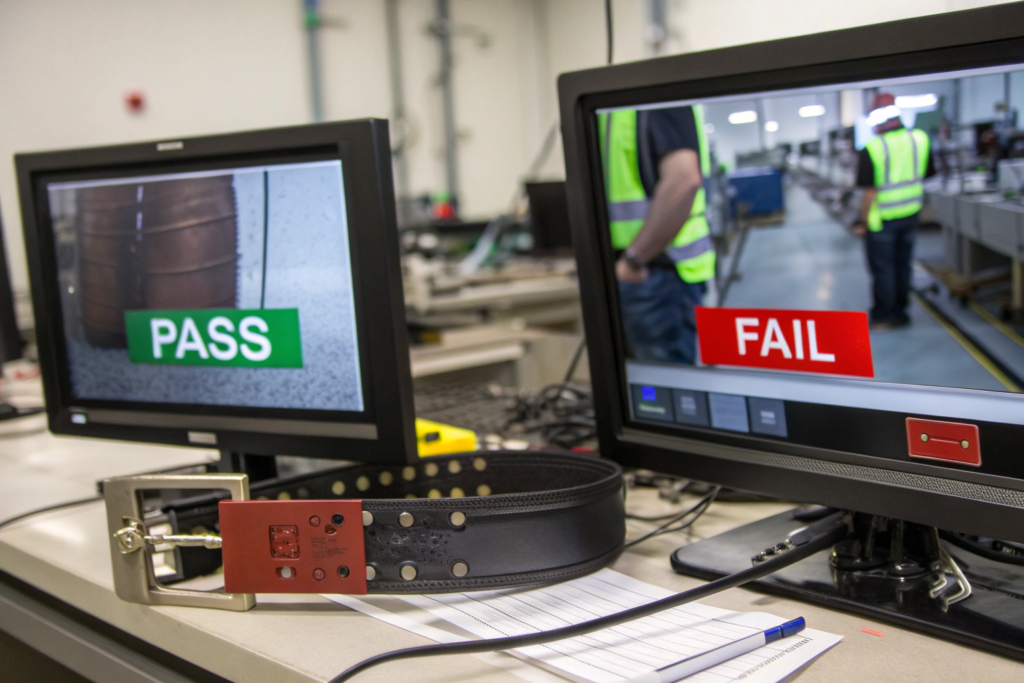
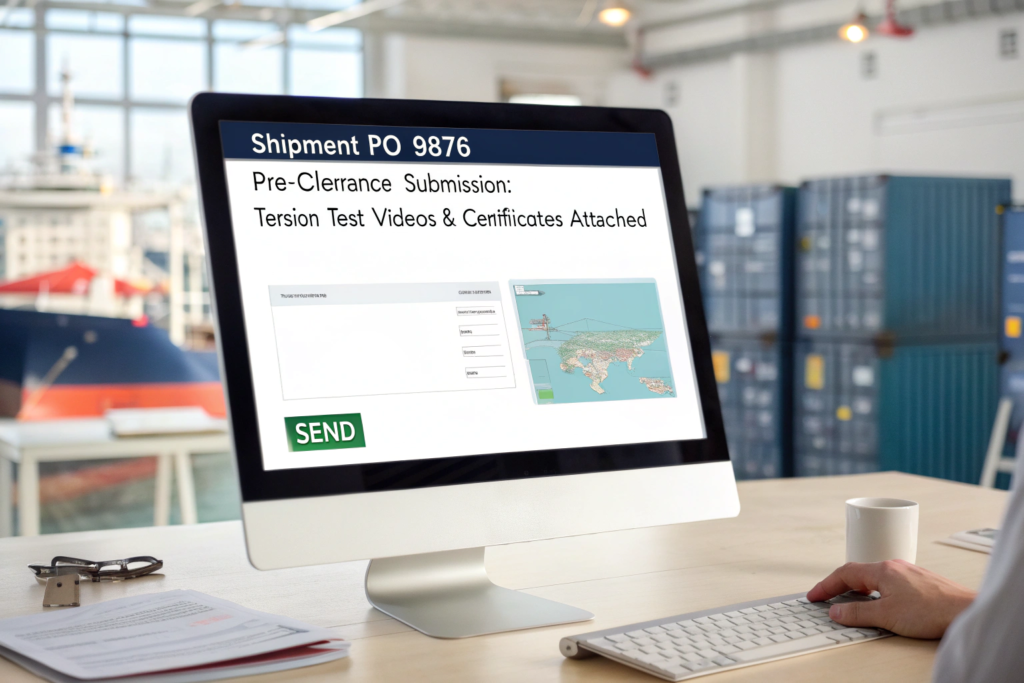
Test one: Buckle Attachment Security. The belt strap is clamped. The buckle is pulled. The buckle, its pin, and its attachment stitching or rivets must withstand a static force of 1,500 newtons (approximately 150 kilograms of force) for 10 seconds without separating from the strap. This simulates a severe, sustained pull. Test two: Leather Strap Tensile Strength. The leather itself must not tear. We test a standardized dumbbell-shaped sample cut from a finished belt. It must achieve a minimum tensile strength of 20 newtons per square millimeter for full-grain cowhide. Test three: Stitch Line Shear. The critical seam where the buckle is folded and stitched must not unravel. A force is applied parallel to the seam. The seam must withstand a specific force per centimeter of stitching length without the threads breaking or the leather tearing at the needle holes. The pass/fail criteria are programmed into the testing machine’s software. The machine stops the test automatically at the target force. The green "Pass" or red "Fail" indicator is displayed clearly on the screen and recorded on the video. There is no subjective judgment. The test is objective and binary.
What Force Does a Typical Human Body Exert on a Belt?
The 1,500-newton standard is not arbitrary. A heavy person sitting down quickly or bending over can momentarily exert a force exceeding 1,000 newtons on their belt. We test to 1.5 times the maximum foreseeable load to provide a robust safety factor. This is the engineering logic.
How Do You Test the Rivet Setting on a Belt?
A rivet is a single point of failure. We use a shear test fixture. The rivet’s head is supported, and a flat punch pushes the leather strap. The force required to shear the rivet, pull it through the leather, or tear the leather around it is measured. A properly set rivet, combined with a reinforcing washer, will withstand a force far exceeding the leather’s own tear strength. The failure should always be the leather tearing, not the rivet popping out cleanly. This proves the rivet is stronger than the substrate.
How Does This Video Evidence Speed Up US Customs Clearance?
The video is not just a legal defense tool. It is a proactive trade facilitation tool. US Customs and Border Protection has a risk-based targeting system. A shipment from a factory with a documented history of compliance is less likely to be flagged for a physical examination.
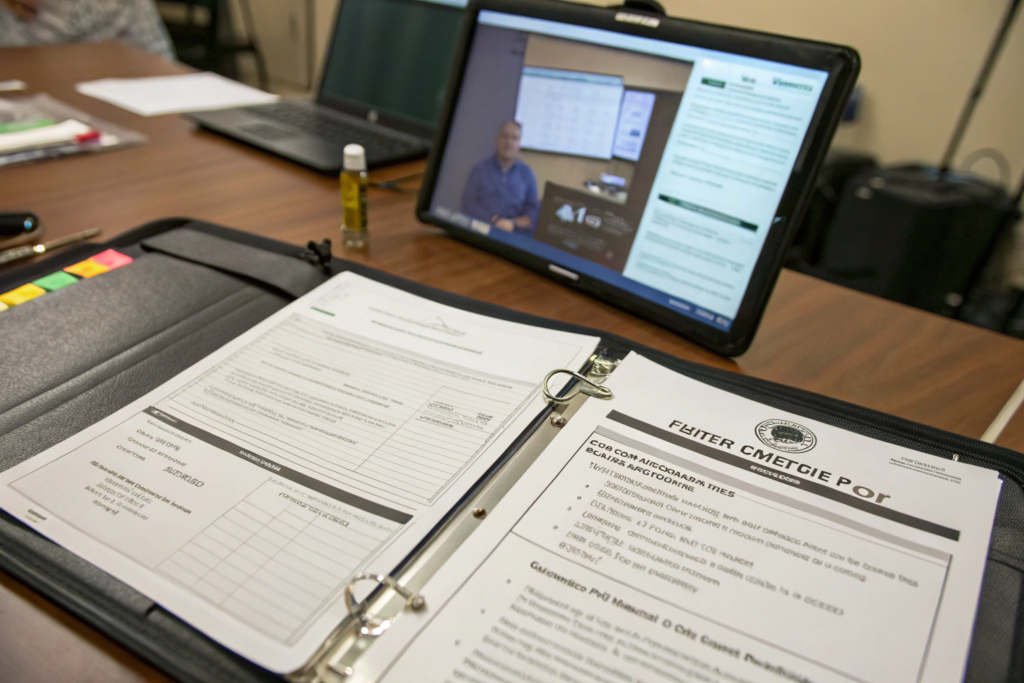
The tension test video, along with the batch certificate and the calibration report, is a powerful compliance dossier. We provide this dossier to the US importer before the container arrives at the port. The importer’s customs broker can present this dossier to the CBP officer if the shipment is selected for a documentary review. The evidence demonstrates that the product has been independently verified to meet a recognized safety standard. It demonstrates a proactive safety culture. This significantly increases the probability of a quick release. It reduces the risk of costly cargo holds and intensive examinations. It is a clear example of how factory-level quality control data can directly impact the speed and cost of the international supply chain. The video is a trade document as much as it is a safety record.
How Does This Fit with the Customs-Trade Partnership Against Terrorism?
C-TPAT is a voluntary program for importers to secure their supply chain. A key benefit is reduced customs exams. A factory that provides detailed, verifiable quality and safety test videos is a highly secure and transparent link in the supply chain. This evidence supports the importer’s C-TPAT application and validation. It strengthens the entire chain of trust.
What Is the "Pre-Clearance Dossier" We Provide?
It is a single digital package for each shipment. It contains the tension test video, the corresponding batch test report, the calibration certificate for the tensile machine, the material certificates for the leather and metal components, and the BPA/phthalate test reports for any plastic parts. This complete dossier is emailed to the buyer one week before the ship’s estimated arrival. It allows for entirely pre-cleared entry.
Conclusion
The US importer’s demand for a tension test video is a direct, logical consequence of the US strict liability product safety regime. The video transforms a factory’s internal quality control check into a defensible legal document. It proves the exact production belt, randomly selected and recorded in a continuous, unedited chain of custody, withstood a calibrated force exceeding the maximum foreseeable human load. The binary Pass/Fail criteria remove subjectivity. The video dossier then serves a dual purpose: it is the importer’s legal shield in a lawsuit and a proactive trade facilitation tool that can speed up customs clearance.
In our Zhejiang factory, the tensile testing laboratory is a certified, video-monitored environment. The testing protocols are standardized. The calibration is current. The chain of custody is recorded. We provide the complete video dossier with every shipment.
If you are a US belt brand or importer who requires this level of documented, legally defensible safety assurance, I invite you to contact our Business Director, Elaine. She can send you a sample of our belt tension test video dossier. She can arrange a live video walk-through of our testing laboratory and show the calibrated machine in operation. Send her an email at elaine@fumaoclothing.com. Let us build a belt that is strong enough to hold up your pants and defend your company in court.