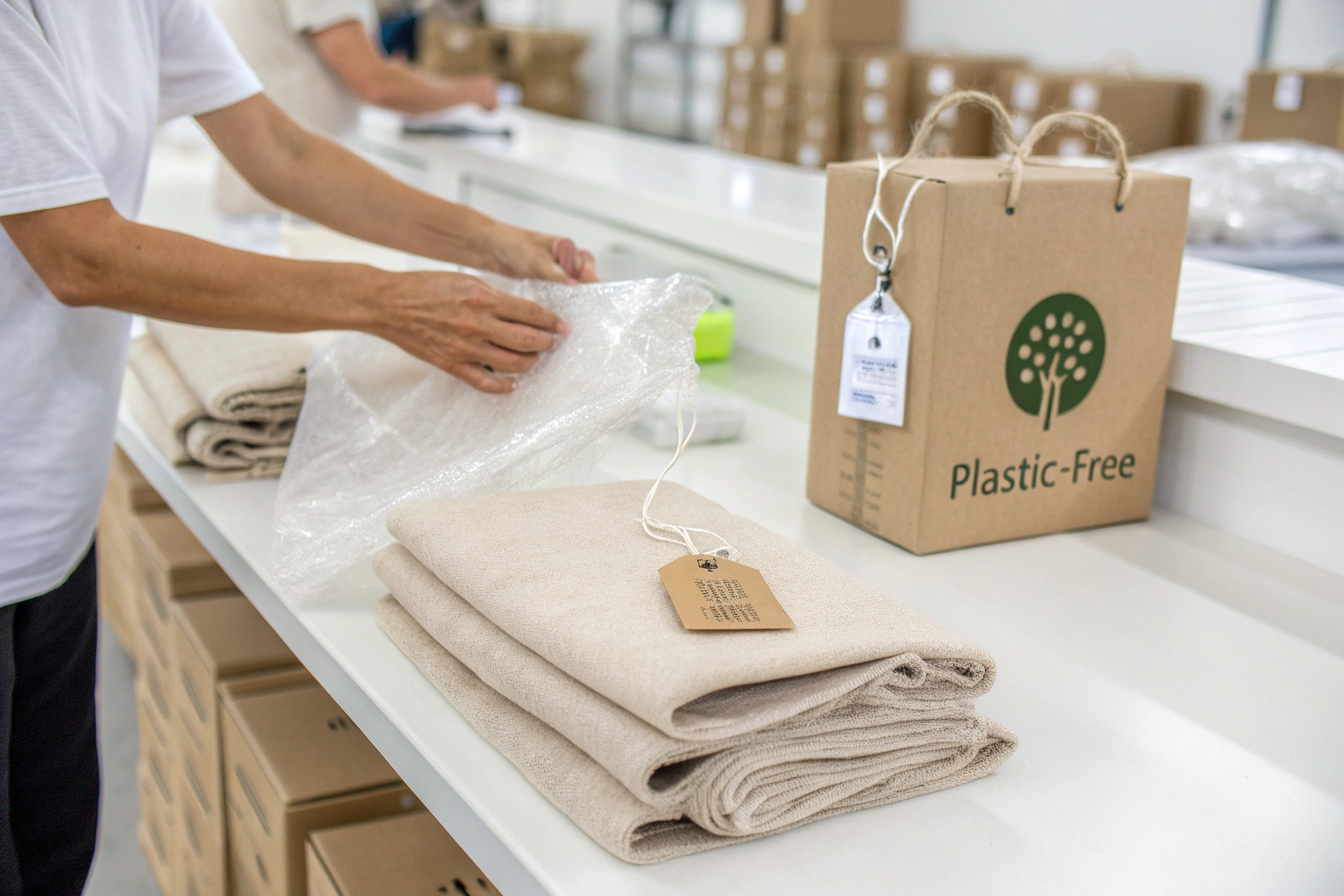
Have you ever opened a box of fashion accessories and felt buried in a mountain of plastic wrap? Your customer feels the same disgust. They order a beautiful scarf. It arrives wrapped in a plastic polybag. The scarf is lovely. The plastic is trash. It ruins the unboxing experience. It creates guilt. European shoppers are not just annoyed by this. They are angry. And their governments are listening. If you are an exporter to Europe, you are about to hit a wall of new laws. Ignoring these laws means your goods get rejected at the border. It means your retail buyer drops you. The problem is not the product. It is the packaging.
AceAccessory is a professional manufacturer and exporter of accessories. European supermarkets require plastic-free packaging by 2026 due to strict Extended Producer Responsibility laws, the EU Green Deal’s circular economy targets, and powerful consumer demand for compostable or paper-based materials that eliminate single-use plastic waste.
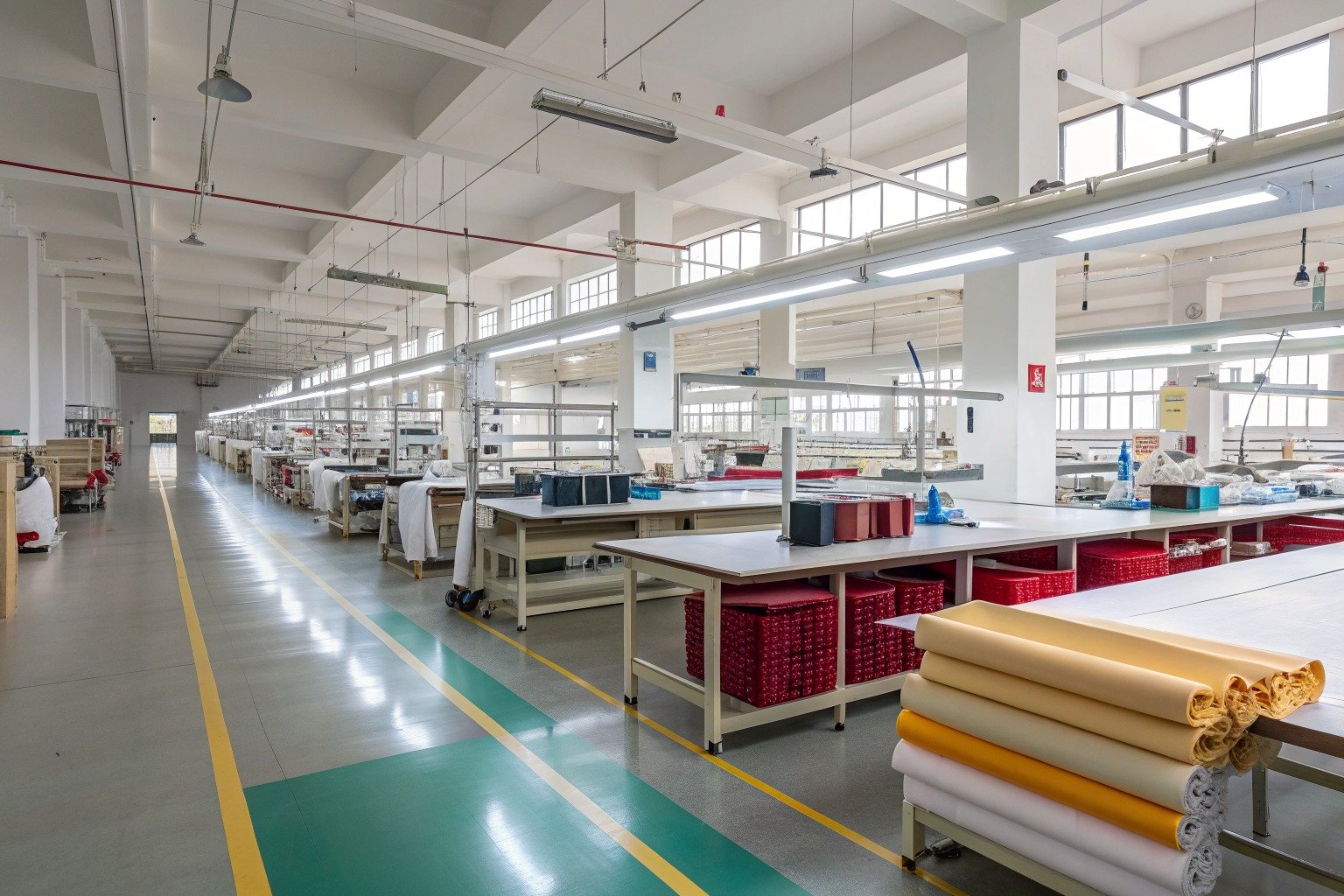
Plastic packaging was a miracle of the 20th century. It is cheap. It is clear. It protects goods from moisture. But it lives for 500 years in a landfill. Europe has decided the cost is too high. As a factory owner in Zhejiang who ships thousands of cartons to European chains, I have redesigned my entire packaging line for this deadline. I want to explain the legal, environmental, and business logic behind this shift. This will help you transition your supply chain without panic.
What Are the Key EU Laws Driving the Plastic Packaging Ban?
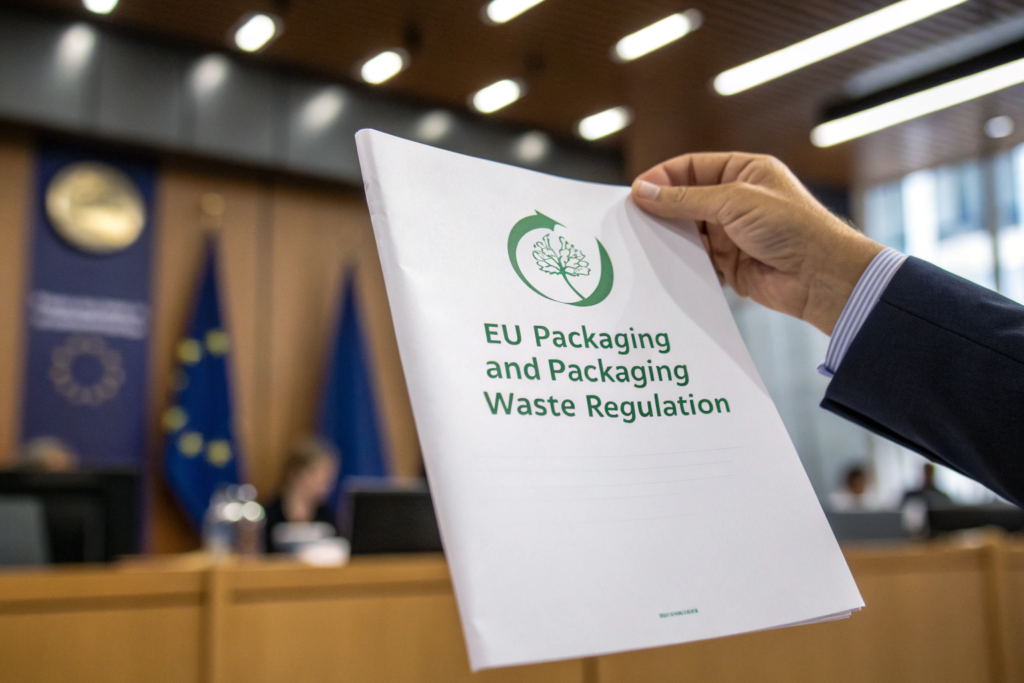
The force behind the change is not a suggestion. It is a directive. The specific law is the EU Packaging and Packaging Waste Regulation. It replaces the old 1994 directive. The new rules mandate that all packaging on the EU market must be recyclable or reusable by 2030. But for single-use plastics, the timeline is much tighter.
The Directive on Single-Use Plastics already banned items like plastic cutlery and straws. Now, the focus has shifted to unnecessary packaging layers. For our accessory industry, the classic clear polybag is the enemy. The new law sets strict targets for reducing packaging waste per capita. It forces supermarkets to pay fees based on how much plastic they generate. This is called Extended Producer Responsibility. The supermarket is responsible for the plastic waste. They pass that pressure down to us. We must provide packaging that dissolves in water or composts in soil. The legislation also demands a minimum recycled content in the plastic that is still allowed. But most accessory retailers are skipping that complexity entirely. They are going 100% plastic-free.
How Does Extended Producer Responsibility Affect Importers?
EPR means the polluter pays. If a supermarket in France puts a plastic-wrapped belt on the shelf, they pay a tax for that plastic. The tax funds the recycling system.
But the tax is a cost center. To avoid it, retailers issue a packaging specification manual. You must comply. We fill out a packaging data form for every shipment. We list the exact weight of paper, ink, and plastic. We try to ensure the plastic weight is zero. If we use plastic, the retailer asks us to pay the EPR fee. It directly hits your profit margin. To stay competitive, you must innovate with materials. This EPR scheme is now active in Germany, France, and Spain.
What Is the EU Green Deal’s Circular Economy Target?
The Green Deal is the master plan. It aims to decouple economic growth from resource use. For packaging, the target is clear: all packaging must be reusable or recyclable in an economically viable way by 2030.
For 2026, the intermediate milestone is the reduction of unnecessary packaging. A plastic window on a paper box is unnecessary. A plastic hang tag loop is unnecessary. We are phasing these out. We use a paper string or a cotton cord instead. The mindset is "design for recycling." We want the packaging to disappear safely. The EU Green Deal is the legal backbone of this transformation.
What Materials Are Replacing Plastic Polybags in Fashion Accessories?
The polybag has two jobs. It keeps the product clean. It holds the barcode sticker. The alternatives must perform these jobs exactly as well. But they must also rot like an apple core. This is a tough engineering challenge.
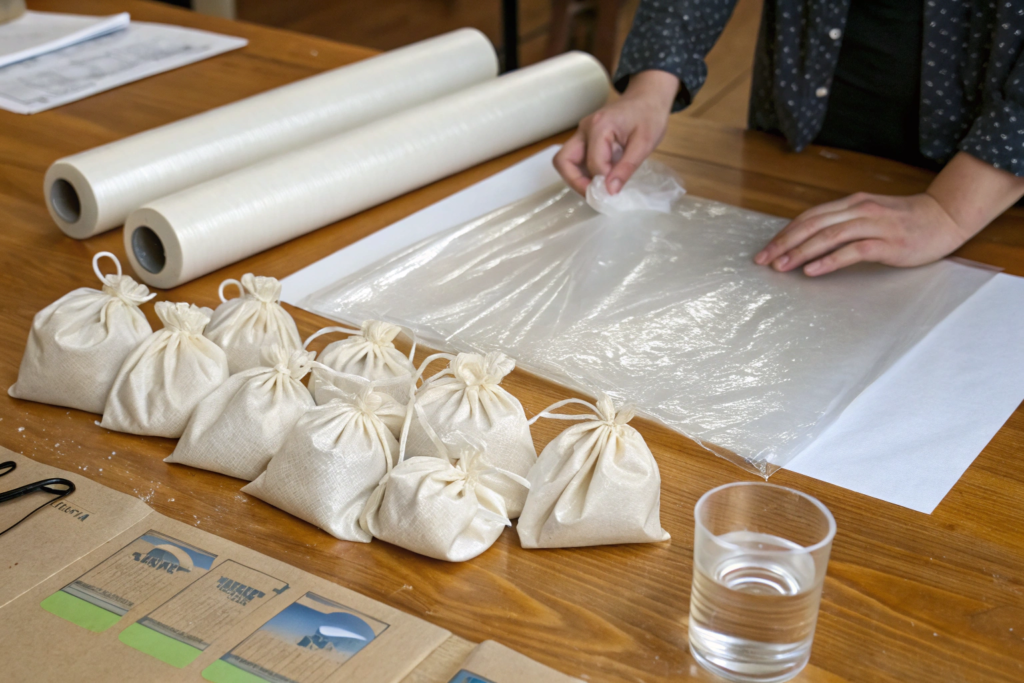
The most popular alternative is PLA bioplastic. It looks like clear plastic. It feels like plastic. But it is made from fermented corn starch. Under industrial composting conditions, it breaks down into water and carbon dioxide in 12 weeks. We source ours from a certified supplier. It costs about three times more than polyethylene, but the price is dropping as demand surges. The second alternative is glassine paper. It is a smooth, translucent paper. It is greaseproof and water-resistant. It makes a beautiful crinkle sound. It gives a vintage, premium feel to the unboxing. For heavy items like belts or metal buckles, we use a kraft paper envelope with a paper zip seal. The technology has advanced. These paper bags are now tear-resistant and can hold sharp hardware without puncturing.
Is PLA Bioplastic Actually Compostable at Home?
This is a tricky question. Standard PLA needs industrial composting. It needs a steady 60 degrees Celsius heat that a home compost heap cannot guarantee. If a customer throws it in the backyard, it stays intact for years.
We are transparent about this. We print "Industrially Compostable" on the bag. We do not claim home compostability unless the material is certified. There are new PHA bioplastics that do break down in the ocean and in home compost. But they are expensive and rare. For now, paper is still the safest bet for home compost claims. You can learn more about these differences from composting certification bodies.
How Do You Seal Paper Packaging Without Plastic Tape?
Tape is the hidden plastic. A paper bag sealed with clear plastic tape is not plastic-free. It is a contamination disaster. When the paper is pulped for recycling, the plastic tape clogs the machine.
We seal our paper bags with a water-activated gum strip. It is paper on one side and starch-based glue on the other. You just add water, fold it over, and it seals tightly. For a self-seal option, we use a latex-free rubber adhesive that peels away cleanly. This adhesive is fully recyclable. It does not leave a residue. This switch is a tiny detail, but it is essential to pass the supermarket’s packaging audit. The technology of paper-based packaging has evolved rapidly to meet this demand.
Why Do Retail Buyers Prefer Plastic-Free Packaging for Brand Image?
Supermarkets are fighting for brand loyalty. The "green" shopper is a high-value shopper. They buy organic food. They buy sustainable fashion. They post their unboxing on TikTok. If they see plastic, they post a complaint. The marketing risk is massive.
Retail buyers look at the entire package, from the swing tag to the shipping bag. A plastic polybag screams "cheap, fast, and toxic." A paper box screams "premium, natural, and considered." The packaging sets the price point. A scarf in a glassine paper bag can sell for 15% more than the same scarf in a plastic bag. The perceived value is higher. Our supermarket clients tell us the plastic-free packaging is as important as the accessory itself. It tells the story of their brand. It is a silent salesperson on the shelf. This is why we invest heavily in our design team. They create packaging that is not just safe for the planet, but beautiful to touch.
How Does Sustainable Packaging Drive Customer Loyalty?
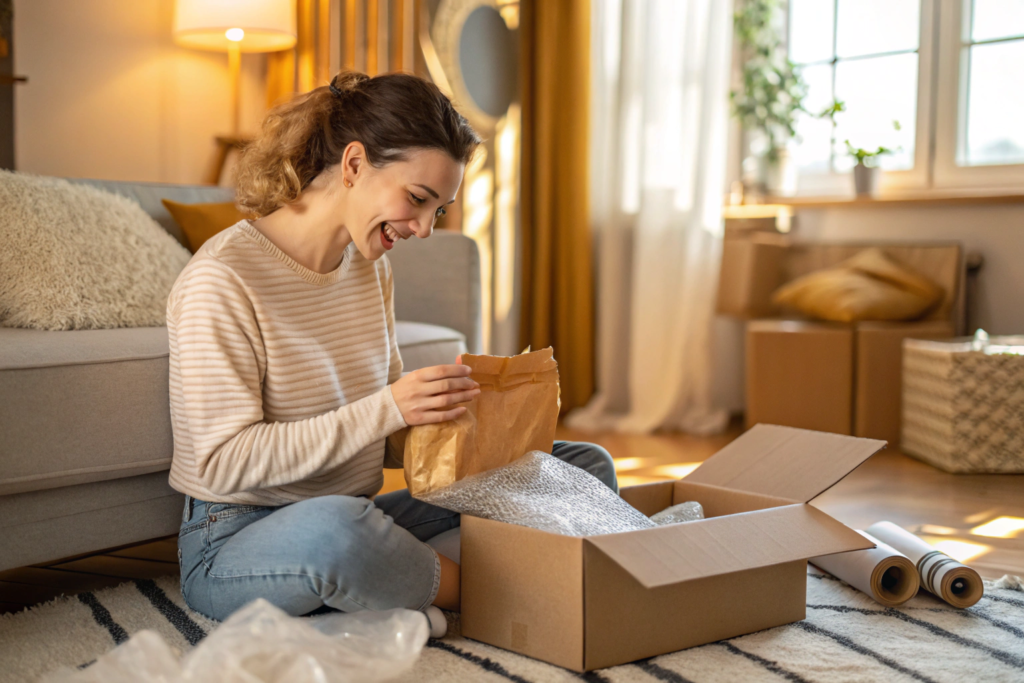
Guilt-free consumption. The customer throws the packaging into the paper bin. They feel smart. They feel virtuous. This positive emotion attaches to the product.
If the product is good and the packaging vanishes cleanly, the customer remembers the brand. They come back. They choose it over a cheaper, plastic-wrapped competitor. It is a competitive advantage. We have seen our retail clients reduce their plastic tax liability and increase their repeat customer rate at the same time. It is a win-win business case. The shift to eco-friendly retail is no longer a niche. It is the mainstream.
What Happens to Brands That Ignore the Plastic Ban?
They get fined. They get delisted. A European supermarket has a strict vendor compliance guide. If a shipment arrives with banned plastic packaging, it is a violation.
The retailer issues a chargeback. They deduct a penalty from the invoice. If the violation repeats, they de-list the supplier. They cannot afford the scandal. A local newspaper story about a "green" supermarket using tons of plastic is a PR disaster. The stakes are high. That is why our quality control team checks the packaging material as thoroughly as the stitching. We document the proof. We provide a certificate of compliance for every export. This vendor compliance is our service guarantee.
How Does Plastic-Free Packaging Affect Product Protection During Shipping?
The biggest fear for a factory is moisture. A container ship crosses the ocean. Humidity seeps into the carton. If the hat is in a paper bag, it gets wet. The hat molds. The order is ruined.
This fear has driven over-packaging with plastic for decades. But paper technology has closed the gap. We use a virgin kraft paper with a wet-strength additive. It acts like a sponge shield. It absorbs the atmospheric moisture itself before it reaches the product. For high-end wool items, we add a desiccant packet inside the paper box. We also wax-coat the outer shipping carton. This replaces the plastic shrink-wrap that used to cover the pallets. The carton itself becomes the moisture barrier. Sea freight tests have proven that these paper-based systems survive the maritime environment just as well as plastic. We guarantee it.
Can Paper Packaging Survive a Wet Shipping Container?
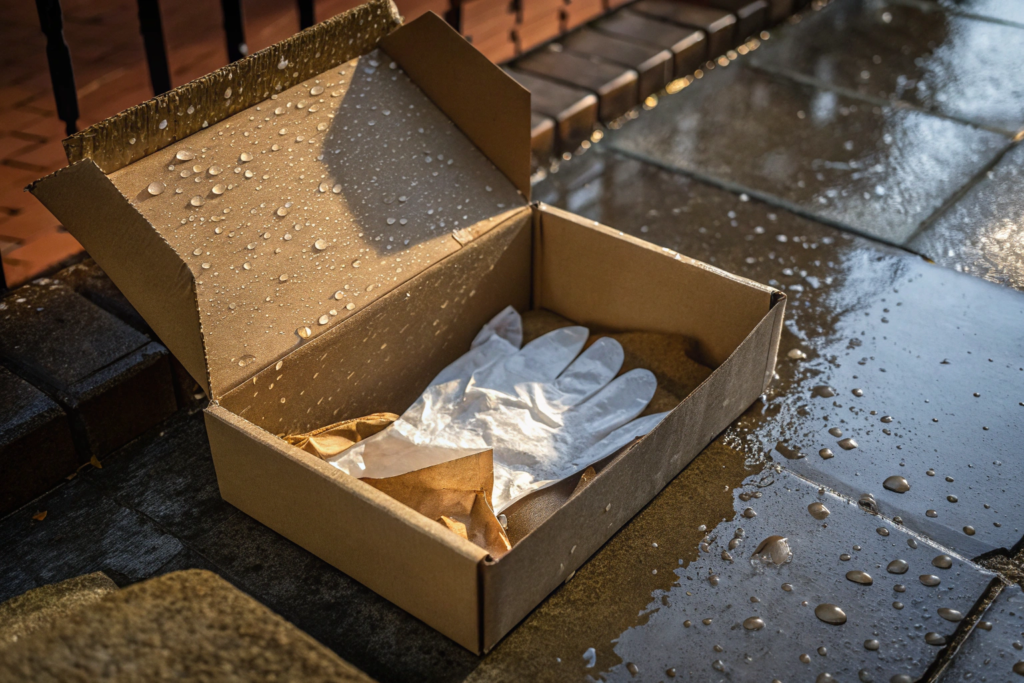
Yes, if you design the fiber correctly. Standard paper collapses when wet. It loses its structural integrity. We use a combination of long-fiber virgin kraft and a natural starch coating.
The starch is derived from potatoes. It creates a micro-barrier on the paper surface. Water beads up and runs off. The box stays rigid. This material costs a bit more than a standard cardboard box. But it removes the need for a plastic liner. The total cost is comparable. It passes the Cobb water absorption test. We simulate a humid warehouse environment for 72 hours before we approve any new packaging. This is a standard procedure in our quality lab. You can find similar testing standards from paper packaging suppliers.
How Do You Protect Sharp Metal Accessories Without Plastic?
Metal belt buckles and metal hair clips poke through paper. It is a real risk. The sharp edge cuts the fiber, and the product falls out.
We use a molded paper pulp tray. It is like an egg carton. We mold recycled paper pulp into a precise shape that cradles the metal piece. The metal sits in a nest. It cannot move. It cannot puncture the outer box. This pulp tray is fully compostable and shock-absorbing. It is a premium, sustainable solution that adds a lot of perceived value. The customer feels the heavy, solid pulp tray. It is much more impressive than a plastic blister pack. It is the future of protective packaging.
Conclusion
The 2026 plastic-free packaging requirement from European supermarkets is a deadline you cannot ignore. It is driven by hard legislation like the EU Packaging Waste Regulation and the economic pressure of EPR fees. It is enforced by retail buyers who need to protect their brand image and satisfy a customer base that hates plastic. The alternatives, from PLA bioplastic to wet-strength kraft paper, are ready and tested. They protect your goods across the ocean just as effectively as plastic.
The transition requires upfront investment. You need to redesign your bag sizes. You need to test the seals. You need to source certified materials. But the return is access to the European market. It is a premium brand image. It is a lighter environmental footprint.
At our Zhejiang factory, we finished this transition early. Our project managers can guide you through the material choices for your specific accessory. We have the compostable bags, the gum-sealed paper, and the molded pulp trays ready for production. If you ship to Carrefour, Tesco, or Rewe, we speak their packaging language. To start your plastic-free packaging project, contact our Business Director, Elaine. She can send you our latest packaging sample kit and the compliance certificates you need for your buyer. Send her an email at elaine@fumaoclothing.com. Let’s package your products for a cleaner future.