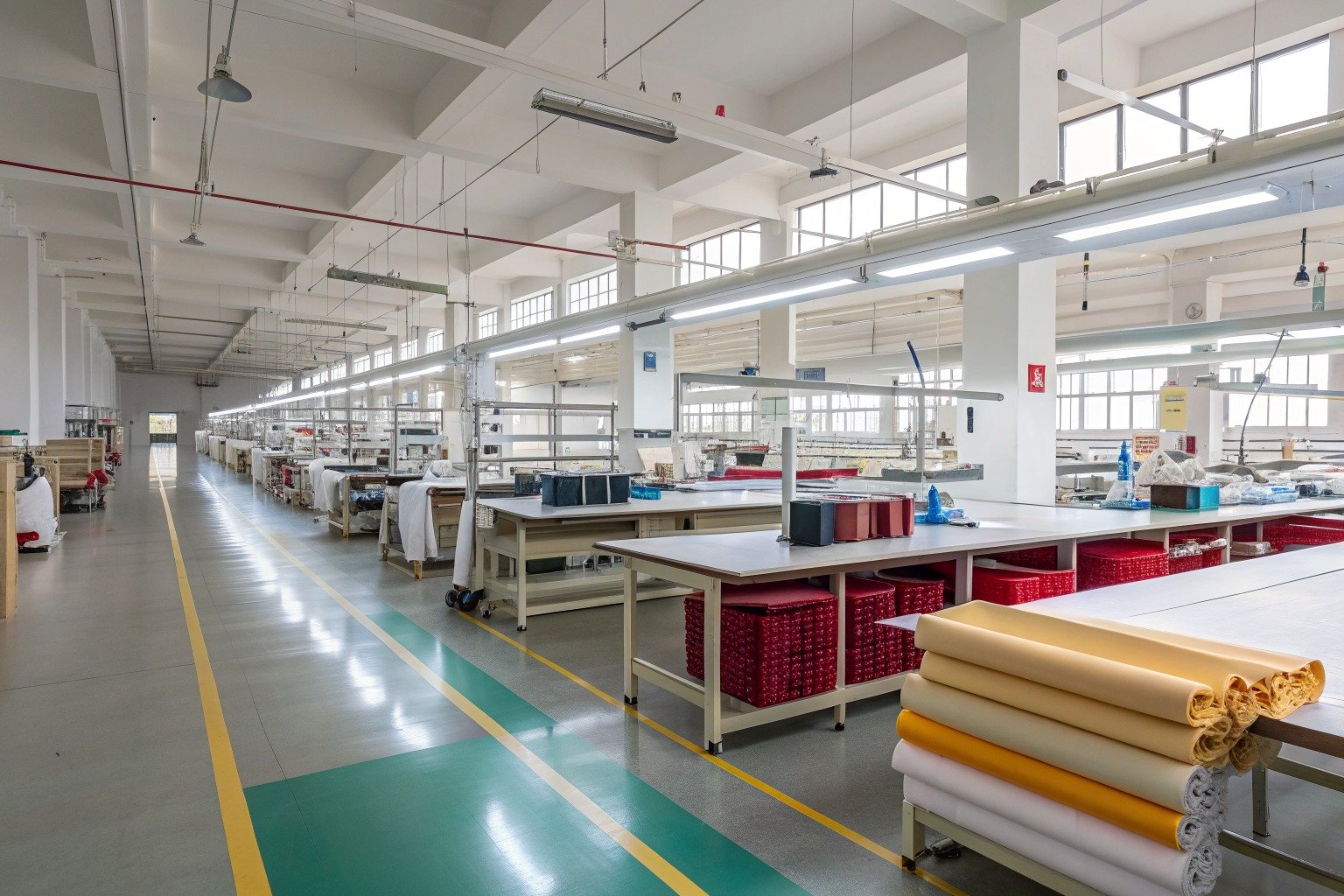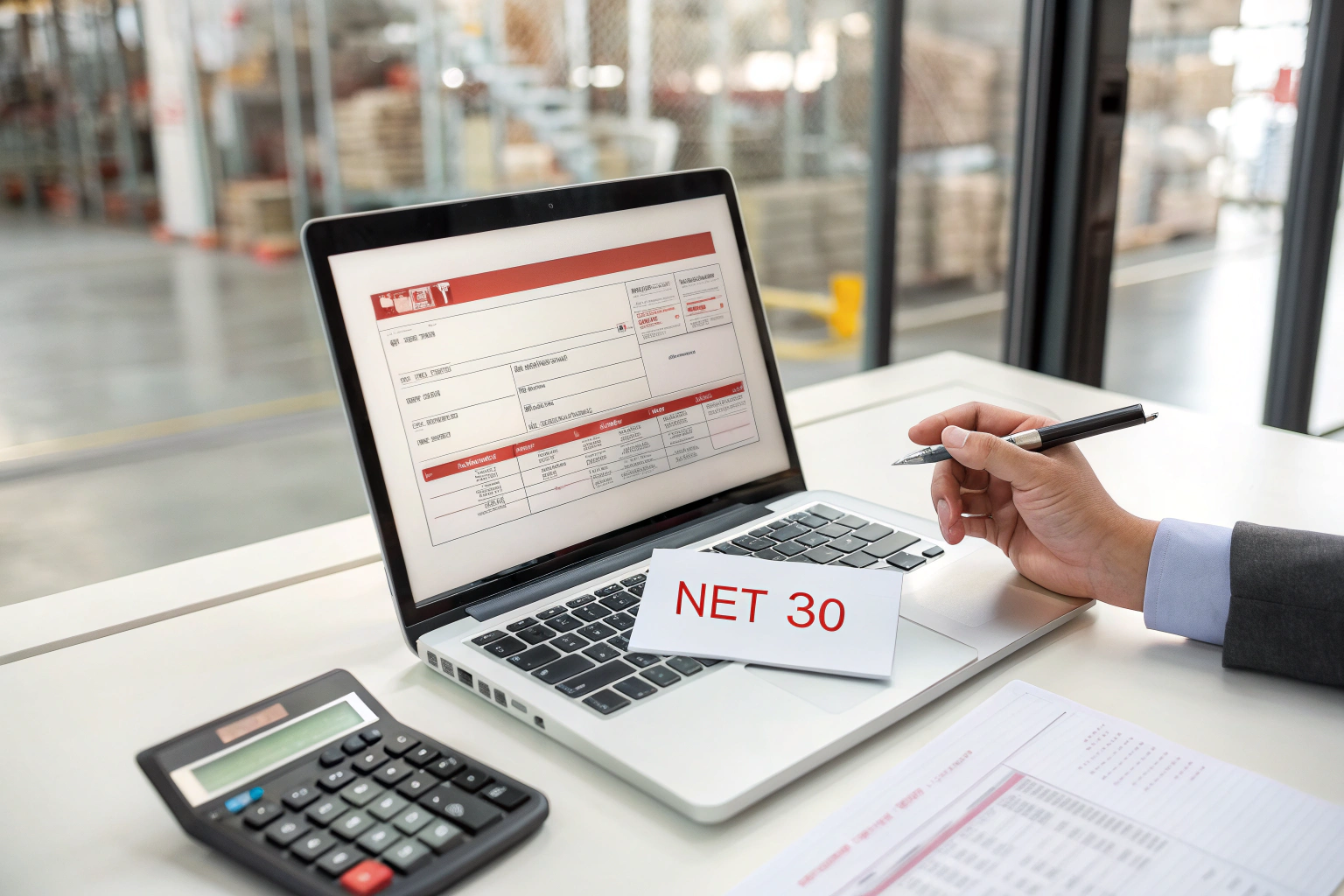
Have you ever found the perfect accessory factory, negotiated a great price, only to stumble on the payment terms? It feels like hitting a wall. You want to protect your cash flow. You also want the factory to start production immediately. This tension causes good deals to die. Many buyers think a factory offering Net 30 terms is taking a huge risk. But the real risk is using the wrong payment method to settle that Net 30 invoice. The method you choose changes the cost, the speed, and the security of your transaction.
AceAccessory is a professional manufacturer and exporter of accessories. The best payment method for a factory that offers Net 30 terms is a secure wire transfer initiated through a reliable bank, although digital alternatives with purchase protection are gaining ground. The key is balancing the buyer’s need for recourse with the factory’s need for efficient liquidity.
Net 30 means trust. It means the factory ships your goods now and waits 30 days for payment. As a factory owner in Zhejiang, I do not offer this to everyone. I offer it to reliable, long-term partners. But even with trust, we need a payment rail that does not eat our profit margin with high fees or delay our cash flow with slow processing. Let me explain the mechanics of each method. This will help you keep your supply chain strong and your factory relationship healthy.
Is a Bank Wire Transfer Still the Safest Option for Net 30?
Most of my long-term American and European clients pay by wire transfer. It is direct. The money leaves your bank account and arrives in ours. There is no middleman holding the funds. For a factory, this speed is critical. We use this capital to buy raw materials for the next order.
But is it the safest for you, the buyer? That depends on trust. A wire transfer is like cash. Once you send it, it is hard to reverse. This scares some new buyers. They worry they will pay and the goods will not ship. That is why we only use wire transfers for Net 30 with clients who have already built trust. The sequence is safe: we ship the goods first. We send you the bill of lading. The 30-day clock starts. Only then do you send the wire transfer. You have the inventory. We have the promise of payment. It keeps both sides honest. We use this method for our largest supermarket clients.
What Are the Hidden Fees in an International Wire Transfer?
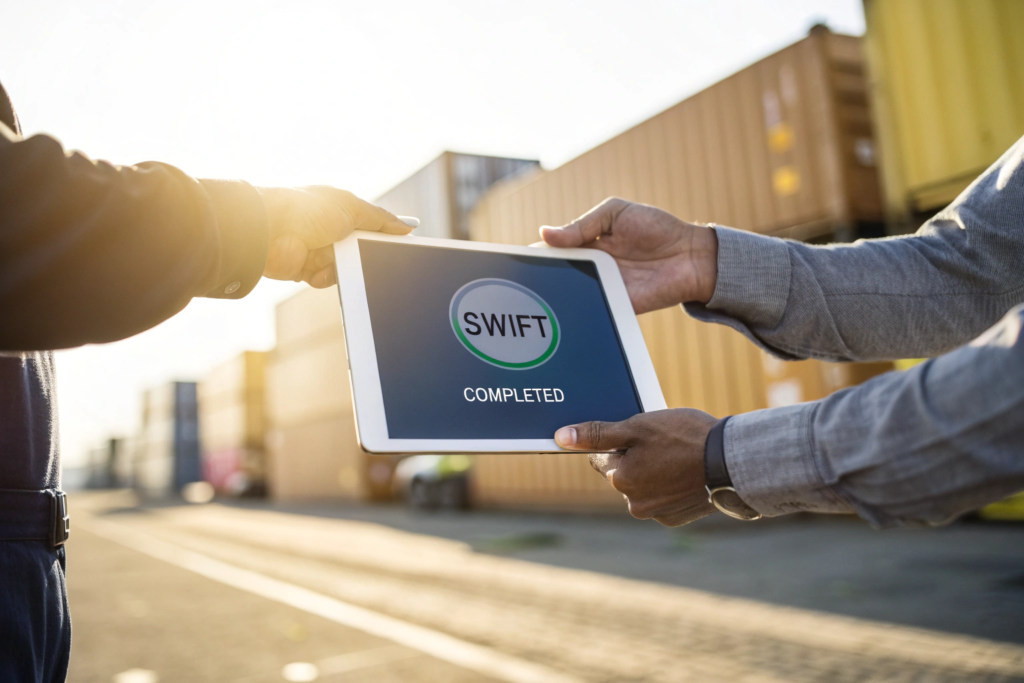
Wire transfers are not free. Intermediary banks take a cut. A SWIFT transfer from a small US bank might pass through three different banks. Each one deducts a fee. A 15-dollar sender fee and a 15-dollar intermediary fee can reduce the final amount we receive.
We always ask you to send the transfer in our local currency, or to use a "OUR" instruction. This means you pay all the fees upfront. We should receive the full invoice amount. If we do not, it messes up our accounting. We recommend using a foreign exchange specialist to get a better conversion rate than a standard high-street bank offers.
How Does a Wire Transfer Build Long-Term Credit?
A wire transfer shows you are serious. You are not delaying payment through a credit card dispute loop. You pay on the due date. This builds a strong factory credit history.
When you need a rush order, I will remember that you paid promptly. I will prioritize your production. Wire transfers with Net 30 terms are a dance of reputation. You build a credit score directly with our factory. This is more flexible than a bank’s credit limit. It allows you to grow your business without third-party interference. It is the backbone of traditional trade finance.
Can You Use a Credit Card for a Net 30 Factory Invoice?
This is a common question. "Can I pay my Net 30 invoice with my American Express so I get the points?" Technically, yes. But practically, it is complicated for a factory. Credit card processors charge the factory a merchant fee. This is usually between 2% and 4% of the transaction value. On a 50,000 dollar order, a 3% fee is 1,500 dollars. That is a huge loss of profit for a factory running on thin margins.
If a buyer wants to pay by credit card, we usually have to adjust the price. We might add a processing surcharge, or we might not offer the full Net 30 term. We might ask for a deposit to cover the fee. The card network also has chargeback risks. A buyer could file a dispute months later. This uncertainty makes credit cards the least preferred method for large B2B Net 30 transactions. However, for small sample orders or prototype fees, it is a convenient tool.
What Is the Chargeback Risk for Factories?
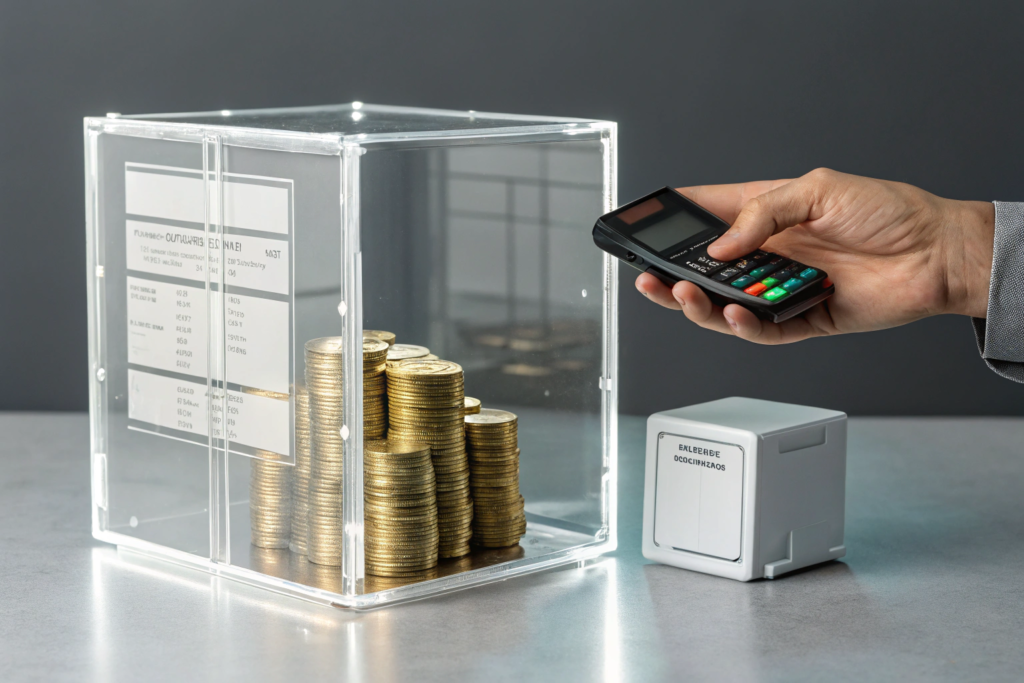
A chargeback is a forced reversal of a transaction. It happens when a customer disputes a charge. The bank pulls the money back from the factory’s account. We then have to prove we shipped the correct goods.
In a Net 30 scenario, the goods are already in your hands. If you dispute the charge after 20 days, the factory faces a cash flow crisis. We have to provide shipping proof, quality control photos, and email approval chains. It is a legal battle. Most factories hate this. That is why a wire transfer is safer for us. It gives us certainty. You can learn more about these risks from payment dispute experts.
Why Do Smart Buyers Avoid High Processing Fees?
Smart buyers calculate the total cost of ownership. Using a credit card does not just cost the factory money. It costs you money indirectly. If the factory loses margin, they might switch to a cheaper material next time. Or they might decline your next order request.
You want your factory to be profitable. A profitable factory stays stable. They pay their workers well. They invest in new machines. Paying by wire transfer keeps the money in the supply chain. It keeps your product quality consistent. It is a strategic decision, not just a financial one. This is critical for sustaining a supply chain partnership.
How Does an Escrow Service Protect Both Parties?
Escrow is the middle ground. It is perfect for a new relationship. An escrow service holds the buyer’s money. The factory sees the money is there. The factory ships the goods. The buyer confirms receipt. Then the money is released to the factory. If the goods do not arrive, the money goes back to the buyer.
This sounds perfect for Net 30. But there is a catch. "True" Net 30 means the factory is financing the buyer. With escrow, the buyer usually deposits the cash upfront. This is not really financing. It is just deferred delivery verification. Still, some digital escrow services now offer a hybrid model. They use the deposit as a guarantee, but the actual settlement happens on Net 30 terms. The service pays the factory at day 30 from the escrow fund automatically. This requires a trusted escrow provider who understands the gap between shipment and due date.
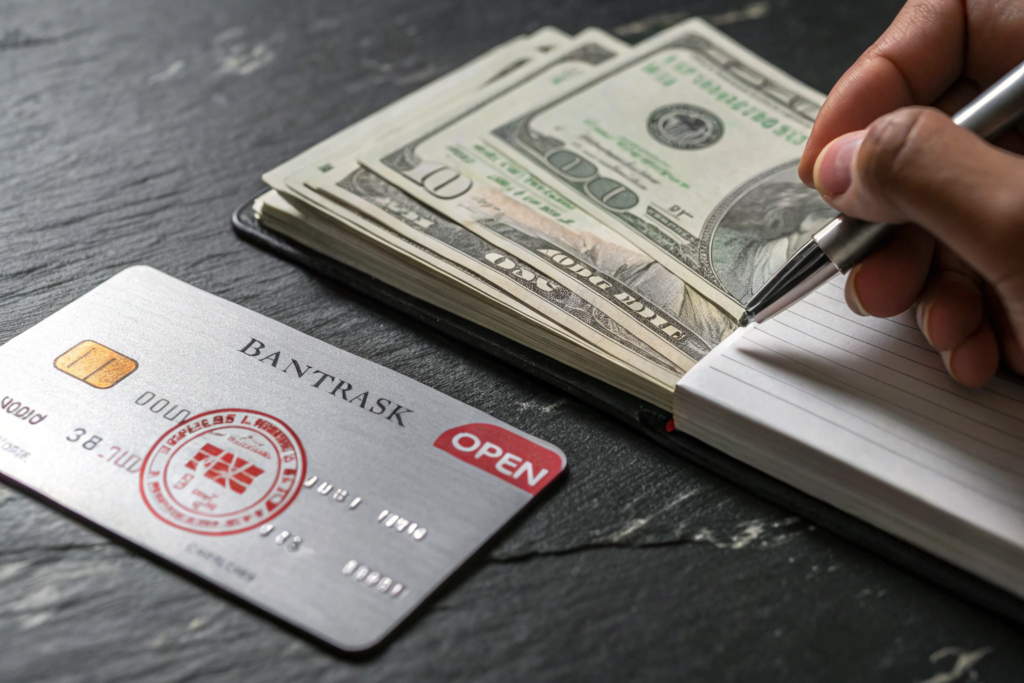
Which Digital Platforms Offer Net 30 Guarantees?
Alibaba Trade Assurance is a form of escrow. But it does not solve the Net 30 problem easily. The funds are released to us based on shipping confirmation, not time. Newer platforms are trying to fix this.
We have seen fintech companies offer "buy now, pay later" for B2B. They pay the factory immediately upon shipment. You pay the platform after 30 or 60 days. This is essentially factoring. The platform takes a commission. It is a great way to get Net 30 terms without draining the factory’s cash reserves. We are open to these B2B payment gateways if they integrate smoothly with our export process.
When Should You Suggest a Letter of Credit Instead of Escrow?
An escrow relies on a digital platform. A Letter of Credit (LC) relies on the banking system. For very large orders, a Letter of Credit is more professional. The bank guarantees the payment.
The LC can be structured at "30 days sight." This means the bank pays us 30 days after we present the shipping documents. This aligns perfectly with Net 30. The buyer’s bank takes the credit risk. We trust the bank’s promise. This is the gold standard for high-volume imports. It requires clean paperwork, no discrepancies. Our logistics team is expert at preparing documents that meet strict international banking standards.
What Are the Most Efficient Digital Payment Apps for Factories?
The world is moving fast. We are a factory in Zhejiang, but our clients are on the move in New York and Paris. They want to pay with an app. PayPal is the most common request we get. It is easy. But the fees are high. The recipient pays 4.4% plus a fixed fee for international transactions. For a factory, that margin is usually our entire profit on small items.
Wise (formerly TransferWise) is a much better alternative. It uses the real mid-market exchange rate. The fees are transparent and low. A 5,000 dollar payment might cost 40 dollars, not 200. It links directly to bank accounts. We can receive the money in minutes or hours, not days. For Net 30, this speed is wonderful. You can pay us exactly on the due date, and we see the money instantly. We highly recommend Wise to our smaller boutique clients.
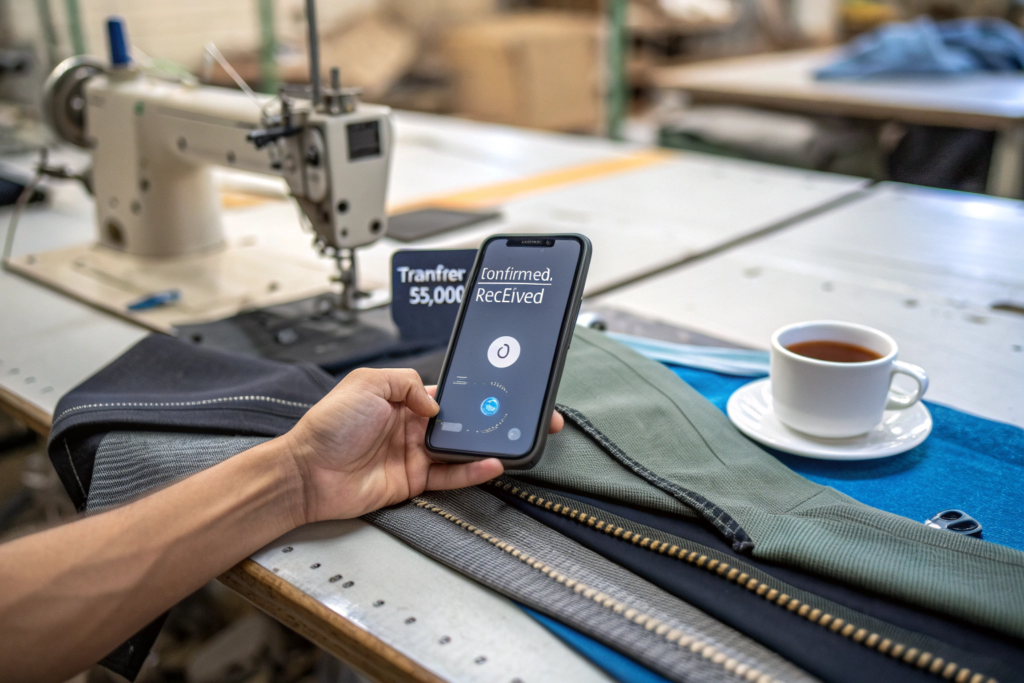
Can You Rely on Wise for Large Sum Transactions?
Wise has limits. A single transfer might max out at 1 million dollars, depending on the currency. But for a typical accessory factory order, that is plenty.
The security is strong. It is regulated as a bank. The money trail is clear. We can download the receipt directly into our accounting software. It avoids the mystery of intermediary bank deductions. The only downside is that it requires you to initiate the transfer. It does not automatically debit like a direct debit agreement. But for us, asking a client to log in and press "send" on a Net 30 due date is a small ask. It builds discipline. You can check the current limits on the Wise platform.
Why Is PayPal Often a Bad Choice for B2B Net 30?
PayPal is built for consumer protection, not B2B. The freeze risk is real. If you send 20,000 dollars via PayPal, their algorithm might freeze it for a compliance review. This has happened to our clients.
We have had funds held for a week while we upload invoices and factory licenses. This kills the purpose of fast payment. If you are a fashion buyer who needs to settle an invoice, never use PayPal for the main balance. Use it only for paying for 50-dollar DHL shipping labels. Protect your liquidity and use a dedicated business payment provider.
Conclusion
The best payment method for a factory offering Net 30 terms is not a single answer. It is a matrix. For security and low cost, a traditional bank wire transfer or a Letter of Credit at 30 days sight is unmatched. For speed and low fees, a digital app like Wise is changing the game. For new buyers, an escrow service provides comfort, though it changes the definition of credit.
Credit cards are tempting for points but toxic for factory margins unless you accept the surcharge. The core truth is this: Net 30 is about partnership. The payment method should respect the factory’s cash flow just as much as it protects your own. A good supplier relationship reduces the need for payment weapons like chargebacks.
In our Zhejiang factory, we tailor the payment method to your order size and history. Our project managers and finance team will walk you through the options. We want the money to move smoothly so the production can keep moving. If you have a large order coming up and want to discuss Net 30 terms, please contact our Business Director, Elaine. She can explain how we handle transactions for major American and European brands. Reach her at elaine@fumaoclothing.com. Let’s find the financial path that keeps your shelves stocked and our machines running.