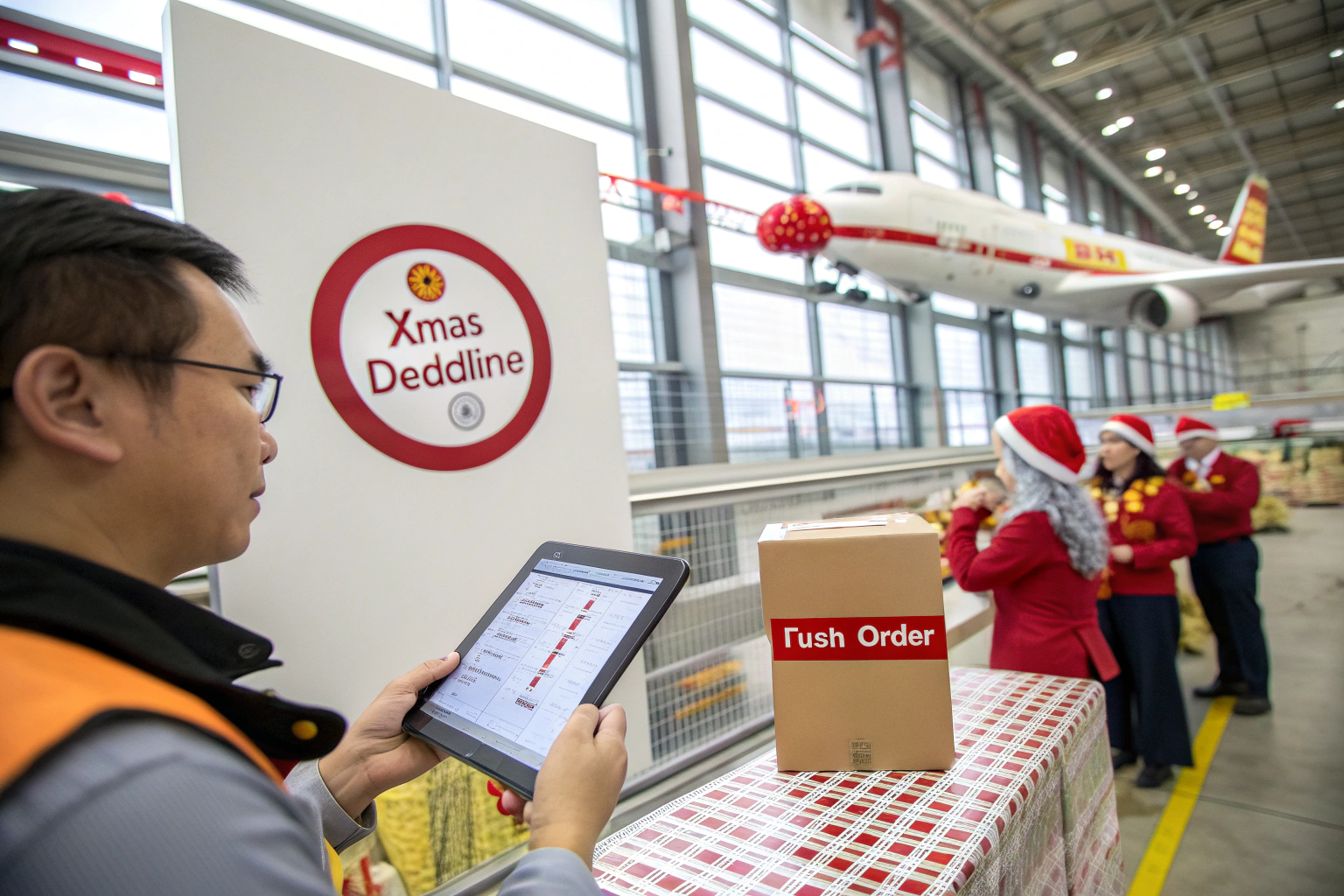
I picked up the phone on a Friday afternoon in mid-October. It was a buyer from a major US department store chain, and her voice had that strained, slightly panicked edge I recognized immediately. Her planned holiday scarf promotion had fallen apart. Her original supplier had missed the production deadline by two weeks, and the goods were still not ready. The empty shelf space was booked, the marketing emails were scheduled, and she had exactly six weeks to get 12,000 units of a custom holiday accessory produced, shipped, and into her distribution center. "Can you do it?" she asked. We did, and it arrived in time for Black Friday.
US importers prefer our factory for last-minute holiday accessories because we have engineered our entire operation, from our raw material stock levels to our production scheduling to our logistics partnerships, around the reality that the holiday season is make-or-break for their annual revenue. We understand that a late holiday shipment is not a delayed delivery; it is a total loss of the selling window. We respond to this urgency not with panic, but with a structured rapid-response system that compresses the development-to-delivery cycle without sacrificing the quality that holiday gift-givers demand.
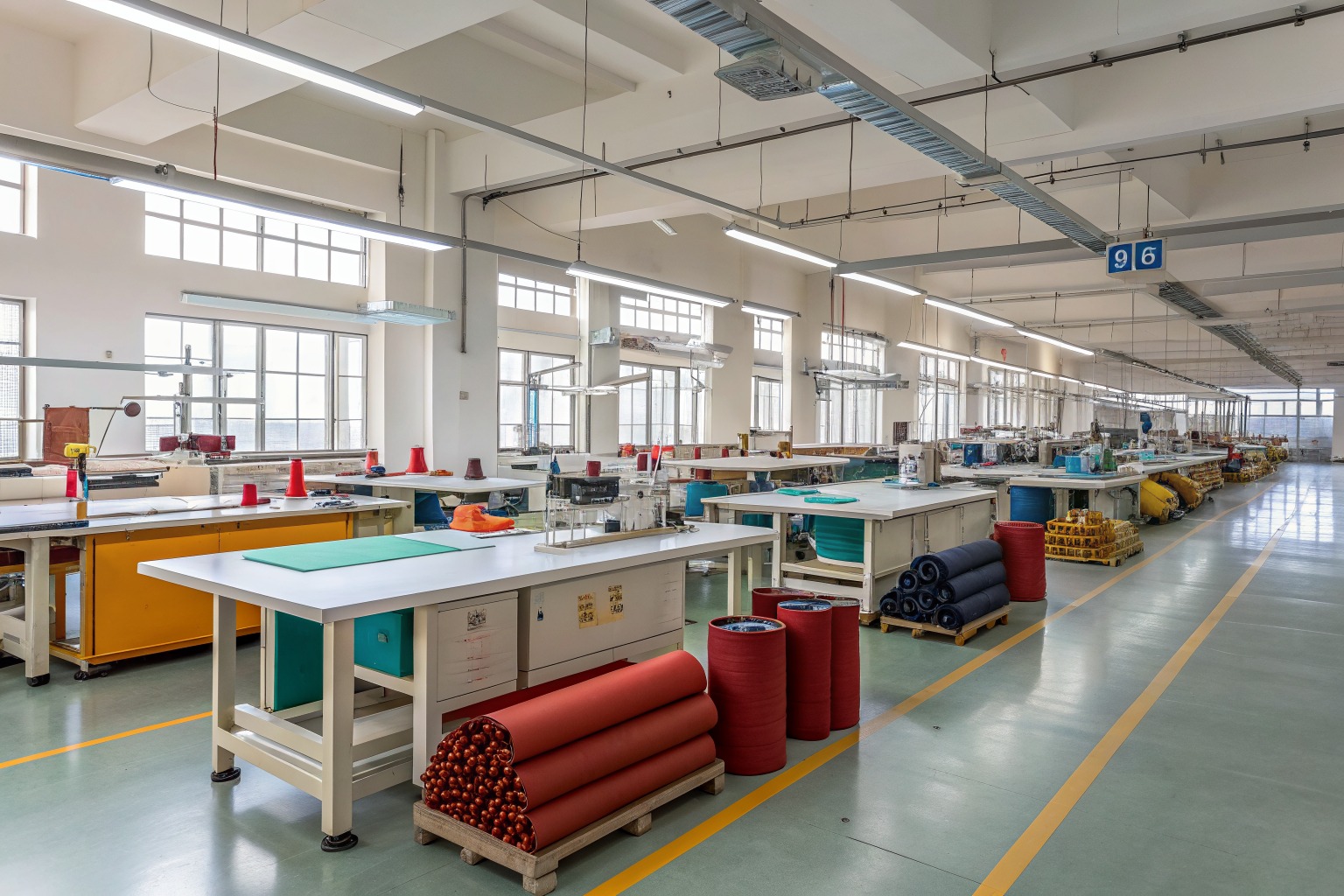
At our factory in Zhejiang, the holiday rush is not a surprise that disrupts our workflow; it is a predictable seasonal event we have spent years preparing for. I want to explain the specific structural advantages that make a last-minute holiday order possible, the production acceleration strategies we deploy, and the transparent communication system that keeps US buyers in control even when the timeline is tight.
What Makes a Factory "Holiday-Ready" for US Retailers?
A factory that can handle a last-minute holiday order is not one that gets lucky. It is a factory that has made specific, costly investments in readiness capacity before the urgent phone call ever arrives. These investments fall into three categories: material safety stock, flexible production capacity, and pre-negotiated logistics contingency plans.
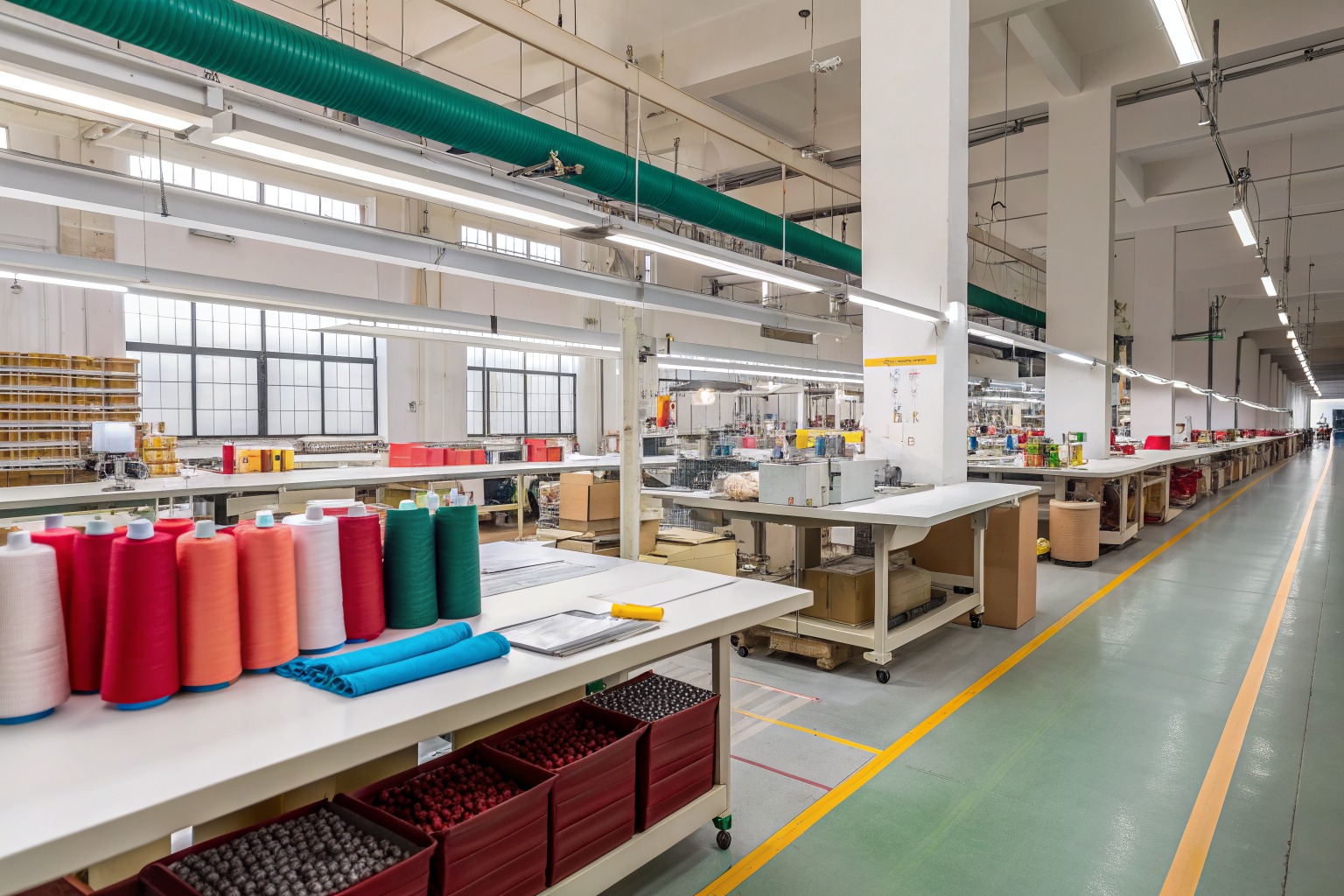
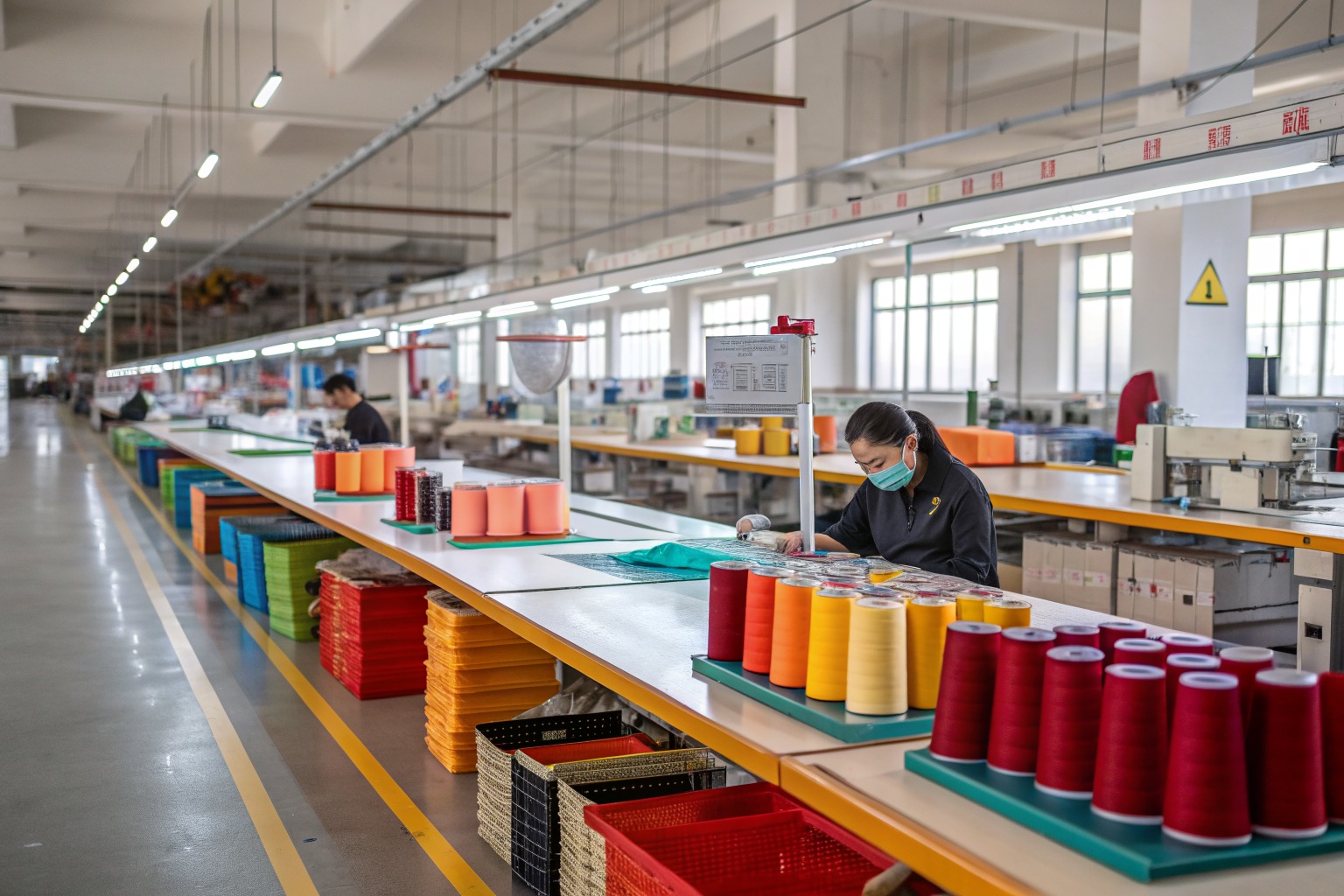
The reason most factories cannot handle a late October holiday order is that they operate on a just-in-time material model. They order the yarn, the fabric, and the packaging only after receiving the client’s purchase order. When a rush order arrives, they must then wait for the raw materials to be delivered, which can add two to three weeks to the timeline. A holiday-ready factory pre-purchases and warehouses generic holiday materials—red, green, gold, and silver yarns, metallic threads, sequined fabrics, and a range of festive gift packaging—in advance of the season. When the rush order arrives, the materials are already on the shelf.
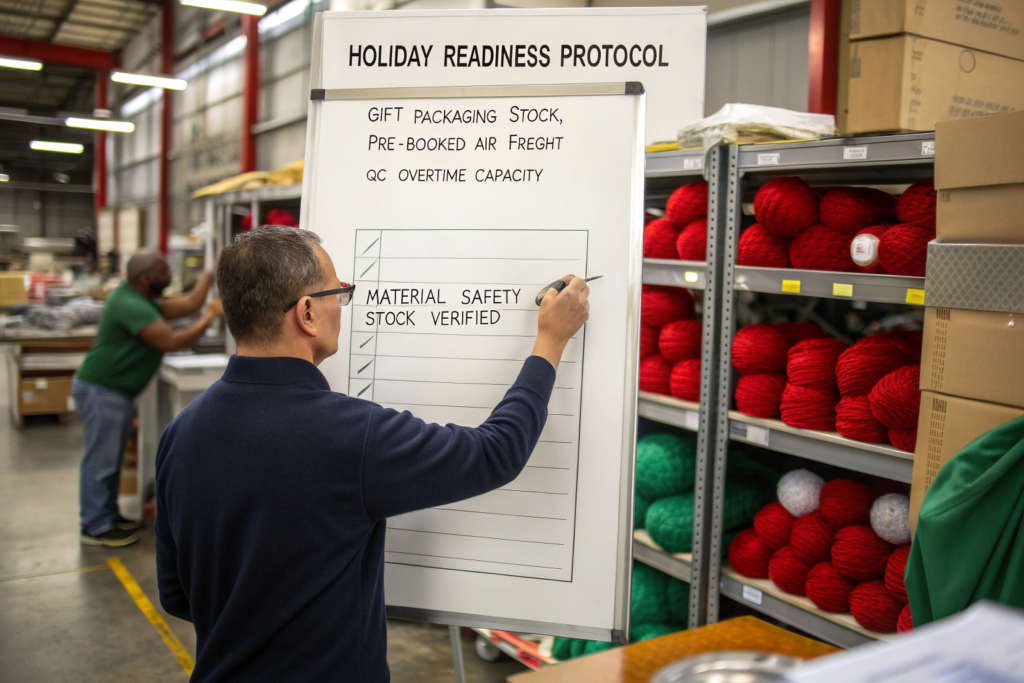
How does pre-stocking generic holiday materials enable a faster start?
Every holiday season has dominant, predictable color palettes. Metallic gold and silver, deep red, forest green, crisp white, and sparkly sequins appear in some combination in nearly every holiday accessory collection. We allocate warehouse space and working capital in August and September to build a safety stock of these generic holiday materials. When a rush order for glittery gold holiday scrunchies or red-and-green striped scarves arrives in October, we do not need to wait for the yarn mill. We pull the materials from our own shelf and begin production within days, not weeks. This pre-stocking strategy is a calculated risk; we carry the inventory cost. But it is a risk that delivers an immediate competitive advantage to our clients during the holiday season. This inventory pre-positioning for peak season is a well-established supply chain strategy.
Why is dedicated "rush season" production capacity essential?
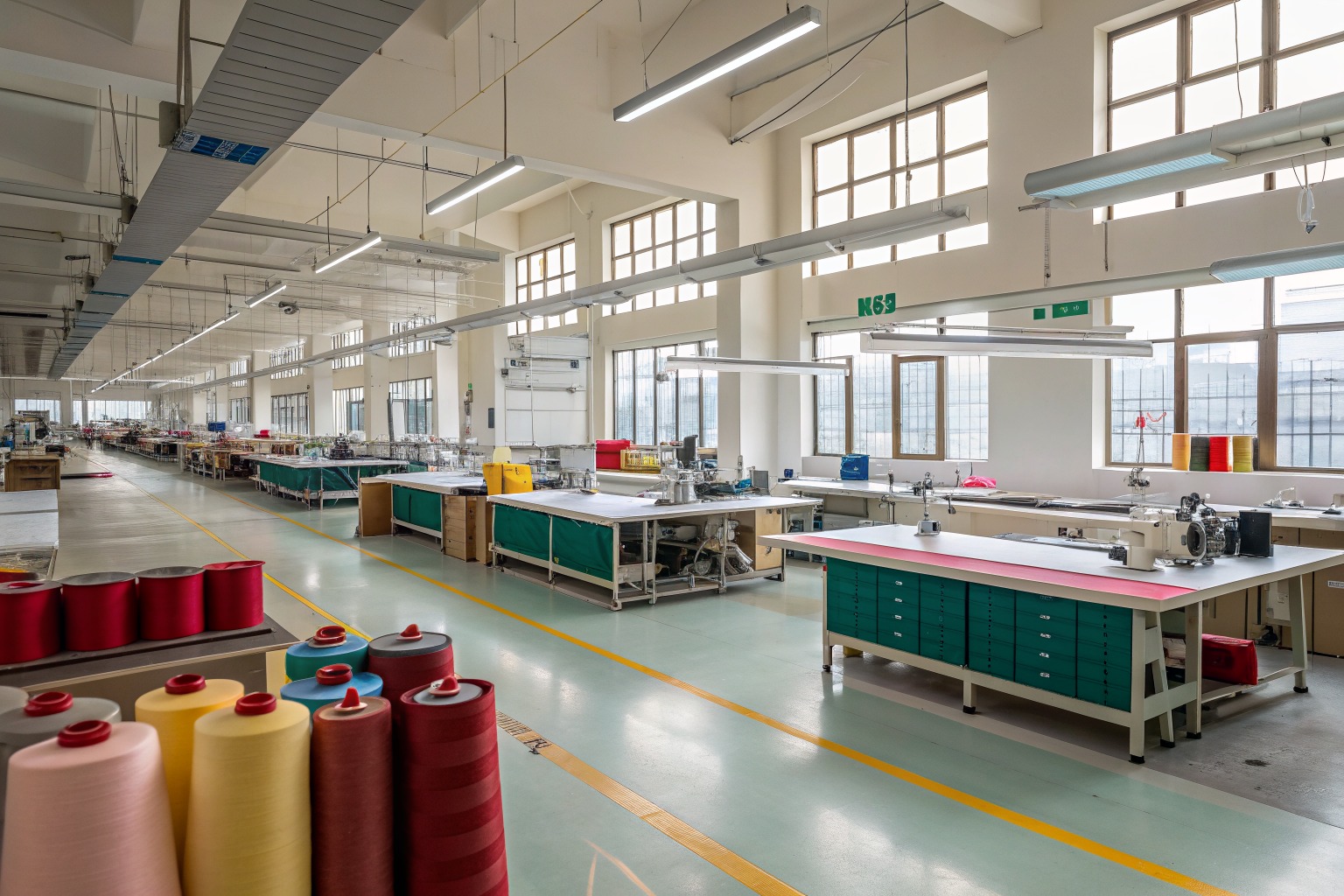
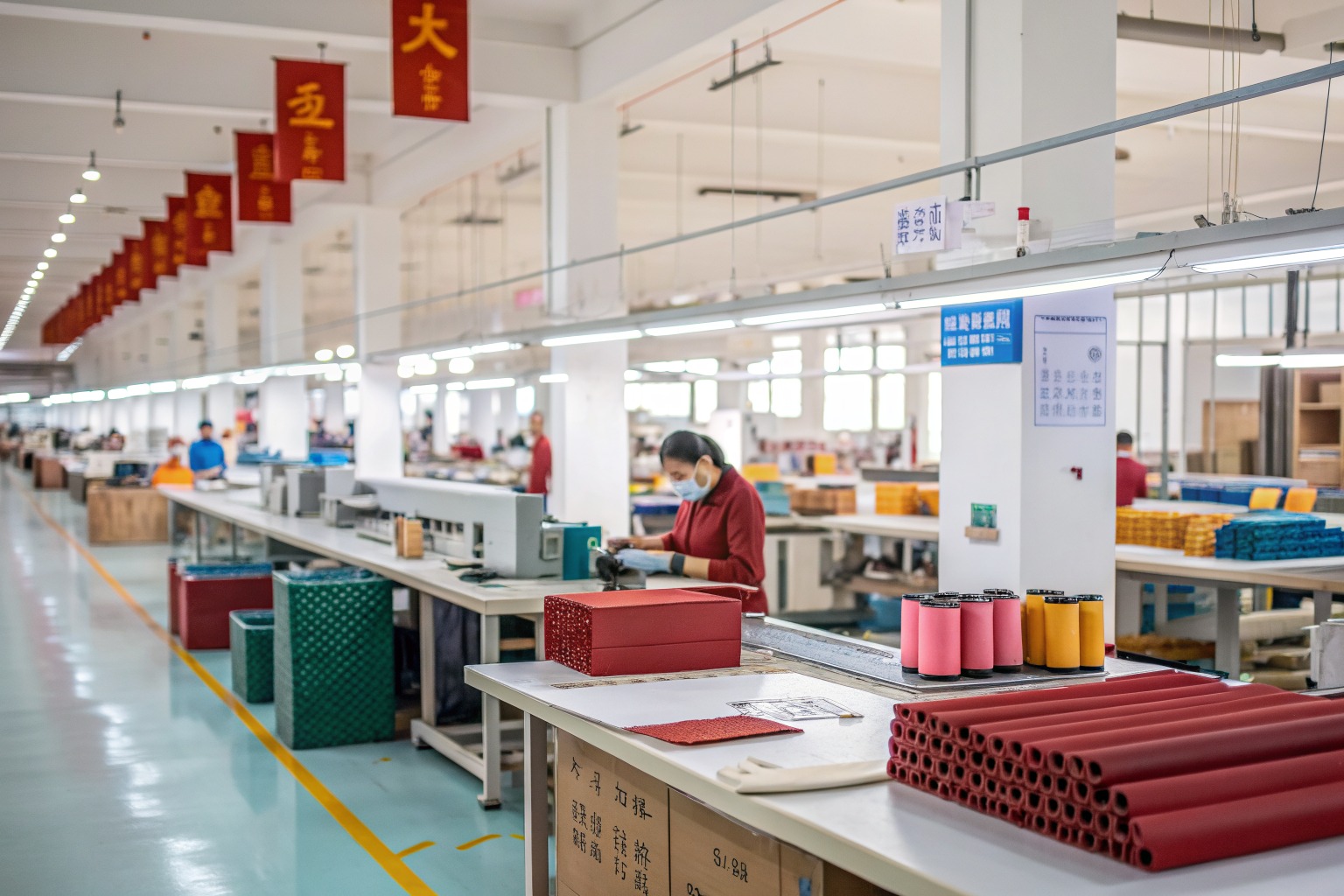
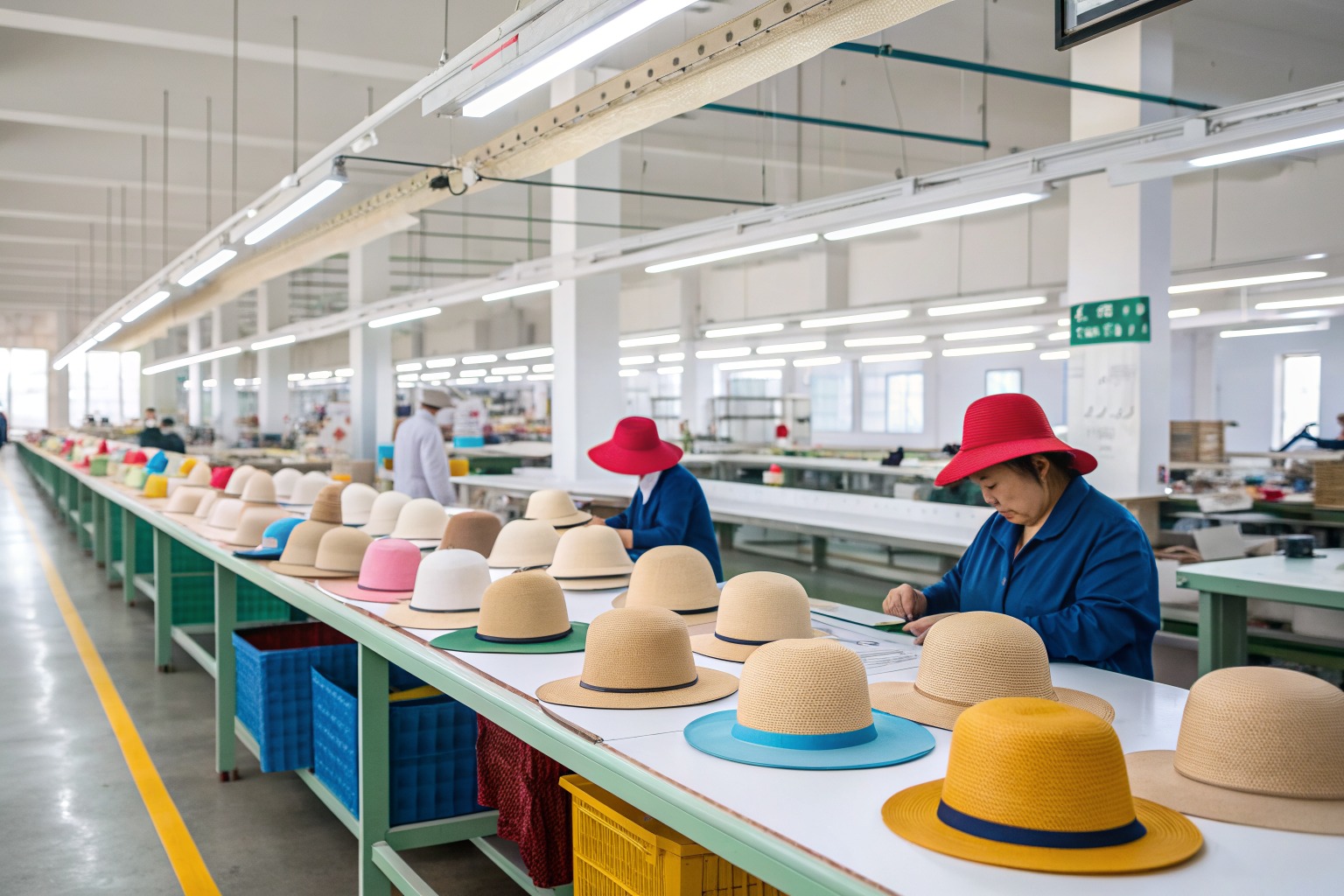
During the normal production cycle, our machines and operators are scheduled weeks in advance. A rush order that arrives during a full production schedule would be placed at the back of the queue, defeating the purpose of a fast turnaround. We solve this by reserving a percentage of our total production capacity during the October-November window specifically for holiday rush orders. This means we hold machine time and operator shifts in reserve, not allocated to any specific client until a rush order is confirmed. This reserved capacity costs us money if it goes unused, but it guarantees that when a loyal client has an urgent holiday need, we can say "yes" and begin production immediately. This flexible capacity management in manufacturing is a strategic choice that prioritizes client service over maximum utilization.
How Is the Sampling and Approval Timeline Compressed for Holiday Rush Orders?
In a standard production timeline, the sampling and approval phase is the most common source of delay. A physical sample is produced, shipped internationally, reviewed by the buyer, marked up with comments, shipped back, and a second sample is made. This loop can consume two to three weeks. A holiday rush order does not have two weeks to spend on sampling.
We compress this phase using two parallel strategies. First, we deploy digital sampling for approval of visual elements like color, pattern placement, and logo positioning. A high-resolution 3D rendering of the accessory, accurate to the specific yarn color and stitch pattern, is shared digitally within hours of the inquiry. The buyer approves the visual design without waiting for a physical sample. Second, for the tactile elements—the hand-feel of the fabric, the stretch of the elastic, the weight of the beanie—we ship a pre-existing physical swatch library that contains the generic holiday materials. The buyer already has these swatches in their office from a previous season or an advance shipment. The digital approval and the physical swatch reference happen in parallel, collapsing the sampling timeline from weeks to days.
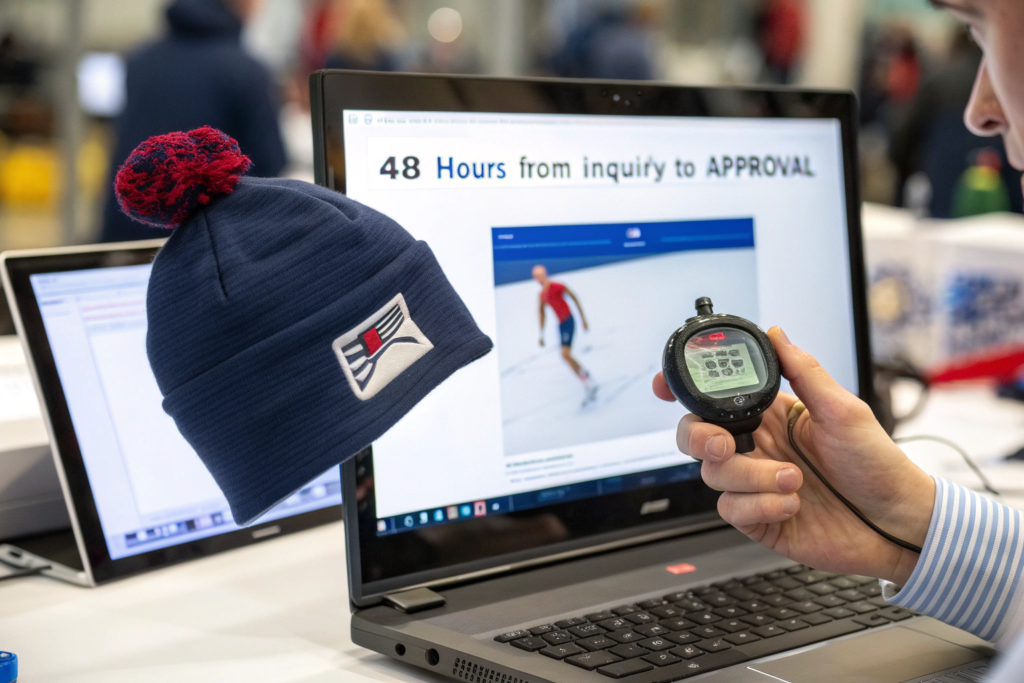
How does digital sampling reduce the back-and-forth on color and design?
Digital sampling uses a calibrated, color-accurate rendering engine to produce a lifelike image of the accessory on a screen. Because our monitors and the client’s monitors are calibrated to the same industry standard color profile, the digital image is an accurate representation of the final color. The client can review the digital sample, request adjustments to the stripe width or the logo size, and approve the final visual design within a single video call. This eliminates the courier transit time that dominates traditional sampling. This digital sampling in fashion manufacturing is a standard practice for speed-critical programs.
Why does a pre-approved physical swatch library build client confidence?
While a digital image can convey color and pattern, it cannot convey the softness of a cashmere blend or the crunch of a metallic thread. For these tactile judgments, the buyer needs a physical reference. We proactively build and ship a holiday swatch library to our regular clients in August, well before the rush season begins. The library contains swatches of our standard holiday yarns, fabrics, and embellishments. When a rush order arrives in October, the buyer already has the swatches in hand. They can touch the material while viewing the digital sample on their screen. The combination of digital visual approval and physical tactile reference provides sufficient confidence to approve the design for production without a traditional pre-production sample. This physical swatch library for remote approval is a simple but powerful time-compression tool.
What Logistics Strategies Ensure On-Time Delivery During Peak Season?
Producing the goods on time is only half the battle. The second half is getting them through the congested global logistics system during the busiest shipping weeks of the year and into the retailer’s distribution center before the holiday cutoff date. Ocean freight, the standard cost-effective method, is often too slow for a last-minute holiday order placed in late October. The vessel transit alone takes 25 to 35 days to the US West Coast, consuming the entire remaining timeline.
Our logistics strategy for holiday rush orders relies on pre-negotiated air freight agreements, pre-filed customs documentation, and direct-to-distribution-center shipping that bypasses intermediate warehouses. These logistics pathways are established in advance of the season, not scrambled together when the order is ready to ship.
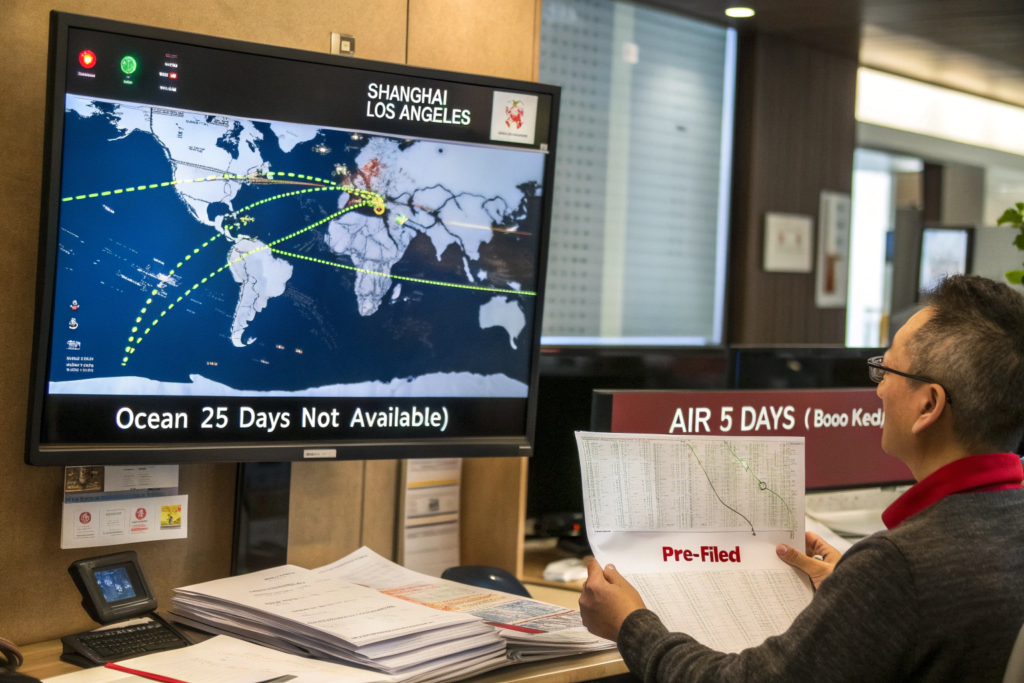
When is air freight the only viable option for a holiday delivery?
Air freight becomes the only viable option when the total remaining timeline from production completion to the holiday on-shelf date is less than the ocean transit time plus the port clearance and trucking time. For a US West Coast delivery with a target arrival of December 10th, an order that completes production on November 10th has a 30-day window. Ocean freight would consume 25 to 35 days in transit alone, leaving no margin for error. Air freight completes the transit in 5 to 7 days, providing a buffer. The cost premium for air freight is substantial, but it must be weighed against the cost of a missed holiday season, which for many brands represents 30% to 50% of annual revenue. We maintain pre-negotiated air freight rates with major carriers and can book cargo space within hours of the goods being ready. This air freight for peak season logistics service is an essential component of the holiday rush capability.
How does direct-to-DC shipping eliminate a critical week of handling time?
A standard import shipment flows from the port to a freight forwarder’s warehouse, then to the brand’s distribution center, where it is received, counted, and put away. Each handling step adds a day or more. For a holiday rush order, we coordinate direct-to-DC (Distribution Center) shipping. The goods are palletized, labeled, and documented at our factory exactly to the specifications of the retailer’s receiving department. The air freight is cleared through customs using pre-filed documentation, and the trucking company delivers directly to the retailer’s DC without intermediate stops. The DC scans the pre-printed, retailer-compliant carton labels and the goods flow immediately into the pick-and-pack system. This streamlined flow can save a week or more compared to standard handling. This direct-to-retail logistics for importers strategy is critical for hitting holiday deadlines.
How Does Our Communication System Keep Buyers in Control During a Rush?
When a buyer places a last-minute holiday order, they are placing their trust, and their job performance review, in the hands of a factory thousands of miles away. The anxiety of this situation is intense. The single most important thing we do to manage this anxiety is to replace the information vacuum with a high-frequency, high-transparency communication flow. The buyer never has to wonder what is happening with their order.
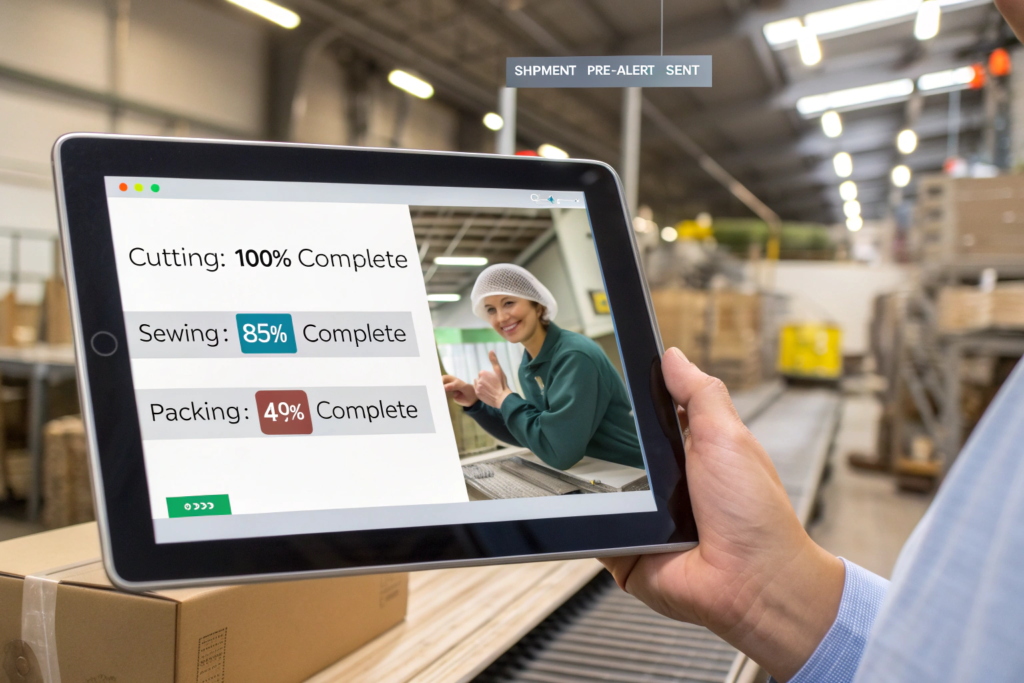
Our communication protocol for rush orders includes a daily progress dashboard, a shared live document that updates with the number of units completed at each production stage, a weekly live video walkthrough of the production floor showing the actual goods in progress, and an immediate notification system for any issue that could affect the timeline, accompanied by a proposed solution. This transparency transforms the buyer’s experience from one of anxious waiting to one of informed partnership.
What is a daily progress dashboard and how does it reduce buyer anxiety?
The daily progress dashboard is a simple, cloud-based spreadsheet or web link that we update at the end of each production day. It shows the planned versus actual completion percentage for each production stage, cutting, sewing, finishing, quality control, and packing. A green, yellow, or red status indicator provides an at-a-glance view of whether the order is on track. The dashboard includes a photograph of the goods on the production line, taken that day with a timestamp. The buyer wakes up in the US time zone, checks the dashboard, and knows exactly where their order stands without sending an email or making a phone call. This real-time production tracking for importers eliminates the information gap that causes anxiety.
Why is a "no surprises" problem notification policy critical for trust?
In a rush timeline, a problem that is hidden for three days becomes a crisis that cannot be solved. A problem that is reported immediately becomes a task to be managed. We operate a "no surprises" policy with our holiday rush clients. If a machine breaks down, if a material lot shows a color variation, if a worker shortage threatens the day’s output, we notify the client within hours of identifying the issue. We do not wait until we have a solution. We present the problem, the current status, and the proposed solution simultaneously. This honest, immediate communication builds a level of trust that endures long after the holiday season ends. The buyer knows that we will not hide bad news, and therefore they can trust the good news when we report it. This transparent communication in supply chain partnerships is the bedrock of a long-term relationship.
Conclusion
US importers prefer our factory for last-minute holiday accessories because we have built a system that is designed for urgency. We pre-stock the generic holiday materials that short-circuit the material ordering timeline. We reserve production capacity that guarantees immediate access to machines and skilled operators. We compress the sampling phase with digital approvals and pre-shipped physical swatch libraries. We deploy pre-negotiated air freight and direct-to-DC logistics that shave critical weeks off the delivery timeline. And we wrap the entire process in a transparent communication system that keeps the buyer informed and in control.
This system is not a temporary scramble. It is a permanent capability that we have invested in and refined over years of serving the holiday market. The brands that work with us for their holiday rush orders know that they are not imposing on us; they are activating a service we have prepared specifically for them.
If you have a holiday accessory program, planned or last-minute, and you need a manufacturing partner who has the materials, the capacity, and the logistics pathways already in place, we can provide a holiday readiness assessment and a compressed timeline proposal. Our Business Director Elaine manages our seasonal rush programs and can coordinate the digital sampling and logistics planning. Contact her directly at elaine@fumaoclothing.com. The holiday season is too important to leave to chance. Let’s plan for success, even at the last minute.