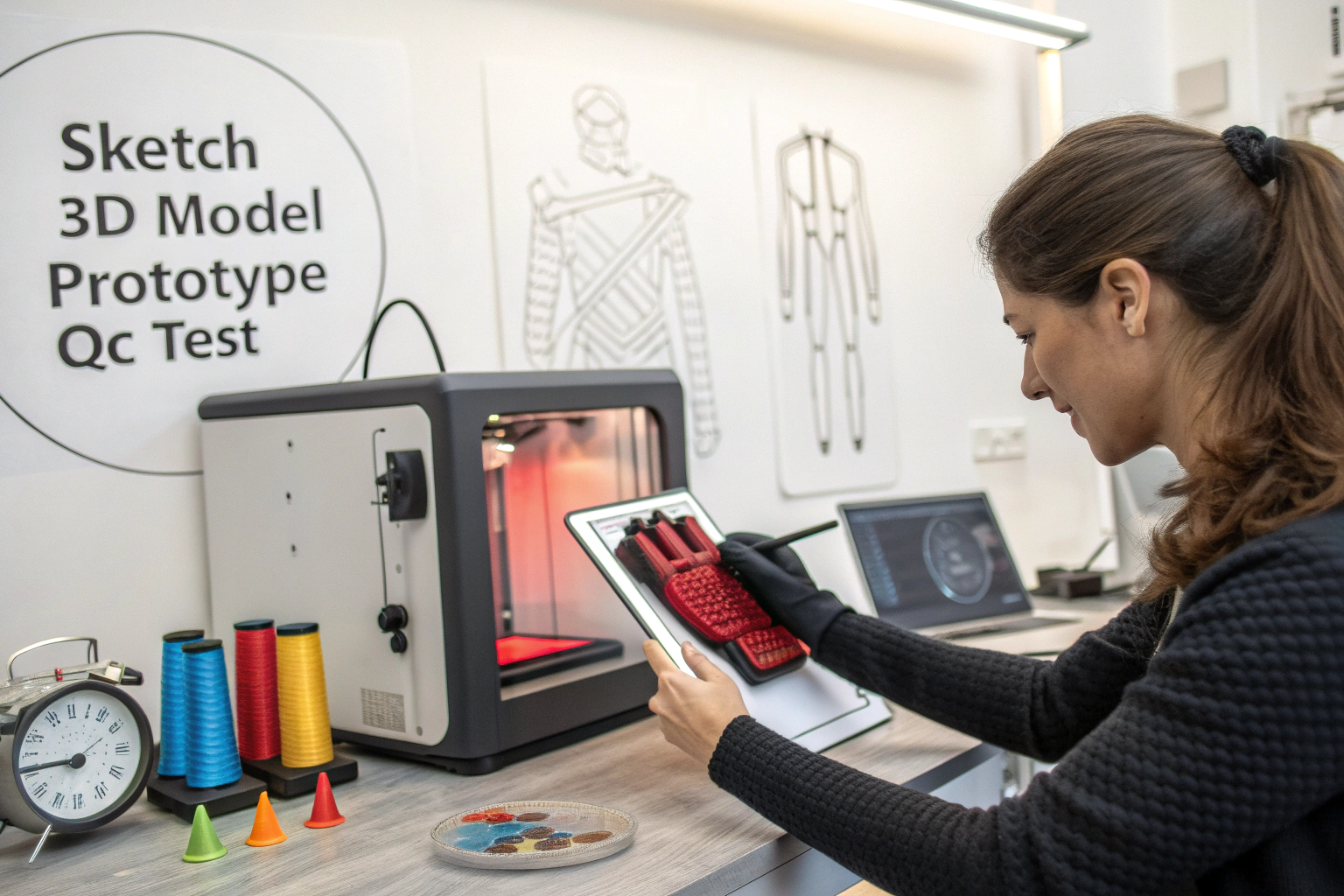
Last September, a winter sports brand founder walked into my office with a rough napkin sketch. He had an idea for a convertible running glove with a windproof mitten cover that tucked away into a hidden pocket. He needed it on the shelves in four months. Most factories would have told him to come back next season. We handed him a functional prototype in eight days, and he placed his order that afternoon. That glove became one of his best-selling SKUs, and it was born from a napkin.
We can develop a new glove style from sketch to production-ready sample in as little as 5 to 10 business days for a standard design using existing materials, and 15 to 25 business days for a fully custom design requiring new mold fabrication, custom yarn dyeing, or specialized technical components. The speed is not magic; it is the result of an integrated development system where the designer, the pattern maker, and the production supervisor sit within fifty meters of each other, sharing the same digital platform and the same deadline.
At our factory in Zhejiang, we have compressed the traditional glove development cycle by consolidating what are usually separate, sequential stages handled by different companies into parallel, overlapping workflows managed by a single team. I want to walk you through the specific stages of our accelerated development process, the factors that can speed up or slow down the timeline, and what you can do as a brand to ensure the fastest possible turnaround on your glove design.
What Are the Key Stages in the Accelerated Glove Development Process?
The traditional glove development cycle is slow because each stage is performed by a separate specialist, often in a separate location. A designer in New York emails a sketch to a pattern maker in one factory, who creates a physical pattern and ships it to a sample sewer in another facility, who ships the prototype back to New York for approval. Each handoff consumes days.
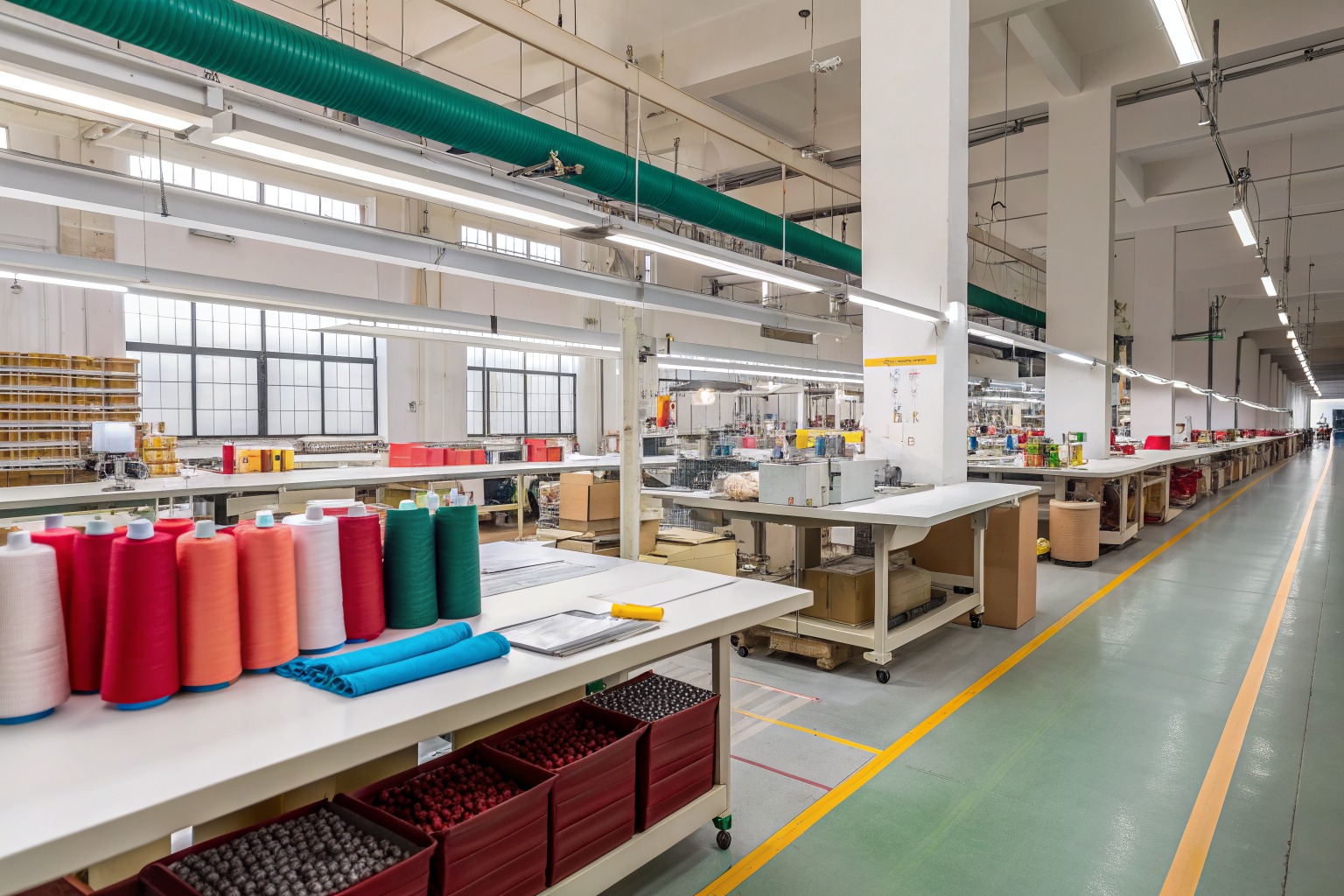
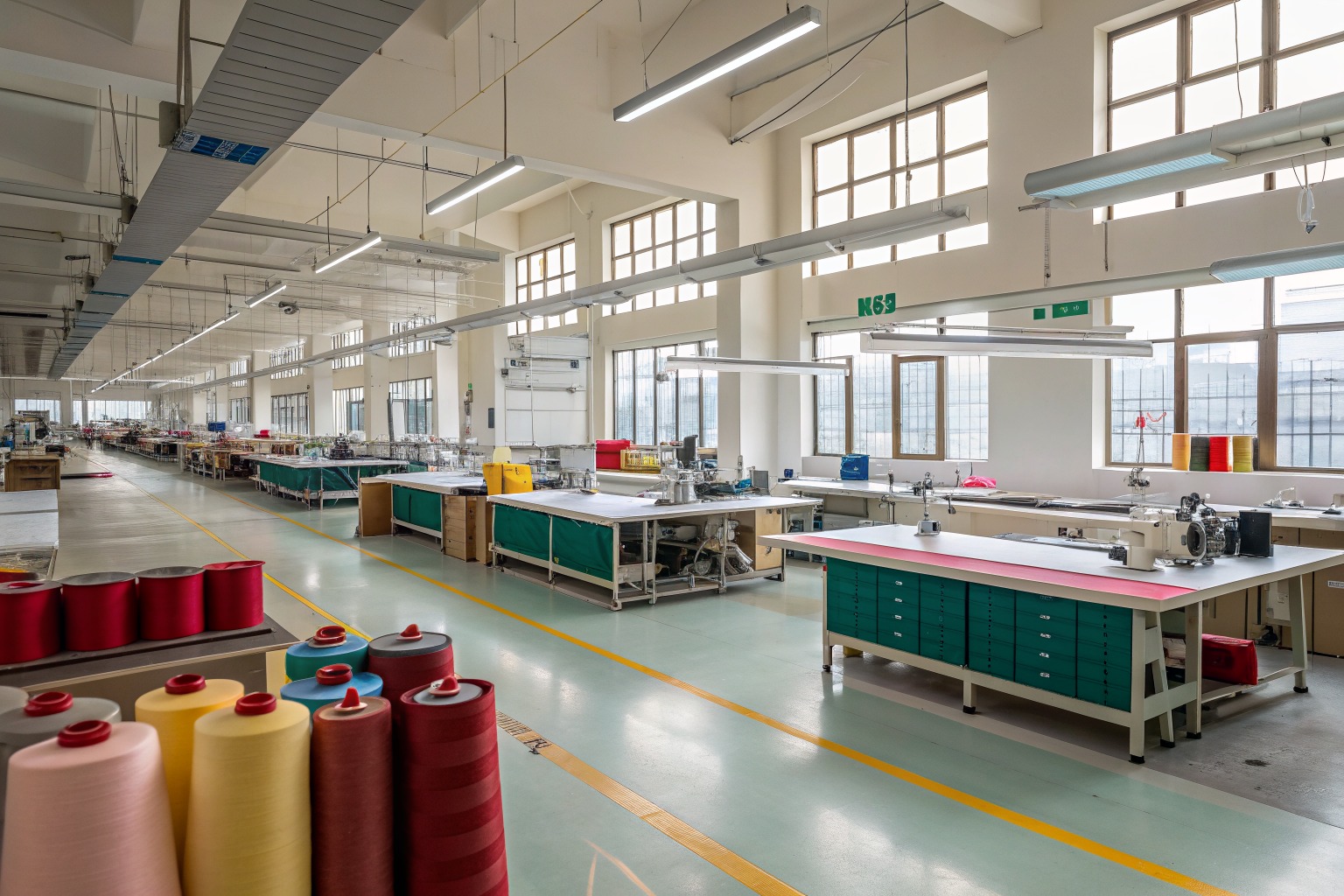
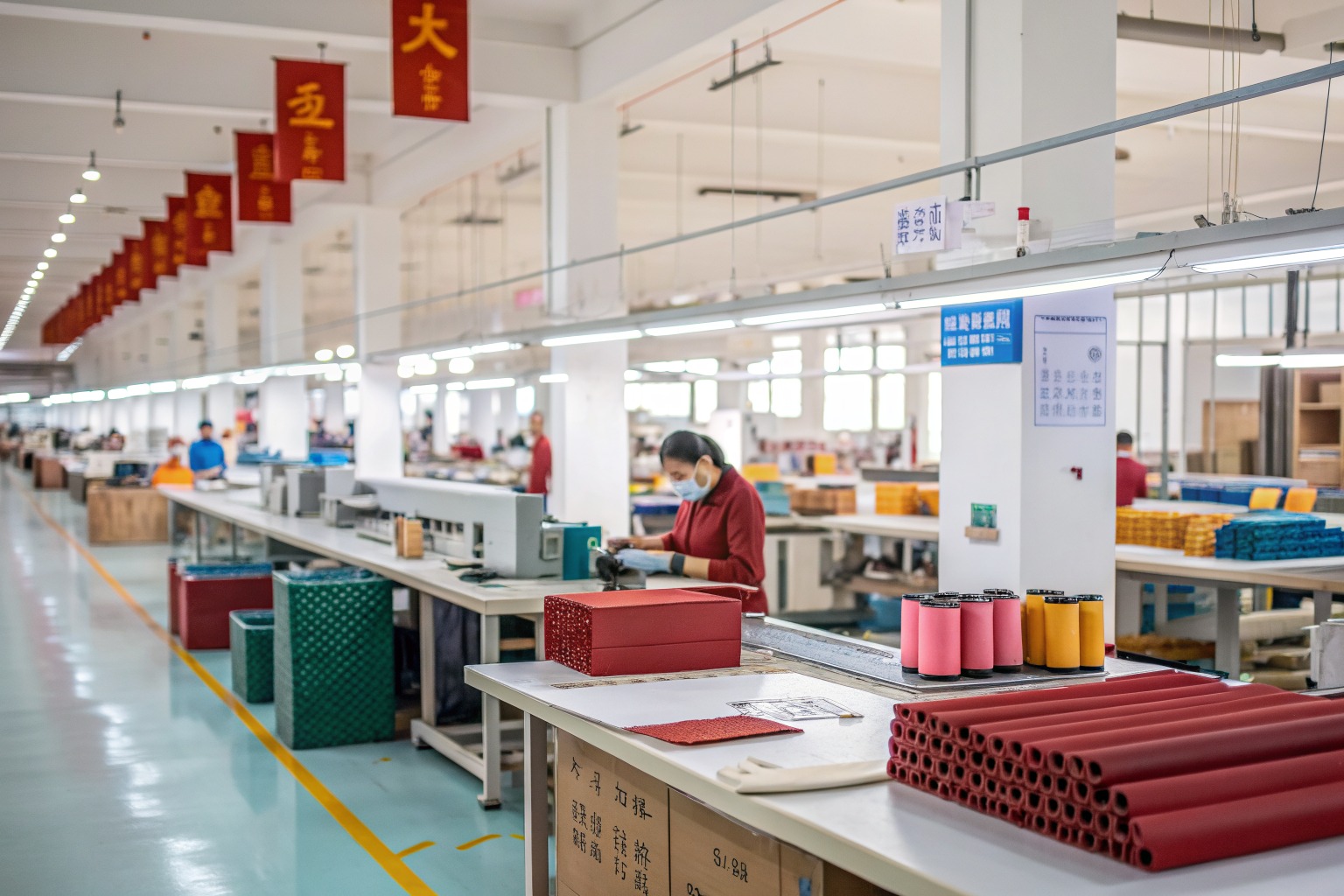
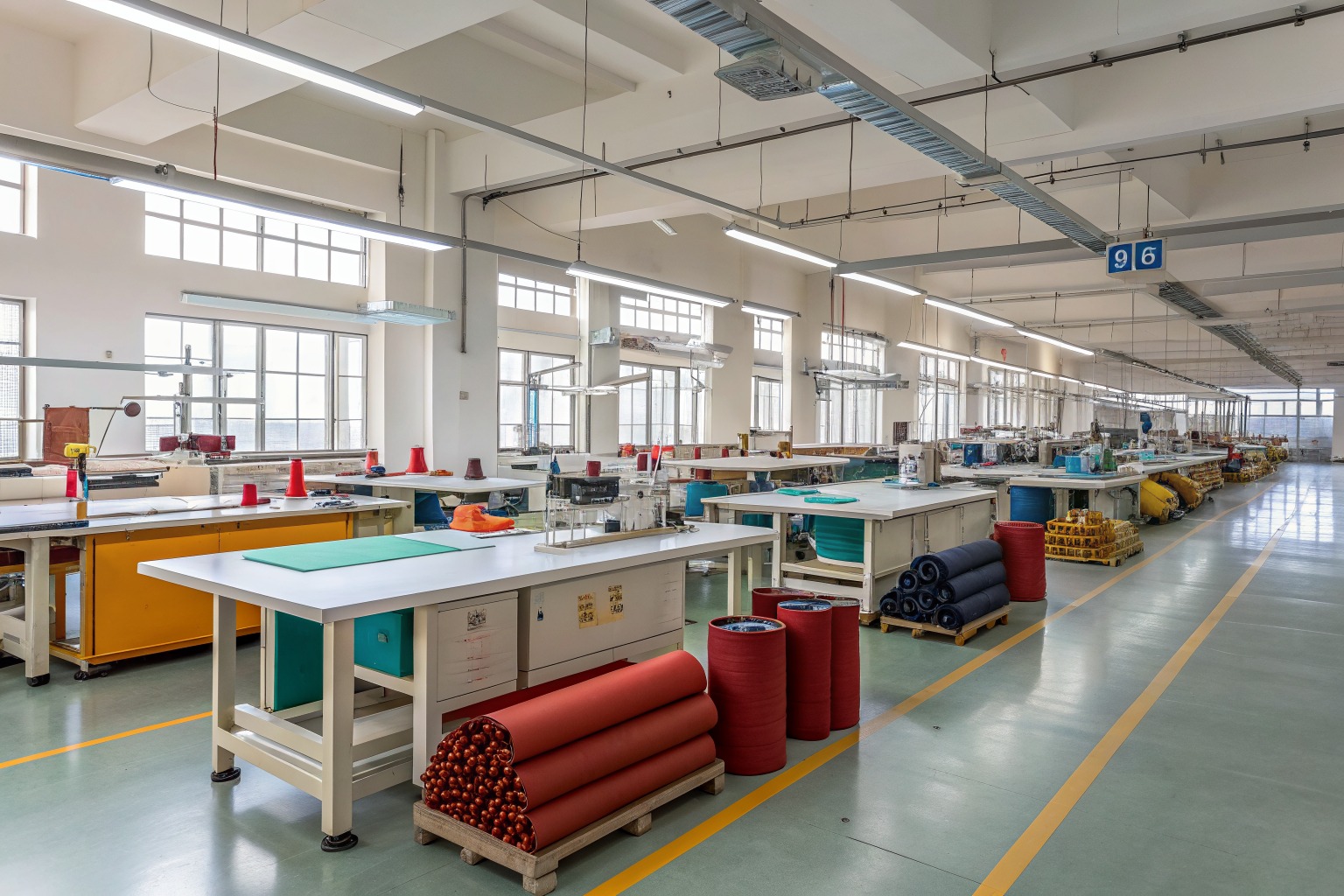
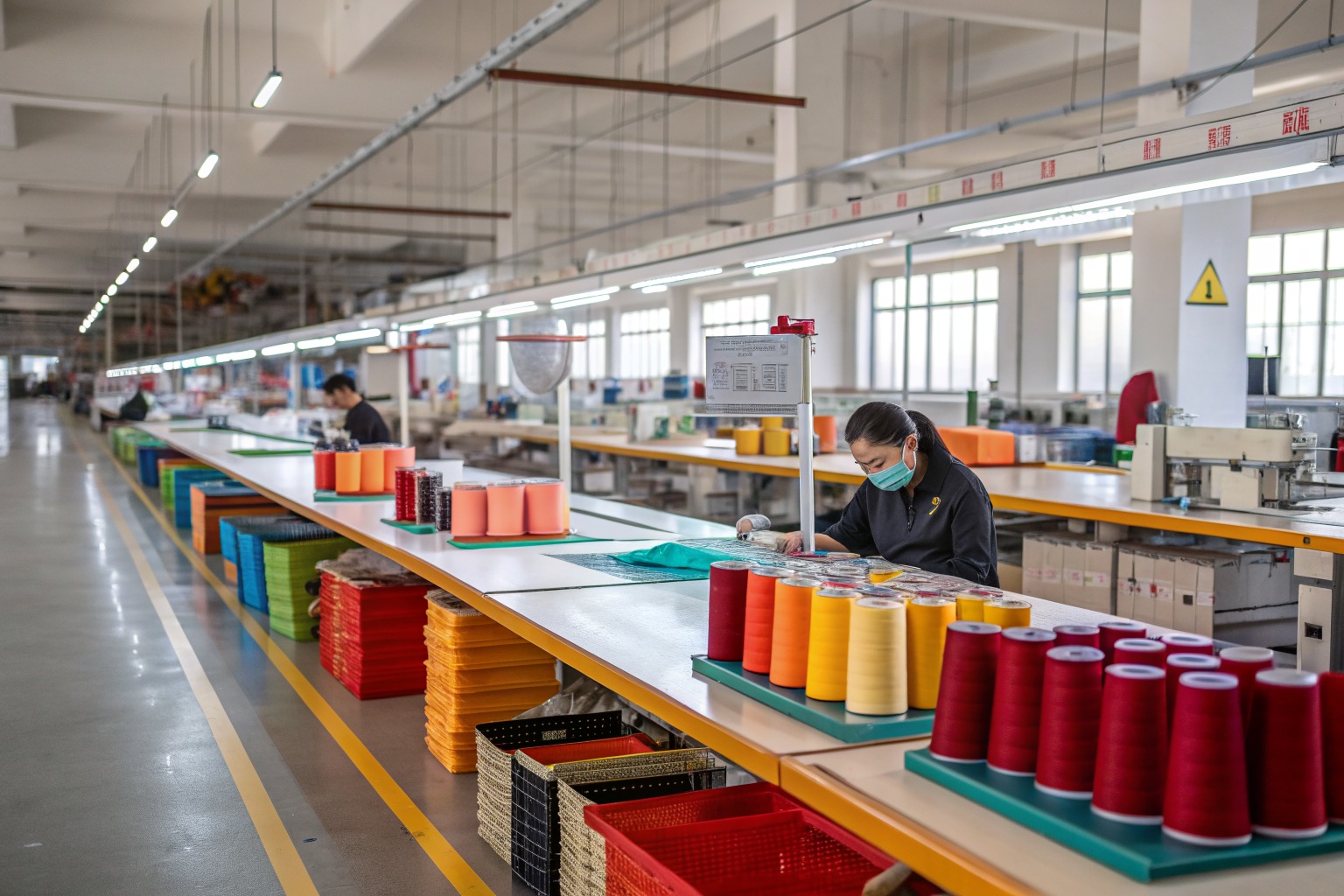
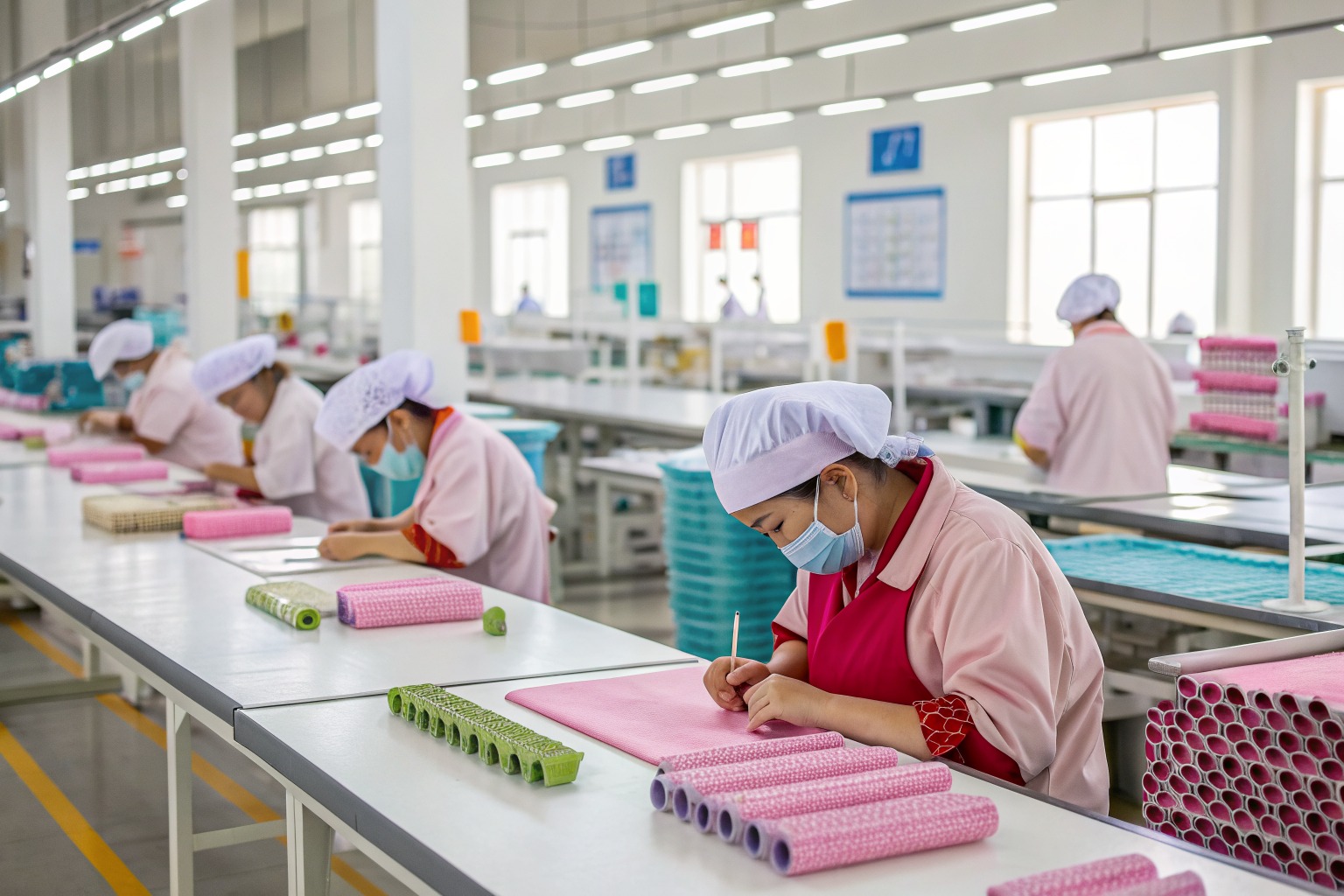
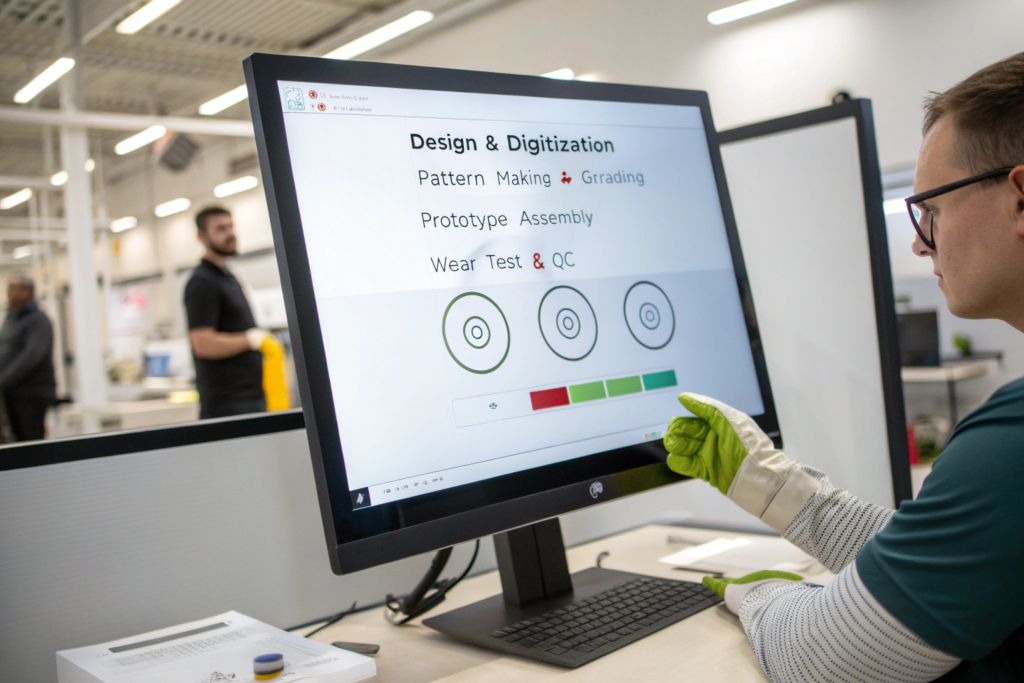
Our accelerated process consolidates these stages into a continuous workflow under one roof. The designer, the pattern maker, the knitting machine operator, the cutting table supervisor, and the sample sewer all work in the same building. The digital design file moves between them instantly. A change requested in the morning is implemented by the afternoon. This physical co-location of expertise is the structural reason for our speed. The specific stages of this accelerated process are digital design and pattern generation, rapid prototype assembly, and concurrent fit and quality testing.
How does 3D digital pattern making reduce the time to first sample?
The moment your sketch is received, our pattern maker does not reach for paper and scissors. They reach for a 3D CAD (Computer-Aided Design) system specifically designed for textile accessories. The sketch is translated into a three-dimensional digital model of the glove, complete with simulated fabric drape, seam placement, and stretch behavior. From this 3D model, the software automatically generates the two-dimensional pattern pieces with seam allowances and grain lines. This digital process eliminates the manual drafting and iterative fitting that consumes days in a traditional workflow. The pattern is ready for cutting within hours of the design being finalized. This 3D pattern making for accessories is the foundation of the accelerated timeline.
Why is having an in-house sample sewer essential for speed?
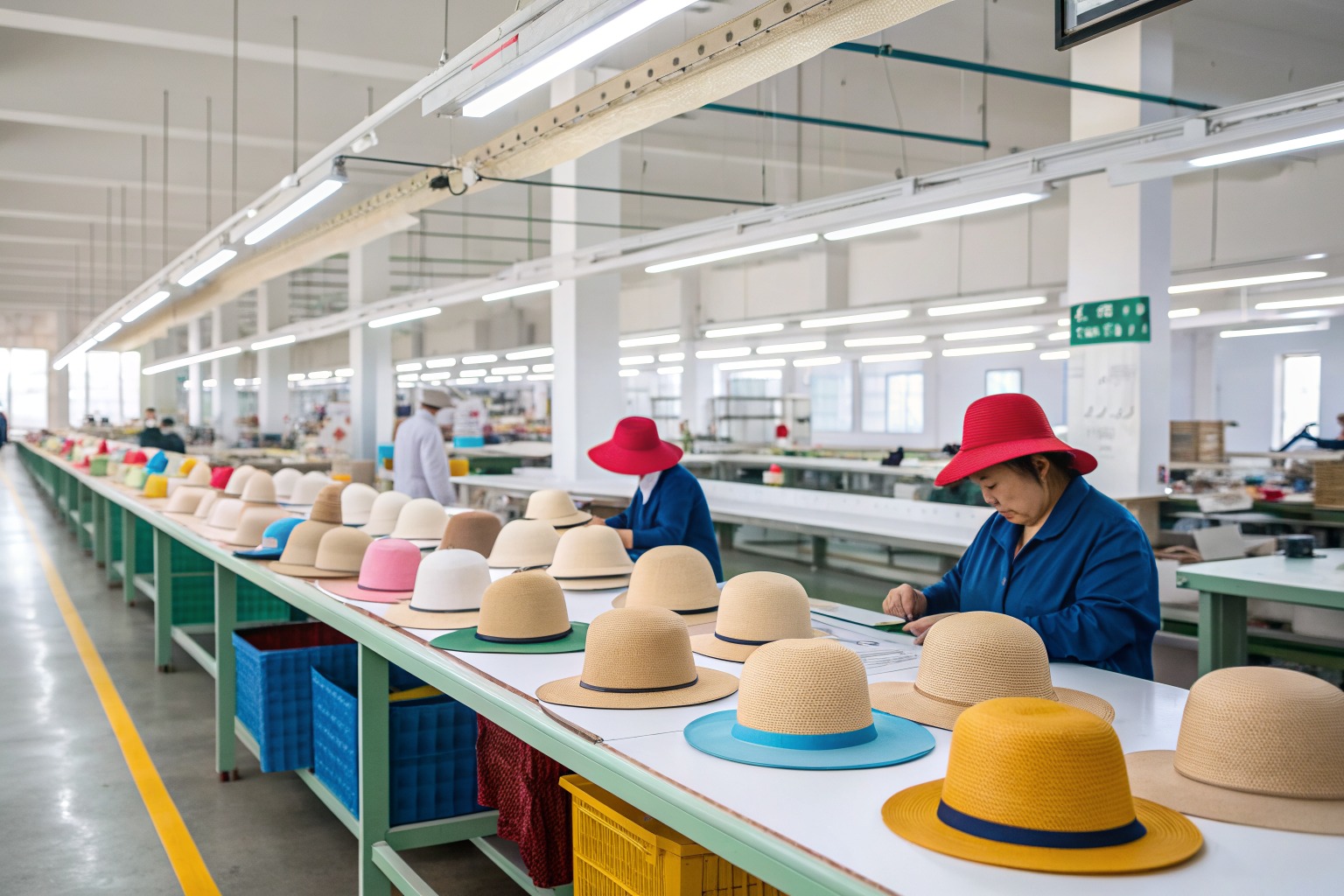
Many factories outsource their sample making to a specialized sample house. This adds a transportation handoff, a communication barrier, and a scheduling dependency over which the factory has limited control. Our sample sewers sit on the same production floor as the pattern maker. When the pattern is ready, the sewer receives it immediately. If the sewer encounters a construction issue—a seam that is difficult to turn, a tension that is not right—they walk ten meters to the pattern maker’s desk and resolve it in person. This real-time collaboration eliminates the multi-day email chains that plague outsourced sampling. The sample is usually assembled and ready for review within 24 to 48 hours of the pattern being finalized.
What Factors Can Shorten or Extend the Development Timeline?
The 5-to-10-day timeline is achievable under specific conditions. When those conditions are not met, the timeline extends. Understanding the factors that move the schedule is essential for setting realistic expectations and making informed trade-offs during the design process. The primary factors are material selection, component complexity, and approval responsiveness.
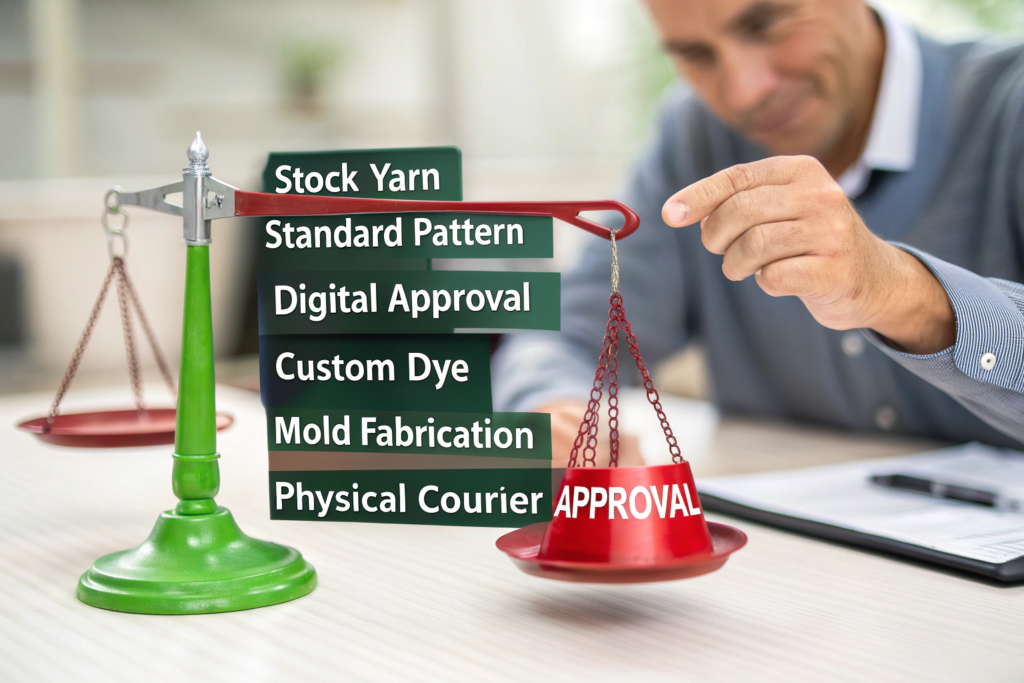
The single most impactful decision you can make to accelerate the timeline is to choose materials and components from our existing library of stocked options. A custom-dyed yarn adds days or weeks to the timeline because the dye house has its own minimum processing time. A custom metal logo badge requires mold fabrication, which adds a week or more. Each time you request a revision and take a day or more to provide feedback, the timeline extends by that duration. The fastest development projects are those where the brand provides a clear, complete design brief, selects stocked materials, and provides rapid, decisive feedback on samples.
How does choosing a stocked yarn versus a custom-dyed yarn affect the timeline?
Our factory stocks a library of hundreds of yarns in a wide range of colors, fiber contents, and weights. If you select a yarn from this stocked library, the yarn is on our shelf and can be loaded onto the knitting machine within hours. If you require a specific Pantone color that is not in our library, the yarn must be custom-dyed. The dyeing process at our partner dye house requires lab dip creation, color matching, bulk dye lot production, and quality testing. This process adds 7 to 14 business days to the timeline. The color difference between a stocked color and a custom-dyed color may be subtle to the eye, but the schedule difference is measured in weeks. We encourage brands to review our stocked yarn library before specifying a custom color. This yarn dyeing lead time is a fixed physical constraint.
What role does your approval speed play in the overall development time?
The clock stops every time the development process reaches an approval gate and restarts only when you provide feedback. Three approval points are typical: the initial digital design review, the first prototype review, and the final pre-production sample review. If you respond to each gate within hours, the project flows without interruption. If you take two or three days to consolidate internal feedback at each gate, the calendar swells by more than a week. The brands that achieve the fastest development timelines assign a single, empowered decision-maker to the project who can approve designs and samples without internal committee meetings. We provide a shared timeline tracker that shows exactly where the project stands and where the next approval gate sits, so there is never confusion about who owes a response. This client approval responsiveness in product development is the variable you control most directly.
How Do We Ensure Quality and Fit Are Not Sacrificed for Speed?
The question we hear most often is whether an accelerated development timeline means compromised quality. The honest answer is that quality is not a function of calendar time; it is a function of system rigor. A slow, disorganized process can produce poor quality. A fast, disciplined process can produce excellent quality. Our accelerated development system builds quality assurance into every stage rather than inspecting for quality only at the end.
The key to maintaining quality at speed is concurrent testing. In a traditional sequential process, the glove is developed first, and then tested. If a test reveals a problem, the development process restarts. In our concurrent process, testing happens in parallel with development. Material testing, seam strength testing, and fit testing occur simultaneously with prototype refinement, not after it. The results feed into the development process in real time, correcting issues before they become embedded in the final design.
What concurrent testing occurs during the rapid prototyping phase?
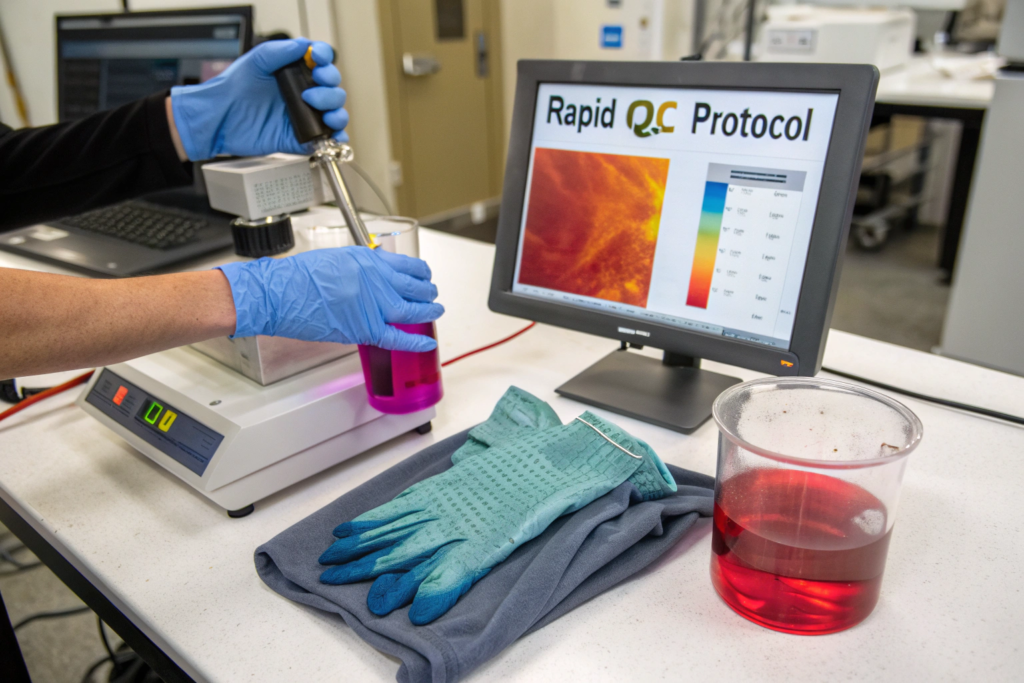
While the first prototype glove is being sewn, a sample of the same fabric is already in our laboratory undergoing a tensile strength test, a colorfastness to perspiration test, and a pilling resistance test. While the pattern maker is refining the thumb gusset, our quality control team is measuring the prototype against the digital pattern to verify dimensional accuracy. By the time the prototype is ready for your review, the material test results are already available and any issues have been flagged for discussion. This concurrent testing eliminates the week or more that a traditional sequential process would spend waiting for test results after the prototype is already built.
How does a digital fit model complement a physical wear test?
A physical wear test, where a person with the target hand circumference wears the glove for a day and provides subjective feedback, is irreplaceable for assessing comfort and real-world function. But a physical test takes time. We complement it with a digital fit analysis. The 3D CAD model of the glove is mapped onto a digital hand model with the specified hand circumference. The software simulates the fabric stretch and identifies areas of excess tension or looseness. This digital analysis provides immediate feedback on fit before the physical prototype is even sewn, allowing the pattern maker to correct obvious fit issues in the digital stage. The physical wear test then validates the digital prediction. This combination of digital and physical fit assessment provides speed without sacrificing fit quality. This digital fit simulation for apparel is a standard practice in advanced manufacturing.
How Should a Buyer Prepare a Sketch to Achieve the Fastest Turnaround?
The single most effective action you can take to accelerate the development of your new glove style is to submit a complete, detailed design brief on the first contact. Every missing piece of information—an unspecified material, an unclear seam position, a vague "make it comfortable" note—triggers a question from our team. Each question-and-answer cycle adds time to the schedule. A complete brief eliminates these cycles.
A fast-track glove design brief includes a clear sketch or reference image showing the glove from the palm and back views, the desired material type or at least the desired hand-feel, the target hand circumference for the sample size, any specific functional features like touchscreen compatibility or a windproof membrane, and the intended use case and target retail price. This information allows our pattern maker and materials specialist to make informed, aligned decisions on the first pass, without waiting for clarification. This tech pack preparation for accessories is the most valuable contribution you can make to the speed of your project.
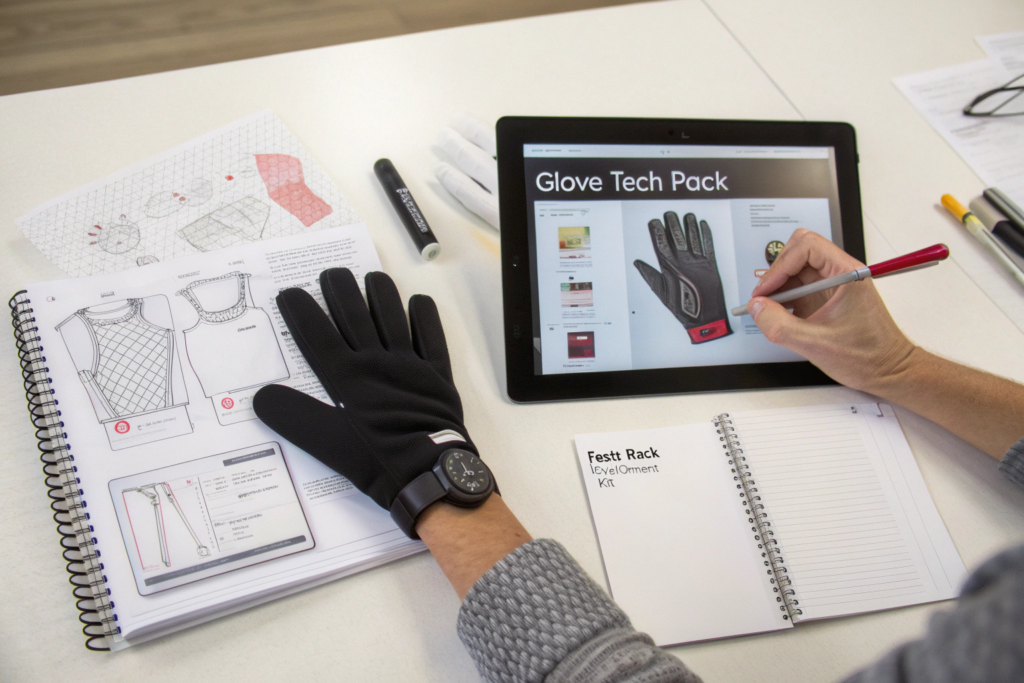
What specific visual details should your sketch include?
Your sketch should include a clear outline of the glove shape, shown from both the palm side and the back-of-hand side. Mark the intended cuff length, whether it is a short sport cuff or a long gauntlet cuff. Indicate the seam placement, particularly around the thumb and fingers. If the glove has a specific closure, a Velcro strap, an elastic wrist, or a drawstring, draw it clearly. If the glove has a textured palm grip, indicate the area of the texture. The sketch does not need to be beautiful. It needs to be clear and complete. A well-annotated napkin sketch with arrows and notes is far more valuable than a beautiful fashion illustration with no technical detail.
Why is providing a hand circumference target essential at the sketch stage?
The pattern maker cannot begin drafting the pattern without knowing the hand circumference the glove is designed to fit. If you provide this number at the sketch stage, the pattern maker can proceed immediately to the digital model. If you do not provide it, the pattern maker must pause and send a question. This delay is entirely avoidable. Providing the target hand circumference, ideally for a specific size such as Women’s Medium, allows the sample to be produced to the correct fit proportions from the very first prototype. This hand measurement data for glove development is the foundational input for the pattern.
Conclusion
Developing a new glove style from sketch to production-ready sample in as little as 5 to 10 business days is a capability built on integrated teams, digital tools, concurrent testing, and responsive client partnerships. It is not a rush job; it is a streamlined system that removes the wasted time inherent in traditional, fragmented development processes.
We have walked through the key stages of the accelerated process, from 3D digital pattern making to in-house sample sewing. We have examined the factors that compress or extend the timeline, including the critical impact of choosing stocked materials and providing rapid approvals. We have explained how concurrent testing and digital fit analysis ensure that speed does not compromise quality. And we have outlined how a complete design brief from the buyer is the most powerful accelerator of all.
If you have a glove concept, whether it is a detailed tech pack or a sketch on a napkin, and you want to see a prototype in days rather than weeks, we can provide a development timeline proposal and a stocked materials library for your review. Our Business Director Elaine manages our glove development programs and can coordinate the digital design and sampling process. Contact her directly at elaine@fumaoclothing.com. Your next best-selling glove is waiting to be made. Let’s develop it together, fast.