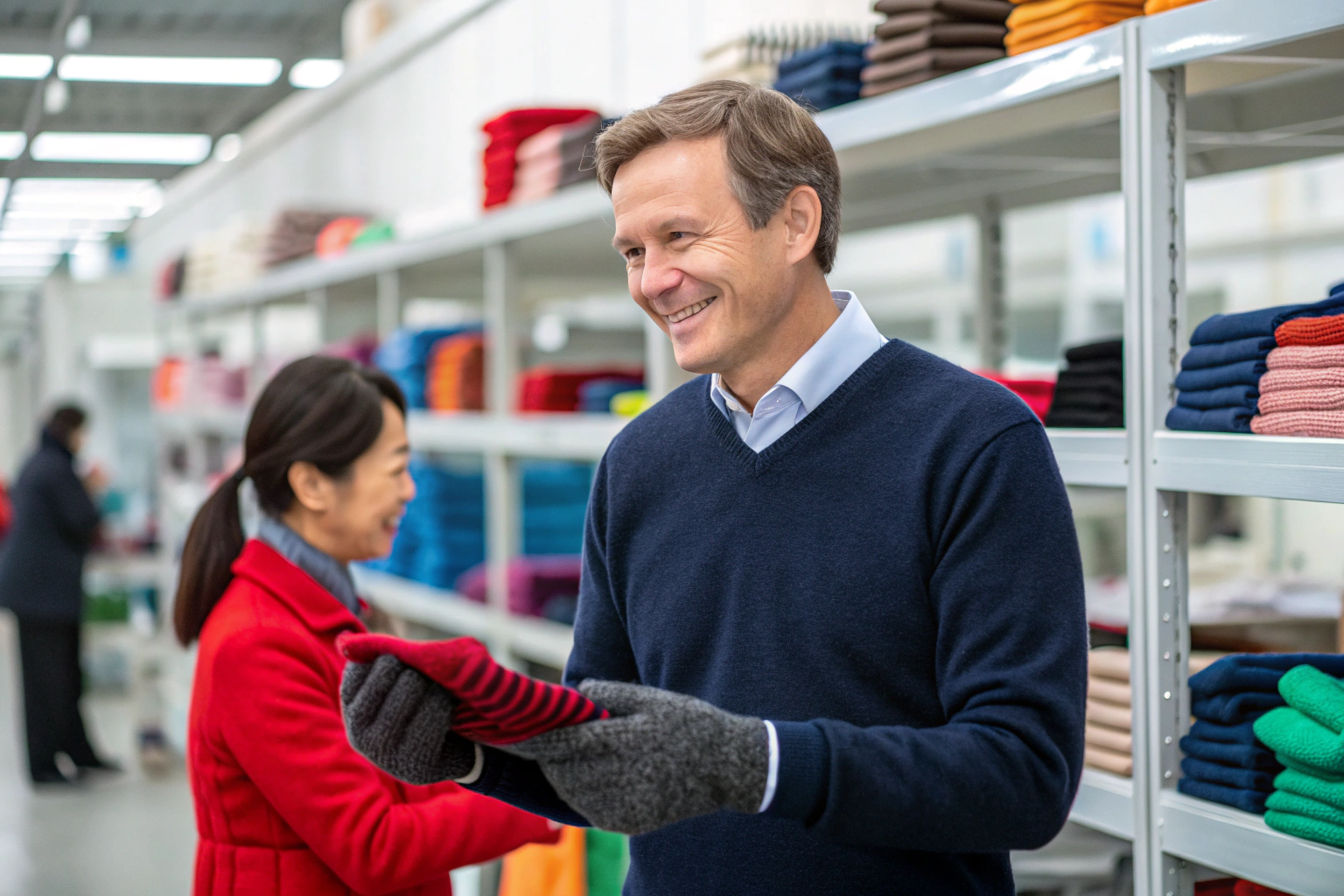
I received an inquiry three weeks ago from a buyer in Colorado. She was frustrated. She needed 8,000 pairs of arm warmers for an outdoor sports brand. She contacted 30 suppliers on Alibaba. 20 replied. 12 said "yes we can make this." She sent her spec sheet to all 12. Only 4 understood the difference between a thumbhole and a fingerless design. Only 2 had actually produced arm warmers before. She asked me, "Why is it so hard to find a real factory for a simple product?"
Finding a reliable supplier for niche accessories like arm warmers requires you to stop searching like a buyer and start investigating like a detective. You do not need the biggest factory. You need the factory that already owns the specific knitting machines, has the right yarn suppliers, and employs pattern makers who understand hand anatomy. Mass production factories often reject niche items. Specialist factories welcome them.
I started my career making basic scarves. Thousands of them. Same size, same fabric, same box. It was easy. Then a client asked me for elbow-length lace gloves. I said yes because I wanted the order. I failed. I did not have the right looms. I ruined the fabric. I lost money. That failure taught me that niche products require niche expertise. You cannot fake it. Today, I want to help you avoid my mistake. Let me show you exactly how we qualify ourselves and how you can qualify any supplier.
What Specific Factory Capabilities Matter Most For Arm Warmers?
Ron has purchased gloves before. He understands that a glove is not a hat. But arm warmers are a hybrid product. They are longer than a glove but shorter than a sleeve. They require stretch recovery. They cannot slip down. They need precise ribbing structures. Many factories look at a picture and say, "Easy. We can do it." Then they produce something that looks like a cut-off sock.
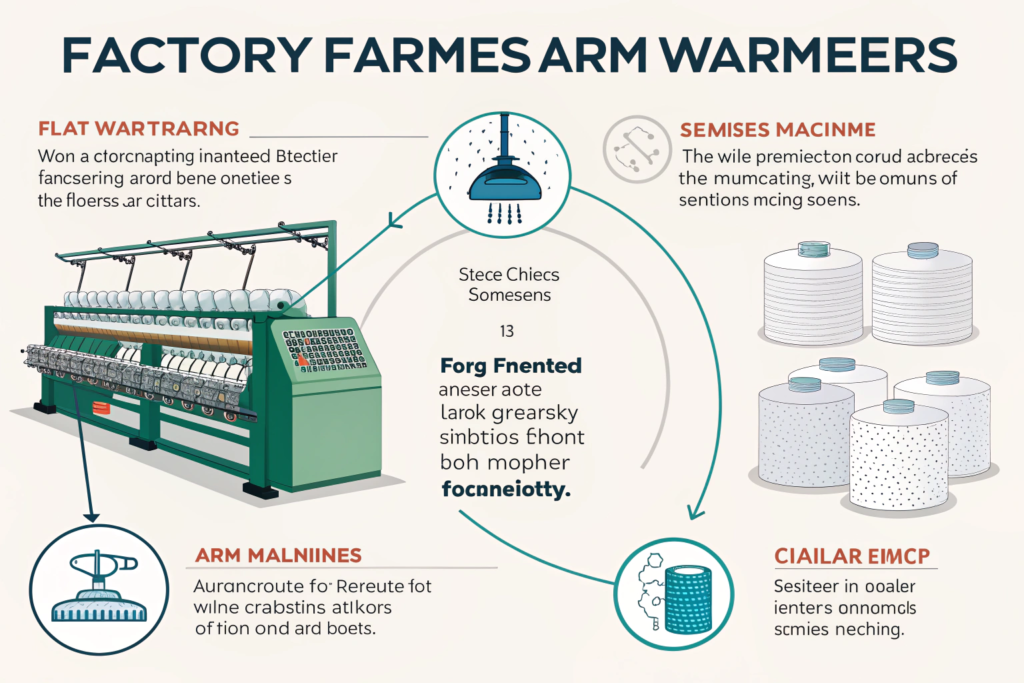
The most important factory capability for arm warmers is the type of knitting machine. Flat knitting machines produce seamless arm warmers with better shape and comfort. Circular knitting machines are faster but create a seam. You also need a factory that stocks elastane core-spun yarns, not just cotton or acrylic. Without stretch, your arm warmers will bag at the elbow within one hour of wear.
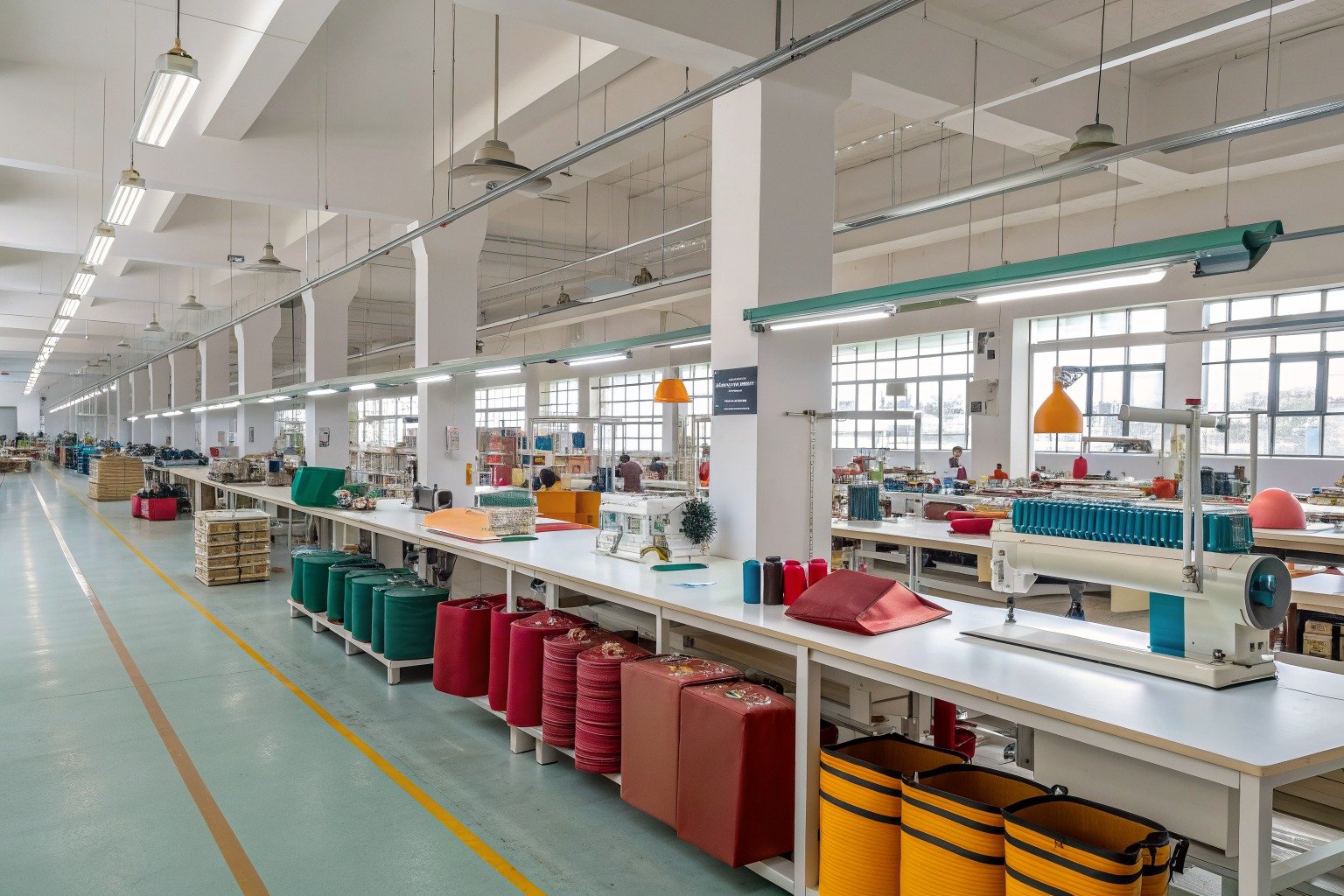
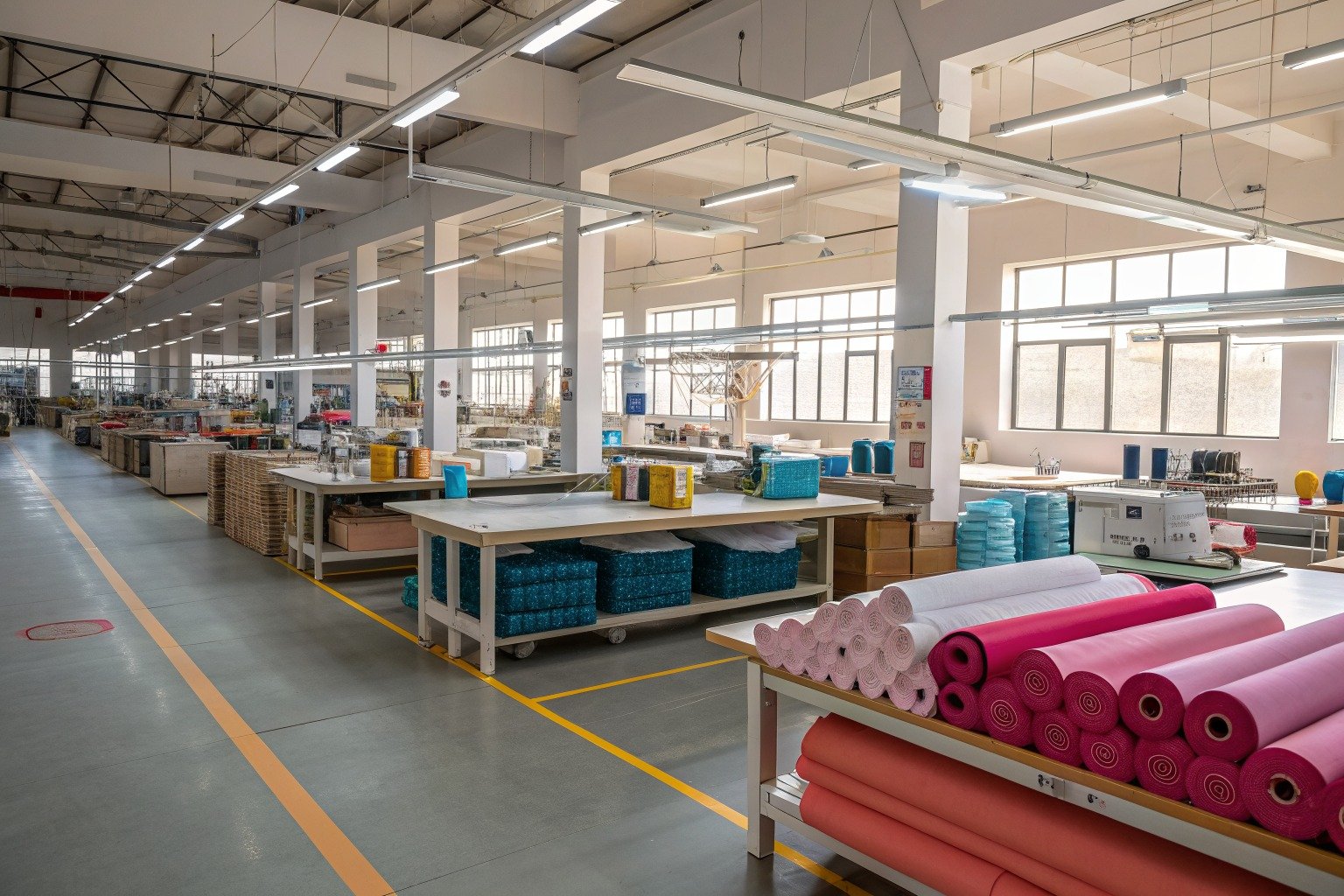
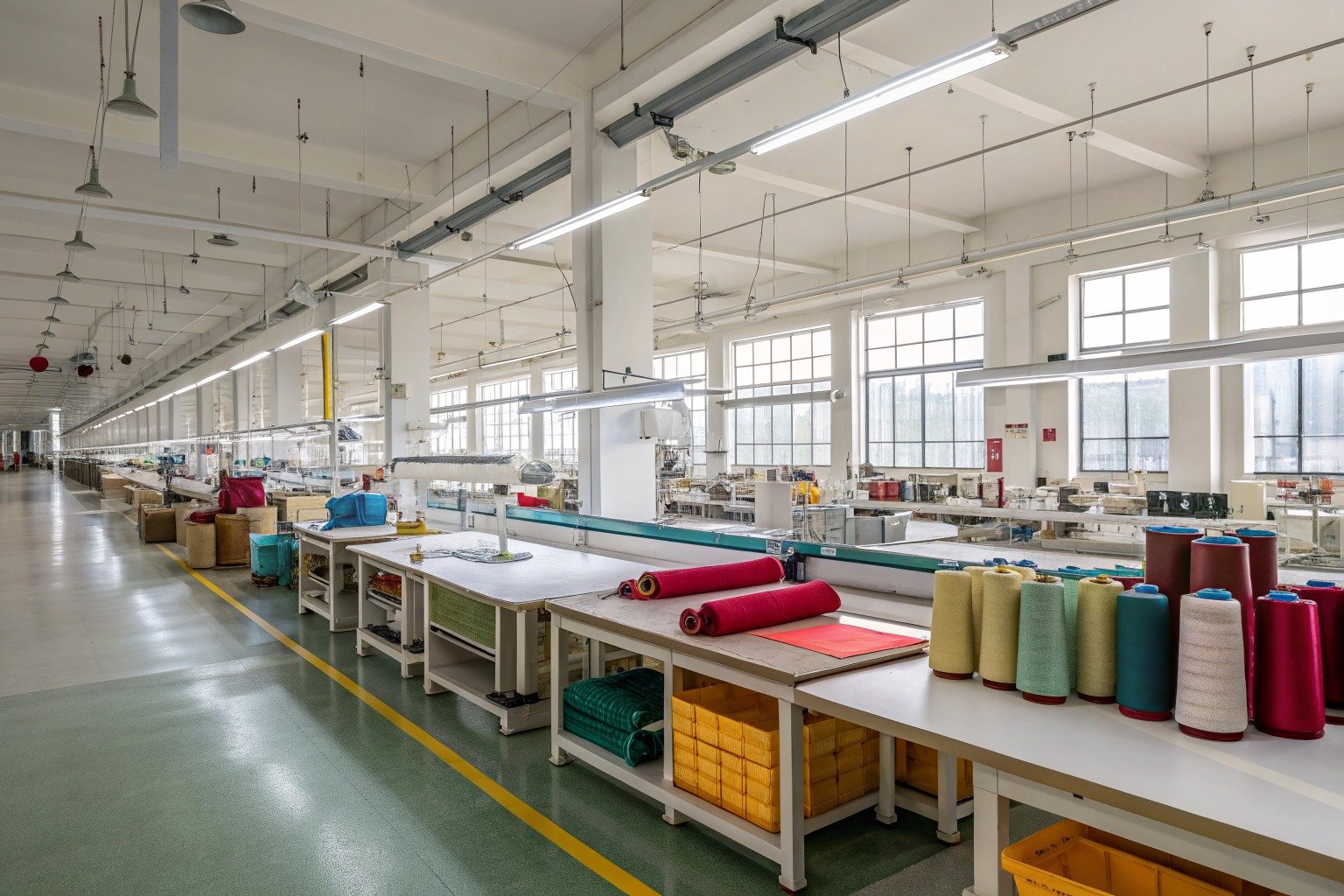
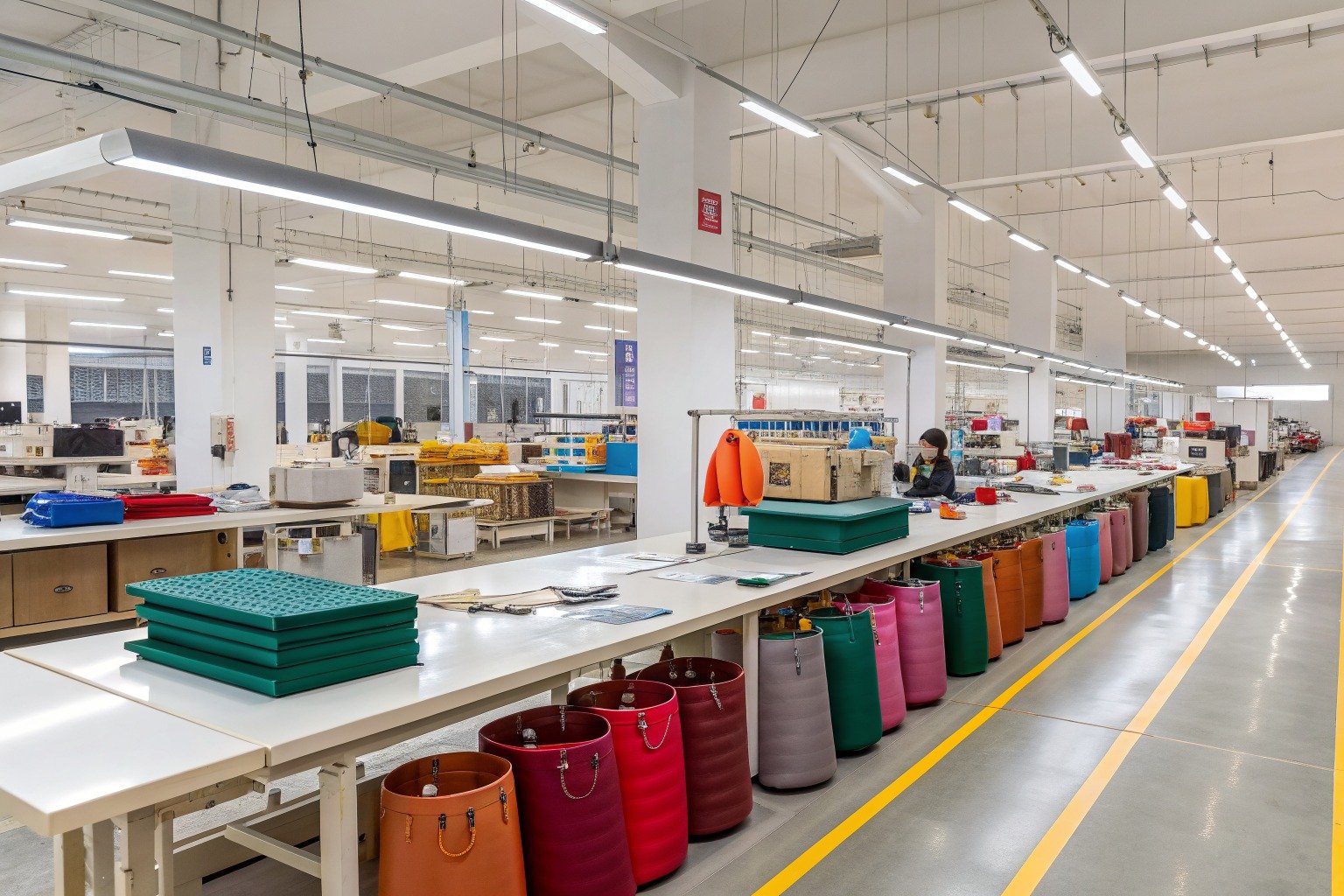
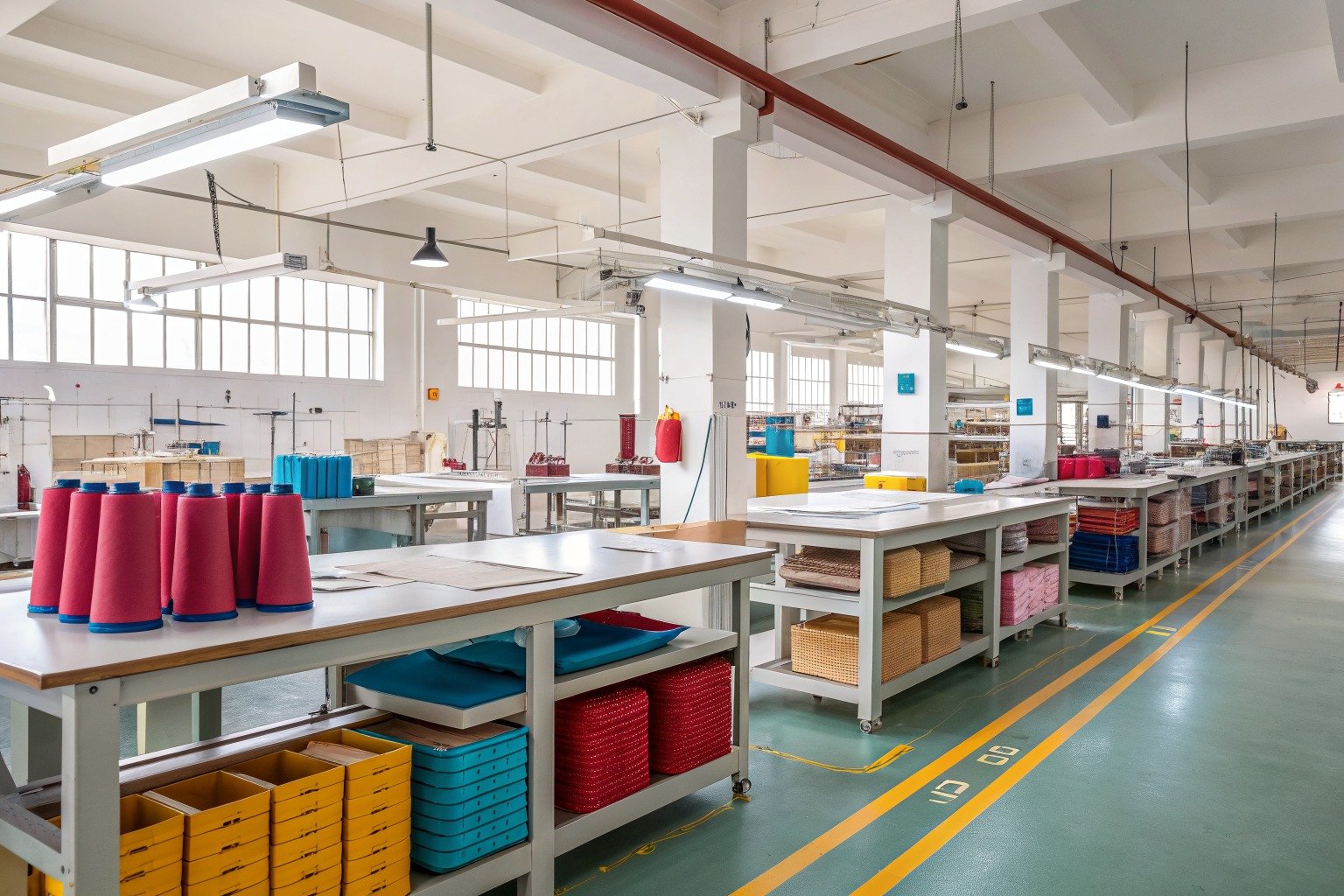
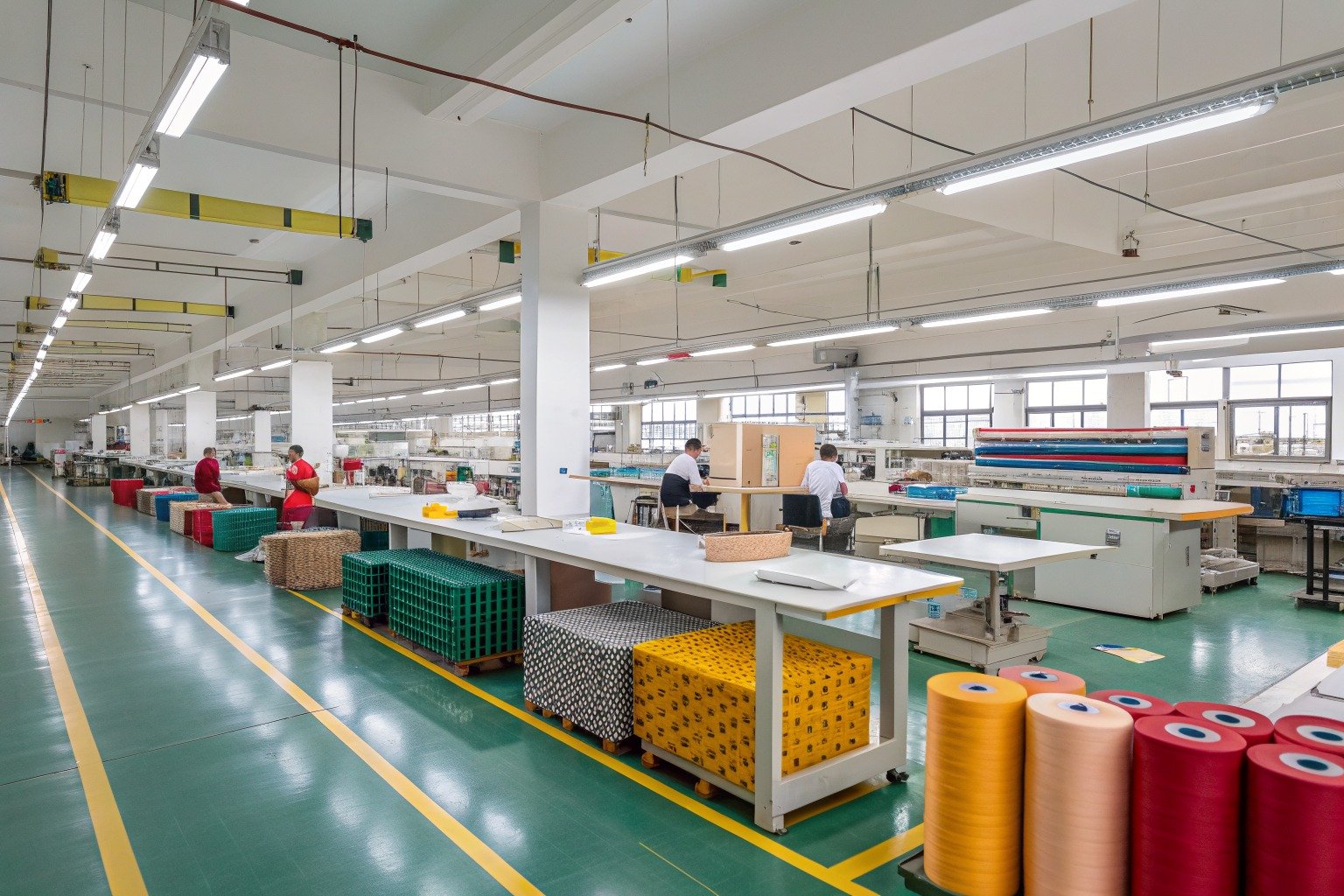
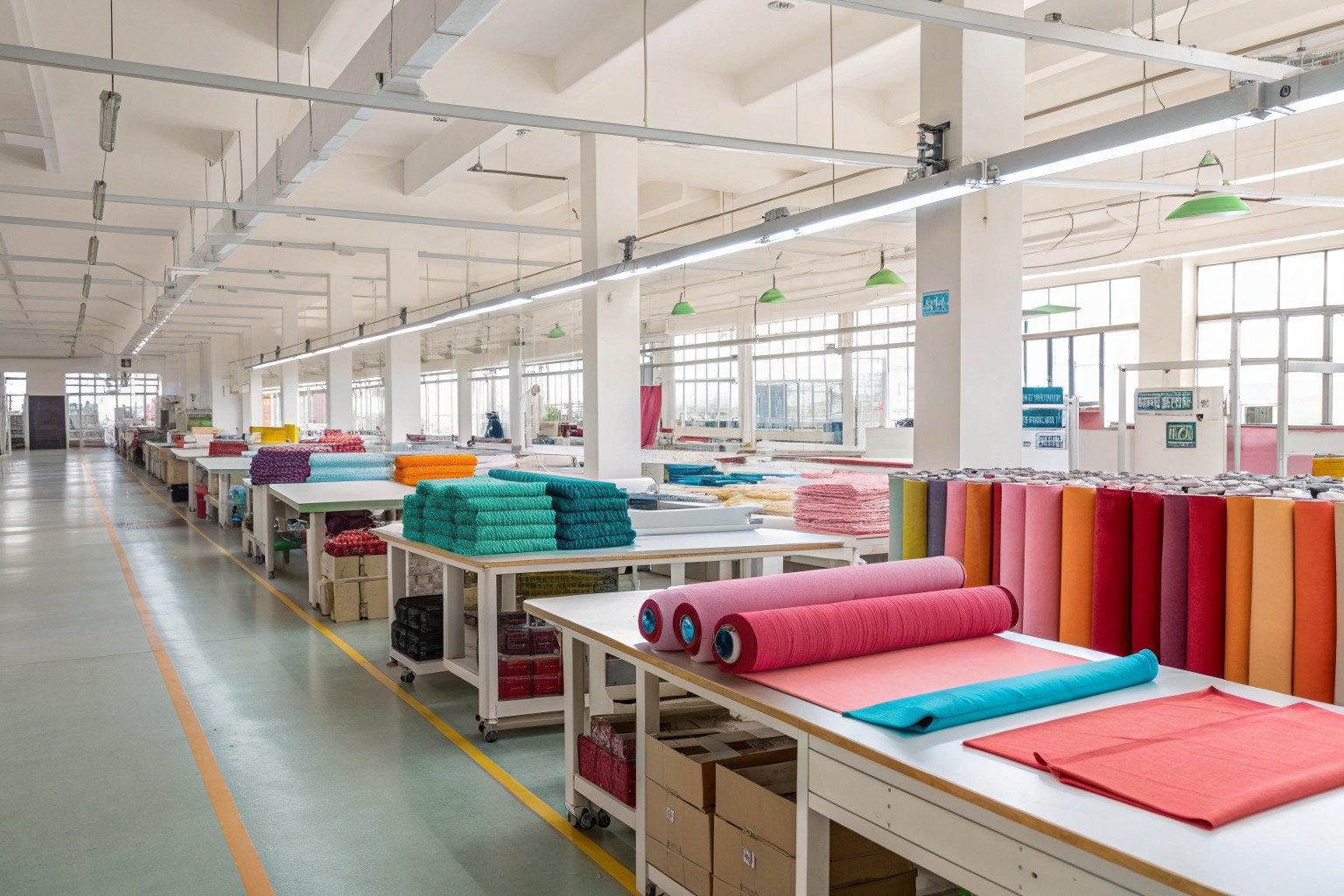
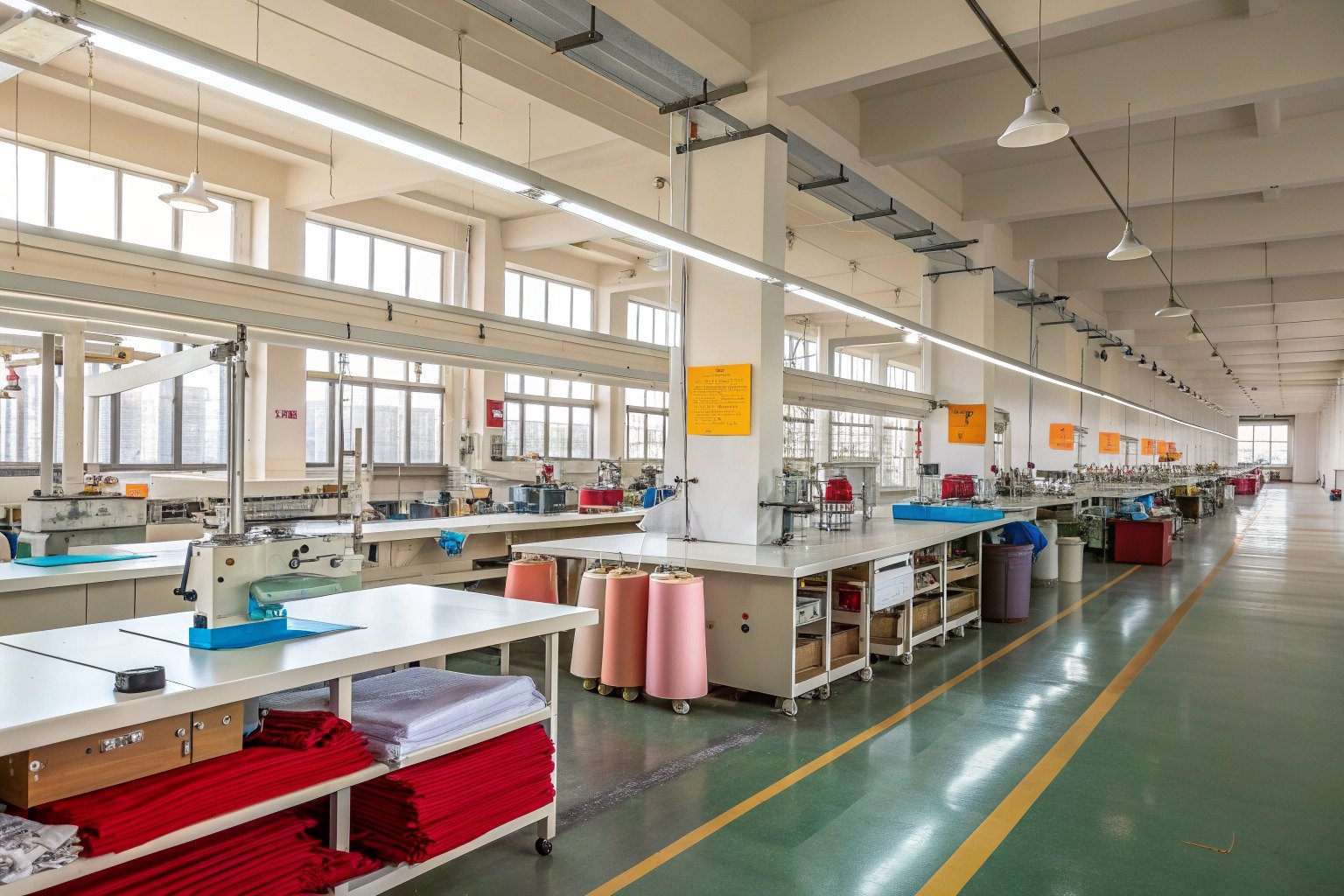
Let me break down the machinery question clearly. There are two main ways to make arm warmers. Fully fashioned knitting uses flat bed machines. Each panel is shaped as it is knit. The edges are finished. There is no cutting waste. This method gives you a premium product with clean cuffs. The second method is cut and sew. The factory knits a large tube of fabric, cuts it into pieces, and sews them together. This is cheaper. But the seam can irritate the skin. For outdoor brands or fashion clients, fully fashioned is the standard. We own 32 fully fashioned knitting machines specifically for our specialty glove and arm warmer production. Ask your supplier for photos of their machine floor. If they only show you circular machines, they are not arm warmer specialists.
Why Does Yarn Selection Make Or Break An Arm Warmer?
Arm warmers must do something a jacket sleeve cannot do. They must move with your hand. You stretch them thousands of times. If the yarn has poor memory, the cuff stretches out. It falls down. The user stops wearing it. We use nylon and spandex blends almost exclusively for this category. Nylon provides smoothness and durability. Spandex provides recovery. We source our performance yarns from certified mills. We also offer merino wool blends for cold weather sports. Wool insulates when wet. Nylon reinforces the high-wear areas like the palm and thumb. If a supplier suggests 100 percent acrylic for arm warmers, run away. It will pill in one wash and lose shape immediately.
How Do You Test Grip And Slip Resistance?
Arm warmers are not just for warmth. Cyclists use them to block sun. Musicians use them to reduce friction. Fitness users need them to stay up during movement. We test every prototype for elastic recovery. We stretch the cuff 10,000 times on a machine. We measure how much it grows. We reject anything that stretches more than 5 percent. We also test silicone gripper application. Many arm warmers have a silicone strip inside the top cuff to prevent slipping. We have a dedicated silicone printing line that applies food-grade silicone dots. It stays tacky for the life of the garment. It does not wash off. Ask your supplier how they test grip. If they look confused, they are not your partner.
How Do You Verify A Supplier’s Experience With Unusual Products?
Ron told me he once visited a factory in person. The sales manager showed him a beautiful showroom. There were hats, scarves, and gloves everywhere. Ron felt confident. He placed a large order for technical running arm warmers. The shipment arrived. The sizing was inconsistent. The thumbholes were cut at the wrong angle. Ron asked the factory, "Haven’t you made these before?" The manager admitted, "This was our first time." The showroom samples were bought from another factory. This deception happens too often.
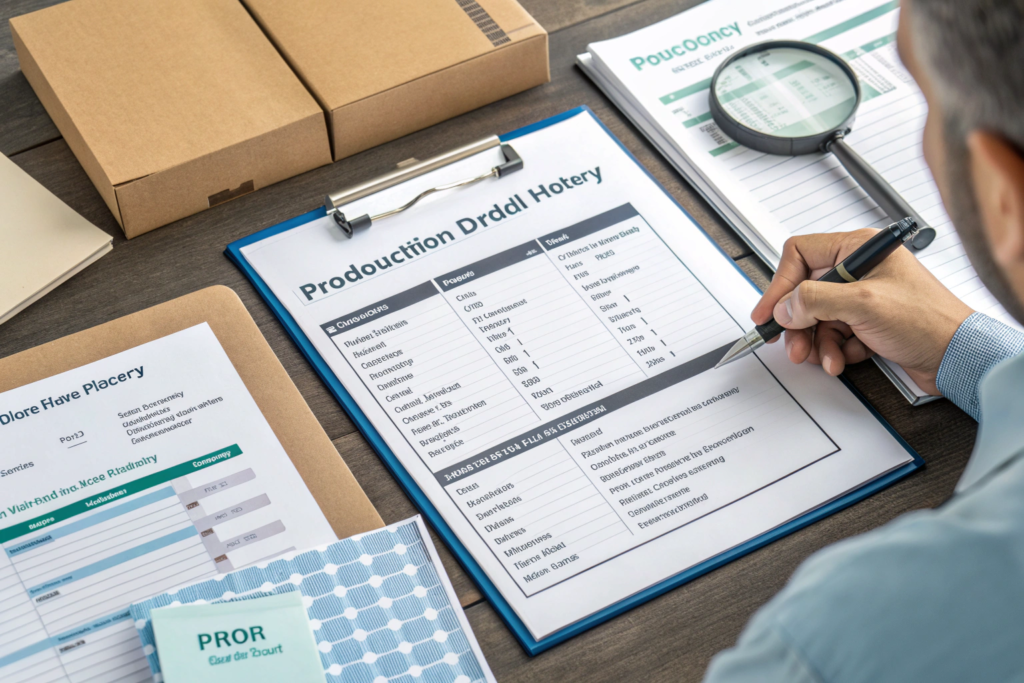
You verify experience by asking for production order history, not just samples. Any factory can buy one sample from Taobao and put it on a shelf. Very few factories can show you a commercial invoice, a packing list, and a bill of lading for 5,000 pairs shipped to a US brand last year. We provide these documents under NDA. We also provide contact references for similar niche categories. You do not have to guess.
I keep a physical archive of every niche product we have developed since 2015. This includes convertible mittens, fingerless gloves with flaps, and of course, arm warmers in 18 different lengths. When a client asks, "Have you made these before?" I do not say, "Yes, we can." I say, "Here is the actual production sample we made for a Swedish brand in 2022. Here is their QC pass report. Here is the yarn spec sheet." This is proof. You have the right to demand this proof. A reliable supplier keeps these records. A trader deletes them. We also encourage clients to speak directly to our production manager on a video call. Watch their eyes when you ask about knitting gauge or needle count. If they look to the side, they are reading a script.
Should You Ask For A Specific Machine Brand?
Yes, absolutely. This is my best trick. Ask the supplier, "What brand of flat knitting machines do you use for fully fashioned arm warmers?" A real manufacturer answers immediately. "We use Shima Seiki." Or, "We use Stoll." These are the two dominant brands for shaped knitwear. If the supplier says, "We have various machines," or "Our partner factory has everything," they are likely a trading company. We operate Shima Seiki machines exclusively for our shaped knit accessories. We chose them because they handle fine gauge merino better than any other system. This specificity builds trust. It also tells you they invest in the right tools for your product.
What If The Supplier Has Never Made Arm Warmers But Makes Similar Products?
This is acceptable if they are honest. We were not born making arm warmers. We started with gloves. Then beanies. Then we adapted our skills. The key is the adaptation process. A reliable supplier says, "We have not made arm warmers before. But we make compression sleeves and golf gloves. The construction is similar. Let us make a prototype at our cost. You pay only the shipping." We do this regularly. We recently developed a cycling arm warmer for a new client. We had no direct history. We had the machine capability and yarn knowledge. We made three rounds of samples for free. They paid for DHL. Now they order every quarter. Transparency is everything.
What Are The Red Flags When Sourcing Technical Knit Accessories?
I have visited over 200 factories in China, Vietnam, and Bangladesh. I have seen the good, the bad, and the dangerous. I have walked into facilities that claimed to be "vertical knit specialists" and found only office desks and computers. I have met salespeople who could not explain the difference between 7-gauge and 12-gauge knitting. Ron does not have time to visit 200 factories. He needs a checklist.
The biggest red flag is a supplier who says "no problem" to everything without asking technical questions. Arm warmers require specific measurements: upper arm circumference, wrist circumference, length from wrist to elbow, thumbhole placement. If the supplier does not ask for these numbers, they are not planning to make them correctly. They are planning to guess. Guessing creates garbage.
Let me give you specific phrases that trigger my alarm. "We use the same fabric for everything." Arm warmers need different stretch properties than scarves. Same fabric will fail. "Thumbhole is standard size." No, it is not. A men’s large thumbhole drowns a women’s small hand. "We ship samples in 3 days." Fast sampling is good. But a proper arm warmer requires setting up the knitting machine program. That takes 2 to 3 days alone. If they promise 3 days total, they are sending you a stock item from a different brand with your label. We have seen this happen. The client receives "their" sample. They approve it. Then bulk production arrives and looks completely different because the sample was not actually made on the production line. We call this sample fraud. It is unfortunately common.
Why Is "Unlimited MOQ" A Warning Sign?
Every factory has an efficient production quantity. For fully fashioned arm warmers on flat knitting machines, the efficient MOQ is around 500 to 1,000 pairs per color. This is because each machine produces one pair at a time. Setting up the machine program and yarn carriers takes 4 hours. If a supplier says "100 pairs no problem," they are likely cutting and sewing from tube fabric, not shaping the product. Or they are planning to run your small order on a large machine inefficiently and charge you triple the setup cost. We are honest. We tell clients, "For fully fashioned arm warmers, our sweet spot is 800 pairs. Below that, the unit cost increases by 30 percent. Here is your choice." Clients appreciate this honesty. They either increase quantity or adjust expectations. We do not trap them with hidden costs.
What Does "We Can Match Any Price" Really Mean?
It means they are desperate or they are compromising. In 2023, a client brought us a price from another supplier. It was 22 percent lower than our quote. I visited that supplier. They were using open-end yarn instead of ring-spun. Open-end yarn is weaker and fuzzier. It feels rough. They were also omitting the elastomeric fiber in the cuff. The arm warmers looked fine on day one. By day ten, they were sagging. I told the client, "Yes, we can match that price. We will also match that quality. Is that what you want?" They stayed with us. Price is a function of materials, labor, and overhead. If the price is significantly lower, something is missing. It is usually the material quality.
How Do You Build A Long-Term Partnership For Seasonal Reorders?
Ron’s biggest frustration is not the first order. It is the second order. He finds a supplier. The first order is painful but the product ships. He reorders six months later. The price increases 15 percent. The lead time doubles. The quality drops. He has to re-qualify the factory all over again. This wastes his time and his buyers’ trust. I told him, "You are treating them like a vendor. You need to treat them like a partner."
A long-term partnership for seasonal reorders requires three agreements upfront: a capacity reservation, a material consignment plan, and a price adjustment formula. Without these, your reorder is just a new order. You wait in line behind new customers. You pay today’s higher yarn prices. You risk sold-out capacity during your peak season. We offer all three to clients who commit to annual forecasts.
Let me explain how we treat our long-term arm warmer clients differently. First, capacity reservation. In July, we ask our key clients, "How many pairs do you need between September and November?" They give us a forecast. We block machine time. Even if a new client walks in with a rush order in October, we protect that blocked time. Your order is not late because we overbooked. Second, material consignment. You approve the yarn for your spring collection in January. We buy that yarn in February. It sits in our warehouse labeled with your name. You pay for the yarn when we cut it. You do not pay for storage. But the yarn is guaranteed. You never hear, "Sorry, that color is discontinued." We hold it for you. We do this for Shanghai Fumao Clothing partners who trust us with their volume.
How Do We Handle Price Increases Fairly?
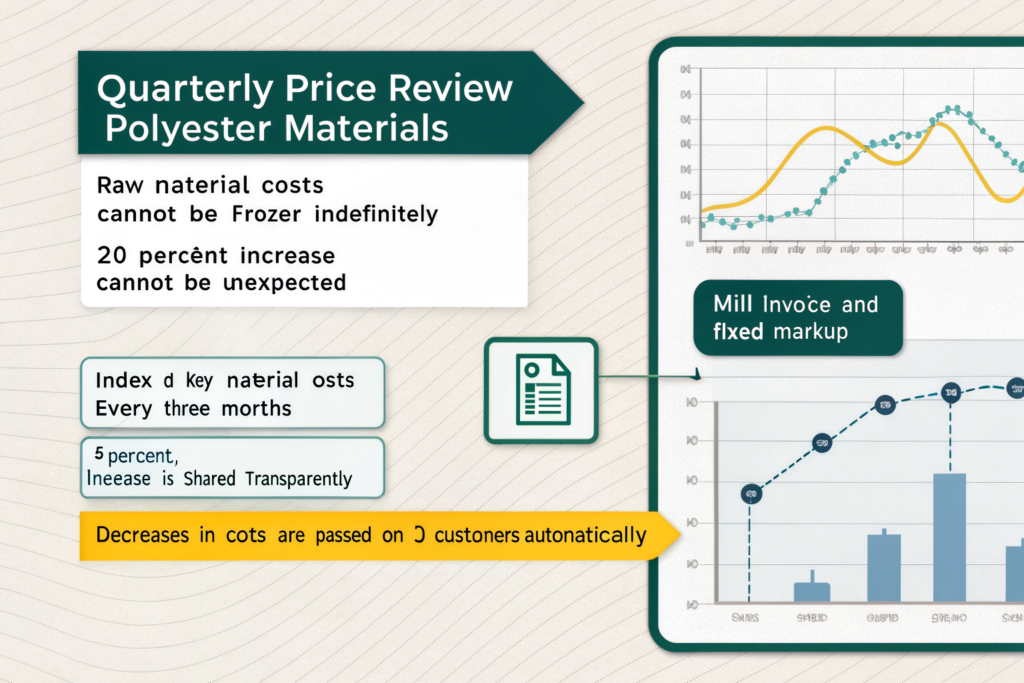
Yarn prices move like the stock market. Cotton spikes. Polyester fluctuates. Oil prices affect synthetic fibers. I cannot freeze my raw material costs forever. But I also cannot surprise you with a 20 percent increase on your purchase order. Our solution is the quarterly price review. Every three months, we send you an index of our key material costs. If the cost has increased more than 5 percent, we share the increase formula. You see the mill invoice. We add our fixed markup. No hidden margins. If the cost decreases, we lower your price. We do this automatically. You do not have to ask. This transparency builds trust. It also allows you to plan your retail pricing with confidence.
Should You Visit The Factory For Niche Products?
Yes, but only if you are ready. A factory visit is not a vacation. It is an audit. When you visit us, do not just sit in the conference room. Ask to see the knitting machine floor. Ask to see the yarn storage. Is the yarn off the floor? Is it covered? Dust ruins fine gauge knitting. Ask to see the sample room. Who is programming the Shima machines? How many years of experience do they have? We welcome these questions. We are proud of our Zhejiang facility. It is clean. It is organized. Our knitters have an average of 12 years experience. You feel the difference when you walk through. If a supplier hesitates to show you the production floor, or the floor is empty, that is the final red flag. Do not place the order.
Conclusion
Finding a reliable supplier for niche accessories like arm warmers is not about finding the cheapest quote. It is about finding the factory that already owns the right machines, understands the specific yarn requirements, and is honest about their experience level. You cannot afford to train a factory on your dollar. You cannot afford to discover quality problems 8,000 pairs into production.
I learned this the hard way. I lost money. I lost a client. I swore I would never let that happen again. Now we are the specialists. We do not claim to be the biggest. We claim to be the most prepared. When you ask us about arm warmers, we do not Google it. We walk to the sample room and pull out a drawer with 40 versions we have already made.
This is the service we provide to buyers like Ron. This is why Shanghai Fumao Clothing has supplied technical knit accessories to European outdoor brands and American fashion houses for over a decade. We do not hide our capabilities. We show you.
If you are tired of gambling on unproven suppliers, send Elaine a message. She leads our new business development team. She will connect you with a project manager who has actually made your product before. You do not have to be the guinea pig. Email Elaine directly at: elaine@fumaoclothing.com.