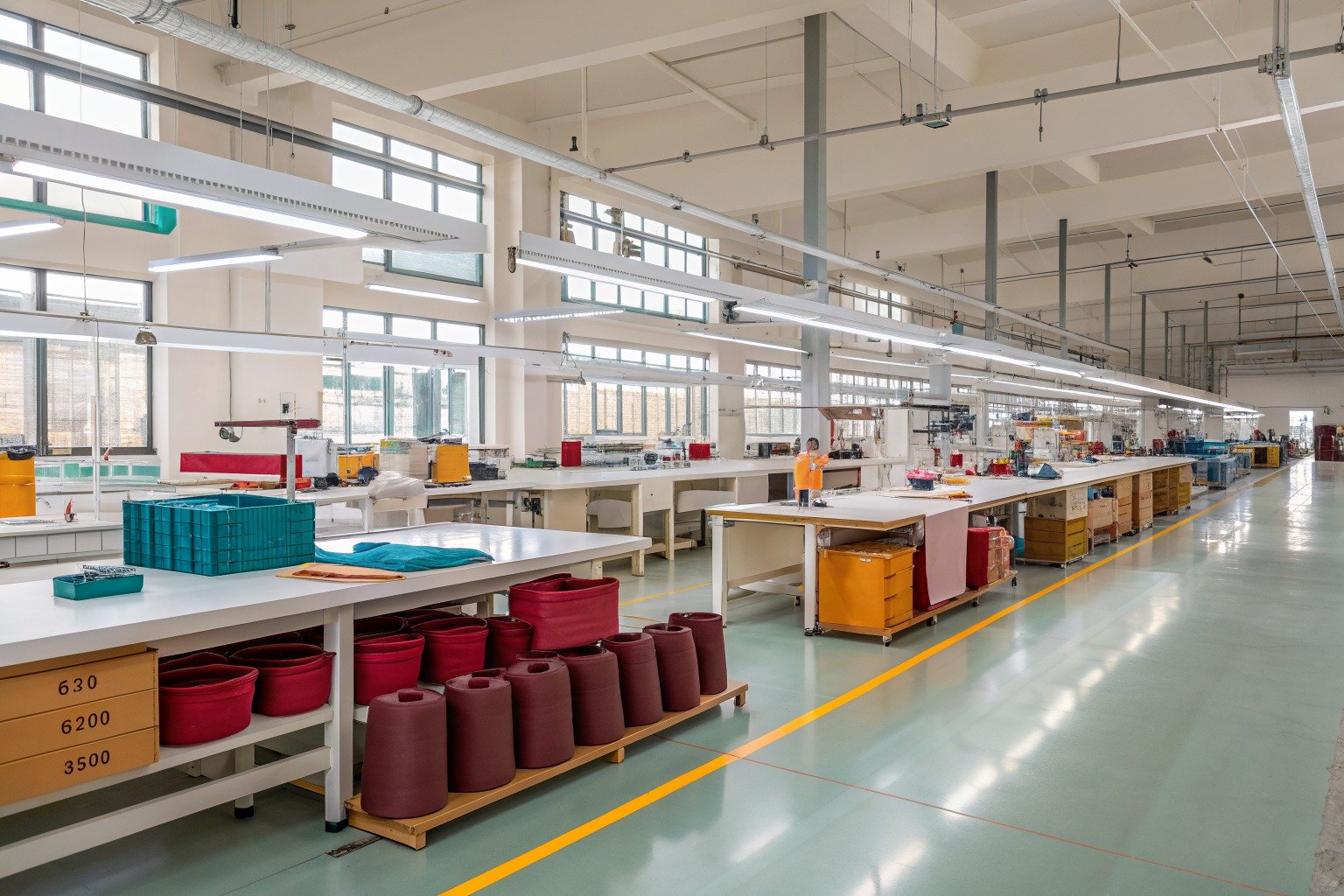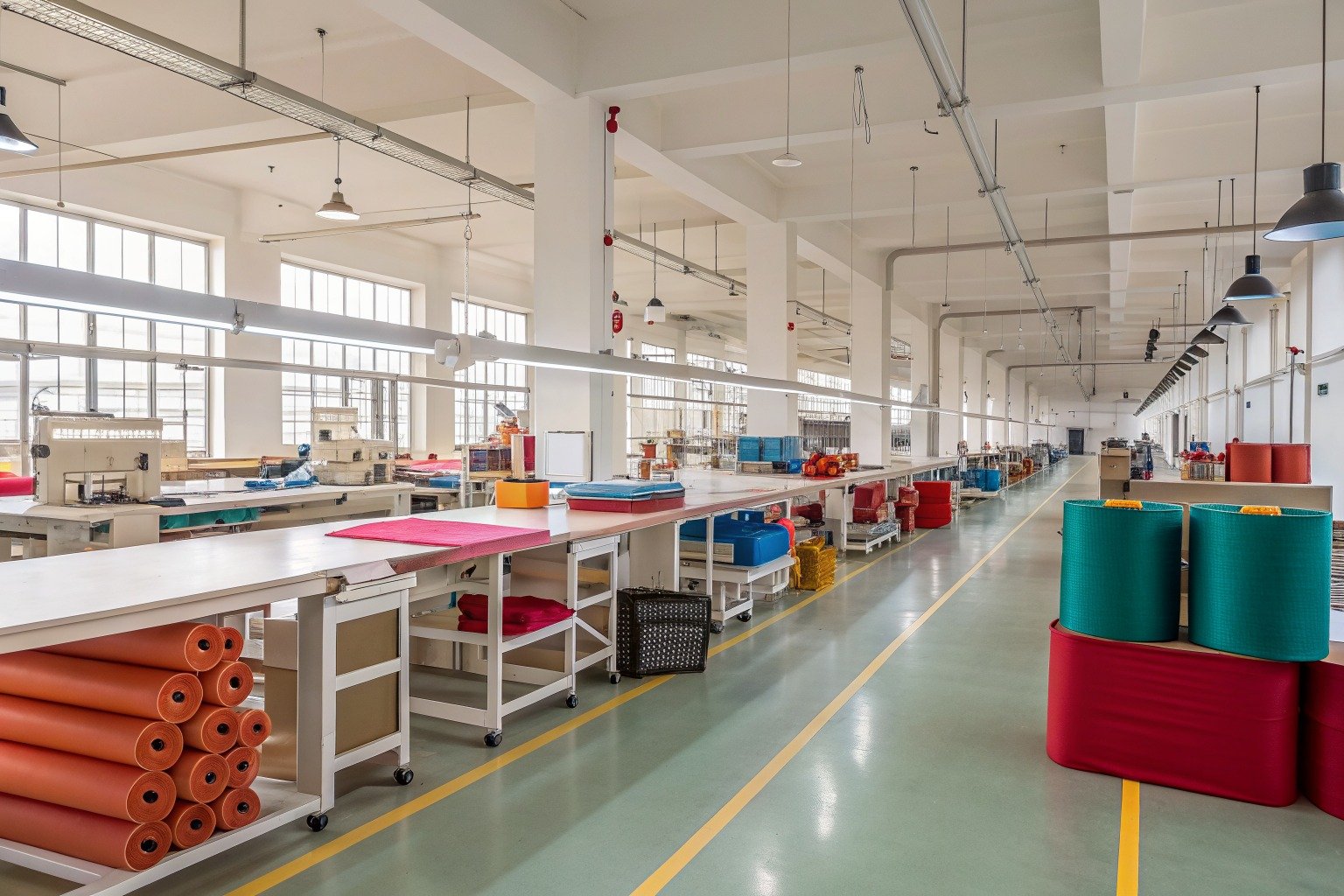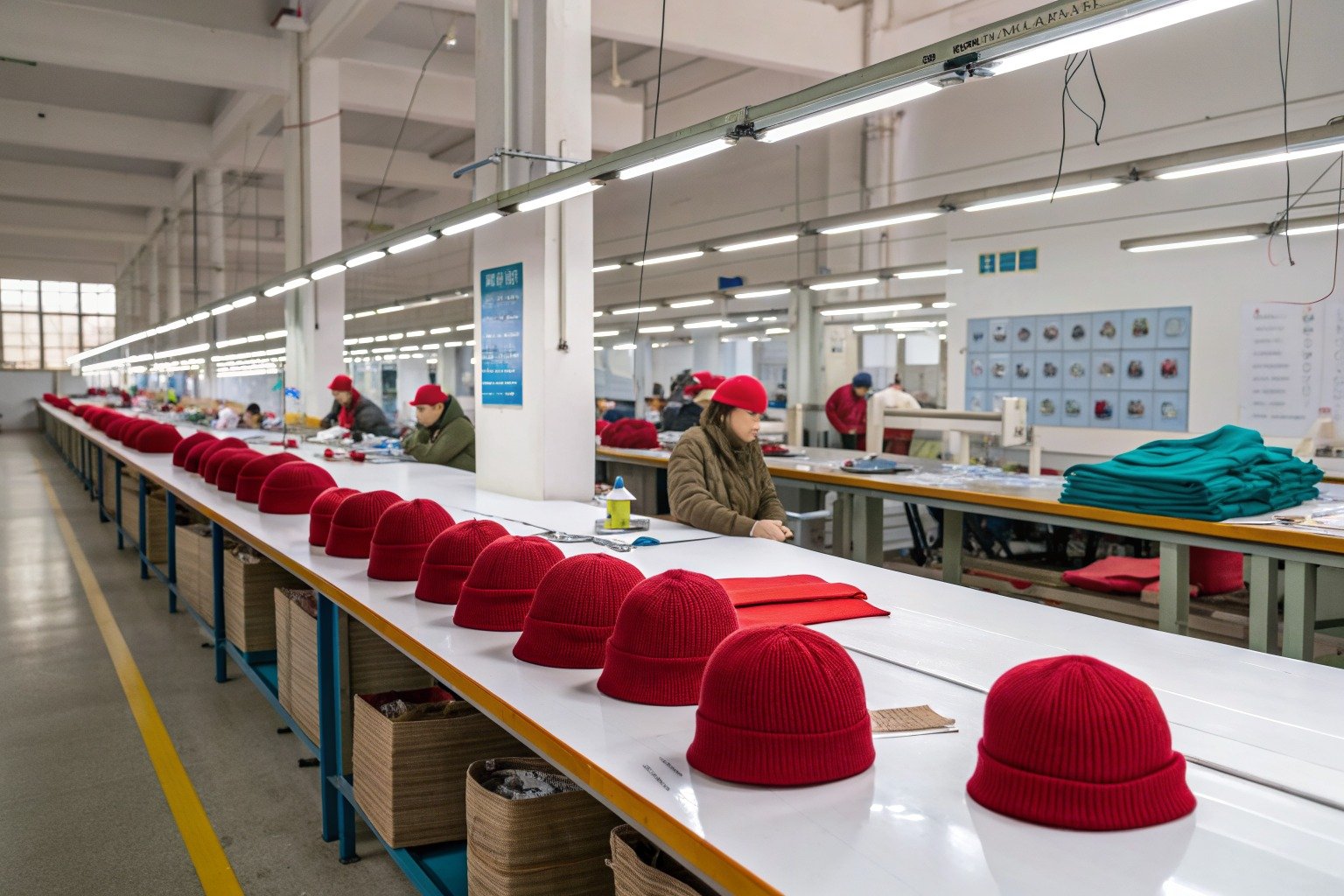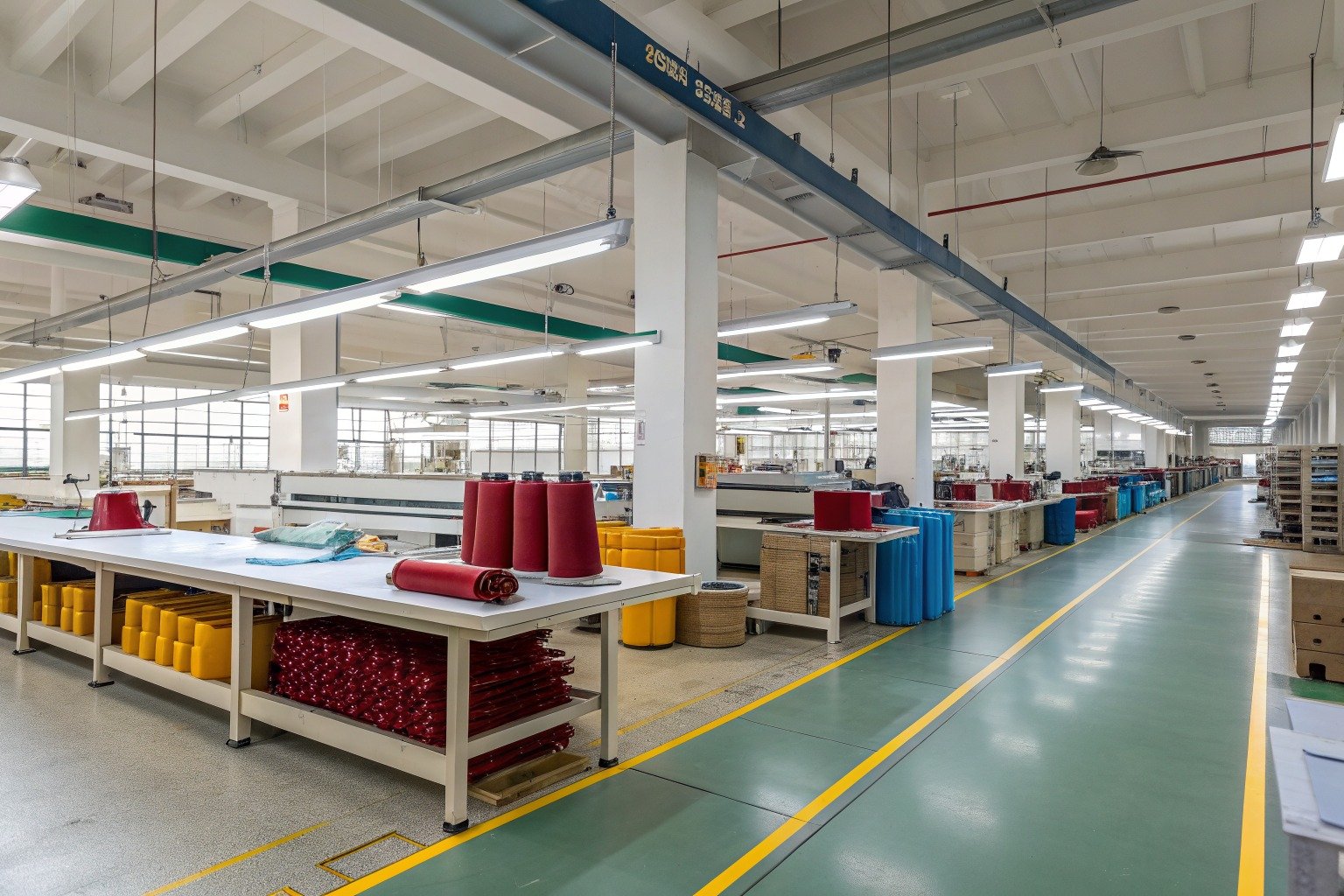
I had a client named Michael who was in a bind. He had a container of 5,000 knit beanies arriving in Los Angeles in October. His peak selling season was December. He didn’t have the warehouse space to store them, and he didn’t want to pay the full duty and taxes on $40,000 worth of inventory in October when he wouldn’t see a dollar of revenue until late November. He was caught between a cash flow squeeze and a logistics puzzle. He asked me, "Can you just keep them somewhere until I need them, and can I pay the duty later?" He was asking for a Bonded Warehouse. If you are like Ron, you understand that cash flow is the lifeblood of your business. The fear of having your working capital tied up in customs duties for goods that will sit unsold for months is a very real financial drain.
Finding a factory that offers bonded warehouse storage in the US requires understanding a key distinction: the factory itself rarely owns the warehouse. Instead, you need a logistics partner that provides a "Factory-Direct to Bonded Warehouse" solution. The most effective path is to work with a manufacturer like AceAccessory that has established relationships with US-based, CBP-certified Customs Bonded Warehouses and can manage the door-to-door logistics. Look for a partner who can integrate this into your supply chain, allowing you to ship goods from the factory floor in China directly into a bonded facility near your US customers, deferring duty payment until the moment the goods are sold and withdrawn.
I run AceAccessory in Zhejiang Province. I have spent years building a network of trusted logistics partners in the US to solve exactly these kinds of problems for my clients. I am not a warehouse operator in California or New Jersey. But I am the Conductor of the Orchestra. I arrange the entire symphony—production, ocean freight, customs brokerage, and bonded storage—so that you only have to deal with one point of contact: me, or your dedicated project manager. Let me walk you through exactly what a bonded warehouse is, why it is a powerful cash flow tool, and how our integrated supply chain model gives you access to this strategic advantage.
What Exactly Is a Customs Bonded Warehouse and How Does It Work?
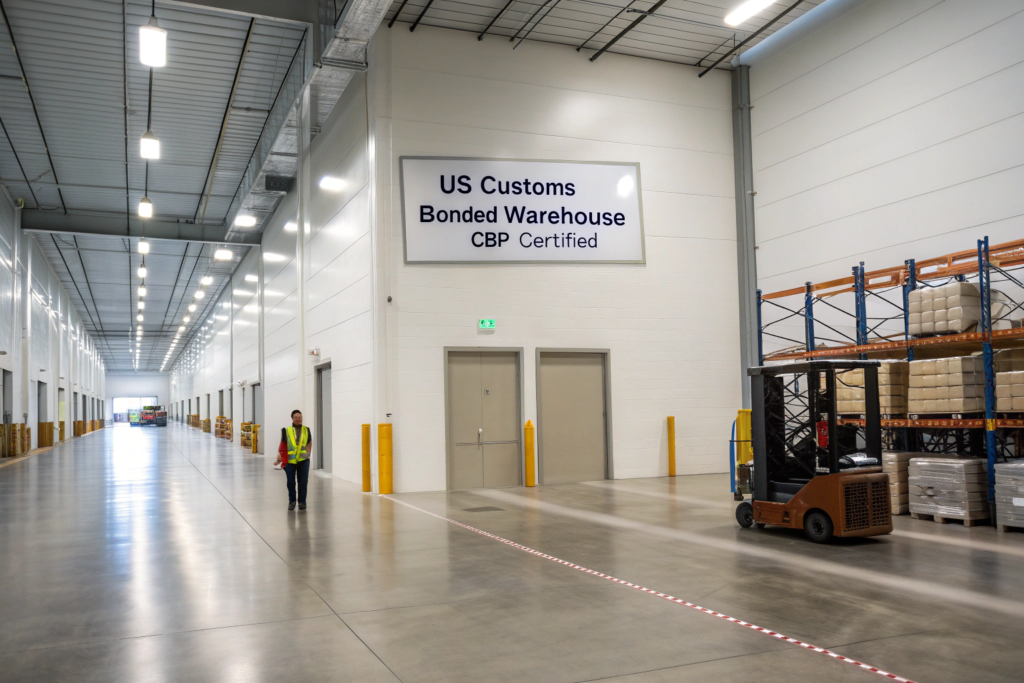
A Customs Bonded Warehouse (CBW) is a secure facility, licensed and regulated by US Customs and Border Protection (CBP) , where imported goods can be stored, manipulated, or undergo manufacturing Without the Payment of Duties and Taxes. It is a "Duty-Free Zone" located right on US soil.
How It Works: The "Duty Deferral" Mechanism.
Normally, when a container of fashion accessories arrives at a US port, a Customs Entry is filed, duties and fees are calculated, and they must be Paid Immediately (within 10 days) before the goods are released. This is called "Paying Duty Upon Entry."
With a bonded warehouse, the process changes:
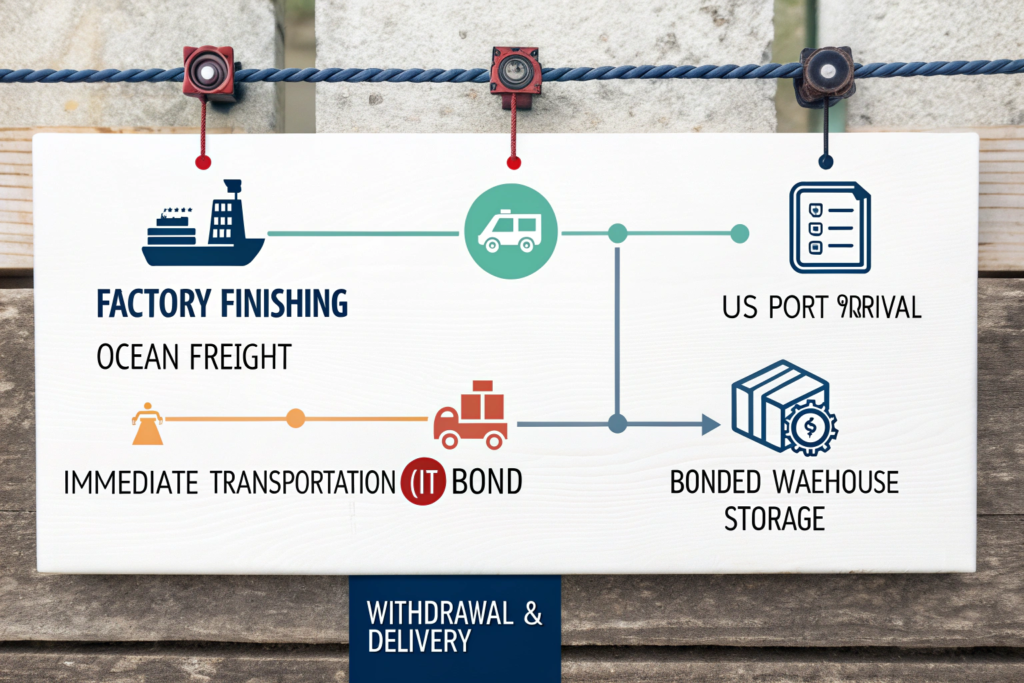
- Immediate Transportation Bond (IT Bond): When the vessel arrives, the goods are not entered for consumption. Instead, they are moved Under Bond directly from the port to the secured bonded warehouse. No duty is paid at this point.
- Storage in Bond: The goods are stored in the bonded facility. They remain under CBP supervision. The duty clock is Paused. They can stay there for up to 5 Years.
- Withdrawal for Consumption: When you need the inventory—for example, to send 500 units to a retailer—you file a "Withdrawal for Consumption" Entry. You pay the duties and fees Only on the 500 Units being withdrawn. The remaining 4,500 units stay in the warehouse, duty-free.
The Key Benefit: Cash Flow Optimization.
You are matching the duty payment to the Timing of Your Revenue. You are not borrowing money to pay duties on inventory that will sit unsold for months. This is a powerful financial tool for importers of seasonal goods like winter hats , summer straw bags , or holiday scarves .
At AceAccessory, we integrate this option into our logistics planning for clients who need it. We don’t own the warehouse, but we manage the process. We handle the IT Bond filing, the drayage to the bonded facility, and the coordination of the withdrawals. This is a key part of our advanced logistics services .
What Is the Difference Between a Bonded Warehouse and a Free Trade Zone (FTZ)?
This is a common point of confusion. Both allow duty deferral, but they serve different purposes. Think of a Bonded Warehouse as a Duty Deferral Tool and an FTZ as a Duty Elimination and Manipulation Tool.
| Feature | Customs Bonded Warehouse (CBW) | Foreign Trade Zone (FTZ) |
|---|---|---|
| Primary Purpose | Storage and duty deferral. | Storage, manipulation, manufacturing, and duty reduction/elimination. |
| Duty Payment | Deferred until withdrawal. | Paid when goods enter US commerce. Duty can be on the finished product or the foreign components, whichever is lower. |
| Manufacturing | Generally not permitted (only limited manipulation like repackaging). | Permitted. Goods can be substantially transformed. |
| Best For | Importers who want to delay duty on finished goods. | Manufacturers who import components, assemble them in the US, and want to pay lower duty, or businesses that export a lot. |
| Filing Complexity | Lower. Managed by the warehouse operator and broker. | Higher. Requires FTZ Operator and more complex CBP reporting. |
For most small to medium-sized importers of finished fashion accessories , a Bonded Warehouse is the simpler, more accessible, and perfectly adequate tool for solving the cash flow problem. An FTZ is generally for larger corporations with US-based manufacturing or complex assembly operations.
At AceAccessory, we typically recommend the Bonded Warehouse route for our clients. It provides the cash flow benefit without the administrative complexity of an FTZ. We can connect you with the right facility.
How Long Can Goods Be Stored Duty-Free in a Bonded Facility?
This is the "Ace up the Sleeve" for seasonal inventory management. The answer is: Up to 5 Years. This is a federal regulation.
The Practical Applications of the 5-Year Window:
- Seasonal Inventory Holding: Import your summer collection in February. Store it duty-free. Withdraw it in May, July, and September as needed. Pay duty only as you sell.
- Testing a New Market: You are unsure of the demand for a new style of belt . Ship 2,000 units to a bonded warehouse. Release 200 units to test the market. If it sells well, release the rest. If it flops, you can Re-Export the Goods to another market (e.g., Canada, Europe) and Never Pay US Duty on Them. This is a massive risk mitigation tool.
- Quality Hold: You have a minor quality issue that needs inspection and rework (e.g., re-labeling). It is more cost-effective to do the rework in the US. You can have the goods moved to a bonded warehouse, bring in a local rework team, fix the issue, and then withdraw the goods. Duty is paid only on the final, sellable units.
Important Limitation: The goods must remain in their Original Condition. You cannot substantially manufacture or alter them within a standard bonded warehouse (that requires an FTZ). You can repackage, relabel, and sort, but you cannot sew a new button onto a garment, for example.
At AceAccessory, we help our clients plan for these long-term storage scenarios. We ensure the goods are packed for long-term warehousing (with silica gel, proper cartons, etc.) to prevent degradation during the storage period. This is proactive inventory management .
Why Don’t Most Overseas Factories Own Bonded Warehouses in the US?
The question you asked, Michael, is "How do I find a factory that offers this?" The honest answer is: You generally do not, and you should not. The business of owning and operating a factory in China is fundamentally different from the business of owning and operating a Customs Bonded Warehouse in the US. They are two different worlds of expertise, regulation, and capital.
Why Factories Don’t Own US Warehouses:
- Core Competency: A factory’s expertise is in Manufacturing—sourcing materials, managing labor, controlling quality. A bonded warehouse’s expertise is in Logistics and Regulatory Compliance—navigating CBP regulations, managing inventory systems (WMS), and handling secure drayage. Trying to do both well is a recipe for mediocrity.
- Massive Capital Investment: A CBP-certified bonded warehouse requires immense capital for real estate, security systems (cameras, alarms, CBP-approved cages), and the surety bond itself. It is a highly capital-intensive, low-margin business. Factories prefer to invest their capital in new knitting machines or acetate production lines.
- Regulatory and Legal Liability: As a bonded warehouse operator, you are Personally Liable to the US government for the duties on the goods in your care. If goods go missing, you pay the duty plus massive fines. This is an enormous legal and financial risk that a foreign factory is ill-equipped to manage from 6,000 miles away.
The Better Model: The Integrated Supply Chain Manager.
What you really need is not a factory that owns a warehouse. You need a Supply Chain Partner who has done the hard work of vetting, negotiating, and integrating with the best-in-class service providers in each category. We manufacture the goods. Our Vetted US Logistics Partner operates the bonded warehouse. Our project manager integrates the two. You get the best of both worlds, managed through a single point of accountability.
At AceAccessory, this is our model. We are the Orchestrator. We bring the expertise of our manufacturing facility and our US logistics network to bear on your supply chain challenges . This is the modern, efficient way to solve the bonded warehousing need.
How Do You Vet a US-Based Bonded Warehouse Partner?
This is the critical question. A bad bonded warehouse can be a nightmare of lost inventory, surprise fees, and CBP penalties. Because we act as the intermediary, the vetting is a service we provide to our clients. Here is the criteria we use to select our US logistics partners.
The AceAccessory 5-Point Vetting Checklist:
- CBP Certification and Compliance Record: We verify their CBP Bonded Warehouse License directly with CBP. We check their compliance history for any penalties or seizures. A clean record is non-negotiable.
- WMS (Warehouse Management System) Capability: We require a modern, cloud-based WMS that provides Real-Time Inventory Visibility. We need to log in and see exactly how many units of your SKU #1001 are in stock, how many are on hold, and how many have been withdrawn. This data is shared with you via a client portal or weekly report.
- Financial Stability and Insurance: We review their financial statements and ensure they carry adequate Warehouse Legal Liability Insurance. If they lose your goods, they must be able to pay.
- Security Infrastructure: We physically inspect the facility (or use a trusted agent). We check for 24/7 monitored camera systems, secure caged areas for high-value goods, and strict access control protocols.
- Operational Expertise (Drayage & Withdrawal): We test their ability to handle the port drayage efficiently and, crucially, their expertise in processing "Withdrawals for Consumption" with CBP. A slow withdrawal process defeats the purpose of the bonded warehouse.
We maintain relationships with a select few highly-vetted bonded warehouse partners in key logistics hubs: Los Angeles, New Jersey, and Chicago. When a client needs this service, we bring our partner to the table, already vetted and with a negotiated rate structure. This saves our clients weeks of research and eliminates the risk of choosing a bad partner. This is the value of our network .
What Are the Red Flags of an Unreliable Bonded Storage Provider?
Just as there are red flags in factory sourcing, there are red flags in logistics. You, or your supply chain partner, should watch out for these warning signs.
- Opaque Fee Structure: They cannot provide a clear, all-in price list. Watch out for vague "Administrative Fees," "Pier Pass" markups, or excessive "Handling Charges" for simple withdrawals. A bonded warehouse makes money on storage and handling. The fees should be transparent and predictable.
- Poor Technology: They rely on emailed spreadsheets for inventory counts. In 2026, a real-time, cloud-based WMS is the minimum standard. Without it, you have no visibility and a high risk of inventory discrepancies.
- Slow Withdrawal Processing: You request a withdrawal of 500 units for a hot sales weekend. They take 5 days to process the paperwork and release the goods. This is unacceptable. A good bonded warehouse should be able to process a standard withdrawal within 24-48 Hours of receiving your instructions and payment for the duties.
- "We Store Everything" Mentality: A warehouse that stores industrial chemicals next to textiles is not a good fit for fashion accessories. Your goods need a Clean, Dry, Pest-Controlled Environment. Ask specifically about their policies for odor control, pest management, and climate control.
- High Staff Turnover: When you call, you speak to a different person every time, and no one knows your account. This indicates poor management and a high risk of operational errors.
At AceAccessory, our vetted partners are screened for these red flags. We have already done the due diligence. We present our clients with a clean, reliable, and transparent option. This is the peace of mind that comes with working with an experienced supply chain partner .
How Does a "Factory-Direct to Bonded Warehouse" Supply Chain Work?
This is the practical, operational picture. You are not just buying a product. You are buying a Process. Here is how the "Factory-Direct to Bonded Warehouse" model works when managed by AceAccessory.
The End-to-End Workflow:
- Pre-Production Planning: Before a single beanie is knit, we discuss your logistics strategy. We determine if bonded storage is right for this order. We agree on the target bonded warehouse (e.g., our partner in Rancho Cucamonga, CA).
- Production & Finishing: We manufacture your goods in Zhejiang. During finishing, we apply Special Cargo Labels and Carton Markings that are compliant with the bonded warehouse’s receiving requirements. We also create an Advanced Shipping Notification (ASN) in the format their WMS requires.
- Ocean Freight & IT Bond: We ship the container from Ningbo/Shanghai to the destination port (e.g., Long Beach). Our nominated customs broker files the Immediate Transportation (IT) Bond electronically with CBP. This allows the container to move Directly from the Port to the Bonded Warehouse without a customs exam at the port gate.
- Receiving & Put-Away: The truck delivers the container to the bonded warehouse. The warehouse team unloads, scans every carton, and verifies the count against the ASN. You receive a digital Receiving Report confirming your inventory is secure and under bond.
- Ongoing Inventory Management: You can log into the warehouse’s client portal to see your real-time inventory. You see SKU #1001: 5,000 units. You see the Bonded Status of each pallet.
- Withdrawals: You email us or the warehouse directly: "Please withdraw 1,000 units of SKU #1001 and ship to my New York retailer." The warehouse files the withdrawal entry with CBP. The duties and fees for those 1,000 units are calculated. You pay the duty (or your broker pays on your behalf). The warehouse releases the goods and ships them to the retailer. The remaining 4,000 units stay under bond.
This seamless integration is only possible because we have pre-aligned all the data formats, labeling standards, and communication protocols with our logistics partners. You are not a new, unknown client to them. You are an AceAccessory Client, which carries a pre-established level of trust and operational integration. This is the power of a managed supply chain solution .
Can You Ship Directly from Bonded Storage to My Retailers (FBA, Macy’s)?
Yes. This is one of the most powerful applications of the bonded warehouse model. It enables Omni-Channel Fulfillment directly from a single, duty-deferred inventory pool.
The Multi-Channel Withdrawal:
From that single pool of 5,000 beanies in the Los Angeles bonded warehouse, you can execute:
- FBA (Fulfillment by Amazon) Shipment: Withdraw 1,000 units. Pay duty. The warehouse palletizes them according to Amazon’s Strict FBA Prep Requirements (polybagged, labeled with FNSKU barcodes) and ships them via Amazon’s partnered carrier to the designated fulfillment center.
- Macy’s Wholesale Order: Withdraw 500 units. Pay duty. The warehouse picks and packs according to Macy’s Routing Guide (RSG) —specific carton labels, packing slip format, EDI 856 Advance Ship Notice. They ship to the Macy’s distribution center.
- Direct-to-Consumer (DTC) Samples: Withdraw 50 units. Pay duty. Ship to your office for a sales meeting.
The Value:
You have One Central Inventory that can feed all your sales channels. You are not splitting your shipment at the port. You are not pre-paying duty on goods destined for different channels with different lead times. You are keeping the entire inventory flexible and duty-deferred until the last possible moment.
At AceAccessory, we coordinate this multi-channel fulfillment. We provide the warehouse with the specific routing guides and labeling templates for each retailer. We ensure compliance. This is the ultimate expression of a Flexible, Modern Supply Chain.
How Do You Handle the Customs Brokerage and Duty Payments?
This is the legal and administrative backbone of the bonded warehouse model. You need a Licensed Customs Broker to manage the interactions with CBP.
Our Integrated Brokerage Model:
When you use our bonded warehouse service, you have two options:
- Use Your Own Broker: We can work with your existing customs broker. We provide them with all the necessary arrival notices, IT Bond filings, and withdrawal instructions. We are a team player.
- Use Our Recommended Broker: For a truly seamless experience, we can handle everything through a specialist brokerage firm that is deeply integrated with our bonded warehouse partner. This is the "One Throat to Choke" model. The brokerage fees are transparent and pre-negotiated.
The Duty Payment Process for a Withdrawal:
- Your Instruction: You issue a withdrawal instruction: "Withdraw Line 1: 500 Knit Beanies, Value $2,500."
- Entry Filing: The broker files the "Withdrawal for Consumption" Entry (CBP Form 7501) electronically. The entry declares the HTS code, the value, and the quantity.
- Duty and Fee Calculation: CBP’s system automatically calculates the duties, MPF (Merchandise Processing Fee), and HMF (Harbor Maintenance Fee) for those 500 units.
- Payment: The duties are paid. This is typically handled in one of two ways:
- Periodic Monthly Statement (PMS): The broker pays CBP on your behalf and then debits your account. This is the most common method for established importers.
- Single Pay: For a single withdrawal, you wire the duty amount to the broker before release.
- Release: Once the payment is reconciled in CBP’s system, the entry is " liquidated " and the goods are Released Conditionally. The warehouse can now legally ship the goods to their final destination.
At AceAccessory, we project manage this entire administrative flow. We ensure the broker has the correct commercial invoice data. We track the withdrawal request from submission to release. We provide you with a Clear Reconciliation Report: "Withdrew 500 units. Duty Paid: $175. Goods Delivered to Amazon ONT8." This is the transparency you need to manage your finances.
Conclusion
Finding a factory that offers bonded warehouse storage in the US is not about finding a factory that has diversified into real estate. It is about finding a Strategic Supply Chain Partner who has integrated the best-in-class logistics services into their core manufacturing offering. The true value lies in the seamless orchestration of production, freight, customs, and storage—managed through a single point of contact and accountability.
A Customs Bonded Warehouse is a powerful financial tool, allowing you to defer duty payments, optimize cash flow, and manage seasonal inventory with unprecedented flexibility. The ability to store goods for up to five years duty-free and withdraw only what you need, when you need it, transforms the way you manage your working capital. When combined with multi-channel fulfillment directly from the bonded facility, you have a supply chain that is both agile and efficient.
The key is not to search for a needle in a haystack. The key is to work with a manufacturer who has already built the network, vetted the partners, and integrated the systems. This is the service we provide at AceAccessory.
If you are interested in exploring how a factory-direct to bonded warehouse model could improve your cash flow and simplify your logistics, we can provide a detailed consultation and a cost comparison to your current model. Contact our Business Director, Elaine. She can walk you through a typical bonded warehouse workflow and introduce you to our vetted US logistics partners. Email Elaine at: elaine@fumaoclothing.com