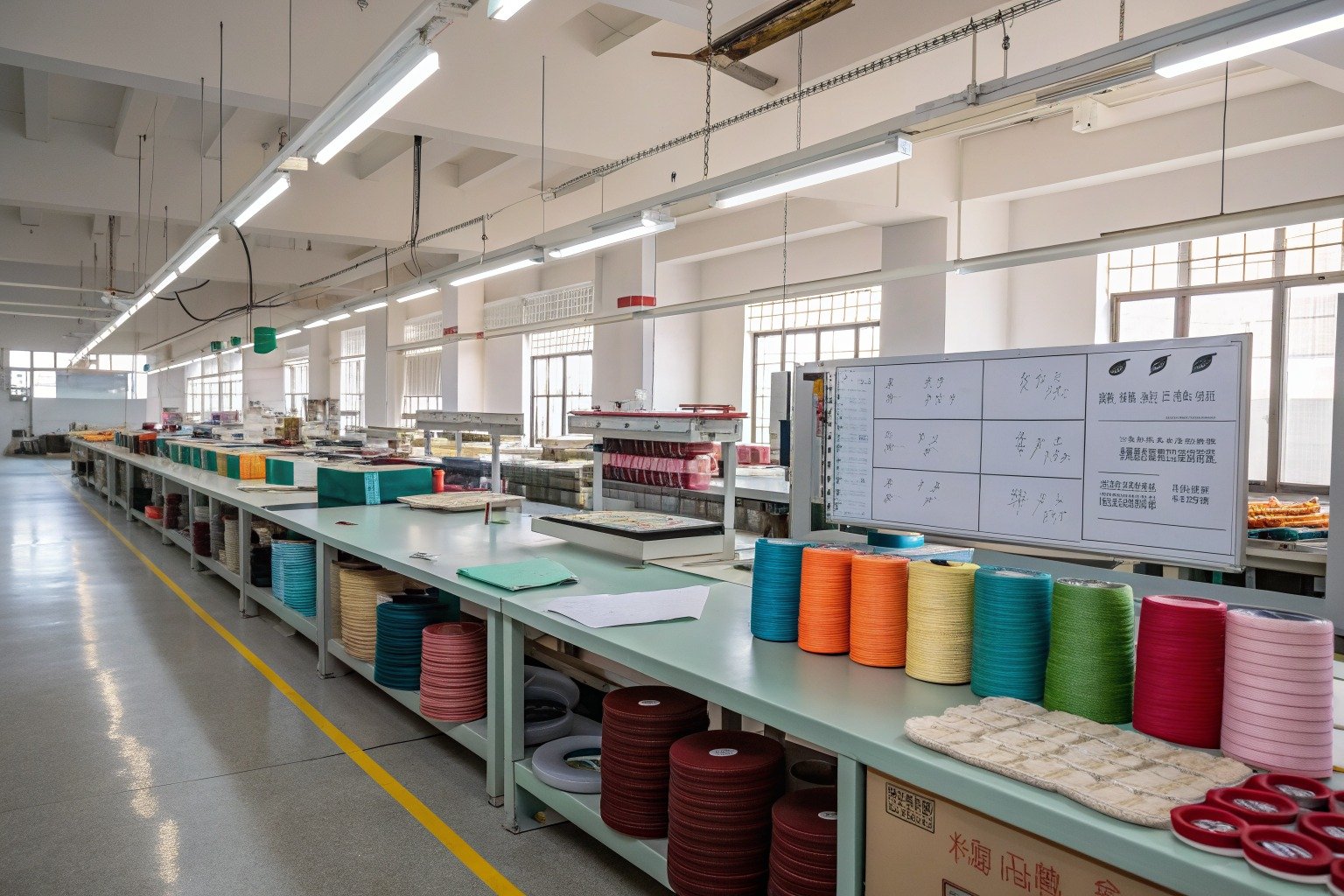
I remember a call from a client named Sarah who was launching a new line of summer headwear for an outdoor lifestyle brand. She needed two distinct styles: a classic, solid straw fedora for garden parties and elegant occasions, and a performance bucket hat with hidden mesh vents for hiking and fishing. She had initially approached two separate factories: a traditional milliner who only did formal, unvented straw hats, and a sportswear supplier who only did technical, vented caps. Managing two vendors, two quality standards, and two shipping schedules was a logistical headache. She asked me, "Can’t one factory just do both? It’s all hats." I told her, "Yes, it is all hats. And yes, we can absolutely do both." If you are like Ron, you understand that a diverse product line is a competitive advantage. The fear of your supply chain forcing you into a narrow, single-category box is a major barrier to brand growth.
Yes, we can produce both vented and non-vented summer hats within a single, consolidated manufacturing program. This is a core capability of a versatile headwear manufacturer like AceAccessory. We achieve this not by having one machine that does everything, but by having dedicated production cells for different construction techniques: traditional blocking and sewing for non-vented, structured hats, and specialized cutting, welding, and mesh-insertion for vented, performance hats. Both streams operate under our unified quality control, design, and logistics management, giving you the simplicity of a single supplier with the expertise of specialists.
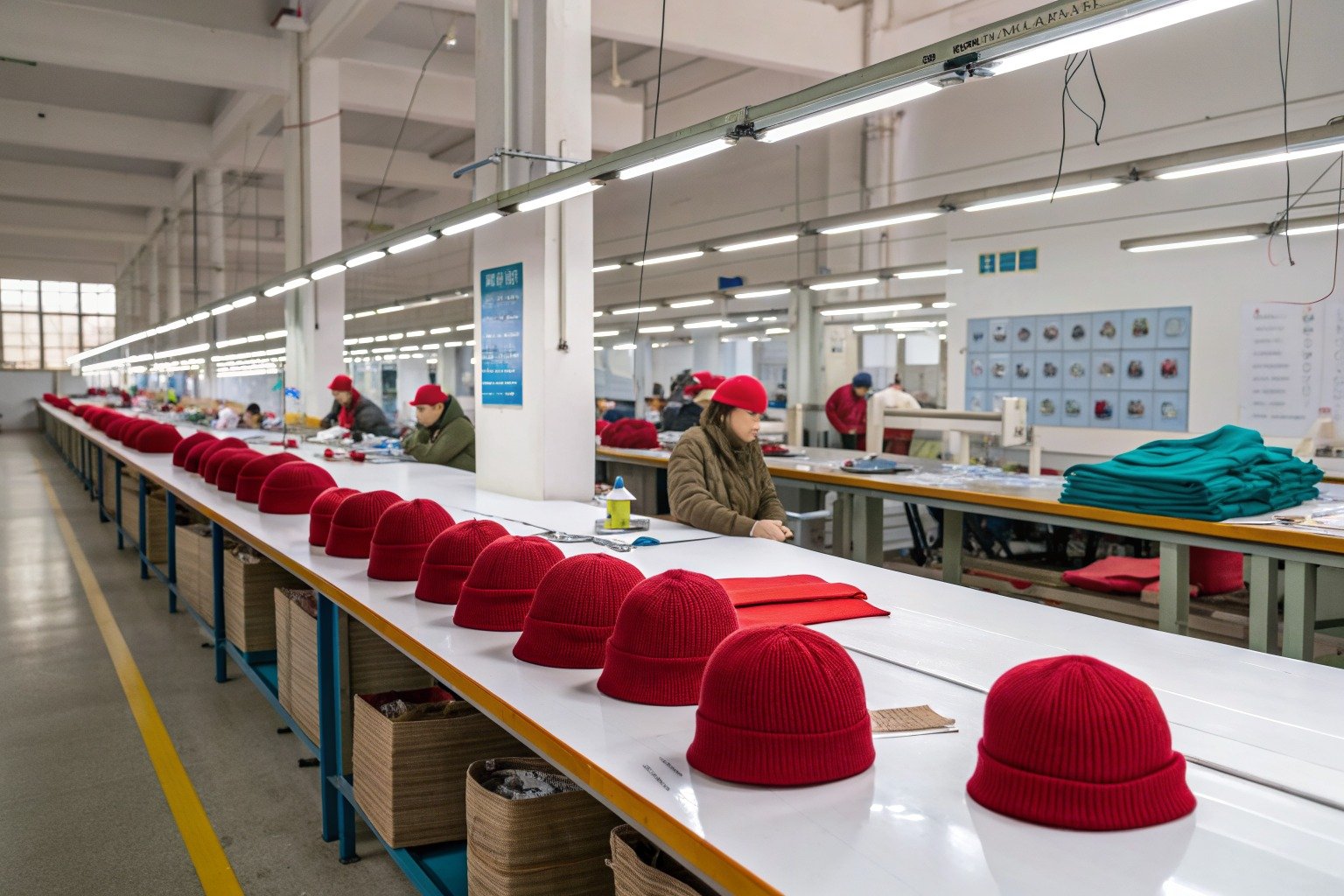
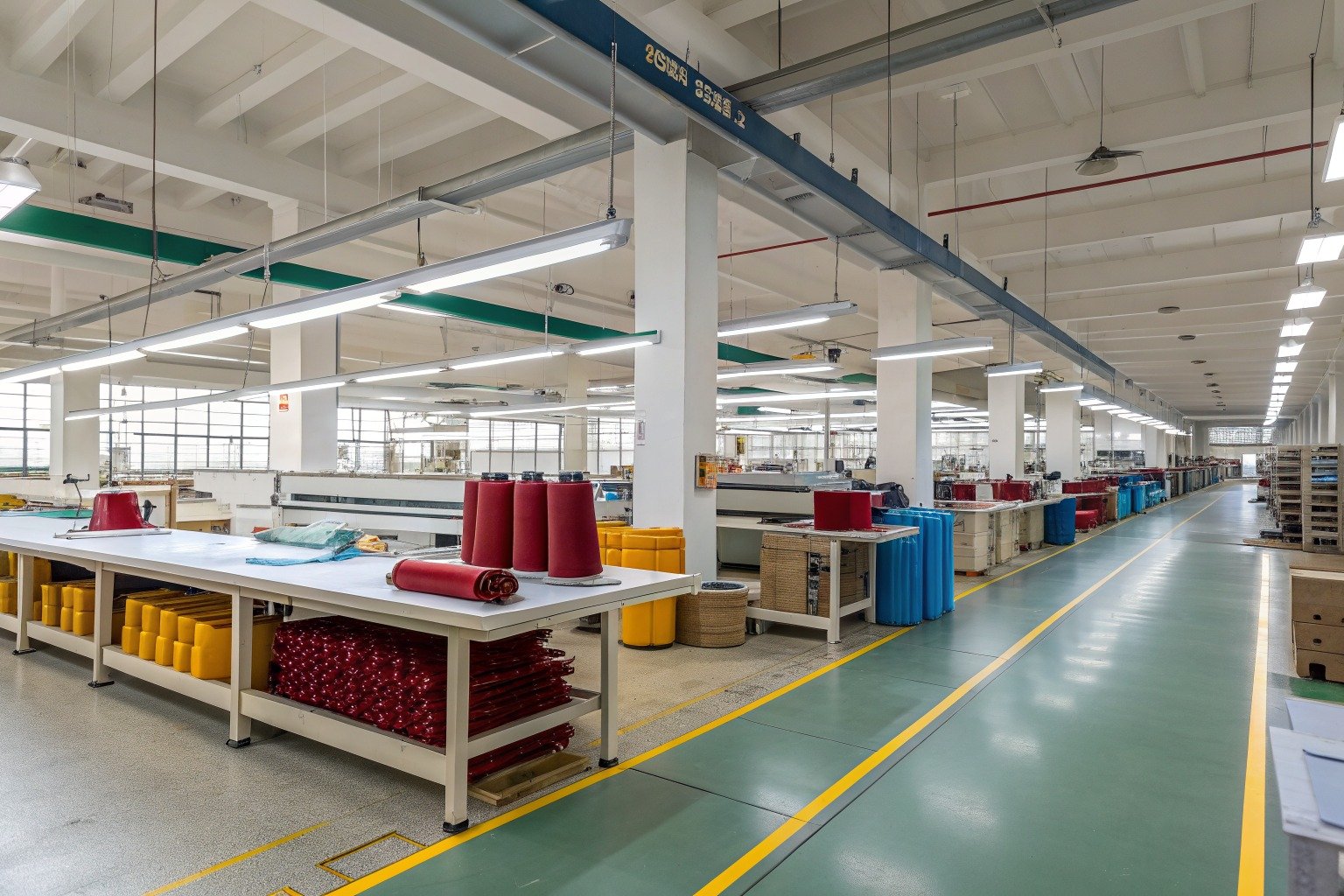
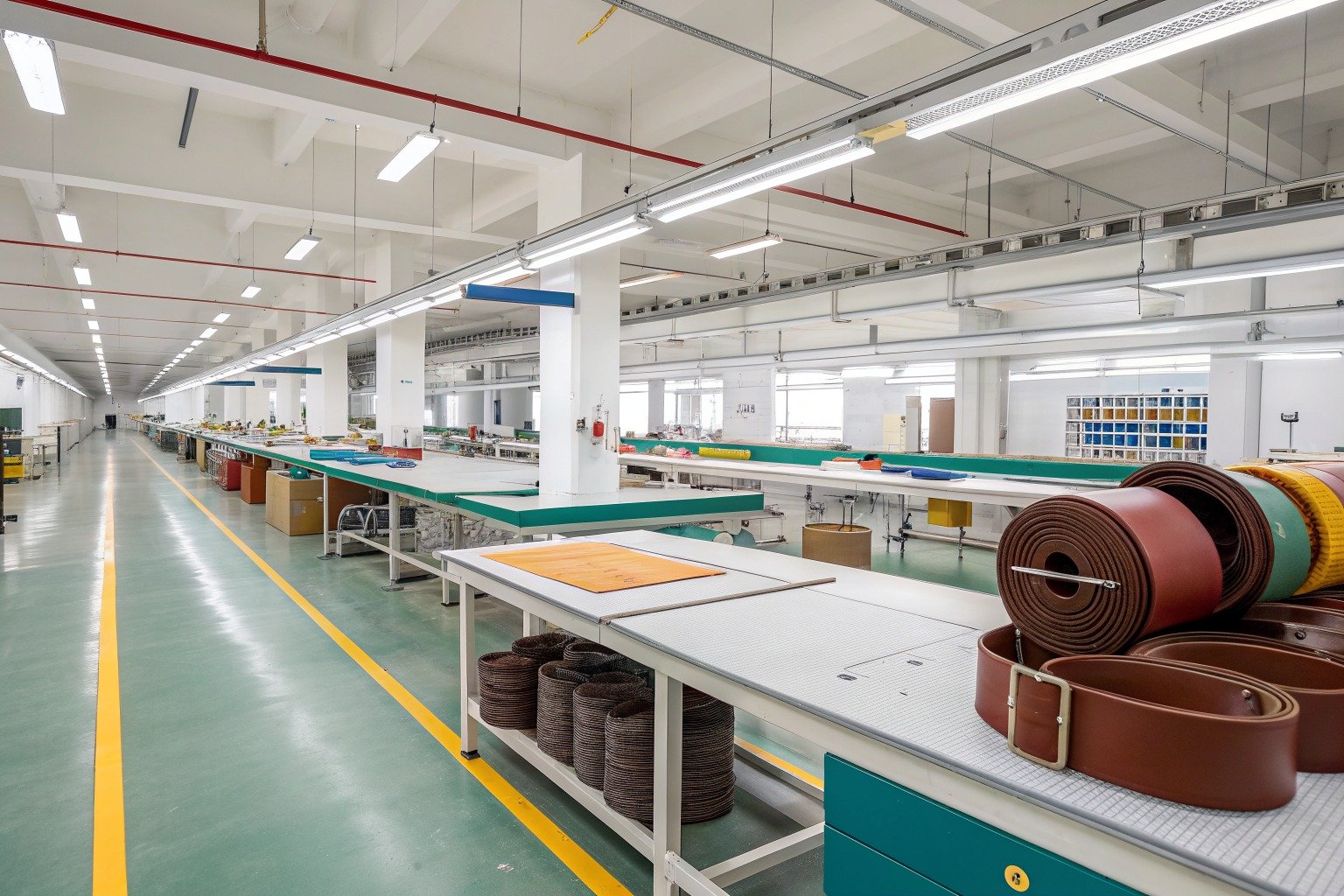
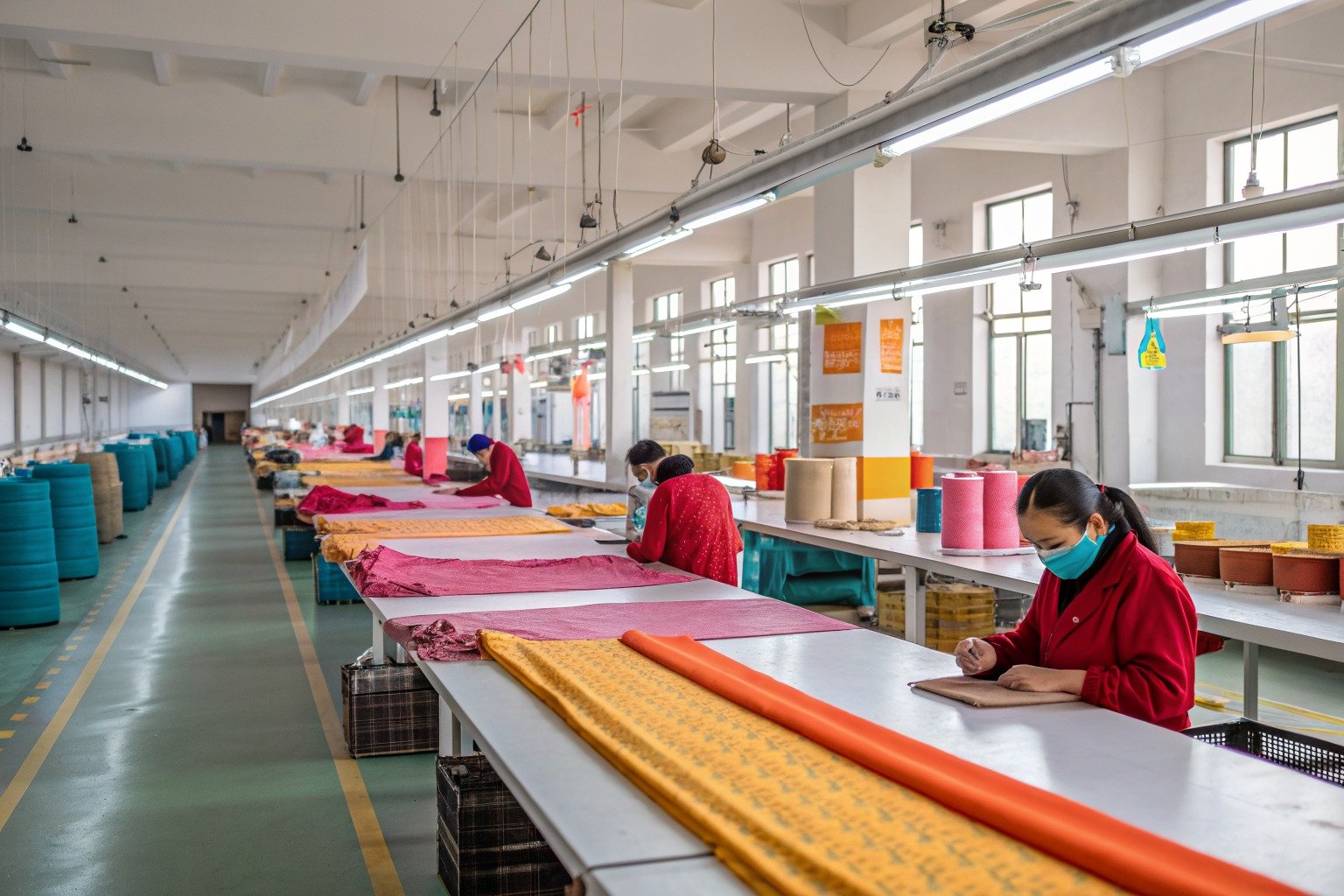
I run AceAccessory in Zhejiang Province. Our facility is not a one-trick pony. We have invested in the diverse machinery and skilled labor required to span the spectrum of headwear manufacturing. We have the wooden hat blocks and the steaming equipment for classic structured hats. We have the ultrasonic welding machines and the technical fabric cutting tables for performance hats. The key is understanding that a vented hiking hat and a non-vented straw fedora are fundamentally different engineering challenges. They require different materials, different machines, and different sewing techniques. Let me walk you through the specific manufacturing differences and show you how we manage both seamlessly under one roof.
What Are the Functional Differences Between Vented and Non-Vented Hats?
The choice between a vented and a non-vented hat is not just a style preference. It is a choice about Thermal Physiology and Sun Protection Strategy. These are two fundamentally different tools designed for different environments.
The Non-Vented Hat: The Shelter.
- Primary Function: Maximum Shade and Protection. The solid, unbroken canopy creates a complete barrier against the sun’s UV rays. It acts like a portable roof.
- How It Works: The dense, opaque material (straw, tightly woven cotton, solid polyester) blocks 98-100% of UV radiation. This provides superior protection for the scalp, face, and neck. A wide brim enhances this protective shadow.
- The Trade-Off: Heat Trapping. The solid canopy traps body heat rising from the head. On a hot, still day, a non-vented hat can become uncomfortably warm and cause sweating. This is why it is ideal for Moderate Sun, Lower Activity Levels, and More Formal Settings—a garden wedding, a farmers market stroll, a café lunch.
- Best For: Formal garden parties, elegant summer events, moderate sun exposure, and styles where a classic, unbroken silhouette is paramount.
The Vented Hat: The Active Cooling System.
- Primary Function: Sun Protection with Active Breathability. The hat shades the face but allows heat and moisture vapor to escape.
- How It Works: Strategically placed openings—laser-cut perforations, metal eyelets, or mesh panels—create a Chimney Effect. Hot air rises from the scalp and exits through the vents. Cooler, drier air can be drawn in. This thermoregulation keeps the wearer significantly cooler and more comfortable during exertion.
- The Trade-Off: Reduced Inherent Structure. Vents interrupt the solid surface of the hat. A hat with large mesh panels will have a softer, less structured silhouette. Also, the vents themselves offer slightly less direct UV protection at the exact point of the opening.
- Best For: Hiking, boating, beach sports, fishing, travel, and any outdoor activity involving physical exertion in hot weather. It is the go-to for the performance outdoor market.
At AceAccessory, we don’t just make hats. We understand the "Job to Be Done" for each style. When a client briefs us on a new design, we ask not just about the look, but about the intended use. This functional analysis informs our material and construction recommendations. This is the foundation of our design engineering .
Why Does Weave Density Matter for Sun Protection (UPF)?
This is the critical technical specification for a summer hat. UPF (Ultraviolet Protection Factor) is the measure of how much UV radiation a fabric blocks. A UPF 50+ rating means the fabric blocks at least 98% of UVA and UVB rays. The primary determinant of UPF is Weave Density.
The Relationship Between Weave and UPF:
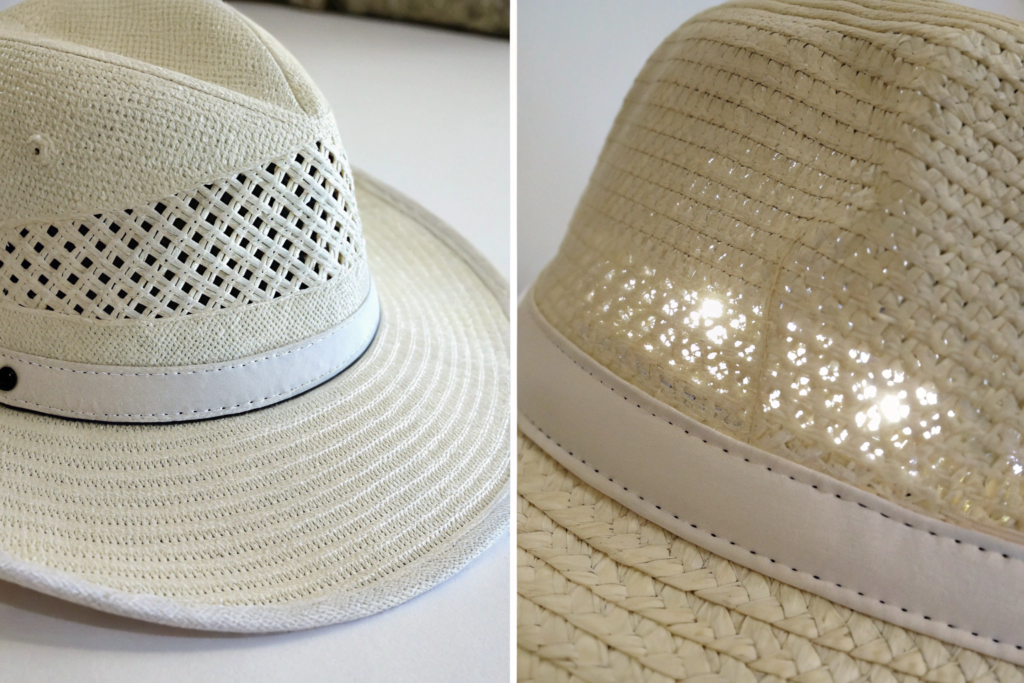
- Dense, Tight Weave (Non-Vented): Think of a fine cotton poplin or a tightly braided straw. The fibers are packed closely together, leaving microscopic gaps. UV rays struggle to find a path through. Result: High UPF (50+) .
- Open, Loose Weave (Vented or Breathable): Think of a coarse linen or a large-gauge mesh. There are visible gaps between the fibers. UV rays can pass directly through these gaps. Result: Low UPF (5-15) . A hat made of this material offers minimal sun protection.
- The Mesh Paradox: A standard polyester mesh panel on a vented hat has a UPF of less than 10. This is why Good Vented Hat Design Never Puts a Large Mesh Panel on the Crown. The crown is the highest point and receives the most direct sun. A mesh crown would expose the scalp to burning.
Our Approach to UPF in Vented Hats:
We engineer venting without sacrificing crown protection. We use one of three methods:
- Solid Crown with Side-Wall Venting: The crown is a solid, high-UPF fabric (50+). The venting is achieved through laser-cut perforations or metal eyelets on the Vertical Side Walls of the crown, or through a mesh panel in the Under Brim, not the top.
- Ultra-Dense Mesh: We use a very fine, tightly woven polyester mesh that achieves a UPF of 30-40. This is better than standard sportswear mesh.
- Double Layer: A solid, high-UPF outer shell with a hidden mesh under-layer. The outer shell is perforated. The sun hits the solid fabric first. Air escapes through the perforations and the mesh.
At AceAccessory, we test the UPF of our sun hat fabrics with an independent lab. We provide UPF Test Reports to our clients. This allows them to make a substantiated sun protection claim on their hangtag—a powerful marketing tool for the US consumer. This is our commitment to performance quality .
How Does Under-Brim Mesh Achieve Ventilation Without Sacrificing Shade?
This is one of the cleverest design solutions in the vented hat category, and it is a perfect example of functional engineering. The Under-Brim Mesh Panel hides the ventilation in plain sight.
The Problem:
- You want airflow. Large mesh panels on the crown are effective but ugly and compromise sun protection.
- You want a classic silhouette. A solid fabric crown looks best.
The Under-Brim Mesh Solution:
- Construction: The hat is made with a standard, solid, high-UPF fabric for the Crown and the Top of the Brim. The underside of the brim, however, uses a Breathable, Open Mesh Fabric.
- The Airflow Path: Air enters from the open headband area, travels up the sides of the crown, and is vented out through the large mesh surface area of the Under Brim. The wide brim acts as a giant, hidden exhaust vent.
- The Visual Result: From the outside, the hat looks like a classic, non-vented, structured hat. No visible mesh. No "sporty" aesthetic. But it provides significant active cooling.
This Is the Bridge Between the Two Categories.
The under-brim mesh design is how we give a "non-vented" looking hat the functional performance of a "vented" hat. It is the perfect solution for a brand that wants a classic, elegant summer hat that is also genuinely comfortable in the heat.
At AceAccessory, we have perfected this construction technique. It requires precise cutting and sewing to marry the solid brim top to the mesh brim bottom without puckering. It is a detail that elevates a standard hat to a premium, functional accessory. This is the kind of innovation we bring to our clients’ product development .
How Do Manufacturing Processes Differ for Structured vs Vented Crowns?
The manufacturing process for a vented hat and a non-vented hat are fundamentally different. They originate from different traditions and require different machinery and skills. A factory that only does one cannot simply start doing the other overnight.
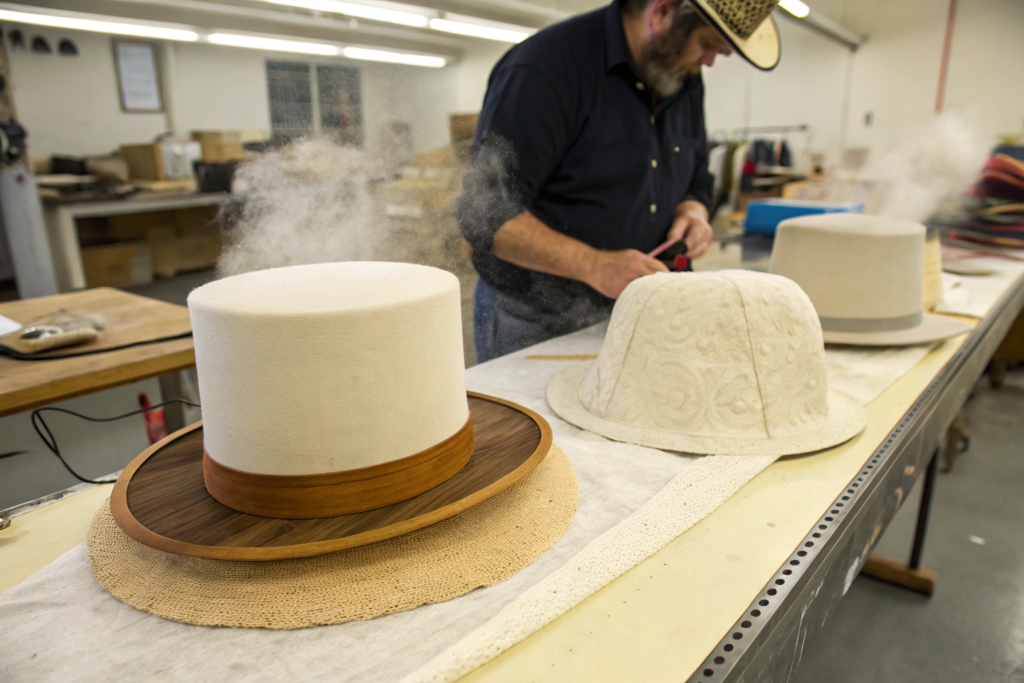
The Non-Vented, Structured Hat: The "Blocking" Tradition.
This is the world of classic millinery. It is a Sculptural Process.
- Materials: Straw braids, wool felt, fur felt, or heavy buckram (for fabric hats).
- The Blocking Process:
- The Block: A precision-carved Wooden Hat Block in the exact shape and size of the desired crown.
- Steaming and Shaping: The straw or felt body is softened with steam. It is then stretched and pulled over the wooden block and left to dry and cool. The material takes on the exact 3D shape of the block.
- Setting the Shape: A stiffening agent (sizing) is often applied to help the hat hold its shape permanently.
- Key Equipment: Wooden hat blocks (a massive library of them), industrial steamers, brim pressing machines.
- Result: A hat with a Smooth, Unbroken, Highly Structured Shell. It is a piece of architecture for the head. The addition of vents would compromise the structural integrity of the blocked shape.
The Vented, Performance Hat: The "Cut and Sew" Tradition.
This is the world of technical soft goods. It is a Textile Assembly Process.
- Materials: Nylon ripstop, polyester canvas, performance wovens, spacer mesh.
- The Cut and Sew Process:
- Digital Pattern Making: The crown, brim, and vents are designed as 2D Pattern Pieces in CAD software.
- Automated Cutting: The patterns are cut from the technical fabrics using a Laser Cutter or an automated fabric cutting machine. The laser can simultaneously cut the panel and create precise ventilation perforations.
- Assembly: The multiple fabric panels (solid pieces and mesh pieces) are assembled like a complex 3D puzzle using industrial sewing machines. Seam sealing tape may be applied for water resistance.
- Key Equipment: Laser cutters, ultrasonic welding machines (for bonding mesh without stitching), specialized overlock and flat seam sewing machines.
- Result: A hat with a Softer, More Forgiving Structure. It can accommodate mesh panels, hidden pockets, and other technical features.
At AceAccessory, we have Both Capabilities. Our structured hat workshop is filled with the scent of steam and straw. Our performance hat workshop hums with laser cutters and industrial sewing machines. This is how we serve the full spectrum of the summer hat market.
Why Is Ultrasonic Welding Preferred for Attaching Mesh Panels?
This is a key piece of manufacturing technology for high-performance vented hats. Ultrasonic Welding uses high-frequency sound waves to bond synthetic fabrics together, creating a clean, strong, and sealed seam without thread.
The Benefits Over Traditional Stitching for Mesh Vents:
- Zero Needle Holes: Traditional stitching punctures the fabric, creating tiny holes. For a hat that might be used in light rain or spray, these holes are leak points. Ultrasonic welding creates a Watertight, Hermetically Sealed Bond.
- Perfectly Smooth Seam: Stitched seams have thread on the inside that can be abrasive against the forehead. Ultrasonic welding creates a seam that is Flat, Smooth, and Completely Soft Against the Skin. No irritation.
- Cuts and Seals Simultaneously: The ultrasonic horn can be shaped to Cut the Mesh Panel and Bond It to the Brim in one single operation. This is incredibly efficient and produces a perfectly clean, fray-proof edge. No unraveling mesh fibers.
- Clean, Modern Aesthetic: The welded seam is virtually invisible. It looks high-tech and premium. It is the mark of a well-made performance accessory.
This technology is a significant investment. It is a clear differentiator between a factory that dabbles in sportswear and a factory that is serious about performance headwear. At AceAccessory, we have invested in ultrasonic welding technology for our technical hat production. It is how we achieve the clean, durable, and high-performance finishes that outdoor brands demand. This is part of our advanced manufacturing capability .
How Does Laser Cutting Create Precise, Fray-Free Ventilation Holes?
For a more subtle venting approach than large mesh panels, we use Laser Cutting to create tiny, precise perforations directly in the solid fabric. This is the technology behind those elegant, "hidden" vents.
The Laser Cutting Advantage:
- Micro-Precision: A computer-controlled laser beam can cut incredibly tiny and precise patterns—dots, geometric shapes, even brand logos—from fabrics. The precision is far beyond any mechanical die cutter.
- Fray-Proof Sealing (On Synthetics): This is the magic. When the laser cuts a Synthetic Fabric (polyester, nylon), the intense heat of the beam Simultaneously Melts and Seals the Edge of the Hole. The cut edge is instantly finished. It will not fray, unravel, or enlarge over time. It is permanent.
- Unlimited Design Flexibility: We can create custom ventilation patterns. A subtle dot pattern on the crown. A geometric motif that echoes the brand’s logo. A pattern that increases in density toward the top of the crown for maximum thermal effect. The design possibilities are endless.
- Clean Finish: The result is a vent that is nearly invisible from a distance. It does not disrupt the solid color or silhouette of the hat. It is a hidden performance feature.
The Limitation: Laser cutting and sealing works beautifully on synthetic fabrics. It does Not work on natural fibers like cotton or straw. The laser would simply burn cotton, leaving a charred, brown, fraying hole.
At AceAccessory, our laser cutter is a central tool in our performance hat workshop. We use it to create sophisticated, custom ventilation solutions for our clients. It allows us to offer a level of design integration that is simply not possible with traditional methods. This is the future of technical headwear .
Can You Combine Both Features in a Single Hybrid Hat Design?
This is the most exciting frontier in summer headwear: the Hybrid Hat. It is the answer to the consumer who loves the classic, elegant look of a non-vented straw or fabric hat, but lives an active lifestyle and needs performance comfort. This is where we combine the best of both worlds.
The "Refined Utility Aesthetic" Applied to Hats:
The hybrid is the ultimate expression of "Refined Utility." It looks like a beautiful, traditional accessory but performs like a piece of technical gear.
Examples of Hybrid Construction:
-
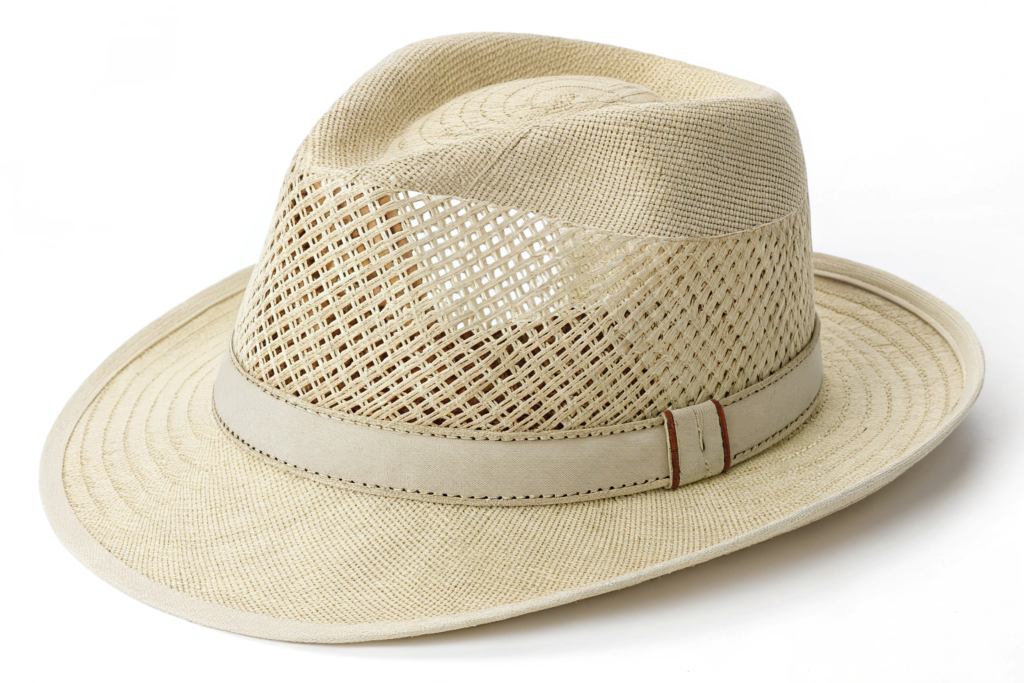
The Straw Fedora with Hidden Mesh Under-Brim:
- Crown & Top Brim: Classic, tightly woven Toyo straw. High UPF. Elegant silhouette.
- Under-Brim: A tone-on-tone, finely woven polyester mesh is seamlessly integrated into the underside of the brim. The mesh is only visible when you look up at the hat or when the hat is held in hand.
- Benefit: The hat breathes significantly better than a standard straw fedora. It can be worn comfortably on a hot day while maintaining its formal, dressy appearance.
-
The Cotton Bucket Hat with Laser-Cut Perforations:
- Outer Shell: A solid, pigment-dyed organic cotton canvas. It has a soft, lived-in, natural look.
- Ventilation: A subtle, geometric pattern of laser-cut micro-perforations is added to the crown. The perforations are nearly invisible against the textured cotton.
- Benefit: The hat looks like a classic, vintage-inspired bucket hat. But the hidden perforations provide active airflow, preventing the "swamp head" feeling of a solid cotton hat on a hot day.
-
The Linen Flat Cap with Sweatband Air Channels:
- Outer Shell: A classic, textured linen flat cap.
- Ventilation: The internal sweatband is made of a 3D spacer mesh with built-in air channels. The hot air is channeled out through hidden eyelets in the side panels.
- Benefit: The hat retains its classic, dapper silhouette but offers the sweat-wicking performance of a running cap.
At AceAccessory, these hybrid designs are our specialty. They require a deep understanding of both the aesthetic traditions of classic hat-making and the technical possibilities of modern performance textiles. This is the sweet spot of our design and engineering expertise .
How Do You Integrate a Sweat-Wicking Internal Band into a Classic Straw Hat?
This is a simple but transformative upgrade. A classic straw hat often has a basic cotton or grosgrain internal sweatband. On a hot day, this band becomes saturated with sweat. It becomes sticky, uncomfortable, and eventually, the sweat can migrate through the band and stain the exterior straw.
The Hidden Performance Upgrade:
We replace the standard cotton sweatband with a Multi-Layered, Technical Sweatband. This is a hybrid component.
- Layer 1 (Skin Contact): A soft, hydrophobic (water-repelling) Coolmax® or Polyester Spacer Mesh. This fabric wicks sweat away from the skin instantly and feels cool and dry to the touch.
- Layer 2 (Barrier): A thin, waterproof-breathable Polyurethane Membrane. This membrane allows water vapor (sweat) to pass through, but it Blocks Liquid Water. It prevents the sweat from soaking through and staining the straw.
- Layer 3 (Visible Finish): A thin, classic Grosgrain Ribbon or Soft Leather Band that is laminated to the outside of the technical band. This provides the traditional, elegant aesthetic.
The Result:
From the outside, the hat looks like a beautiful, classic straw fedora with a refined leather or grosgrain sweatband. But the wearer experiences the cool, dry comfort of a high-performance athletic cap. It is a true "Wolf in Sheep’s Clothing" design.
This is the kind of thoughtful, hidden innovation that justifies a premium price point and creates passionate brand loyalty. At AceAccessory, we source these advanced technical components and integrate them seamlessly into our classic hat constructions. It is a perfect example of our value-added manufacturing .
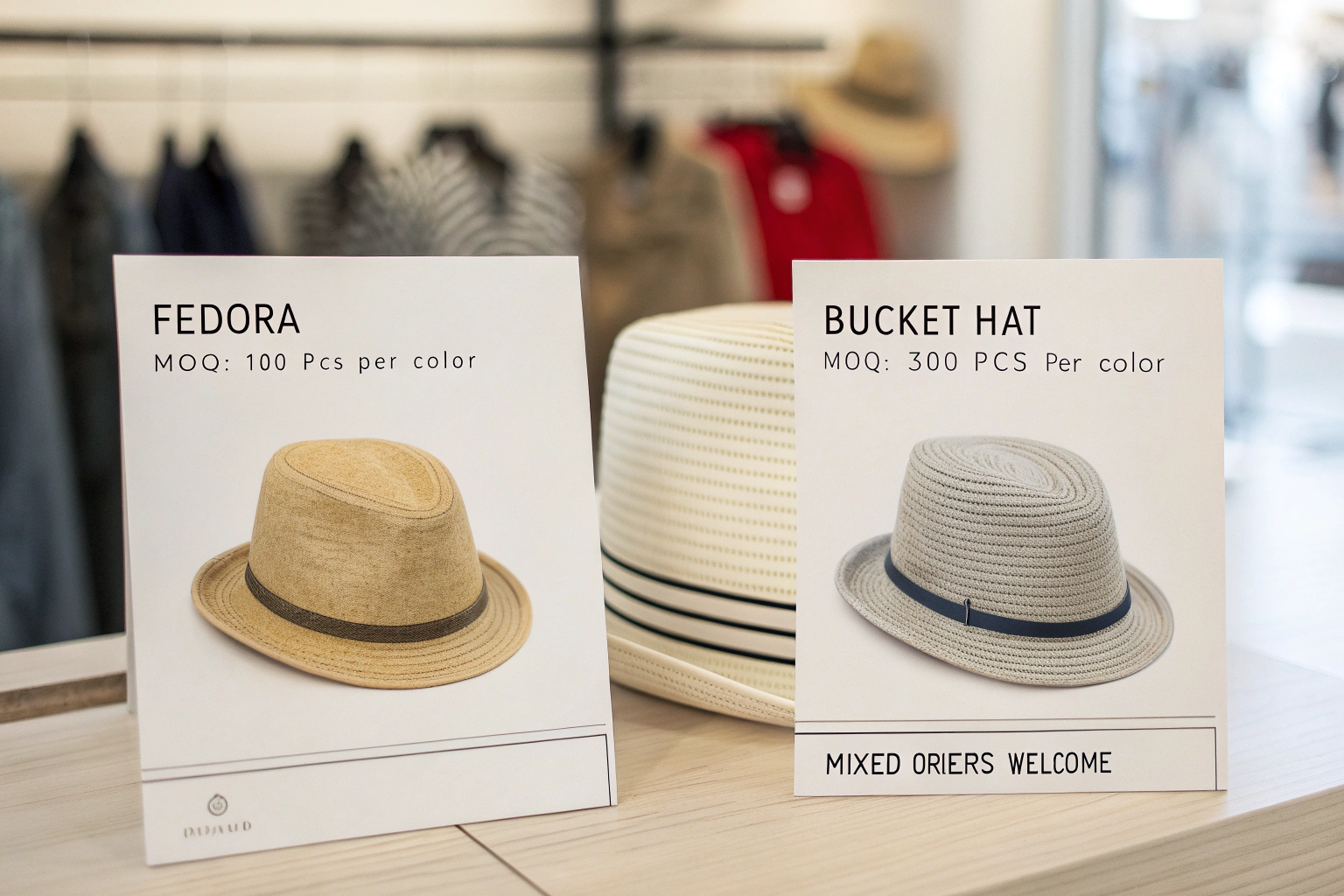
Can You Mix Vented and Non-Vented Hats to Meet a Total Program Minimum?
Yes, and we actively encourage this. The whole point of our integrated manufacturing model is to enable you to build a diverse, market-ready collection without the administrative burden of multiple vendors.
The "Program Minimum" Model:
Instead of thinking in terms of individual SKU minimums, think in terms of a Seasonal Program. You work with your project manager to build a collection:
- 2 Styles of Non-Vented Straw
- 3 Styles of Vented Performance Hats
- 1 Hybrid Style
- Total Quantity: 800 Pcs.
We provide a single, consolidated quote. We manage the production of all styles in parallel. We ship them in a single consolidated container. You receive a single commercial invoice.
The Financial Benefit:
This approach dramatically reduces your per-unit freight cost and simplifies your customs clearance. It also ensures a cohesive color story and brand aesthetic across your entire headwear line, as our design team manages the color matching across the different materials.
This is the advantage of working with a Multi-Capability Manufacturer. We are not a straw hat factory. We are not a sportswear factory. We are a Headwear Solutions Partner. We exist to make your entire headwear vision a reality, in one place, with one team. This is the core of our service offering .
Conclusion
The ability to produce both vented and non-vented summer hats is a hallmark of a truly versatile and capable headwear manufacturer. It requires an investment in two distinct manufacturing traditions—the sculptural art of blocking and the technical precision of cut-and-sew—along with the advanced technologies like ultrasonic welding and laser cutting that define modern performance.
But more than just having the machines, it requires an engineering mindset that understands the "Job to Be Done" for each hat. A garden party fedora is a shelter. A hiking bucket hat is a cooling system. The best designs, the hybrids, are those that elegantly fuse the aesthetics of the former with the hidden performance of the latter.
This integrated capability allows you, the brand, to build a diverse, market-ready collection under a single quality standard and a single logistics program. It eliminates the friction of managing multiple specialist vendors and empowers you to offer your customers a complete headwear story.
If you are planning a summer collection that spans classic elegance and outdoor performance, we can help you design the perfect assortment and manage the entire production under one roof. Contact our Business Director, Elaine. She can provide samples of our various construction techniques and discuss a mixed program that fits your budget. Email Elaine at: elaine@fumaoclothing.