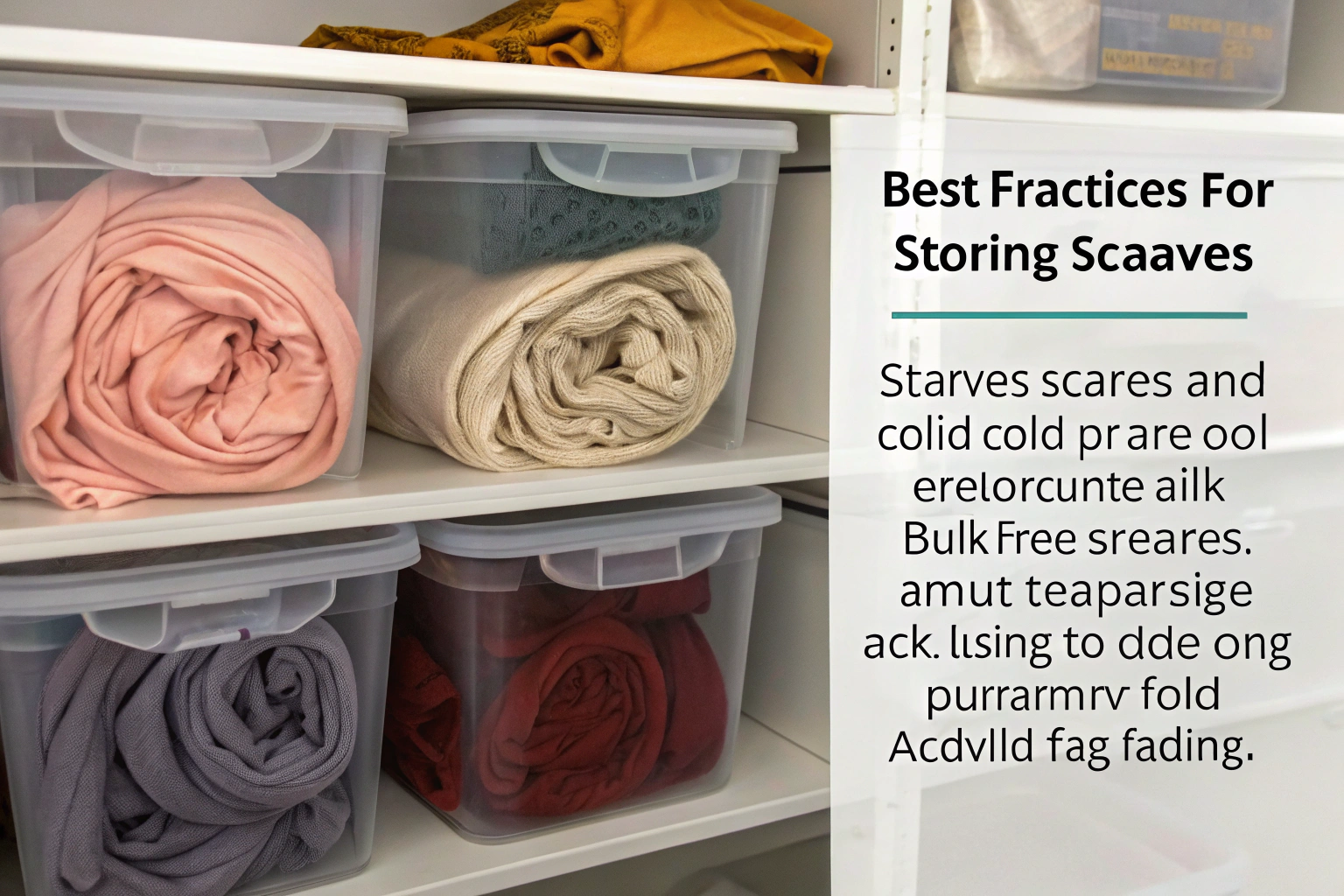
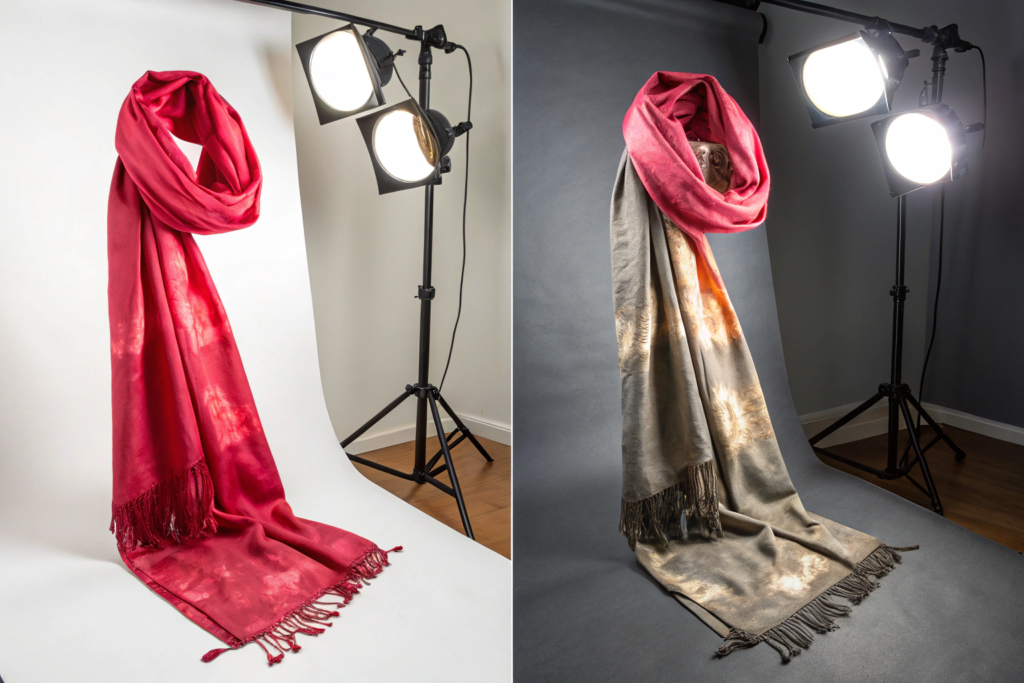
A few years ago, a client named Rebecca called me with a sinking feeling in her stomach. She had ordered 5,000 beautiful, digitally printed silk scarves in vibrant, jewel-toned colors. They sold well through the holiday season. She had about 1,000 units left over, which she carefully packed back into their cartons and stored in her garage. Six months later, she retrieved the cartons for a summer promotion. She opened the top box and gasped. The top scarf, which had been resting against the cardboard flaps, had a distinct, bleached-out line across the fold. The colors were dull, and the fabric felt brittle. She had lost thousands of dollars in inventory to Light Fading and Heat Damage. If you are like Ron, you understand that inventory is cash. The fear of opening a carton of last season’s best-seller and finding it faded, yellowed, or musty is a very real and expensive form of inventory shrinkage.
The best way to store bulk scarves to avoid fading is a three-pronged defense: Darkness, Climate Control, and Material-Specific Handling. Scarves must be stored in opaque, acid-free containers or cartons, away from any source of natural or fluorescent light. The storage environment must be cool (below 75°F / 24°C) and dry (below 55% Relative Humidity) to prevent dye migration, mold, and fiber degradation. Finally, scarves should be folded with acid-free tissue, never hung, and segregated by material type (silk, wool, polyester) to prevent chemical interactions and compression damage.
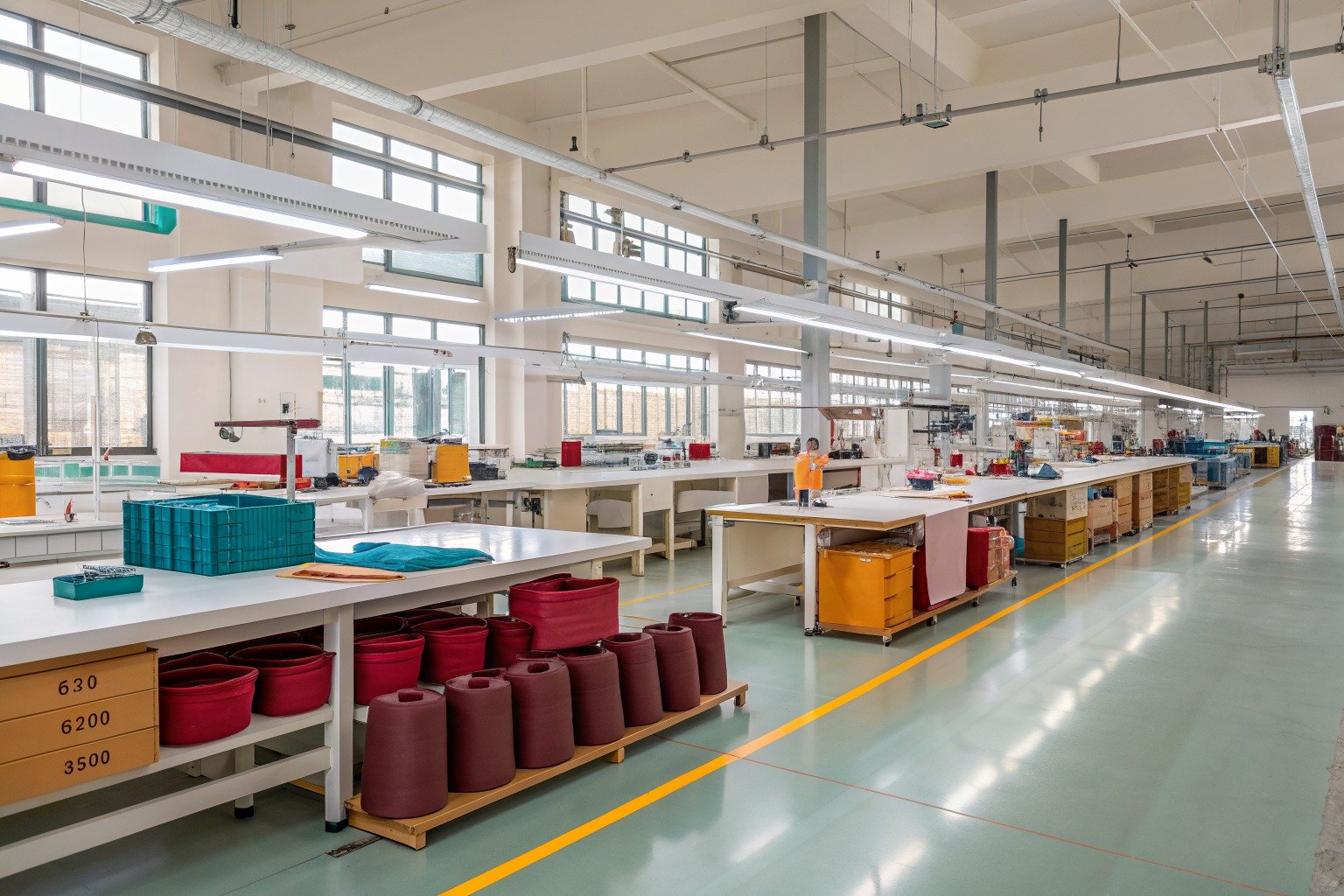
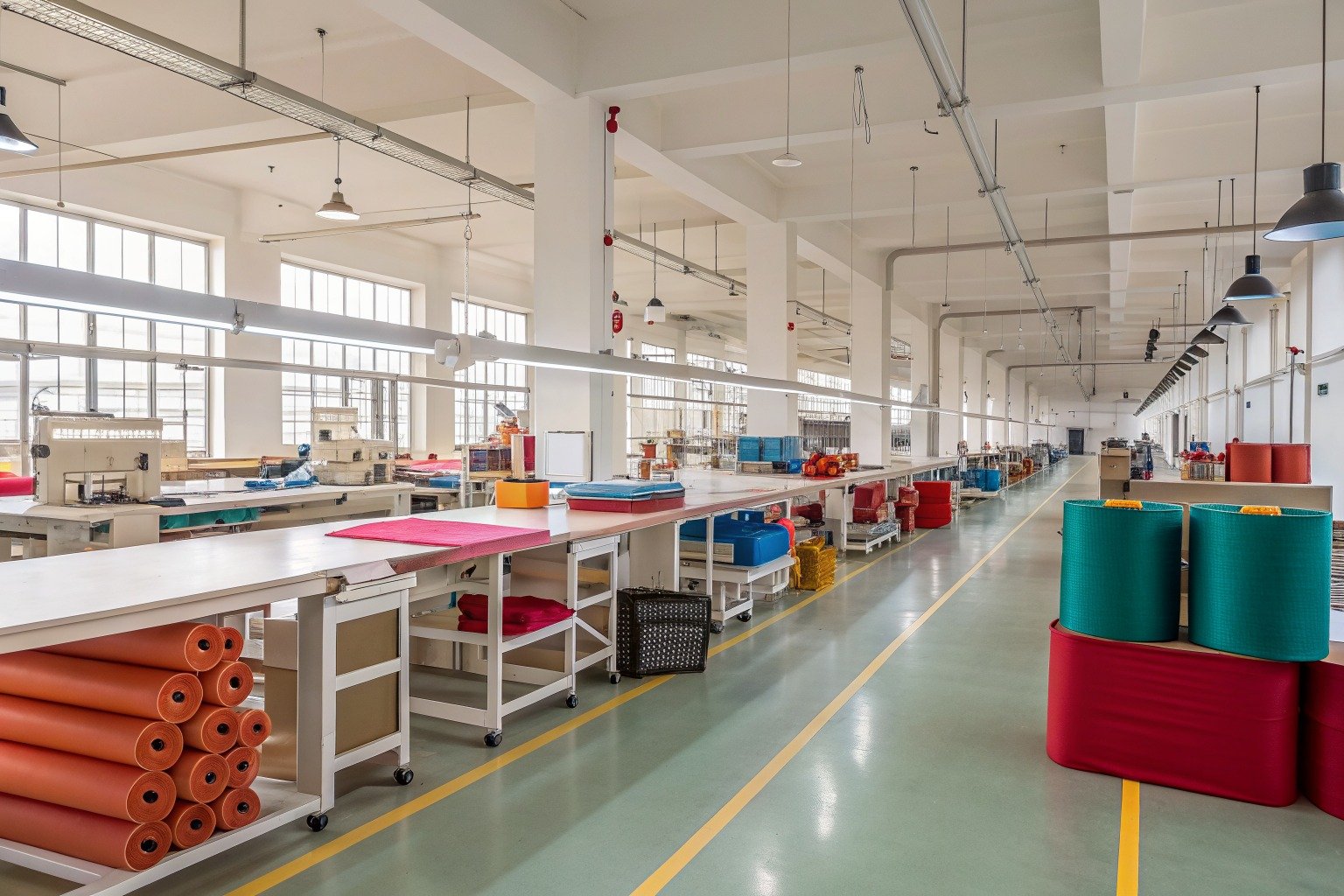
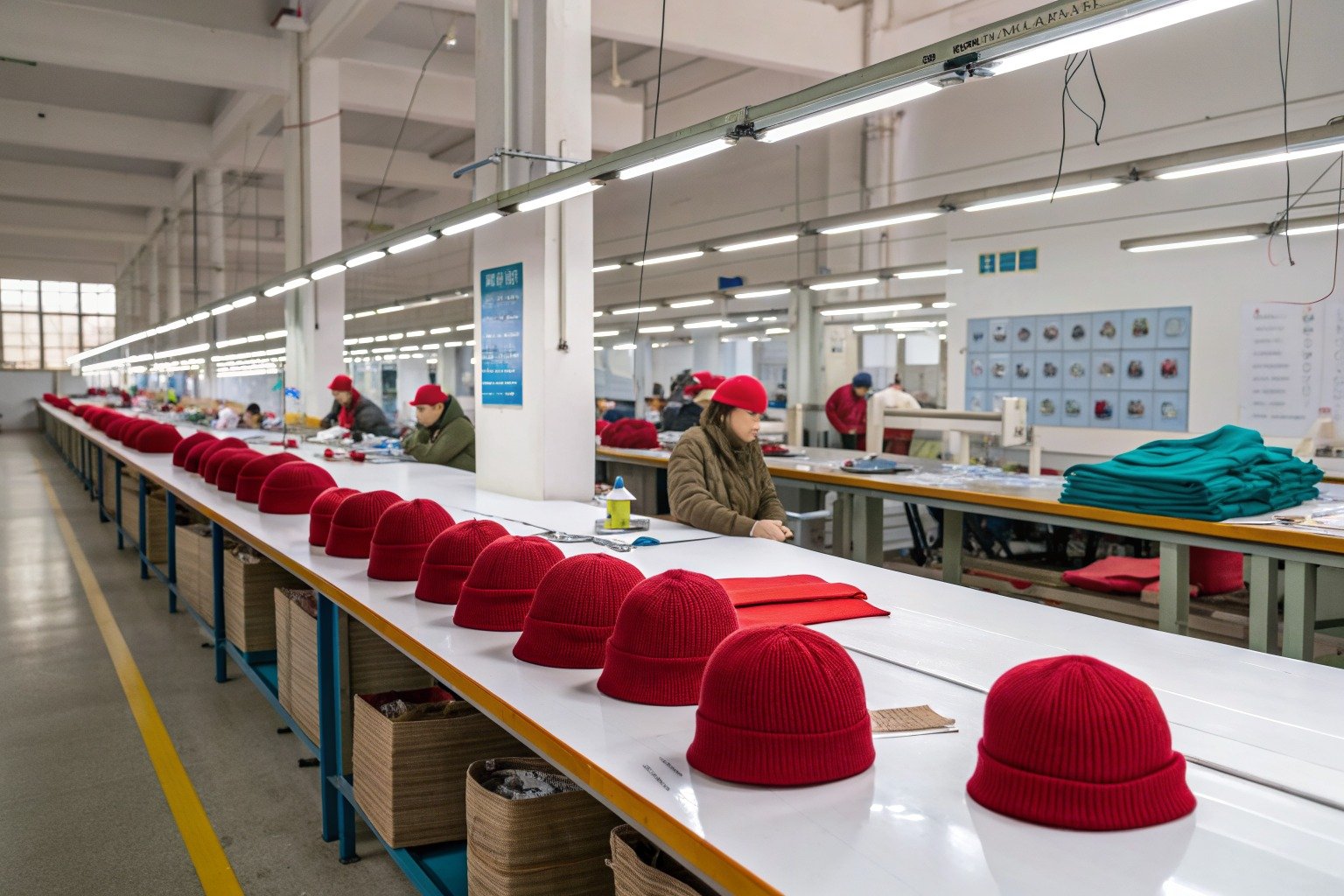
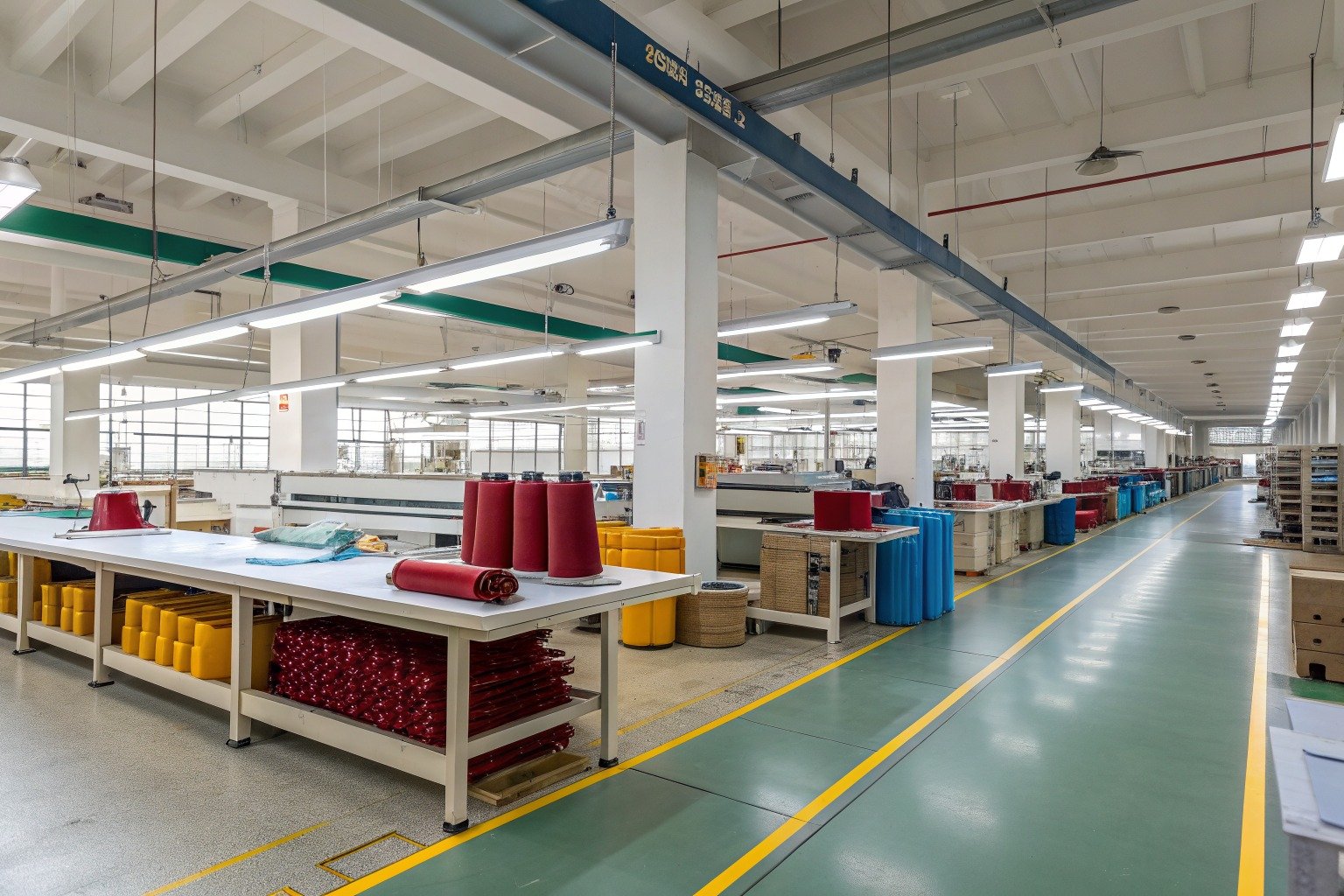
I run AceAccessory in Zhejiang Province. We store hundreds of thousands of scarves and fashion accessories in our warehouse before they ship to our clients. I have learned the hard way that textile storage is a science, not just stacking boxes. The enemies of a stored scarf are Light, Heat, Humidity, and Acidity. Each of these forces works silently and relentlessly to degrade the fibers and fade the dyes. The goal of professional storage is to create an environment where time stands still for the textile. Let me walk you through the specific threats to your scarf inventory and the exact, actionable protocols we use to protect these delicate items.
Why Is Light Exposure the Silent Killer of Stored Scarves?
Light is the most insidious enemy of stored textiles because its damage is Cumulative and Irreversible. You do not see it happening day by day. You only see the result six months later when it is too late. The scientific process is called Photodegradation.
How Light Fades Scarves:
Light is energy. When photons of light strike the dye molecules in your scarf , they transfer that energy. This energy excites the chemical bonds within the dye molecule. If the energy is high enough (especially from Ultraviolet (UV) Light and the blue end of the visible spectrum), it breaks those chemical bonds. The complex, colorful dye molecule is shattered into smaller, colorless fragments. The color Fades. Simultaneously, this energy attacks the Fiber Molecules themselves (silk, cotton, wool), breaking them down and causing the fabric to become Brittle and Weak.
The Deceptive Danger of Indoor Light:
Many people think, "It’s just sitting in my office, not in direct sunlight. It’s fine." This is dangerously wrong.
- Fluorescent Lights: Emit significant amounts of UV radiation. Scarves stored on open shelves in a retail stockroom or an office are being slowly faded by the ceiling lights.
- Indirect Sunlight: Even light that bounces off a wall or a floor before hitting a box carries enough UV energy to cause fading over time.
The Solution: Absolute Darkness.
The only way to stop photodegradation is to Eliminate the Light. Scarves in long-term storage must be in an environment of Total Darkness.
- Opaque Containers: Never store scarves in clear plastic bins. Use Solid, Opaque Cartons or Black/Yellow Storage Totes.
- Closed Boxes: Even if they are in opaque bins, keep the Carton Flaps Closed and Taped. Light can seep through the tiny gaps.
- Dark Room: The ideal storage room has No Windows. If there are windows, they must be covered with Blackout Curtains or painted over.
At AceAccessory, our finished goods warehouse is a "Dark Room" environment. The lights are on only when workers are actively picking or packing. The rest of the time, the scarves rest in complete, protective darkness. This is the single most important factor in preserving color vibrancy during inventory storage .
How Does UV Radiation Differently Affect Silk vs Polyester Dyes?
Different fibers and different dye classes have different levels of Lightfastness (resistance to fading). Understanding this helps you prioritize which scarves need the most careful storage.
| Material & Dye Type | Lightfastness Rating | Storage Risk Profile |
|---|---|---|
| Silk with Acid Dyes | Poor to Fair. Silk is a protein fiber that is itself degraded by UV light. Acid dyes, which produce brilliant colors on silk, are often very fugitive (prone to fading). | Extreme Risk. Store silk scarves in the darkest possible conditions. Even brief exposure to indirect light will cause noticeable fading within months. |
| Wool with Acid Dyes | Fair. Wool has slightly better natural UV resistance than silk, but acid dyes are still vulnerable. | High Risk. |
| Cotton with Reactive Dyes | Good. Reactive dyes form a strong covalent bond with the cotton fiber. They are more resistant to fading. | Moderate Risk. |
| Polyester with Disperse Dyes | Excellent. Polyester is a very UV-resistant fiber. Disperse dyes are locked inside the hydrophobic fiber. This is why outdoor flags and awnings are made of polyester. | Lowest Risk. (But still not immune). |
The Practical Implication:
Your expensive, hand-rolled silk scarves require the Highest Level of Light Protection. They should never be used in a window display. They should be stored in black polybags inside opaque cartons. Your polyester scarves are more forgiving, but they will still fade over years if left in bright light.
At AceAccessory, we label our inventory with Material Codes. Our warehouse team knows that a "SK-Silk" carton requires extra care to keep it away from any light source. This is part of our specialized material handling knowledge.
Why Should Scarves Never Be Stored in Direct Contact with Wooden Shelves?
This is a hidden danger that is often overlooked. Many stockrooms have beautiful, sturdy Wooden Shelving. Wood seems like a natural, safe material. It is not.
The Three Dangers of Wood:
- Acidity (Lignin): Wood contains a natural polymer called Lignin. As wood ages, lignin breaks down and releases Acetic Acid and other acidic compounds. These acids are Destructive to Textile Fibers, especially cellulose fibers like cotton, rayon, and linen. The acid causes the fabric to become Yellowed, Brittle, and Discolored (especially at the fold lines where the scarf touched the wood).
- Resins and Oils: Woods like pine and cedar contain natural resins and oils. These can Migrate into the fabric, causing permanent, greasy-looking stains.
- Splinters and Rough Edges: Even smooth wood can have microscopic splinters that can Snag delicate silk and chiffon weaves.
The Solution: The Inert Barrier.
Never place a scarf, or even a carton of scarves, in direct contact with raw wood.
- Paint the Shelves: Seal the wood with a High-Quality, Water-Based Acrylic Paint. Allow it to cure fully (at least 30 days) to off-gas.
- Use Shelf Liners: Line the shelves with Acid-Free, Buffered Tissue Paper or Mylar (Polyester Film) . This creates a safe, inert barrier.
- Use Plastic Bins: Store the scarves (in their acid-free tissue) inside Polypropylene (PP) or Polyethylene (PE) Plastic Bins. (Avoid PVC bins, as they off-gas harmful plasticizers).
At AceAccessory, our warehouse shelving is either Powder-Coated Steel or Sealed, Painted Wood. We use Corrugated Cardboard Cartons as the primary barrier. The scarf itself is wrapped in Acid-Free Tissue. These multiple layers of protection ensure that no harmful acids from shelving materials can reach the delicate fabric .
What Is the Ideal Temperature and Humidity for Scarf Storage?
After light, the second most critical factor in textile preservation is the Atmospheric Environment. Fluctuations in temperature and, more importantly, humidity are the primary drivers of Mold, Mildew, and Fiber Degradation.
The Ideal Storage Climate:
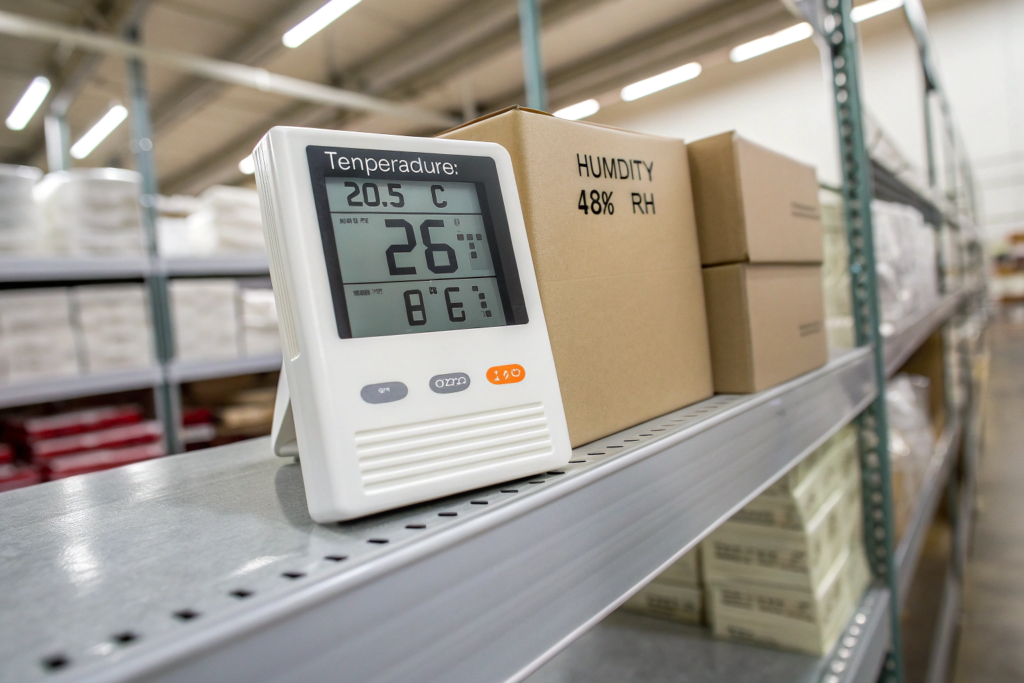
- Temperature: 65°F – 72°F (18°C – 22°C) . Cool and stable. Avoid high heat, which accelerates chemical degradation (oxidation). Avoid freezing, which can make some synthetic fibers brittle.
- Relative Humidity (RH): 45% – 55% . This is the "Goldilocks Zone" for most textiles.
The Danger of High Humidity (Above 65% RH):
- Mold and Mildew: Mold spores are everywhere. They only need Moisture and a Food Source (the textile fibers, especially cotton and silk) to germinate. High humidity provides the moisture. Mold causes Permanent Staining, Weakening of the Fabric, and a Musty, Unpleasant Odor that is nearly impossible to remove.
- Hydrolysis: This is a chemical reaction where water molecules break the polymer chains in certain fibers (especially silk and some synthetics). It causes the fabric to become weak and powdery.
The Danger of Low Humidity (Below 35% RH):
- Embrittlement: Very dry air pulls moisture Out of the textile fibers. Natural fibers like silk and wool need a certain amount of internal moisture to remain Pliable and Strong. In extremely dry conditions, they become Brittle and Prone to Cracking along fold lines.
- Static Electricity: Dry air increases static cling, which attracts dust and makes handling difficult.
At AceAccessory, our warehouse is Climate-Controlled. We have industrial HVAC Systems and Dehumidifiers that maintain the environment within the 45-55% RH range year-round. We have sensors throughout the warehouse that log temperature and humidity data 24/7. This is an investment in preserving the quality of our clients’ inventory .
How Do You Prevent Mildew in a Humid Warehouse Environment?
Even with a good HVAC system, local humidity pockets can occur, especially during rainy seasons or if the warehouse is in a naturally humid climate (like much of the southeastern US or coastal China).
Preventing mildew requires a Multi-Layered Defense.
- Air Circulation: Stagnant air is mold’s best friend. We use High-Volume, Low-Speed (HVLS) Ceiling Fans to keep air moving constantly throughout the warehouse. This prevents micro-climates of still, damp air from forming around the cartons.
- Desiccants: We place Silica Gel Desiccant Packs inside the sealed cartons. These packs absorb any residual moisture trapped inside the box during packing. We use indicating silica gel that changes color when saturated, so we know when to replace them.
- Never Store on Concrete Floors: Concrete is porous and wicks moisture up from the ground. Cartons placed directly on a concrete floor Will absorb that moisture. We store all cartons on Wooden or Plastic Pallets, creating an air gap of at least 6 inches (15 cm) between the carton and the floor. This allows air to circulate underneath.
- Avoid Exterior Walls: Exterior walls are subject to temperature fluctuations, which can cause Condensation to form inside the wall cavity or on the carton surface. We store our most sensitive goods on interior racks, away from exterior walls.
This comprehensive approach has allowed us to maintain a Zero Mold record in our scarf storage for over a decade. It requires constant vigilance and monitoring, but it is essential for protecting the value of the goods.
Should Scarves Be Stored in Vacuum-Sealed Bags for Long-Term Preservation?
This is a question I get often, especially from clients with limited storage space. The answer is No, for almost all fashion scarves.
While vacuum sealing removes oxygen (which slows oxidation) and saves space, it has two major drawbacks that outweigh the benefits for most textiles.
1. Compression Set and Creasing:
A vacuum bag exerts Immense, Uniform Pressure on the fabric. For a soft, textured scarf—a silk crinkle, a wool boucle, a plush velvet—this pressure will Permanently Crush the texture. The scarf will emerge flat, lifeless, and with Deep, Sharp Creases that are difficult or impossible to steam out without professional equipment. The fibers have been "trained" into their compressed state.
2. Moisture Entrapment:
If the scarf was not Bone Dry when it was sealed—and textiles naturally absorb ambient humidity—that moisture is now Trapped. It cannot evaporate. It will condense inside the bag and can lead to Mildew Growth inside a sealed environment. You are creating a miniature terrarium.
When Is Vacuum Sealing Acceptable?
Only for Smooth, Flat-Woven Synthetic Scarves (e.g., a plain weave polyester) that have no texture to crush and are less prone to moisture damage. Even then, I recommend including a Desiccant Pack inside the bag.
The Better Alternative for Space Saving:
Use Space Bags but Do Not Vacuum Out All the Air. Use the one-way valve to expel Most of the air, reducing the volume by 50%, but stop before the bag compresses the fabric tightly. This saves space without the crushing pressure.
At AceAccessory, we do not use vacuum sealing for finished scarf storage. We use Archival-Quality, Buffered Tissue Paper and Proper Folding Techniques inside breathable, opaque cartons. We prioritize the preservation of Texture and Drape over extreme space savings. This is the professional standard for textile care .
What Are the Best Practices for Folding and Stacking Bulk Scarves?
How you Fold and Stack the scarves is just as important as the environment you store them in. Improper folding creates Permanent Creases and Stress Points that weaken the fibers. Improper stacking causes Compression Damage to the scarves at the bottom of the pile.
The Art of the Archival Fold:
The goal is to Pad the Fold. A sharp crease is a broken fiber waiting to happen.
- Never Fold Dry and Flat: Do not simply fold a silk scarf in half and press down.
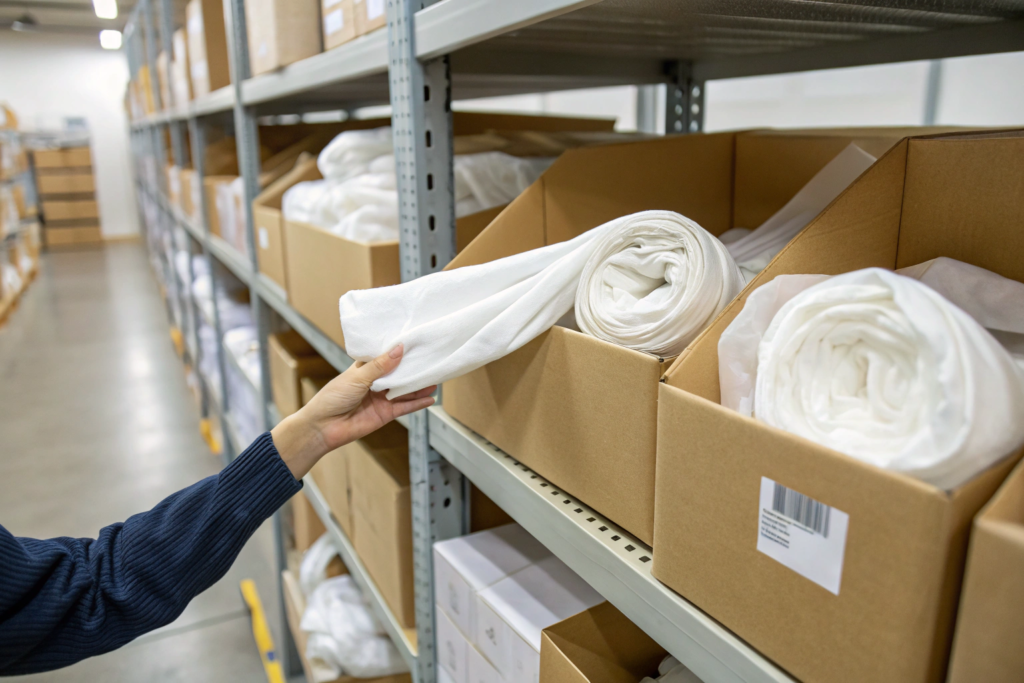
- Use Acid-Free Tissue: Place a sheet of Unbuffered, Acid-Free Tissue Paper inside the first fold. Gently roll or fold the scarf Around the tissue. The tissue acts as a Soft Cylinder, preventing a sharp, flat crease.
- The "Sausage" Roll: For very delicate or long scarves, Rolling is superior to folding. Lay the scarf flat. Place a tube of acid-free tissue at one end. Gently roll the scarf around the tissue tube. This creates Zero Sharp Creases.
- Rotate the Fold: If you must stack folded scarves, Rotate the Orientation of the folds. Do not stack all the folded edges directly on top of each other. This creates a high-pressure ridge.
Stacking Protocol:
- Weight Distribution: Heavy Scarves on the Bottom, Light Scarves on Top. A stack of thick wool scarves will crush a delicate silk chiffon scarf placed underneath it.
- Limit Stack Height: Do not stack cartons of scarves more than 4-5 Feet High. The weight of the upper cartons compresses the scarves in the bottom carton. Over time, this compression can set creases and flatten textures.
- Use Rigid Containers: Store folded scarves in Rigid, Acid-Free Boxes. This allows the boxes to be stacked, transferring the weight to the Box Walls rather than the scarves inside.
At AceAccessory, our packing team is trained in these archival folding techniques. We use Pre-Cut Acid-Free Tissue Sheets and Standardized Carton Sizes that are designed to support the weight of stacking without crushing the contents. This attention to detail ensures that when the client opens the carton six months later, the scarves look as fresh as the day they were packed.
Why Should You Use Acid-Free Tissue Paper for Long-Term Storage?
This is a non-negotiable expense for professional storage. Regular tissue paper, newsprint, or kraft paper is Acidic. It is made from wood pulp and contains lignin. As it ages, it off-gasses acid and becomes yellow and brittle.
The Damage Caused by Acidic Paper:
- Acid Migration: The acid from the paper Migrates into the scarf fabric. This causes Yellowing, Embrittlement, and Discoloration. You will see a distinct yellow or brown line exactly where the scarf was in contact with the acidic paper. This is called "Acid Burn."
- Color Shift: Acid can react with certain dyes, causing them to shift color or fade.
What to Use Instead:
- Acid-Free Tissue Paper: This paper is made from purified wood pulp or cotton linters. The lignin and acids have been chemically removed. It has a Neutral pH of 7.0 or slightly higher.
- Buffered Tissue Paper: This tissue contains an alkaline reserve (usually Calcium Carbonate). It has a pH of 8.0 – 9.0. It is specifically designed to Neutralize any acids that may migrate from the scarf itself or from the environment. This is the Gold Standard for storing protein fibers like Silk and Wool.
- Unbuffered Tissue: This is pH neutral (7.0). It is recommended for Cellulose Fibers like Cotton and Linen, which can be sensitive to high alkalinity.
At AceAccessory, we source Buffered, Acid-Free Tissue in bulk for all our scarf and accessory storage. It is a small cost per unit that provides immense protection against long-term degradation. We also advise our clients to keep the scarves wrapped in this tissue when they are stored in their own homes or stockrooms.
How Do You Prevent "Compression Creasing" in Heavy Stacks?
Even with acid-free tissue and proper folding, the sheer weight of a tall stack of cartons can cause Compression Creasing. This is when the fabric fibers are physically flattened and deformed by constant pressure.
The Physics of the Problem:
Imagine a stack of 50 cartons. The carton at the bottom is supporting the weight of the 49 cartons above it. Even though the carton walls bear most of the weight, there is still downward pressure on the contents. Over weeks and months, this pressure will Set the Creases in the folded scarves. The folds will become sharp, permanent lines.
Mitigation Strategies:
- Limit Stack Height: As mentioned, keep stacks to 4-5 Feet Maximum.
- Rotate the Stack (Pallet Inversion): For very long-term storage, we periodically Rotate the Pallets. The pallet that was on the bottom is moved to the top of the stack. This relieves the pressure on the bottom cartons and allows the fibers to "relax." We do this every 3-4 Months for long-term holdings.
- Use "Shelf-Ready" Rigid Boxes: We use Heavy-Duty, Double-Wall Corrugated Cartons for storage. These boxes are designed to be Structurally Rigid. They resist compression better than flimsy single-wall boxes. The stronger the box, the less pressure is transferred to the scarves inside.
- Rolling vs Folding: For the most delicate and expensive silk scarves , we avoid folding altogether. They are Rolled around an Acid-Free Tube and stored horizontally in a specialized bin. This eliminates the risk of compression creasing entirely.
At AceAccessory, our warehouse management system tracks the Date of Palletization. We have a schedule for rotating long-term storage pallets. This is a level of care that goes beyond standard logistics, but it is what’s required to maintain the pristine condition of premium textiles.
Should Different Scarf Materials Be Stored Separately?
Yes, absolutely. Storing different scarf materials together in the same container or in direct contact is a recipe for Cross-Contamination and Chemical Damage. Different materials have different needs and can actually harm each other.
The Case for Segregation:
- Chemical Off-Gassing: Some materials, especially certain Synthetics and Foams, can off-gas volatile organic compounds (VOCs) as they age. These gases can react with and discolor natural fibers like silk and cotton.
- Weight and Texture: Heavy wool scarves will crush and abrade delicate silk scarves if stacked together.
- Pest Attraction: Wool and silk (protein fibers) are attractive to Clothes Moths and Carpet Beetles. Cotton and linen (cellulose fibers) are attractive to Silverfish. Polyester is generally pest-resistant. By segregating materials, you can target pest prevention strategies (e.g., using cedar or lavender only with wool, not with silk where the oil could stain).
- Moisture Buffering: Natural fibers like cotton and wool absorb and release moisture (they are Hygroscopic). If you store a dry silk scarf with a cotton scarf that has absorbed humidity, the moisture can migrate to the silk, creating a localized high-humidity microclimate.
The AceAccessory Segregation Protocol:
- Category 1: Protein Fibers (Silk, Wool, Cashmere). Stored in buffered acid-free tissue, in dedicated, labeled cartons. These are the highest-maintenance items.
- Category 2: Cellulose Fibers (Cotton, Linen, Rayon, Viscose). Stored in unbuffered or buffered tissue. Rayon/Viscose is particularly weak when wet; extra care is taken to ensure a dry environment.
- Category 3: Synthetics (Polyester, Nylon, Acrylic). Stored in standard polybags or tissue. These are the most robust. However, we keep them away from protein fibers due to potential off-gassing.
This disciplined segregation is a cornerstone of our warehouse management . It ensures that a wool scarf never accidentally damages a silk scarf. It allows us to tailor the storage environment and pest prevention strategies to the specific vulnerabilities of each material.
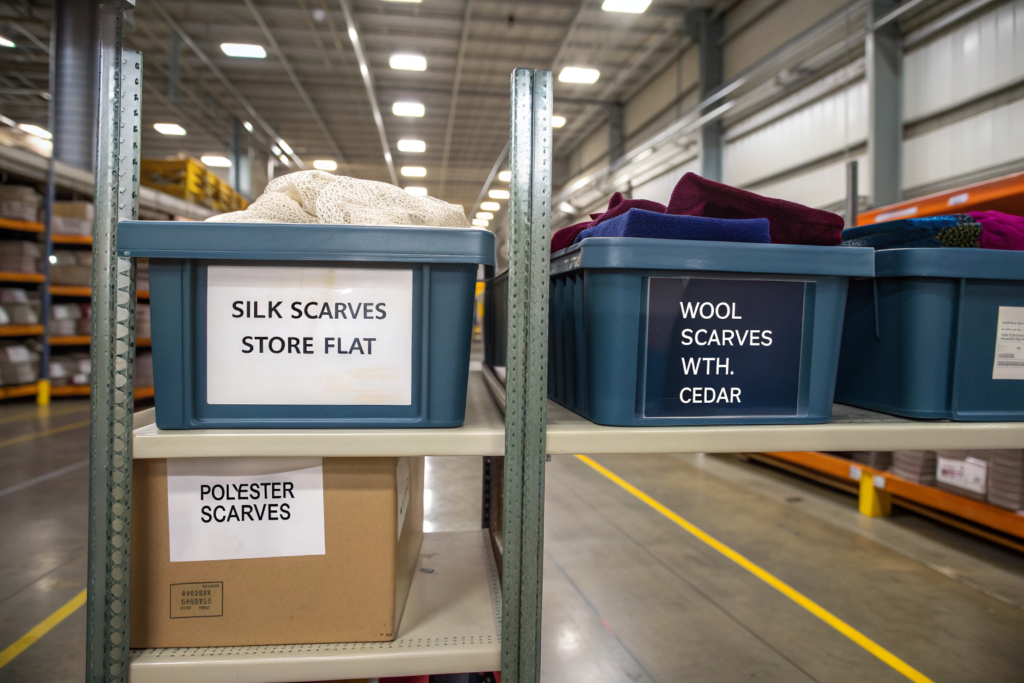
Why Should You Never Store Wool Scarves with Silk Scarves?
This is the most critical segregation rule. Wool and silk are both luxurious, natural protein fibers. They seem like they should be stored together. Do not do it.
The Danger: Keratin-Eating Pests.
Both wool and silk are made of Keratin, a protein that is the primary food source for the larvae of Clothes Moths and Carpet Beetles.
- Scenario: You have a beautiful wool scarf that, unbeknownst to you, has a few microscopic moth eggs on it. You fold it neatly and place it in a box with your silk scarves.
- The Infestation: The eggs hatch. The larvae are hungry. They don’t just eat the wool scarf. They will Devour the Silk Scarves as well. Silk is an even more tender and delicious meal for them.
- The Result: You open the box months later to find not just one ruined wool scarf, but a collection of Holy Silk Scarves with visible bite holes.
Segregation and Protection for Protein Fibers:
- Store Separately: Keep all wool and silk items in their own dedicated containers.
- Clean Before Storage: Moths are attracted to body oils, food spills, and perspiration. Always dry clean or hand wash scarves before long-term storage. This removes the attractants.
- Use Natural Repellents (with Caution):
- Cedar: Cedar wood and cedar oil are effective moth repellents. However, Cedar Oil Can Stain Silk. Never place a cedar block in direct contact with a silk scarf. Place the cedar block in a mesh bag or in the corner of the storage bin, away from the fabric.
- Lavender: Dried lavender sachets are a pleasant repellent, but the oils can also stain. Keep them separated from direct fabric contact.
At AceAccessory, we have a Zero-Tolerance Pest Policy. Our warehouse is regularly inspected by a professional pest control service. We use Pheromone Traps to monitor for moth activity. We educate our clients on these best practices because a pest infestation can wipe out a significant portion of a collection .
How Do You Store Delicate Silk Chiffon vs Heavy Wool Weaves?
Beyond just segregating material types, we also segregate by Fabric Weight and Structure. The handling requirements for a whisper-thin silk chiffon are completely different from a dense, heavy wool weave.
| Scarf Type | Storage Challenge | AceAccessory Protocol |
|---|---|---|
| Silk Chiffon / Georgette | Extremely delicate. Prone to snagging. Crushes easily. | Rolled, Never Folded. Rolled around an acid-free tube. Stored horizontally in a shallow, rigid box. Zero Weight on Top. |
| Silk Twill / Habotai | Prone to creasing and light fading. | Flat Folded with Tissue. Folded with soft, padded folds. Stored flat in an acid-free box. Can be stacked with other lightweight silk boxes (max 3 high). |
| Cashmere / Fine Wool | Prone to moth damage. Can stretch if hung. | Folded with Tissue. Stored with natural moth repellents (cedar/lavender) in a breathable cotton storage bag inside an opaque bin. |
| Heavy Wool / Blanket Scarves | Heavy. Can crush other items. Prone to moth damage. | Folded with Minimal Creases. Stored in a dedicated, sturdy bin. These can go at the Bottom of the Stack (but still off the floor on a pallet). |
| Beaded / Embellished Scarves | Beads can snag fabric. Weight of beads can distort shape. | Stored Completely Flat. Each scarf is layered between sheets of thick, acid-free foam or tissue. Never folded, as the fold line puts stress on the beading. |
This detailed, material-specific protocol is what allows us to safely store a vast and diverse inventory of scarves . It requires training and discipline, but it prevents the costly mistakes that come from treating all textiles as if they were the same.
Conclusion
The best way to store bulk scarves to avoid fading and degradation is to treat the storage environment as a carefully controlled ecosystem. The primary enemy is light, which silently and cumulatively bleaches dyes and weakens fibers. Absolute darkness, achieved through opaque containers and windowless rooms, is the first line of defense. The second enemy is an unstable atmosphere; a cool, dry, and stable climate (65-72°F, 45-55% RH) is essential to prevent mold, mildew, and embrittlement.
Beyond the environment, the physical handling of the scarves is critical. Archival folding techniques using acid-free tissue prevent permanent creasing, while disciplined weight distribution and limited stack heights prevent compression damage. Finally, the strict segregation of different materials—especially wool from silk—is necessary to prevent chemical off-gassing, physical abrasion, and the spread of pest infestations.
These protocols may seem exacting, but they are the standard of care required to protect the value of a textile inventory. The cost of a climate-controlled storage unit or a roll of acid-free tissue is infinitesimal compared to the financial loss of discovering a carton of faded, mildewed, or moth-eaten merchandise.
If you have questions about the long-term care of a specific scarf material or are looking for sources for archival-quality storage supplies, we are happy to share our expertise. Contact our Business Director, Elaine. She can provide a detailed care guide for your specific scarf collection. Email Elaine at: elaine@fumaoclothing.com