As a fashion accessory brand, you know packaging is more than just a box—it’s the first physical touchpoint with your customer. But in an era of online shopping and sustainability concerns, traditional packaging often ends up discarded, failing to add value or build lasting brand connection. You’re left wondering: how can packaging evolve from a cost center into a strategic asset that delights customers, tells your brand story, and even drives repeat business?
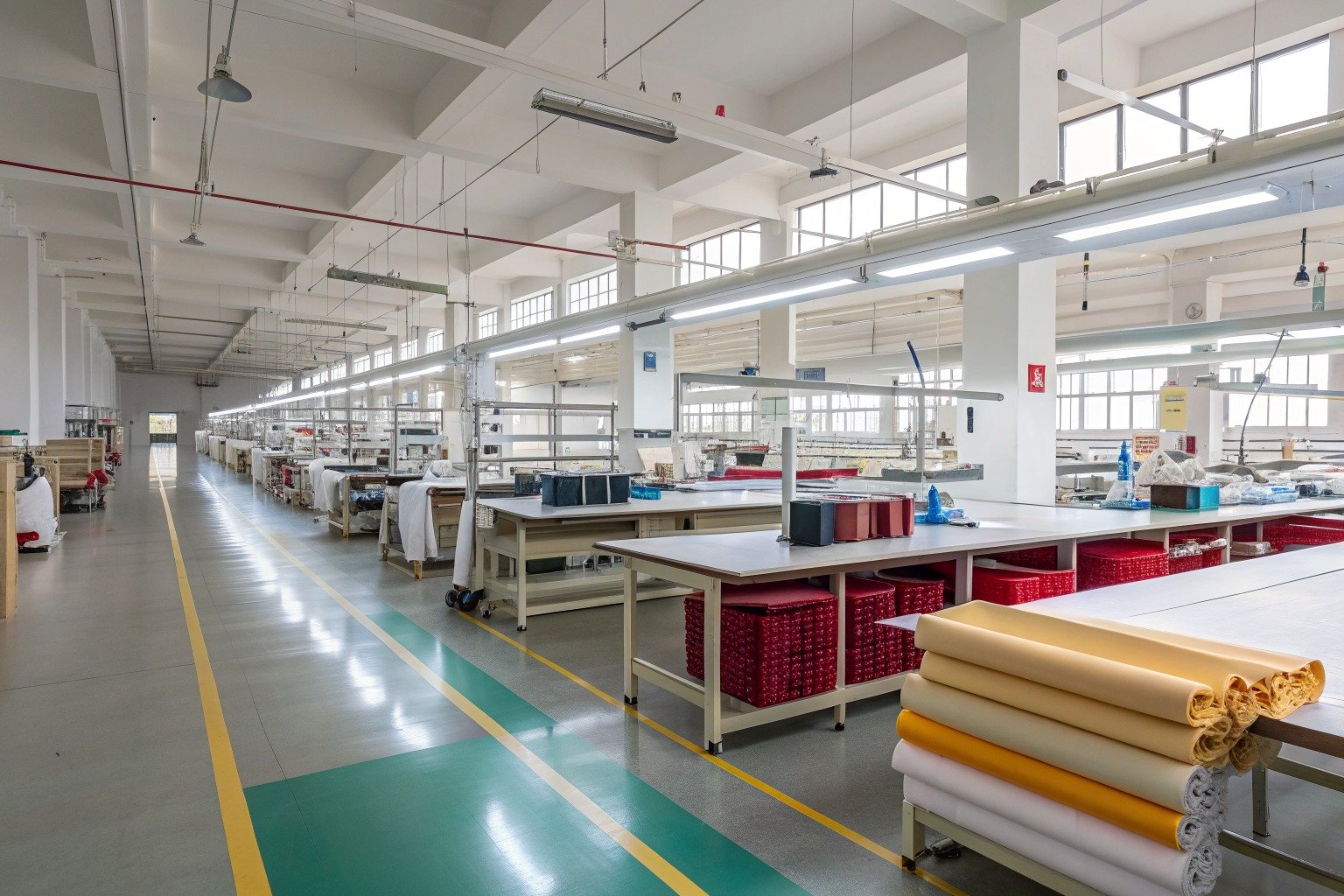
The emerging smart packaging trends for fashion accessories leverage technology and sustainable design to create interactive, memorable, and functional unboxing experiences that extend customer engagement far beyond the initial purchase. These trends move packaging from passive containment to active communication, using tools like QR codes, NFC chips, and plant-based materials to bridge the physical product with digital brand worlds, enhance perceived value, and demonstrate environmental responsibility. For manufacturers like us at Shanghai Fumao Clothing, this means integrating these technologies seamlessly into production to help our clients’ products stand out.
Let’s explore the key innovations that are redefining what accessory packaging can do for your brand and how to implement them effectively.
How Is Technology Creating Interactive Unboxing Experiences?
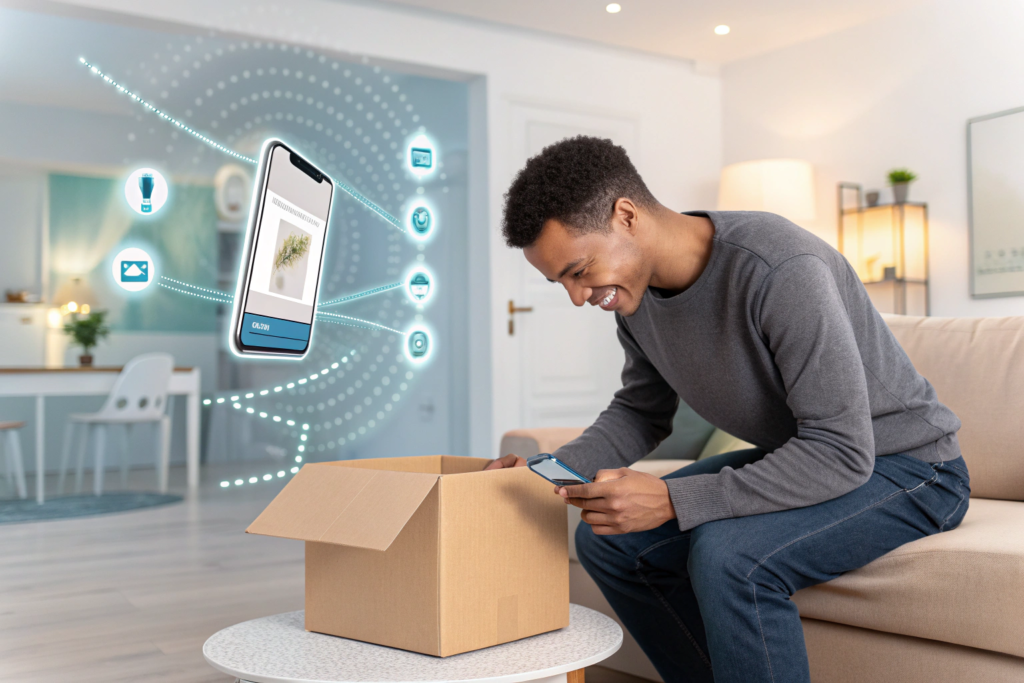
The moment a customer opens your package is prime emotional real estate. Traditional packaging offers a static experience, but today’s technology can turn that box into a gateway. Smart packaging uses simple, embeddable tech to connect the physical product to dynamic digital content. This isn’t science fiction; it’s an accessible strategy that turns unboxing into a shareable event and provides you with valuable customer insights.
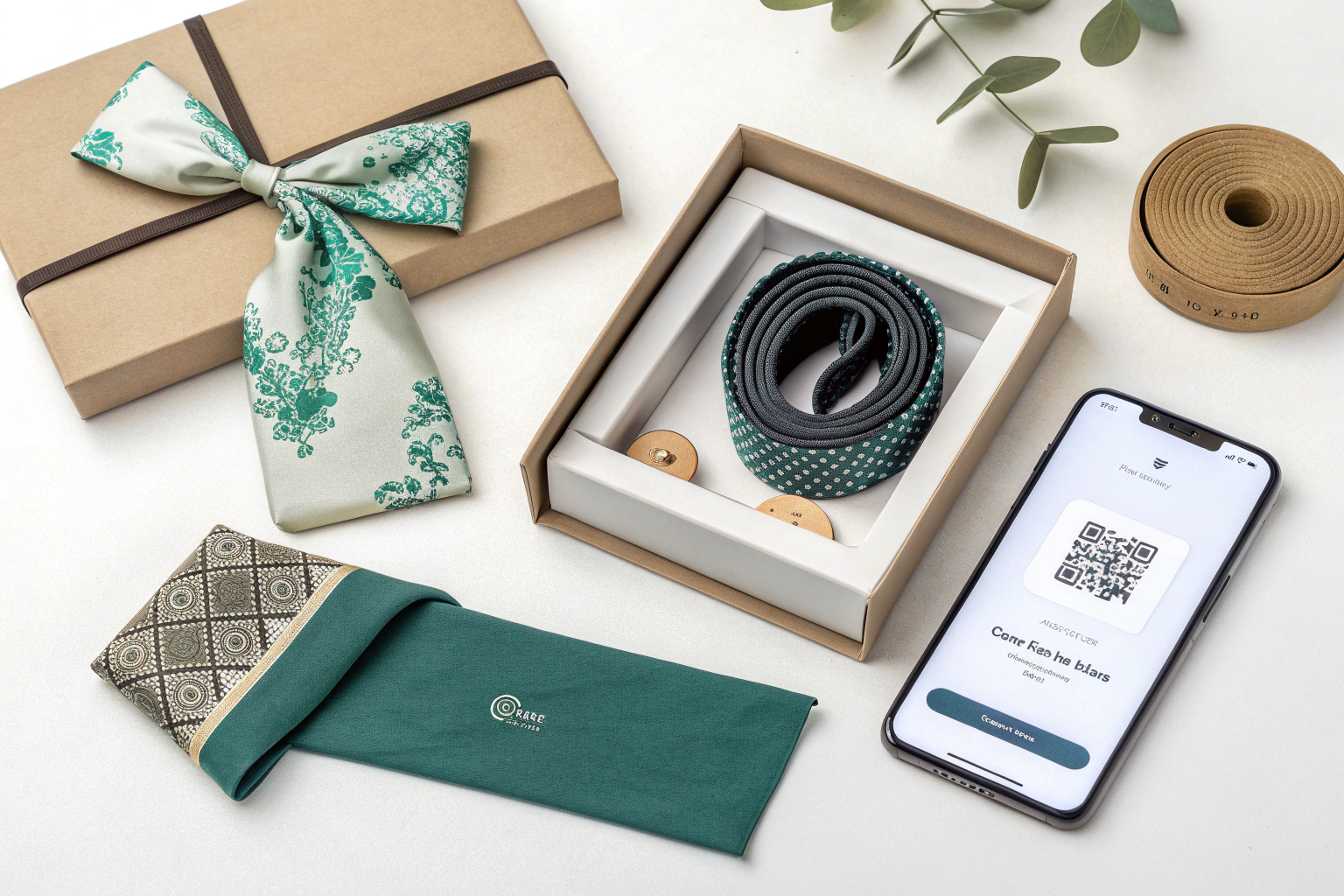
Technology is creating interactive unboxing experiences by integrating scannable codes (QR/NFC) and augmented reality (AR) into packaging design, allowing customers to access exclusive content, verify authenticity, and engage with the brand story directly from their smartphones. Imagine a customer receiving a beautifully packaged scarf. They scan a discreet NFC tag sewn into the care label with their phone and are instantly taken to a video showing five different ways to style it. This immediate value addition enhances the product and strengthens brand loyalty. For us, partnering with clients on such projects involves sourcing certified NFC tags and ensuring print quality on QR codes so they scan flawlessly every time.
What Value Do QR and NFC Codes Add to Packaging?
QR codes and NFC (Near Field Communication) chips are the workhorses of smart packaging. Their value is multi-layered:
- Brand Storytelling: Link to a "making-of" video, an interview with the designer, or the sourcing story of your materials.
- Enhanced Product Use: Provide access to digital lookbooks, styling tutorials, or care instruction videos (especially useful for complex accessories).
- Loyalty & Repurchase: Direct customers to a exclusive landing page to join a loyalty program, get a discount on their next purchase, or access complementary products.
- Transparency & Trust: Link to blockchain-powered authentication or supply chain transparency platforms, like those advocated by the Sustainable Apparel Coalition, proving product authenticity and ethical origins.
From a manufacturing standpoint, we ensure these elements are integrated as a natural part of the packaging design—whether printed clearly on a box, subtly on a hangtag, or embedded within a sticker.
Can Augmented Reality (AR) Packaging Boost Engagement?
Absolutely. Augmented Reality (AR) takes interaction a step further by overlaying digital graphics onto the real world through a smartphone camera. For fashion accessories, the applications are powerful:
- Virtual Try-On: Customers can see how a pair of earrings or a hat looks on them before purchasing (or after unboxing for a fun social moment).
- Animated Brand Mascots: A character on the box could "come to life" to welcome the customer.
- Gamified Unboxing: Unlock a digital treasure hunt or filter by scanning the package.
While AR development requires specialist digital creation, the trigger (usually a QR code or specific image) can be easily printed on any packaging. This creates a "wow" factor that is highly shareable on social media, effectively turning your customer into a brand advocate. The key is ensuring the AR experience is fast-loading and adds genuine value, not just novelty.
Why Is Sustainable and "Circular" Packaging No Longer Optional?
Consumers, especially in your key markets like North America and Europe, are increasingly making purchasing decisions based on a brand’s environmental stance. Packaging that is immediately discarded as waste is now seen as a brand liability. "Circular" design—thinking about the entire lifecycle of the packaging from creation to end-of-use—has moved from a niche concern to a core business imperative for forward-thinking accessory brands.
Sustainable packaging is now a baseline expectation because it directly aligns with consumer values, reduces environmental impact (and often shipping costs), and future-proofs your brand against tightening regulations on single-use plastics. The trend is towards materials that are recycled, recyclable, compostable, or reusable. For instance, we are working with more clients to use FSC-certified paper, post-consumer recycled (PCR) plastics, and even innovative materials like mushroom mycelium or seaweed-based films for smaller items. This shift isn’t just ethical; it’s a powerful marketing tool that can be clearly communicated on the packaging itself.
What Are the Most Practical Eco-Friendly Materials?
The ideal material balances sustainability, cost, and protection. Here are the most practical options for accessories:
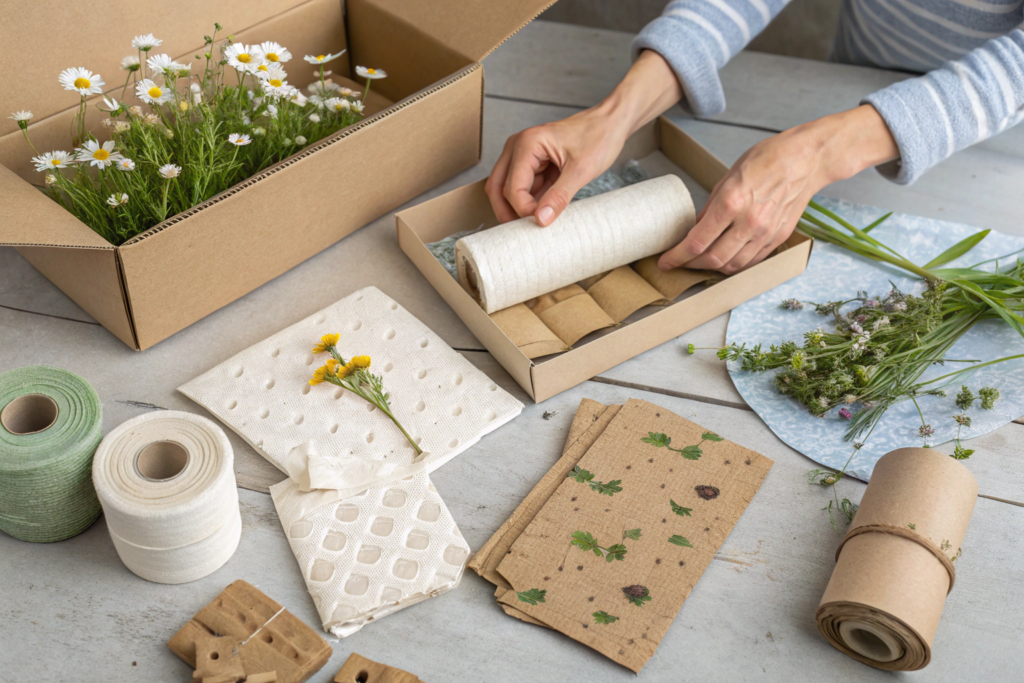
- Recycled Cardboard/Paper: The cornerstone of eco-packaging. Look for high Post-Consumer Recycled (PCR) content and ensure any coatings are water-based for easy recycling.
- Molded Pulp: Perfect for custom inserts to hold specific items like a hair clip or bracelet securely without plastic. It’s made from recycled paper and is fully biodegradable.
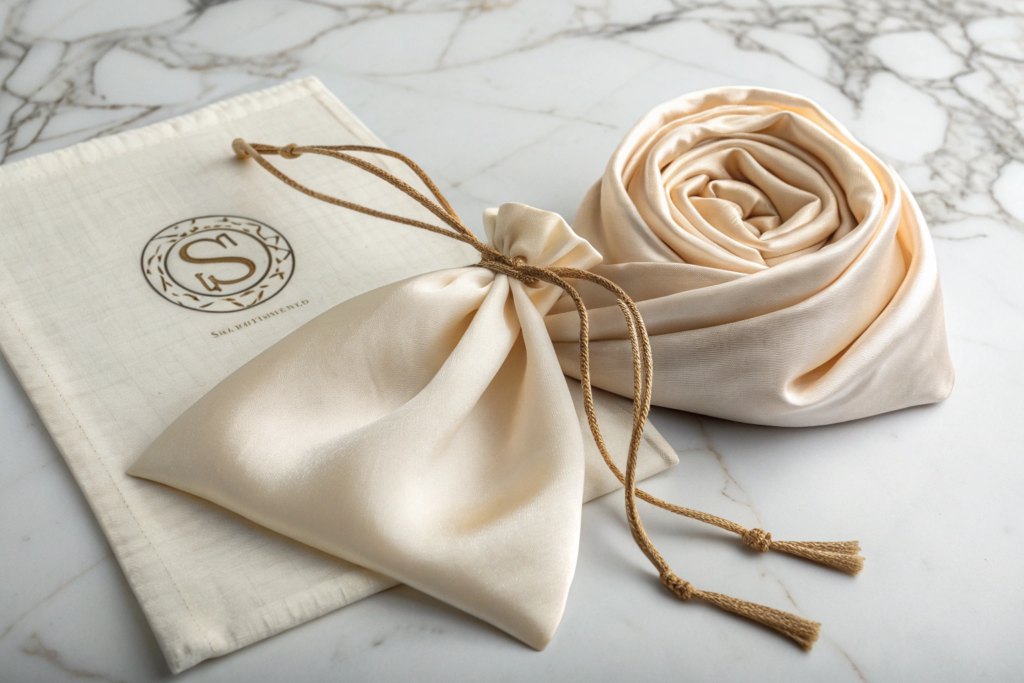
- Reusable Fabric Pouches: A scarf comes in a beautiful cotton drawstring bag that can be used for storage or as a travel pouch. This adds perceived value and eliminates single-use waste.
- Plant-Based Plastics (PLA): For clear windows or blisters, PLA made from corn starch is a compostable alternative to petroleum-based plastic, though it requires industrial composting facilities.
It’s crucial to partner with a manufacturer who has vetted suppliers for these materials to ensure consistency and legitimate certifications, such as those from the Forest Stewardship Council (FSC).
How Does "Right-Sizing" Reduce Waste and Cost?
Right-sizing is one of the most immediate and effective sustainable actions. It means designing the smallest possible package that still protects the product and delivers a great unboxing experience. Benefits are direct:
- Reduces Material Use: Less filler, less paper, less ink.
- Lowers Shipping Costs: Smaller, lighter packages mean more units per shipping container and lower dimensional weight charges for e-commerce.
- Enhances Customer Perception: Oversized packaging is immediately seen as wasteful. A perfectly fitted box feels considered and premium.
Our design team uses product dimensions to create custom, efficient packaging structures. This eliminates the need for excessive plastic air pillows or paper stuffing, creating a cleaner presentation and a smaller carbon footprint—a win for your budget and the planet.
How Can Packaging Drive Post-Purchase Engagement and Loyalty?
The transaction shouldn’t end at delivery. Smart packaging turns the unboxing moment into the beginning of a longer relationship. By designing packaging with a "second life" or a direct digital call-to-action, you can keep your brand top-of-mind, encourage repeat purchases, and gather valuable data. This transforms packaging from a disposable wrapper into a persistent marketing tool.
Packaging drives post-purchase engagement by being inherently reusable, containing embedded incentives for future purchases, and facilitating easy product registration or community connection. Think of a sturdy, beautifully printed hat box that becomes part of the customer’s home décor for storage. Or a unique discount code under the lid for their next accessory purchase. These strategies increase customer lifetime value directly linked to the physical package they received.
What Are Effective "Packaging-As-Service" Ideas?
Packaging-as-a-Service means the package itself delivers ongoing utility. Examples perfect for accessories include:
- Convertible Boxes: A rigid gift box that can be easily folded into a jewelry tray or desk organizer. Simple instructions are printed inside.
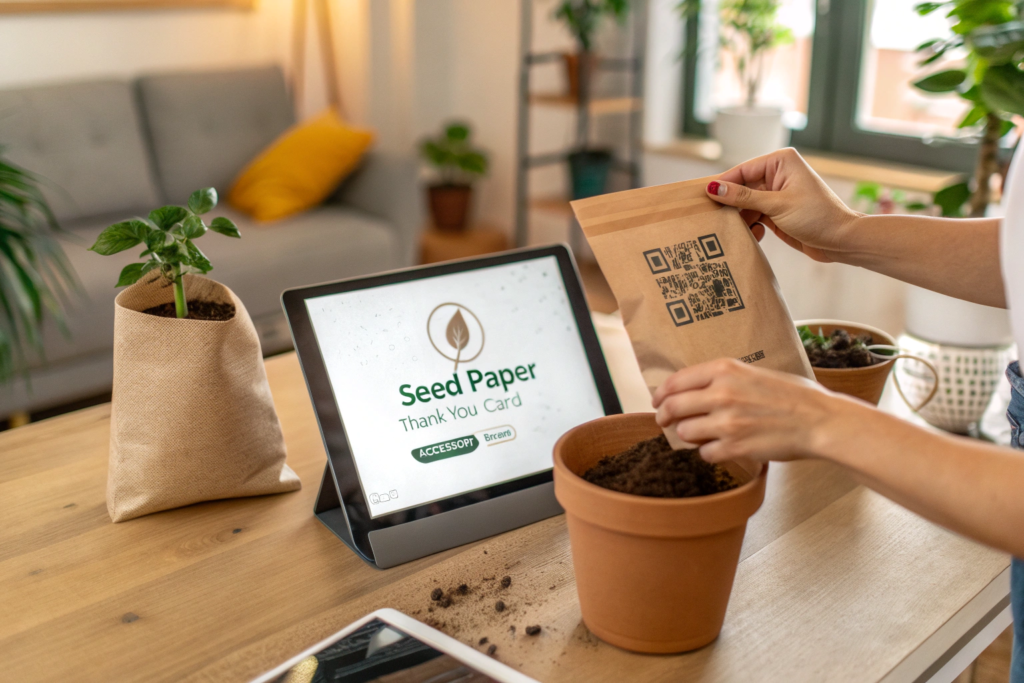
- Seed Paper Tags: Hangtags or thank-you cards made of embedded wildflower seeds that customers can plant.
- Reusable Mailers: For e-commerce brands, using durable, branded polymailers that customers are encouraged to reuse for returns or other shipping needs.
These ideas create an emotional connection. The customer doesn’t just get a product; they get an experience and a useful item that continues to remind them of your brand. Implementing this requires collaborative design between your vision and our structural engineering team to ensure the converted item is both attractive and functional.
How Do Scannable Codes Link to Loyalty Programs?
This is where smart packaging becomes directly measurable. A unique QR code on or inside each package can be the golden ticket to your loyalty ecosystem. When scanned, it can:
- Auto-enroll the customer in your program or credit them with their first points.
- Prompt a product registration, extending warranty or care support.
- Direct to a referral program, offering incentives for sharing with friends.
- Request a review on a specific platform.
This data is invaluable. It tells you which products drive the most engagement, who your most loyal customers are, and how effective your packaging is at starting a conversation. It’s a direct feedback loop from the physical product to your digital CRM, allowing for highly targeted follow-up marketing.
What Does the Future Hold for Minimalist and "Brandless" Packaging?
A counter-trend to high-tech, interactive packaging is the move towards extreme minimalism. Driven by a desire for purity, reduced waste, and a focus on the product itself, some leading brands are stripping packaging down to its absolute essentials—or even exploring "brandless" options where the product is the star. This approach speaks to a sophisticated consumer who values substance over flash.
The future includes a strong trend towards minimalist, zero-waste packaging that uses naked, monochromatic, or fully recycled materials with minimal printing, and the exploratory concept of "brandless" packaging that uses reversible or standard reusable containers to radically reduce per-unit waste. Think of a luxury leather belt presented on a simple recycled paper band, held with a wooden pin. Or a subscription service for hair accessories that arrives in a standardized, returnable tin that is collected, refilled, and re-sent. This philosophy prioritizes the tactile quality of the accessory itself and makes a powerful, quiet statement about sustainability.
Is "No-Brand" Packaging a Viable Luxury Strategy?
For certain niches, absolutely. "No-brand" or "anti-brand" packaging rejects loud logos in favor of exceptional material quality and subtle detailing. The branding is implied through:
- Superior Materials: Thick, uncoated cardstock; soft, unbleached cotton; custom embossing without ink.
- Precision Craftsmanship: Perfect folds, flawless seams, discreet embossed logos.
- The Unboxing Ritual: A slow, considered reveal that focuses entirely on the product.
This approach appeals to consumers who are saturated with marketing and seek authenticity. It positions the product as an artisanal object rather than a commodity. For a manufacturer, this demands even higher precision, as every flaw in a minimalist design is glaringly obvious.
How Does Standardized Reusable Packaging Work?
This is a systemic shift towards a circular economy model. A brand invests in a durable, generic container (e.g., a sturdy aluminum case or a glass jar). The customer receives their accessory in this container. Upon their next order, they return the empty container (often with a prepaid label) for a discount, and the brand cleans and refills it. This eliminates single-use packaging entirely.
- Challenges: Upfront cost, reverse logistics, hygiene/cleaning processes.
- Benefits: Deep customer loyalty, powerful sustainability story, reduced long-term packaging costs.
While complex, this model is being pioneered in beauty and food and could extend to high-end, staple accessory items. It represents the ultimate commitment to sustainable packaging and building a community of conscious consumers.
Conclusion
The future of fashion accessory packaging is intelligent, sustainable, and deeply integrated with the customer journey. The trends are clear: packaging must now do more with less—less waste, more connection; less generic marketing, more personalized value. Whether through scannable technology that unlocks digital worlds, plant-based materials that return to the earth, or minimalist design that highlights craft, the goal is to create a memorable, multi-sensory experience that builds lasting brand equity.
Choosing to innovate in your packaging is a direct investment in customer perception and loyalty. As your manufacturing partner, we are equipped to guide you through these options—from sourcing certified sustainable materials to integrating NFC tags and designing structurally sound, right-sized boxes. Let’s work together to ensure your accessories make a stunning first impression and a lasting positive impact.
Ready to explore how smart packaging can elevate your accessory brand? Contact our Business Director, Elaine, at elaine@fumaoclothing.com to discuss integrating these innovative packaging solutions with your next production order. Let Shanghai Fumao Clothing help you wrap up your success.