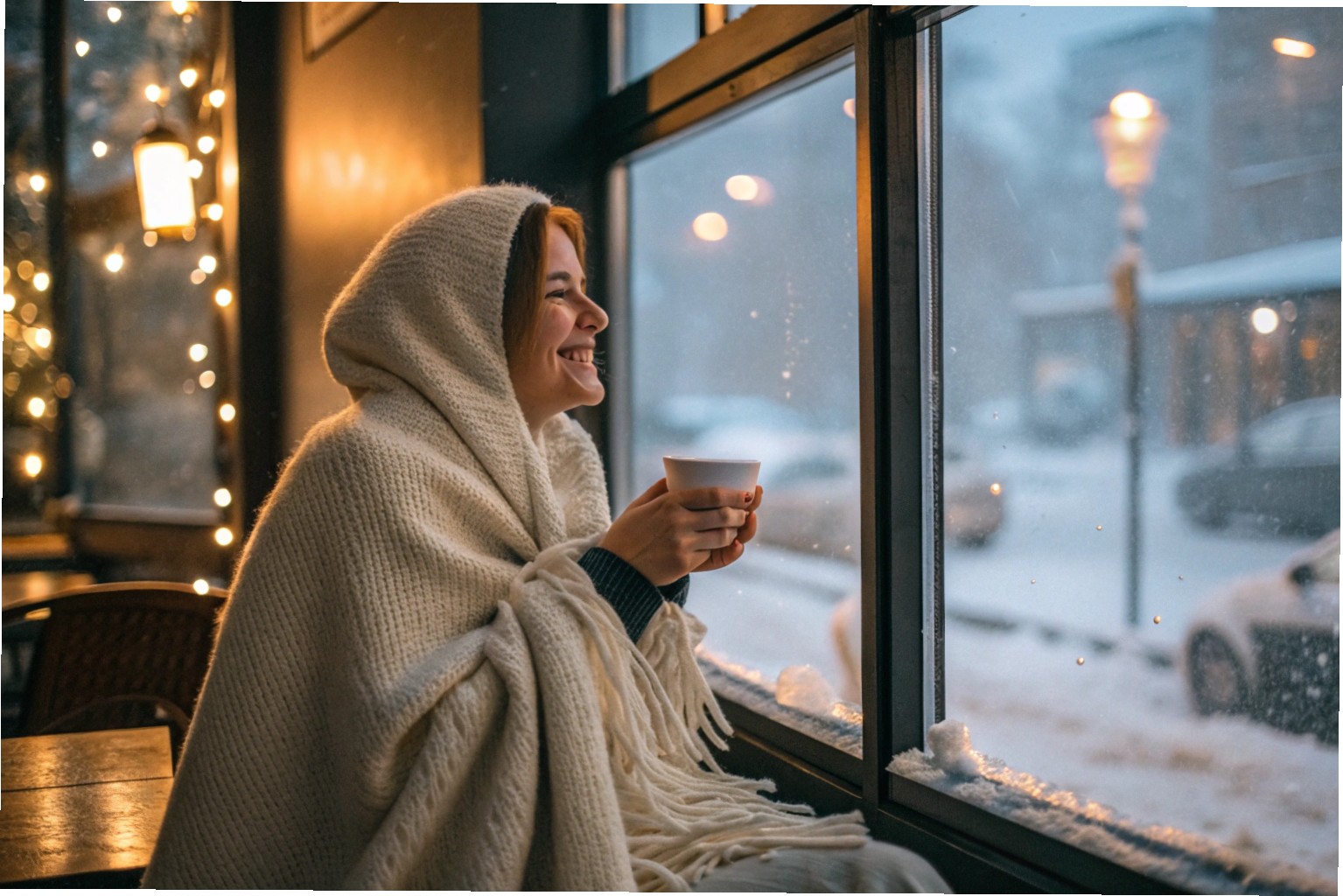
You’re looking for the perfect winter shawl—something that provides serious warmth without the heavy, bulky feel of a traditional blanket scarf. You want freedom of movement and elegance, not the sensation of being weighed down. The common dilemma is that many warm materials are thick and heavy, while lightweight fabrics often lack sufficient insulation. This compromise can leave you either cold or uncomfortable.
The solution lies in modern textile technology and natural fibers engineered for high warmth-to-weight ratios. The ideal winter shawl material combines exceptional insulating properties with minimal physical weight, creating a cozy layer that feels like a second skin rather than a burden. This balance is achieved through specific fiber structures that trap air—nature’s best insulator—without requiring dense, heavy fabric.
Let’s explore the specific materials that master this balance, examining how natural fibers, high-tech synthetics, and innovative blends can deliver superior warmth without the weight, perfect for both fashion and function in cold weather.
What Natural Fibers Offer the Best Warmth Without Weight?
When seeking warmth and lightness, nature provides some of the most effective solutions. Certain animal fibers are renowned for their hollow core structure, which creates microscopic pockets of air within the fiber itself. This structure provides outstanding insulation relative to the fiber’s thinness and weight. For a shawl, this translates to a piece that is surprisingly warm for its delicate feel and elegant drape.
The key is to look beyond generic "wool" and identify the specific types of wool and hair that excel in this category. These premium fibers are often more costly but deliver unparalleled performance and a luxurious hand feel that justifies the investment for a high-end shawl product. They are the cornerstone of a quality winter accessory line.
Why is Cashmere Considered the Gold Standard?
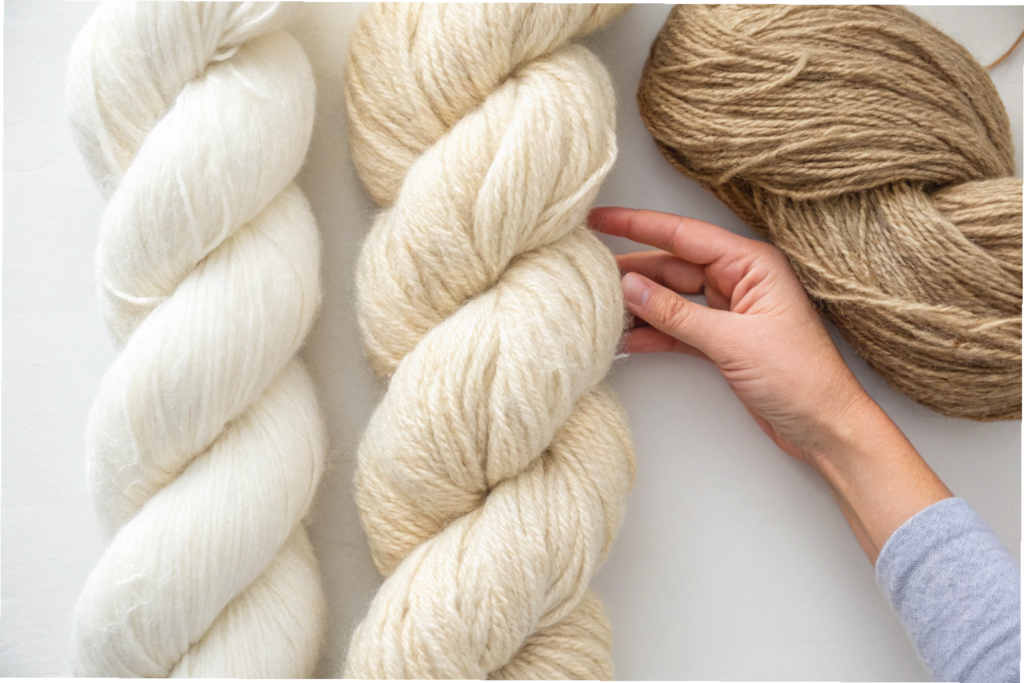
Cashmere, sourced from the undercoat of cashmere goats, is legendary for its combination of lightness, softness, and insulating power. The fibers are extremely fine (often less than 19 microns) and, crucially, hollow. This allows a cashmere shawl to be woven or knitted into a fabric that is incredibly light, soft to the touch, and several times warmer than sheep’s wool by weight. Its excellent drape makes it ideal for elegant, flowing shawl styles. However, its delicacy requires careful manufacturing and blending to enhance durability for everyday wear. At Shanghai Fumao Clothing, we often recommend or source cashmere blends (e.g., cashmere/silk) for shawls that maintain luxury while improving resilience.
How Do Merino Wool and Alpaca Compare?
Merino Wool is a top contender from the sheep wool family. Merino fibers are much finer and softer than standard wool, with a flexible, crimped structure that creates insulating air pockets in the fabric. High-quality merino shawls are lightweight, breathable, naturally moisture-wicking, and resist the itchiness associated with coarser wools. Alpaca fiber, particularly from the baby alpaca (first shear), is another superstar. It is hollow, smoother than sheep’s wool, and possesses a higher thermal capacity. Alpaca shawls are often lighter than wool equivalents yet provide superior warmth, with a distinctive, silky drape. Organizations like the International Wool Textile Organisation (IWTO) provide grading standards that help specify the fineness and quality of these premium fibers.
What Synthetic and Blended Fabrics Provide High-Tech Warmth?
While natural fibers excel, advanced synthetics and intelligent blends offer compelling advantages, especially for performance-oriented, easy-care, or more affordable shawl lines. These materials are engineered at the molecular level to mimic or enhance the insulating properties of natural fibers, often with added benefits like increased durability, water resistance, and consistency.
For brands targeting active lifestyles, travel, or value-conscious consumers, these technical fabrics are essential. They allow for the creation of shawls that are not only warm and light but also highly packable, quick-drying, and resistant to wrinkles and odors—features that pure cashmere cannot offer.
What is the Role of Microfiber Polyester in Lightweight Warmth?
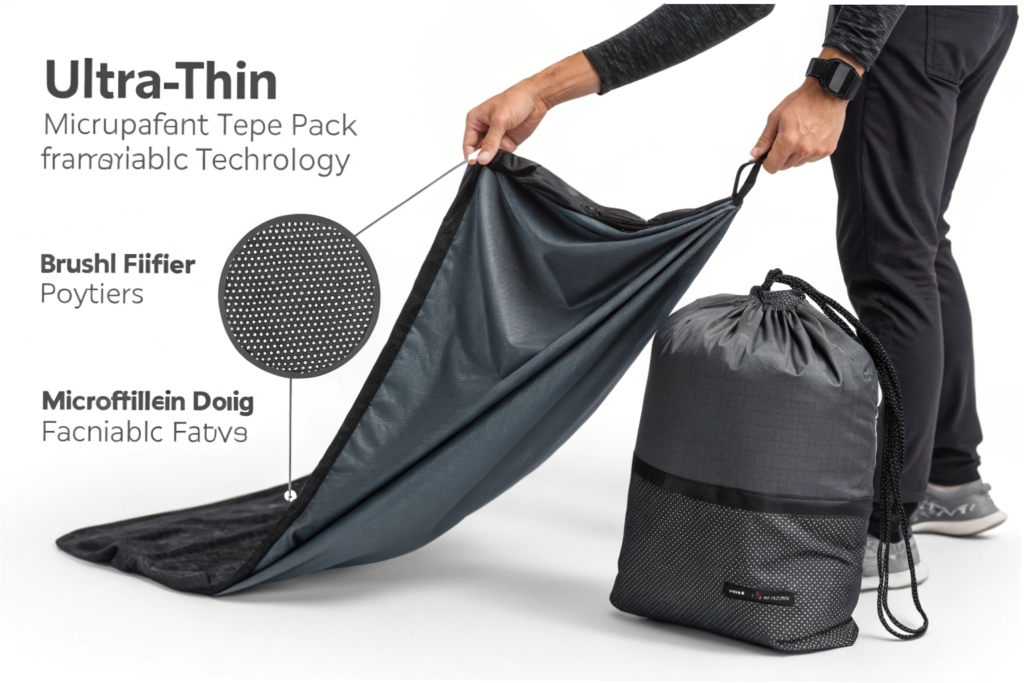
Microfiber Polyester is a synthetic champion of lightweight insulation. The fibers are split into strands far finer than a human hair, creating an incredibly dense surface area within the fabric. This dense weave traps a large volume of still air, providing excellent warmth for its minimal weight. Furthermore, microfiber fabrics are often brushed on one or both sides to raise a plush nap, enhancing both the soft feel and the air-trapping capability. Shawls made from high-quality microfiber are remarkably warm, lightweight, affordable, machine-washable, and fast-drying. They are perfect for travel shawls or packable blankets.
How Do Fabric Blends Optimize Performance?
Blending fibers combines their best properties. Common and effective blends for warm, lightweight shawls include:
- Wool/Acrylic Blends: Acrylic mimics wool’s look and feel at a lower cost, while wool adds natural warmth and breathability. This creates an accessible, warm, and easy-care product.
- Cashmere/Silk Blends: Silk adds strength, a beautiful sheen, and a fluid drape to delicate cashmere, making the shawl more durable and luxuriously lightweight.
- Merino Wool/Nylon Blends: Adding a small percentage of nylon significantly increases the fabric’s tensile strength and abrasion resistance, ideal for a shawl that will see frequent use.
The art of blending is a core part of product development with an experienced manufacturer, allowing for precise tuning of hand feel, performance, and cost.
How Does Fabric Construction Impact Warmth and Weight?
The material is only half the story. How the yarn is constructed into fabric—the knit or weave—profoundly affects the final shawl’s warmth, weight, drape, and texture. A heavy yarn can be made into an airy, open fabric that is not warm, while a fine yarn can be densely constructed to create a wind-resistant, warm layer. Understanding these techniques is key to specifying the right shawl for the intended use.
For manufacturers and designers, this is where technical expertise transforms fiber into a finished product with targeted characteristics. The construction method must be chosen in harmony with the selected material to achieve the desired warm-yet-lightweight outcome.
Why are Open-Knit or Woven Structures Effective?
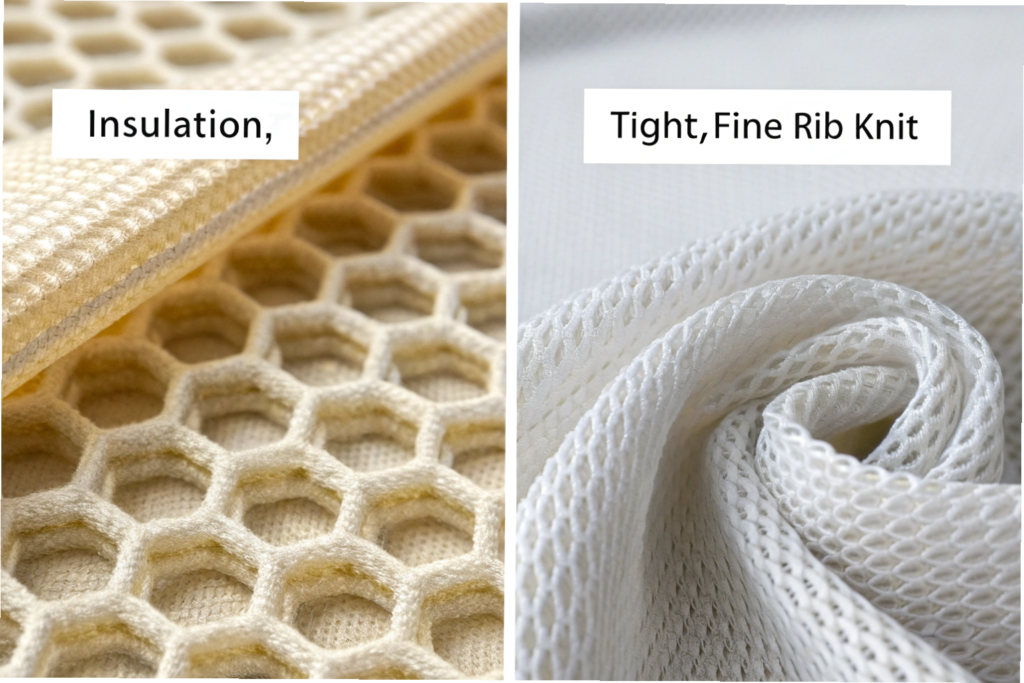
Paradoxically, some of the warmest lightweight fabrics have visible holes. Techniques like honeycomb knit, basket weave, or open crochet create a lofty, textured fabric full of tiny cellular pockets. These pockets trap and hold warm air close to the body. Because the fabric is not densely packed with yarn, it remains very light and breathable. This principle is why a loosely knit chunky shawl can be extremely warm without feeling heavy—it’s mostly insulating air held in place by a yarn framework. This construction is ideal for creating shawls with visual texture and volume.
How Does Brushing or Napping Enhance Insulation?
Brushing is a finishing process where fine wires raise the ends of the fibers from the yarn, creating a soft, fuzzy surface called a nap. This process, used on fabrics from fine wool to microfiber polyester, dramatically increases the fabric’s surface area and its ability to trap a layer of still air. A brushed shawl will feel noticeably warmer than an unbrushed one of the same base material and weight. It also improves softness. However, it may be less wind-resistant than a tightly woven, smooth fabric. The choice between a brushed finish (for maximal loft and softness) and a tight weave (for wind resistance and a sleek look) is a key design decision.
What Should You Consider for Durability and Care?
A shawl that is warm and light but pills after one wear or requires expensive dry cleaning is not practical. The ideal material balances performance with real-world durability and ease of maintenance. This is especially important for shawls intended as daily wear, travel companions, or commercial products like hotel or airline blankets.
Factors like pilling resistance, dimensional stability (resistance to stretching or shrinking), and care instructions directly impact customer satisfaction and the product’s perceived quality. A manufacturer’s expertise in selecting and testing materials for these properties is crucial.
How Can You Assess the Longevity of a Lightweight Shawl?
Durability in lightweight fabrics is often about fiber strength and construction density. Consider:
- Fiber Length: Longer staples (fibers) in wools like merino and cashmere create stronger yarns that are less prone to pilling.
- Blend Ratio: As mentioned, blending a natural fiber with 10-20% nylon or polyester can drastically improve durability without sacrificing much warmth or feel.
- Twist and Ply: A tightly twisted, multi-ply yarn will resist abrasion better than a single, loosely twisted yarn.
Requesting that your manufacturer perform standard tests like the Martindale abrasion test or pilling test (ASTM D4970) on fabric swatches provides objective data on how the material will hold up over time.
What are Realistic Care Requirements for Premium Materials?
Care instructions are a selling point. While pure cashmere often recommends hand washing or dry cleaning, many modern washable cashmere or merino wool products treated with gentle superwash technology can be machine washed on cold. Synthetic microfibers are almost always easy-care and machine washable. Clear, accurate care labeling is essential. Providing best practice advice, such as "lay flat to dry" to maintain shape, adds value. Partnering with a factory that has strong quality control over finishing and labeling processes, like Shanghai Fumao Clothing, ensures the final product meets performance claims and care expectations.
Conclusion
Choosing the most warm and lightweight material for a winter shawl involves navigating a spectrum of exquisite natural fibers, high-performance synthetics, and intelligent blends. The top-tier choices—cashmere, fine merino, alpaca, and advanced microfibers—all excel by leveraging air-trapping structures at a microscopic level. The final warmth, weight, and feel are then fine-tuned through deliberate fabric construction and finishing techniques.
By understanding this interplay between fiber, blend, and construction, brands can develop shawls that deliver exceptional comfort and performance. Whether aiming for luxury, technical innovation, or accessible elegance, the right material specification is the foundation for a product that customers will cherish for winters to come.
Ready to develop a line of exceptionally warm and lightweight winter shawls with the perfect material specification? Our team specializes in sourcing and working with premium fibers and technical fabrics to bring your vision to life. Contact our Business Director, Elaine, to begin the conversation about your next collection. Email her at: elaine@fumaoclothing.com.