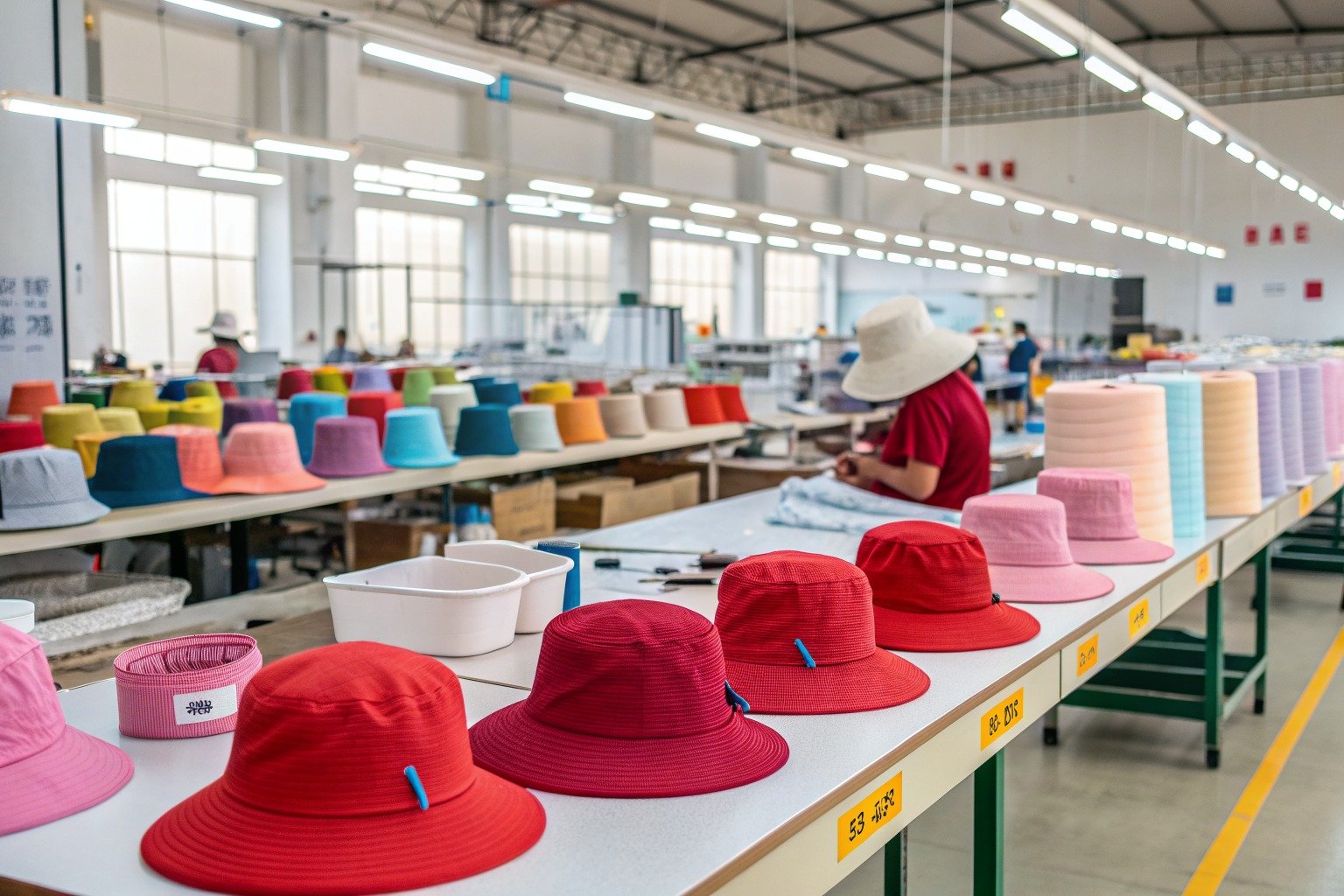
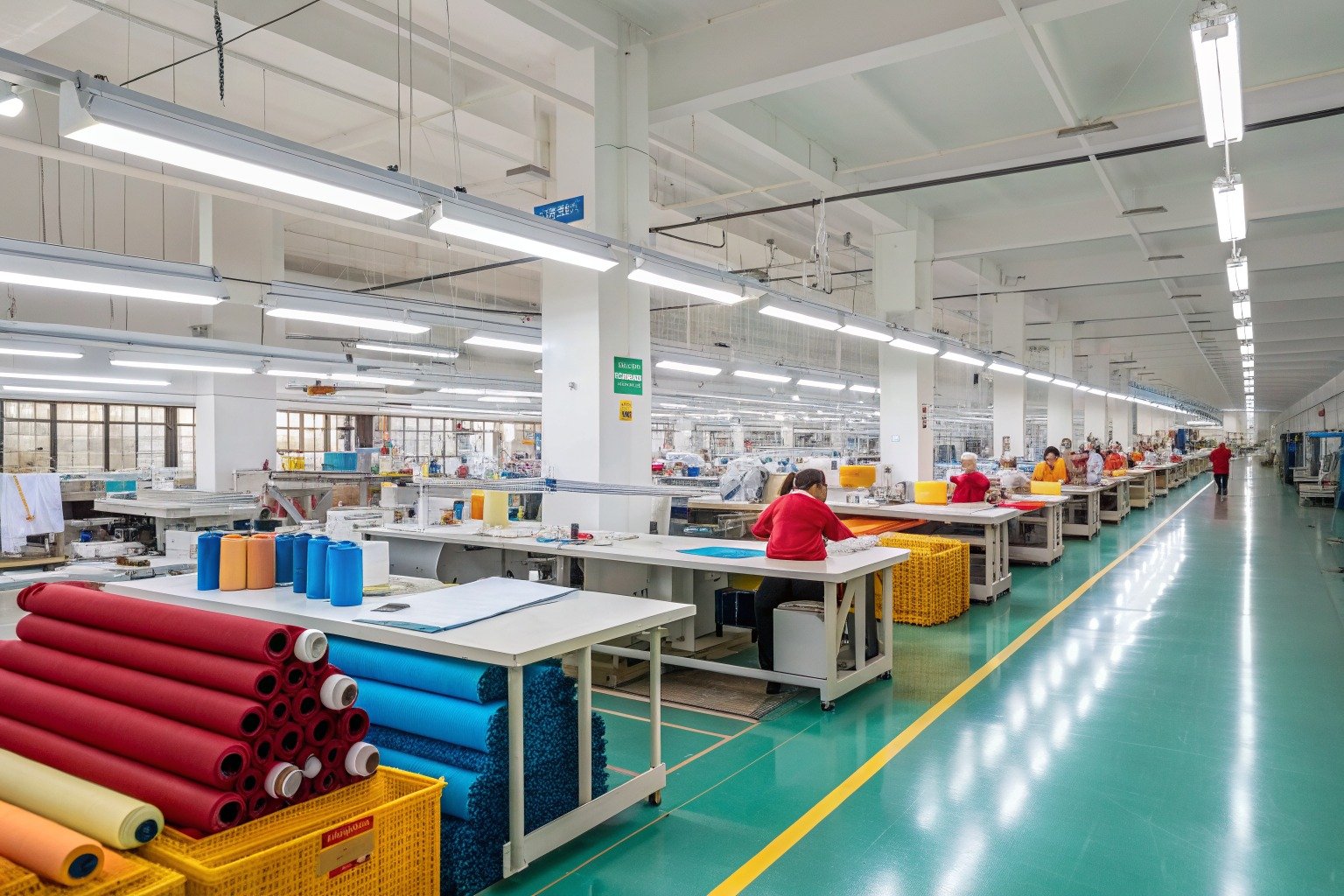
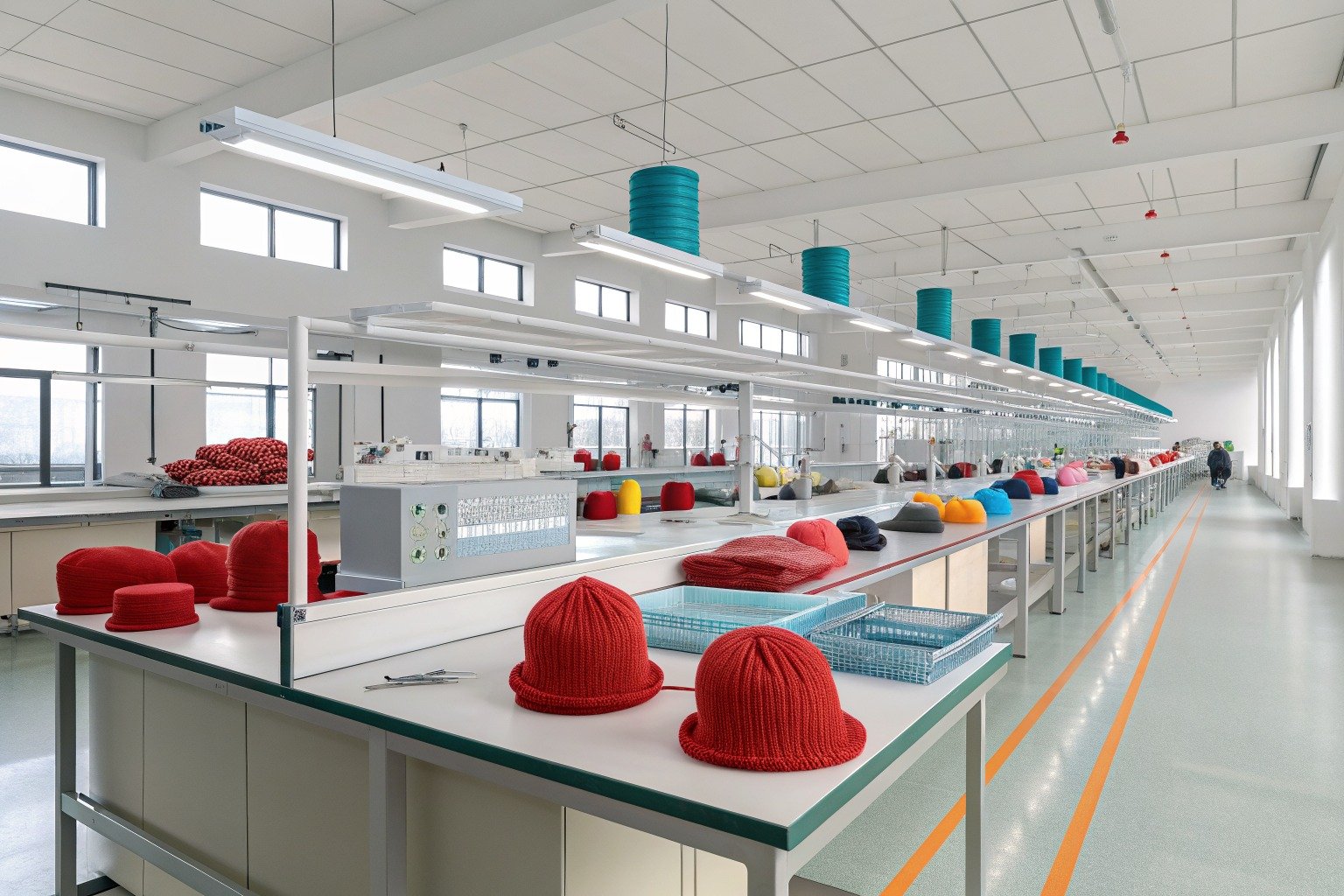
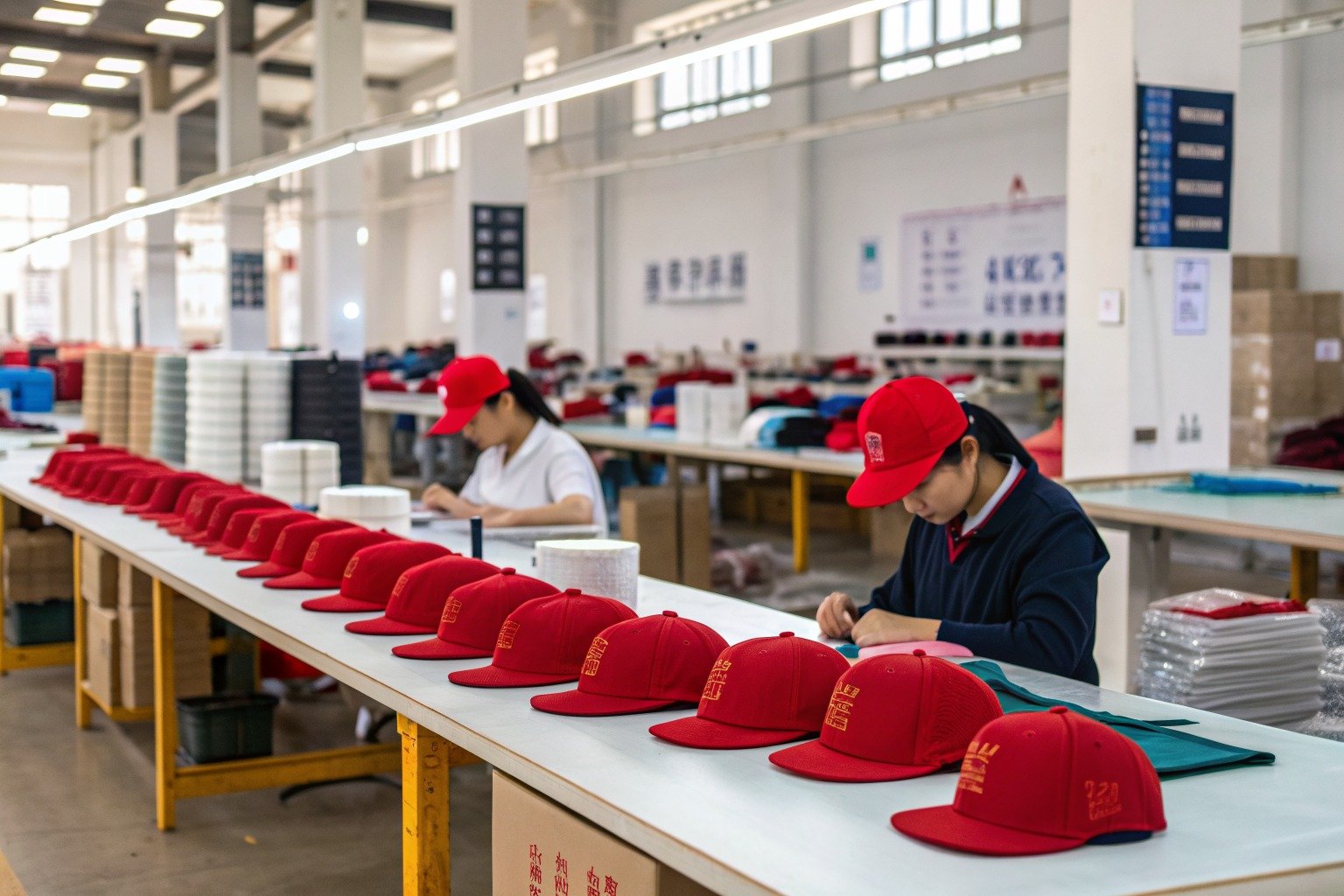
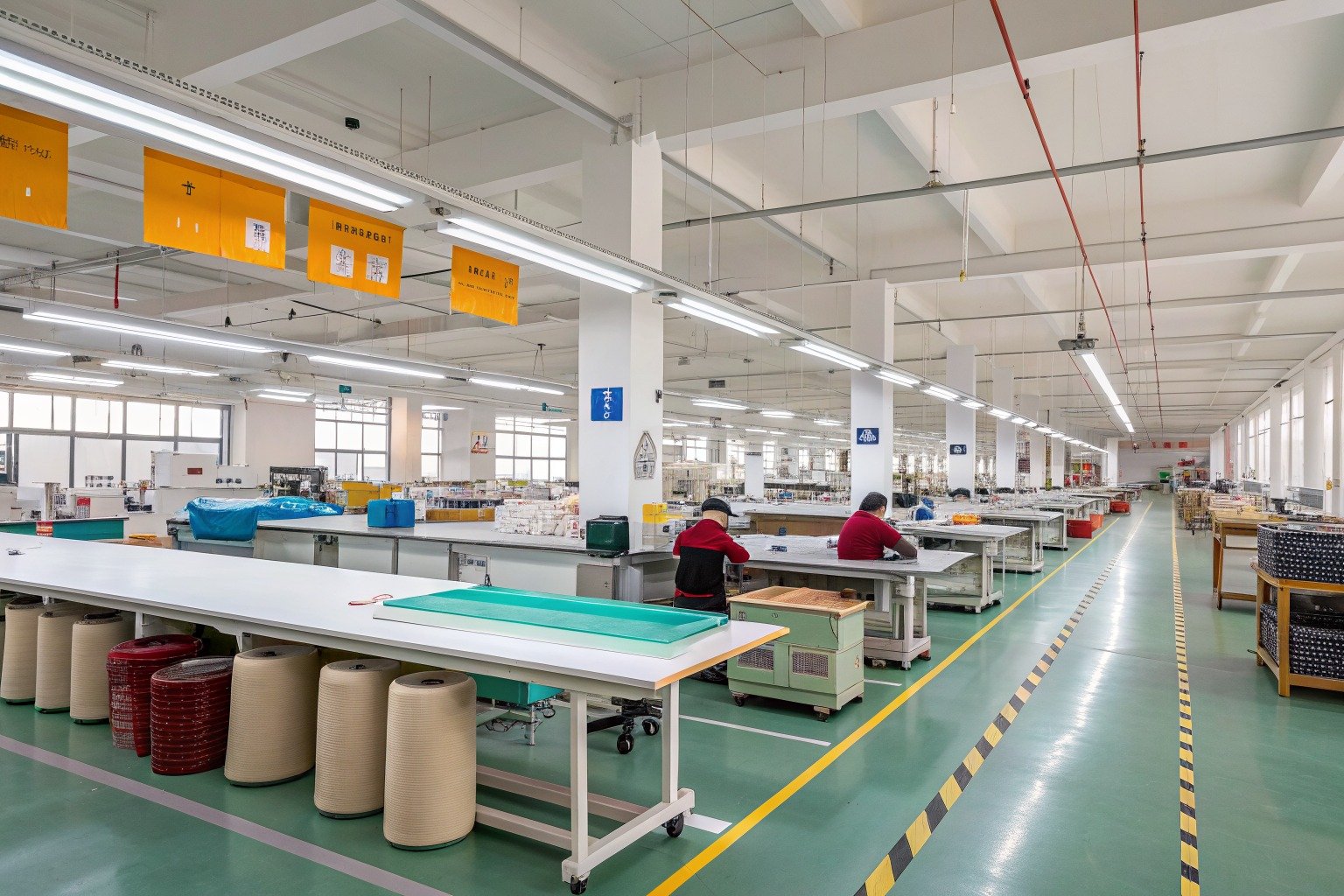
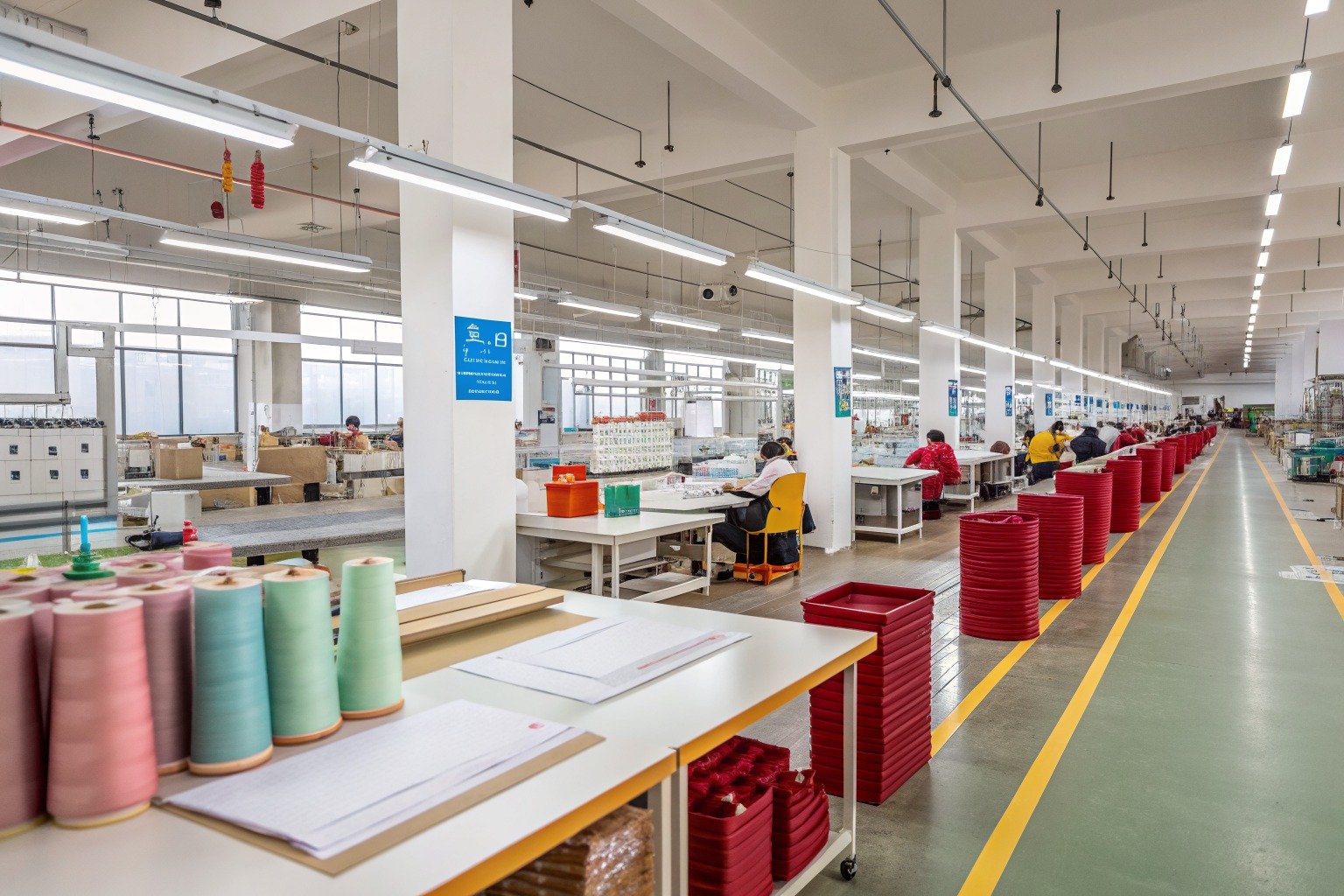
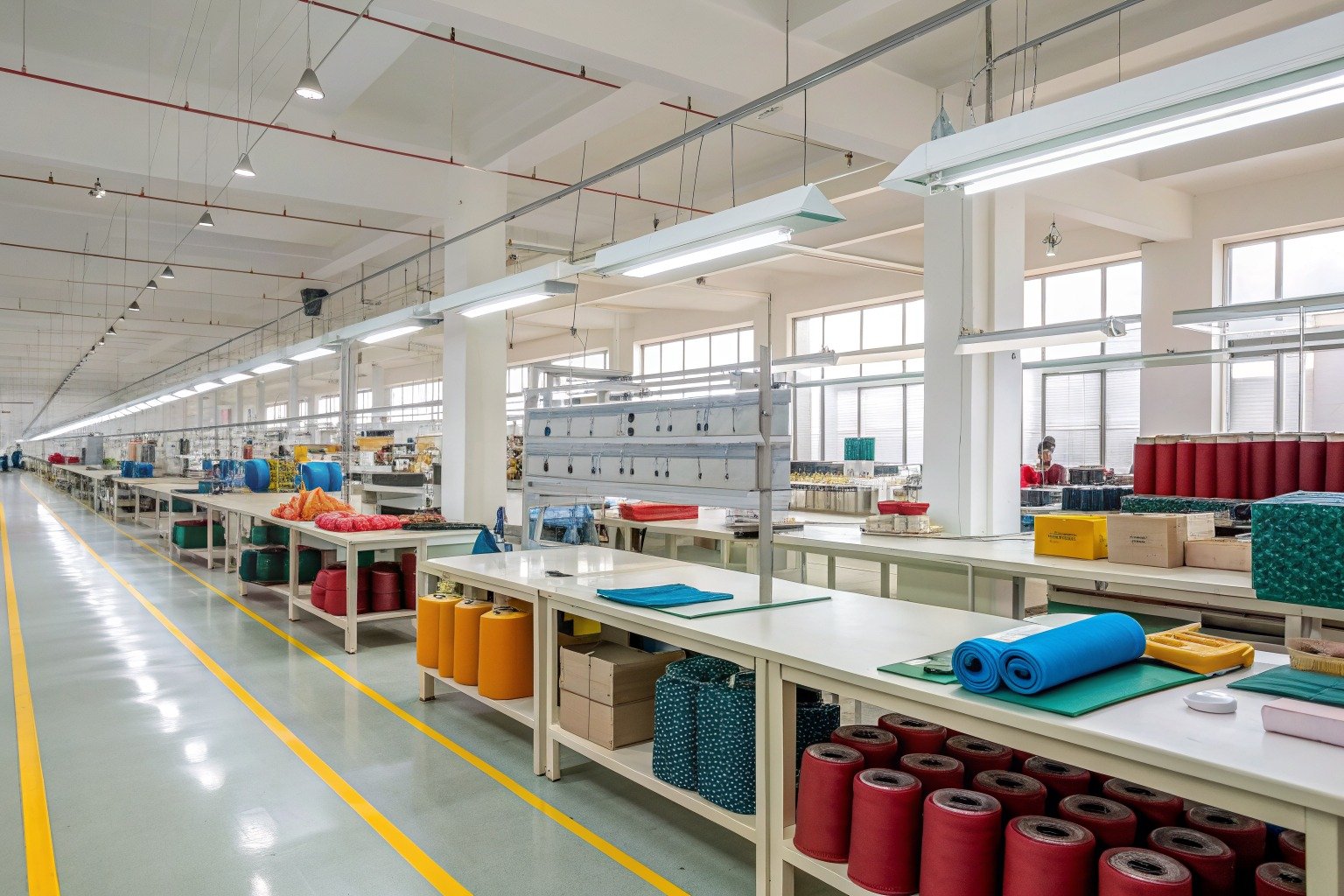
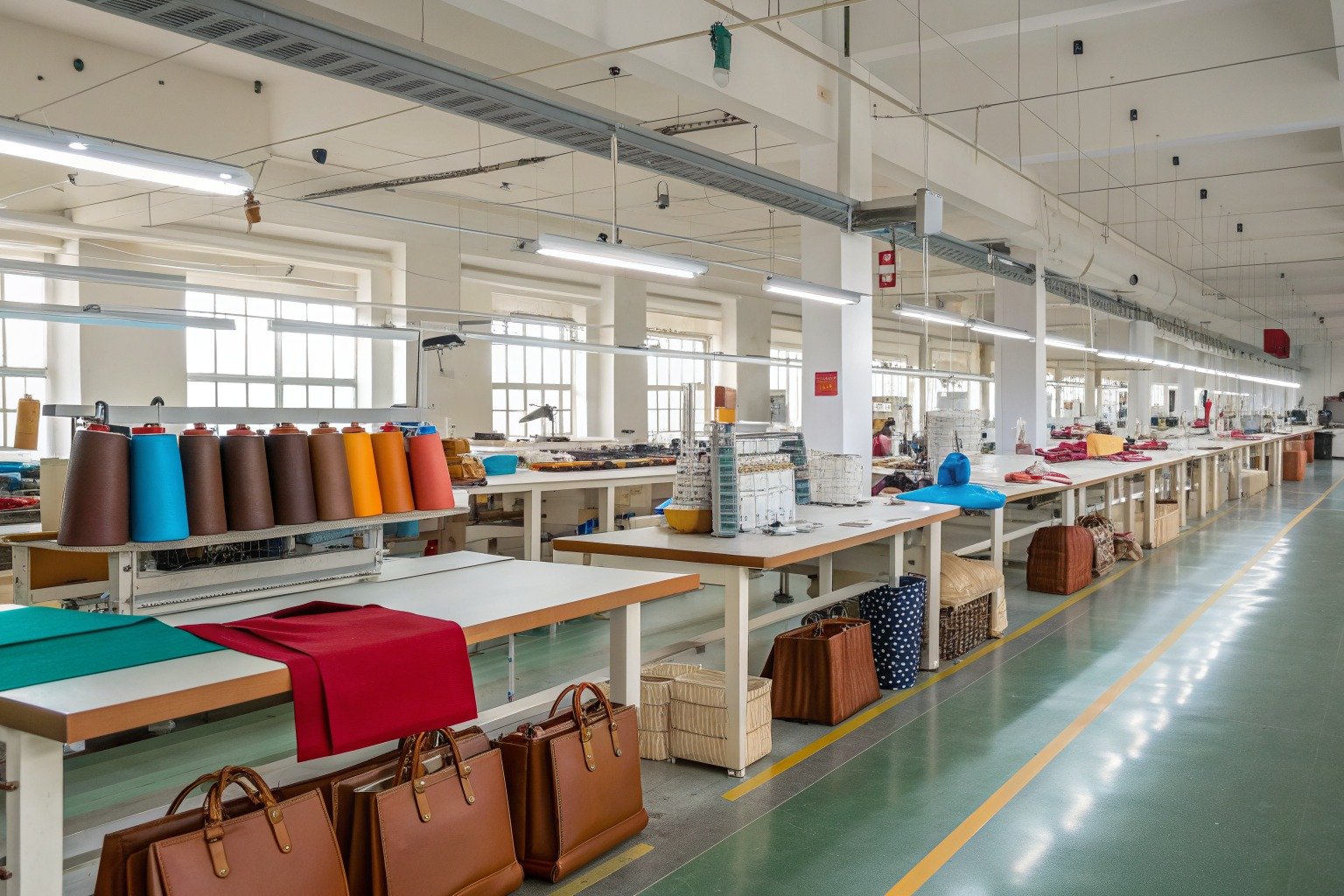
The fashion industry is witnessing a seismic shift. Walk into any major retailer, and you’ll see a growing section dedicated to eco-friendly products. As a manufacturer at the forefront of accessory production, we at AceAccessory are observing this trend firsthand. Our clients in North America and Europe are increasingly requesting sustainable options, and the sales data confirms this isn’t just a passing fad. But what is driving this profound change in consumer behavior? This article delves into the core reasons behind the market’s pivot towards sustainability.
The surge in sustainable accessory sales is driven by a powerful combination of modern consumer values, superior material benefits, and compelling economic advantages for businesses, moving beyond a fleeting trend to redefine market expectations.
This shift is complex, rooted in more than just a desire to be "green." To fully understand why sustainable accessories are outperforming their traditional counterparts, we need to explore the key factors influencing today’s market. Let’s break down the consumer psychology, material innovation, business economics, and future outlook that are shaping this new era for fashion accessories.
What Drives Consumer Demand for Eco-Friendly Accessories?
Today’s consumer is more informed and values-driven than ever before. The demand for eco-friendly accessories isn’t accidental; it’s a direct response to a growing global consciousness. People are actively seeking brands that align with their personal beliefs about environmental stewardship and social responsibility. This isn’t a niche market anymore; it’s the new mainstream, especially among key demographics in our core markets like the US and Europe.
Consumers are choosing sustainable accessories primarily because these products align with their deeply held values of environmental protection and ethical production, offering them a way to make a positive impact with their purchases.
This shift is largely driven by Millennials and Gen Z, who now represent the largest consumer base. These generations have grown up with climate change as a constant narrative. They are digitally native, using resources like the Sustainable Apparel Coalition to research brands before buying. For them, a purchase is a statement about their identity. They prefer brands that are transparent about their supply chain and manufacturing practices, viewing cheap, fast-fashion items as irresponsible.

How Has Consumer Awareness Changed Buying Habits?
The flow of information has fundamentally altered the retailer-consumer relationship. Documentaries and news reports on the environmental impact of fashion are widely accessible. This has educated consumers on the hidden costs of traditional manufacturing, such as water pollution from dyeing processes and the landfill burden from non-biodegradable materials. Consequently, buyers are not just asking what the product is, but how and where it was made. They are looking for certifications and proof of sustainable claims, which pushes brands to partner with manufacturers like us who have robust quality control systems in place to verify material sources and production standards.
What Role Does Brand Storytelling Play?
A compelling narrative is a powerful differentiator. A sustainable accessory comes with a story—of recycled materials, reduced carbon footprint, or safe working conditions. This story adds intangible value that transcends the physical product. Our clients find that marketing these stories builds stronger emotional connections with their customers, fostering loyalty that is less dependent on price. When a brand can articulate its commitment to sustainability authentically, it transforms a simple hair clip or belt into a symbol of a larger movement, making the product more desirable and justifying a potential premium.
Are Sustainable Materials More Durable and Safer?
The conversation around sustainable materials often focuses on their environmental origin, but their functional advantages are equally important. From our experience in production, we see that materials like recycled polyester, organic cotton, and biodegradable elastics are not just eco-friendly; they are often engineered to be superior. The innovation in this sector is leading to products that are safer for the end-user and more durable, providing greater long-term value.
Yes, sustainable materials are often more durable and safer because they are developed with advanced technologies that prioritize non-toxic composition and material integrity, leading to longer-lasting and healthier products for consumers.
For instance, recycled polyester used in our baseball caps exhibits the same durability as virgin polyester but requires significantly less energy and crude oil to produce. Furthermore, sustainable materials frequently bypass the harsh chemical treatments used in conventional manufacturing. Organic cotton is grown without synthetic pesticides, making it safer for the skin and the farmers, a key point for clients concerned about allergen-free and non-toxic products.

What Are the Key Benefits of Common Sustainable Fabrics?
Let’s look at a quick comparison of some popular materials we work with:
| Material | Key Durability/Safety Benefit | Common Use in Accessories |
|---|---|---|
| Recycled PET | High strength, colorfastness, and mildew resistance. | Belts, bags, and hat brims. |
| Organic Cotton | Hypoallergenic, soft, and retains strength over many washes. | Knit hats, scarves, and gloves. |
| Tencel™ Lyocell | Exceptionally smooth, breathable, and biodegradable. | Fashion scarves and shawls. |
This table shows that each material brings specific, tangible benefits that enhance the final product’s quality and user experience.
How Does Material Choice Impact Product Lifespan?
Durability is a core tenet of sustainability. A product that lasts longer reduces the need for replacement and minimizes waste. We rigorously test the tensile strength of our belts and the color retention of our scarves made from sustainable sources. The result is often a product that maintains its appearance and structural integrity over a longer period. This directly addresses a major pain point for buyers like Ron, who seeks high yield and value, reducing returns and increasing customer satisfaction for his retail partners.
Can Eco-Friendly Production Boost Your Profit Margins?
Many importers and brands initially perceive sustainable production as a cost center. However, the opposite is often true. While the initial per-unit cost might be slightly higher, the long-term financial benefits for your business can be substantial. By aligning with a manufacturer that prioritizes efficient and eco-conscious production, you can unlock new profit opportunities and build a more resilient business model.
Eco-friendly production can significantly boost profit margins by reducing long-term costs associated with waste, attracting a broader customer base willing to pay a premium, and future-proofing the business against increasing environmental regulations.
The economics are clear. Brands that lead with sustainability can command higher price points. Consumers are demonstrating a willingness to pay more for products that are ethically made. This directly improves your profit margins. Furthermore, efficient production methods, such as using recycled materials that are often cheaper to source than virgin ones in the long run, and minimizing waste through precise manufacturing, contribute to cost savings that we can pass on to our clients.

How Does Sustainability Affect Consumer Pricing Tolerance?
Studies consistently show that a significant segment of shoppers, particularly in our key markets, have a higher price tolerance for sustainable goods. They view the extra cost as an investment in their values and in a higher-quality product. This allows you to position your brand in a premium segment, distancing yourself from the race-to-the-bottom pricing of traditional fast fashion. For a buyer focused on price like Ron, this reframes the conversation from "cost per unit" to "total value and return on investment."
What Are the Hidden Cost Savings?
The financial advantages extend beyond the retail price. Sustainable practices often lead to operational efficiencies. For example, optimizing patterns to reduce fabric scrap saves on material costs. Streamlining the product development process with digital samples reduces sampling waste and speeds up time-to-market. Moreover, by ensuring our production is not affected by US tariffs on certain unsustainable materials, we provide price stability and predictability—a major advantage in today’s volatile shipping and logistics landscape.
Is the Sustainable Accessory Trend a Lasting Shift?
With any major trend, the question of longevity is critical for businesses making strategic investments. Is sustainability a lasting shift or a temporary bubble? All evidence, from market data to regulatory direction, points to this being a fundamental and permanent transformation of the fashion accessories industry. This is not a trend to be watched, but a new reality to be embraced.
The sustainable accessory movement is a definitive and lasting shift, cemented by generational change in consumer values, continuous innovation in materials, and a global regulatory push towards environmental accountability, making it the new baseline for business.
The momentum is self-reinforcing. As more brands commit to sustainability, the technology improves and becomes more cost-effective. Major retailers and supermarkets, key channels for our clients, are setting public sustainability targets for their product assortments. This creates a powerful top-down push in the supply chain. Furthermore, governments are beginning to introduce regulations around circular economy and producer responsibility, making sustainable practices a compliance issue, not just a competitive one.

How Are Major Retailers Influencing This Trend?
Large chains like Target and Walmart in the US have announced ambitious goals for increasing their offerings of sustainable products. They are using their massive purchasing power to demand that their suppliers, and by extension, their manufacturers, meet strict environmental and social standards. For an importer, partnering with a factory that is already aligned with these standards, like our own with its dedicated quality control team, is no longer optional; it is essential for accessing these lucrative sales channels.
What Does the Future of Accessory Design Look Like?
The future is circular. Design is evolving from the very beginning to consider the product’s entire lifecycle. This means designing for disassembly, using mono-materials that are easier to recycle, and creating timeless styles that defy fast-fashion cycles. Our design team is already working on concepts that incorporate these principles, ensuring that the accessories we develop today remain relevant and desirable in the market of tomorrow. This forward-thinking approach mitigates the risk of your inventory becoming obsolete.
Conclusion
The evidence is overwhelming. Sustainable accessories are outselling traditional ones because they successfully meet the demands of the modern market: they satisfy the values of the conscious consumer, they offer superior and safer quality, they provide sound economic benefits for businesses, and they represent the undeniable future of the industry. This shift is a powerful opportunity, not a challenge.
For brands, retailers, and importers, adapting to this new landscape is crucial for long-term success. The transition to sustainable sourcing requires a manufacturing partner that is not only compliant but also proactive and innovative. At AceAccessory, our modern factory in Zhejiang, China, is built on this foundation. We are ready to help you navigate this shift with our experienced project managers, robust design, and quality control teams. Let us help you develop a winning line of sustainable accessories that your customers will love.
If you are ready to partner with a professional manufacturer to create your own line of high-demand sustainable accessories, we are here to provide timely, professional, and reliable service. Please contact our Business Director Elaine at her email: elaine@fumaoclothing.com to start the conversation.