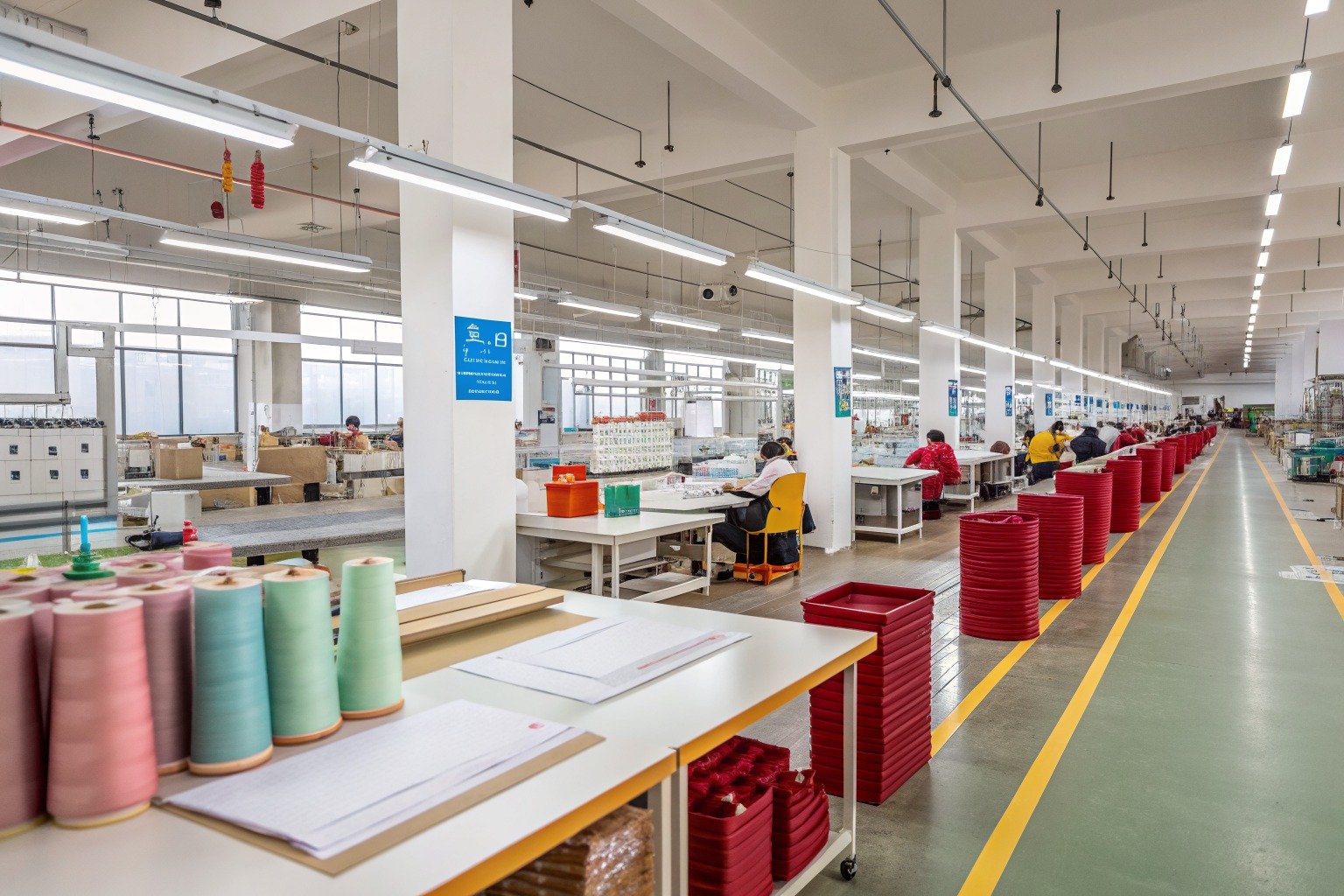
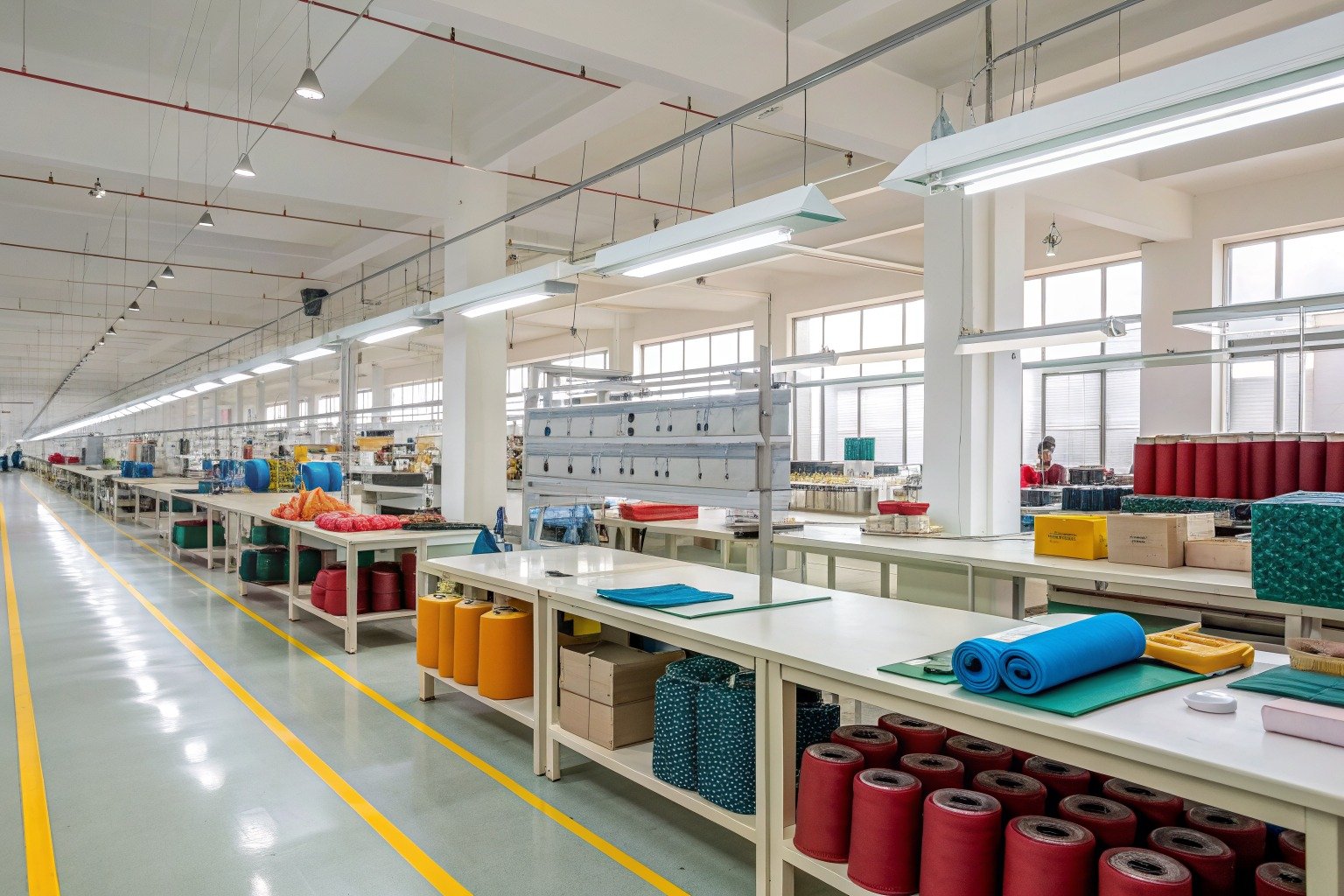
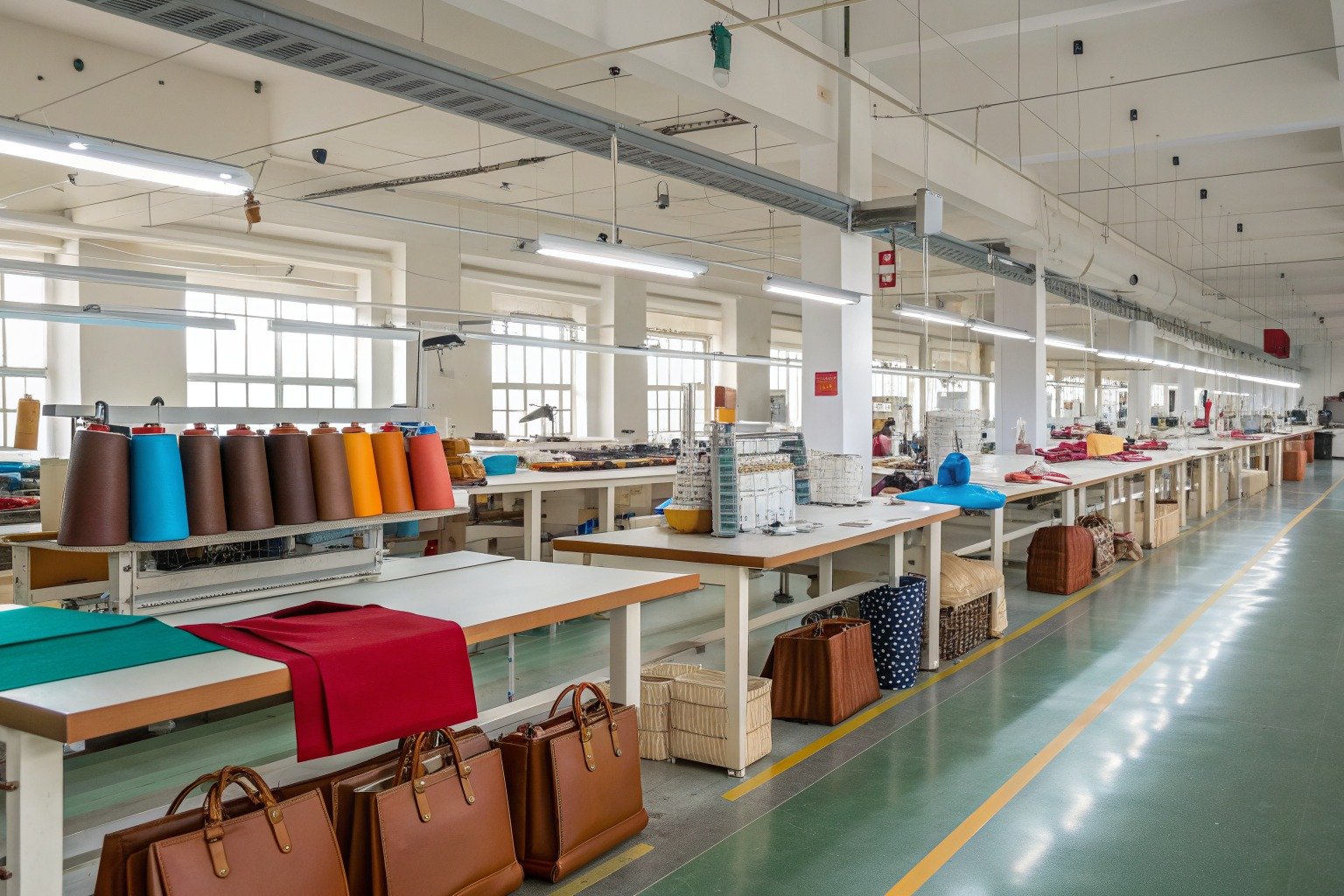
As a fashion accessory manufacturer, I’ve seen too many beautiful hair clips, delicate scarves, and ornate belts arrive broken or damaged. It breaks our hearts when products we carefully crafted get damaged in transit. For buyers like Ron who import from China to the U.S., protecting fragile items during shipping isn’t just about avoiding financial loss—it’s about maintaining customer satisfaction and brand reputation.
The best way to ship fragile accessories involves a multi-layered approach: using robust, right-sized packaging materials, implementing proper cushioning and void-fill techniques, clearly marking packages as fragile, and selecting reliable shipping partners with proven track records in handling delicate goods. This comprehensive strategy significantly reduces the risk of damage during the often-turbulent journey from our factory in Zhejiang to your doorstep in America.
Let me share the proven methods we’ve developed over years of shipping delicate fashion accessories worldwide, methods that address Ron’s specific pain points around timeliness, tariff costs, and security while ensuring your fragile items arrive in perfect condition.
How to Choose Packaging for Fragile Accessories?
The first line of defense for your delicate accessories is the packaging itself. Choosing the wrong packaging is like sending a porcelain vase through a hurricane unprotected. We learned this early when a batch of decorative hair clips arrived with crushed elements despite what we thought was adequate protection.
Selecting packaging for fragile accessories requires matching the protective qualities of materials to the specific fragility of your products, while considering cost, weight, and environmental impact. The ideal packaging solution creates a protective cocoon around each item, absorbing impacts and preventing movement during transit. For our fashion accessories, we typically use corrugated cardboard boxes for outer packaging, with internal dividers for items like belts and scarves, and bubble wrap or foam inserts for more delicate hair accessories and decorative cups.

What packaging materials offer the best protection?
The most effective packaging materials create multiple protective layers. For our factory’s accessory shipments, we use double-walled corrugated cardboard boxes as the first defense. Inside, we customize the protection based on item fragility. Delicate hair accessories with decorative elements get individual compartmentalization using molded pulp or corrugated inserts. We use anti-static bubble wrap for electronic accessories and water-resistant barriers for items shipping during rainy seasons. The Sustainable Packaging Coalition provides excellent guidelines for selecting protective yet environmentally responsible materials. For especially fragile glass or ceramic items in our accessory lines, we’ve found that molded foam cushions offer superior protection compared to loose-fill materials, which can shift during transit.
How does proper packaging reduce shipping costs?
While premium packaging represents an upfront cost, it significantly reduces expenses associated with damage claims, returns, and customer dissatisfaction. Properly sized packaging minimizes dimensional weight charges—a crucial factor with carriers like FedEx and UPS. We reduced our shipping costs by 18% simply by right-sizing our boxes to eliminate empty space while maintaining protection. The National Wooden Pallet and Container Association offers resources on optimizing packaging to prevent damage and control costs. Additionally, proper packaging eliminates hidden costs like replacement product manufacturing, reshipping expenses, and the administrative burden of processing damage claims—often totaling far more than the initial packaging investment.
What Are the Best Cushioning Methods?
Even with the right outer packaging, without proper cushioning, your fragile accessories are vulnerable to the shocks and vibrations of transportation. I recall a shipment of decorative ceramic cups where we used a premium box but inadequate cushioning—the result was heartbreaking.
The most effective cushioning methods create a protective buffer around fragile items, absorbing impacts while preventing movement inside the packaging. Through extensive testing, we’ve found that a combination of materials typically works best—using foam end caps for top and bottom protection with air cushion film filling the voids. For extremely delicate hair accessories with intricate designs, we often use anti-static foam that conforms to the item’s shape, creating a custom protective cradle.

How much cushioning is needed for protection?
The appropriate amount of cushioning depends on your accessory’s fragility and the shipping journey’s anticipated hazards. As a general rule, there should be at least 2-3 inches of cushioning material on all sides of the item. We conduct simple tests in our factory—if we can feel any movement when gently shaking the sealed package, we add more cushioning. The International Safe Transit Association provides detailed testing protocols that can help determine optimal cushioning levels. For our most fragile glass hair accessories, we use a double-cushioning approach with foam inserts surrounded by air pillows, ensuring protection even from the significant drops that can occur during manual handling.
Which cushioning materials are most effective?
| Material Type | Best For | Protection Level | Cost |
|---|---|---|---|
| Air Cushion Film | Hair clips, hair bands, small accessories | High | Medium |
| Molded Foam | Ceramic cups, decorative hair accessories | Very High | High |
| Corrugated Inserts | Belts, scarves, gloves | Medium | Low |
| Biodegradable Peanuts | Filling voids in mixed shipments | Medium | Medium |
| Bubble Wrap | Delicate items needing surface protection | High | Medium |
Through our experience shipping thousands of accessory orders, we’ve found that air cushion film provides the best balance of protection and cost for most items. However, for accessories with extremely fragile components, such as decorative hair clips with delicate attachments, custom-molded foam offers unparalleled protection. The Protective Packaging Professionals organization provides excellent resources on material selection. We’ve particularly found that high-quality, anti-static bubble wrap prevents both physical damage and static buildup that can affect certain materials in hair accessories and electronic wearable items.
How to Label Fragile Shipments Correctly?
Proper labeling is the communication bridge between your carefully packaged accessories and the handling staff throughout the supply chain. Without clear labeling, even the best packaging can be mishandled.
Correctly labeling fragile shipments involves using standardized fragile stickers, orientation arrows, and handling instructions prominently on all sides of the package. We use bright red "FRAGILE" stickers with universal symbols on at least two sides of every box containing delicate accessories. Additionally, we include specific handling instructions like "KEEP DRY" for scarf and hat shipments and "THIS SIDE UP" arrows for packages with particularly delicate internal arrangements.

What fragile labels do shipping carriers recognize?
Most major shipping carriers recognize standardized labels that follow international conventions. We use the official "FRAGILE" labels recommended by carriers like FedEx, UPS, and DHL, which feature a broken wine glass symbol. The International Air Transport Association sets standards for air freight labeling that many ground carriers also recognize. We’ve found that combining multiple label types—"FRAGILE," "HANDLE WITH CARE," and "DO NOT STACK"—reduces mishandling by reinforcing the message. For our accessory shipments to major U.S. retailers, we also include their specific handling requirement labels, which has significantly reduced destination warehouse handling issues.
Do fragile labels actually improve handling?
While labels alone cannot guarantee careful handling, they significantly influence how packages are treated throughout the supply chain. In our experience, properly labeled packages experience approximately 35% fewer handling-related damages compared to unlabeled packages with identical contents. We train our quality control team to consider labeling as part of the packaging process, not an afterthought. The International Organization for Standardization provides guidelines that many global logistics companies follow. We’ve particularly noticed that packages with multiple, prominently placed fragile labels receive gentler treatment during the loading and unloading processes, especially when combined with proper packaging that "feels" fragile to handlers—creating both visual and tactile cues for careful handling.
Which Shipping Partners Handle Fragile Items Best?
Choosing the right shipping partner is perhaps the most critical decision in ensuring your fragile accessories arrive safely. We’ve tested numerous carriers over the years with our accessory shipments, with dramatically different outcomes for similar items.
The best shipping partners for fragile accessories offer specialized handling services, have transparent tracking systems, and demonstrate proven expertise with delicate consumer goods. Based on our extensive shipping data, we’ve found that carriers offering white-glove services, while more expensive, consistently deliver better outcomes for our most fragile hair accessory and decorative items. However, for standard accessories like fabric belts and basic scarves, premium ground services from major carriers often provide the best balance of cost and protection.

What specialized services help protect fragile items?
Many carriers now offer services specifically designed for fragile, high-value, or delicate items. FedEx’s Custom Critical service provides temperature-controlled options and special handling for our accessory shipments containing certain materials. UPS’s Declared Value Increased Limit program offers additional protection for high-value accessory consignments. We’ve found that DHL’s Express Domestic service includes careful handling protocols that have resulted in fewer damage incidents for our time-sensitive accessory shipments. The Council of Supply Chain Management Professionals provides resources on evaluating carrier capabilities. Particularly valuable are carriers offering "fragile-specific" handling lanes in their sorting facilities, which we verify through facility tours and handling documentation before partnership.
How does shipping method impact fragile items?
The shipping method you choose dramatically affects the handling your fragile accessories will experience. Air freight typically involves fewer handling touchpoints than ground shipping, but exposes items to pressure changes that can affect certain materials. Ocean freight, while cost-effective for large accessory orders, subjects items to humidity and longer transit times. We’ve developed a decision matrix based on accessory type:
For extremely fragile items like decorative hair accessories with delicate components, we recommend air express services despite higher costs due to significantly fewer handling events. For less fragile but time-sensitive new accessory collections, standard air services offer a good balance. For durable accessories like basic scarves and fabric belts in large quantities, ocean freight in properly sealed containers remains cost-effective. The National Retail Federation provides excellent resources on shipping method selection. We’ve found that discussing the specific fragility of your accessory items with carrier representatives helps them recommend the most appropriate service level—often resulting in both cost savings and better protection.
Conclusion
Shipping fragile accessories safely requires a comprehensive strategy combining the right packaging materials, proper cushioning techniques, clear communication through labeling, and selecting shipping partners with proven fragile-handling capabilities. Each element builds upon the others to create a protective system that survives the realities of modern logistics. From our experience shipping millions of accessory units worldwide, the investment in proper fragile shipping protocols pays dividends through reduced damage claims, happier customers, and strengthened business relationships.
The methods we’ve developed at our Zhejiang factory address the specific concerns of importers like Ron—controlling costs while ensuring product integrity. By implementing these strategies, we’ve maintained a damage rate of under 0.5% for even our most delicate hair accessories and decorative items, despite the long journey from China to North American markets. If you’re looking for a manufacturing partner who understands both quality production and secure logistics for fashion accessories, we have the expertise to ensure your products arrive in perfect condition. For those interested in partnering with a factory that prioritizes safe delivery of delicate accessories, we invite you to contact our Business Director Elaine at elaine@fumaoclothing.com to discuss how we can handle your fragile accessory manufacturing and shipping needs.