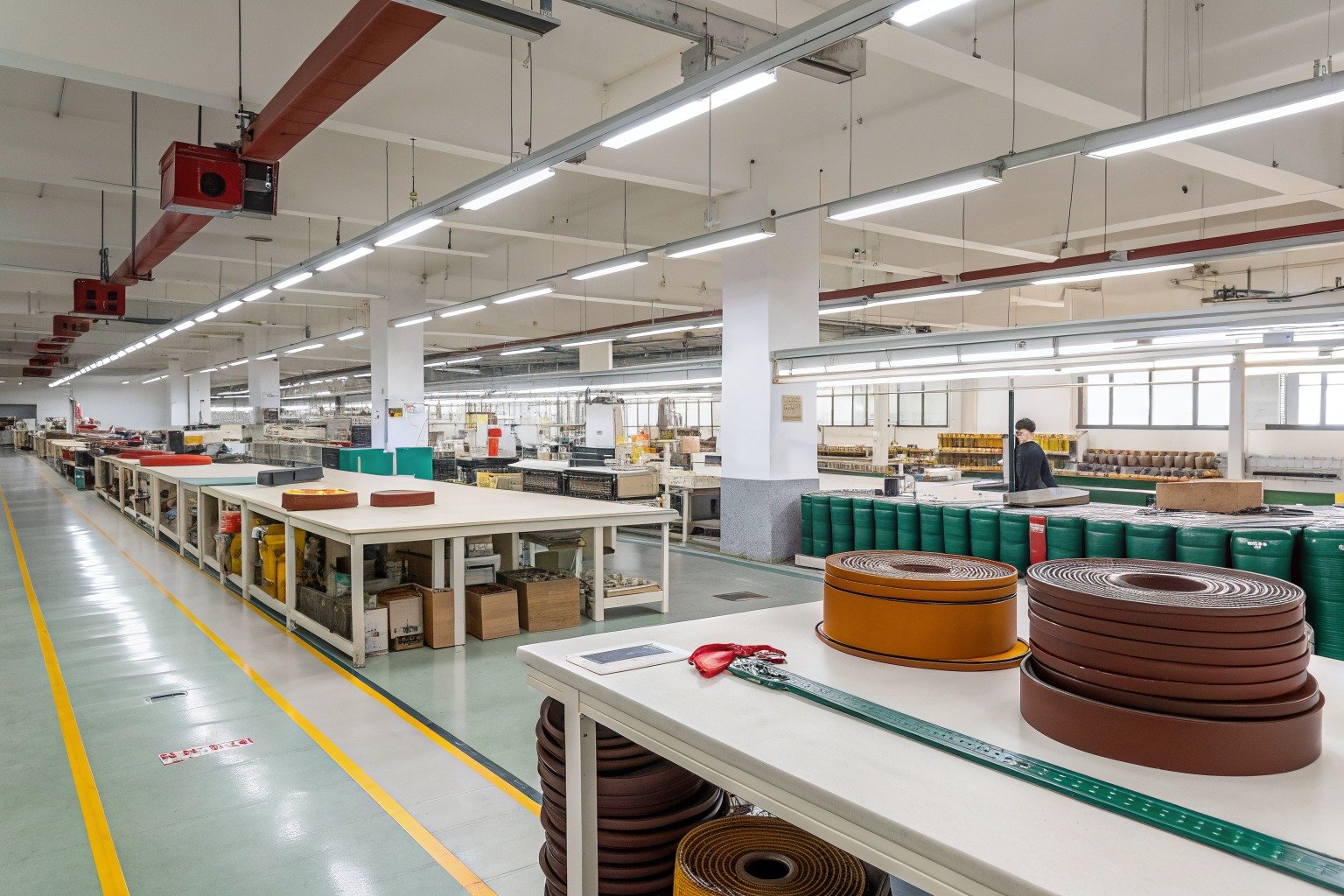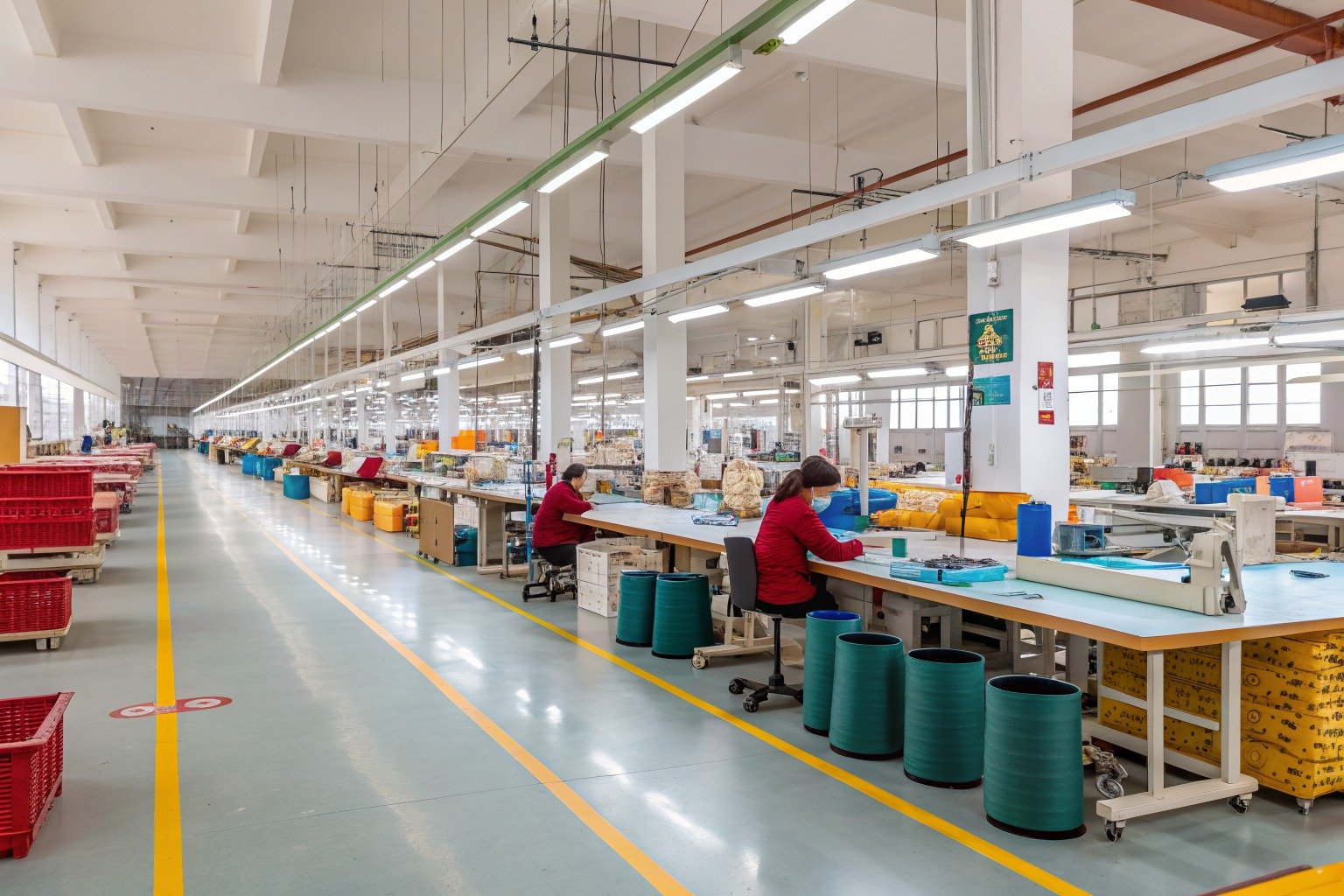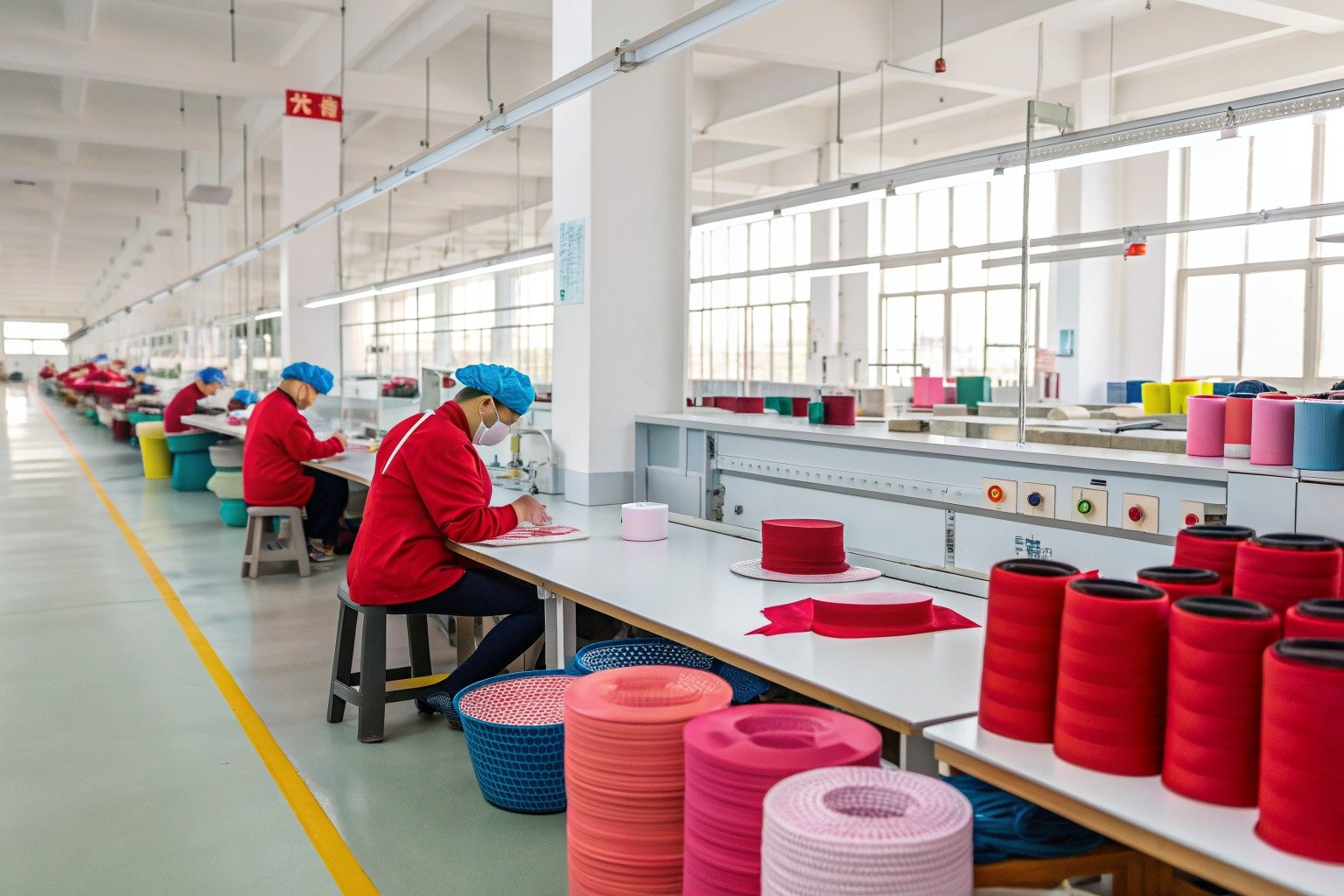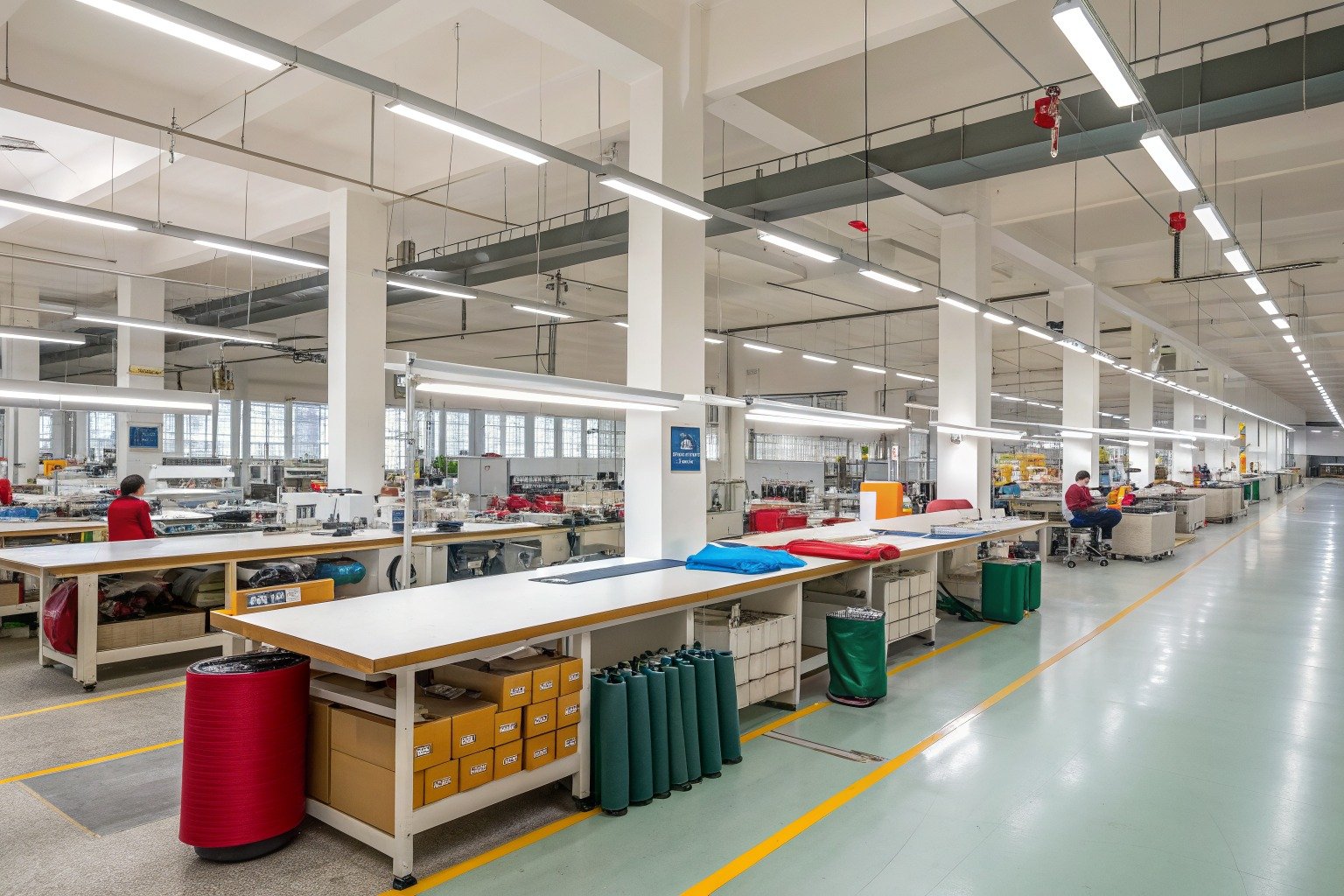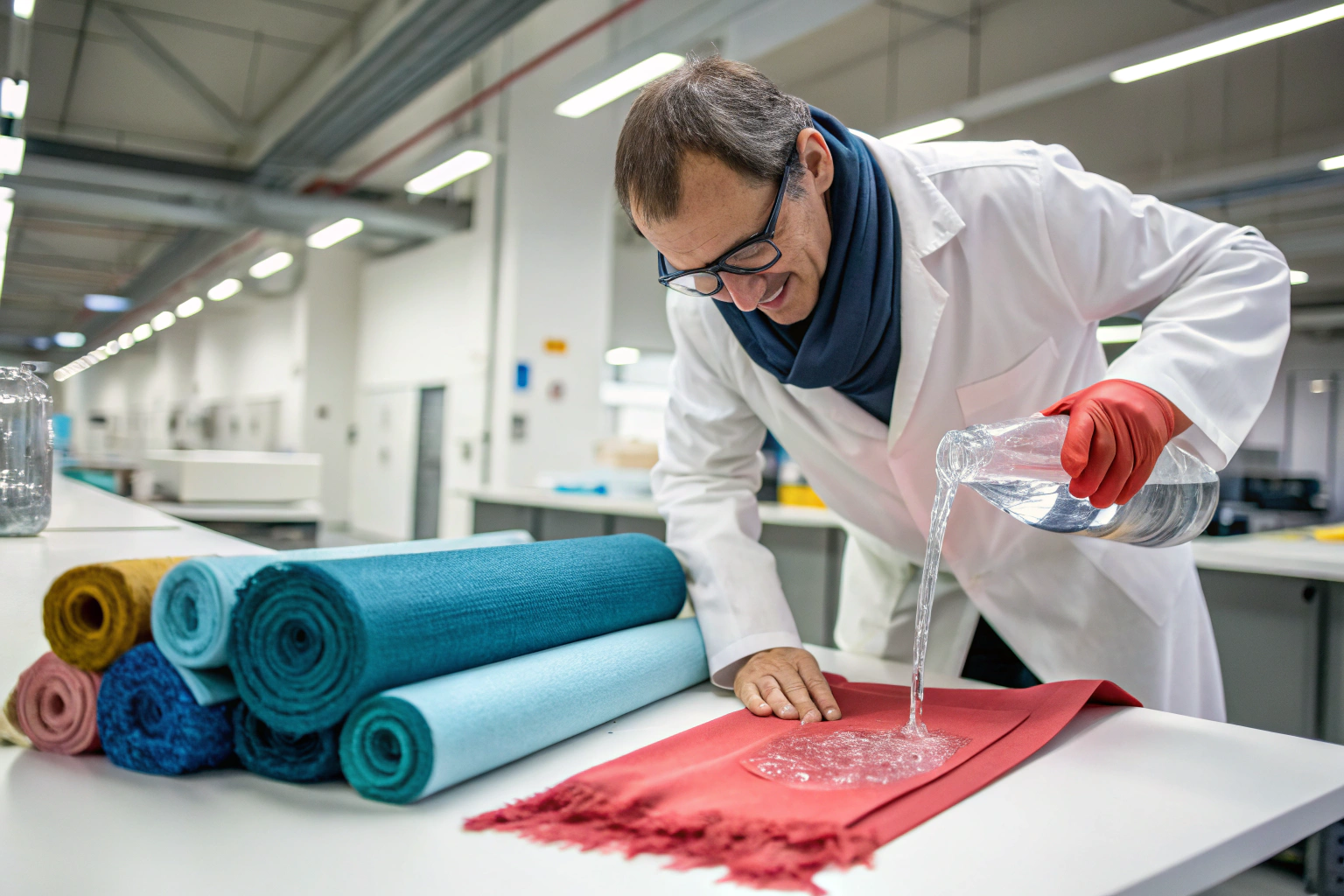
I have been manufacturing scarves for over 15 years. For most of that time, scarves were made of natural fibers. Cotton. Wool. Silk. They are beautiful. But they are not water-resistant. They are not quick-dry. I remember a client who came to me with a problem. She was a buyer for an outdoor brand. She said, "My customers hike in the rain. They sweat. They need scarves that dry fast. They need scarves that do not get heavy when wet." I had to learn about new materials. I visited textile mills. I tested fabrics. I found that synthetic fibers are the answer. But not all synthetics are the same. Today, I want to share what I have learned about the best materials for water-resistant and quick-dry scarves.
The best materials for water-resistant and quick-dry scarves are recycled polyester, nylon, merino wool blends, and treated natural fibers. Recycled polyester is hydrophobic. It does not absorb water. It dries very quickly. It is lightweight and durable. Nylon is also hydrophobic. It is strong and abrasion-resistant. It dries quickly. Merino wool blends combine the natural temperature regulation of wool with the quick-dry properties of synthetics. Treated natural fibers, such as DWR-coated cotton, offer water resistance while retaining a natural feel. Each material has different properties. The choice depends on the intended use, the desired feel, and the price point.
You might be thinking, "I want a scarf that looks natural but performs technically." That is possible. The technology has advanced. There are now fabrics that combine the feel of natural fibers with the performance of synthetics. At Shanghai Fumao, we have developed expertise in performance scarves. We work with outdoor brands, travel brands, and activewear brands. Let me walk you through the best materials.
Why Is Recycled Polyester the Top Choice for Performance Scarves?
Polyester is the workhorse of performance fabrics. It is hydrophobic. It does not absorb water. It dries quickly. It is durable. Recycled polyester adds sustainability. I have seen the demand for recycled materials grow. Consumers want performance. They also want sustainability.
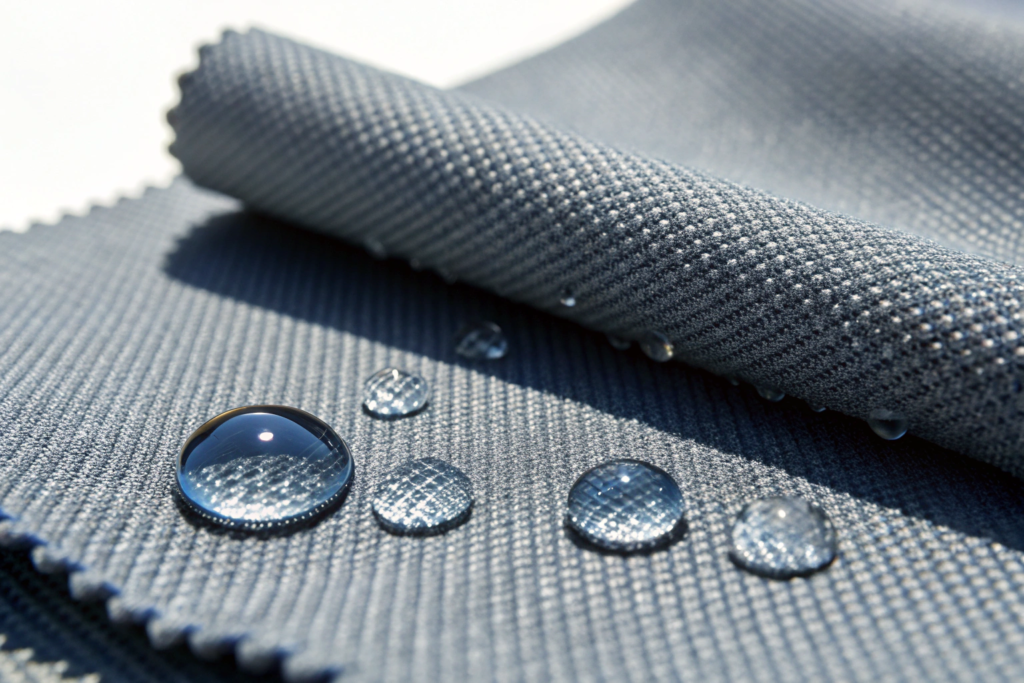
Recycled polyester is the top choice for water-resistant and quick-dry scarves because it is hydrophobic, durable, and sustainable. Polyester fibers do not absorb water. They repel it. A scarf made from recycled polyester will stay lightweight even when wet. It will dry in minutes. It is also durable. It resists stretching and shrinking. It holds color well. Recycled polyester is made from post-consumer plastic bottles. It reduces waste. It uses less energy than virgin polyester. For outdoor and activewear brands, recycled polyester is the standard. It performs. It tells a sustainable story.
I want to share a story about a client who switched to recycled polyester. She was making cotton scarves. They were beautiful. But her customers complained that they got heavy when wet. She switched to recycled polyester. The scarves were lightweight. They dried quickly. Her customers loved them. She also had a sustainability story to tell. It was a win.
How Does Recycled Polyester Compare to Virgin Polyester?
Recycled polyester has the same performance as virgin polyester. It is hydrophobic. It dries quickly. It is durable. The difference is the environmental impact. Recycled polyester uses less energy. It reduces plastic waste. It has a lower carbon footprint. For many consumers, this matters. They are willing to pay more for sustainability. For brands, recycled polyester is a way to meet consumer demand. We use recycled polyester for many of our performance scarves.
What Are the Best Weaves for Polyester Scarves?
The weave affects the performance. A tight weave is more water-resistant. Water beads up and rolls off. A loose weave is more breathable. It is better for warm weather. Jersey knit is soft and stretchy. It is comfortable. Ripstop weave is durable. It resists tearing. For a performance scarf, a tight, smooth weave is often best. It sheds water. It dries quickly. We offer a range of polyester weaves.
What Are the Benefits of Nylon for Water-Resistant Scarves?
Nylon is another synthetic fiber. It is similar to polyester. But it has some differences. It is stronger. It is more abrasion-resistant. It has a silky feel. I have used nylon for scarves that need to be both durable and elegant.
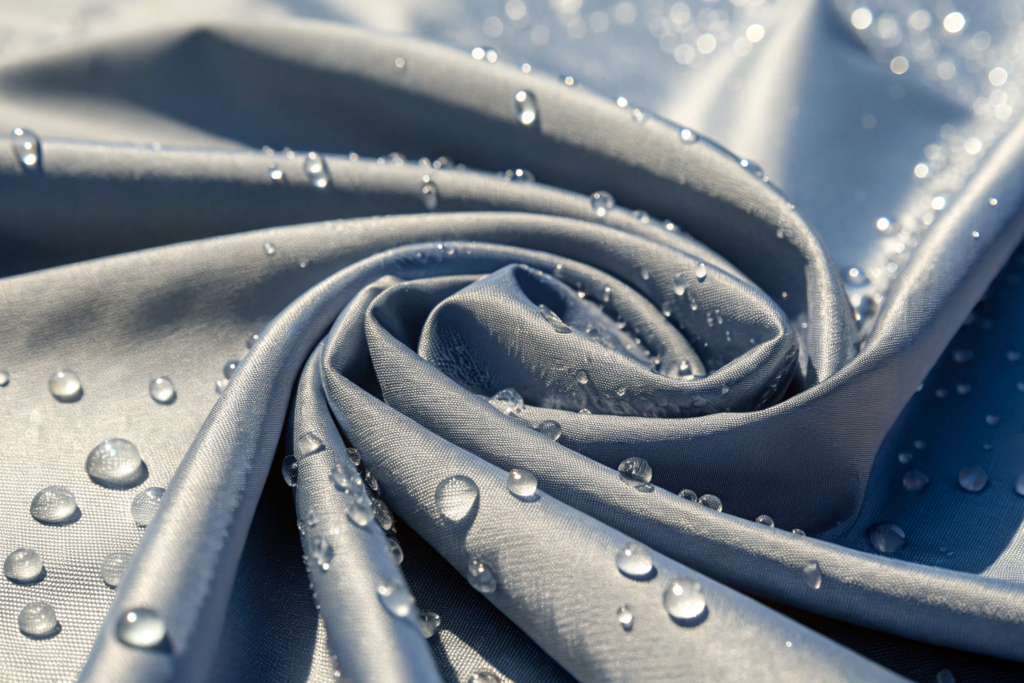
Nylon is an excellent choice for water-resistant and quick-dry scarves because it is strong, lightweight, and has a silky feel. Like polyester, nylon is hydrophobic. It does not absorb water. It dries quickly. But nylon is stronger than polyester. It is more abrasion-resistant. It is ideal for scarves that will be used in rugged conditions. Nylon also has a natural sheen. It looks silky. It feels smooth against the skin. It is often used for travel scarves and outdoor scarves. Nylon can also be treated with a DWR (durable water repellent) coating for enhanced water resistance.
I want to share a story about a nylon scarf. A client wanted a scarf for a travel brand. It needed to be lightweight. It needed to pack small. It needed to resist wrinkles. We used nylon. The scarf was perfect. It was silky. It dried quickly. It packed into a small pouch. The client sold thousands.
How Does Nylon Compare to Polyester?
Nylon is stronger. It is more abrasion-resistant. It has a silkier feel. Polyester is more UV-resistant. It holds color better. Polyester is often less expensive. For a scarf that will be used in rugged conditions, nylon is better. For a scarf that will be used in high-sun conditions, polyester is better. Both are hydrophobic. Both dry quickly. The choice depends on the use case. We offer both nylon and polyester scarves.
What Is DWR Coating and How Does It Help?
DWR stands for durable water repellent. It is a coating applied to fabric. It causes water to bead up and roll off. It does not make the fabric waterproof. But it enhances water resistance. It also helps the fabric dry faster. DWR coatings are common on outdoor gear. They are used on nylon and polyester. The coating can wear off over time. It can be reapplied. For scarves that will see heavy rain, DWR is a good option. We offer DWR-treated scarves.
Why Are Merino Wool Blends a Natural Alternative?
Not everyone wants synthetic fabrics. Some want natural fibers. Merino wool is a natural fiber with surprising performance. It is not water-resistant. But it is moisture-wicking. It absorbs moisture but does not feel wet. It also dries relatively quickly. Blended with synthetics, it becomes even better.
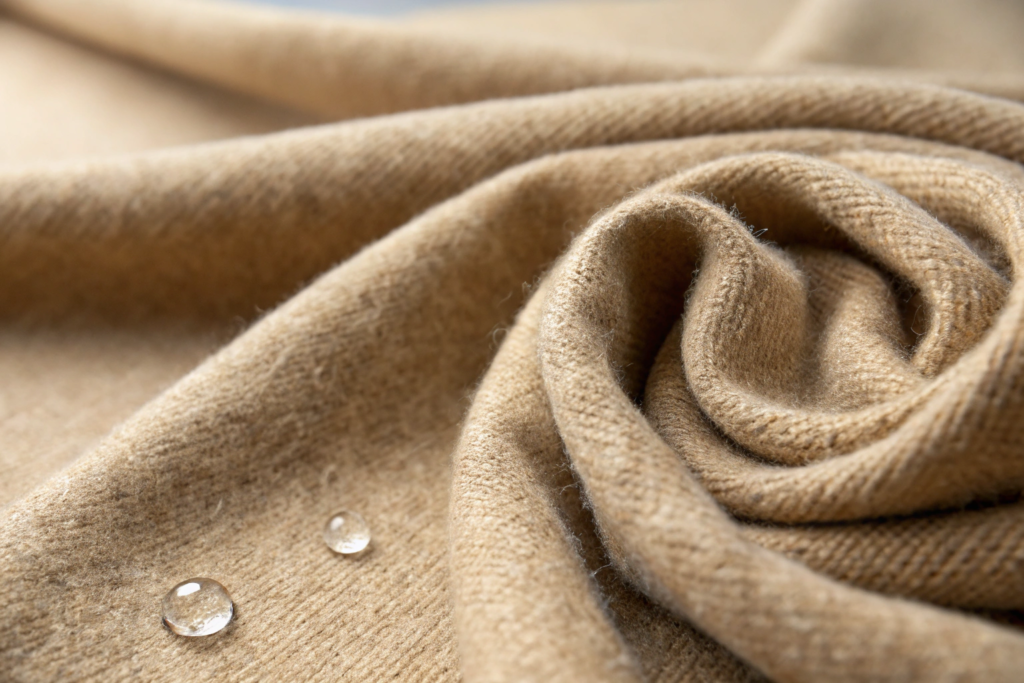
Merino wool blends offer a natural alternative for water-resistant and quick-dry scarves. Merino wool fibers are hydrophilic. They absorb moisture. But they do not feel wet. They wick moisture away from the skin. They also regulate temperature. They keep you warm when it is cold. They keep you cool when it is warm. Blending merino wool with polyester or nylon creates a fabric that has the natural feel of wool and the quick-dry properties of synthetics. The blend also adds durability. Merino wool blends are popular for outdoor and travel scarves. They offer comfort and performance.
I want to share a story about a merino wool blend scarf. A client wanted a scarf for hiking. She wanted natural fibers. She wanted performance. We used a 70/30 merino wool and polyester blend. The scarf was soft. It was warm. It dried quickly. It did not get heavy when wet. The client was thrilled.
What Is the Best Merino Wool Blend Ratio?
The ratio affects the performance. A higher wool content (70% to 80%) feels more natural. It has better temperature regulation. A higher synthetic content (30% to 50%) dries faster. It is more durable. The most common blend is 70% merino wool and 30% polyester. This balances comfort and performance. For warmer weather, a higher synthetic content is better. For colder weather, a higher wool content is better. We offer a range of merino wool blend scarves.
How Does Merino Wool Compare to Regular Wool?
Merino wool is finer than regular wool. It is softer. It is less itchy. It is more breathable. It also wicks moisture better. Regular wool can feel heavy when wet. Merino wool does not. For scarves that will be worn against the skin, merino is the better choice. For scarves that are worn over other layers, regular wool may be acceptable. We use merino wool for our performance scarves.
How Are Natural Fibers Treated for Water Resistance?
Some customers want the look and feel of natural fibers. But they want performance. Treated natural fibers offer a solution. Cotton, linen, and even silk can be treated to be water-resistant. I have used these for clients who wanted a natural aesthetic with technical performance.
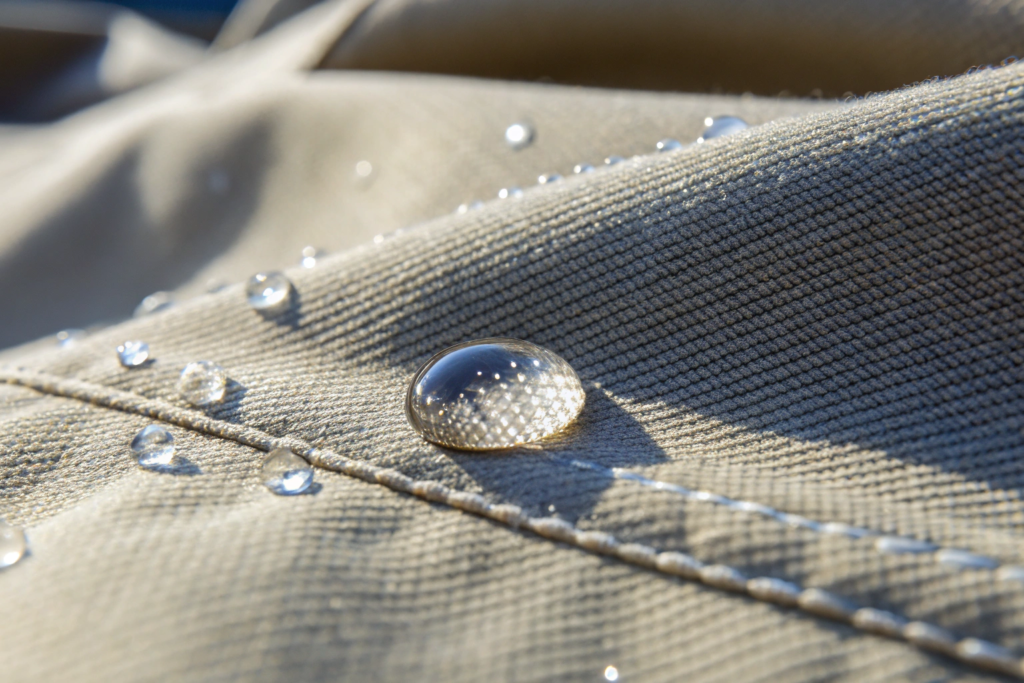
Natural fibers like cotton, linen, and silk can be treated with DWR (durable water repellent) coatings to become water-resistant. The treatment causes water to bead up and roll off. It does not make the fabric waterproof. But it provides significant water resistance. The treatment also helps the fabric dry faster. Treated cotton is popular for casual outdoor scarves. It has the soft, breathable feel of cotton with added performance. Treated linen is lightweight and quick-drying. It is ideal for summer scarves. Treated silk is luxurious and water-resistant. It is used for high-end travel scarves. The treatment can wear off over time. It can be reapplied.
I want to share a story about a treated cotton scarf. A client wanted a scarf for a garden brand. They wanted natural fibers. They wanted water resistance for light rain. We used DWR-treated cotton. The scarf looked and felt like cotton. But water beaded up and rolled off. The client was happy. The customers loved it.
What Is DWR Treatment and How Long Does It Last?
DWR stands for durable water repellent. It is a chemical coating. It is applied to the fabric. It causes water to bead up. The treatment is not permanent. It can wear off over time. Washing reduces its effectiveness. The number of washes before reapplication varies. Some treatments last 20 washes. Some last 50. The manufacturer should provide data. We test our DWR-treated fabrics for durability.
What Are the Limitations of Treated Natural Fibers?
Treated natural fibers are not as water-resistant as synthetics. The treatment can wear off. The fabric can still absorb water if saturated. The treatment may affect the feel of the fabric. Some treatments make the fabric stiffer. Treated natural fibers are best for light rain and occasional exposure. For heavy rain or frequent exposure, synthetics are better. We help clients choose based on the use case.
Conclusion
Water-resistant and quick-dry scarves are essential for outdoor, travel, and active lifestyles. The best materials are recycled polyester, nylon, merino wool blends, and treated natural fibers. Recycled polyester is the top choice. It is hydrophobic, durable, and sustainable. Nylon offers a silky feel and strength. Merino wool blends offer natural comfort with performance. Treated natural fibers offer a natural look with added water resistance.
Choosing the right material requires evaluating the use case, the desired feel, and the price point. Test the materials. Verify the performance. Communicate the benefits to your customers.
At Shanghai Fumao, we have the expertise to help you select the right material. We source from trusted mills. We test for performance. We create scarves that perform in any condition. Your customers deserve scarves that work as hard as they do. Let us help you create them. Please contact our Business Director, Elaine, at elaine@fumaoclothing.com to discuss your performance scarf collection. We can help you select the right materials and create scarves that are water-resistant, quick-dry, and ready for any adventure.