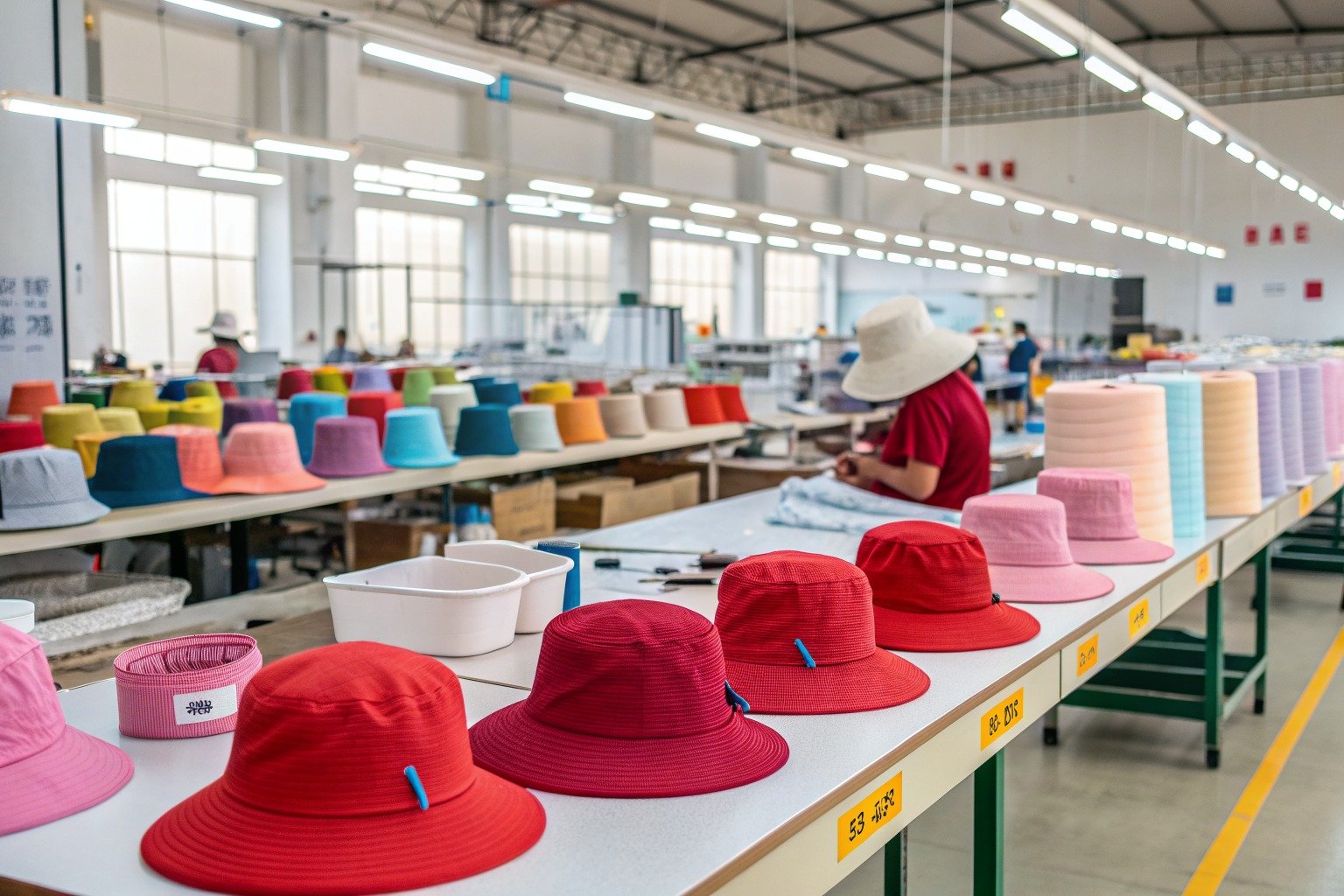
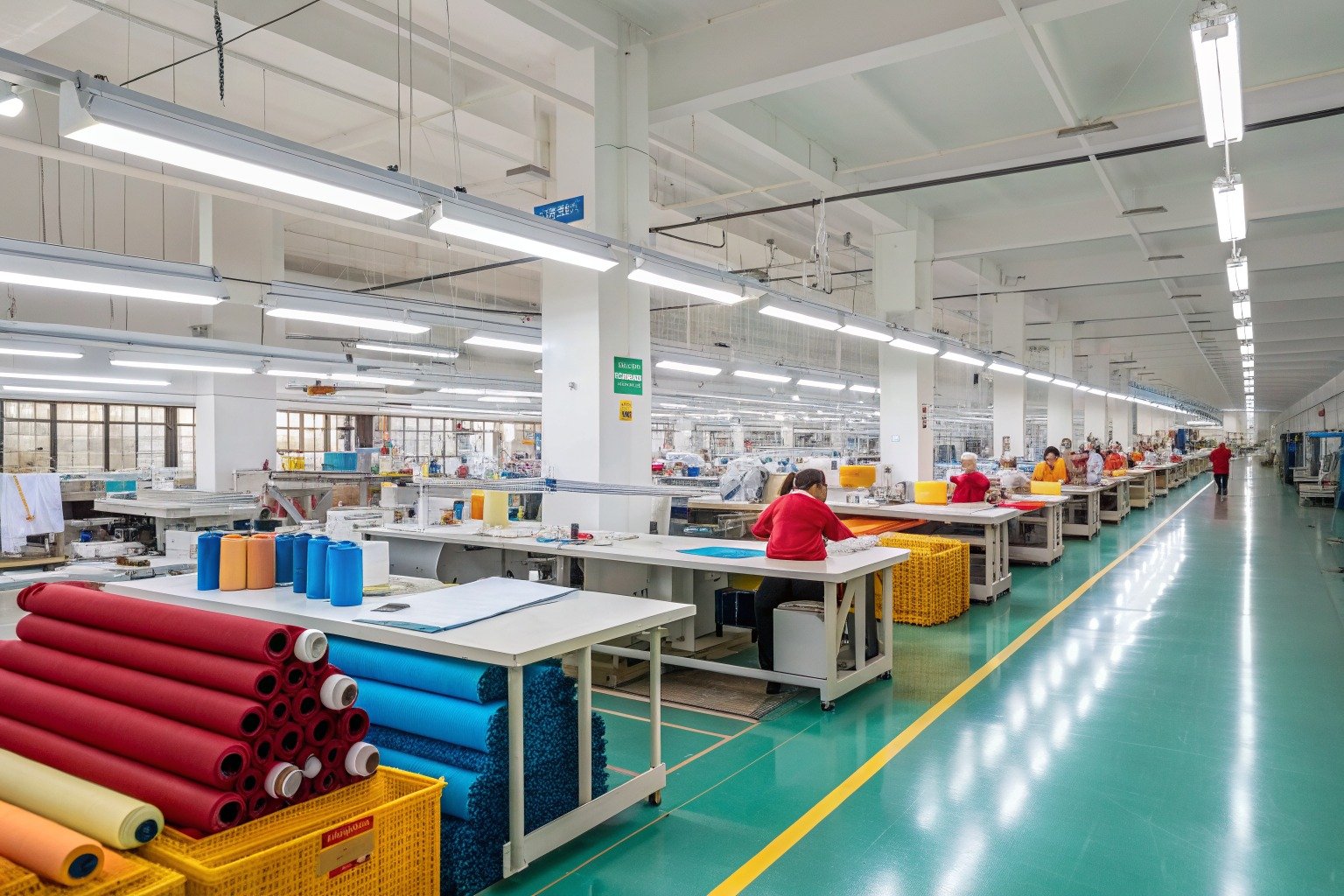
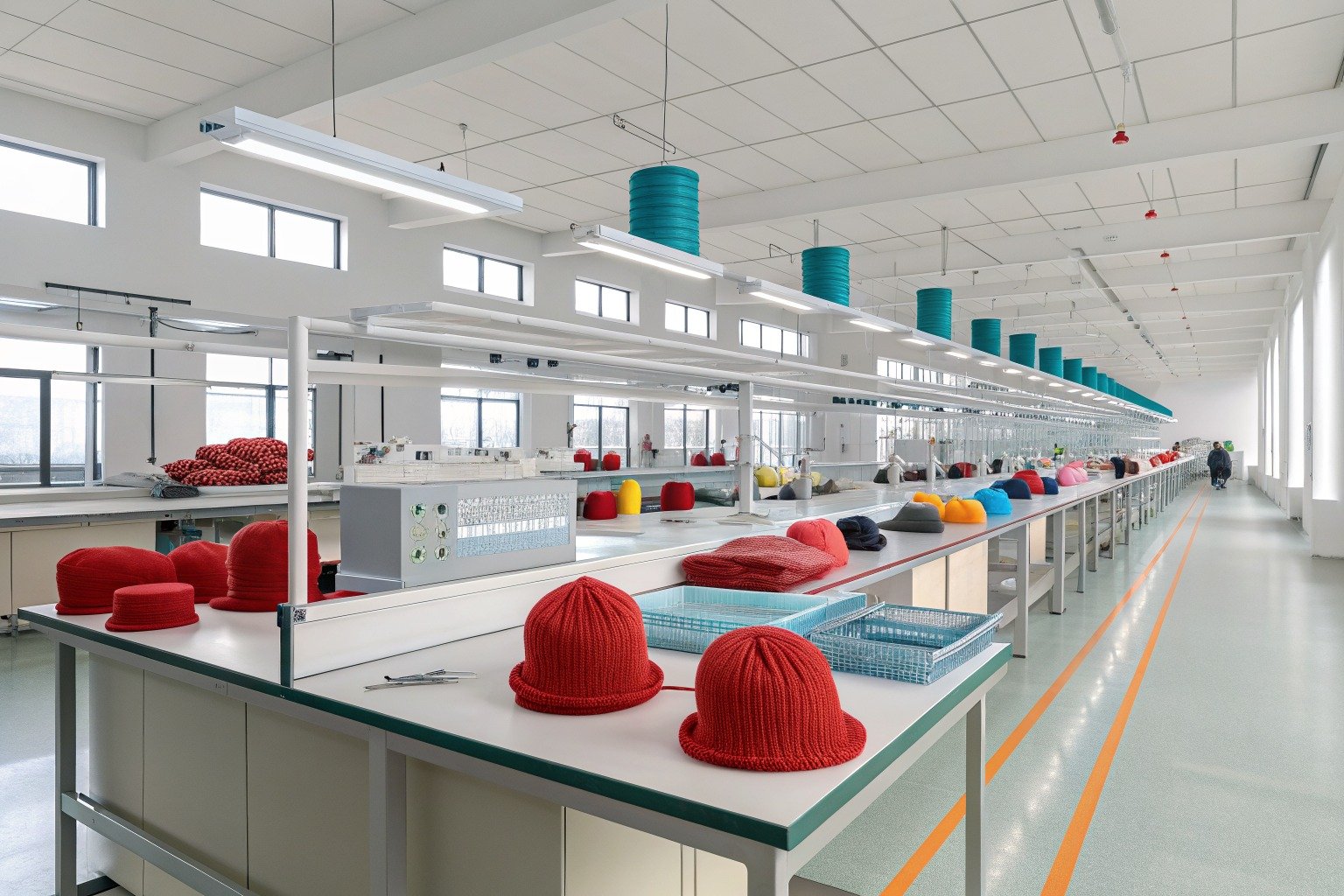
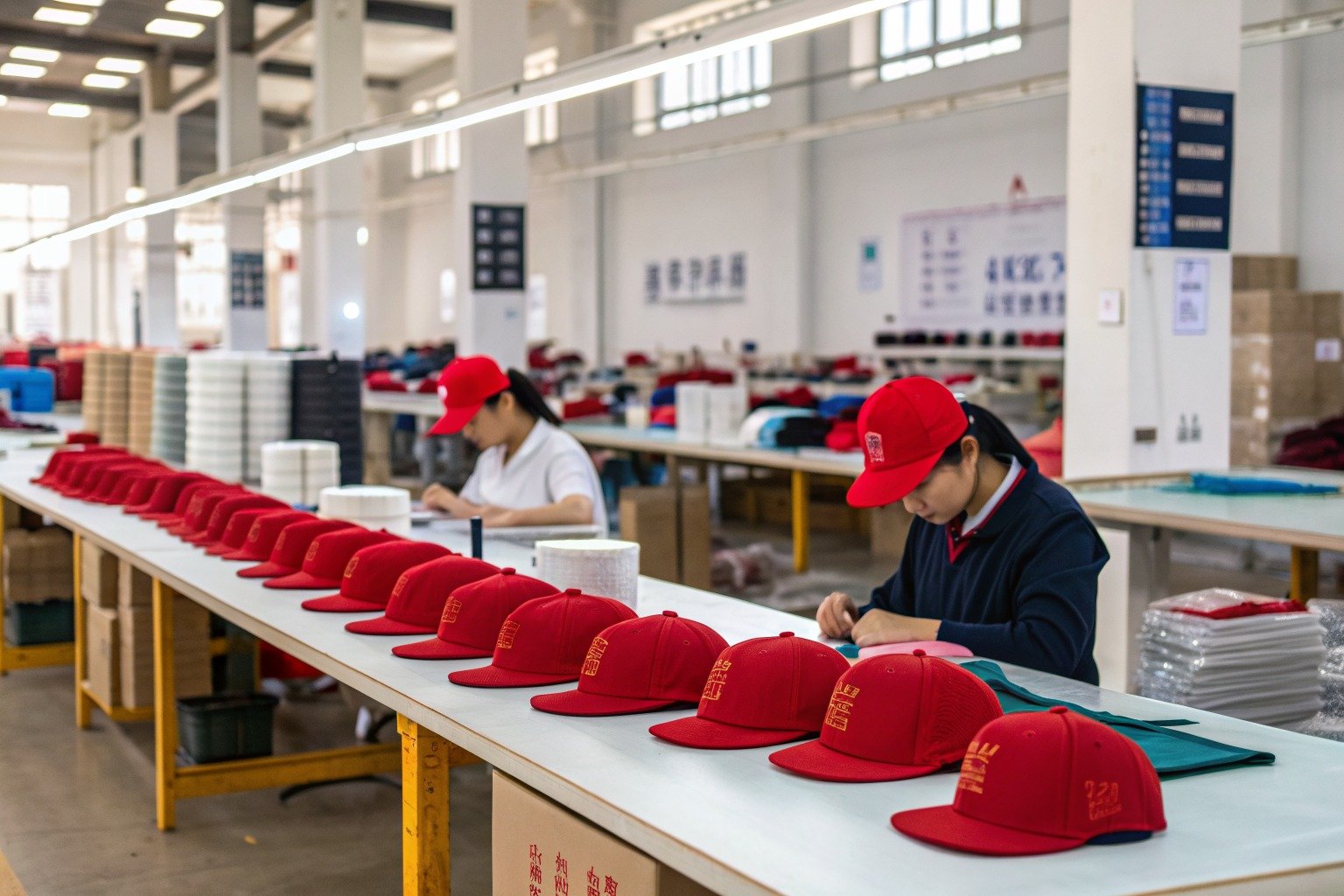
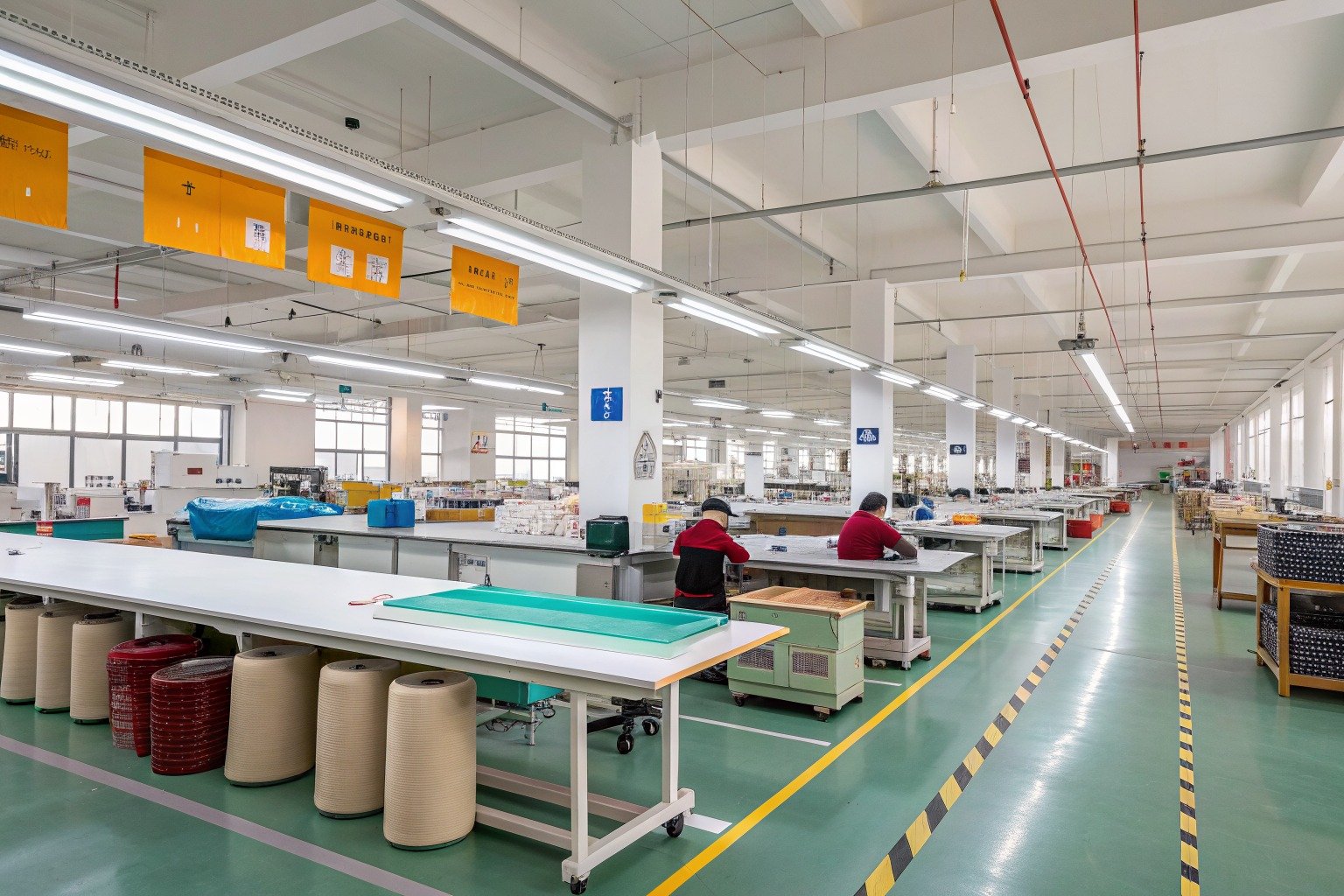
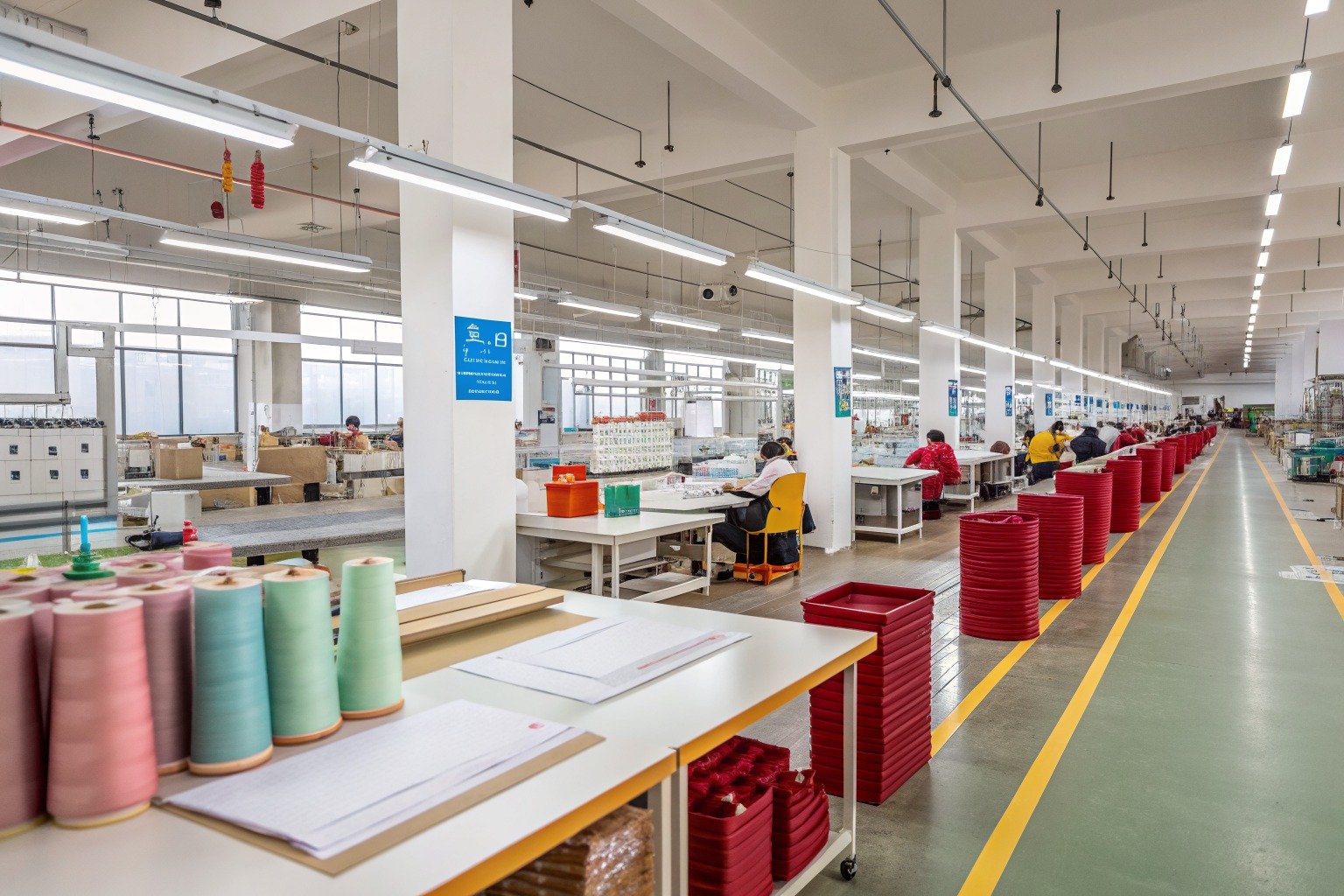
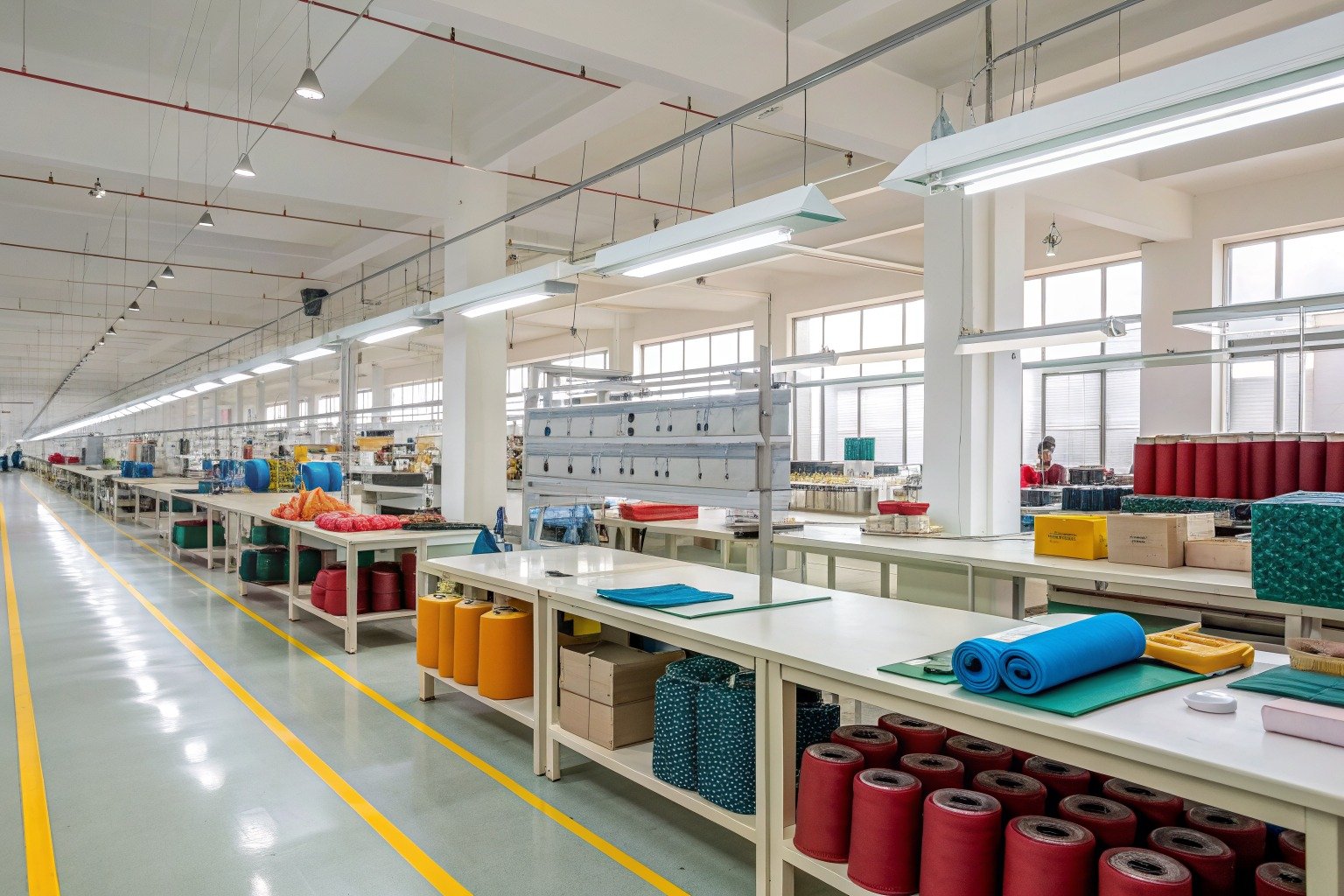
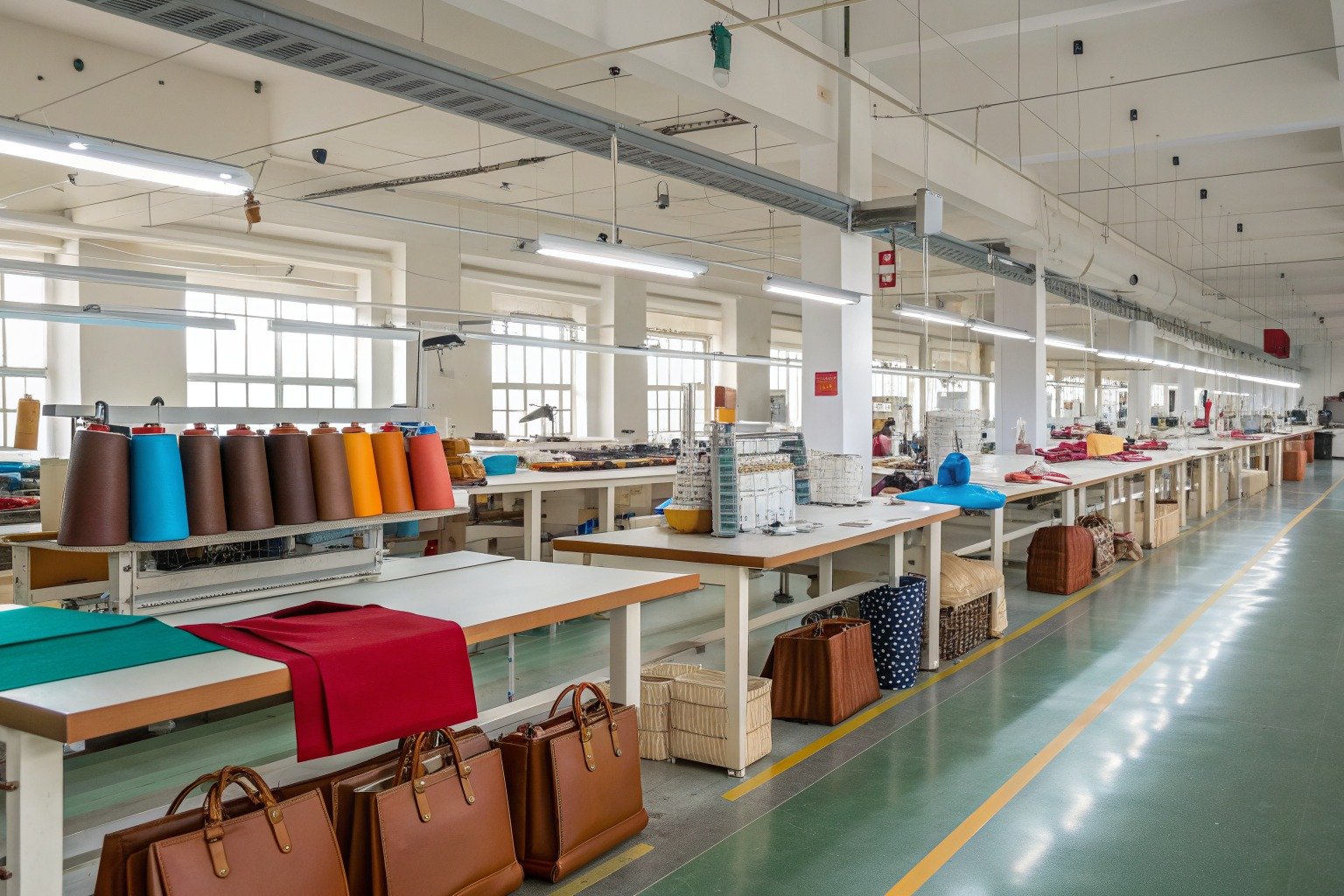
As a manufacturer and exporter of fashion accessories, we see how improper storage can damage beautiful products. Hair clips get tangled, scarves lose their shape, and metal parts on belts tarnish. This is a common problem for our clients, from major supermarkets to online store owners. They need solutions that protect their inventory quality from our factory to their customers.
The best way to store delicate accessories involves a combination of proper organization, careful material-specific handling, and a controlled environment to prevent damage from dust, moisture, and physical stress. Implementing a systematic approach not only preserves the appearance and integrity of items like hair accessories, scarves, and hats but also streamlines inventory management for retailers and brands.
Understanding the correct storage methods is crucial for maintaining the value of your accessory lines. Let’s explore the most effective strategies to ensure your products remain in pristine condition.
Why Is Proper Storage Crucial for Accessory Longevity?
Improper storage is a silent profit killer. For businesses, it leads to damaged goods, customer returns, and lost revenue. When accessories are stored incorrectly, they are prone to a host of issues that can degrade their quality before they even reach the consumer.
Proper storage is crucial for accessory longevity because it directly preserves product quality, maintains sellable condition, and protects your profit margins. It prevents physical damage like breakage and deformation, protects against environmental threats like dust and moisture, and ensures that items arrive to the end customer looking as perfect as they did when they left our quality control team.

What are the hidden costs of poor storage?
The financial impact goes beyond just a few damaged items. Poor storage can lead to tangled hair accessories, making them look cheap and unappealing. It can cause creases in scarves and shawls that are difficult to remove, requiring additional steaming or pressing labor before sale. For metal components on belts or bag charms, exposure to humidity can cause tarnishing or rust, leading to products that are unsellable. These issues directly increase your costs and can damage your brand’s reputation for quality. Implementing a robust quality management system can help establish standard procedures to avoid these hidden expenses.
How does storage affect different accessory materials?
Different materials have unique vulnerabilities. Silks and fine wools used in our scarves and shawls are susceptible to moths and can lose their luster if crushed. Plastic and acetate in hair clips and glasses frames can become brittle or warped if exposed to extreme temperature fluctuations in a warehouse. Straw hats can lose their shape, and knitted beanies can stretch out. Understanding these material sensitivities is the first step in developing an effective storage protocol. Partnering with a manufacturer that has strict quality control during production and packing is your first line of defense, as proper initial packaging sets the stage for successful long-term storage.
How to Choose the Right Storage Solutions?
Selecting the correct storage containers and systems is not a one-size-fits-all endeavor. The right choice depends on the specific type of accessory, your warehouse space, and your need for inventory visibility and access.
The right storage solutions are clear, stackable, and sized appropriately to protect the specific accessory type without wasting space. Options range from divided compartment boxes for small items like hair clips and jewelry to larger bins for hats and bulkier scarves. The goal is to prevent movement, crushing, and tangling while keeping items visible and accessible.

What are the best containers for small accessories?
For small, intricate items like hair clips, hair pins, and small挂件, compartmentalized containers are ideal. We recommend clear plastic boxes with adjustable dividers. The transparency allows you to see inventory levels at a glance without opening every box, which saves time during picking and packing. This method is far superior to tossing items into a large bin, where they become a tangled mess. For our clients who order in large volumes, we often use individual poly bags for each item before boxing, which provides an extra layer of protection against scratches and dust.
Are fabric storage options effective?
Fabric storage, such as cotton rolls or muslin bags, can be excellent for certain delicate items. We often use acid-free tissue paper and muslin bags for our premium silk scarves and shawls. The breathable fabric prevents moisture buildup that can lead to mildew, which is a risk with sealed plastic for certain natural materials. However, for general warehouse storage and shipping, durable, clear plastic bins often provide the best balance of protection, visibility, and cost-effectiveness for a wide range of products like belts and hats. The key is to match the storage material to the product material.
What Are Material-Specific Storage Guidelines?
A generic approach to storage will inevitably lead to damage for some of your products. The delicate nature of fashion accessories demands a tailored strategy that respects the unique properties of each material.
Material-specific storage guidelines are essential because they address the distinct vulnerabilities of different fabrics, metals, and composites used in accessories. Following these tailored practices prevents common issues like tarnishing, stretching, discoloration, and deformation, ensuring every item in your collection remains pristine.

How should you store metal and fabric-based items?
Metal components, common in belts, bag charms, and some hair accessories, are prone to tarnishing.
| Material | Storage Risk | Ideal Storage Method |
|---|---|---|
| Metal (belt buckles, clips) | Tarnishing from humidity | Store in a dry place; use anti-tarnish strips or silica gel packets in containers. |
| Silk & Delicate Fabrics (scarves, shawls) | Creases, moths, color transfer | Fold with acid-free tissue; store in breathable cotton bags or boxes; avoid wire hangers. |
| Straw & Felt (hats) | Loss of shape, moisture damage | Store in a cool, dry place; stuff the crown with tissue to maintain shape; use a hat box. |
| Knitted Wool (beanies, gloves) | Stretching, moths | Fold flat; do not hang; use cedar blocks as a natural moth deterrent. |
For fabric items like scarves and shawls, rolling instead of folding can prevent hard creases. Always ensure the storage environment is clean and uses appropriate packaging materials to avoid chemical reactions.
What about seasonal items like hats and scarves?
Bulkier items like baseball caps, knit hats, and winter scarves present their own storage challenges. Caps should be stacked with their brims facing the same direction to prevent misshaping. Never hang a structured cap by its brim. Knit hats should be folded flat to avoid stretching the knit. For a large inventory of seasonal goods, consider vertical warehouse shelving systems with clearly labeled bins. This maximizes space and allows for easy rotation of stock, which is a key part of efficient inventory management.
How to Implement an Efficient Storage System?
Knowing the best practices is one thing; integrating them into a scalable, efficient system for your business is another. An effective system saves time, reduces errors, and protects your investment in inventory.
Implement an efficient storage system by first categorizing your accessories, then labeling everything clearly, and finally establishing a consistent workflow for receiving and storing new stock. This systematic approach reduces handling time, minimizes the risk of loss or damage, and creates a foundation for smooth logistics operations.

What is the best way to label and categorize?
A clear labeling system is the backbone of efficient storage. We recommend using a digital system where each product SKU has a designated location. Label every bin and shelf with its contents, including the product type, SKU, and any other relevant information. For example, a label might read "Women’s Knit Beanies – SKU-WKB22-BLACK." This precision is vital for our clients who need to manage complex warehouse inventory management and ensures that when we ship a large order to a port in the US or Europe, the internal handling is flawless from pick to pack.
How can technology aid in storage management?
Even small businesses can benefit from simple technology. Use a spreadsheet to create a master list of your inventory and its storage locations. For larger operations, consider investing in a basic inventory management software that tracks stock levels in real-time. This is especially useful for tracking high-turnover items like hair bands and hair clips. This digital mirror of your physical storage allows for quick stock checks and helps prevent over-ordering or stockouts. A good system provides clarity on what you have, where it is, and its condition, making the entire supply chain from our factory in Zhejiang to your warehouse more resilient.
Conclusion
Proper storage for delicate accessories is not a minor detail; it is a critical component of product preservation and business efficiency. From choosing the right containers to implementing material-specific care and a logical organization system, each step directly impacts your bottom line. By preventing damage, you reduce waste, minimize returns, and ensure your customers receive products that reflect the quality they expect. These practices protect the value of your inventory from the moment it leaves our modern factory in China until it reaches the end consumer.
We hope this guide provides a clear roadmap for safeguarding your accessory lines. If you are looking for a manufacturing partner who understands these challenges and builds quality and careful handling into every step of the process, we are here to help. Let’s discuss how we can produce and package your accessories with longevity in mind. For a reliable partnership in creating and delivering high-quality fashion accessories, feel free to reach out to our Business Director Elaine at elaine@fumaoclothing.com.