Creating a coordinated accessory collection can feel overwhelming. You want pieces that look great together. They should also reflect your brand's style. And they need to appeal to your customers. A well-planned collection boosts sales and builds a strong brand identity. It turns first-time buyers into loyal fans.
A coordinated accessory collection is built by establishing a core theme, selecting a versatile color palette, mixing different textures and materials, and ensuring all pieces share a common design element. This strategic approach creates a unified look that tells a compelling brand story and encourages multiple purchases. Many suppliers focus on individual items, but a collection offers a complete solution for your customers, making you their go-to source for stylish, matching accessories.
Let's explore the key steps to building a stunning and sellable coordinated accessory collection that will set your brand apart.
How to Define Your Collection's Core Theme?
A strong theme is the foundation of your collection. It is the central idea that connects all the pieces. Without a clear theme, your collection can look messy. Customers might not understand your brand's message. A good theme makes your collection memorable.
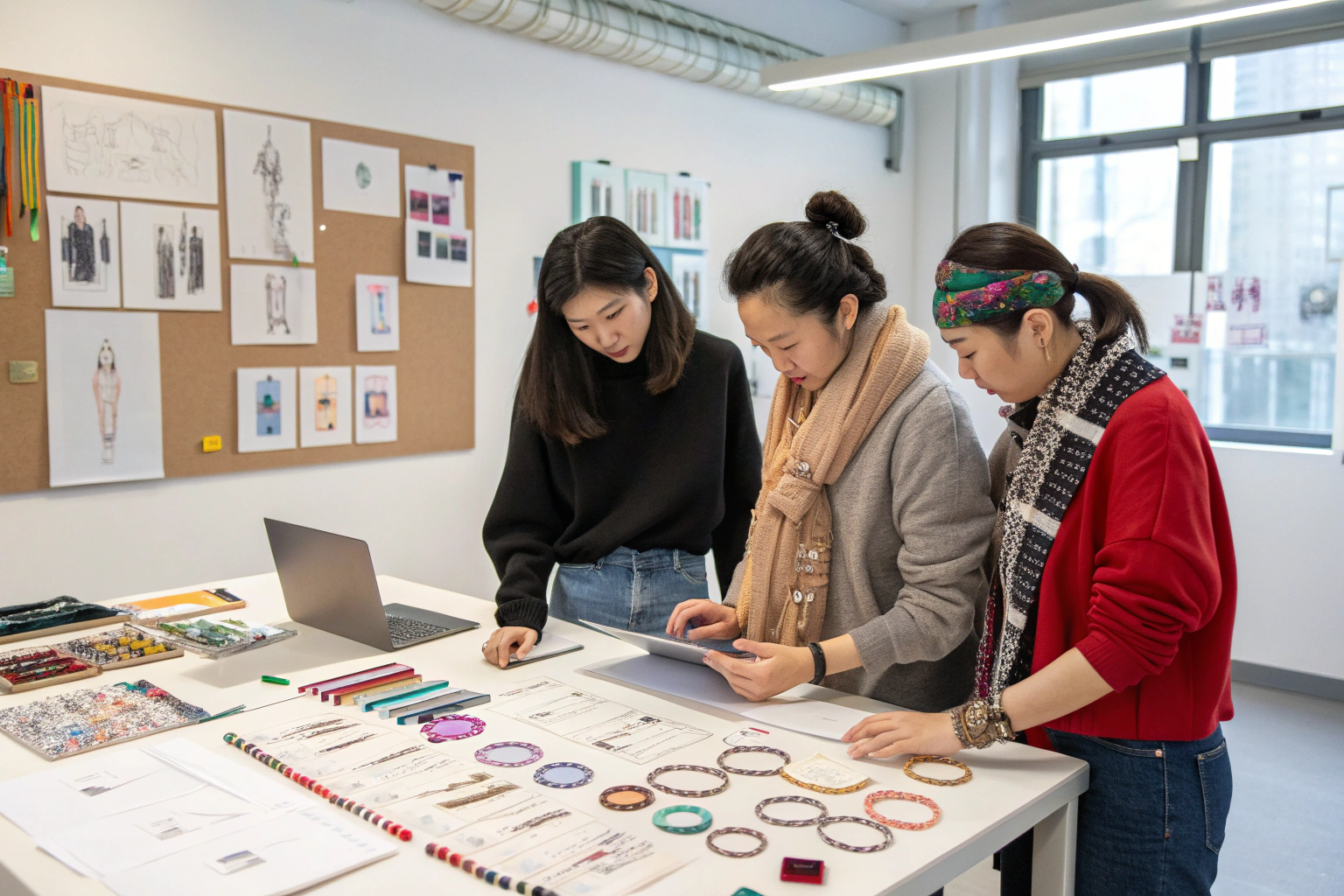
To define your collection's core theme, start by identifying your target customer's lifestyle and aspirations. Then, draw inspiration from current fashion trends, art, or culture to create a cohesive story that resonates with your audience. This theme will guide every decision, from color to material choice, ensuring all pieces feel connected and intentional.

What Inspires a Cohesive Theme?
Inspiration is everywhere. Look at current fashion trends from major runways. Consider themes from nature, architecture, or different eras. For example, a "Coastal Escape" theme could feature seashell-shaped hair clips and ocean-blue scarves. A "Urban Minimalist" theme might focus on clean lines in belts and structured caps. Your theme should be something your customers can connect with emotionally. It should tell a story they want to be part of. We help our clients at AceAccessory by providing trend forecasting reports. This ensures your theme is both fresh and commercially viable.
How Does a Theme Guide Material Selection?
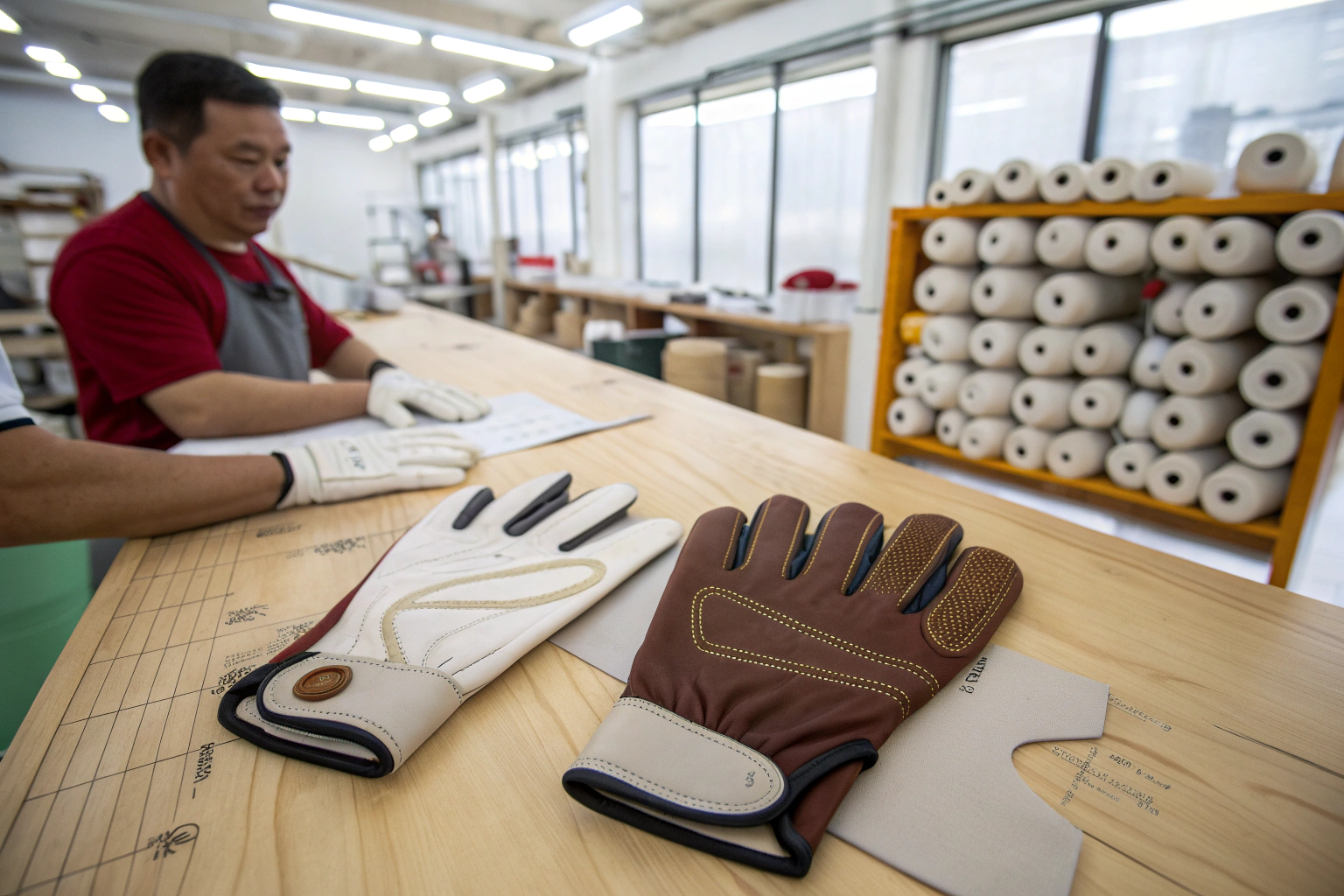
Your theme directly influences the materials you choose. A "Rustic Charm" theme would use natural materials like straw for hats and wood for hair accessories. A "Futuristic Metallics" theme would lean towards metallic threads in knit hats and polished metal on belts. The right materials bring your theme to life. They add authenticity and depth to your collection. We maintain a large material library at our Zhejiang factory. This allows for fast development and sampling. You can touch and feel the materials to ensure they match your vision.
Why is a Versatile Color Palette Crucial?
Color is the first thing customers notice. A versatile color palette makes your collection look unified. It allows customers to mix and match pieces easily. This increases the average order value. A poor color choice can make even the best designs look unappealing.
To define your collection's core theme, start by identifying your target customer's lifestyle and aspirations. Then, draw inspiration from current fashion trends, art, or culture to create a cohesive story that resonates with your audience.** This theme will guide every decision, from color to material choice, ensuring all pieces feel connected and intentional.

How to Choose Your Primary and Secondary Colors?
Start with a primary color that represents your theme. This will be the most used color in your collection. Then, choose one or two secondary colors that complement the primary. For instance, if navy blue is your primary, cream and light gray can be excellent secondary colors. These colors should work across all product categories, from hair bands to belts. We use professional Pantone color matching in our production. This guarantees color consistency in every batch, which is vital for maintaining quality control.
What is the Role of an Accent Color?
An accent color is a pop of something unexpected. It is used in smaller amounts to add interest. For a neutral palette, a bold red or electric blue accent can make pieces stand out. This color is often used in details like a hat's inner lining, a belt's buckle, or a pattern on a scarf. The accent color ties the collection together without being overwhelming. It's a simple trick that makes your collection look professionally designed. Our design team can advise on the best accent colors for your market based on our experience with North American and European brands.
How to Mix Textures and Materials Effectively?
Using different textures adds depth and luxury to your collection. A collection with only one texture can look flat and boring. Mixing materials creates a rich, tactile experience that customers love. It shows attention to detail and high-quality craftsmanship.
To define your collection's core theme, start by identifying your target customer's lifestyle and aspirations. Then, draw inspiration from current fashion trends, art, or culture to create a cohesive story that resonates with your audience.** This theme will guide every decision, from color to material choice, ensuring all pieces feel connected and intentional.

What are Some Winning Texture Combinations?
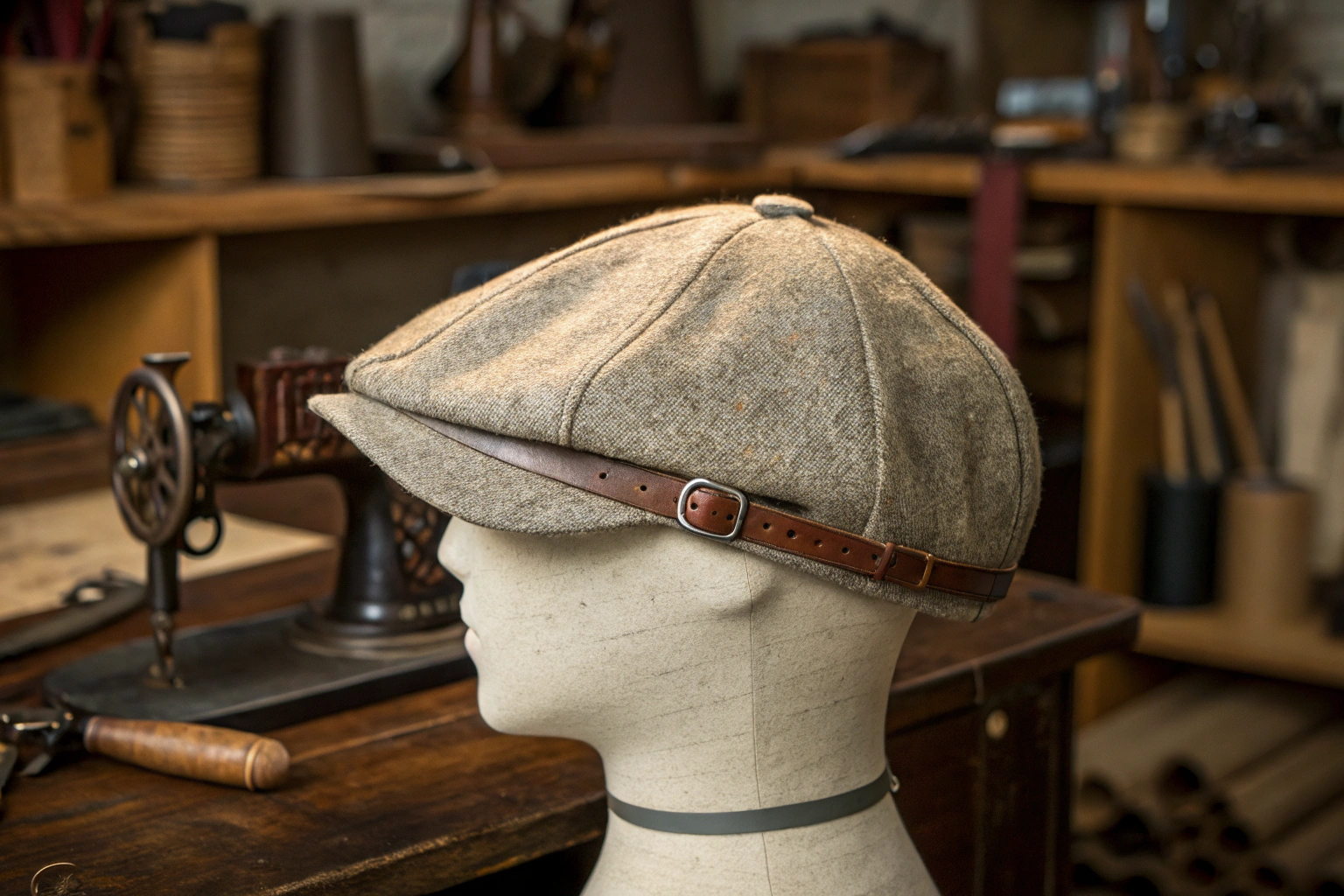
Contrast is key. Pair a chunky, knit beanie with a sleek, leather belt. Combine a soft, brushed fabric scarf with a structured, polished cotton baseball cap. For summer, a rough straw hat can be balanced with smooth, enamel hair clips. These combinations make each piece more desirable. They encourage customers to buy the entire set to get the full effect. Our quality control team checks every material for durability and feel. We ensure that the textures not only look good but also meet the high standards of major supermarkets and brands.
How Does Material Choice Impact Perceived Value?
The materials you choose directly signal your brand's quality. Natural materials like silk, wool, and leather are often associated with higher value. High-quality synthetic materials can also offer excellent durability and a luxury feel at a better price point. For example, a cashmere blend scarf feels more premium than a basic acrylic one. Investing in better materials improves customer perception and justifies a higher price. Our factory is skilled in working with a wide range of materials. We help you select options that balance cost, quality, and your theme perfectly.
How to Ensure Design Consistency Across Products?
Design consistency is what makes a group of items feel like a true collection. It's about having a repeating element that customers can spot in every piece. This could be a specific shape, a logo placement, or a type of clasp. Consistency builds trust and makes your brand look professional.
To define your collection's core theme, start by identifying your target customer's lifestyle and aspirations. Then, draw inspiration from current fashion trends, art, or culture to create a cohesive story that resonates with your audience.** This theme will guide every decision, from color to material choice, ensuring all pieces feel connected and intentional.

What are Examples of Unifying Design Elements?
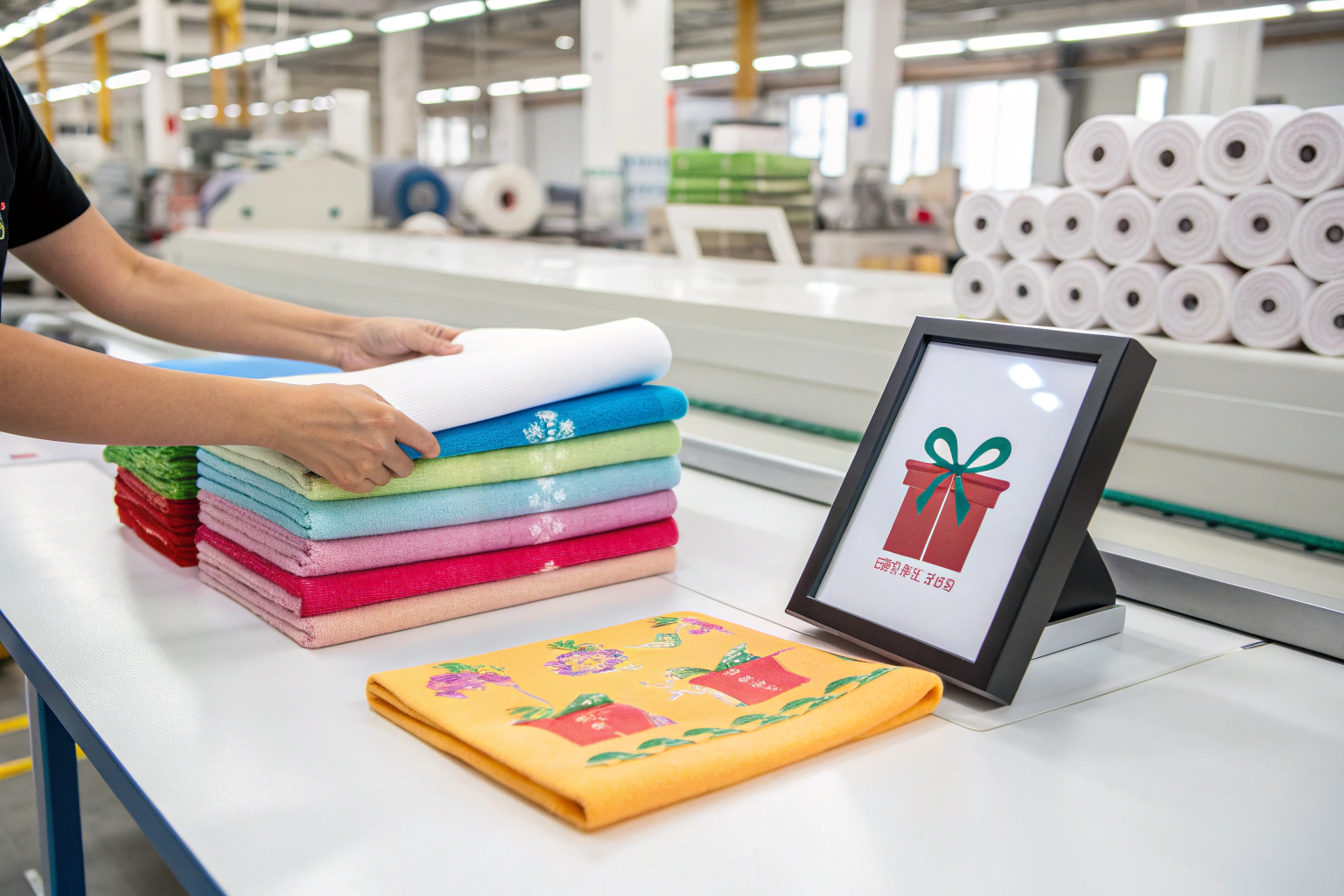
A unifying element can be functional or decorative. For a jewelry-inspired accessory line, you might develop a custom antique brass buckle used on belts, hair clips, and bag charms. A signature floral pattern could be printed on scarves and embroidered on caps and gloves. Even something simple like using the same branded metal tip on all your shoelaces or a unique stitch on all knit hats can create cohesion. We have an in-house design team that specializes in creating these key elements. They can be adapted for various products, ensuring a seamless look.
Why is Standardized Branding Important?
Standardized branding means your logo, tags, and packaging are consistent. This is crucial for brand recognition. When a customer sees the same elegant logo on a hair clip's packaging and a belt's tag, it reinforces your brand's identity. It makes the unboxing experience special. We offer complete package transportation solutions. This includes creating and attaching these branding elements before shipping. Your collection arrives market-ready, saving you time and hassle.
Conclusion
Building a coordinated accessory collection is a strategic process. It starts with a strong core theme. It relies on a versatile color palette. It is enriched by mixing textures and materials. And it is finalized by ensuring design consistency across all products. This method creates a powerful brand statement. It encourages customers to buy multiple items. It sets you apart from competitors who only sell single pieces.
A well-executed collection solves a key problem for buyers like you. It delivers a complete, stylish look that your customers will love. It streamlines your sourcing and ordering process. You get a unified product line from a single, reliable factory. This saves you time and reduces the stress of coordinating with multiple suppliers.
Ready to create your own stunning accessory collection? Partner with us to bring your vision to life. Contact our Business Director Elaine today at elaine@fumaoclothing.com to discuss your project.