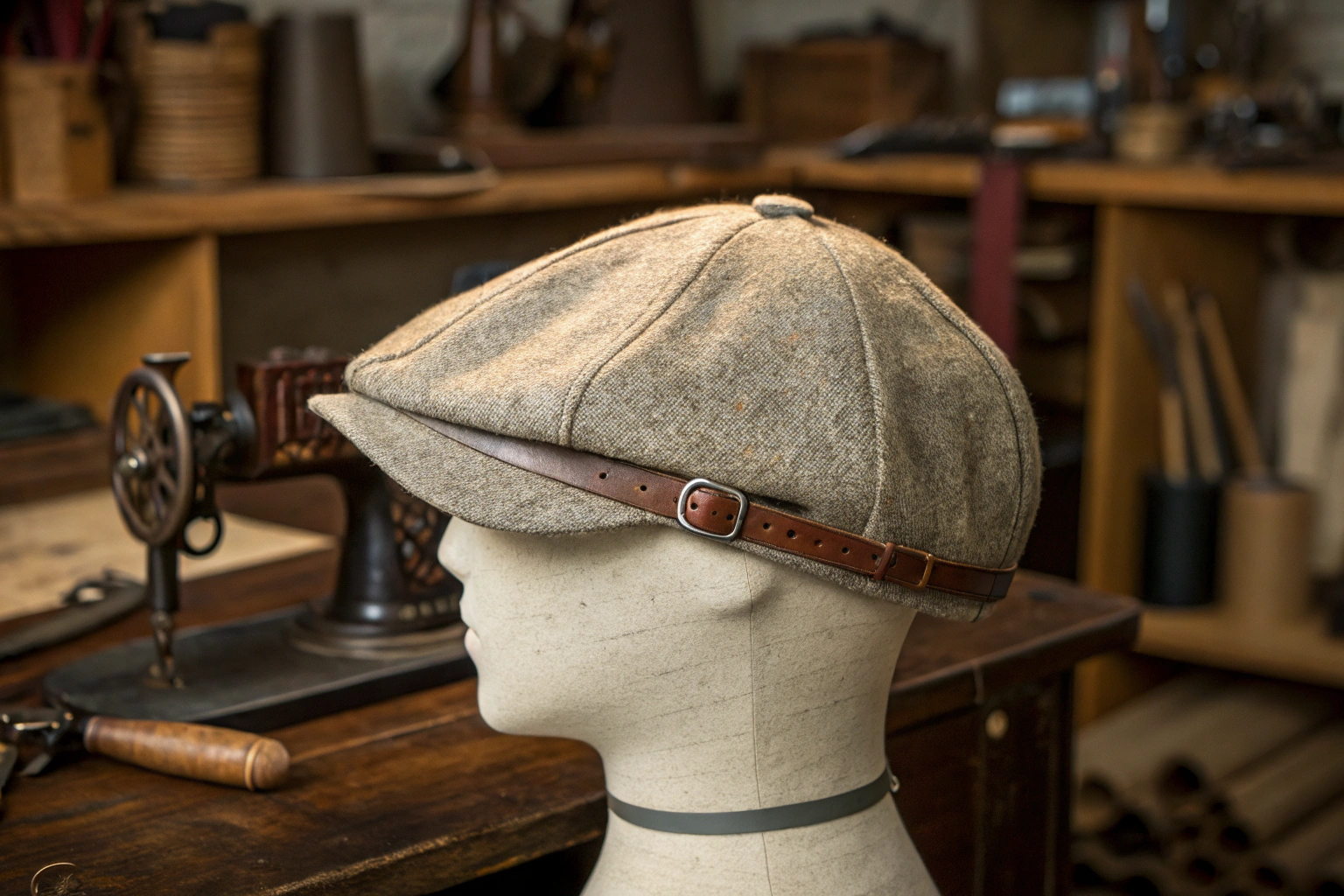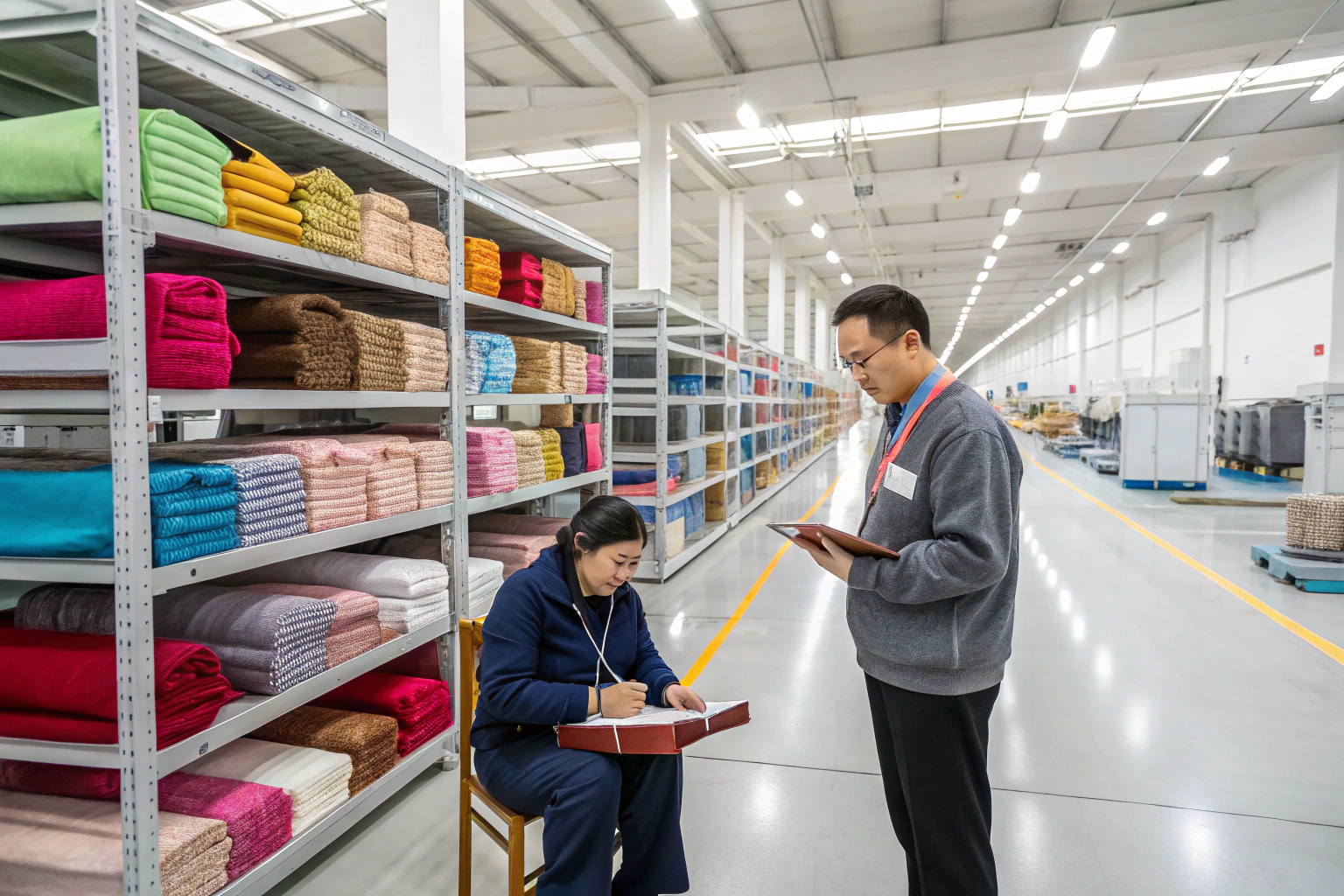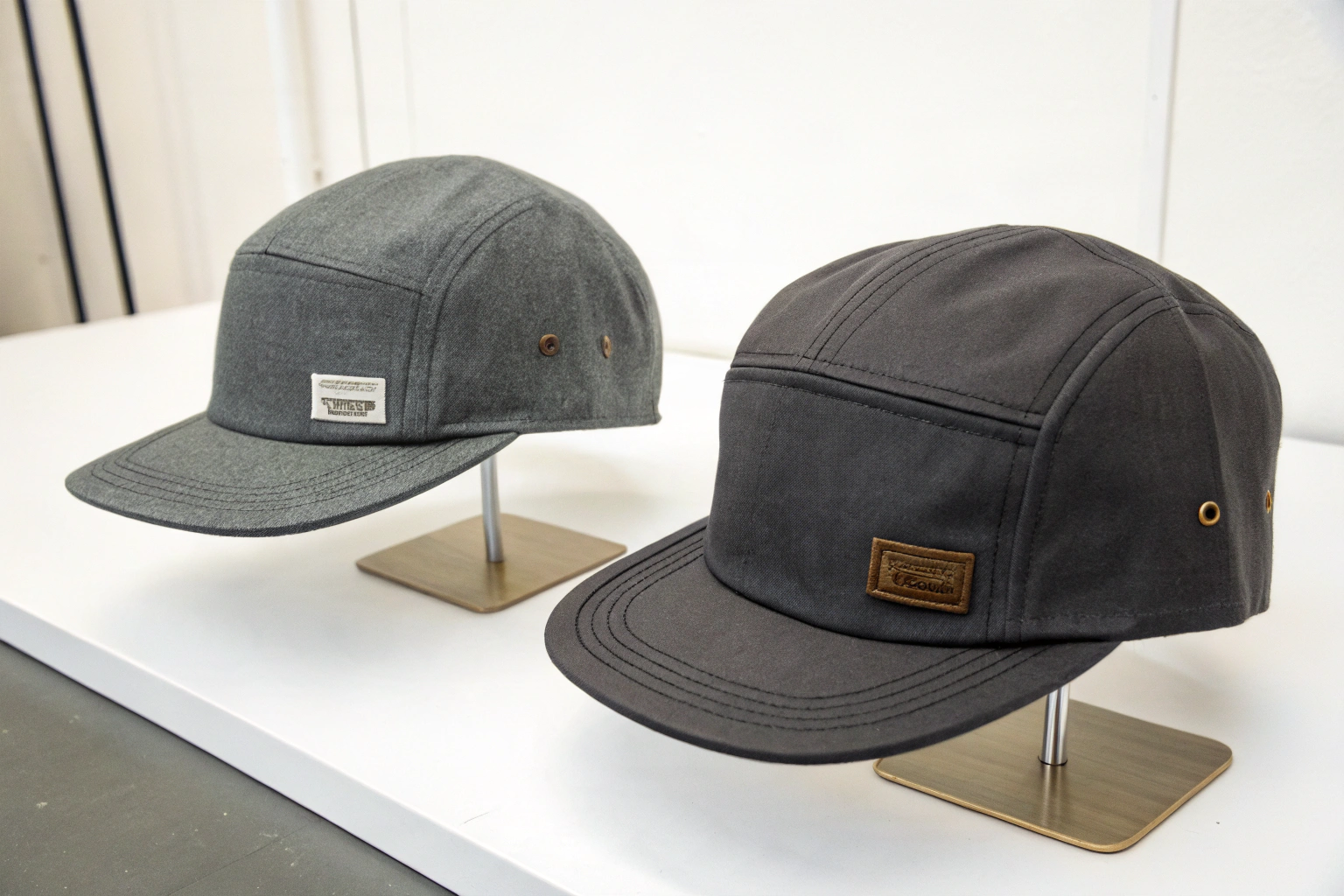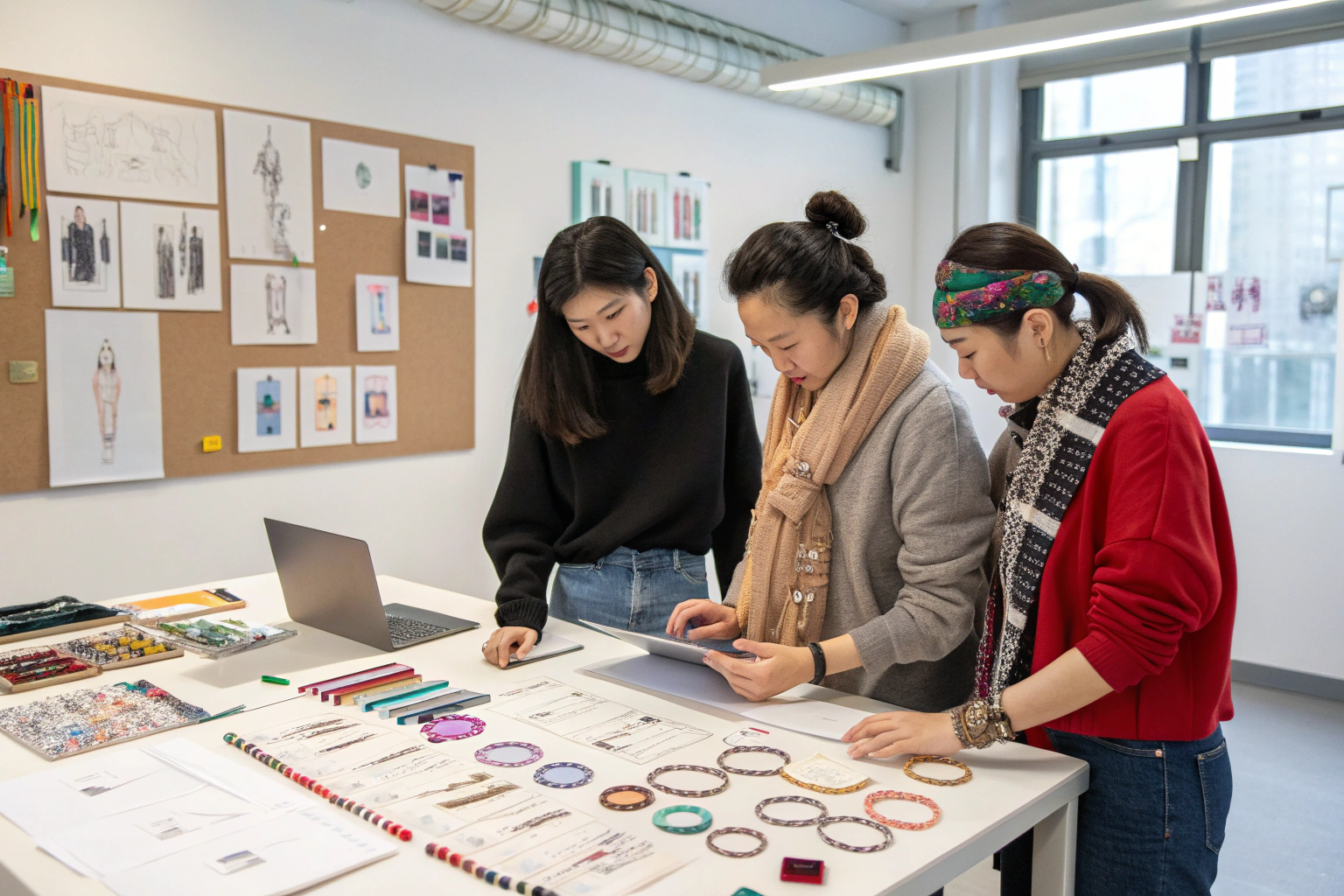
You are a fast fashion buyer. Your calendar is a relentless cycle of trend drops, micro-seasons, and social media moments. A viral TikTok aesthetic can spike demand for a specific hair clip style in 48 hours. If you cannot get that product on your website in two weeks, the moment is gone. Traditional accessory development takes months. It cannot keep up with this speed. You are trapped between the need for fresh designs and the long lead times of conventional manufacturing. Your stockroom is either full of last month's trends that no one wants, or empty of the one item everyone is asking for. This fear of missing the trend window keeps you chasing your supply chain, always one step behind.
Our design team creates modular accessory collections for fast fashion by building a system of interchangeable components. We start with a base core, a simple headband, a plain belt strap, a basic barrette. Then we design a library of mix-and-match elements. Detachable charms, clip-on fabric flowers, swappable buckles, reversible scarf panels. These components share a standardized attachment mechanism. The result is a single base product that can generate dozens of distinct SKU looks. We update the charm and surface decoration elements every few weeks based on real-time trend data. The base structures stay in continuous production. This dramatically reduces lead time and inventory risk.
I am the owner of AceAccessory. Our factory in Zhejiang was built for this exact challenge. We have a dedicated fast fashion design cell that works differently from our classic collection team. They do not design products. They design systems. I have seen this approach transform the business of our clients in North America and Europe. Let me show you exactly how we do it, from trend capture to component library management to final assembly.
What makes a modular accessory collection different from a traditional one?
A traditional accessory collection is designed as a set of fixed, finished products. The designer sketches a hair clip with a specific flower decoration. The factory sources the exact fabric for that flower, produces a thousand units, and ships them. If the flower trend fades, those thousand units are dead stock. There is no flexibility. The product is married to its decoration. Fast fashion buyers have learned to hate this rigidity. It forces them to predict trends months in advance, and they get punished when their prediction is wrong.
A modular accessory collection is built differently. It separates the product into a permanent base and a variable decoration layer. The headband base, the belt strap, or the barrette clip is designed in a neutral, evergreen color. It has a standardized attachment point, a small slot, a snap socket, or a specific loop. The decorations are designed as a library of compatible charms, flowers, bows, and patches. These decorations can be attached to any base at the final assembly stage. This means we can keep producing the bases continuously in large volumes, achieving low unit costs. We only change the decoration layer to chase the trends. Inventory risk moves from finished goods to small, interchangeable components.
This shift changes the entire supply chain. Lead time for a new style drops from eight weeks to two weeks because we are not retooling the base production line. We are simply assigning a new charm from our library to an existing base and printing a new packaging card. Our clients love this because they can test new looks in small batches without committing to large volumes. If a charm sells out, they reorder just the charm. They do not need to order a whole new headband. Let me explain how we manage the attachment hardware and the component library.
How do standardized attachment mechanisms enable the modular system?
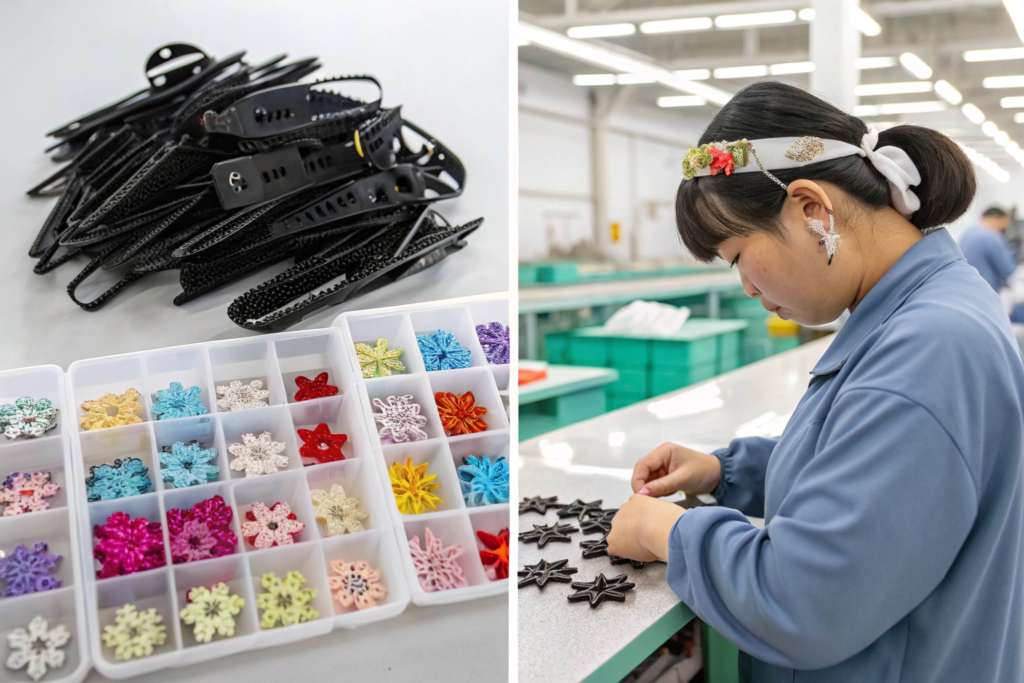
The secret is in the hardware. We have developed a proprietary snap-fit system that works across multiple product categories. For headbands, we embed a small, discreet slot on the top or side. Charms have a matching clip that slides in with a secure click. The attachment is strong enough for daily wear but can be removed by an adult. For belts, we use a snap-button system on the buckle. The buckle face is interchangeable. A classic square buckle can become a heart-shaped buckle in seconds without removing the strap.
We also use a magnetic attachment system for felt and fabric patches on kids' hats and bags. A thin, flexible magnetic disc is sewn inside the base product. The decorative patch has a matching magnetic back. It holds securely but can be swapped. The hardware is always tested for pull force and durability. We have a testing rig in our quality control lab that attaches and detaches a charm ten thousand times to ensure the mechanism does not wear out. The materials must be nickel-free and pass safety tests, especially for children's products. The attachment method is the core intellectual property of a modular collection. You can learn more about mechanical testing standards for fashion hardware from ASTM International. The International Organization for Standardization also provides guidelines for fastener durability that apply to these modular components.
How do you manage a library of modular components without overwhelming the factory?
A modular system can become chaotic if you do not control the component count. It is tempting to design a thousand charms. But that creates complexity that kills the speed advantage. We manage the library with a strict "open to buy" system for components. We maintain a core range of around fifty base products and two hundred active decoration elements. Each component has a unique code. Each code has a minimum stock level. When a charm's sales velocity drops below a threshold, it is retired and replaced with a new trend-driven design.
Our design team reviews the component library every Monday. We look at the order data from our fast fashion clients. Which charms are spiking? Which colors are trending on Instagram and Pinterest? We use this data to decide which components to reorder and which new ones to develop. The factory team is not overwhelmed because they always work with the same base SKUs. The decoration team works on smaller, simpler pieces that are faster to mold, cut, or print. This separation of complexity keeps the entire operation nimble.
How do you track fast fashion trends for modular accessory development?
Predicting a trend six months ahead is gambling. Fast fashion does not work on six-month cycles. It works on six-day cycles. A celebrity wears a specific hair clip. A K-pop star posts a selfie with a fuzzy bucket hat. A TikTok creator makes a video about "Y2K accessories." The spike in demand is instant and massive. If your design team is only looking at traditional trend forecasting agencies, you are already late. The trend is already happening on social media before the forecast report is even written.
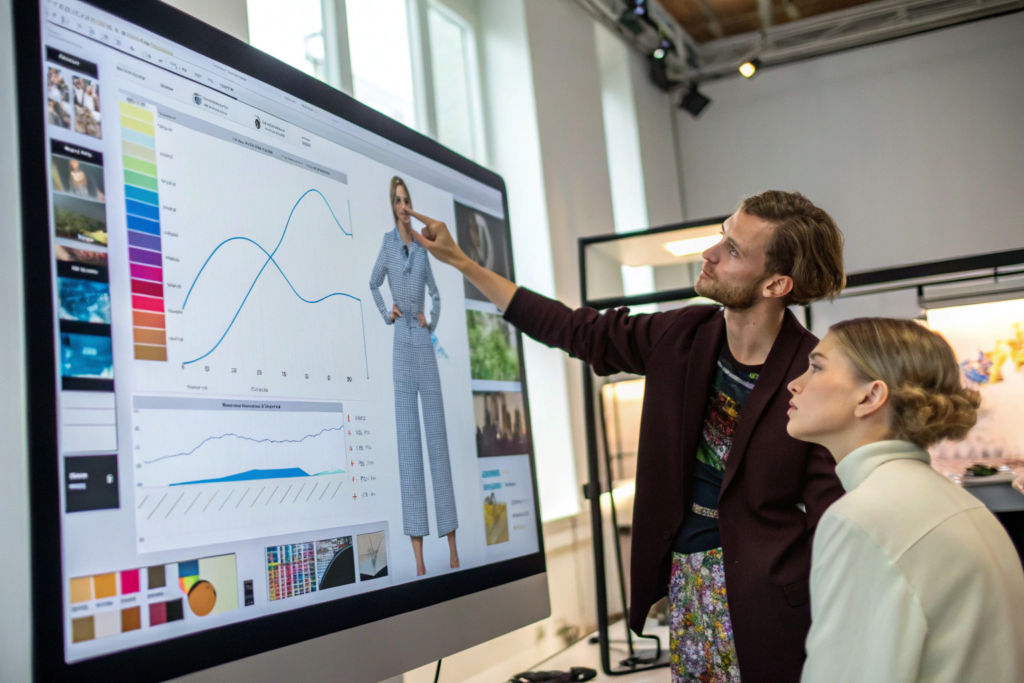
We track fast fashion trends for modular accessory development by monitoring real-time social media signals, e-commerce bestseller lists, and search query data. Our design team uses a combination of tools. We track hashtags on TikTok and Instagram. We monitor the "new arrivals" and "bestsellers" pages of major fast fashion retailers like Zara, H&M, and ASOS. We use Google Trends to see which accessory-related search terms are rising. We also maintain direct communication with our clients' buying teams. They tell us what their online store analytics are showing. When a shape, a color, or a motif starts spiking across these sources simultaneously, we trigger a rapid development sprint for a new modular decoration.
Once a trend is identified, the speed of response is everything. We do not have time to design a charm from scratch, create a mold, sample it, and ship it. We must leverage our existing library of shapes and apply the trend to the surface layer. Let me explain the difference between a shape trend and a surface trend, and how we use AI tools to accelerate the design process.
How do you distinguish between a shape trend and a surface trend for modular components?
This distinction is critical for speed. A shape trend is a new silhouette. For example, a shift from small round studs to large star-shaped charms. This requires a new mold. Mold making takes time, usually a week or more. A surface trend is a new color, print, or texture applied to an existing shape. For example, the star-shaped charm we already have in our library, but now in the new Pantone Color of the Year, or with a leopard print pattern. Surface changes can be implemented in hours, not days.
Our design team is trained to push surface trends first. When we see a color trending, we immediately create a palette of overlay colors for our best-selling charm shapes. We can produce a digital proof within the same day and a physical sample from our in-house 3D printing lab within 48 hours. Shape trends are reserved for structural shifts that are confirmed by sustained demand over several weeks. We do not make a new mold for a meme that might disappear in three days. This filtering mechanism prevents us from wasting resources on fleeting fads while still capturing the benefit of rapid surface updates. For color trend data, we subscribe to Pantone and WGSN. These services provide the seasonal color forecasts that inform our surface palette planning.
Can AI tools really predict the next viral accessory trend?
AI is a powerful assistant, but it is not a crystal ball. We use AI-powered trend intelligence platforms that scan millions of social media images and e-commerce listings. These tools identify emerging patterns. They can tell us, for example, that "butterfly motifs" are appearing in 40% more posts this week compared to last week, and that this growth is concentrated in the 18 to 24-year-old female demographic in the United States. This is an actionable signal.
We also use AI image generation tools during our internal brainstorming sessions. A designer might type "Y2K aesthetic resin hair clip with sparkle effect, pastel purple" into a generative AI tool. The tool generates dozens of visual concepts in seconds. These are not final designs, but they are powerful communication tools. They help the design team align on a visual direction quickly. We then refine the AI-generated concept into a manufacturable product. The human designer is still essential. They know the limitations of our resin molds, the cost of glitter additives, and the safety requirements for sharp edges. The AI proposes. The human designer disposes. For more on AI in fashion design, you can explore resources at The Business of Fashion, which regularly publishes articles on technology's impact on the fashion supply chain.
How fast can you move from a modular design concept to a shipped product?
Speed is the only currency that matters in fast fashion. When a buyer sends us a trend alert, the first question they ask is not "How much?" It is "How fast?" They need a firm delivery date. If we hesitate, they move to a supplier who does not. This pressure used to cause panic. Now it is our normal operating rhythm. Our modular system is designed to compress the timeline at every stage. The traditional bottleneck, the mold-making and base sampling stage, is removed because the base already exists and is in stock.
We can move from a modular design concept to a shipped product in ten to fourteen days. If the trend requires only a surface update to an existing charm shape, we can do it in seven days. Day one, the client confirms the digital proof. Day two, our 3D printer produces a physical sample for color and finish approval. Day three, the client approves the sample. Days four through seven, we produce the decoration components, attach them to the pre-produced bases, and package them. Day eight, we book the express air freight. The product is on the shelf or online within two weeks of the initial trend alert. This speed is impossible with a traditional non-modular product.
This timeline is not theoretical. We have done it for clients during the peak of the holiday season. The key is that we hold buffer stock of all standard base products and our best-selling decoration components. We are not waiting for raw materials. The raw materials for the bases, the metal clips, the plastic headbands, the resin pellets, are on our shelves in large quantities. Our production line is always warm. Let me explain the role of 3D printing and how we handle the logistics of express shipping small batches.
What role does 3D printing play in accelerating modular sample approval?
3D printing has transformed our sampling process. In the past, creating a sample of a new resin charm required a metal mold. The mold took a week to fabricate and cost several hundred dollars. If the client did not like the sample, the mold was wasted. Now, we use high-resolution resin 3D printers to create sample charms overnight. The 3D printed sample is almost indistinguishable from a production piece. The client can see the exact shape, size, and transparency. They can test it on the base headband. They can take photos for their website listing.
We ship the 3D printed sample by express courier. The client receives it the next day in most major cities. They approve it or request small adjustments. We adjust the digital file and print again. This iteration cycle that used to take three weeks now takes three days. Only when the client gives final approval do we commit to cutting the production mold. The mold is then made using the same digital file that produced the approved sample. The precision is exact. There are no surprises in production. The mold goes straight into the injection machine. This technology is standard in our factory. We have invested heavily in our 3D printing lab. You can learn about the latest in additive manufacturing for fashion from 3D Printing Industry. The Society of Plastics Engineers also provides resources on rapid tooling and prototyping for plastic components.
How do you manage the logistics of shipping small, fast-turnaround orders?
Fast fashion modular orders are often small. A buyer wants to test 300 pieces of a new charm style. They do not want to commit to 3,000 pieces. Traditional factories refuse these small orders because the setup cost and the shipping cost eat their margin. We have built a logistics model specifically for these small, fast orders. We consolidate small orders from multiple clients into a single express air freight shipment. Each client's cartons are labeled separately and cleared through customs as individual shipments.
We partner with major express carriers for dedicated e-commerce logistics lanes. The goods clear customs fast because they are low-value, sample-quantity shipments. The paperwork is prepared by our in-house logistics team who understand the de minimis thresholds for the US and European markets. The cost per unit for express freight is higher than sea freight, but the speed is the product. The buyer is paying for trend freshness, not just transport. They sell the product at full price for the first two weeks of the trend window. That margin covers the air freight many times over. We also offer a sea freight option for the reorder once the trend is confirmed. The first batch flies. The second batch sails.
Can the modular system work for both high-volume basics and statement pieces?
A common fear among brand owners is that modular means generic. They think interchangeable components will make their products look like a cheap building block set. They worry the system works for basic, unbranded accessories but cannot deliver the high-fashion statement pieces that define their brand identity. This fear is understandable. Early modular systems were crude. They had visible clips and bulky connectors. But the technology has evolved. Today's modular hardware is nearly invisible. A properly designed modular attachment can enhance the design, not detract from it.
The modular system works for both high-volume basics and high-fashion statement pieces because the base provides the fit and function, while the decoration provides the fashion. A basic, everyday headband uses a matte black base with a small, subtle logo charm. It is clean, quiet, and functional. A statement piece uses the exact same base but in a bold color, with an oversized, multi-layered, glitter-embellished charm. The base is a reliable platform. The decoration carries the creative risk. This separation allows a single brand to serve both the basics replenishment business and the trend-driven impulse purchase business from the same modular ecosystem.
This dual capability is what makes the modular approach so profitable for our clients. They do not need to source basics from one factory and statement pieces from another. They consolidate their supply chain with us. The basics provide the steady volume that keeps our base production lines running efficiently. The statement pieces provide the high-margin, newsworthy product drops that drive traffic to their stores and websites. Let me explain how we customize the base for brand identity and how we achieve premium looks with modular components.
How do you prevent the modular hardware from looking cheap on a statement accessory?
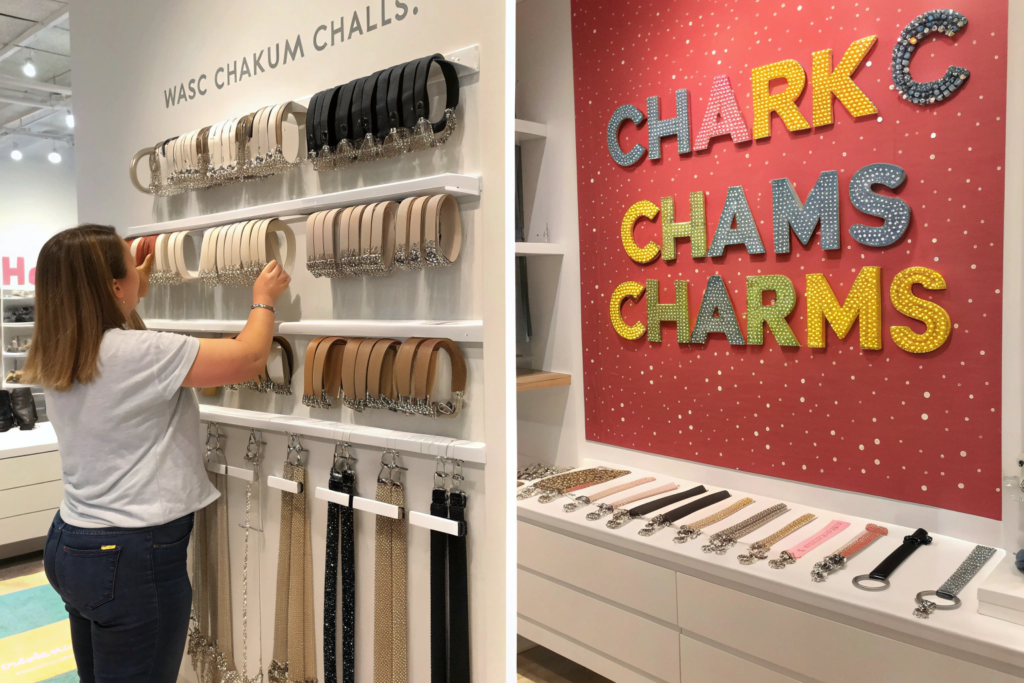
The hardware is the key to a premium modular product. We use custom-designed attachment mechanisms that are specific to each brand and product tier. For mass-market basics, we use a durable plastic snap system that is cost-effective and functional. The snap is color-matched to the base, so it blends in. For premium statement pieces, we use metal hardware. A custom-shaped, electroplated brass button or a magnetic clasp that looks like a fine jewelry finding. The attachment point becomes a deliberate design feature.
We also use a technique we call "concealed integration." The attachment slot is hidden inside a fold of fabric, under a bow, or behind a decorative metal plate. The charm has a thin, rigid tongue that slides into the concealed slot. When attached, the connection is completely invisible. The product looks like a fully integrated, permanently assembled piece. Only the customer knows it is modular, and that knowledge is a value-add because it means they can customize the look. The perceived quality is identical to a fixed product. We test this by showing samples to consumers in focus groups. They cannot tell the difference between our high-end modular product and a traditionally constructed statement accessory.
Can modular accessories support a brand's unique identity and signature look?
Absolutely. The modular system is not a cookie cutter. It is a design framework. We begin every new client relationship by developing a brand-specific hardware kit. The base product shape, the headband width, the belt strap texture, and the attachment hardware finish are all customized to the brand's DNA. A minimalist Scandinavian brand gets a matte, brushed metal snap and clean, geometric base shapes. A bohemian brand gets a braided leather base strap and a hook attachment system with tassels and wooden beads.
The charm library is also designed to reflect the brand's signature motifs. If the brand is known for a specific floral graphic, we create a series of modular floral charms in different colors and sizes that are exclusive to that brand. The customer sees the charm and recognizes the brand immediately. The modular system amplifies brand identity by allowing the customer to interact with it. They can build their own look from the brand's signature elements. This creates a deeper brand engagement than a static product ever could. The modular approach becomes part of the brand story: "Create your own style."
Conclusion
Modular accessory design is not just a manufacturing trick. It is a strategic response to the speed and volatility of the modern fast fashion market. Our design team does not start with a sketch of a finished product. We start with a system architecture. We define the base platforms, the headband blanks, the belt straps, the barrette bases. We engineer the attachment hardware to be strong, safe, and invisible. We build a trend-monitoring engine that scans social media and e-commerce data in real time. We use 3D printing to turn a digital concept into a client-approved sample in 48 hours. We hold buffer stock of bases and raw materials so our production lines are always ready. When a trend hits, we pivot the decoration layer. We apply a new color, a new charm shape, a new surface texture to the existing platform. The product ships in ten days. This system reduces inventory risk, increases design variety, and keeps our clients ahead of the trend cycle, not behind it.
If you are a fast fashion buyer looking for a supply partner who understands speed, flexibility, and the power of modular systems, we are ready to work with you. Our factory in Zhejiang has the design team, the 3D printing lab, the modular hardware expertise, and the logistics infrastructure to support your rapid-fire product drops. We serve major fast fashion brands, online retailers, and boutique chains across North America and Europe.
To start a modular accessory project, request sample hardware, or get a trend-based design proposal, contact our Business Director, Elaine. Her email is elaine@fumaoclothing.com. Let us build a modular system that makes your supply chain as fast as your customer's feed.