You just landed a big order from a major American department store. The shipment is ready. One container, packed with thousands of high-value cashmere scarves. But as you sign the final shipping documents, a cold thought hits your gut. What if something goes wrong at sea? What if the container gets lost, damaged, or stolen? You could lose not just the merchandise, but also the profit for the entire year. Many importers assume their standard freight insurance has them covered. But they only find out the ugly truth when it’s too late. Cashmere is expensive, and not all insurance policies treat it the same way. One small clause in the fine print could leave you holding a massive loss. You need to know the safest route to protect your investment before the ship even leaves the port.
The best way to insure a container of high-value cashmere scarves is to secure an "All Risk" marine cargo insurance policy that specifically covers the full commercial invoice value plus an extra 10% to 20% for incidental costs. You must work with an insurer who understands textiles and does not apply restrictive exclusions for luxury fibers. You also need to verify that your freight forwarder’s liability coverage is not your only safety net, because it is often very limited in payout.
That sounds simple enough, but the reality of claims can be messy. I’ve been exporting fashion accessories from our factory in Zhejiang, China for over a decade. I’ve seen how a poorly structured insurance policy can destroy a small brand. Let me walk you through the exact details that matter. I’ll share what I’ve learned from my own shipping experience and from my customers in North America and Europe, so you don’t have to learn these lessons the hard way.
How much does it cost to insure a scarf shipment from China?
Every time I send a quote to a new client, like Ron from America, I see the same hesitation. They have already calculated the unit cost, the ocean freight, and the customs duties. Then they see a line item for insurance and pause. They wonder if I am trying to pad the bill. Their biggest fear is being nickel-and-dimed on hidden fees. They worry the premium will eat away their profit margin, especially when competing with large online retailers. This anxiety often pushes them to choose the cheapest, most basic coverage, a decision they regret later.
The cost to insure a shipment of cashmere scarves from China typically ranges from 0.3% to 0.7% of the insured value, depending on the coverage scope. For a high-value container worth $100,000, you are looking at a premium of around $300 to $700. This is a small price for peace of mind. The rate fluctuates based on your deductible, the shipping route safety, and whether you choose "All Risk" or a named perils policy.
But getting the true cost requires you to look beyond the premium percentage. I always tell my project managers to explain the difference between the insured value and the actual cash value to our customers. If you underinsure your goods, you trigger a penalty called "average" in an insurance contract. Let’s break down the real factors that determine your final cost, so you can negotiate with your supplier or broker from a position of strength.

How Do I Calculate The Insured Value Correctly To Avoid Underinsurance?
Many first-time importers make a dangerous mistake. They only insure the Free on Board (FOB) value on the commercial invoice. If your goods get damaged, you still have to pay the freight forwarder and the customs duties. You cannot recover those costs from a policy that only covers the factory price. I learned this personally when a shipment of our belts got water damage ten years ago. The insurance paid out, but we were still out of pocket for the freight because we insured the wrong amount.
You must add all the landing costs. Here is a simple formula we use for our clients at AceAccessory:
| Item | Cost (USD) |
|---|---|
| FOB Cost of Goods | $100,000 |
| Ocean Freight (Estimated) | $3,500 |
| Destination Port Fees | $1,500 |
| Insurable Value (110%) | $115,500 |
You should look at standard Incoterms to understand where your risk begins. Most professionals recommend insuring at 110% of the CIF (Cost, Insurance, and Freight) value. This extra 10% covers the administrative hassle and potential lost profit. A proper insurance broker will help you structure this without much fuss. You can find more details on valuation from the International Trade Administration. A good policy wording from an institute like the International Chamber of Commerce can clarify these valuation clauses.
Why Do Different Shipping Routes Change My Insurance Premium So Drastically?
You might notice your premium jumps if the vessel transits through a high-risk piracy zone or a port with a high theft record. Insurers rate every route. A direct express voyage from Shanghai to Los Angeles has a lower risk profile than a feeder vessel that stops at three transshipment ports with known security issues. Every stop adds a risk of mishandling or theft.
The type of vessel matters too. A container shipped on a modern cellular container ship is safer than cargo on a breakbulk vessel. You should ask your logistics provider for the vessel’s schedule. If they plan to transship in a risky area, ask for an alternative. Sometimes paying a slightly higher freight rate for a premium shipping line actually lowers your insurance cost because they have better safety records. The World Shipping Council often publishes reports on container loss that highlight which routes are statistically safer. Checking these reports helps you argue for a lower premium if you are shipping on a safe lane.
What kind of cargo insurance covers cashmere damage from condensation?
Condensation damage is the silent killer in the textile import business. I remember one case where a client in Germany received a container of our hair bands and scarves. The cartons on the top row were bone dry, but the cartons on the bottom row were soaked. The cashmere had started to mildew. It was a total loss for those units. The customer panicked, thinking their business was ruined. They assumed the factory had shipped wet goods. The real culprit was container sweat, and standard insurance often excludes it unless you have the right clause.
To cover condensation damage on cashmere, you need an "All Risk" marine cargo policy with Institute Cargo Clauses (A). This coverage protects against unexpected moisture damage during the voyage, provided it wasn’t caused by your failure to pack the goods properly. You must avoid policies that only offer "Total Loss" or "Free of Particular Average" terms, because these will reject a partial condensation claim if the whole container wasn’t destroyed.
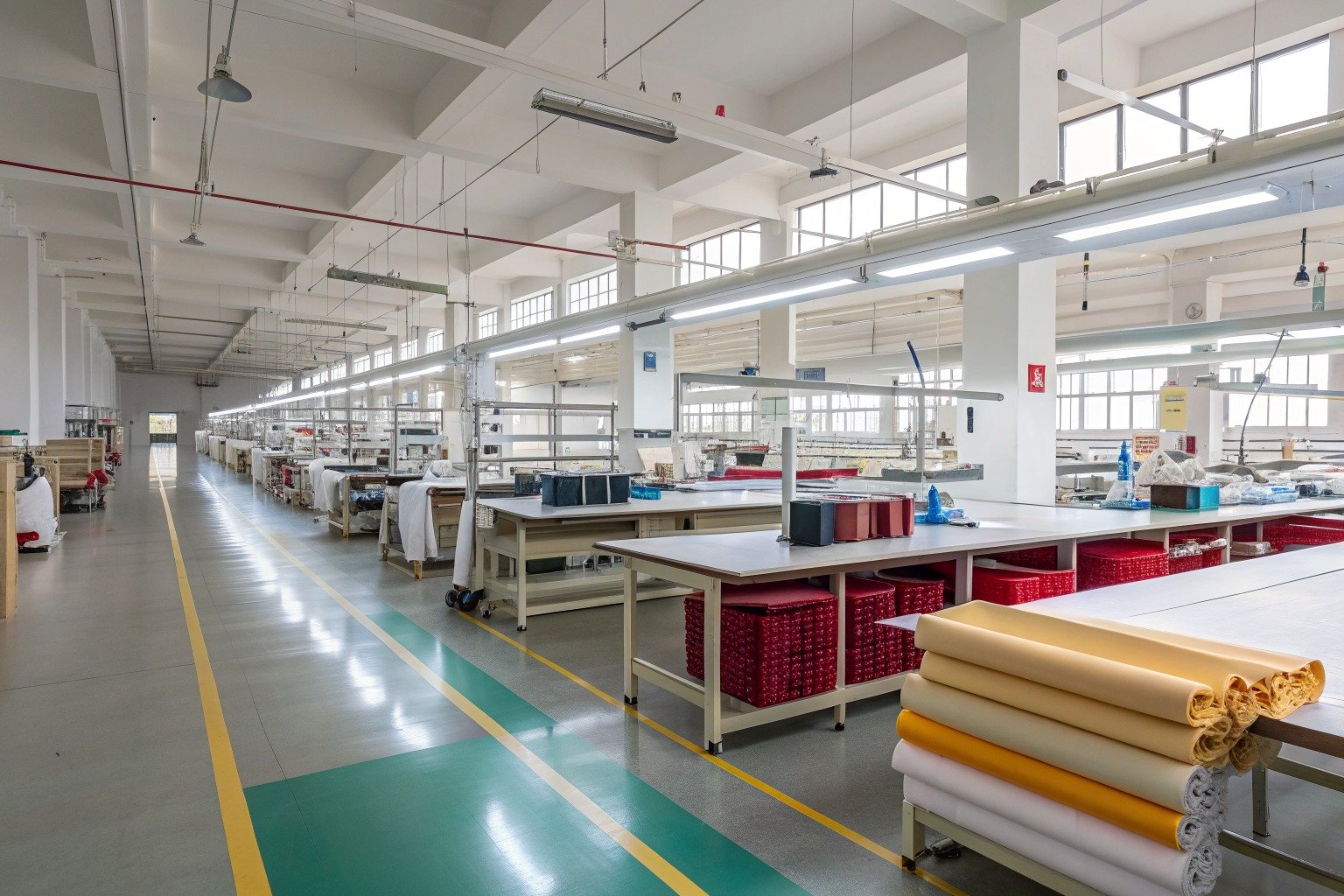
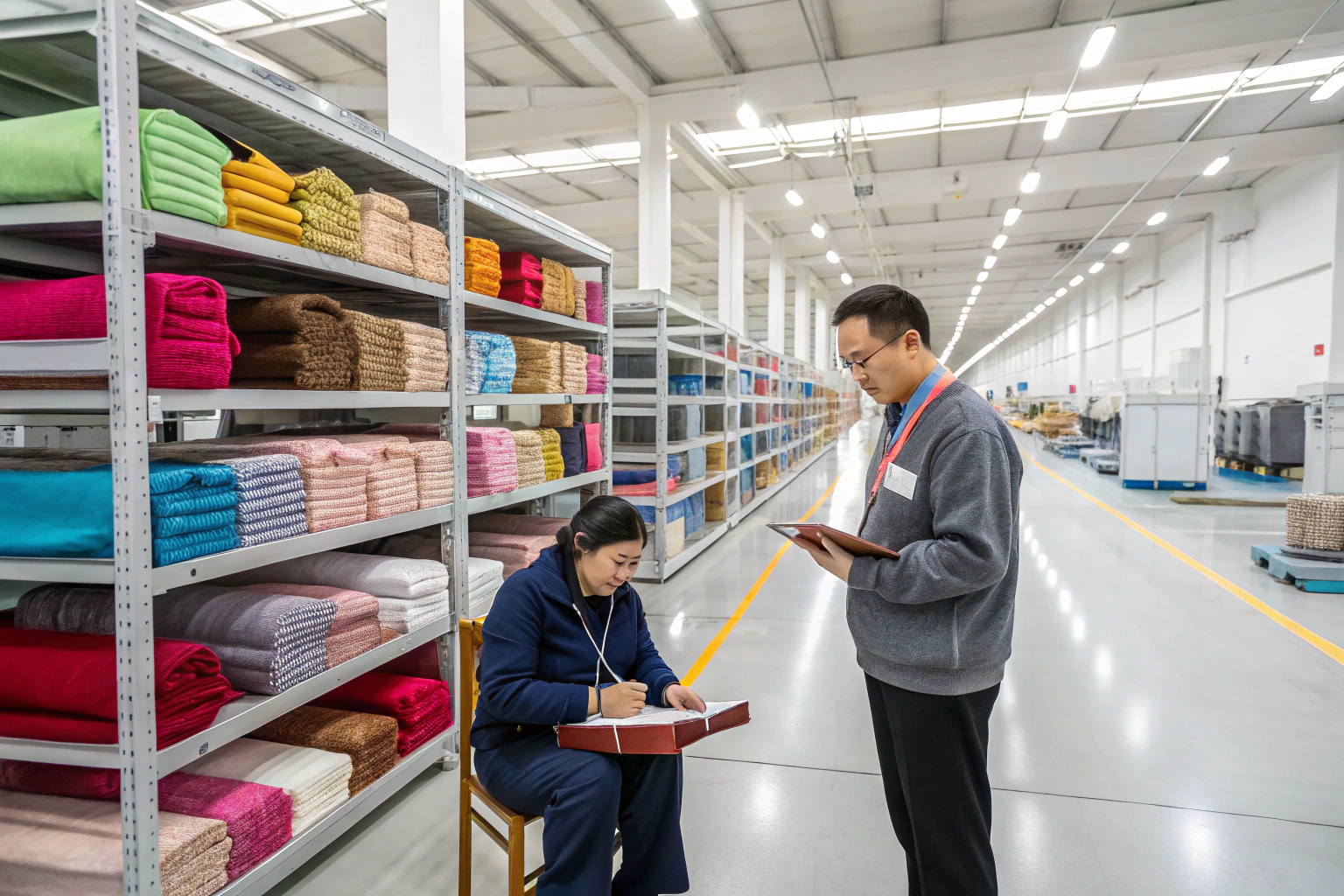
This is a technical area where I always double-check the paperwork. Our quality control team has seen it all. Before a container of our scarves leaves our clean, modern factory in Zhejiang, we seal the doors with a specific protocol. But even then, nature can take over during a month-long voyage. Understanding the difference between an exclusion and a covered peril will save your business when that container arrives with moisture dripping from the ceiling.
How Can You Prove Packing Adequacy To Avoid An Insurance Rejection?
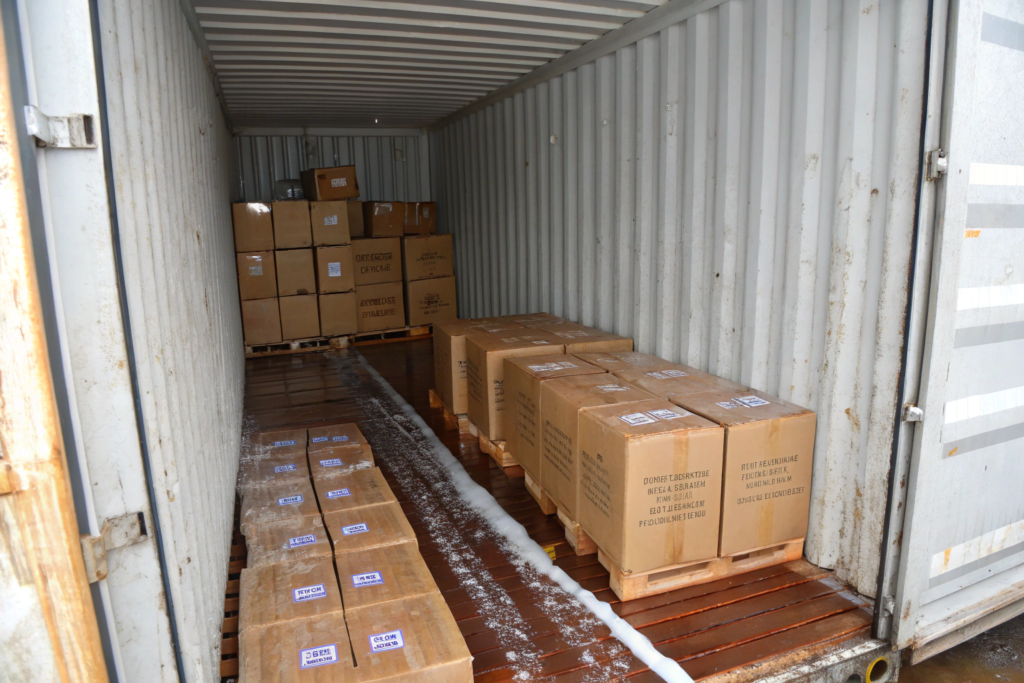
If you file a claim for sweat damage, the first thing the surveyor checks is the packing condition. If they find you used cheap, non-ventilated polybags, your claim dies. I always tell my team to take high-resolution photos of the loading process. We use silica gel desiccants inside every master carton for high-value cashmere orders. We also line the container walls with kraft paper to absorb moisture. This is a standard operating procedure for us.
The container floor is often the source of the problem. If a wooden floor has a high moisture content, it releases vapor. We insist on a floor moisture check before loading. You also must ensure the vents on the container are not blocked. Blocked vents trap hot air and accelerate condensation. Documenting these steps is critical. If you can show the surveyor a checklist with timestamps, the insurer cannot claim improper packing. For more on proper container loading standards, you can review guidelines from the CTU Code. General storage advice for textiles can also be found through institutions like ASTM International, which sets voluntary standards for packaging.
What Is The Difference Between Sweat Damage And A Roof Leak In An Insurance Policy?
This distinction matters a lot to a claims adjuster. A roof leak from a damaged container is a direct physical loss. Sweat is considered an inherent atmospheric condition. Some cheap policies have a specific exclusion for "atmospheric humidity." You need to read the exclusion clauses carefully. If the container roof leaks because a heavy coil of steel was dropped on it during loading, that’s a physical accident. If the moisture comes from the air inside the closed box, that’s "container sweat."
You must ensure your policy does not have a moisture exclusion clause. Institute Cargo Clauses (A) generally cover moisture damage unless you have a rust or oxidation exclusion. You can negotiate to strike that exclusion. The cost is minimal. When the surveyor arrives, show them the roof of the empty container immediately. If there is a hole, it’s a leak. If the roof is clean but the inside is wet, it’s sweat. Being precise with your language speeds up the claim. Check resources from the International Union of Marine Insurance for detailed analysis on these technical distinctions.
Why do I need a third-party surveyor before signing a cashmere delivery receipt?
There is a moment of truth at the destination warehouse. The truck driver backs up to the dock. The warehouse manager hands you a clean delivery receipt. You are tempted to sign it fast so you can get the goods inside and start distribution. But if you sign that paper without checking the goods, you just killed your insurance claim. Many importers, even the big supermarkets in Europe, fall into this trap because their receiving team is paid to unload fast, not to inspect.
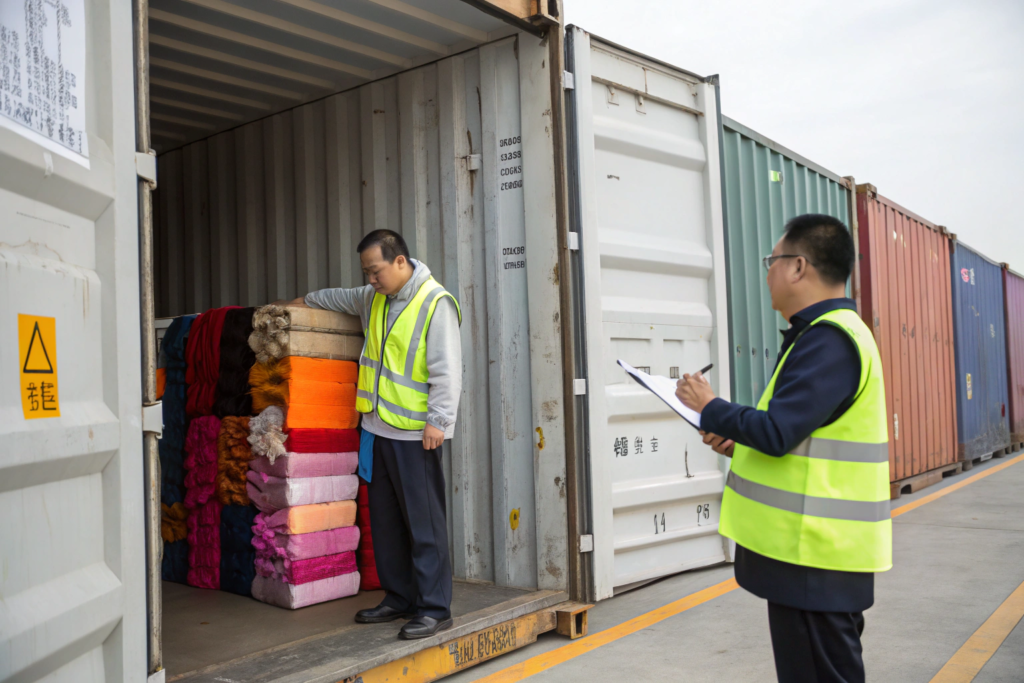
A third-party surveyor is necessary to provide an unbiased legal report that links the external damage to the internal loss before you give a clean receipt. You need them to document if the seals were broken, if the container was dented, or if the cartons are crushed. Without a surveyor’s report prepared at the time of delivery, the insurance company will argue the damage happened after the ocean voyage ended.
I always insist my customers in America and Russia appoint a surveyor before the seal is broken. It is an extra cost, maybe a few hundred dollars, but it saves arguments worth tens of thousands. I’ve even flown our own quality managers to help clients inspect containers of our hats and caps. It takes the pressure off their shoulders. Let’s look at how you find the right person and how you pay for it.
How Do You Find A Competent Surveyor If You Are A Small Importer?
If you don’t have a global network, finding a trusted surveyor feels impossible. You don’t want a random local who doesn’t know a pull test for cashmere from a visual check. I usually advise my smaller boutique clients to ask their cargo insurer first. Insurers keep a list of approved surveyors. If you use their recommended surveyor, they can’t easily dispute the findings later. This removes a major conflict of interest.
Alternatively, you can use global inspection agencies like SGS or Bureau Veritas. They have offices in every major port. They aren’t cheap for a single container, but you can negotiate a flat rate for a "discharge inspection." You only need them there for the first hour of unloading. That’s usually when the damage is most visible. You can always check if your freight forwarder has a partner surveyor, but be careful. Never rely on the carrier’s own surveyor. Their loyalty lies with the shipping line. The surveyor must be truly independent. The Transportation Intermediaries Association often discusses the role of independent agents in logistics, which can guide your search.
Can The Cost Of A Surveyor Be Added To My Cargo Insurance Claim?
Yes, and you absolutely should add it. Most standard cargo policies cover "sue and labor" charges. This clause pays you back for expenses you incur to minimize or assess a loss. Hiring a surveyor falls squarely under this category. You don’t want to leave this money on the table. Make sure your insurance broker knows you are incurring this cost immediately.
When you file the claim, submit the surveyor’s invoice alongside your commercial invoice. The insurance company will likely reimburse you, provided the claim itself is valid. You must get permission for the cost beforehand if you can. Even if you can’t reach the insurer in time due to a weekend delivery, take the risk. A $500 survey fee that saves a $50,000 shipment is the best investment you can make. It also proves you acted in good faith to protect the cargo. This good faith goes a long way with claim handlers. For a legal perspective on policyholder duties, you can review the standard clauses published by the London Maritime Arbitrators Association, which underline the importance of mitigating losses.
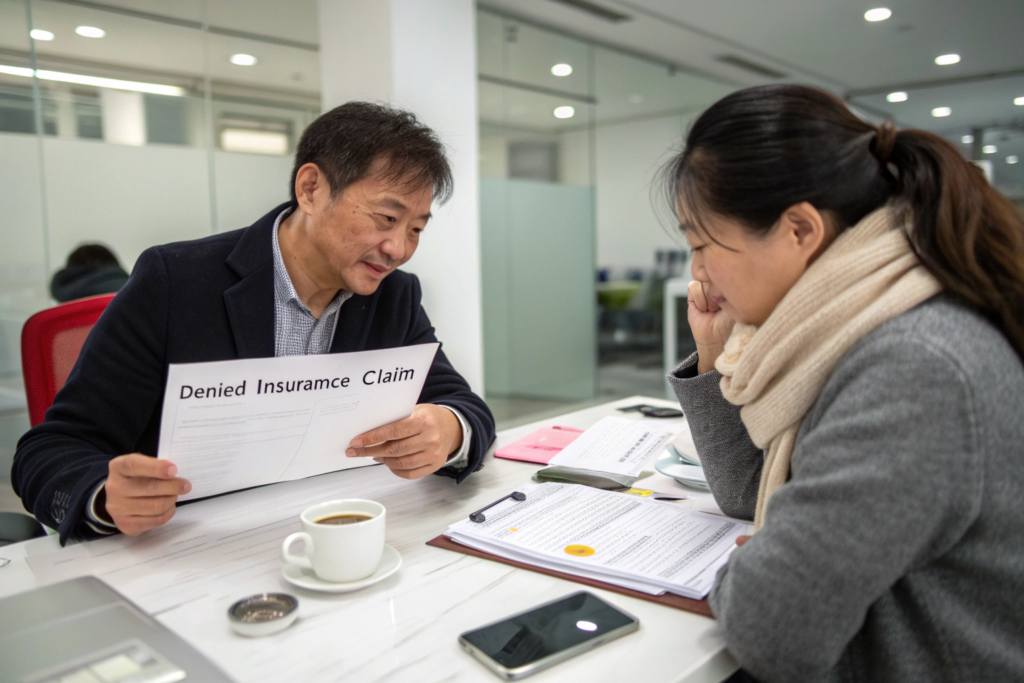
When does a shipping container insurance claim get denied for cashmere goods?
We have shipped to major European supermarkets and small online store owners alike. While no one likes to think about failure, I’ve learned that knowing why claims fail keeps you safer than knowing why they succeed. The disappointment when a container arrives destroyed is bad enough. The shock when the insurer says "no" is devastating. It usually happens not because the loss wasn’t real, but because a technical deadline was missed or a piece of paper was wrong. As an experienced factory owner, I help my customers build a watertight case starting from the day we load the box.
A container insurance claim for cashmere is typically denied when the importer files late, signs a clean receipt at the dock, cannot prove the damage occurred during the voyage, or has a policy that specifically excludes "crease damage" or "inherent vice." Cashmere is delicate. If the cartons were stacked improperly, the scarves can develop permanent creases. An insurer will call this bad packing, not an insured accident.
I had a situation with a shipment of straw hats and cashmere shawls. The cartons of hats were heavy. Someone loaded them on top of the cashmere. The pressure ruined the soft fibers. The claim was denied because our loading plan was flawed. It was a hard lesson for our warehouse team, but we fixed the process. Now, let’s dig into the specific reasons for denial that you can control.
Why Does A Clean Receipt Void My Contract Of Carriage Claim?
When you sign the delivery receipt without any notes of damage, you legally declare that the carrier delivered the goods in "apparent good order and condition." The cargo insurance policy follows this logic. If you can’t hold the shipping line liable because you gave them a clean receipt, your insurer loses their right to subrogate against the carrier. If the insurer can’t sue the shipping line to get their money back, they will deny your claim.
You must convert that clean receipt into a "dirty" or "claused" receipt. Don’t let the truck driver pressure you. They will say the damage is minor or that you can sort it out later. Don’t listen. Write down exactly what you see. "Container dented at right rear corner." "Cartons crushed on the left wall." "Seal number does not match the bill of lading." If the driver refuses to wait for a surveyor, write "Unchecked goods, driver refused inspection time." It might feel aggressive, but it protects your claim. The Federal Maritime Commission in the US regulates these carrier interactions and can provide guidance on your rights during delivery.
Is Creasing And Compression Considered Damage Or Inherent Vice By Insurers?
This is the gray zone that hurts cashmere importers. Insurers often fight compression claims by arguing "inherent vice." They claim the nature of the soft cashmere fiber is to succumb to weight and crease. They say it wasn’t an external accident, but a natural characteristic. To beat this argument, you must prove it was an external force. You need the packing list detailing how many cartons were stacked. If the bill of lading says "stacked 4 high" and your carton says "do not stack more than 3," you have a strong case. It becomes a handling error by the warehouse, not the fiber’s fault.
Creasing is harder. If the scarves were vacuum-packed and the vacuum seal broke, the insurer might blame you for using a weak bag. We now use a specific foam insert for high-end cashmere to protect the folds. If a compression crease occurs despite that, we have evidence of proper packaging. The claim then shifts to rough handling. I always tell my clients to check the exclusion for "insufficient or unsuitable packing" in their policy text. Resources from the Maritime Law Association of the United States often discuss these cargo defense strategies, which can help you understand the legal precedent.
Conclusion
Shipping high-value cashmere requires you to be a logistics expert, not just a designer. The ocean is a hostile place for delicate textiles. You have to worry about condensation, shifting containers, rough handling at the port, and fine print in insurance contracts. I have shipped thousands of containers from our factory in Zhejiang to the US and Europe. I can tell you that the best defense is a strict process. You need an "All Risk" policy covering 110% of the CIF value. You need to document your packing with silica gel and foam inserts to fight off "inherent vice" denials. You need a third-party surveyor at the destination to catch the damage before you sign any paperwork. And you must understand that a rushed, clean signature can destroy a valid claim. The small details, like the floor moisture of the container, the wording on the delivery receipt, and the stacking height on the bill of lading, decide whether you get paid or you eat a massive loss. It is not enough to just buy a policy; you have to build a chain of evidence that holds up from factory floor to final warehouse.
If you want to avoid these headaches and work with a factory that treats your risk like their own, you should reach out to us. We don’t just make beautiful accessories. We manage the export process with military precision. From the moment we sew the label on a cashmere scarf to the moment the container doors open at your warehouse, we think about the safety of your goods. We know the cheap ways to pack, but we refuse to use them because it costs more later. If you are a major supermarket, a brand in Europe, an online store owner, or an importer in Russia, we can develop your next bestseller.
Contact our Business Director, Elaine, to discuss your custom manufacturing needs. You can reach her directly at elaine@fumaoclothing.com. Let us handle the production and the complex shipping details so you can focus on growing your brand.