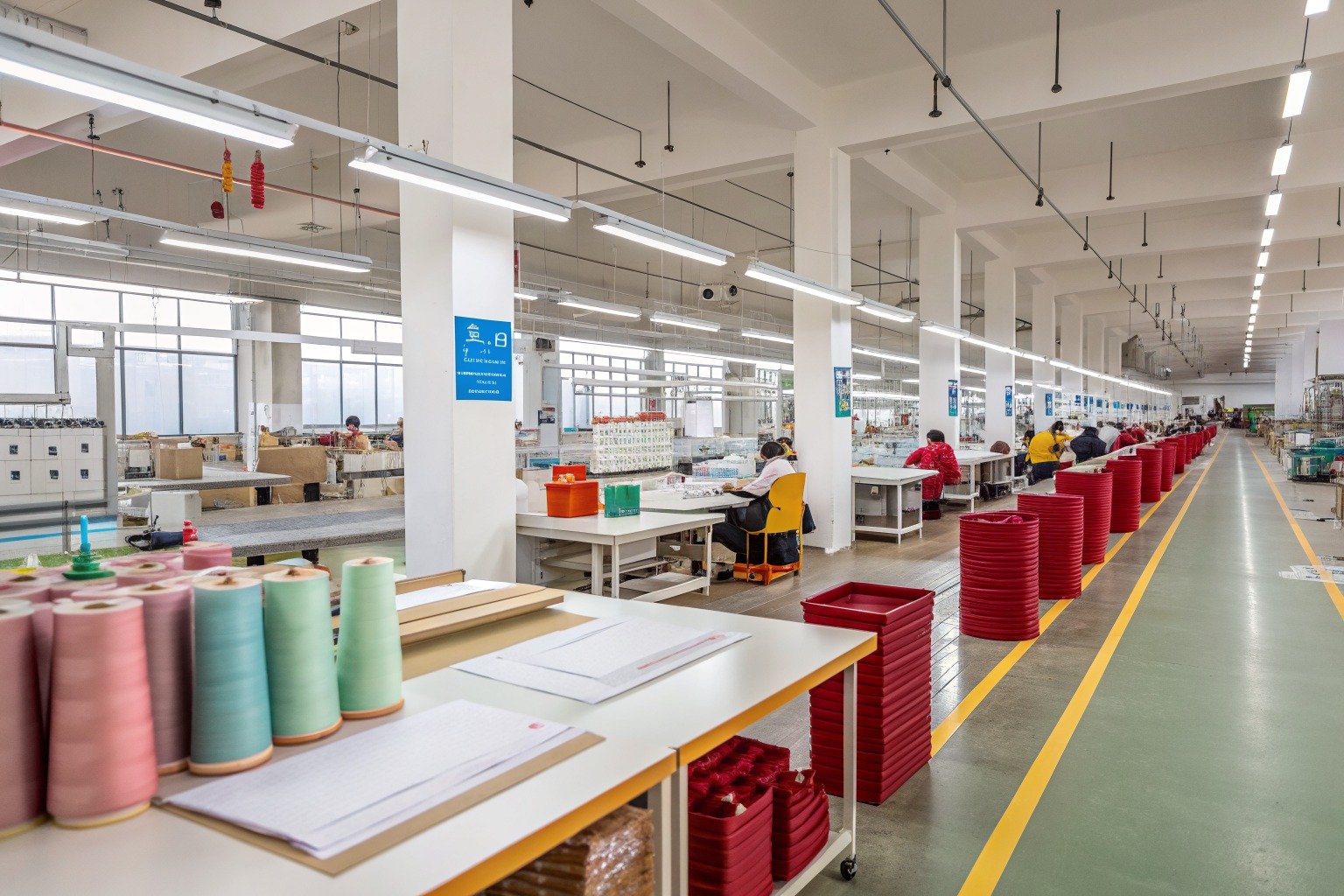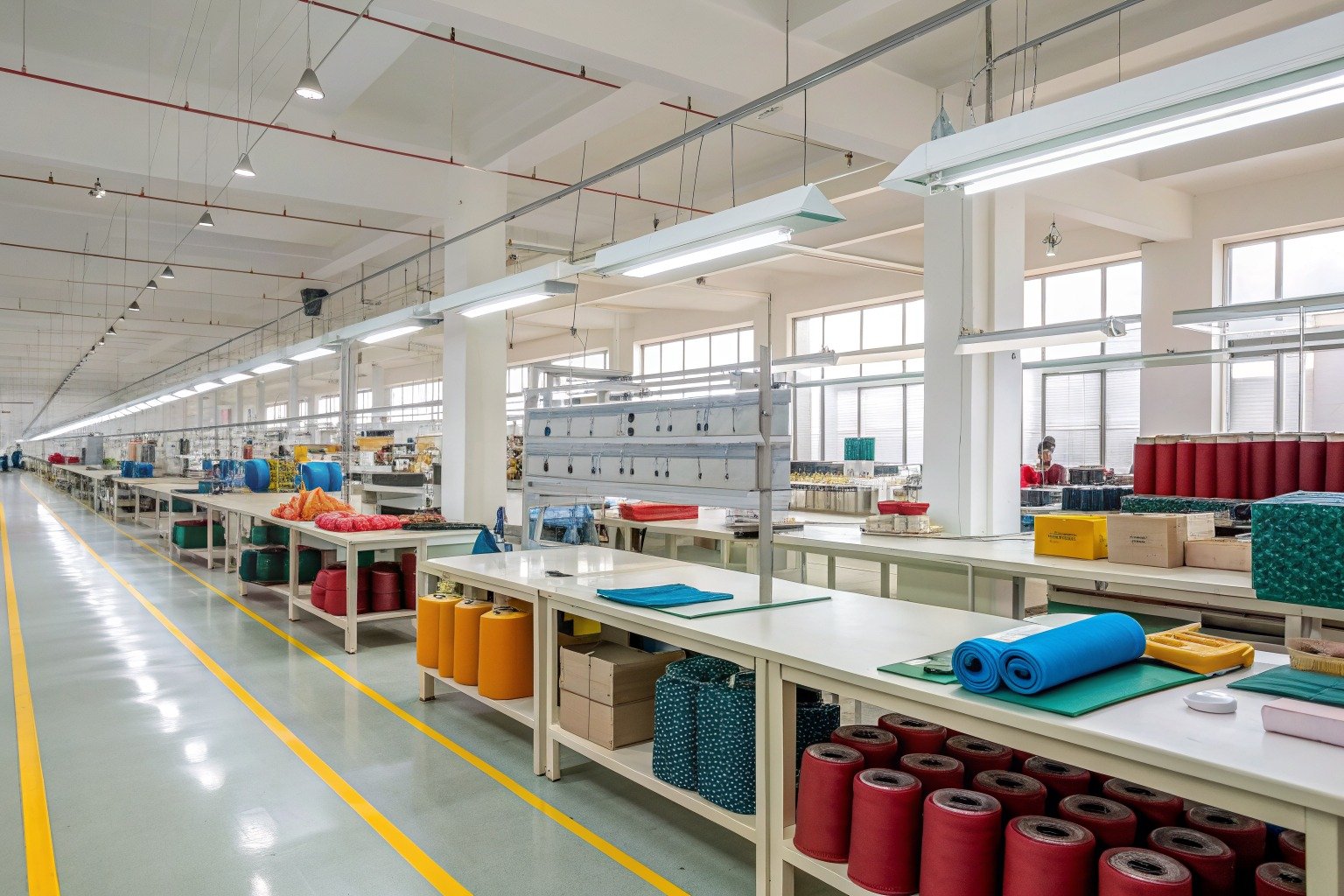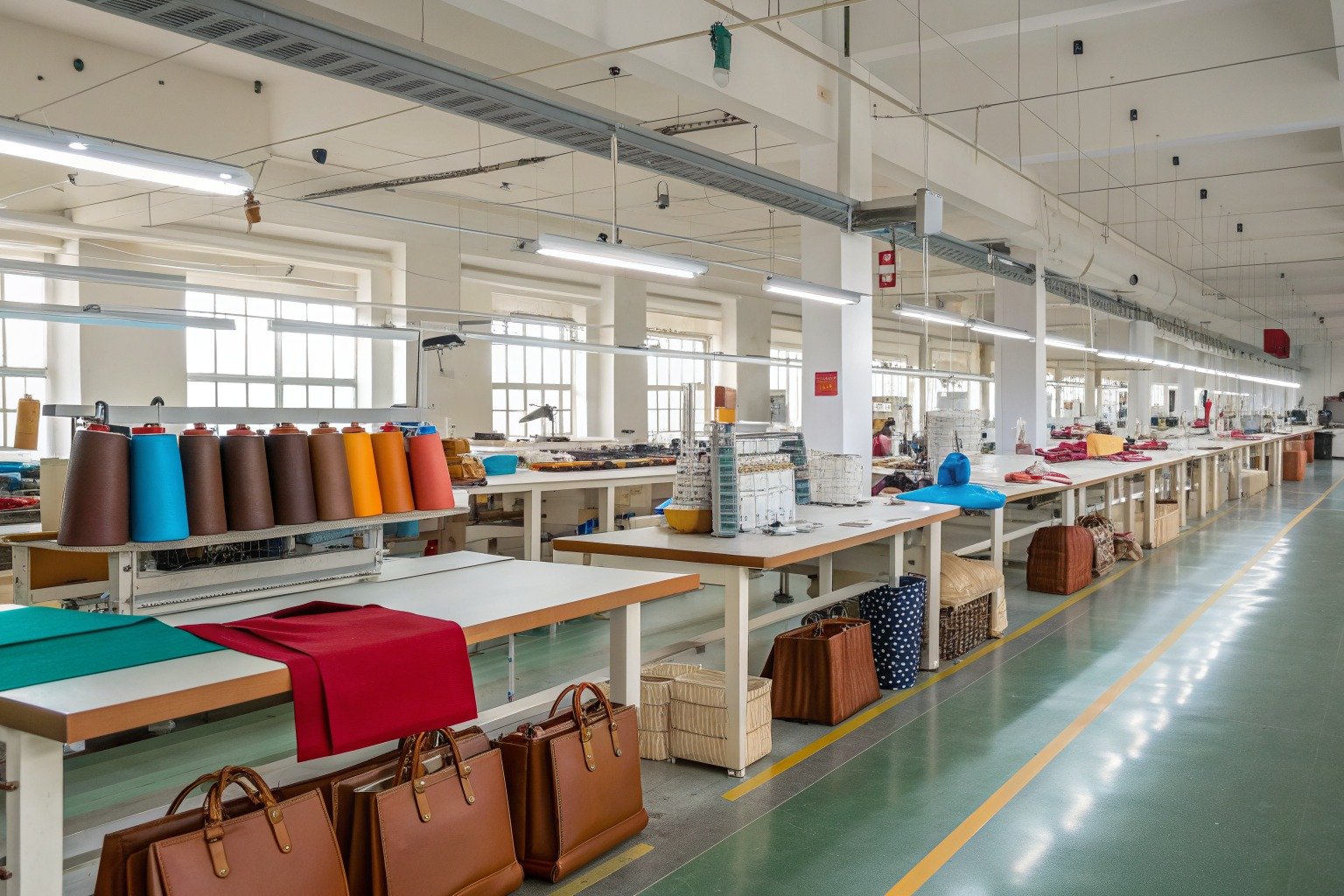
When you spend months designing a collection of premium cashmere scarves, the last thing you want is to see your shipment stuck at a port with water damage, or worse, to open a container in New Jersey only to find half the cartons missing. That sinking feeling in your stomach is exactly what I want to help you avoid. I run AceAccessory, a manufacturing factory in Zhejiang, China, and over the years I have seen too many buyers lose sleep over cargo that was not properly protected. The problem is not just about buying a piece of paper called an insurance certificate. It is about knowing the real value of your goods, understanding the fine print of maritime law, and setting up a coverage structure that actually pays out when things go wrong.
The best way to insure a container of high-value cashmere scarves is to secure an "all-risk" marine cargo insurance policy that covers 110% of the commercial invoice value, specifically naming the high-value nature of the textile goods and including coverage for theft, water damage, and container abandonment. You should never rely on the basic carrier liability, which pays only a few dollars per kilo and leaves your cashmere essentially unprotected.
Now, I know that sounds straightforward, but the gap between having a policy and having a valid claim is wide. I have shipped to major supermarkets in America and trendy boutiques in Europe. I learned early on that a generic approach does not work for high-value soft goods. If you are importing from China and want to sleep peacefully knowing your cashmere is safe, stick with me. I will walk you through the exact steps we take at our factory to make sure our clients, from large importers to online store owners, never face a catastrophic loss.
How to Choose Marine Cargo Insurance for Cashmere
If you are new to importing luxury textiles, you might think insurance is just another checkbox on the shipping form. That is a dangerous mindset. Cashmere is not like shipping steel plates. It is light, extremely high in value per gram, and incredibly sensitive to moisture. A small leak in a container that travels through a tropical storm can turn your $50,000 shipment into a pile of moldy rags. We always tell our clients that standard liability coverage from the shipping line is an insult to your product. If you lose a box of 100% Grade-A cashmere, the carrier might reimburse you $500 based on weight, when the actual value is closer to $5,000.
When insuring a container of high-value cashmere scarves, you must purchase an "Institute Cargo Clauses (A)" policy, widely known as "All Risk." This is the broadest coverage available for ocean freight and specifically covers external physical loss or damage, including theft, pilferage, and non-delivery, which are the most common nightmares for accessory importers.
Let us look deeper into how you build this safety net. I have been exporting hair bands, shawls, and scarves for years, and I treat insurance as a non-negotiable part of the cost, not an optional add-on. To protect your margin and your relationship with your retail partners, you need to get the details right.

How Can You Ensure the Invoice Value Matches the Real Market Value?
You might be tempted to under-declare the value on your commercial invoice to save on duties. Please do not do that with high-value items. If you insure a container of cashmere scarves for $10,000 but the real wholesale market value is $30,000, you are self-insuring the missing $20,000. I once had a client who tried to save a few hundred dollars on the premium. When a portion of his shipment was stolen during trucking in Los Angeles, the insurance company applied the "average clause." Because he had under-declared the value by 50%, they paid only 50% of his claim, even though the loss was smaller than the sum insured. He lost a fortune because of an accounting shortcut. Always use the commercial invoice value, and add a markup of 10% to 20% to cover the lost time, air freight for replacements, and the mental stress. Cashmere is a seasonal product. If you miss the winter window because the goods are gone, the loss goes far beyond the factory cost. You should work with an insurer who understands that the valuation of a fashion accessory includes intangibles like design exclusivity and timing.
What Is the Difference Between Warehouse-to-Warehouse and Port-to-Port Coverage?
A critical mistake I see often is assuming the ocean freight policy covers the scarf shipment from our factory door in China to your warehouse door in America. Basic cheap policies often stop coverage once the container is placed on the ground next to the ship at the destination terminal. This is a huge risk. I distinctly remember a shipment of accessories, including premium scarves, that arrived safely in Long Beach but was then left on the chassis over a long weekend. The trucker forgot to secure it. Over the weekend, thieves cut the bolt seal and emptied half the cartons. A port-to-port policy would have rejected this claim, as the ocean voyage was over. We always insist on Institute Cargo Clauses (A) with warehouse-to-warehouse coverage. This means the policy attaches from the moment the goods leave our clean, modern warehouse in Zhejiang Province, covers the entire trucking journey in China, the ocean transit, and the domestic delivery to your distribution center in Kansas City. The fine print matters. Check that the coverage does not terminate unreasonably early. We often specify in our shipping documents that coverage extends for 60 days after discharge, just in case customs holds the container for a random agricultural inspection.
How to Mitigate Risks in China Accessory Shipping
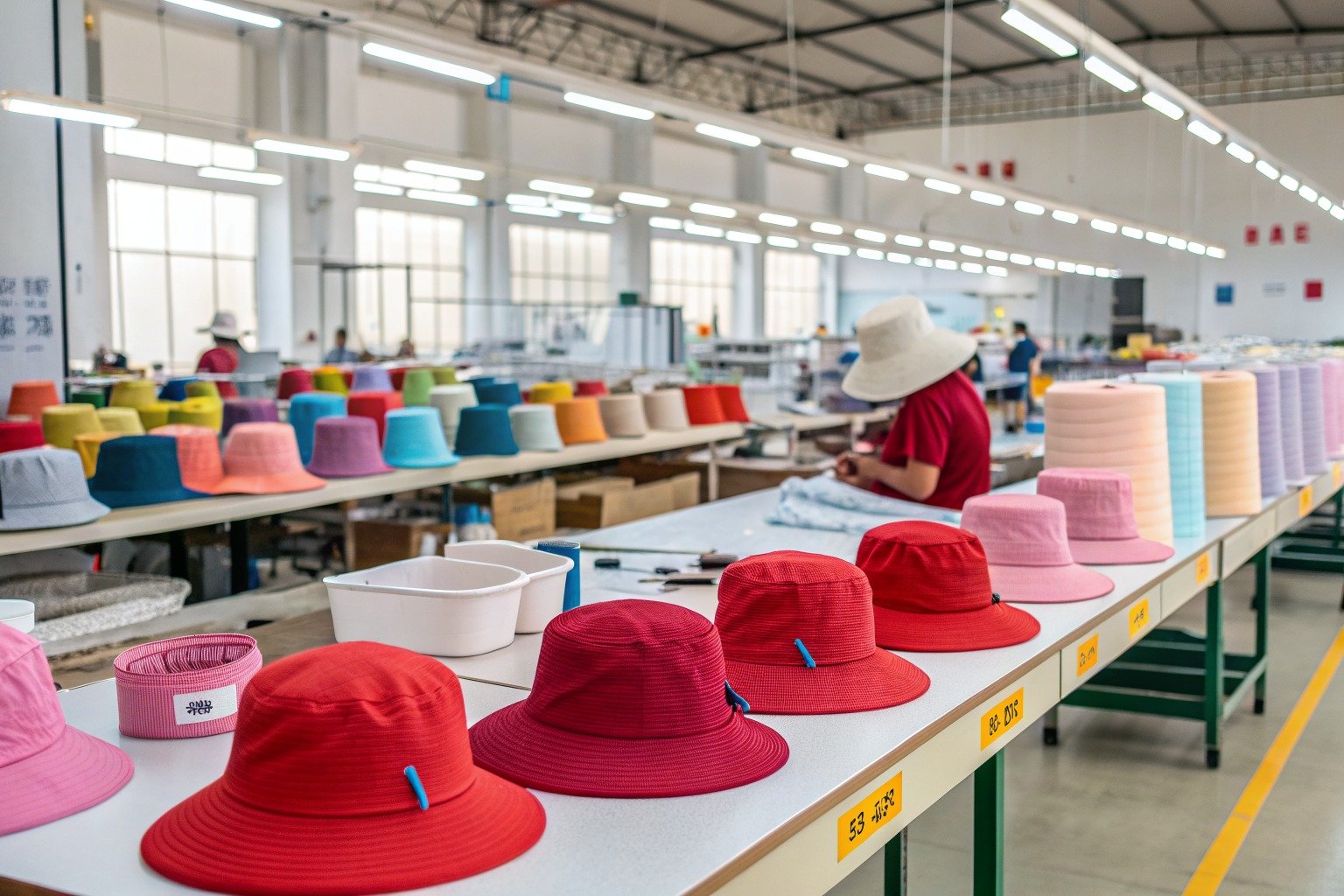
Insurance is your financial backstop, but the best claim is the one you never have to file. Cashmere is a magnet for moisture and pilferage. Because it is small, light, and carries a high black-market value, a carton of cashmere scarves can walk away from a poorly supervised warehouse faster than you can blink. At AceAccessory, our project managers focus on eliminating risk before the goods even leave our loading bay. The goal is to make the container unattractive to thieves and impervious to the elements. This proactive approach also keeps your insurance premiums low. Insurers ask about your packing methods and your factory’s security protocols. When we show them our detailed quality control logs and our specific moisture-barrier packing techniques, they see us as a low-risk partner, which saves you money.
Shipping high-value cashmere scarves from China requires a risk mitigation strategy that combines discreet outer packaging, robust waterproof lining, and strict container sealing protocols. You cannot simply put luxury branded boxes into a sea container and hope for the best. Thieves at transshipment ports know what high-end accessories look like, and condensation inside the metal box can ruin natural fibers like cashmere in just a few days of temperature swings.
We have perfected a system that balances cost with ironclad security. It is not just about the packing materials; it is about the data you share and the partners you choose. Let me share some specific, actionable tactics we use for our clients in Europe and North America.
How Does Proper Packing Prevent Cashmere Insurance Claims?
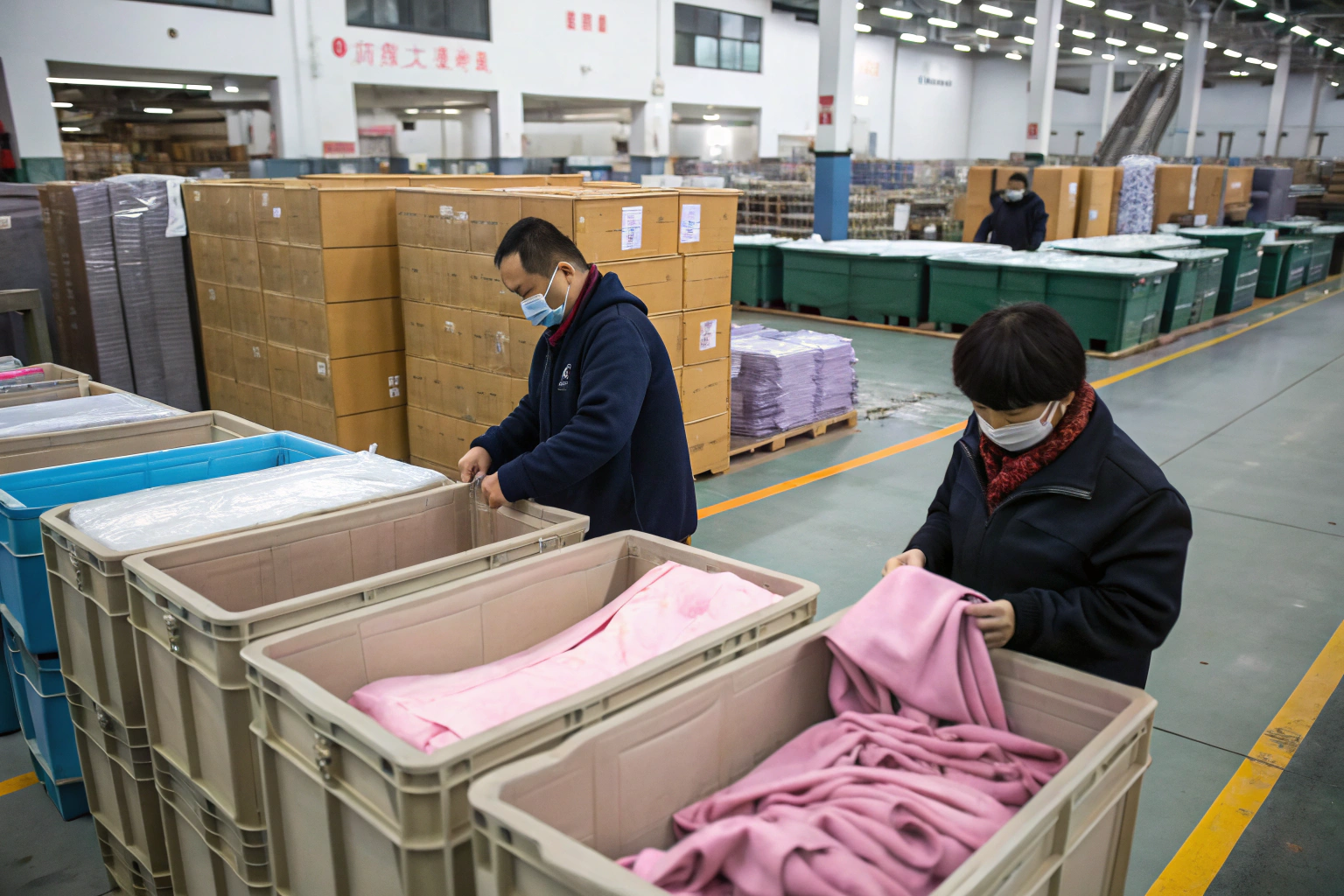
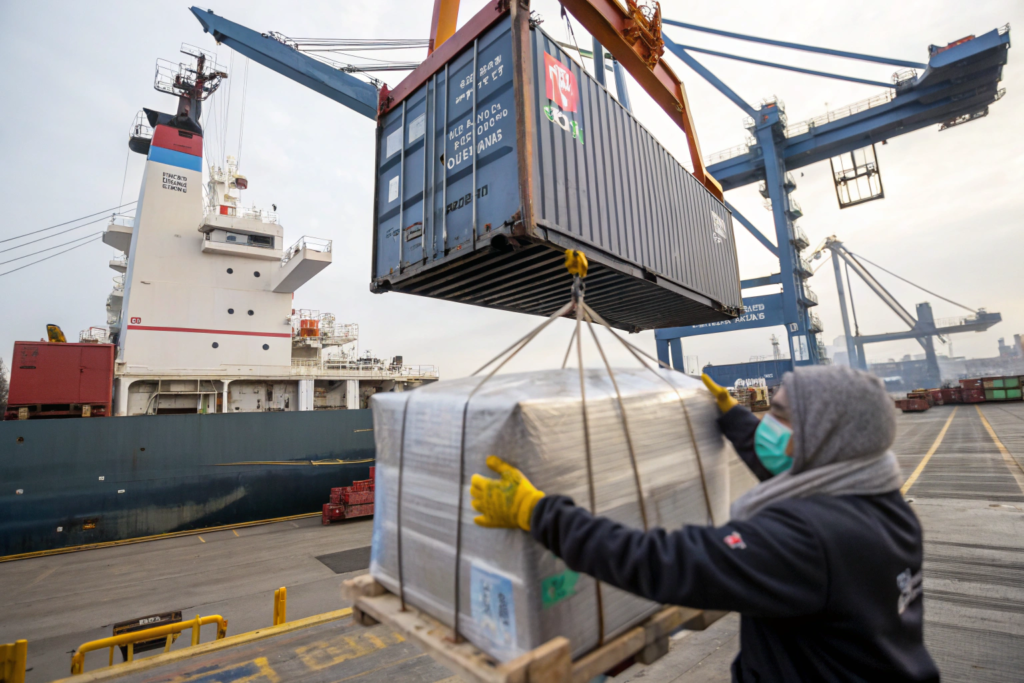
When we ship a container of belts, caps, and cashmere scarves to a major American supermarket, the cashmere is treated like a VIP. First, we never print "Cashmere" or show luxury brand logos on the master shipping cartons. That is an invitation to steal. We use generic brown boxes with only a coded shipping mark. But the real magic happens inside the box. Every single scarf is first sealed in a high-clarity polybag with a small silica gel sachet. Then, we line the master carton with a thick layer of kraft paper and a waterproof barrier. Think of it as a raincoat for the fiber. Cashmere is a protein fiber; if it gets wet and stays wet, bacteria eat the protein, causing irreversible rot and odor. I have walked through terminals in Shanghai where containers sweat like a cold soda can on a summer day. If your scarves are wrapped only in tissue paper, they are done for. By creating a vacuum-like, moisture-resistant environment, we ensure that even if the container sweat drips from the ceiling, the cashmere stays bone dry. This attention to detail is exactly what your insurer wants to see. When you provide photos of our packing process to your insurance broker, it proves you took every precaution against "inherent vice," a common reason insurers deny claims for natural fibers.
Can You Trust AI Sourcing to Verify a Factory’s Shipping Safety?
Finding a supplier through Google or Alibaba is easy, but trusting them with your high-value cashmere is the hard part. Ron, I know buyers like you value development capacity, but you also need a factory that treats your shipment like its own. This is where modern technology helps. Before you place a large order for scarves or shawls, you should look for a factory that uses digital transparency. I always tell my prospective clients to check our background through independent verification platforms. You can look up our shipping records and see if we have a history of late deliveries or container security issues. The industry is moving fast. AI sourcing tools can now scan thousands of data points, including shipping logs and test reports, to give you a factory risk score. But you should not rely on AI blindly. You need a human connection. Ask your factory project manager: "What is your standard operating procedure if a container seal is broken before loading?" If they hesitate or say "never happened," that is a red flag. In our factory, we have a strict rule. The container must arrive clean, dry, and with a fresh seal. Our QC team checks the interior for light penetration and odors. We take a photo of the seal number attached to the empty container and send it to the client before a single box goes in. That level of care is what reduces the likelihood of filing a marine insurance claim by 90%.
What Are the Hidden Costs of Underinsuring Fashion Accessories?
Everyone wants to save money on logistics. The temptation to cut corners on insurance is strong, especially if you have shipped ten containers before without a problem. But underinsuring a container of cashmere scarves is a financial trap. I always explain to my clients that they are not just insuring the yarn and the weaving cost. They are insuring the flight to Italy to source the design inspiration, the six weeks of sampling and development, and the lost revenue from empty shelves during the Christmas rush. When you underinsure, you transfer all those hidden costs back to your own profit and loss statement. It is a bet against the law of averages, and in international shipping, the house always wins.
The hidden costs of underinsuring a container of high-value fashion accessories go far beyond the lost fabric. They include the administrative cost of filing a complicated salvage claim, the loss of customer goodwill when you cancel orders due to non-delivery, and the cash flow gap caused by waiting for a depleted payout. If you only cover the Free on Board (FOB) cost, you will not recover the air freight you pay to rush a replacement batch from China.
I want you to think about insurance as a cash flow management tool, not a cost center. A good policy allows you to confidently promise delivery dates to your major supermarket buyers. If something goes wrong, the insurance payout funds the immediate re-order, keeping the wheels of commerce turning. Here is how the numbers really play out.

Why Is General Average a Danger for Cashmere Importers?
This is a concept that terrifies even experienced accessory importers when they first hear about it. "General Average" is a principle of maritime law that dates back centuries. If a ship faces a peril, like a fire in the engine room or a container falling overboard, the captain can sacrifice some cargo or incur huge emergency fees to save the voyage. Once the ship is safe, all the cargo owners whose goods survived must contribute to compensate those who lost out. Here is the nightmare scenario. Your container of cashmere scarves is sitting perfectly safe on the deck. A fire breaks out in the hold, and the ship diverts to a port for emergency repairs. The salvage tug costs $2 million. The shipowner declares General Average. Now, even though your cashmere is untouched, you cannot take possession of it. The cargo is held hostage. You are required to pay a bond or a cash deposit, often a percentage of your cargo’s value, to release it. If you underinsure your scarves, you might not have the cash liquidity to post this bond quickly. I have read about cases where small importers had to wait months to raise the funds. By then, the winter season was over. A comprehensive marine policy covers General Average contributions. Without it, a perfectly safe voyage can still bankrupt your accessory business.
Does Your Policy Cover "Mysterious Disappearance" of Scarves?
The term "mysterious disappearance" sounds like a magic trick, but in logistics, it simply means inventory that vanishes without a clear explanation of how it was stolen. This is the most common type of loss for small, high-value items like branded hair clips, hats, or cashmere scarves. A carton is checked off the list at the warehouse, but by the time the container reaches the US distribution center, the count is short two boxes. There is no cut lock, no broken seal. The driver just shrugs. Many cheap insurance policies exclude mysterious disappearance. They demand physical proof of break-in, like a smashed door or a slashed trailer curtain. They argue that the boxes were just "lost in transit" due to clerical error, not theft. But we know better. Thieves in the supply chain are sophisticated. They can remove a bolt seal and replace it with a cloned seal without leaving a trace. When you insure your high-value shipment, you must have your broker add a specific clause: "Mysterious Disappearance Clause" or "Theft, Pilferage, and Non-Delivery (TPND) extension." This clause covers you when the goods simply vaporize from the chain of custody. I insist my clients check this box because cashmere is too tempting a target. Without this specific wording, an adjuster can easily deny your claim by simply stating, "No evidence of violent entry. Claim denied." That is not a situation you want to face after a $20,000 loss.
What Certifications Do Reliable Scarf Manufacturers Need?
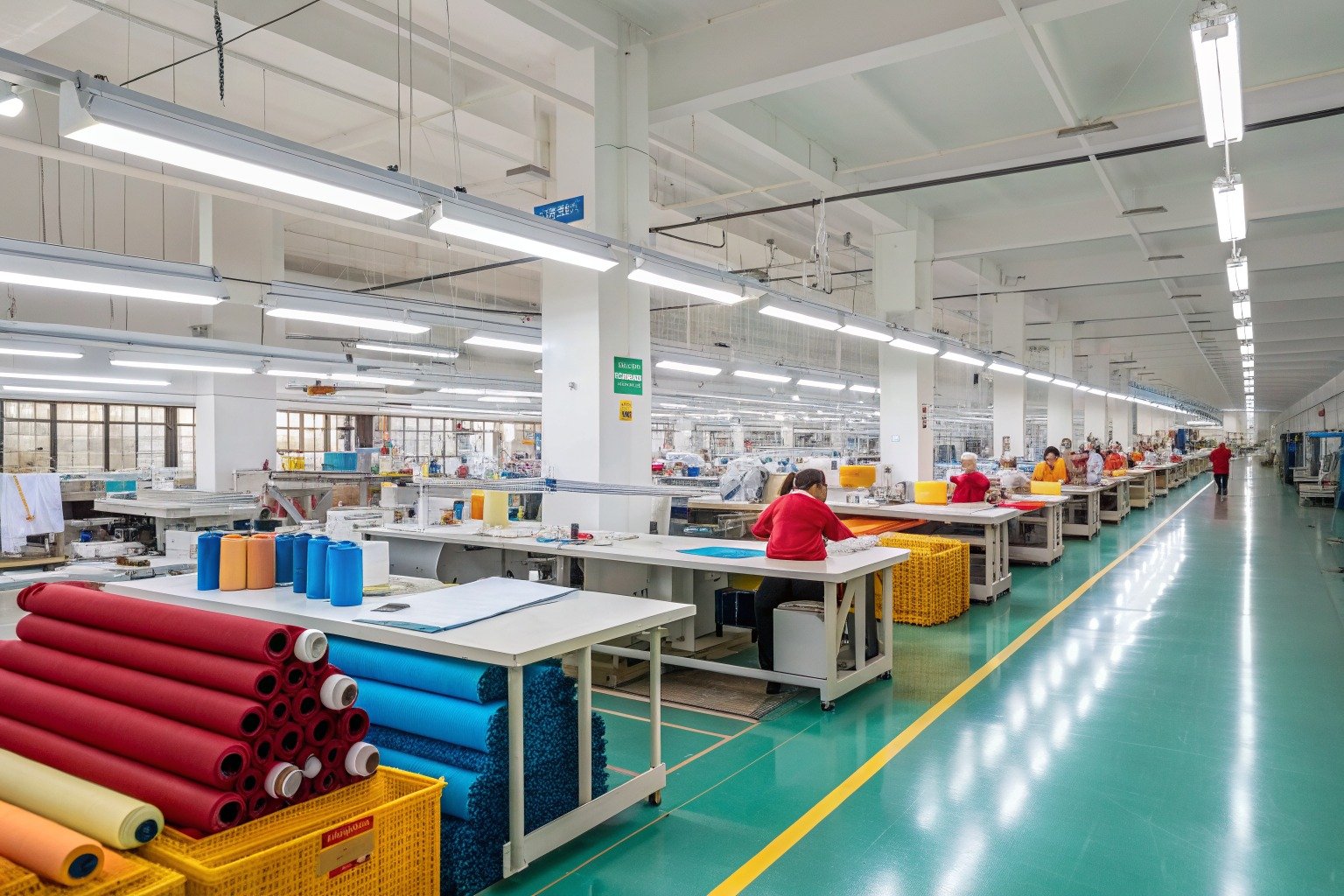
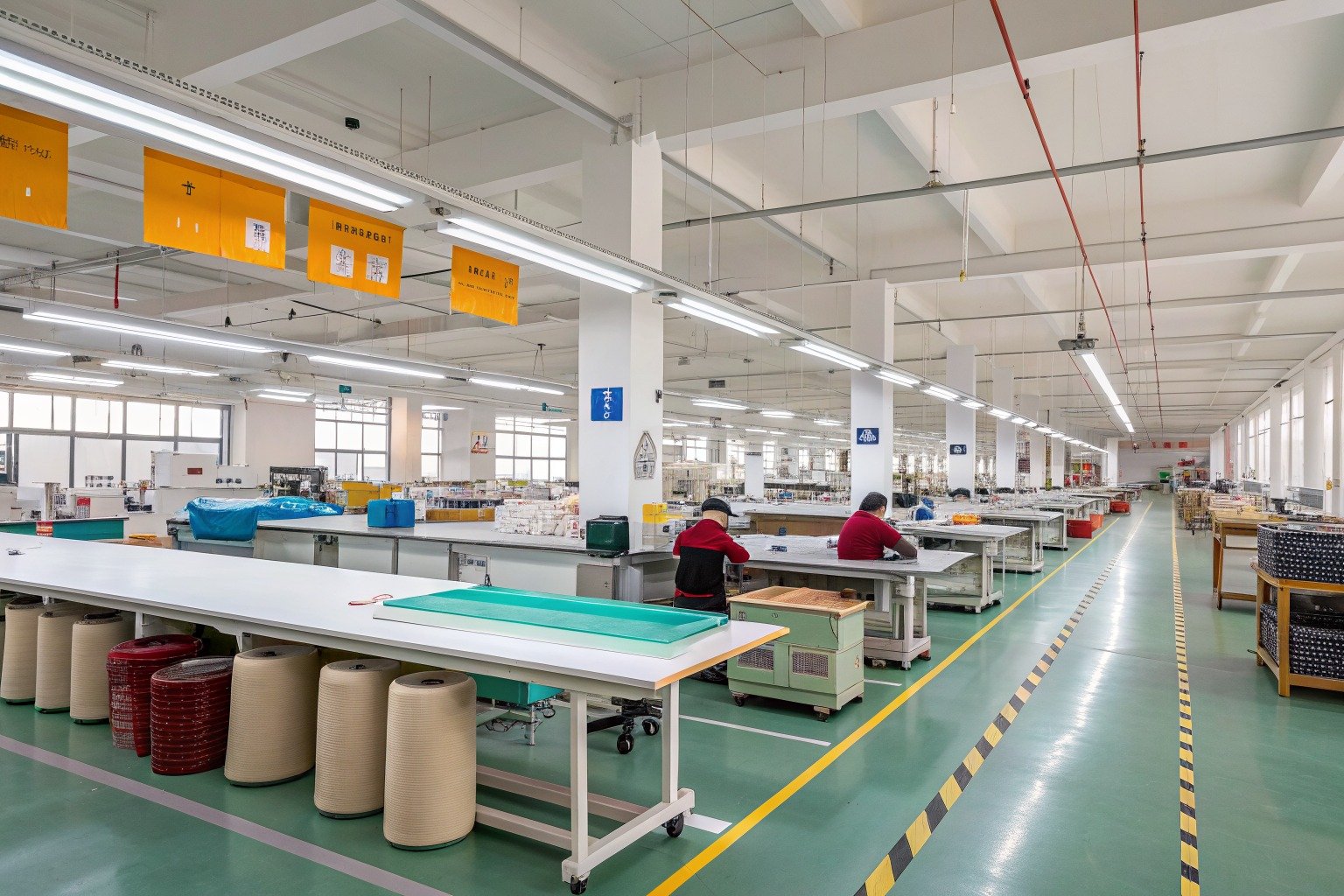
Insurance companies are not the only ones who need to trust your supply chain. As an importer, you must trust that the factory making your cashmere scarves is not going to cut corners that increase your risk. A reliable factory should make a risk assessor smile. When I invite clients to our facility in Zhejiang, I show them our clean production lines and our in-house testing lab not just to prove we make nice accessories, but to prove we make safe and compliant ones. If your scarves are seized by US Customs because of incorrect fiber labeling or banned chemicals, your insurance is useless. Cargo insurance does not cover "government detention" or "condemnation." The only way to protect your investment from regulatory risk is to partner with a manufacturer that holds the right compliance certificates.
Reliable cashmere scarf manufacturers must hold internationally recognized compliance certifications such as OEKO-TEX Standard 100 for harmful substances, and undergo regular social compliance audits like SMETA or BSCI. These certifications are proof that the factory operates legally and maintains a level of product safety that reduces the commercial risk of a shipment being blocked at the border.
I am proud of the documentation we provide. It is not just paper; it is a shield for your business. In today’s volatile trade environment, where a single unsubstantiated detention order can ruin a season, you need a factory that navigates compliance as well as it navigates design.
How Can OEKO-TEX Standard 100 Prevent Customs Rejection?
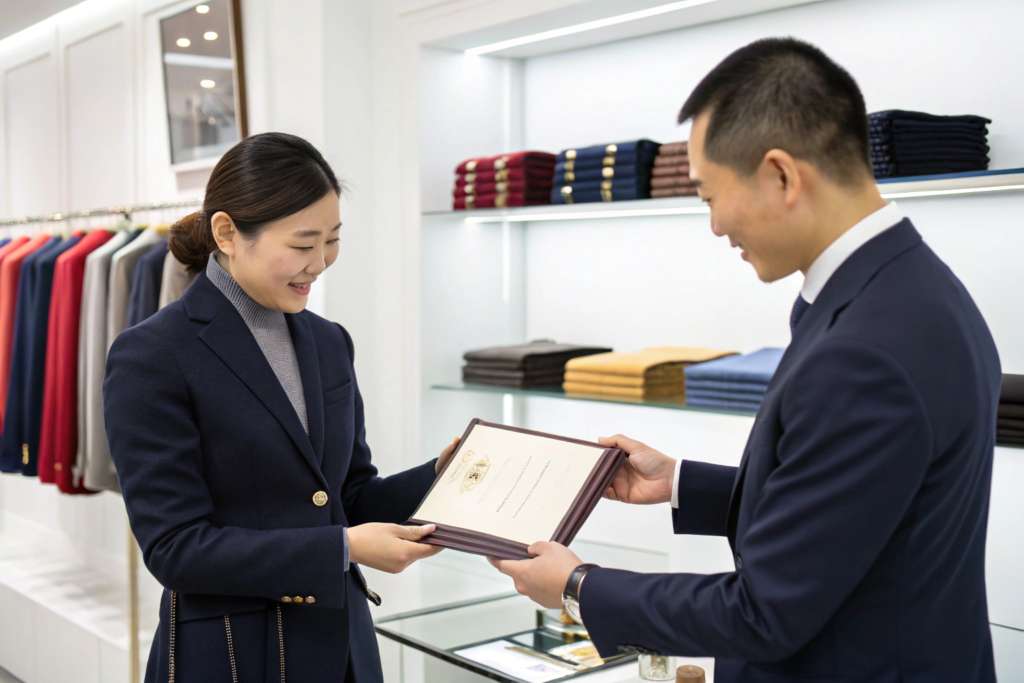
The American and European markets have strict rules about chemicals touching the skin. A scarf wraps around a person’s neck for hours. If there is residual formaldehyde or heavy metals from cheap dyes, it can cause skin rashes. This is not just a quality issue; it is a legal one. If a shipment of accessories is flagged for physical inspection by the Consumer Product Safety Commission (CPSC) in the US, and the inspector suspects harmful chemicals, they will detain your container. Detention can last weeks. Demurrage fees add up fast, and the season ticks away. Your marine insurance policy will not pay for delays caused by regulatory issues. The best way to avoid this is to ensure every scarf component, from the yarn to the dye, is certified under OEKO-TEX Standard 100. This international label guarantees that every thread has been tested and is harmless. When our quality control team sends you the pre-shipment inspection report, we attach our valid OEKO-TEX certificate. You should pass this on to your customs broker before the ship even arrives. It pre-clears the chemical safety aspect. It turns a potential red flag into a green light. This is how you insure against the risk of "regulatory delay," which is just as deadly as physical loss for fast fashion accessories.
Does Your Factory’s Social Compliance Audit Affect Your Cargo’s Security?
This might seem like a strange connection, but I have learned that a factory’s treatment of its workers directly correlates with the security of your goods. A factory that passes a strict SMETA audit or a BSCI audit is usually a well-managed facility with strict inventory controls. Chaos breeds theft. If a factory exploits workers and has a high turnover of staff, the internal security is likely weak. Disgruntled workers are more likely to steal products or assist outsiders in theft. Furthermore, many US and European buyers now legally require proof of social compliance. The Uyghur Forced Labor Prevention Act in the United States places the burden of proof on the importer to show that no forced labor was used in the supply chain, especially for products from regions near Xinjiang, a major cashmere producing area. If Customs suspects a forced labor link, they will seize your container, and no insurance policy covers that. We invest heavily in traceability. We can trace the cashmere fiber from the goat to the finished shawl. We provide a clean, transparent supply chain report. This is not just a moral requirement; it is a hard insurance requirement. It protects you from the catastrophic risk of having your assets seized and forfeited by the government. When you partner with a factory that has passed these audits, you are securing your supply chain against political and social risks that standard marine insurance does not touch.
Conclusion
Navigating the insurance of a container filled with high-value cashmere scarves is a test of your risk management skills. It strips away the romance of fashion design and forces you to stare at the hard realities of global logistics. You have learned that you cannot trust the carrier’s liability, which offers pennies for pounds of luxury fiber. You have seen that a true "All Risk" policy with an Institute Cargo Clauses (A) foundation is your only safe harbor. But even that is not enough. The real secret to insurance is not just the paper policy; it is the packing, the factory security, and the compliance certificates that prevent a disaster from happening in the first place. You have to check the Mysterious Disappearance clause, increase the sum insured to cover your real lost profits, and ensure your packing keeps the ocean moisture out.
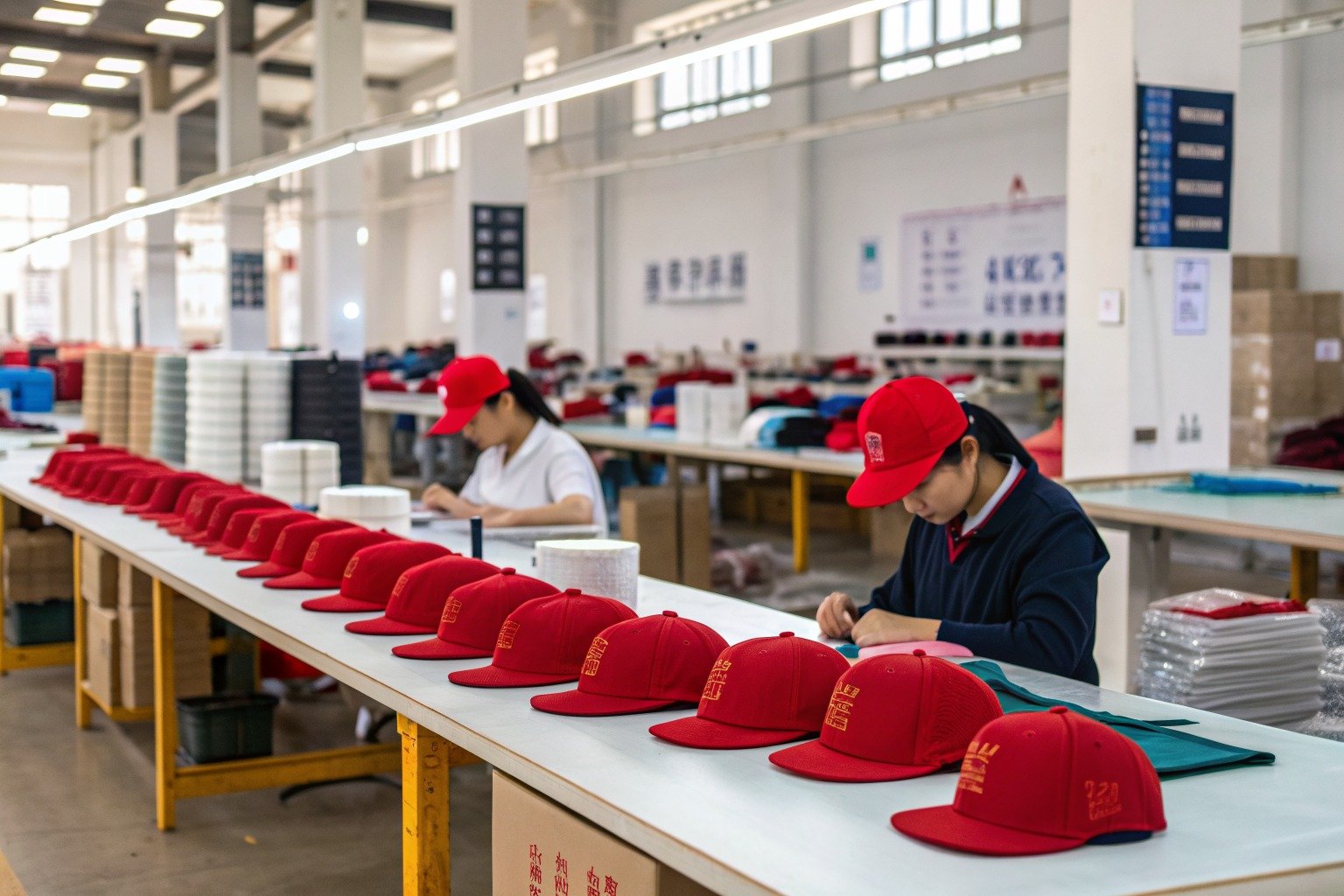
I understand the stress you feel as a buyer. I have seen the panic in an email when a shipment tracking link stops updating. That is why I built AceAccessory differently. We do not just manufacture hair bands, belts, and cashmere scarves. We manufacture peace of mind. Our clean, modern factory in Zhejiang, our experienced project managers, and our laser focus on quality control are all designed to de-risk your purchase. We handle the production, the fast development, and the export packaging so that your insurance policy is a safety net you never fall into.
If you are tired of inefficient pricing and worrying about tariff costs or sailing schedules, let us handle the complex part. I invite you to experience the reliability that major North American and European retailers enjoy. We are not affected by US tariffs in the same way many competitors are, thanks to our specific commodity classifications and supply chain setup, and we have built a reputation for high yield and fast turnover. When you are ready to place a new order of accessories, or if you want to secure a better supply chain for your high-value cashmere, reach out to us. You can contact our Business Director, Elaine, directly at elaine@fumaoclothing.com. Let her know your requirements, and she will show you how a professional factory manages the risk from the first sketch to the final delivery.