I remember a conversation I had last spring with a buyer from a well-known vintage-inspired label in London. He was frustrated. He had gone through three different suppliers who promised they could make authentic flat caps and newsboy caps, but every sample he received looked like a cheap costume piece. The fabric was too shiny, the brim was too stiff, and the eight-panel construction on the newsboy cap was all wrong. He told me he was about to give up on the category entirely. That is when I asked him to send me his original 1920s reference images. At AceAccessory, we live for this kind of challenge. We reverse-engineered the vintage drape, found a matte wool blend that mimicked the hand-feel of heritage tweed, and delivered a sample that made his design team silent for a full minute when they unboxed it. That is the difference between a generic cap factory and a partner who respects textile history.
Yes, our Zhejiang factory can produce both classic flat caps and authentic eight-panel newsboy caps specifically engineered for vintage-inspired brands. We have the in-house pattern-making expertise to replicate historical silhouettes, the sourcing network to find period-correct fabrics like brushed wool, linen blends, and waxed cotton, and the quality control team to ensure every brim snap and inner sweatband meets the premium standards that heritage brands demand.
But "can you make it" is just the first question. The real conversation is about how we make it. Anyone can sew six triangles of fabric together and call it a newsboy cap. But a true vintage cap has a soul. It has the right volume in the crown, a specific slouch at the back, and a brim that can actually be shaped by the wearer. If you are building a vintage brand or curating a retro collection for a boutique, you need a manufacturing partner who understands the difference between a costume prop and a wearable, stylish cap. Let me take you through what we do best.
How to Source Authentic Vintage Style Caps from China
Sourcing vintage-style headwear from China requires a different approach than buying standard baseball caps. A newsboy cap is not a commodity item. It is a structured piece of engineering. You have to worry about the panel alignment, the interfacing inside the brim, and how the cap holds its shape after being stuffed in a traveler’s bag. Many buyers make the mistake of simply sending a photo from Pinterest and asking for the lowest price. That is a recipe for disappointment. At AceAccessory, we start every vintage cap project with a deep dive into the era you want to reference. Is it a slim, streamlined 1950s Ivy League flat cap, or is it a voluminous, slouchy 1910s Baker Boy cap? The silhouette tells a completely different story.
When sourcing authentic vintage caps from China, you must select a manufacturer who offers full custom pattern development based on original historical garments, not just off-the-shelf blocks. A true vintage reproduction requires specialized pattern grading, specific interlining materials to achieve the correct drape, and access to fabrics with a matte, natural finish rather than the shiny polyester blends found on cheap modern caps.
The supply chain for these fabrics is something we have spent years perfecting. Let me explain how we find the right materials and why fabric selection can make or break your vintage brand.
How Can You Verify a Factory’s Vintage Pattern Library?
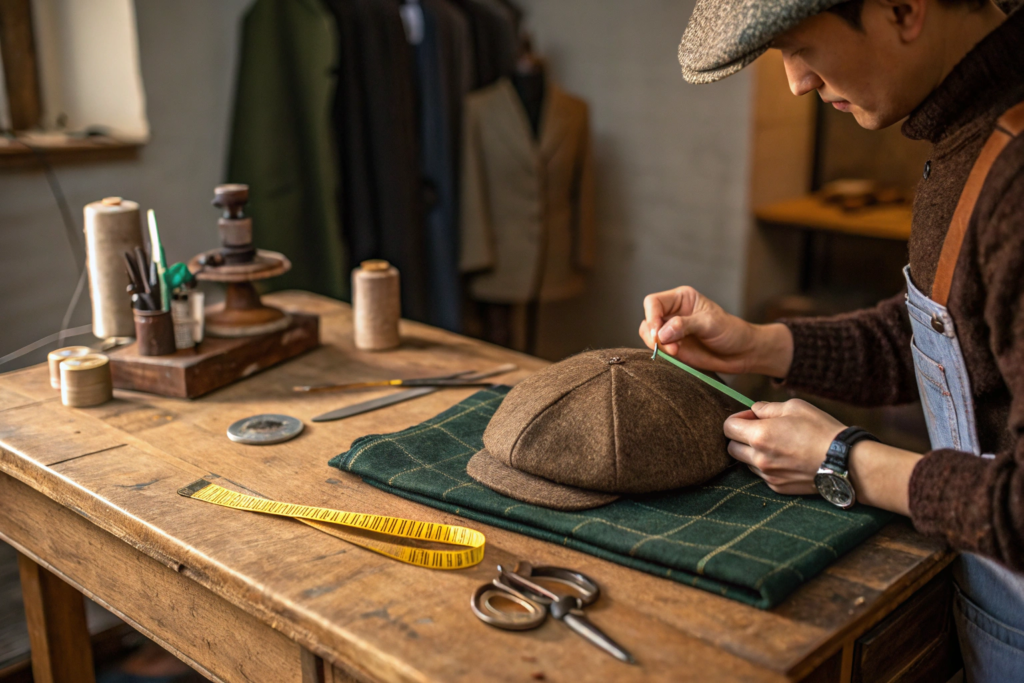
A factory’s pattern archive tells you everything you need to know about their capability. When you walk into most cap factories in China, they will show you a wall of modern baseball caps and maybe a few basic bucket hats. When you visit our development room, I can show you blocks we have perfected for specific decades. We have a 1920s newsboy pattern with a fuller crown and a deeper back slouch, a 1930s worker’s cap with a slightly shorter brim, and a 1960s slim flat cap with a minimalist profile. The difference is in the millimeter. The angle of the brim attachment, the depth of the back pleat, and the height of the crown band all change the character of the cap. I always tell my vintage clients to ask for a "white sample" first, which is a plain muslin mockup that shows the silhouette without the distraction of the final fabric. This lets you see the proportions clearly. Ask your potential factory partner how many vintage-specific blocks they have on file. If they cannot show you at least a few variations of the classic flat cap and newsboy cap, they are probably a modern sportswear factory pretending to understand heritage styling. You can also ask them to replicate a specific detail, such as a hidden elastic sweatband insert from a 1930s original, or a hand-sewn brim attachment. The way they respond will tell you everything.
What Fabrics Work Best for Heritage Newsboy Caps?
Polyester has no place in a vintage cap. I say this firmly because a shiny, synthetic fabric instantly destroys the illusion of age and quality. The best heritage brands use natural fibers with texture. We work extensively with brushed wool tweed, which has a soft hand and a slightly fuzzy surface that looks beautiful under natural light. Donegal wool with its characteristic colorful flecks is perfect for an Irish-inspired flat cap. For spring and summer collections, we use heavyweight linen and hemp blends. These wrinkle beautifully and develop a patina over time, exactly what a vintage customer wants. Waxed cotton is another favorite, especially for caps that nod to British motoring or hunting heritage. It is durable, water-resistant, and ages with a unique creasing pattern. The key is the weight of the fabric. Too heavy, and the eight panels of a newsboy cap will look bulky and stiff. Too light, and the crown will collapse. We test the drape coefficient of every new fabric we bring in. We cut a sample panel, drape it over a curved form, and watch how it behaves. I have rejected beautiful tweeds that simply could not hold the intended silhouette. Your factory should do the same. Ask them about the GSM weight they recommend for a structured newsboy crown versus a soft, foldable flat cap. If they cannot answer immediately, they are not the right partner for your vintage collection.
What Is the Difference Between a Flat Cap and a Newsboy Cap
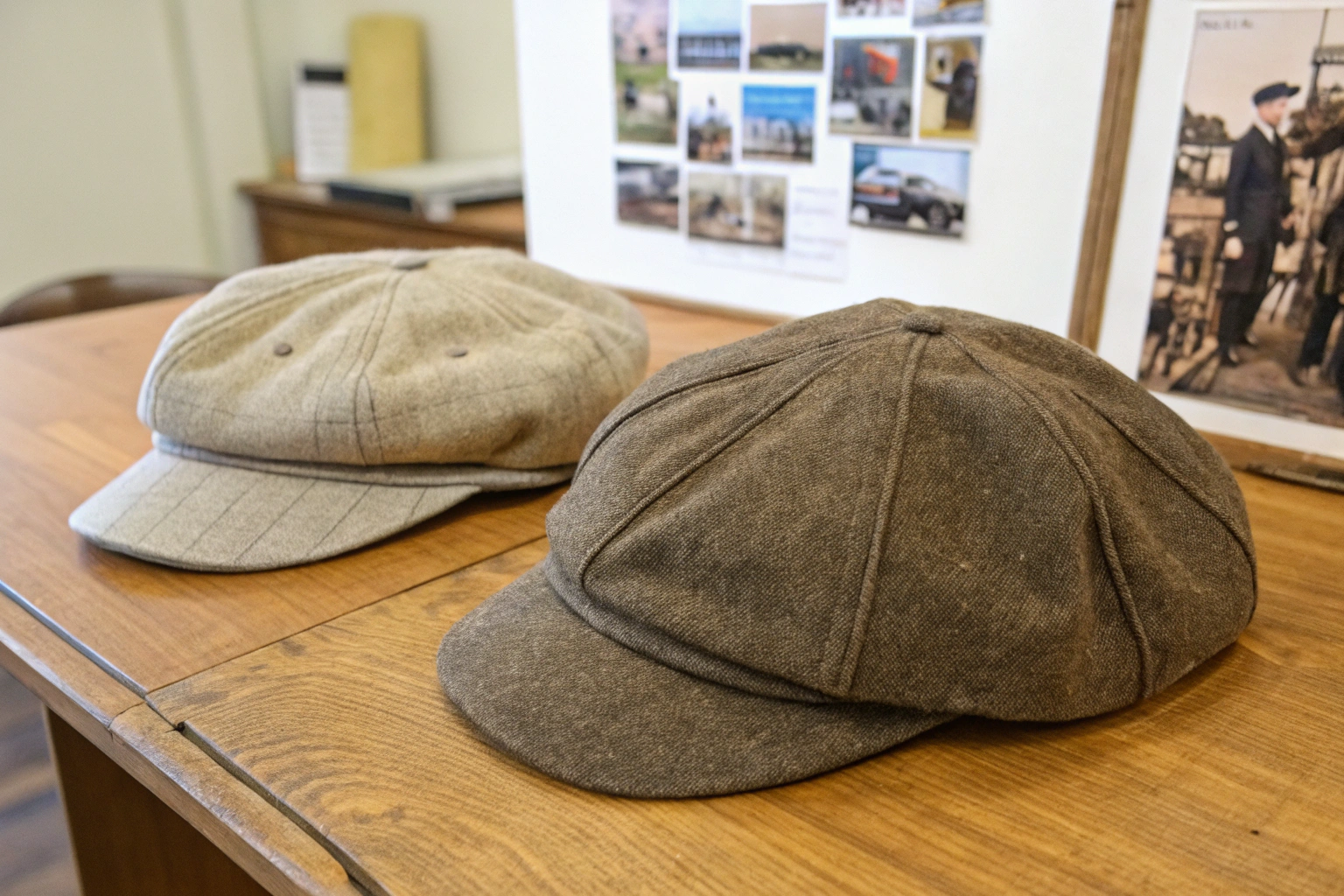
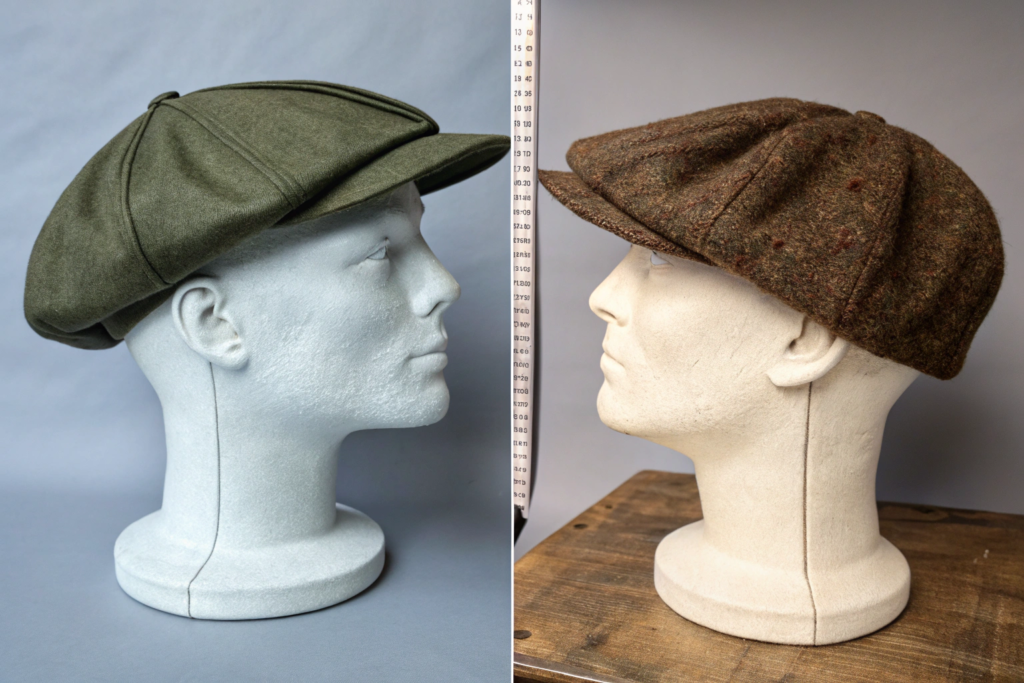
It surprises me how often these two iconic cap styles are confused, even by experienced fashion buyers. I have sat in meetings where someone described a "Peaky Blinders cap," and I had to clarify whether they meant a simple flat cap or the fuller eight-panel newsboy style that was actually worn in the show. A classic flat cap, sometimes called a driving cap, has a much simpler construction. It traditionally has a single piece of fabric on top, or sometimes two pieces seamed down the middle, with a small brim stitched to the front. The silhouette is sleek and close to the head. It is the cap you see on English country estates and in vintage motoring photography. A newsboy cap, also called a baker boy cap or an eight-quarter cap, is more dramatic. It has eight triangular panels that meet at a covered button on the crown, and it has significantly more volume.
The fundamental difference between a flat cap and a newsboy cap lies in the panel construction and the crown volume. A classic flat cap typically uses a one or two-piece top construction with a low, sleek profile, while an authentic newsboy cap is built from eight separate fabric panels converging at a top button, creating a fuller, rounder, and more slouchy silhouette that was originally worn by newspaper sellers and working-class men in the early 20th century.
Understanding this difference is essential because they appeal to different customer bases and require different pattern engineering. I want you to be able to walk into a design meeting and speak the language of cap making with confidence.
Why Does the Eight-Panel Construction Matter for Authenticity?
The eight-panel construction is the signature of the newsboy cap, and it is also the biggest technical challenge. Each of the eight panels is a curved piece of fabric, cut on the bias in most quality caps to allow a natural stretch and drape. When these eight pieces are sewn together, they create a dome. The seam allowances inside this dome must be perfectly trimmed and topstitched, or they will create uncomfortable ridges against the wearer’s head. I have seen cheap versions where the topstitching is uneven, causing the cap to twist to one side. This is a dead giveaway of poor craftsmanship. The covered button on top is not just decorative. It acts as the structural anchor for all eight panel points. If the button is not sewn securely through the interlining, it will pop off after minimal wear. For a vintage brand, these details are the story you sell to your customer. You are not just selling a hat. You are selling a piece of history. We treat the panel assembly as a craft process. Our sewing team uses a specific presser foot pressure and stitch length designed for wool fabrics to prevent puckering along the curved seams. I once spent an afternoon with a pattern maker adjusting a newsboy panel curve by just two millimeters at the base. That tiny adjustment completely changed the way the cap sat on a customer’s head. That is the level of obsession vintage authenticity requires.
Which Cap Style Suits Different Vintage Brand Aesthetics?
Choosing between a flat cap and a newsboy cap is a branding decision, not just a product decision. A classic flat cap evokes a very specific aesthetic. It feels Ivy League, traditional, and understated. If your brand is channeling 1950s academic style, mid-century British motoring, or a refined, gentlemanly look, the flat cap is your anchor piece. It pairs beautifully with waxed cotton jackets, cable-knit sweaters, and leather brogues. The newsboy cap, by contrast, carries a different energy. It feels more rugged, more urban, and more connected to working-class history. This is the cap of Irish paperboys, Parisian street vendors, and Depression-era factory workers. It looks incredible with a heavy wool overcoat, a chunky scarf, and work boots. Many of our Japanese and European vintage clients actually buy both styles for a single collection. They use the flat cap for their refined, "gentleman’s weekend" storytelling, and the newsboy cap for their "urban explorer" or "heritage workwear" narratives. The brim shape also plays a role. A flat cap brim is usually shorter and sewn directly to the crown with a single line of stitching. A newsboy cap brim can be slightly longer and can be either stitched flat or designed to be worn snapped up at the front. We often add a hidden seam at the back of the newsboy brim so it can be gently curved by the customer for a personalized look. Think about who your customer is. Are they a modern bohemian, a classic car enthusiast, or a history buff? The cap they reach for on a cold morning will define how they connect with your brand.
How to Custom Design Caps for a Retro Fashion Collection
Custom design is where a good factory becomes a great partner. When a vintage brand works with us, they are not just picking from a catalog. They are building a narrative. The caps in a retro collection must feel cohesive. They must tell a time-travel story without a single word of explanation. This means the shape, the fabric, the lining, the button material, and even the sweatband typography have to work together like instruments in an orchestra. We treat custom cap design as a structured, transparent process. It starts with your concept and ends with a production-ready sample that we can replicate perfectly across hundreds or thousands of units.
Custom designing caps for a retro fashion collection requires a factory to provide complete Original Design Manufacturer (ODM) services, including tech pack interpretation, fabric sourcing from archival textile suppliers, and the creation of custom trims such as vintage-look buttons, labels, and leather sweatbands. The process must include multiple fitting stages on real head forms to ensure the cap achieves the correct period silhouette and comfort.
I want to walk you through the specific tools we use to bridge the gap between a mood board and a shippable product. Technology has changed the game for retro design, and I am excited to show you how.
How Can 3D Sampling Speed Up Your Vintage Cap Development?
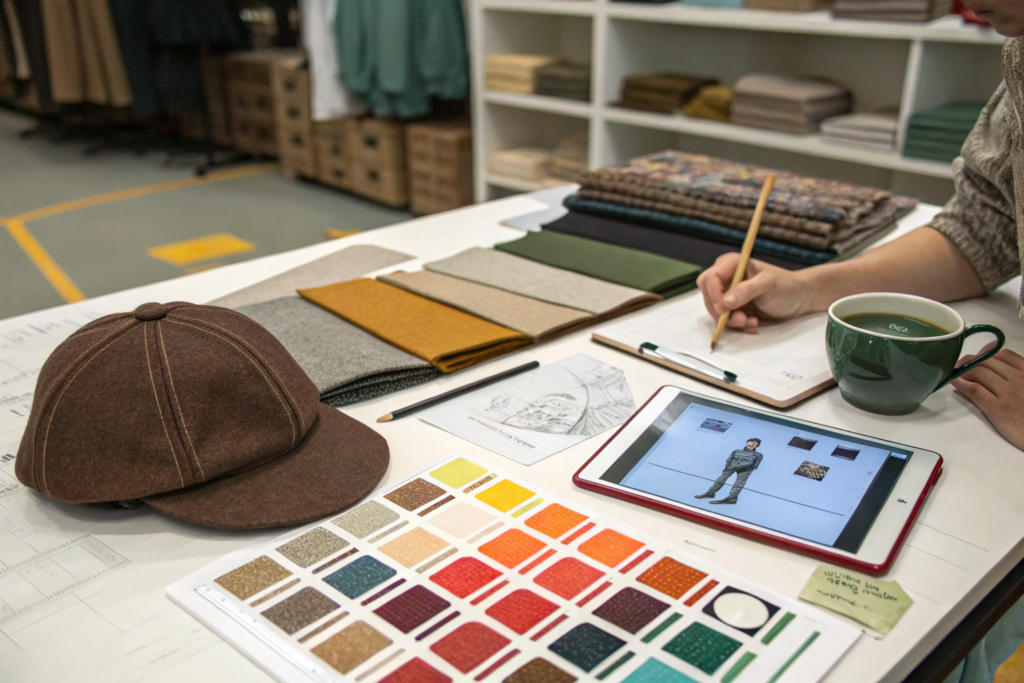
Waiting four weeks for a physical sample to travel from China to your office used to be the standard. Now, it is an unnecessary delay. We have invested in 3D digital sampling technology that allows us to create a photorealistic rendering of your newsboy cap or flat cap within 48 hours. I can send you a 360-degree viewable file that shows the exact drape of the tweed, the fall of light on the brim, and the volume of the crown. You can see what a Donegal wool looks like compared to a herringbone on the exact same eight-panel pattern, without us cutting a single piece of fabric. This is revolutionary for vintage brands because color and texture are everything. A tweed that looks perfect in a flat swatch might be overwhelming when rendered across eight panels of a newsboy cap. 3D sampling lets you spot that instantly. You can rotate the virtual cap, zoom in on the button detail, and even check how the seam curves look from the back. Once you approve the 3D model, we cut the physical sample. Because the digital pattern is already perfected, the strike-off rate on first physical samples has dropped dramatically. I remember a project where a client in Amsterdam and I fine-tuned a Baker Boy cap over three days entirely through 3D annotations, changing the brim curve twice. When the physical sample arrived, it was approved immediately. This is how vintage brands can develop complex headwear with speed and precision, keeping pace with a market that moves faster every season.
What Custom Trims Define a Premium Heritage Cap?
The trims are the handshake. They are the first thing a customer sees when they pick up your cap from a boutique shelf. A premium vintage cap must feel substantial from the moment of contact. The sweatband should be genuine leather, not cheap PU, and it should be stamped subtly with your brand logo in a muted gold or blind deboss. The inner lining is another opportunity to tell a story. We source vintage-inspired printed cotton linings, often with classic geometric patterns or art deco motifs, that hide a small secret inside the cap. When a customer peeks inside, they feel like they have discovered something special. The brim snap is a critical detail for newsboy caps. A modern plastic snap is functional, but it feels cheap. For heritage brands, we source metal snaps with a matte brass or antique nickel finish. The sound and feel of a high-quality metal snap engaging is a sensory experience that reinforces quality. The crown button on a newsboy cap is another signature. We can custom-produce buttons wrapped in the same cap fabric, or we can use genuine horn, wood, or corozo nut buttons for a truly artisanal touch. A corozo button has a natural grain pattern that plastic cannot replicate. I once had a client who brought a 1920s original button to our development meeting. We worked with a button supplier to mold a custom batch that was a near-perfect replica, right down to the subtle concave shape on the top. These trims add cost, but they are non-negotiable for a vintage brand targeting a premium price point. Your customer is looking for authenticity, and these tactile details are the proof.
What Is the Minimum Order Quantity for Custom Vintage Caps?
The question of MOQ comes up in almost every first conversation I have with a new vintage brand owner. I understand why. You are launching a heritage collection, testing a new market, or running a limited-edition collaboration. You do not want to end up with three thousand unsold newsboy caps sitting in a warehouse. The traditional model of large Chinese factories demanded massive orders, but the industry has shifted. Boutique brands and specialized vintage labels need flexibility, and smart factories have adapted. We have restructured our production lines to handle small-batch, high-complexity orders without the cost becoming unreasonable.
Our factory offers flexible minimum order quantities for custom vintage caps, starting from as low as 100 pieces per style for basic classic flat caps and 200 pieces per style for fully customized eight-panel newsboy caps with custom trims and labels. This low MOQ model supports boutique vintage brands, online store owners, and heritage fashion startups who need to test designs and manage inventory risk without committing to mass production volumes.
But the raw number is not the whole story. The MOQ is a dance between fabric sourcing, trim setup, and production line efficiency. Let me break down exactly what drives the order quantity and how we help small vintage brands grow without overcommitting.
How Can Small Vintage Brands Manage Low MOQ Production?
Small brands need a production partner who thinks like a collaborator, not just a vendor. When a startup vintage label contacts me with a brilliant idea for a waxed cotton newsboy cap but can only commit to 150 units, I do not say no. I find a way. One strategy we use is fabric pooling. If we have a few different clients all wanting a similar matte wool tweed in different colors, we combine the fabric orders to reach the textile mill’s minimum. This means the mill is happy, we get the fabric we need, and the small brand does not pay a crippling surcharge. Another approach is our raw material stock service. Over the years, we have built a library of our most popular vintage fabrics, such as herringbone tweed, brushed cotton twill, and linen blends. If your design can use one of these stocked fabrics, your MOQ flexibility increases dramatically. We can also be smart about trims. Custom-branded leather sweatbands and metal brim snaps usually have high mold or minimum order fees. For a small brand, we might suggest using our premium house-branded components for the first run, or we will work with our trim suppliers to negotiate a smaller batch at a slightly higher unit cost, which is still far better than buying ten thousand snaps when you only need two hundred. The key is transparency. A good factory project manager will lay out a clear cost breakdown showing you where the money goes at low quantities. I always tell my small vintage clients that the first production run is an investment in tooling up. Once the trims and patterns are made, subsequent re-orders are cheaper and can often have even lower MOQs. This allows a brand to start small, test the market with a few dozen newsboy caps and flat caps, and then scale up inventory as demand proves itself. We want our clients to grow, and that means supporting them when they are small.
Does a Higher MOQ Guarantee Better Pricing for Classic Caps?
There is a predictable relationship between quantity and price, but the curve flattens out. Moving from 100 units to 500 units will drop your cost per cap significantly. This is because the fixed costs of cutting the pattern, setting up the sewing line, and programming the embroidery for the label are spread across more hats. However, moving from 1,000 units to 3,000 units saves less money per hat. The variable costs, the fabric, the labor, the thread, the sweatband, become dominant. I advise my vintage brands to order what they can confidently sell in one season, even if the unit price is slightly higher. Cash flow and inventory health are more important than a marginal saving on unit cost. I have seen brands buy 5,000 caps to get a lower price, only to discount them heavily a year later. They destroyed their brand equity and their margin in one move. For a vintage brand, scarcity can actually be a marketing asset. A limited run of 300 heritage newsboy caps, numbered and sold at full price, creates a story of exclusivity. A larger, high-volume vintage collection also has its place, especially for brands supplying department stores or major online retailers. We can scale production to thousands of units per day across multiple styles. But for those larger volumes, the planning must be meticulous. We synchronize our supply chain, ordering the leather sweatbands eight weeks ahead and the custom tweed twelve weeks ahead. The pricing benefit is real, but only if you have the distribution to support the volume.
Conclusion
We have walked through the entire journey of creating vintage caps, from the first question of capability to the final negotiation on order quantities. You now know that a classic flat cap and a newsboy cap are two completely different animals, each with its own history, construction logic, and brand identity. You understand that authentic vintage production is not about copying a photo. It is about pattern archives, specific fabric weights, and trims that look like they have a history. The eight-panel construction with a proper slouch, the matte wool tweed that replaces shiny polyester, and the natural corozo button instead of a cheap plastic snap, all these details are the difference between a costume piece and a wearable piece of history. You have also seen that modern manufacturing in China has evolved. With 3D sampling, flexible MOQs, and transparent sourcing, a small vintage brand can access the same high-quality production as a major heritage label.
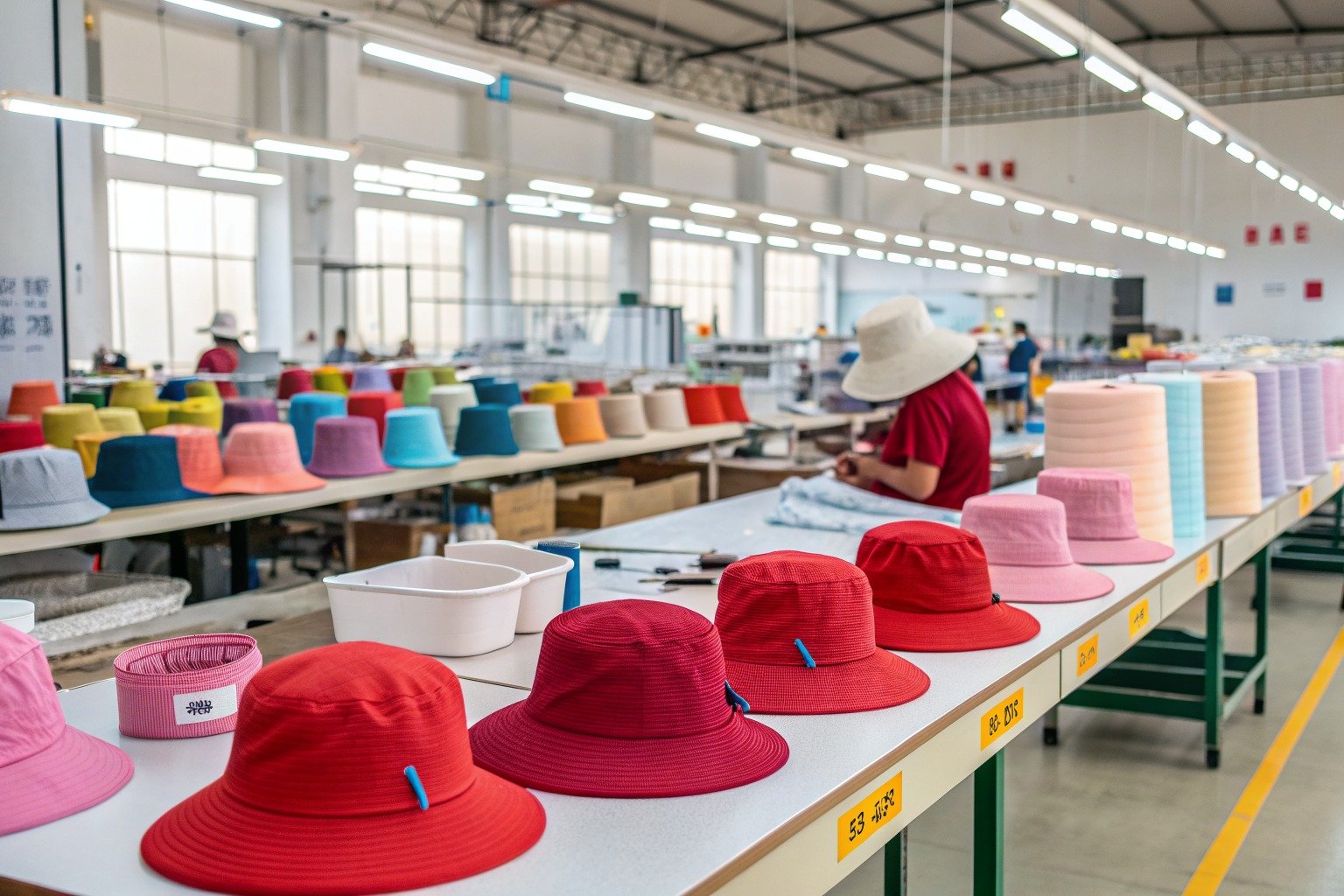
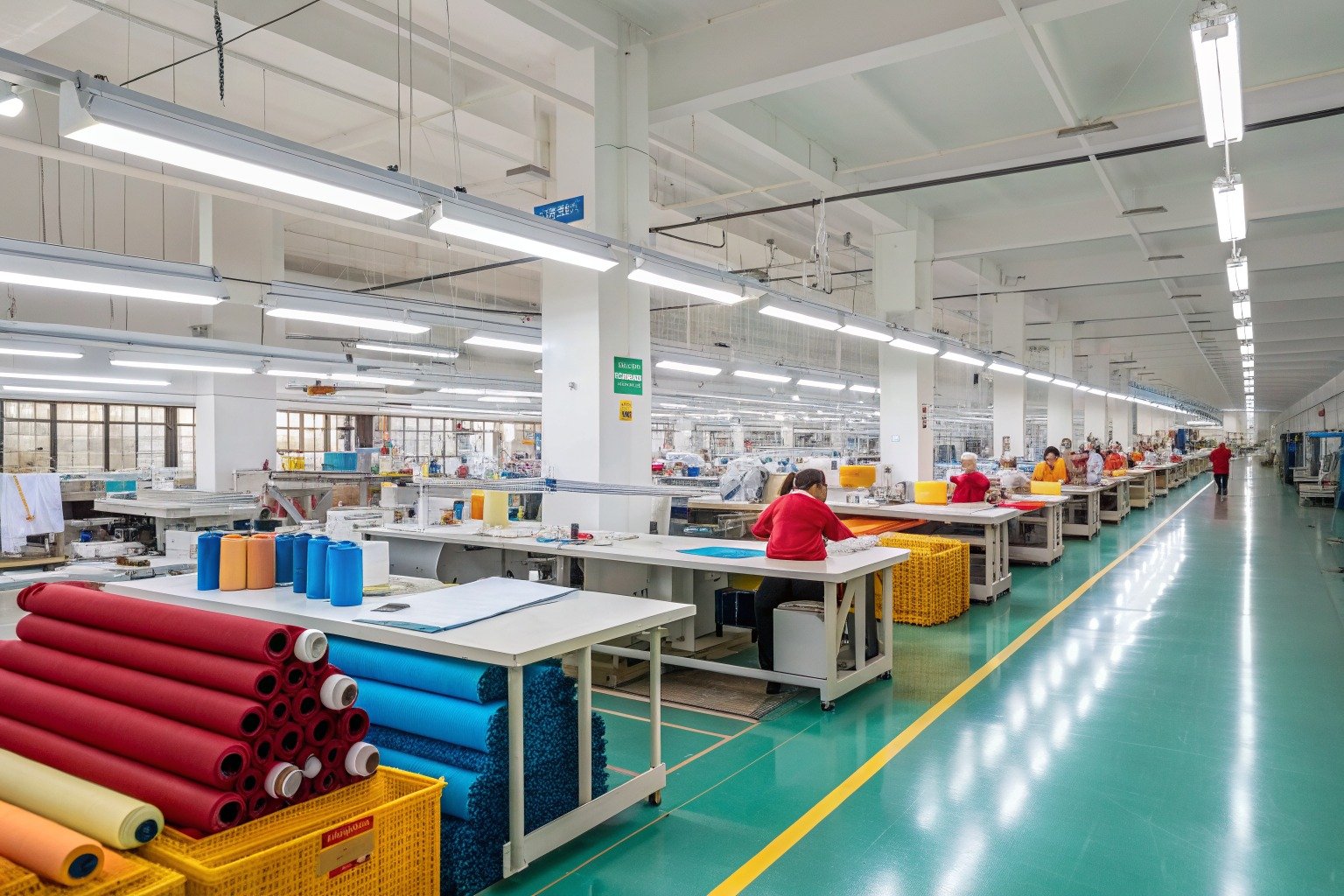
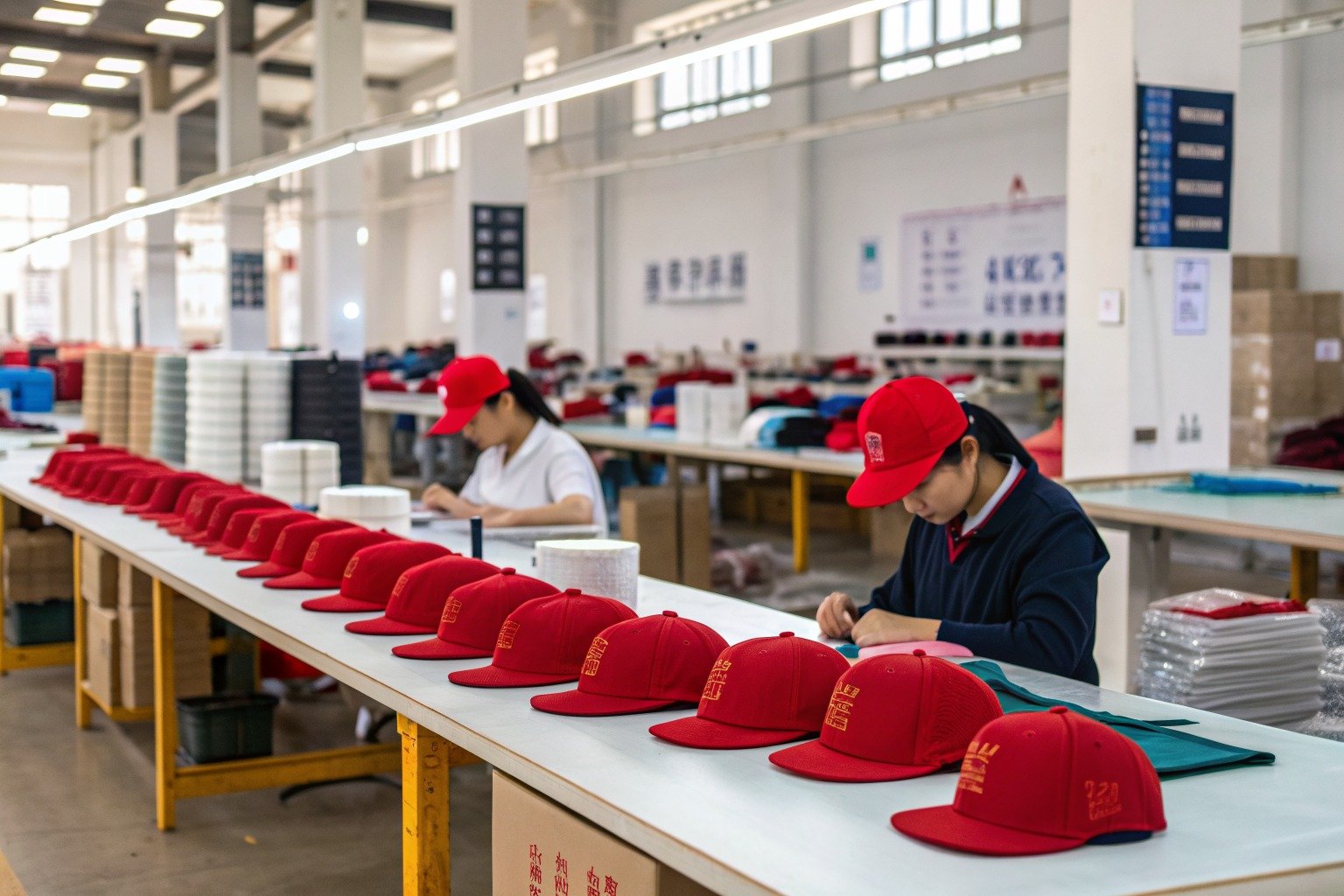
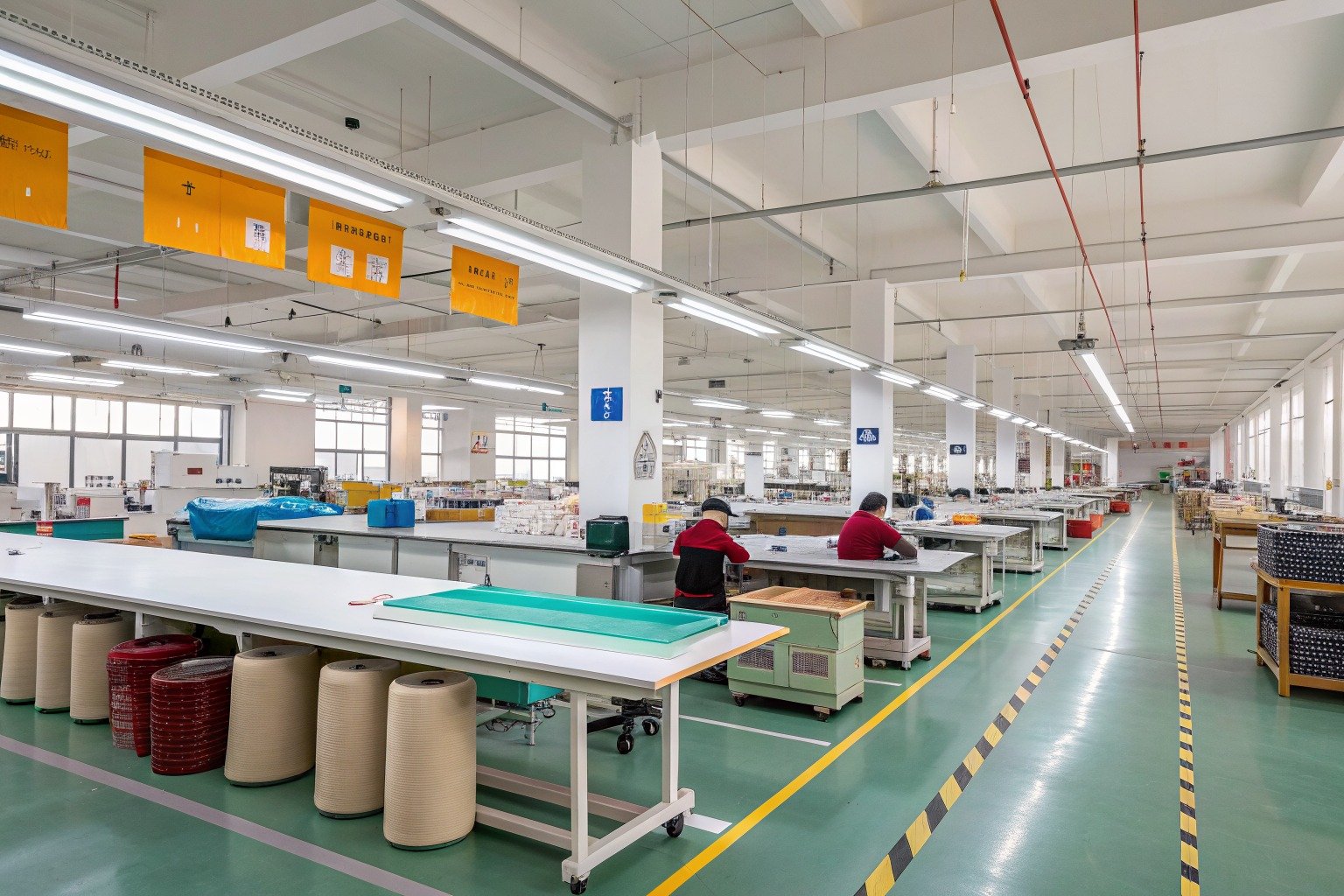
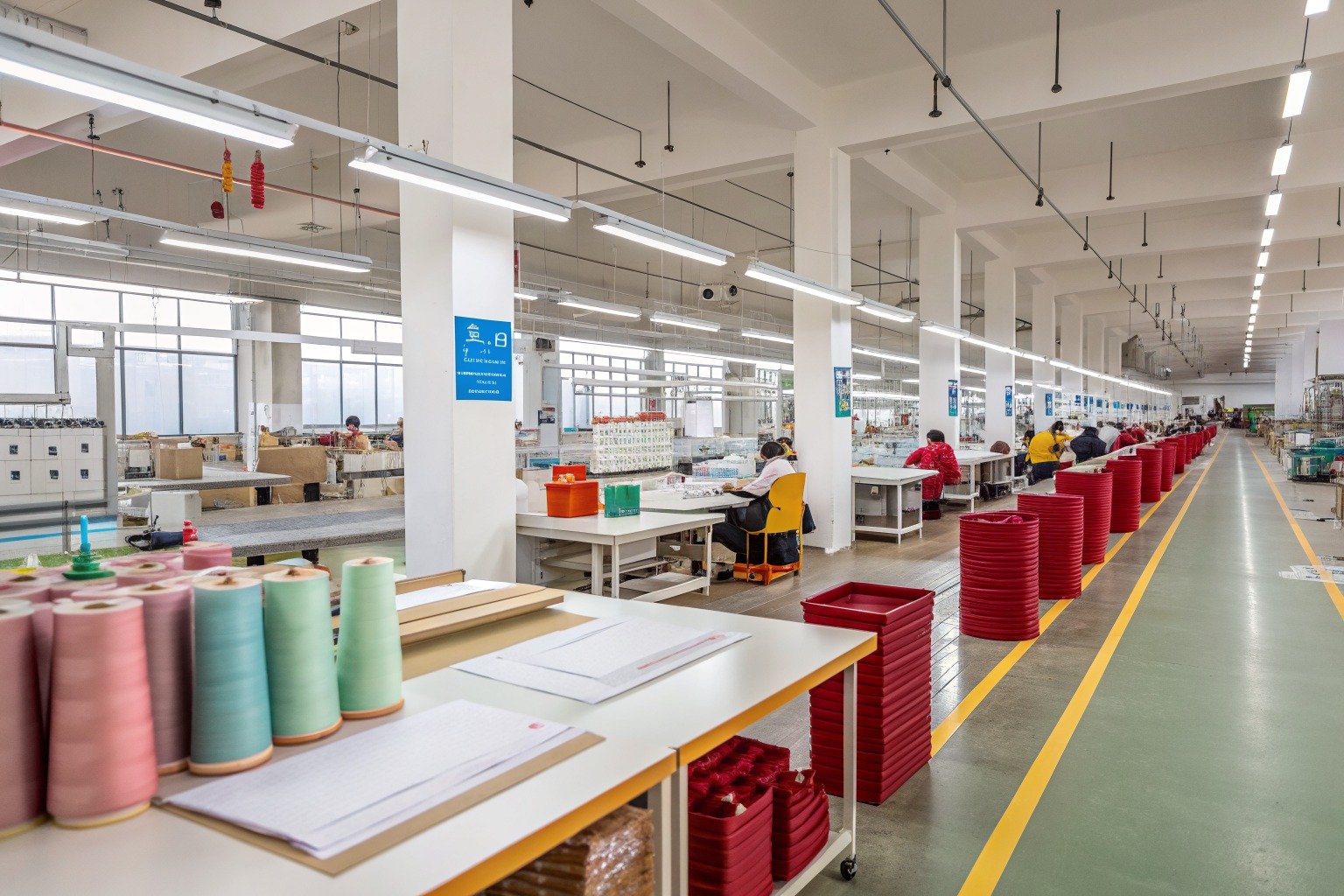
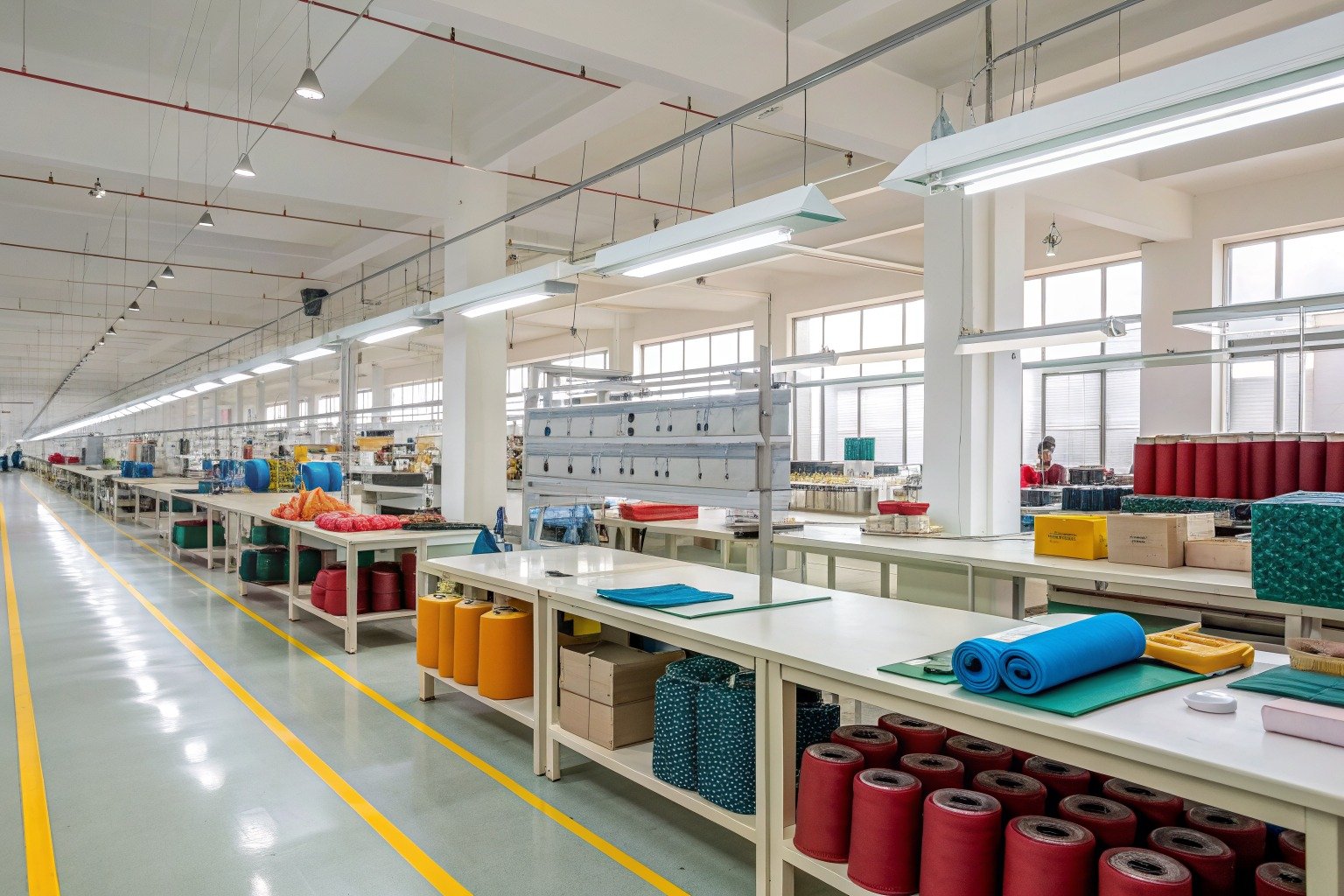
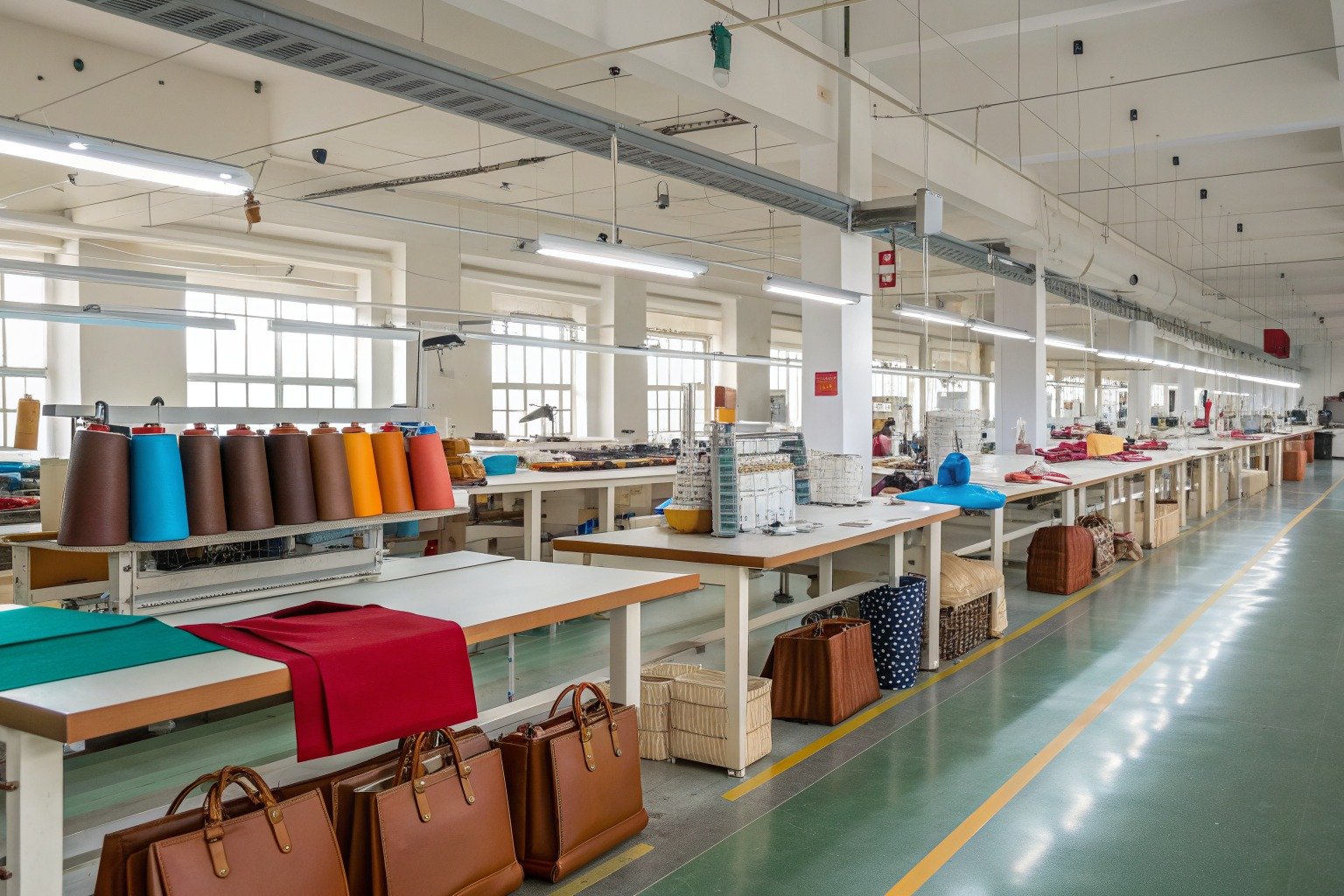
At AceAccessory, I have built a team that loves headwear history as much as you do. Our factory in Zhejiang is clean, modern, and staffed with skilled artisans who understand the nuance of a 1930s brim curve. Our project managers, our quality controllers, and our designers work together to ensure your caps tell the story your brand wants to tell. We are not affected by the tariff chaos that panics many buyers, and our logistics team handles customs clearance and door-to-door shipping seamlessly. You focus on building your vintage brand and connecting with your customers. We will handle the complex, detailed work of bringing your caps to life.
If you are ready to start your vintage cap collection, or if you have a heritage-inspired design you have been dreaming about, I would love to hear from you. Please contact our Business Director, Elaine, at elaine@fumaoclothing.com. Tell her about your brand, your aesthetic, and your vision for the perfect flat cap or newsboy cap. She will arrange a consultation, walk you through our vintage pattern library, and get your first sample into development. Let us make something beautiful together.