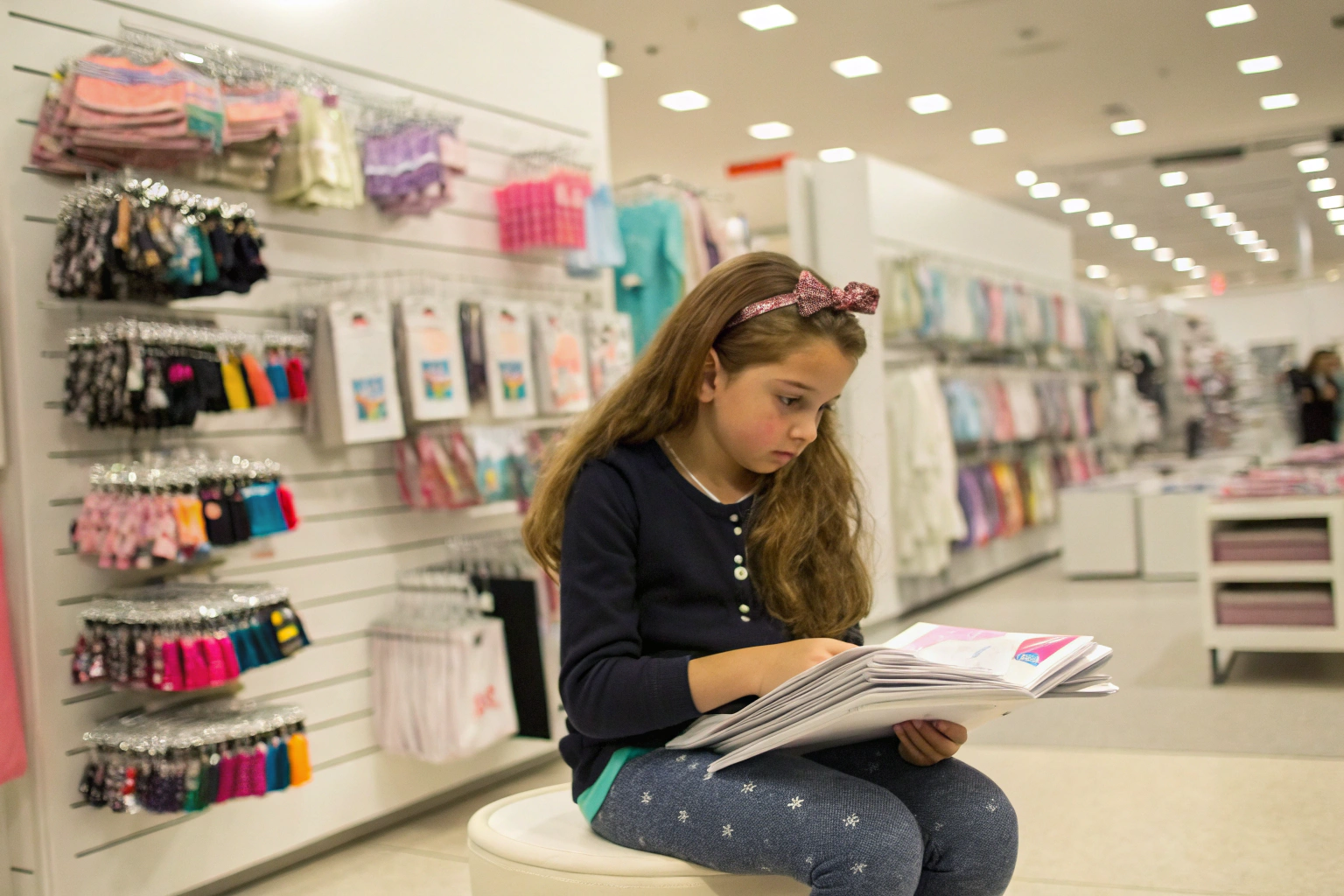
A children’s accessories buyer from a major American department store sat in my showroom last January with a stack of trend reports and a worried expression. She had been sourcing hair accessories for the back-to-school season for over a decade, but the market was shifting faster than ever. The styles that dominated the previous year, neon brights and oversized logo pieces, were already feeling tired. Social media was driving micro-trends that exploded and faded in weeks, not months. She needed to place orders for July delivery, and she needed to know what would actually sell when kids walked into classrooms in August and September. I shared with her the trend analysis our design team had been building, combining data from our retail partners, social media analytics, and our own sampling requests from brands across Europe and North America. We identified the themes that had staying power, not just viral moments. When the back-to-school season arrived, her department store sell-through was excellent, and she has been coming back to us for trend guidance ever since.
The 2026 back-to-school hair accessory trends are defined by five major themes. First, nostalgic Y2K revival continues but evolves into a more refined, wearable form with mini claw clips in iridescent pastels, slim butterfly clips in matte finishes, and beaded snap clips replacing the chunky plastic of earlier years. Second, sustainability becomes a visible trend rather than just a behind-the-scenes credential, with hair accessories made from recycled materials, plant-based bio-resins, and undyed natural textiles prominently labeled and marketed. Third, sensory-friendly and adaptive designs gain mainstream popularity, with seamless fabric headbands, flat-profile clips that do not dig into the scalp, and adjustable sizing designed for comfort during all-day wear. Fourth, personalization and identity expression drive demand for letter beads, customizable charm clips, and mix-and-match sets that allow kids to build their own unique combinations. Fifth, texture play becomes a dominant aesthetic, with hair accessories featuring fluffy faux fur, squishy silicone, ribbed knit textures, and tactile raised patterns that beg to be touched and are highly effective in social media content.
Back-to-school is the single most important season for the children’s and teen hair accessories market. It is the moment when kids refresh their wardrobes, express their evolving identities, and convince parents to buy the accessories that will define their social presence for the school year ahead. A successful back-to-school collection must balance trend relevance with practicality, style with comfort, and novelty with value. At AceAccessory, our design team begins developing back-to-school collections nearly a year in advance, and we work closely with our brand and retail clients to translate macro trends into commercially successful product assortments. Let me walk you through each of the five key trends in detail.
Why Is Y2K Nostalgia Still Dominating Kids’ Hair Accessories
The Y2K trend has been running strong for several seasons, and for 2026 back-to-school, it is not going anywhere. But it is evolving. The early wave of Y2K revival was characterized by chunky, neon, deliberately kitschy pieces that referenced the early 2000s with a heavy dose of irony. The 2026 iteration is more refined. The silhouettes are still rooted in turn-of-the-millennium nostalgia, butterfly clips, mini claw clips, snap clips with beads, but the materials, colors, and finishes have matured. The look is less costume, more wearable. Kids who were not even born in the 2000s are embracing these styles not as nostalgia but as something fresh and new. For them, it is a discovery, not a revival.
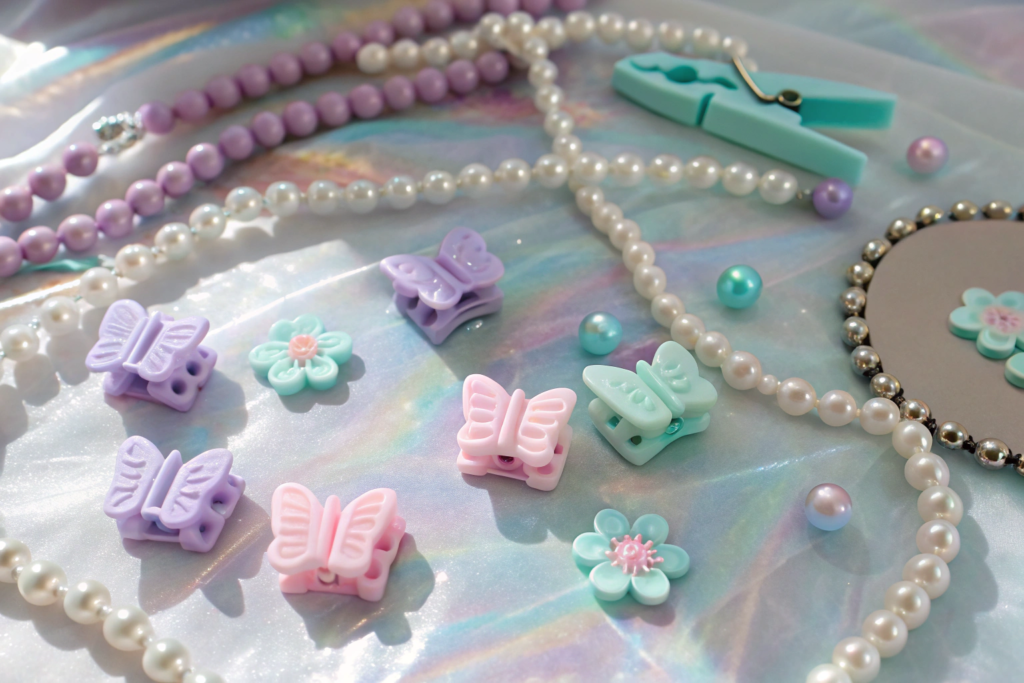
Y2K nostalgia continues to dominate kids’ hair accessories in 2026 because the trend has become a permanent part of the aesthetic vocabulary for Gen Alpha and younger Gen Z consumers. However, the execution has shifted significantly. Chunky, opaque plastic has been replaced by translucent, iridescent, and matte-finish materials that feel more contemporary. The color palette has moved from loud primaries to soft, dreamy pastels like lavender haze, butter yellow, and pearlized mint. The butterfly clip, the iconic Y2K hair accessory, has been redesigned with a slimmer, more elegant profile and a matte, velvety finish. Mini claw clips, which were borderline invisible in the early 2000s, have become a major category, used not just for function but as decorative elements scattered throughout the hair. The beaded snap clip, another Y2K staple, has been updated with smaller, more refined beads, letter beads for personalization, and tiny metal or enamel charms.
This evolution makes the trend more commercially viable for mainstream retailers. Parents who might have resisted the garish early Y2K look are more accepting of the refined version. The accessories feel less like a fad purchase and more like a legitimate style choice. Here is a closer look at the two most important product categories driving this trend.
What Makes Mini Claw Clips a 2026 Back-to-School Essential?
Mini claw clips are the breakout product of the refined Y2K trend for 2026. They are small, typically 2 to 3 centimeters in length, and they are designed to be worn in multiples. A package of six or eight mini clips in coordinated colors is a back-to-school hero item. The appeal is partly practical. Mini clips can section hair, hold back bangs, or secure small twists, and they work on a wide range of hair types and lengths. The appeal is also aesthetic. A scatter of iridescent mini clips across a half-up hairstyle creates a look that is decorative, playful, and very photogenic. The 2026 iteration of the mini claw clip features several material and finish innovations. The plastic is often a bio-resin or recycled acrylic, responding to the sustainability trend while maintaining the translucent quality that makes the clips look like little jewels. The finish is typically iridescent, pearlized, or a soft matte pastel. Metallic finishes in rose gold and iridescent white gold are also popular for a slightly more elevated look. The spring mechanism has been improved, with many mini clips now using a softer, quieter spring that is less likely to snag fine hair. This addresses a common parent complaint and makes the clips more suitable for younger children. The packaging is also evolving. Mini clips are increasingly sold in reusable tins, clear acrylic boxes, or fabric pouches rather than disposable plastic blister packs. This adds value, supports the sustainability message, and provides a storage solution that prevents the clips from getting lost in the depths of a backpack.
Are Butterfly Clips Still Trending for the School Season?
Yes, but the butterfly clip of 2026 is a different species from the butterfly clip of 2000 or even 2023. The original Y2K butterfly clip was large, chunky, brightly colored, and often featured a metal spring that snagged hair. The 2026 version is slim, lightweight, and designed with hair safety in mind. The silhouette is still a butterfly, with the characteristic wing shape and the central body, but the proportions have been elongated and refined. The wings are narrower and more elegantly curved. The overall size is smaller, more appropriate for tucking behind an ear or securing a small section of hair. The material is typically a matte-finish cellulose acetate or a soft-touch matte plastic, which gives the clip a premium, almost velvety feel. The colors are sophisticated pastels like dusty rose, sage green, and powder blue, along with neutral tortoiseshell and matte black for older age groups. The spring mechanism is completely redesigned. The metal tension spring of the original has been replaced in many designs by a hidden, soft-grip plastic hinge or a fabric-covered elastic loop. This eliminates hair snagging entirely and makes the clip comfortable for all-day wear. Some 2026 butterfly clips also incorporate subtle decorative elements. A tiny pearl accent at the center, a micro-embossed pattern on the wings, or a slight iridescent sheen that only appears when the light hits at certain angles. These details elevate the butterfly clip from a novelty item to a legitimate fashion accessory. The butterfly clip trend for 2026 is also expanding into new product types. Butterfly-shaped fabric bows attached to alligator clips, butterfly-print fabric headbands, and even butterfly-shaped claw clips in larger sizes are all part of the broader butterfly motif that is pervasive in back-to-school accessories.
How Are Sustainable Materials Shaping Hair Accessory Trends
Sustainability in the kids’ hair accessories market has moved from a niche differentiator to a mainstream expectation. Parents, particularly Millennial and Gen Z parents, are actively looking for products that align with their environmental values. But in 2026, the dynamic has shifted again. Kids themselves are increasingly aware of environmental issues, thanks to school curricula and social media. A hair accessory made from recycled ocean plastic or plant-based materials is not just something the parent feels good about buying. It is something the kid feels proud to own and talk about. The sustainability story has become part of the product’s social currency.
Sustainable materials are shaping 2026 back-to-school hair accessories by becoming visible, tangible, and marketable rather than hidden behind the scenes. Bio-resin hair clips made from plant-based raw materials like castor oil or corn starch are replacing petroleum-based acrylic in many premium lines, offering the same durability and clarity with a significantly lower carbon footprint. Recycled polyester fabric headbands made from post-consumer plastic bottles are becoming standard, with the recycled content percentage prominently displayed on packaging. Recycled ocean-bound plastic is emerging as a storytelling material for brands targeting environmentally conscious tweens. Undyed, unbleached organic cotton and linen fabric accessories appeal to the minimalist, natural aesthetic trend. Metal components like snap clip bases and claw clip springs are being sourced from recycled stainless steel and brass. Even packaging is transforming, with plastic-free, home-compostable, or reusable packaging solutions becoming a key part of the product offering.
The challenge in sustainable hair accessories is avoiding greenwashing. Consumers are becoming more sophisticated and more skeptical. A product labeled "eco-friendly" without any certification or specific, verifiable claims will face backlash, especially from the highly engaged tween demographic. Brands must be specific and honest about their materials. Let me explain the two leading sustainable material stories for 2026.
Why Are Bio-Resin Clips Replacing Traditional Plastic Claws?
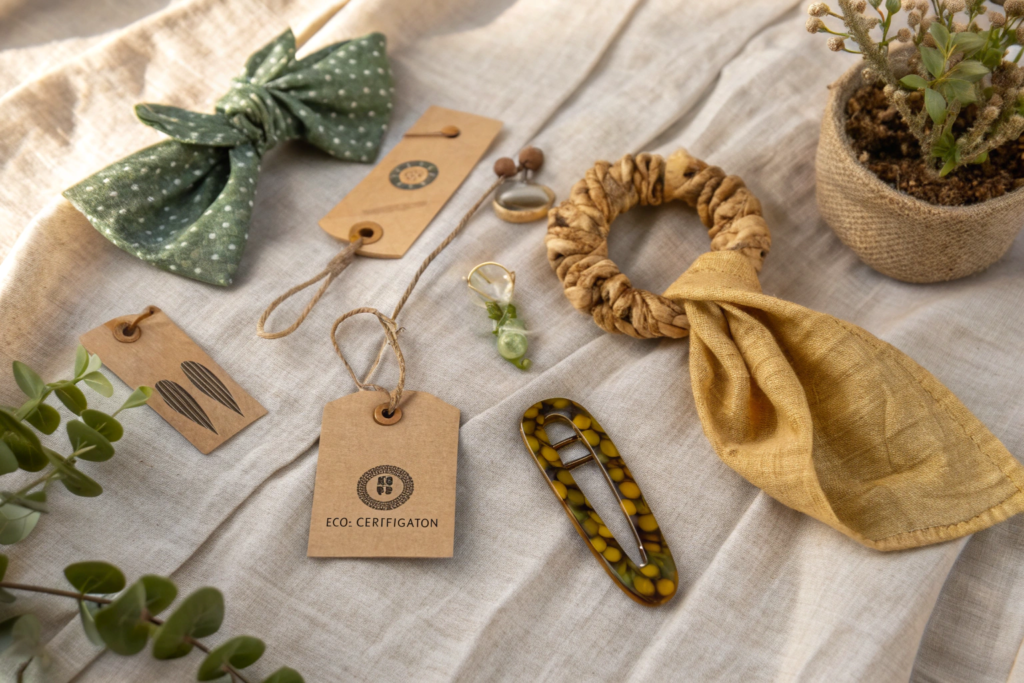
Bio-resin is a term that covers a family of plastic-like materials derived from renewable biological sources rather than petroleum. The most common bio-resins used in hair accessories are cellulose acetate, which is made from wood pulp or cotton linters, and PLA, polylactic acid, which is derived from fermented plant starch, usually corn or sugarcane. These materials look and feel very similar to traditional acrylic or ABS plastic. They can be transparent, translucent, or opaque. They can be colored with dyes, and they can be polished to a high gloss or finished with a matte texture. The difference is invisible but significant. Bio-resin production has a lower carbon footprint than petroleum-based plastic production. The materials are theoretically biodegradable under industrial composting conditions, though this is a complex claim that brands must be careful about making. The key selling points for back-to-school 2026 are the material’s origin story and its aesthetic quality. Cellulose acetate, in particular, has a warm, organic feel that traditional acrylic lacks. It has a slight natural grain and a softer hand feel. It takes color beautifully, with a depth and richness that is difficult to achieve with petroleum plastics. Tortoiseshell patterns in cellulose acetate, for example, have a three-dimensional quality that is stunning. PLA offers a different aesthetic. It can be formulated to be crystal clear, making it ideal for the transparent and jelly clips that are trending. It can also be embedded with natural materials like dried flowers, coffee grounds, or wood chips to create a unique, speckled texture that visibly communicates the natural origin of the material. The cost of bio-resin is currently higher than traditional plastic, but it is decreasing as production scales up. For back-to-school 2026, bio-resin clips are positioned as premium, aspirational items within a brand’s assortment, often at a slightly higher retail price point that parents are willing to pay for a product that aligns with their values.
How Does Recycled Fabric Influence Headband and Bow Design?
Recycled fabric is transforming the soft accessories category for back-to-school 2026. Fabric headbands, scrunchies, and hair bows are increasingly made from recycled polyester, recycled cotton blends, and even recycled nylon from discarded fishing nets. The recycled polyester story, in particular, has become very compelling for consumers. The idea that a plastic bottle can become a beautiful, soft hair bow is a narrative that resonates with kids and parents alike. The technology has advanced to the point where recycled polyester fabrics are virtually indistinguishable from virgin polyester in terms of softness, color vibrancy, and durability. The 2026 trend takes recycled fabric beyond a simple material swap. Designers are using the recycled story to inform the aesthetic. Fabrics with a visible recycled content texture, like a slubby, nep-textured knit made from recycled cotton fibers, or a tweed-like woven fabric made from recycled textile waste, are emerging as a distinct aesthetic. The slight irregularities and the visible specks of different colored fibers become design features rather than flaws. They communicate the recycled origin story without a word of marketing copy. The color palette for recycled fabric hair accessories often leans into the natural and earthy tones that consumers associate with sustainability. Undyed fabrics in the natural color of the recycled fiber, soft oatmeals, warm grays, and muted greens, are popular. But vibrant colors are also achievable and are used to demonstrate that sustainable does not mean dull. A bright coral scrunchie made from recycled polyester has the same visual impact as a virgin polyester version, with the added sustainability credential. The packaging and labeling for recycled fabric accessories are critical. The recycled content percentage should be clearly stated, and third-party certifications like the Global Recycled Standard, GRS, logo should be displayed. This provides the verification that prevents greenwashing accusations and builds trust with increasingly label-savvy young consumers.
What Sensory-Friendly Features Are Parents Looking For
The conversation around sensory-friendly design has moved from the special needs community into the mainstream parenting conversation. Many children, not just those with diagnosed sensory processing differences, are sensitive to the feel of accessories against their scalp and hair. A clip that digs in, a headband that squeezes too tight, a seam that scratches behind the ear, these discomforts can ruin a child’s school day and lead to the accessory being rejected entirely. Parents are actively seeking out accessories labeled as sensory-friendly, seamless, or comfort-designed, and they are willing to pay a premium for products that their children will actually keep on.
Sensory-friendly hair accessories for back-to-school 2026 prioritize three design principles. First, seamless and smooth construction eliminates any hard edges, sharp corners, or rough seams that could irritate the scalp or skin. Fabric headbands are constructed with flatlock seams or seamless circular knitting to remove any raised seam that presses against the head. Second, lightweight and flat-profile design ensures that clips and barrettes sit close to the head and do not create pressure points when the child leans against a chair or car seat. Traditional claw clips and bulky barrettes are being redesigned with a lower profile and a softer spring tension. Third, soft-touch materials such as brushed microfiber, silicone-coated metals, and plush elastic replace hard, cold, or scratchy materials. The tactile experience of the accessory is as important as its visual appearance.
This trend represents a significant opportunity for brands to differentiate themselves. A brand that clearly markets its products as sensory-friendly and backs that claim with specific design features will earn loyalty from a large and underserved parent community. Here are the two most impactful sensory-friendly innovations for 2026.
How Are Seamless Headbands Designed for All-Day Comfort?
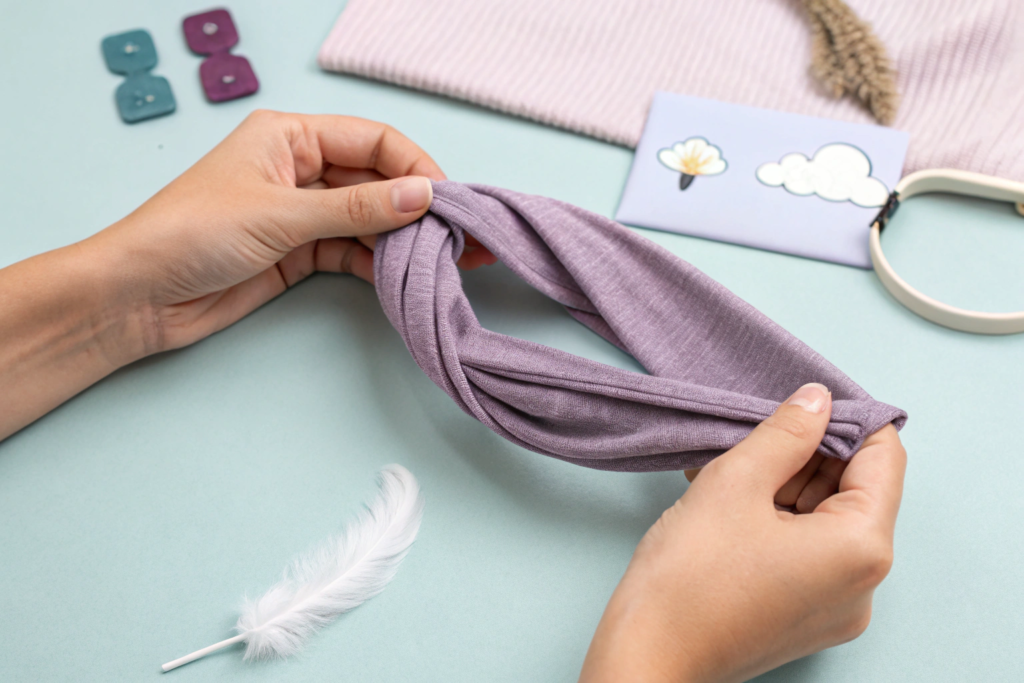
The traditional fabric headband is a piece of fabric wrapped around a plastic or metal band, with a seam along the inner edge where the fabric is joined. That seam, however small, presses against the skin behind the ears and around the back of the head. For a sensory-sensitive child, that seam can feel like a razor blade. Seamless headbands for 2026 eliminate this problem through construction. The most advanced version is a fully circular knit headband, produced on a specialized knitting machine that creates a continuous tube of fabric with no side seam. The fabric is a blend of soft, stretchy fibers like Tencel, modal, or micro-modal, often combined with a small percentage of elastane for gentle recovery. The headband slips on like a soft tube and exerts a gentle, even pressure with no pinch points. Another construction method uses flatlock stitching, where the two edges of the fabric are joined with a stitch that lies completely flat against the skin, with no raised ridge on either side. This construction is used for wider headbands and for styles that incorporate a twist or a knot detail. The width of the headband is another comfort factor. A very narrow headband can feel like a tight wire. A wider headband, two to three inches, distributes the pressure over a larger area and feels more secure and less constricting. The elastic content is carefully calibrated. Too much elastic, and the headband grips too tightly and causes headaches. Too little, and it slides off. The ideal stretch and recovery are tested on a range of head sizes to ensure a comfortable fit for the entire school day. Some 2026 seamless headbands also incorporate a hidden adjustability feature, like a small silicone strip on the inner back edge that provides a gentle grip without adding bulk or seams.
What Makes a Hair Clip "Flat Profile" for Sensory Needs?
A traditional hair clip, whether it is a snap clip, an alligator clip, or a claw clip, has a certain thickness. When a child wearing the clip leans back against a chair, a car seat, or lies down on a reading pillow, the clip presses against the scalp. This pressure can range from mildly annoying to genuinely painful, depending on the clip design and the child’s sensitivity. A flat-profile clip addresses this by minimizing the projection of the clip from the head. The clip mechanism is redesigned to be as thin as possible. The top plate is contoured to follow the curve of the head rather than being flat and rigid. The spring mechanism is recessed into the body of the clip rather than sitting on top. The teeth or gripping ridges are low-profile and smoothly rounded. The result is a clip that holds hair securely but sits so close to the head that the child barely feels it, even when leaning back. The material choice also contributes to comfort. A flat-profile clip made from a soft-touch matte plastic feels warmer and more organic than a cold, hard, glossy clip. Some designs incorporate a thin layer of silicone or a flocked velvet texture on the inner surface that contacts the scalp, providing a cushioned, non-slip grip. Flat-profile designs are particularly important for younger children who may still nap during the school day, for children who wear helmets for sports or biking, and for children who spend time in car seats. A clip that does not have to be removed for these activities is a clip that is more likely to stay in and get used.
How Is Personalization Driving Hair Accessory Purchases
Personalization is the mega-trend that underpins many of the specific product trends for back-to-school 2026. Kids, particularly tweens and teens, are using their appearance to express their individuality, their interests, and their social identities. A hair accessory is not just something that holds hair back. It is a message. It says, "This is my favorite color." "This is my name." "This is the animal I identify with." "This charm represents my best friend." The desire for personalization is driving demand for products that can be customized, mixed, matched, and made unique.
Personalization is driving 2026 back-to-school hair accessory purchases through three main product categories. Letter bead accessories, including snap clips, barrettes, and elastic hair ties strung with alphabet beads that spell out names, initials, or short words, are the most direct form of self-expression and are immensely popular across elementary and middle school age groups. Charm-based systems, where small, interchangeable enamel or metal charms can be clipped onto a base hair clip or headband, allow kids to change their look daily and collect charms that represent their interests. Mix-and-match sets, sold as coordinated collections of clips, ties, and bands in a shared color palette and theme, encourage kids to combine pieces in their own way and create unique combinations. Custom color and finish options offered by direct-to-consumer brands, where the customer selects the clip color, the charm, and the bead arrangement online, represent the premium end of the personalization trend.
The appeal of personalization is multifaceted. It taps into the developmental need for autonomy and self-expression. It creates a product that is uniquely "mine," which increases emotional attachment and reduces the likelihood of the accessory being lost or discarded. It also has a social component. Personalized accessories are conversation starters. "Where did you get that clip with your name on it?" drives word-of-mouth marketing among the most influential consumer demographic. Let me explore the two most commercially important personalization formats.
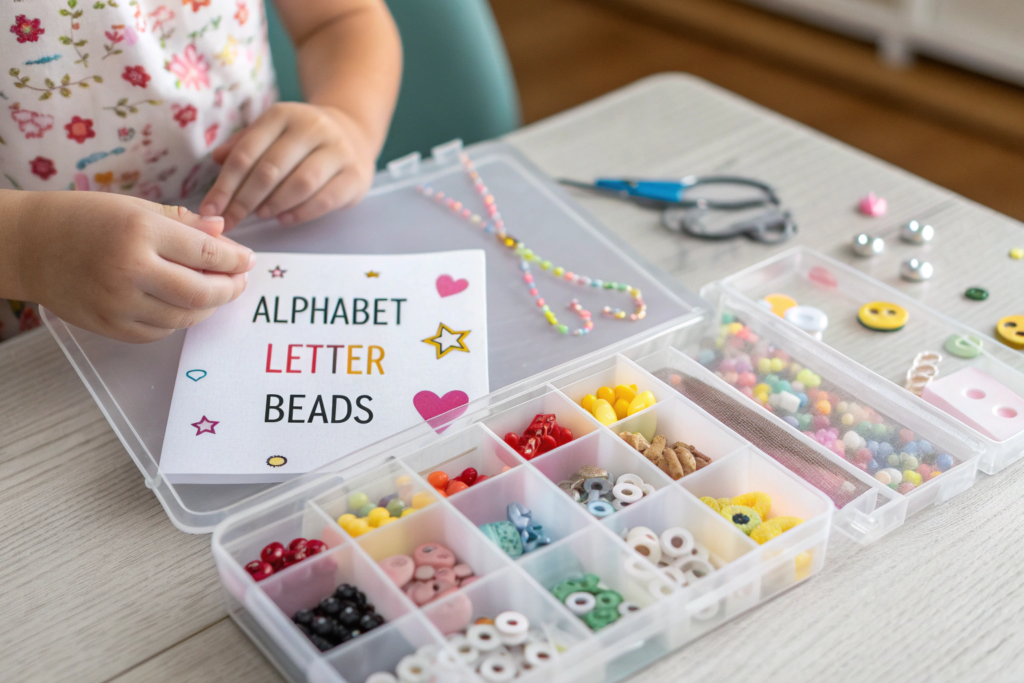
Why Are Letter Bead and Name Clips So Popular for School?
The letter bead name clip is arguably the defining hair accessory product of the mid-2020s for school-age children, and its popularity continues into 2026. The product is simple. A snap clip or a small barrette with a row of square or round alphabet beads threaded onto it, spelling out a name or a short word like "LOVE," "BEST," or "SLAY." The appeal is immediate and obvious. It is a product that literally says who you are. For a child navigating the social environment of school, where identity is constantly being formed and communicated, a name clip is a powerful tool. It is also a product that feels personal and special, even though it is mass-produced. The 2026 evolution of the letter bead clip is about expanding the customization options and improving the quality. The bead selection now includes not just white and clear beads with black letters, but beads in a full rainbow of colors, beads with gold or silver foil letters, beads in different shapes like hearts or stars, and beads with a matte, soft-touch finish. Emoji beads, small beads with printed smiley faces, hearts, and other icons, are mixed in with the letter beads to add personality. The clip base itself is being upgraded. Instead of a basic silver metal snap clip, 2026 versions use colored clips that match the bead palette, gold or rose gold finished clips for a premium look, and flat-profile, sensory-friendly clip bases. Some brands are offering a build-your-own experience, either online with a configurator tool or in-store with a bead bar where kids can select their beads and watch their clip being assembled. This experiential retail element is a major driver of traffic and social media content. The letter bead trend is also expanding into other accessory types. Name bracelets, name necklaces, and name keychains that coordinate with the hair clip create a full set of personalized accessories, increasing the basket size per customer.
How Do Charm Clips Allow Kids to Express Their Interests?
Charm clips take the personalization concept beyond names and into the realm of interests, hobbies, and affiliations. The product system consists of a base hair clip or a small barrette that has a loop, a ring, or a small carabiner attachment point. A range of small, collectible charms can be attached to this base. The charms are designed in themed collections. A sports collection might include a tiny soccer ball, a basketball, a ballet slipper, and a gymnast. An animal collection might include a cat, a dog, a bunny, and a unicorn. A hobby collection might include a paint palette, a musical note, a book, and a science beaker. The child selects the charms that represent their interests and clips them onto their hair accessory. The clip becomes a wearable mood board. The charm system is powerful because it is dynamic. A child can change their charms daily based on their mood, their outfit, or their activities. Monday might be the soccer charm for practice. Tuesday might be the book charm for library day. The charms themselves become collectible items. Friends trade charms. Parents buy charm packs as rewards or gifts. The viral potential is significant. A "charm haul" or a "what’s on my clip today" video is exactly the kind of content that performs well on social media platforms popular with tweens. The 2026 innovation in charm clips is about the quality and detail of the charms. Earlier charm clips often used simple, flat plastic charms. The 2026 versions use three-dimensional, highly detailed enamel and metal charms that feel more substantial and premium. Some charms have moving parts, like a spinning globe or a flapping butterfly wing. Some have a subtle scent, like a strawberry charm with a faint strawberry fragrance. These multi-sensory elements increase the perceived value and the collectibility. The clip base is also being designed with multiple attachment points, so a child can wear three, four, or five charms on a single clip, creating a dense, personalized statement piece.
What Textures and Materials Are Trending for 2026 School Accessories
Texture is the silent trend that ties together the 2026 back-to-school hair accessory market. In a world where so much of a child’s life is mediated through screens, tactile, touchable products have a unique appeal. A hair accessory that is not just visually pleasing but also satisfying to touch engages multiple senses and creates a stronger product experience. Texture also photographs and films beautifully, making textured accessories highly effective in social media content where close-up, ASMR-style videos of touching and squeezing products generate millions of views.
Texture play is a defining aesthetic trend for 2026 back-to-school hair accessories, with five key material directions. Fluffy and fuzzy textures, including faux fur scrunchies, feather-trimmed clips, and chenille-covered headbands, dominate the soft, cozy end of the spectrum, appealing to the comfort-seeking and the highly photogenic. Squishy and silicone textures, seen in jelly clips, soft-touch phone-cord hair ties, and rubberized claw clips, offer a satisfying tactile experience and are often marketed as stress-relief accessories. Ribbed and knit textures bring a cozy, sweater-like feel to fabric headbands, scrunchies, and covered snap clips, connecting hair accessories to the broader popularity of knitwear in fashion. Smooth and matte finishes on bio-resin and soft-touch plastics provide a premium, minimalist contrast to the fluffier textures, appealing to older age groups and more refined styles. Velvet and velour textures, especially in rich jewel tones and deep pastels, add a touch of luxe to bows, headbands, and scrunchies, and are particularly popular for the fall and holiday transitions.
The key to using texture effectively in a back-to-school collection is variety and contrast. A display of accessories that includes a fuzzy scrunchie, a smooth matte clip, and a squishy silicone tie offers something for every preference and creates a visually dynamic retail presentation. Let me dive into the two most impactful texture trends.
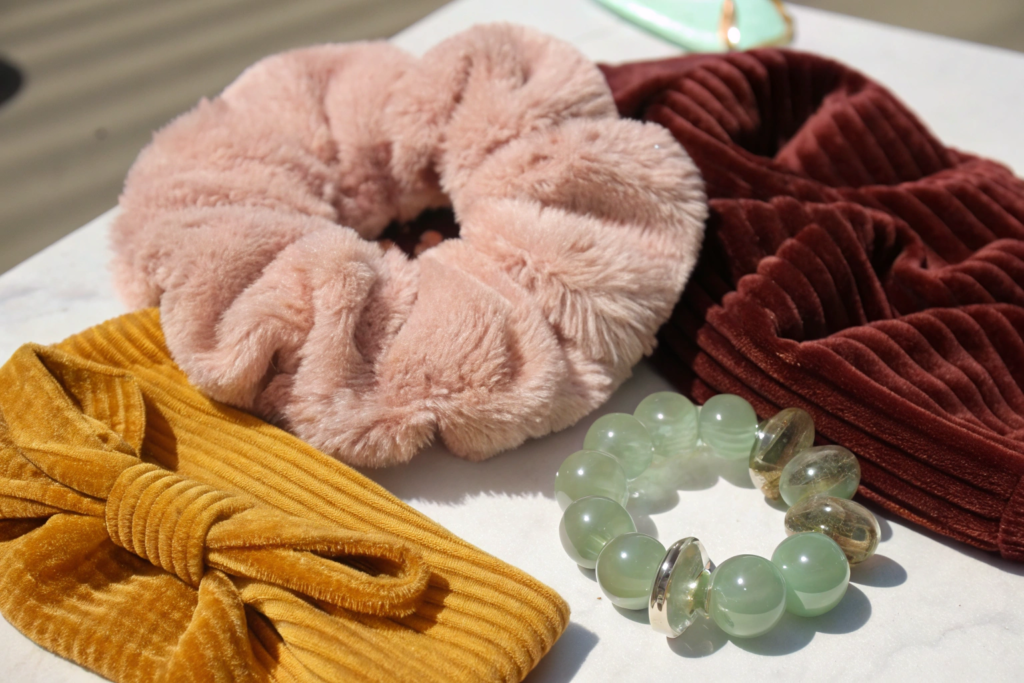
Why Are Fluffy and Fuzzy Scrunchies Trending Again?
The scrunchie has been on a comeback trajectory for several seasons, but the 2026 iteration is defined by extreme texture. The basic cotton or polyester scrunchie is being replaced by scrunchies made from long-pile faux fur, fluffy marabou feathers, soft chenille yarn, and boucle knit fabrics. These scrunchies are not just functional hair ties. They are fashion statements and sensory toys rolled into one. The appeal is threefold. Visually, a fluffy scrunchie adds volume and drama to a ponytail or a bun. It is eye-catching and frames the face in a soft, romantic way. Tactilely, the soft, fluffy texture is deeply satisfying to touch. Kids find themselves stroking their scrunchie throughout the day, which can have a calming, fidget-toy effect. For social media, the fluffy scrunchie is a star performer. The texture looks incredible in close-up photography and video. The scrunchie can be squished, fluffed, and shown in satisfying slow-motion clips. The 2026 fluffy scrunchie comes in a wide color range. Pastels like blush pink, baby blue, and lavender are the volume sellers for the back-to-school season. Animal prints and brights are popular for fashion-forward tweens. Some designs incorporate multiple textures in a single scrunchie, like a faux fur body with a velvet bow detail, or a knit scrunchie with fluffy feather edging. These multi-textural designs offer a higher perceived value and a more premium price point. The construction quality of fluffy scrunchies has improved significantly. Early versions shed fibers and looked ragged after a few wears. The 2026 versions use high-quality faux fur with a dense, secure pile that does not shed, and the elastic inside is a durable, high-recovery elastic that maintains its stretch over many uses.
How Are Squishy Silicone Accessories Engaging Younger Consumers?
Squishy silicone is the texture trend that is most directly connected to the sensory and fidget toy phenomenon. Silicone hair accessories, clips, ties, and headbands, are made from a soft, flexible, food-grade silicone that has a satisfyingly squishy, rubbery feel. They can be squeezed, bent, and twisted, and they spring back to their original shape. This tactile quality taps directly into the desire for sensory stimulation and stress relief that is prevalent among school-age children. The 2026 silicone hair accessories market has expanded far beyond the basic clear elastic bands that were popular a few years ago. The new generation of silicone accessories includes claw clips made entirely from flexible silicone, which are virtually unbreakable and comfortable to lean against. Phone-cord style hair ties in a rainbow of colors, with a satisfyingly springy texture. Snap clips with a thick, squishy silicone top layer embossed with raised patterns like bubbles, waves, or geometric grids. And silicone headbands with a no-slip, gentle grip that works well for active kids. The color palette for silicone accessories is bright, fun, and often translucent. Jelly colors in vibrant pink, orange, green, and blue are core. Glow-in-the-dark silicone is a novelty that performs well for back-to-school. Some silicone accessories are scented, with a faint vanilla, strawberry, or bubblegum fragrance infused into the material. The appeal of silicone is also practical. Silicone is waterproof, making these accessories ideal for swimming, sports, and humid weather. They are easy to clean, just rinse with soap and water. They are durable and do not break, snap, or fray the way traditional hair accessories can. For parents, the durability and easy care are strong selling points. For kids, the squishy, colorful, collectible nature of silicone accessories is the main draw.
Conclusion
The 2026 back-to-school hair accessory season is shaping up to be one of the most dynamic and opportunity-rich in recent memory. The trends we have explored are not fleeting fads but deep currents that reflect broader shifts in how kids and parents think about accessories. Y2K nostalgia has matured from a kitschy throwback into a refined, wearable aesthetic that is now a permanent part of the accessory vocabulary. Sustainability has become a visible, marketable feature, with bio-resin clips and recycled fabric headbands that tell a story kids are proud to share. Sensory-friendly design has moved from a niche concern to a mainstream expectation, with seamless headbands and flat-profile clips that prioritize all-day comfort for every child. Personalization through letter beads and charm systems empowers kids to express their identities and creates powerful social sharing moments. And texture, from fluffy scrunchies to squishy silicone, engages the senses and drives the kind of tactile, visual content that wins on social media.
At AceAccessory, our design team has been tracking and translating these trends for over a year, developing collections that capture the spirit of each trend while meeting the commercial requirements of our retail and brand partners. We have the material sourcing capabilities to deliver bio-resin and recycled fabric products with proper certifications. We have the pattern making and construction expertise to create truly seamless, sensory-friendly designs. We have the embellishment and assembly capabilities to produce letter bead clips and charm systems at scale. And we have the deep understanding of the back-to-school market cycle to deliver on time, every time.
If you are building your back-to-school 2026 hair accessory assortment and want a manufacturing partner who understands the trends, the materials, and the quality standards that this market demands, I invite you to reach out. Contact our Business Director, Elaine, at elaine@fumaoclothing.com. Tell her about your brand, your target age group, and the trends you are most interested in exploring. She will connect you with our design team, share our trend-aligned samples, and help you build a back-to-school collection that will fly off the shelves.