Leading a successful accessory line in major supermarkets like yours requires a deep understanding of mass-market appeal. It’s not just about creating beautiful items; it’s about designing products that meet specific demands for price, durability, and volume. Many brands struggle to balance these factors, leading to products that stagnate on shelves. So, how can you ensure your designs are not just created, but eagerly purchased by the masses?
To design accessories that sell in large supermarkets, you must focus on three core pillars: consumer-centric design for mass appeal, rigorous quality control for durability, and a supply chain optimized for high-volume, cost-effective production. Success hinges on understanding the supermarket shopper’s mindset, which prioritizes value, functionality, and trend-awareness. Partnering with an experienced manufacturer who can navigate these complexities from design to delivery is crucial for securing and maintaining shelf space.
Transitioning from the core concept, let’s break down these pillars into actionable strategies. The following sections will provide a detailed roadmap to help you design, develop, and deliver accessory collections that become top performers in any major retail environment.
What Are The Key Design Principles For Mass Market Appeal?
Creating accessories that resonate with a broad supermarket audience requires a deliberate design approach. The goal is to attract the eye of a diverse customer base quickly and effectively.
Supermarket shoppers make rapid decisions. Your designs need to communicate value and style within seconds. This means leveraging familiar shapes and incorporating current color trends in a way that feels accessible. The design should be versatile, appealing to various ages and styles within the target demographic. Think about timeless silhouettes updated with contemporary colors or minimalistic patterns.

How Can You Balance Trendiness And Timelessness?
The key is to adapt trends, not adopt them outright. For example, a seasonal Pantone color can be used as an accent on a classic black baseball cap. This makes the product feel current without dating it quickly. We work with our design team to analyze trend forecasts from major trade shows and filter them for mass-market viability. The outcome is a collection that feels fresh but remains sellable for multiple seasons, maximizing your return on investment and reducing the risk of dead stock.
What Role Does Functionality Play In Design?
In the mass market, beauty must be paired with practicality. A knit hat must be warm but also easy to care for, ideally machine-washable. A hair clip must hold hair securely without being overly complex to use. We prioritize designs that are user-friendly and durable. This involves testing prototypes for real-world use to ensure they meet the everyday needs of your customers. A functional design leads to a satisfied customer, which in turn drives repeat purchases and builds brand loyalty within the supermarket space.
How To Ensure Quality And Durability For High-Turnover Products?
Quality is non-negotiable, even for value-priced items. Products in supermarkets face rough handling during shipping, stocking, and by customers. Failure here leads to returns, damaged reputation, and lost sales.
High turnover cannot come at the expense of product integrity. Durability is a primary indicator of value for the consumer. A broken hair clip or a faded scarf after one wash will ensure that customer never buys your brand again. Implementing a robust quality control process at every stage of production is essential to prevent these issues.

What Quality Control Checkpoints Are Vital?
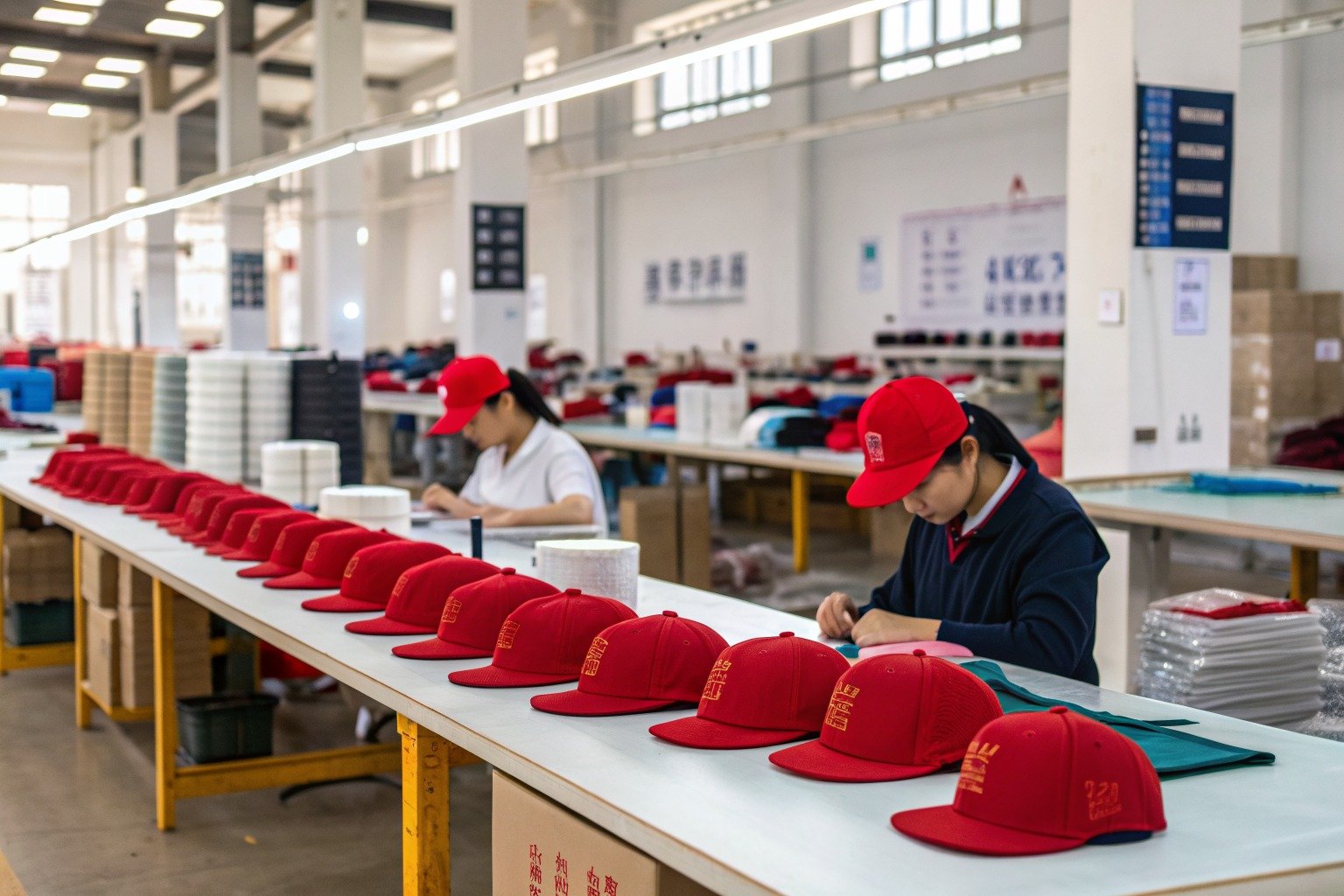
A thorough QC system involves multiple checkpoints. This starts with incoming raw material inspection to ensure fabric, metal, and plastic components meet specifications. During production, in-line checks monitor assembly consistency. The most critical stage is the final random inspection, where a statistically significant sample of the order is checked against a detailed checklist.
| Checkpoint | Focus Area | Common Tests |
|---|---|---|
| Raw Materials | Fabric, metal, plastic | Colorfastness, strength, safety |
| Production Line | Stitching, assembly, printing | Consistency, alignment, finish |
| Pre-Shipment | Function, packaging, overall look | AQL sampling, durability, carton drop test |
Why Are Certifications Important For Supermarkets?
Major retailers often require specific certifications to ensure product safety and compliance. These can include CPSIA for the US market or REACH for Europe, which regulate harmful substances. Sourcing components from certified suppliers and having your own product testing protocols in place is critical. We maintain these certifications, giving our clients the confidence and documentation needed to meet the stringent requirements of their supermarket buyers, simplifying the onboarding process.
What Is The Most Cost-Effective Sourcing Strategy?
In the supermarket sector, competitive pricing is a fundamental driver of sales. However, the lowest factory price does not always equal the lowest total cost. A holistic view of the supply chain is necessary.
The most cost-effective strategy involves partnering with a vertically integrated manufacturer that controls the production process. This eliminates multiple markups from middlemen and reduces communication layers, leading to faster problem-solving and greater cost transparency. It allows for direct cost control from material procurement to finished goods.

How Does Vertical Integration Reduce Costs?
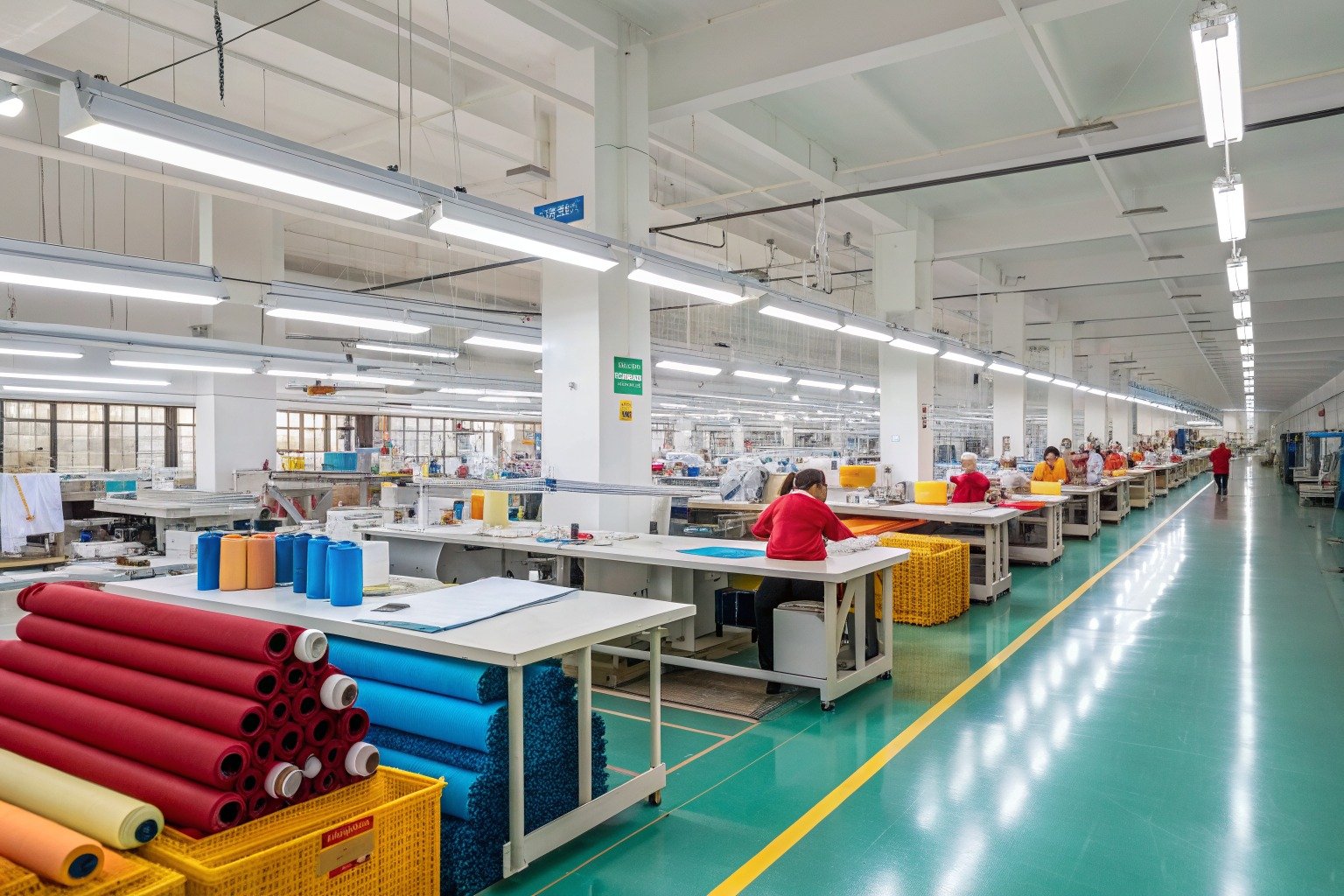
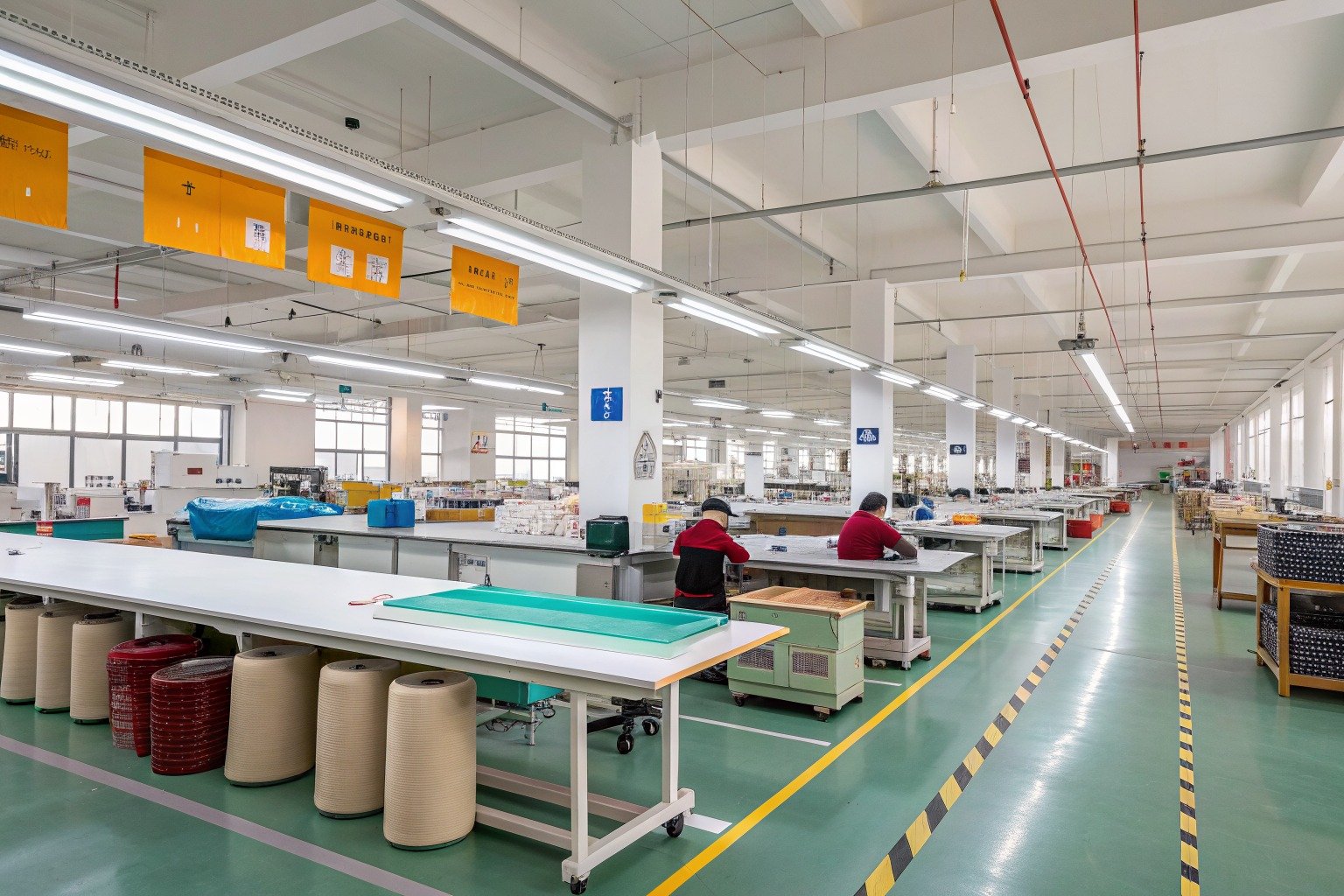
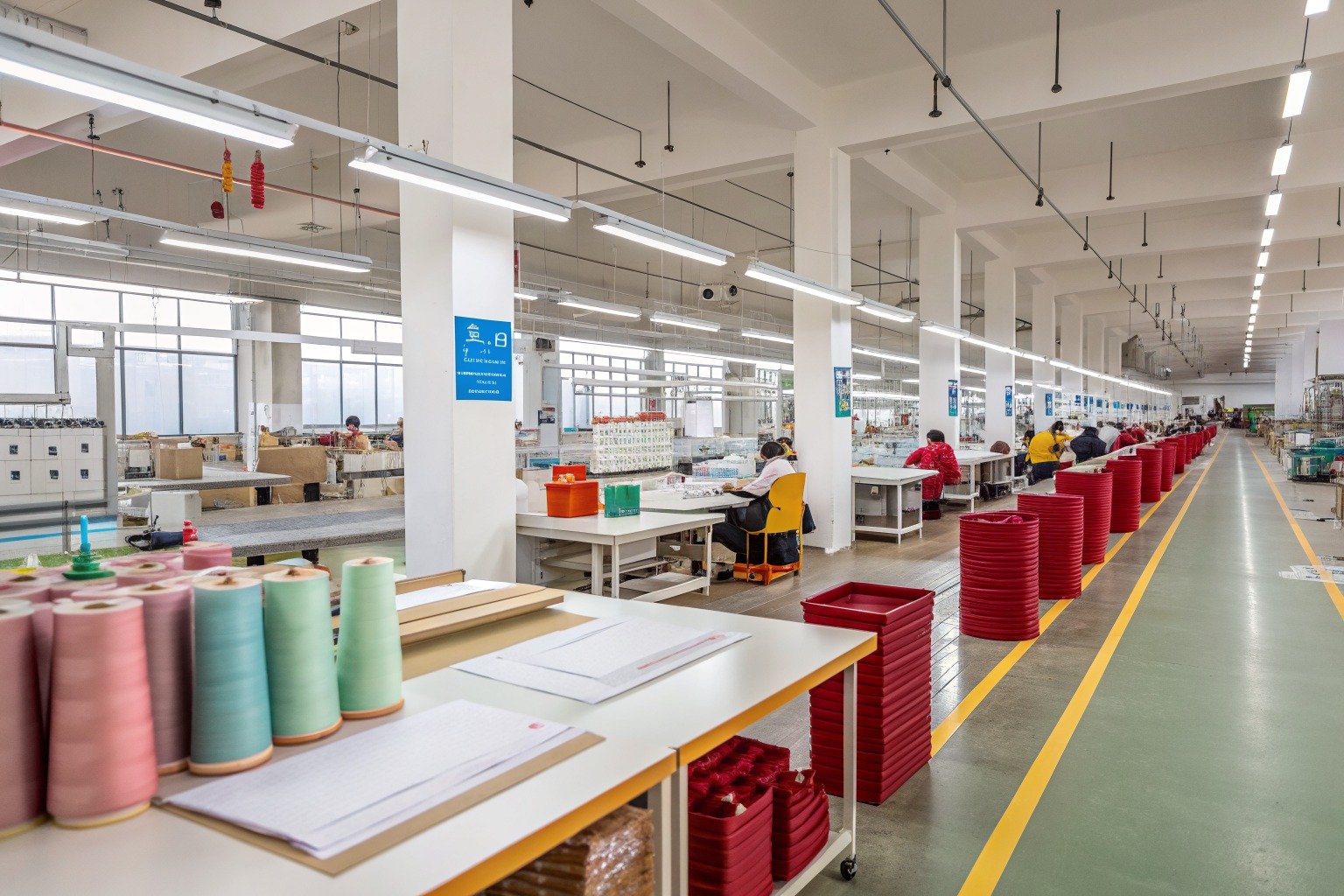
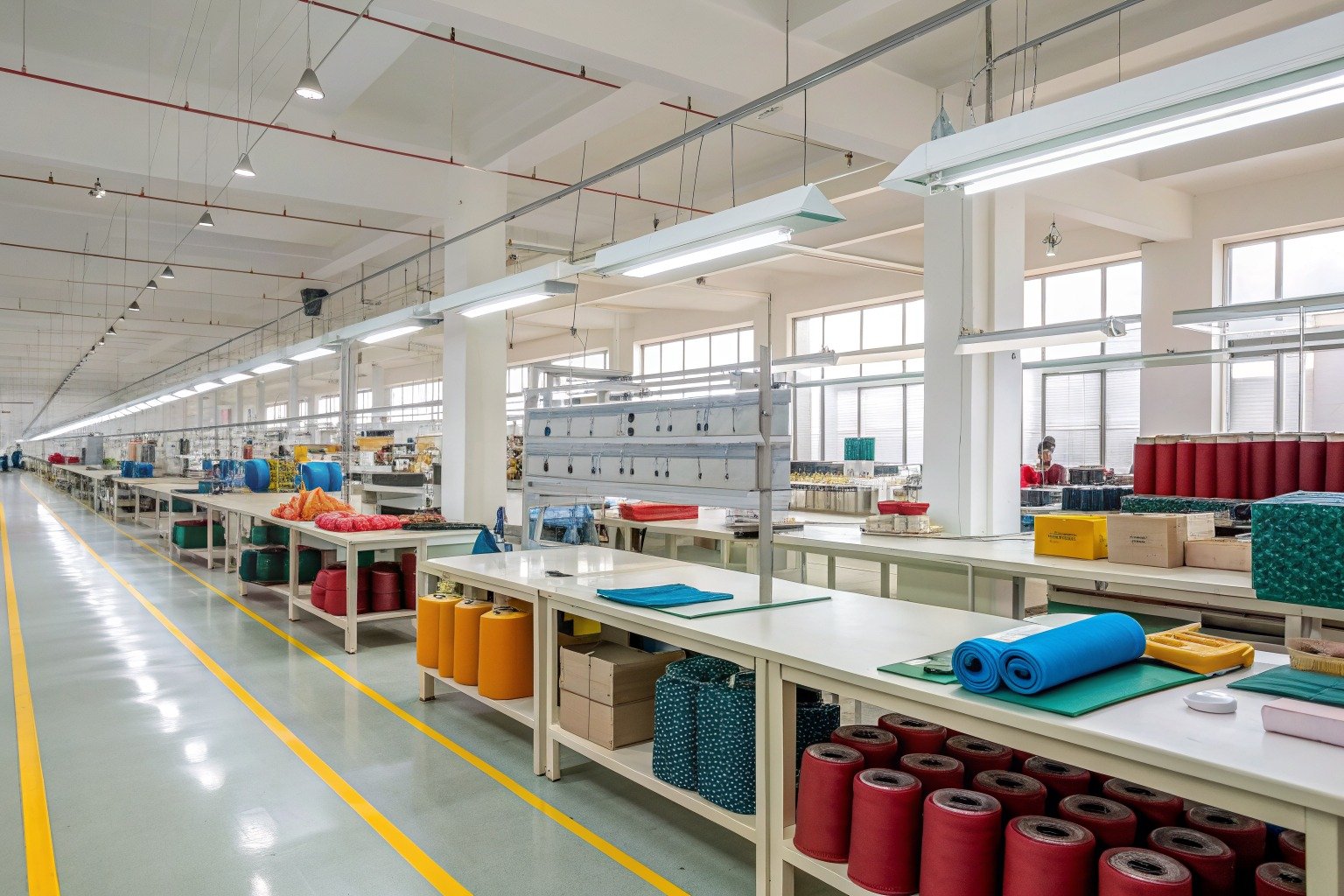
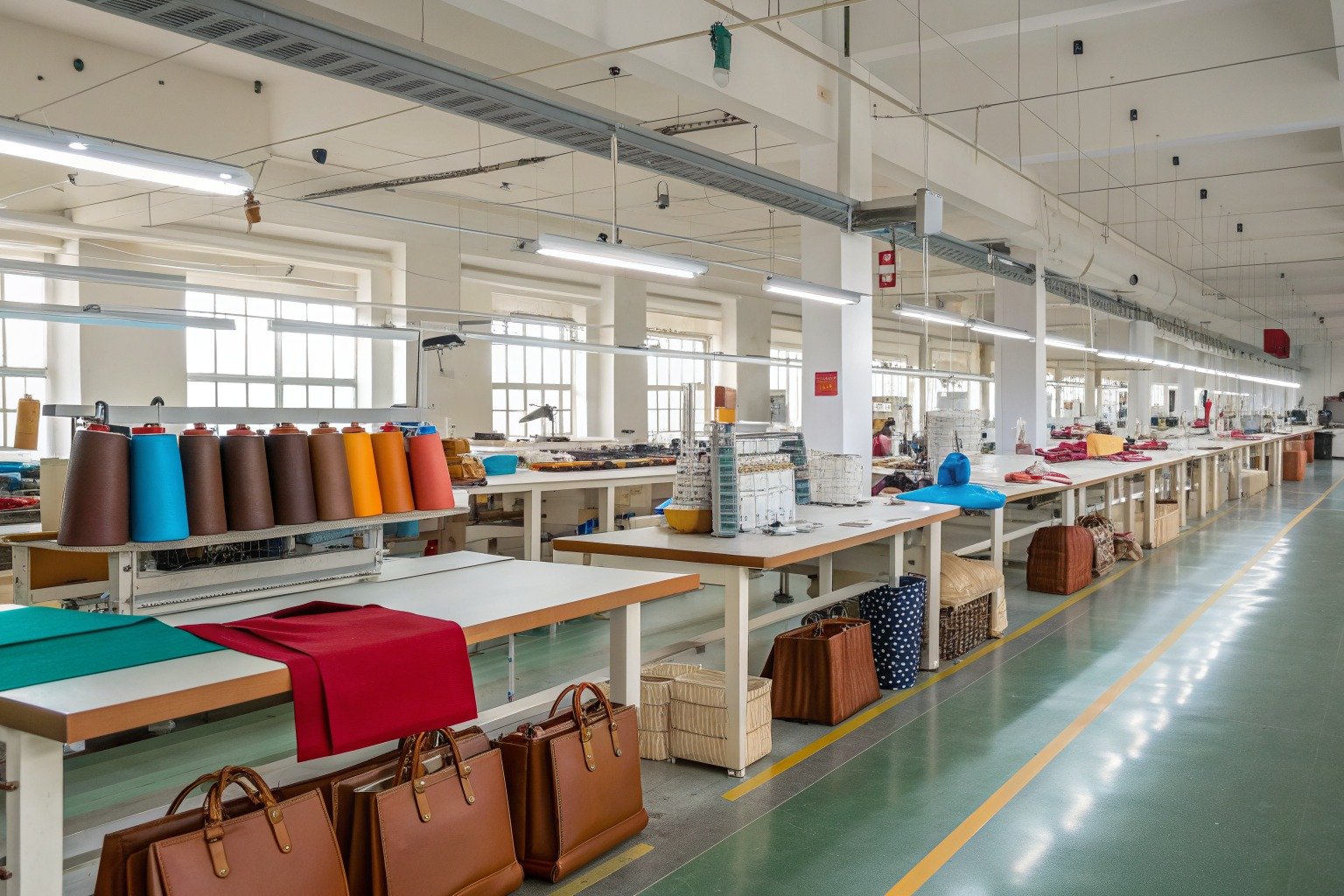
Our factory model is a prime example. We manage design, prototyping, production, and quality control under one roof. This means when you order hair bands from us, we source the elastics and fabrics directly, produce the bands, and conduct quality checks internally. This control prevents cost overruns from third-party suppliers and significantly shortens the production timeline, allowing you to bring products to market faster and more efficiently.
Can Efficient Logistics Offset Tariff Costs?
Absolutely. While US tariffs are a concern for importers, an optimized logistics strategy can help manage overall landed costs. We have extensive experience in arranging consolidated shipping for large orders and navigating customs clearance procedures. By ensuring accurate documentation and leveraging established relationships with freight forwarders, we minimize delays and unexpected fees. This logistical expertise provides a predictable cost structure, which is often more valuable than a slightly lower unit cost from a supplier without this support.
How To Streamline Development And Accelerate Time-To-Market?
Speed is a critical competitive advantage. Getting your trendy accessory collection to the shelf before the trend fades can make the difference between a bestseller and a clearance item.
A streamlined development process hinges on clear communication and professional project management. From the initial concept to the final shipped product, having a single point of contact and a defined timeline prevents misunderstandings and delays. This requires a manufacturer with a dedicated team and modern collaboration tools.

Why Is A Professional Project Manager Crucial?
At AceAccessory, each client is assigned an experienced Project Manager. This person is your champion inside the factory, coordinating between our design, production, and QC teams. They provide regular updates on prototyping progress, pre-production samples, and production schedules. This professional customer energy ensures that your vision is accurately translated into the final product and that any potential issues are identified and resolved early, keeping the project on track for an on-time delivery.
How Can You Minimize Sampling Cycles?
A clear and detailed initial brief is the first step to minimizing sampling rounds. Providing reference samples, tech packs, or even clear inspiration images sets a solid foundation. Our design team uses advanced software to create realistic digital prototypes before physical sampling, which saves considerable time. Furthermore, we maintain a stock of common materials for fast development, allowing us to produce physical samples within days, not weeks. This agility allows you to make faster decisions and lock in production sooner.
Conclusion
Designing best-selling accessories for large supermarkets is a multifaceted challenge that blends art and science. It demands a strategic focus on mass-market design principles, an uncompromising commitment to quality and durability, a smart approach to cost-effective sourcing, and a highly efficient, speedy development process. Mastering these areas allows your brand to consistently deliver value and products that customers in the competitive retail landscape are eager to buy.
Ready to bring your next best-selling accessory line to life? Partner with a factory that understands the needs of major supermarkets from the ground up. Contact our Business Director Elaine today at elaine@fumaoclothing.com to discuss how we can support your design and production goals with our professional, reliable, and efficient services.