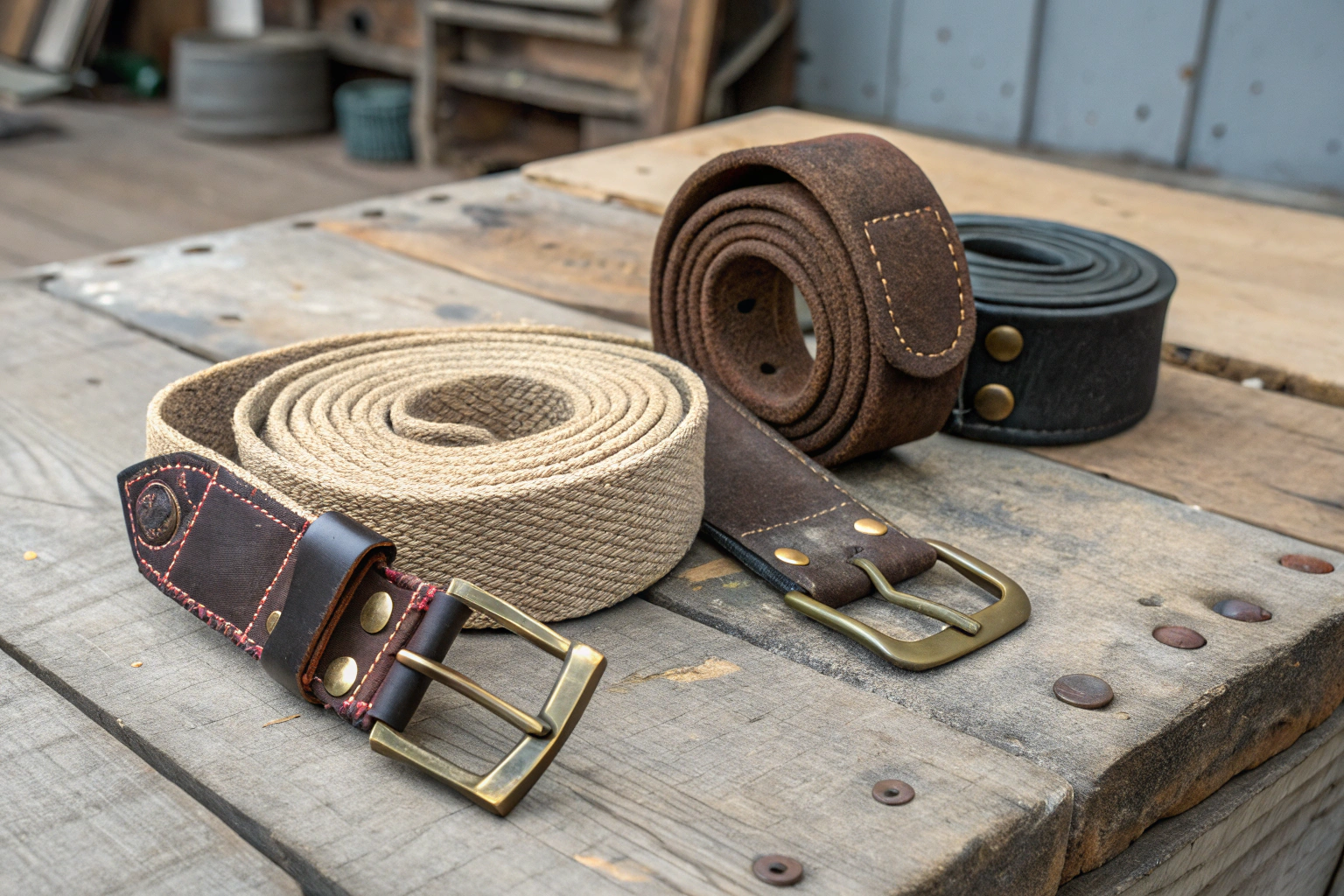
A gentleman once walked into my office and dropped a belt onto my desk. He had worn it every single day for eight years. It was a thick, simple leather belt with a solid brass buckle, and despite the creases and the patina, it was still perfectly functional. He asked me why the belts he bought from his current supplier were cracking at the fold and fraying at the edges after only a year. I looked at the edge of his new belt. It was bonded leather, a composite of leather dust and polyurethane, painted to look like full-grain. The surface was peeling like old paint. He was paying a mid-range price for a product that was fundamentally a disposable item.
The most durable materials for daily wear belts from China are full-grain vegetable-tanned leather, heavy-weight nylon webbing, and waxed canvas with a high-tensile polyester core. These three materials share a critical property: their strength is inherent to the fiber structure of the material itself, not a surface coating or a bonded composite. A durable daily belt is made from a single, honest material that wears in, not wears out.
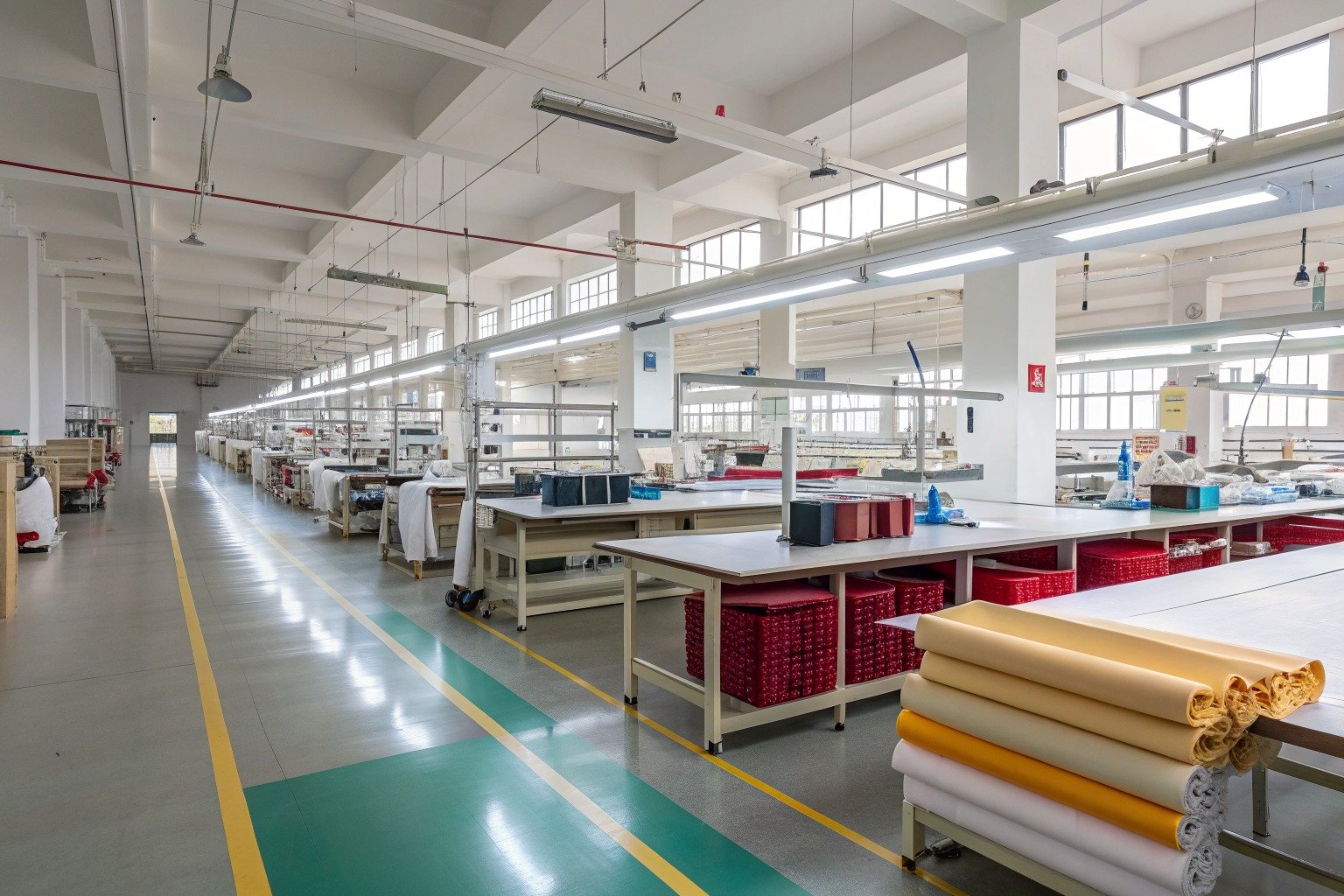
At our factory in Zhejiang, we are a professional manufacturer and exporter of accessories, and we build belts for work, outdoor use, and everyday carry that are expected to last a decade. I want to explain the structural differences between these materials, the specific grades and specifications that define durability, and how to specify a belt that will still be on your customer’s waist years from now.
Why Is Full-Grain Leather the Gold Standard for a Lifetime Belt?
Leather is not a single material. It is a family of materials that vary enormously in strength, durability, and aging characteristics depending on which part of the hide is used and how it is processed. The term "genuine leather" is a legally vague grade that often refers to the lowest quality split layer. The term "full-grain leather" is a specific, high-grade specification.
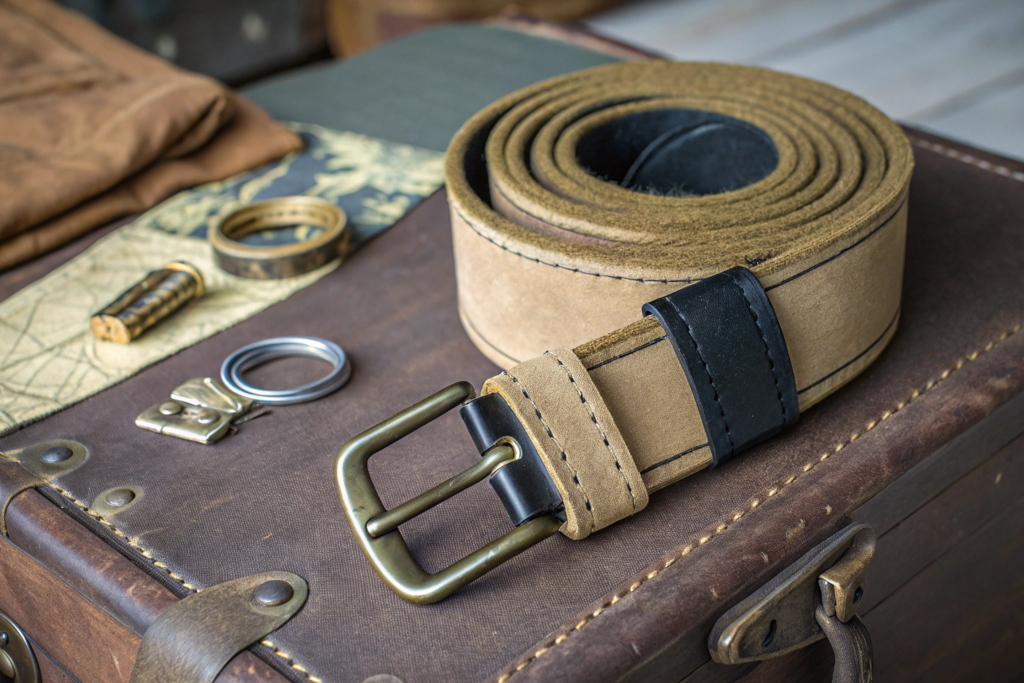
Full-grain leather is the outermost layer of the hide, where the fibers are the most densely packed and tightly woven. This dense fiber structure gives full-grain leather its legendary tensile strength, its resistance to tearing, and its ability to develop a beautiful surface patina over years of use rather than cracking or peeling. The grain surface is not sanded or buffed to remove imperfections; the natural markings of the animal’s life are visible, which is a hallmark of authenticity. Daily wear stresses—the constant bending at the buckle fold, the friction against belt loops, the exposure to sweat—are absorbed by this dense fiber network. A full-grain belt actually becomes more comfortable and more attractive with age. This full-grain versus genuine leather comparison resource explains the structural differences.
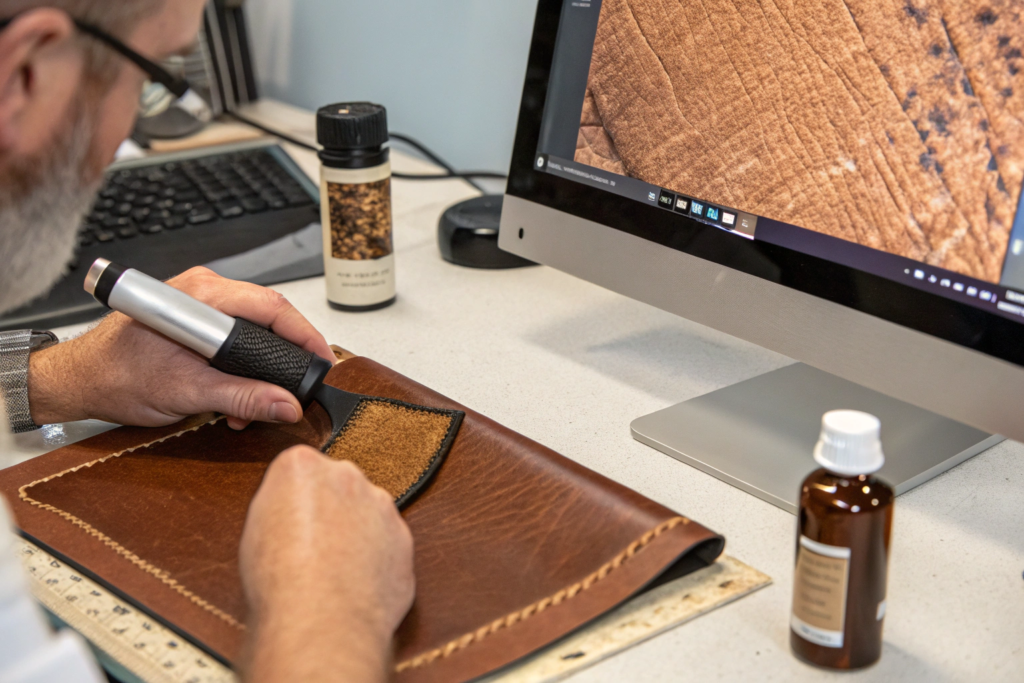
How does vegetable tanning differ from chrome tanning in terms of longevity?
Tanning is the chemical process that converts a perishable animal hide into a durable, rot-resistant material. Chrome tanning uses chromium salts. It is fast, producing leather in a day or two, and results in a softer, more supple leather that is widely used in fashion accessories. However, chrome-tanned leather is more susceptible to cracking at flex points over extended time because the chrome-tanning process slightly weakens the fiber structure. Vegetable tanning uses natural tannins found in tree bark, leaves, and fruits. It is a slow process, taking weeks or months, but it produces a leather with a tighter, stronger fiber structure that is inherently more durable and ages with a rich, warm patina. A vegetable-tanned belt will outlast a chrome-tanned belt of the same thickness. This vegetable tanning process resource details the timeline and chemistry.
What thickness, measured in millimeters or ounces, is required for a daily belt?
Leather thickness is measured in ounces, where one ounce equals approximately 0.4 millimeters. A fashion belt might be made from 2 to 3 ounce leather, which is thin and flexible but prone to stretching and tearing under daily use. A daily wear belt intended for durability should be made from a minimum of 8 to 9 ounce leather, which is 3.2 to 3.6 millimeters thick. This thickness provides the structural strength to hold its shape, resist stretching, and support the weight of tools or a holster if needed. The belt strap should be cut from a single piece of leather, not two thinner pieces glued together, which can delaminate. This leather weight and thickness guide provides the standard conversions.
Why Is Heavy-Weight Nylon Webbing the Choice for Tactical and Outdoor Belts?
For applications where leather is not ideal—wet environments, high-activity use, or situations where a belt must be completely maintenance-free—heavy-weight nylon webbing is the superior choice. Nylon is a synthetic polymer fiber with exceptional tensile strength, abrasion resistance, and resistance to rot, mildew, and moisture. It does not stretch when wet, does not crack in extreme cold, and can be washed with soap and water.
However, not all nylon webbing is created equal. The durability of a nylon belt depends on the type of nylon, the weave structure, and the quality of the hardware. A cheap nylon belt from commodity suppliers uses low-grade nylon 6 and a loose, open weave that frays easily. A durable belt uses nylon 6,6, a variant with a higher melting point and greater tensile strength, woven into a tight, dense, mil-spec webbing that resists abrasion and holds its edge.
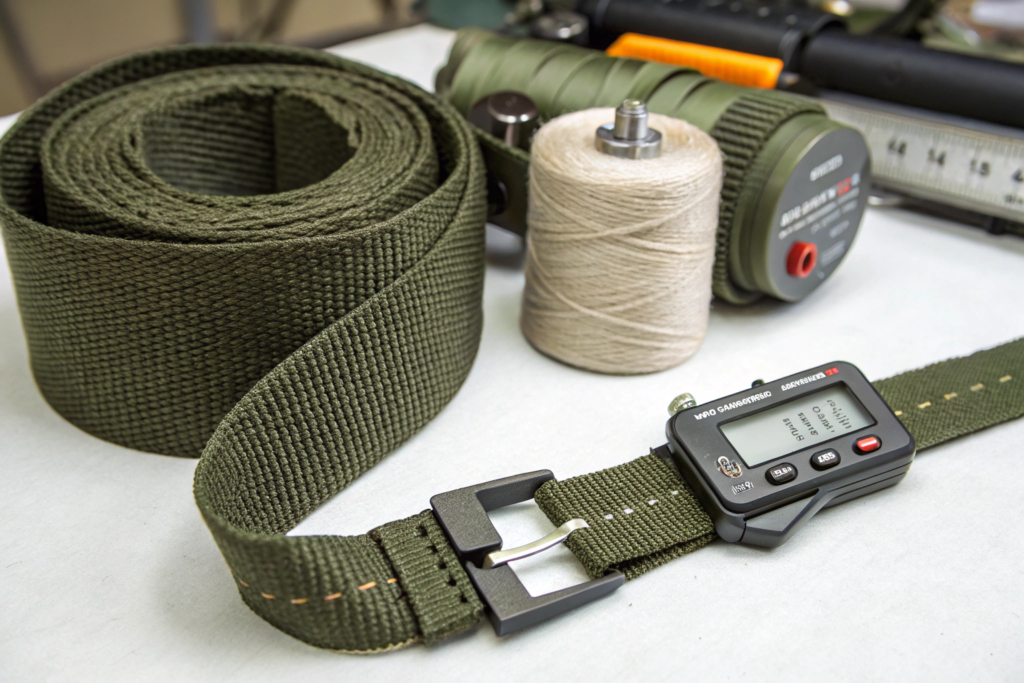
What is the difference between nylon 6 and nylon 6,6 webbing?
Nylon 6 and nylon 6,6 are chemically distinct polymers. Nylon 6,6 has a higher melting point, greater tensile strength, and better resistance to UV degradation and abrasion. It is the standard for military and climbing equipment. Nylon 6 is slightly softer and more flexible but significantly less durable under constant friction. A true heavy-duty belt will specify nylon 6,6 webbing. The specification is usually marked on the product or on the material certificate from the webbing mill. Ask for a "Type 13" or "Mil-Spec" nylon webbing specification.
How does the weave density affect the edge fraying over time?
A loose, open weave exposes individual yarns to friction. As the belt is pulled through the buckle and through belt loops, these exposed yarns snag and break, causing the edge to fray and unravel. A tight, dense weave, measured in picks per inch, locks the yarns in place. The edge is a solid, unified surface that resists abrasion. For daily wear, we specify a weave density that balances stiffness with comfort, and we finish the cut ends with a heat-sealed tip or a folded and stitched leather tab to completely prevent unraveling.
How Does Waxed Canvas with a Polyester Core Offer Heritage Style with Modern Strength?
Waxed canvas offers the aesthetic of classic heritage workwear—the look and feel of cotton—but traditional cotton canvas belts suffer from a durability ceiling. Cotton fibers, while comfortable, have lower tensile strength than nylon or leather and are susceptible to stretching, rotting, and UV degradation. A pure cotton canvas belt is not a durable daily option.
The solution for 2026 is a hybrid construction: a waxed cotton canvas outer shell bonded to a high-tensile polyester core. The cotton canvas provides the desired vintage texture, the waxy hand-feel, and the ability to be re-waxed to refresh the waterproofing. The polyester core provides the strength, the stretch resistance, and the structural longevity. The two layers are stitched together along the full length of the belt, creating a composite that is stronger than the sum of its parts.
How does the waxed cotton shell protect the polyester core?
The waxed cotton outer layer serves as a sacrificial and protective barrier. It takes the abrasion from belt loops and the scuffs from daily wear. The wax impregnation repels water, preventing moisture from reaching the polyester core and the stitching. Over time, the wax can be reapplied, refreshing the belt’s appearance and weather resistance. The polyester core, protected from UV light and abrasion, maintains its full tensile strength for years.
What type of thread and stitch pattern prevents delamination?
The strength of a hybrid belt is only as good as the stitching that holds the layers together. We use a bonded polyester thread, which is a high-strength polyester thread coated with a protective resin that resists abrasion, UV degradation, and moisture. The stitch pattern is a box stitch with a central bar tack at all stress points: the buckle fold, the keeper loop, and the tip. This stitch pattern distributes stress and prevents the thread from unraveling if a single stitch is cut. A simple single-needle stitch is a failure point on a daily belt.
Conclusion
A durable daily wear belt is defined by its material honesty and its structural integrity. Full-grain vegetable-tanned leather offers a lifetime of patina and increasing comfort, provided the leather is thick enough and the tanning process is slow and natural. Heavy-weight nylon 6,6 webbing offers military-grade tensile strength and complete immunity to moisture and rot, making it the choice for active and outdoor use. Waxed canvas with a polyester core offers the best of both worlds: heritage aesthetics with modern synthetic strength. The common thread across all three materials is that their durability comes from within, from the fiber structure, not from a surface coating that can peel or crack.
We have explored the specific grades, thicknesses, and weave densities that separate a durable belt from a disposable one. A belt is an accessory that is worn every single day. Its failure is not just an inconvenience; it is a moment of frustration that the customer associates with your brand.
If you are sourcing daily wear belts and want to discuss the specific material grades, thicknesses, and hardware options that define durability for your target market, we can provide a material sample pack and a consultation on the best construction for your price point and customer expectations. Our Business Director Elaine manages our belt accessory programs and can coordinate the sampling and specification process. Contact her directly at elaine@fumaoclothing.com. A belt should last long enough to become a habit. Let’s build one that does.