I remember a shipment of ten thousand printed scarves that got held at Rotterdam port for three weeks. The Dutch customs officer asked for our EU Ecolabel certificate. We did not have it. Our client, a mid-sized brand from Berlin, had never mentioned it in their purchase order. By the time we sorted out the paperwork, the season was over. The brand lost their fall launch window, and we almost lost a decade-long client relationship. That experience taught me a hard lesson. European brands are not asking for the EU Ecolabel because they love paperwork. They are asking for it because it is the only document standing between their products and a locked customs warehouse.
European brands require EU Ecolabel certification for fabric accessories because it serves as the single, government-recognized guarantee that their products comply with the EU's strict ecological criteria. This certificate covers the entire life cycle of a textile product, from raw material extraction to chemical usage in production and final product safety. For a brand, this label is not just a green marketing badge. It is a powerful risk management tool that prevents legal penalties, speeds up customs clearance, and satisfies the demands of increasingly eco-conscious European consumers.
As a factory owner in Zhejiang, I have guided dozens of our European clients through the EU Ecolabel certification process for scarves, fabric belts, and cloth hats. I have seen firsthand what happens when you have it and what happens when you do not. Let me explain the real, practical reasons behind this requirement so you can protect your own brand and build a stronger, more competitive accessory line.
How Does the EU Ecolabel Certify a Product's Full Life Cycle?
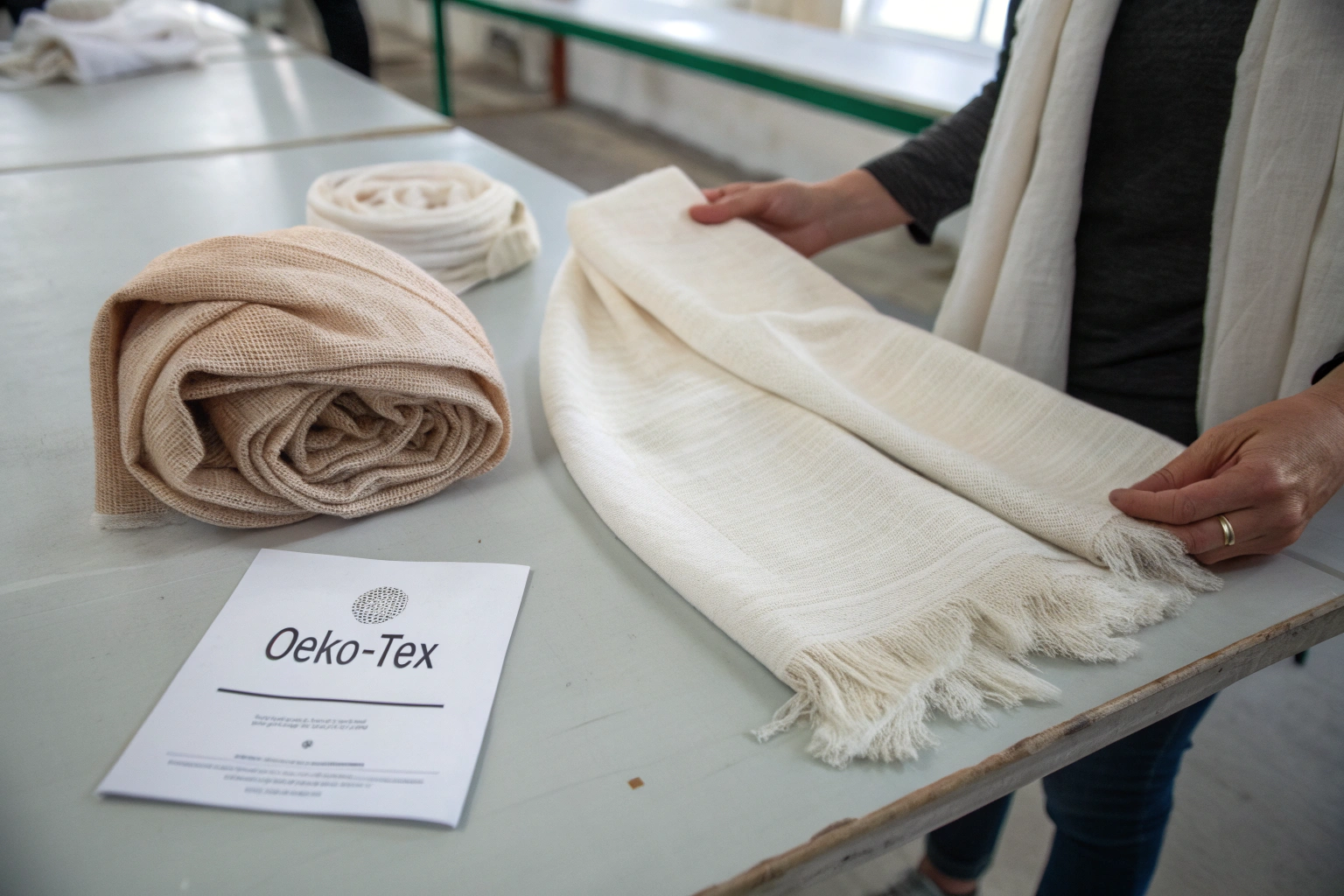
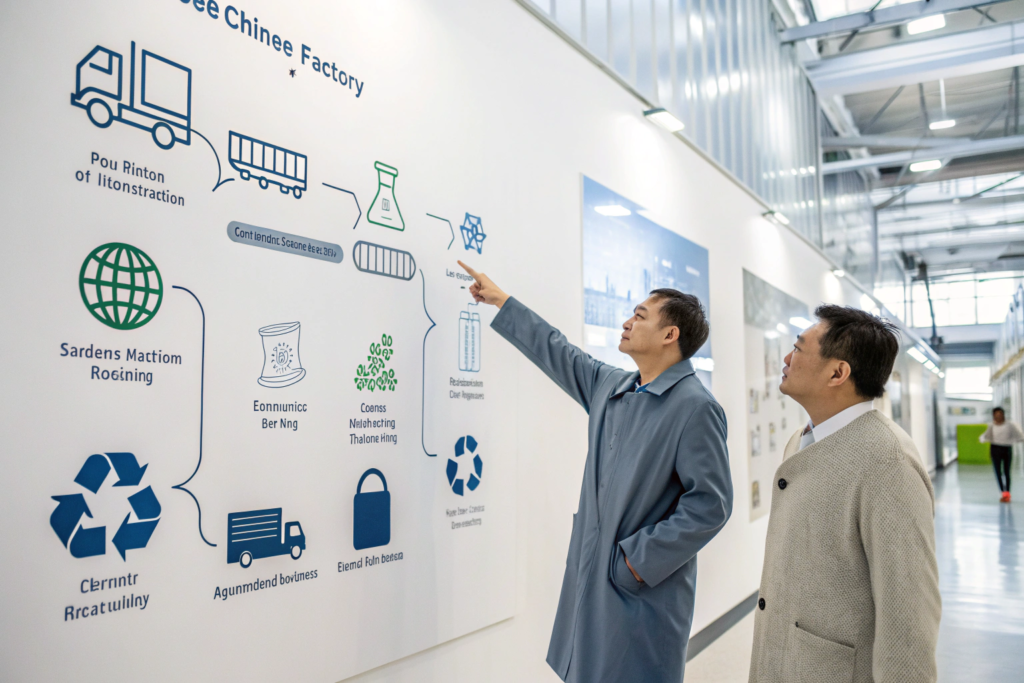
The first thing you must understand is that the EU Ecolabel is fundamentally different from a single-property certification like OEKO-TEX Standard 100. OEKO-TEX tests only for harmful substances in the final product. That is a snapshot. The EU Ecolabel examines the entire story of the product, from the farm where the cotton grew to the factory where the scarf was stitched, and even to the packaging that ships it. This life-cycle approach is what makes the label so valuable and so difficult to obtain. European brands trust it precisely because it does not take shortcuts.
Why Do Raw Material Origins Matter for EU Ecolabel Certification?
An EU Ecolabel certificate traces the fiber all the way back to its origin. For cotton, the label requires that a significant percentage comes from organic farming or is recycled. Conventional cotton farming uses enormous amounts of water and pesticides. The label sets strict limits on these inputs. For synthetic fibers like recycled polyester, the label demands a certified chain of custody that proves the material genuinely came from post-consumer waste, not just factory offcuts. When a brand submits a purchase order to us for cloth hats or fabric belts, they often need us to provide the transaction certificates for the yarn itself. I have spent countless hours with our material suppliers, building a paper trail that can withstand an audit. This traceability is the foundation. Without it, the certification process stops before it even begins. The label's focus on sustainable raw materials directly aligns with the EU's circular economy goals, which you can read about on the European Commission's environment page.
How Does the Manufacturing Process Impact Chemical and Water Criteria?
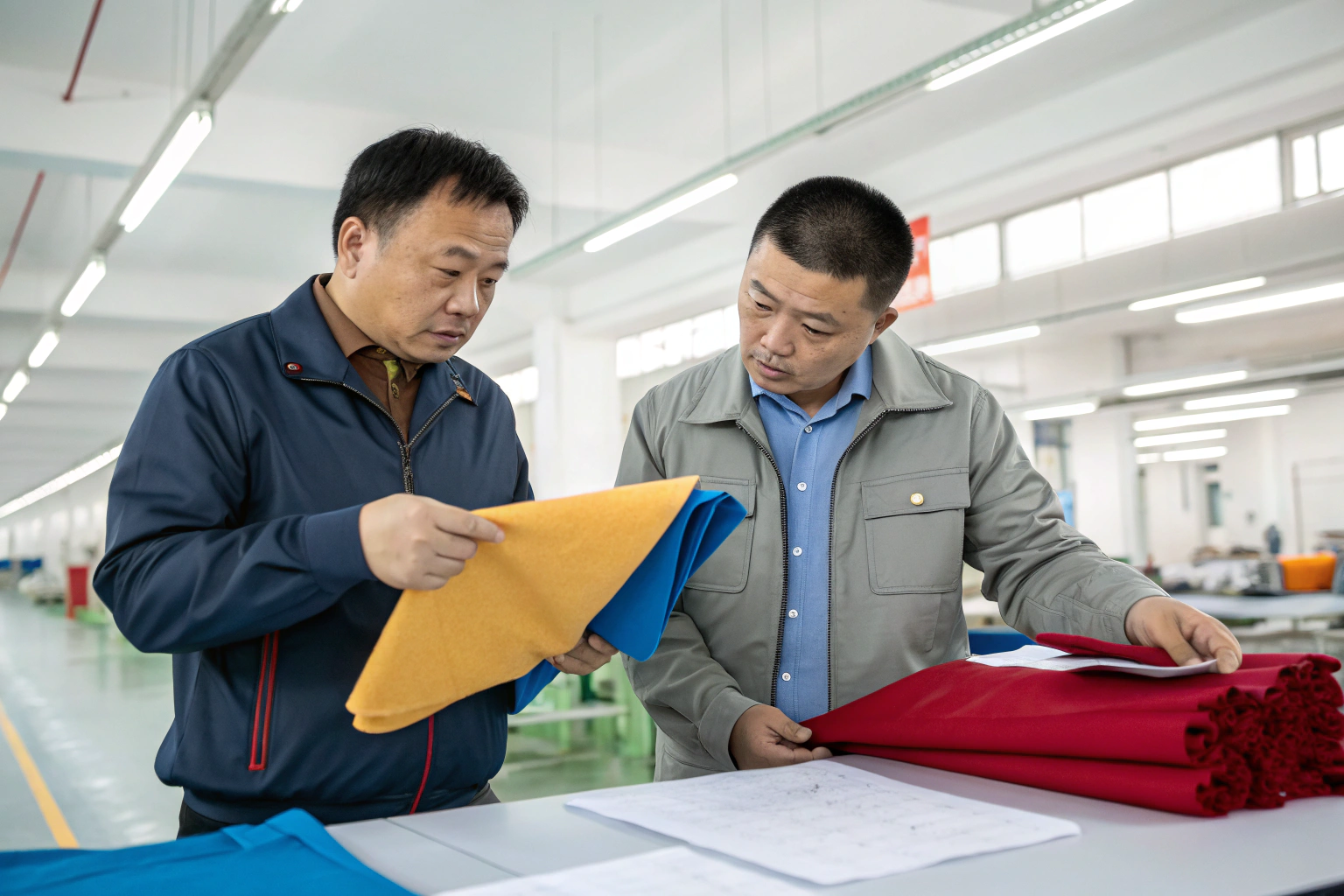
This is where the real factory work happens. The EU Ecolabel sets extremely tight limits on the chemicals used in dyeing, printing, and finishing fabric accessories. Azo dyes that release carcinogenic amines are banned. So are chlorinated solvents and certain flame retardants. The label also requires the factory to treat its wastewater to a high standard before releasing it. When I upgraded our factory's water treatment system, it was a significant investment. But it was necessary because European buyers now send third-party auditors to physically inspect the treatment facility and take water samples. The label does not just look at the final scarf. It checks that the river downstream from our factory is clean. That is a radically different level of scrutiny. A brand holding the EU Ecolabel can confidently tell its customers that the production of their accessory did not poison a waterway. This transparency is required by EU green claims directives, which are enforced with fines. You can find detailed information on textile chemical restrictions through the European Chemicals Agency.
What Role Does Consumer Trust Play in the Certification Demand?
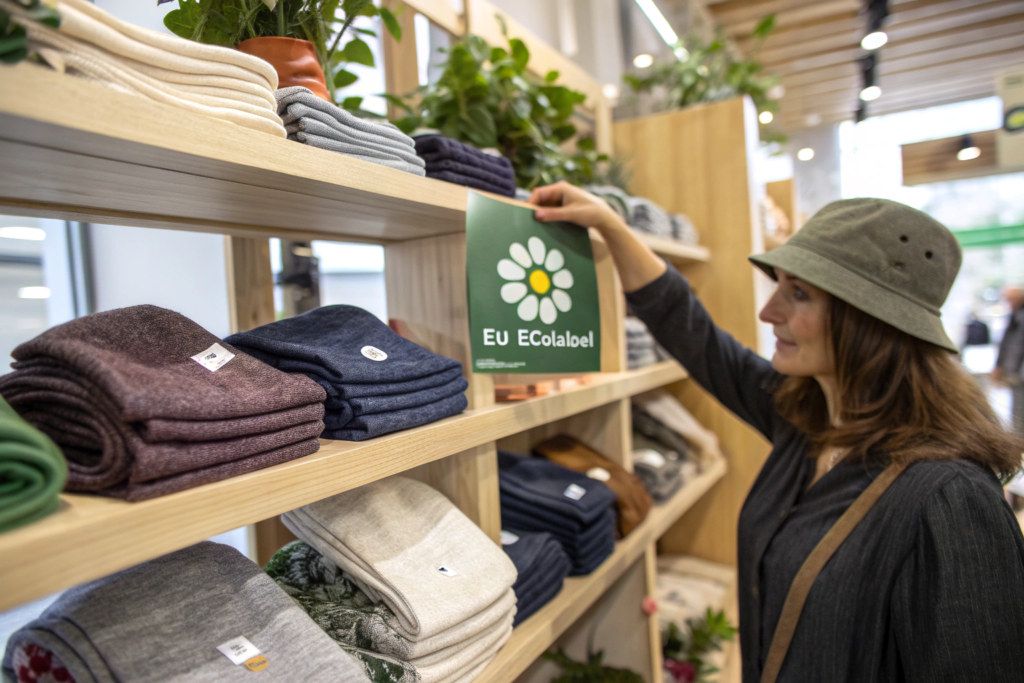
Beyond regulations, there is a human driver. The European consumer has developed a deep skepticism toward vague ecological promises. Words like "eco-friendly," "natural," and "green" on a hangtag now trigger suspicion rather than trust. The EU Ecolabel cuts through this noise. It is a government-backed, third-party-verified mark that a shopper can recognize instantly. Brands that carry this label can sell at a premium and build genuine customer loyalty, while those that do not risk being publicly accused of greenwashing.
Does the EU Ecolabel Help Brands Avoid Greenwashing Accusations?
Absolutely. Greenwashing destroys brands. I have watched small, honest brands collapse because they made one unverified claim about their fabric being "100% sustainable" and were called out on social media. The EU Ecolabel is a legal shield. It provides a concrete, auditable standard that a brand can point to when challenged. In the EU, new legislation like the Green Claims Directive requires companies to substantiate any environmental claim they make. A self-declared "green scarf" is now a legal liability. A scarf with an EU Ecolabel is a proven fact. For a brand owner, this certification turns a potential PR disaster into a marketing asset. They do not have to hire consultants to write vague sustainability reports. They just show the flower logo. This is why our European clients are willing to pay a slightly higher unit price for certified accessories. They are buying legal safety and brand credibility in one package.
Why Are European Retailers Making It a Mandatory Listing Requirement?
Large retailers like department stores and supermarket chains are the real gatekeepers. In the last two years, I have seen a massive shift. Chains in Germany, France, and Scandinavia are no longer politely asking for eco-certifications. They are writing them into the vendor compliance manuals as mandatory. If a brand cannot provide an EU Ecolabel for its fabric accessories, it simply cannot get a purchase order number. The retailers are driven by their own ESG ratings and corporate sustainability targets. A buyer at a major French hypermarket once told me that their internal scoring system gives extra points to any accessory with the EU Ecolabel. More points mean better shelf placement. No label means no listing. This hard business reality trickles down to importers like Ron. They need the certificate not because they personally demand it, but because the retail shelf demands it. Without it, the distribution channel is closed.
How Does Certification Simplify EU Customs and Trade Compliance?
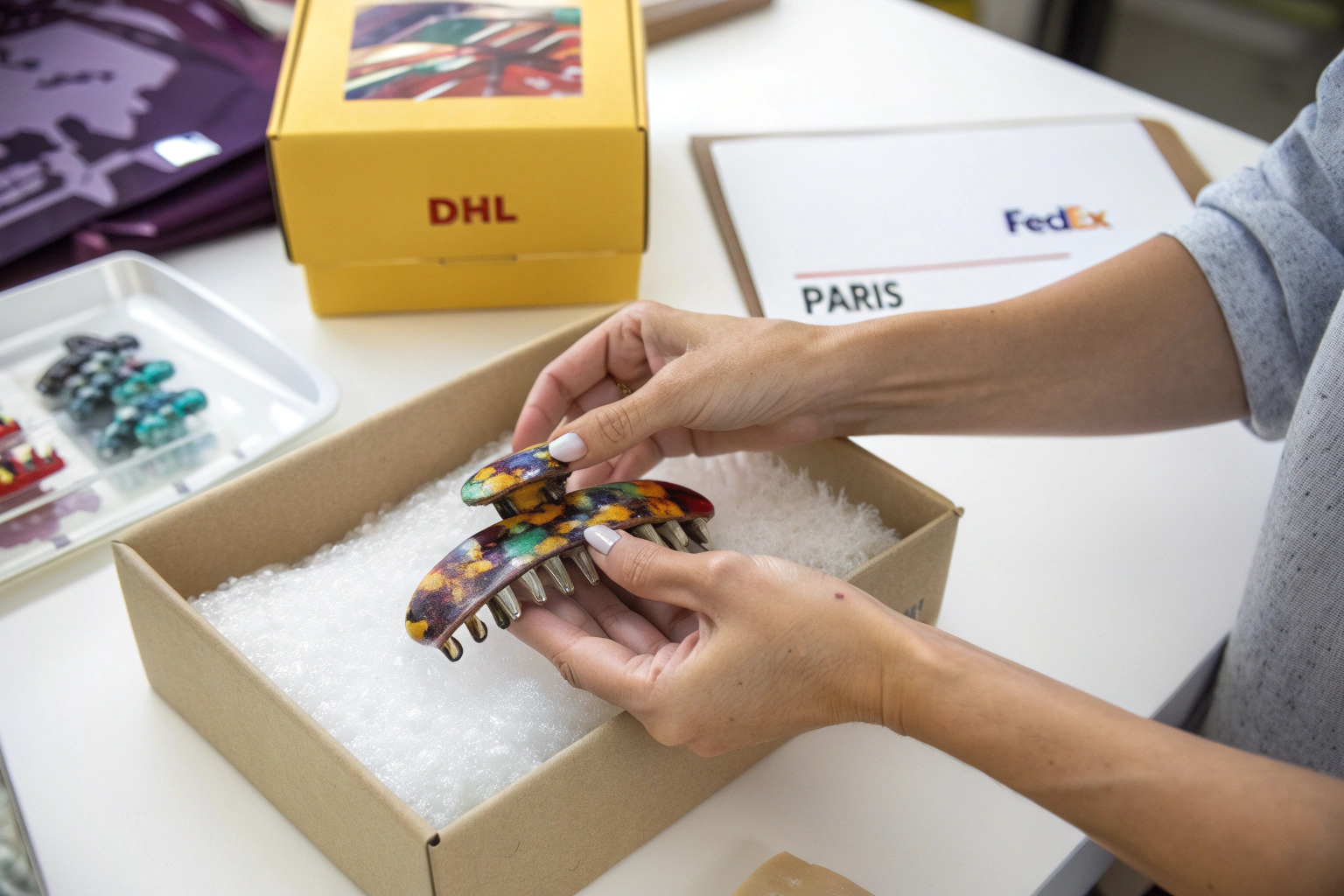
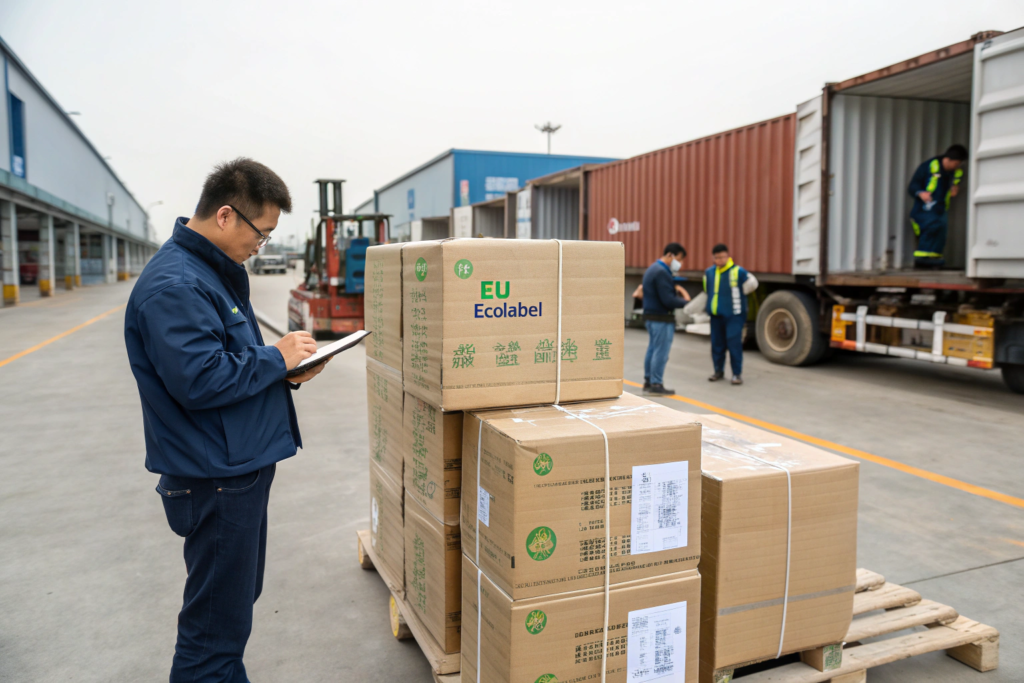
Customs clearance is often the most stressful moment in the entire supply chain. A container sitting at a port accrues demurrage fees by the hour. The EU Ecolabel, along with the technical documentation that supports it, serves as a pre-verified passport. It tells the customs officer that this product has already been assessed against strict EU ecological and chemical safety standards. The inspection is often faster, and the risk of a random hold is significantly lower. For an importer, this translates directly into predictable delivery schedules and controlled logistics costs.
Can the EU Ecolabel Reduce the Risk of REACH Regulation Penalties?
The EU's REACH regulation governs the registration, evaluation, authorization, and restriction of chemicals. It is a massive, complex law. A fabric accessory containing a non-compliant substance can be pulled from the market, and the importer of record can face severe fines. The EU Ecolabel's restricted substance list is, in many cases, even stricter than REACH's base requirements. A certified product is, by default, deeply compliant with the most commonly scrutinized sections of REACH. When our German clients receive an EU Ecolabel-certified shipment of scarves, their legal team rests easier. The test reports we provide are synchronized with the REACH requirements they must meet. This does not mean they can ignore REACH. It means the certification provides a robust, pre-built defense in case of any regulatory inquiry. The European Chemicals Agency's REACH page is a resource I recommend to every serious importer.
How Does the Certificate Speed Up Green Public Procurement Opportunities?
There is a massive, often overlooked market in Europe. Government institutions, universities, and municipalities buy enormous quantities of textile products, including promotional scarves, workwear accessories, and event fabric goods. These purchases fall under Green Public Procurement, or GPP, rules. An EU Ecolabel is often the single accepted proof that a product meets the GPP ecological criteria. A brand without it is invisible to this entire sector. I have a client in Sweden who has built a stable, multi-year business solely by supplying EU Ecolabel-certified fabric hats to municipal tourism boards. The certification is their ticket to an institutional market that is recession-proof and values long-term contracts. For an importer like Ron, the certificate can open doors to bulk orders that are not even visible to non-certified competitors.
What Does the Certification Process Cost in Time and Resources?
Every buyer asks the same question. How long, and how much? The honest answer is that obtaining the EU Ecolabel for a fabric accessory is a serious commitment. It is not a weekend project. It demands raw material transparency, chemical management discipline, and a willingness to pay for third-party testing and auditing. However, the cost of not having it, in terms of lost orders and customs risks, is often far higher. I always frame this as a competitive investment, not an expense.
How Long Does the Typical Application and Audit Timeline Take?
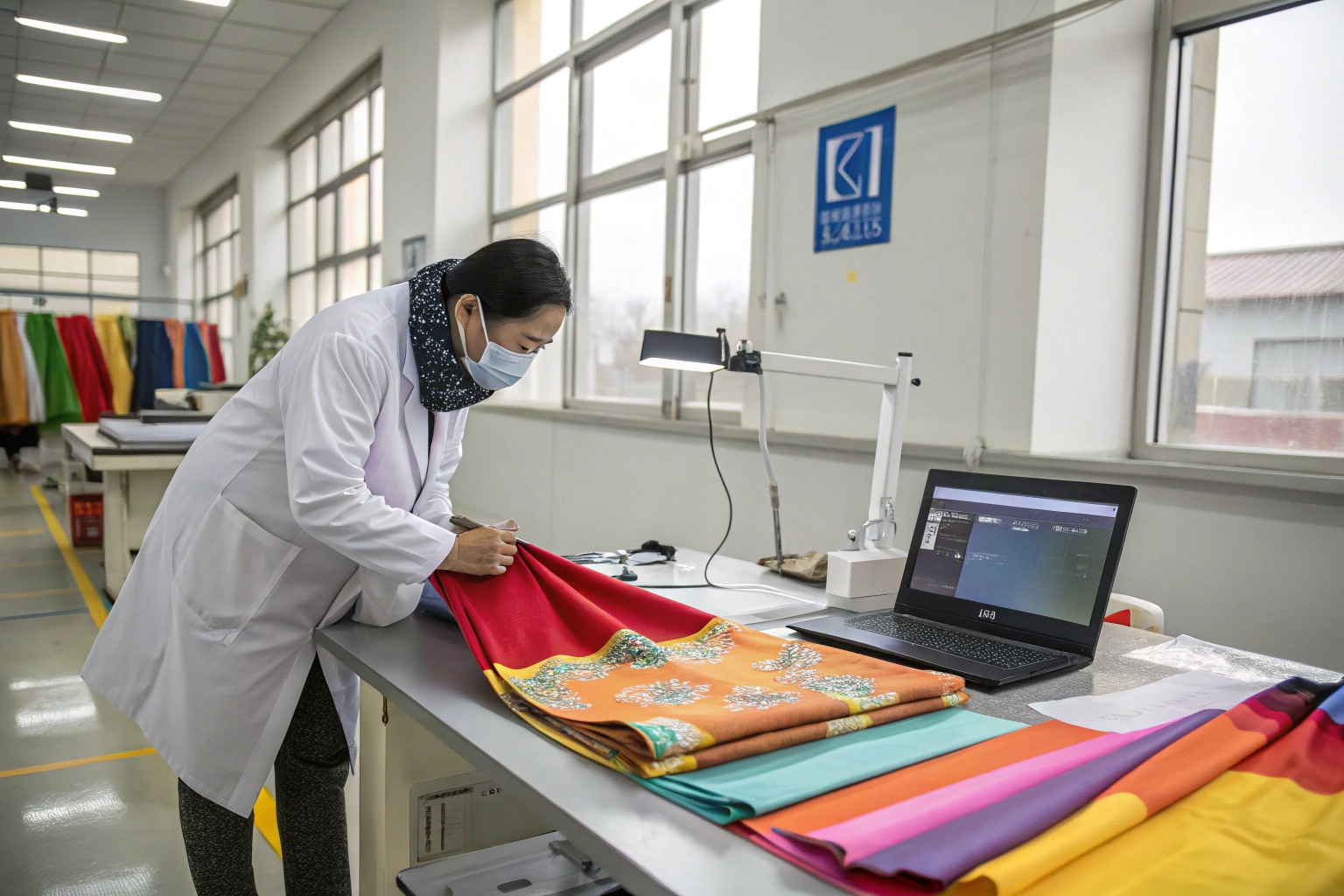
From initial application to holding the certificate, a realistic timeline is four to six months. The first month is spent gathering documentation. You need fiber origin certificates, dyehouse chemical lists, and wastewater treatment logs. The next two months involve product testing at an accredited laboratory. They test for a long list of restricted substances, fiber composition accuracy, and color fastness. The final stage is the audit. A competent body, appointed by an EU member state, reviews the entire dossier and may conduct an on-site factory inspection. If the dossier is complete and the tests pass, the certificate is issued. I advise clients to plan for a six-month lead time before they need to ship their first certified product. Rushing this process always leads to costly mistakes. The testing alone requires patience. You cannot speed up a chemical migration test.
Is the Per-Unit Cost Increase Justified by the Market Premium?
Yes. The unit cost of a certified fabric accessory is higher because organic or recycled raw materials cost more, and compliant dyes and chemicals are more expensive than conventional ones. The audit and testing fees also need to be amortized. However, the retail price premium a brand can command with the EU Ecolabel far outweighs this. European consumers consistently show a willingness to pay ten to twenty percent more for a product with a verified ecological label. For a fabric belt or a scarf, this premium translates into higher margins for both the brand and the factory. Furthermore, the lower risk of customs delays and regulatory fines must be factored into the total cost equation. A single held container can cost more than a full year of certification fees. The economics make sense when you look at the complete picture, not just the ex-works price tag.
Conclusion
European brands require the EU Ecolabel for fabric accessories because it is the only certification that covers the complete product life cycle, from organic raw materials to clean factory wastewater to safe final chemistry. It is a legal shield against greenwashing accusations, a mandatory ticket for retail shelf placement, and a practical tool for faster customs clearance and REACH compliance. The label also unlocks government procurement contracts that are invisible to non-certified competitors. The certification process demands time, money, and rigorous documentation, but the market access and premium pricing it enables far outweigh the investment.
At AceAccessory, we have navigated the EU Ecolabel certification for our own fabric accessories, including scarves, cloth hats, and fabric belts. We understand what European compliance officers need because we have sat across the table from them during audits. Our factory in Zhejiang is prepared with the wastewater treatment, chemical management, and supply chain traceability systems that the label demands. We do not just talk about sustainability. We have the paperwork and the pass marks to prove it.
If your brand is facing a retailer requirement for the EU Ecolabel, or if you want to proactively access the European market with certified fabric accessories, we are ready to guide you through the entire process. From raw material sourcing to final lab testing, our project managers will handle every step with you.
For a direct consultation about your EU Ecolabel-certified accessory project, please contact our Business Director, Elaine. You can reach her directly at her email: elaine@fumaoclothing.com. Let us ensure your next shipment clears customs without any surprises.