I discovered the lining swap by accident. A long-time client from London sent me a photo of his new tote bag with the interior ripped after two weeks of use. I looked at the picture and felt my stomach drop. That was not the heavyweight cotton twill lining I had specified in the tech pack. It was a cheap, loosely woven poly-cotton blend that frayed under the slightest stress. The factory had made a quiet substitution, hoping no one would notice. They saved maybe fifteen cents per unit. My client's brand reputation took a hit that cost thousands. That moment reshaped how I manage lining material compliance forever.
The best way to handle a factory that substitutes lining material is to respond with immediate, documented, and non-negotiable corrective action. Stop the production line. Request a formal root cause analysis. Demand that every unit already produced be reworked with the correct material at the factory's expense. Simultaneously, implement a physical lining material approval and retention system, including a sealed reference swatch, that makes future substitutions impossible to hide.
As a factory owner, I have sat on both sides of this problem. I have been the angry buyer confronting a subcontractor, and I have been the factory manager investigating how a wrong material ended up on my own sewing floor. Let me share a step-by-step approach that protects your brand and, if the factory is salvageable, strengthens the partnership through brutally clear systems.
How Should You Document and Confront the Lining Substitution Immediately?
The first 24 hours after discovering a substitution are critical. Your goal is not just to express anger. Your goal is to create an indisputable evidence file that eliminates any room for denial or deflection. A factory that secretly changes materials has already demonstrated a willingness to operate in the grey. You must respond with black-and-white facts. Emotional calls get deflected. Documented evidence gets settlements.
What Specific Evidence Should You Collect Before Contacting the Factory?
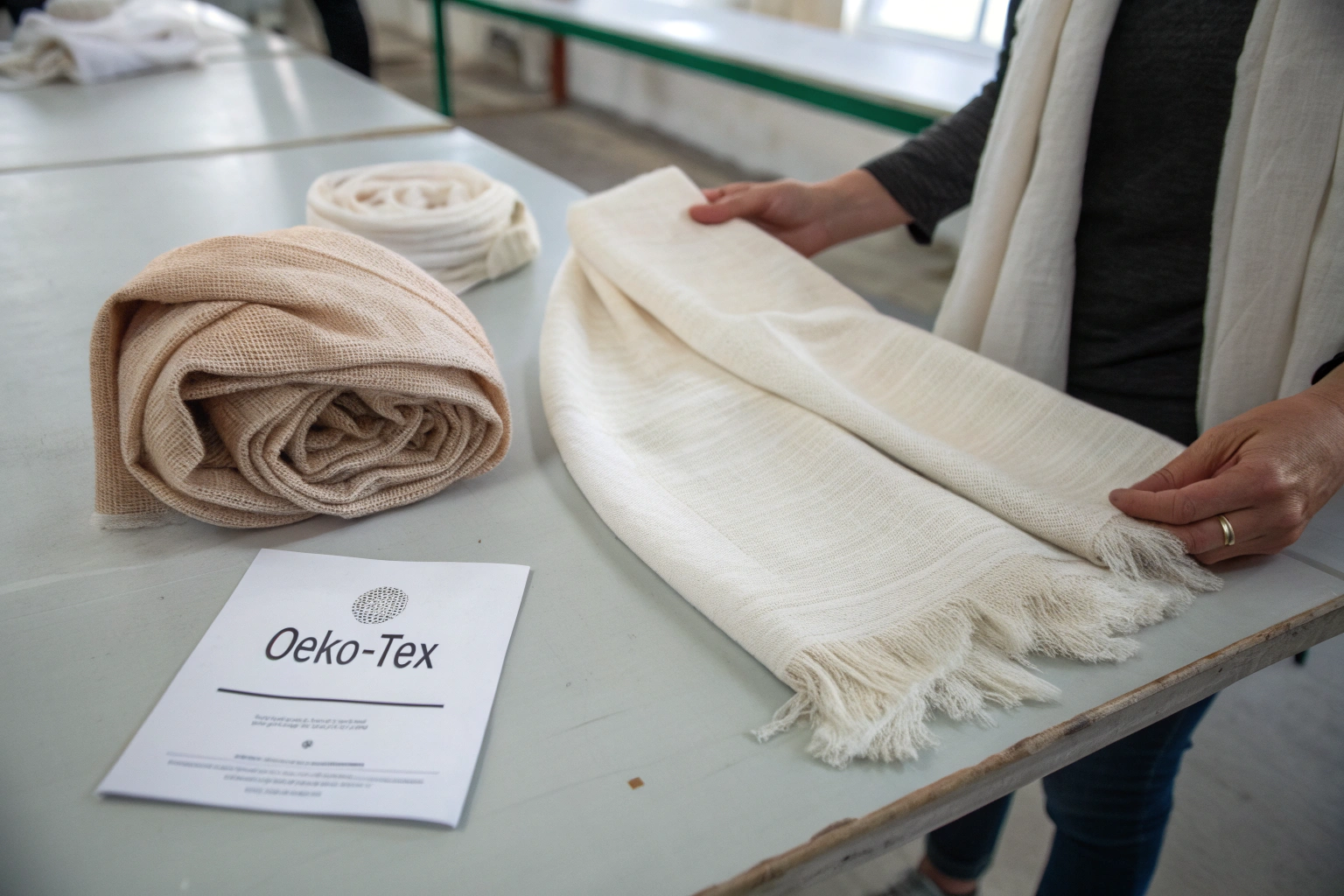
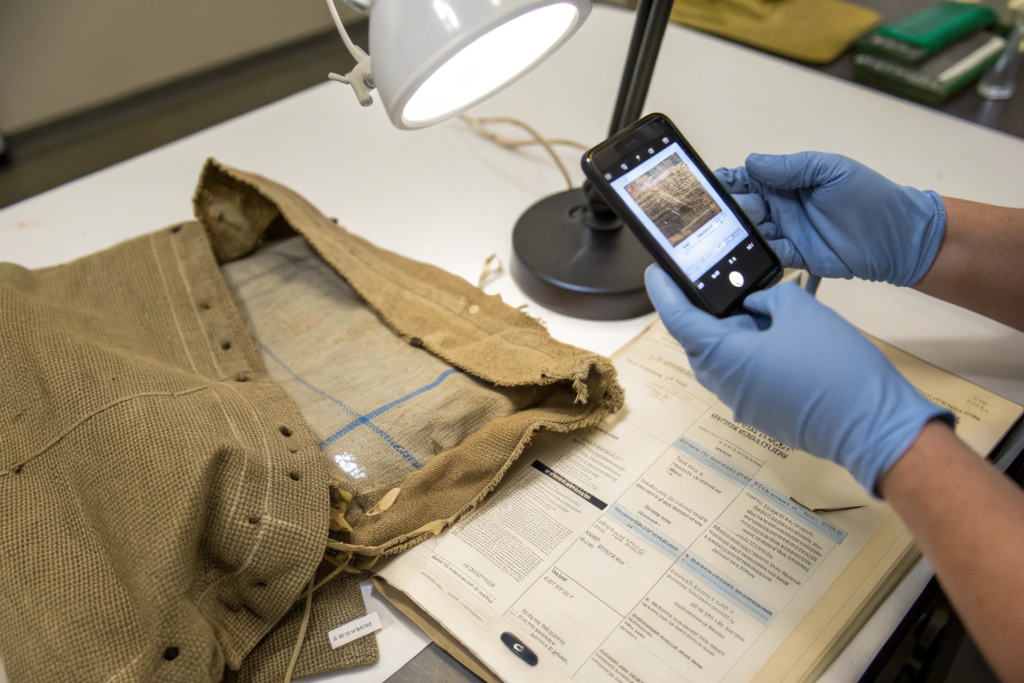
You need four pieces of evidence. First, the original approved lining swatch. This should be the exact piece of material you signed off on during the pre-production sample stage. Second, the substituted lining material from the actual production unit. Cut a swatch from the bag you received. Third, a side-by-side comparison photograph under good lighting. Use a macro lens or a phone camera in high resolution. Capture the weave density, the color, and any printed branding on the backing. Fourth, the relevant page from the signed tech pack that clearly specifies the lining material composition, weight, and color. Assemble these four items into a single PDF. This document is your opening statement. When you email the factory, attach this PDF and write a concise, unemotional summary. State the discrepancy, attach the proof, and request an immediate production halt and a video call within 24 hours. Do not accept a vague apology by text. Textile material testing standards, such as those from ASTM International, provide objective benchmarks you can reference in your documentation.
What Specific Demands Should You Make During the Confrontation Call?
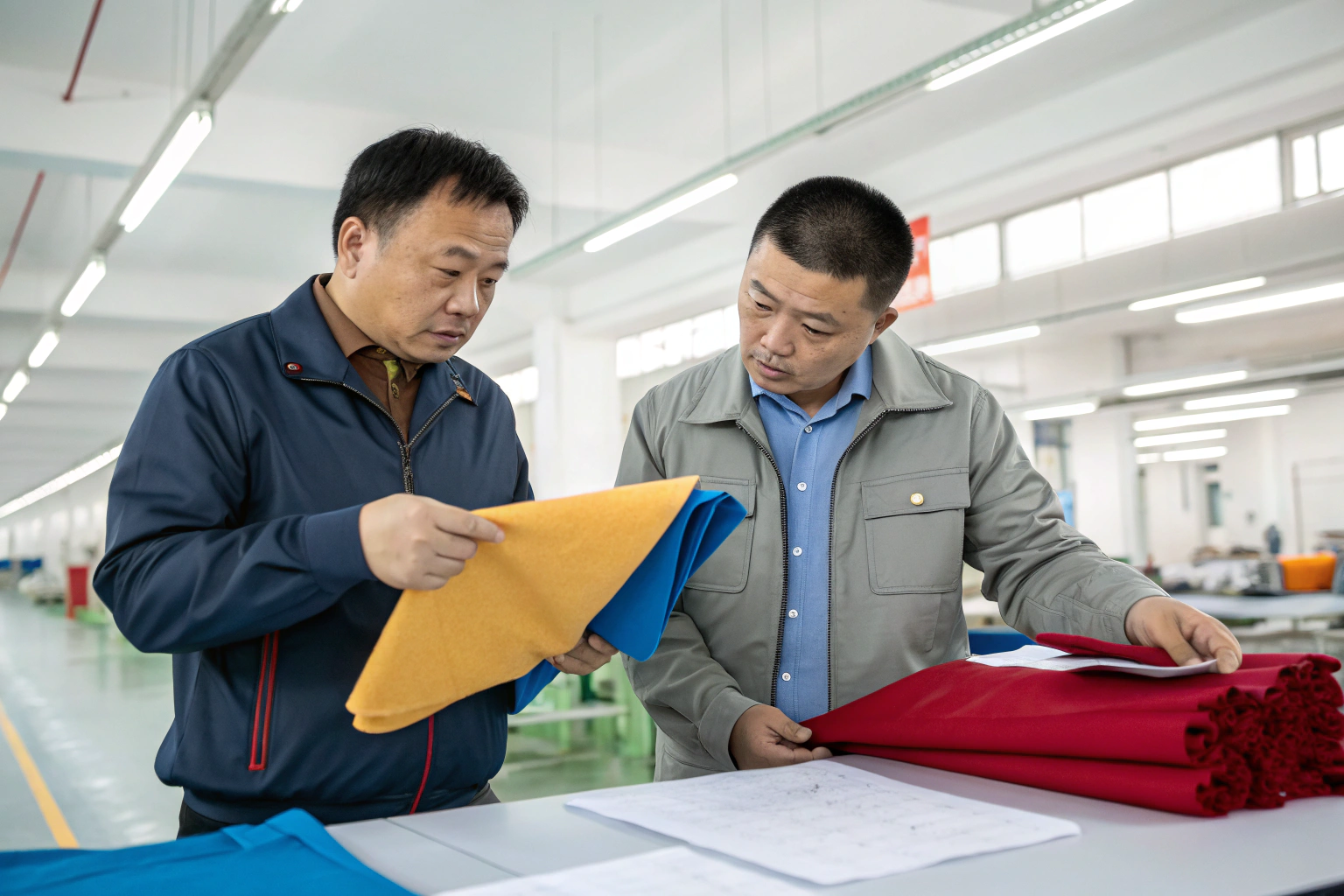
The video call is where you regain control. Do not ask if they made a mistake. You already have the proof. Start the call by sharing your screen and walking through the evidence PDF. Then, make three specific demands. First, they must send you a live video walkthrough of the production floor showing that all machines are stopped and all cut lining pieces of the wrong material are removed from the workstation. Second, they must provide a written root cause analysis within 48 hours. This report must explain who made the substitution decision, why it happened, and why internal quality control did not catch it. Third, they must submit a rework plan with a guaranteed shipment date for the corrected goods. A factory that agrees to these three demands is one that might be saved. A factory that argues, deflects, or asks for a price increase to use the correct lining is one you should fire immediately. The root cause analysis is not just a document. It forces them to admit the substitution was intentional or reveal a catastrophic process failure. Either way, you have documented grounds for compensation claims.
What Root Causes Lead Factories to Substitute Lining Material?
Understanding why a factory substitutes material is not about making excuses. It is about building a detection system that catches the impulse before it becomes a shipped product. In my experience, substitutions rarely happen because a factory is purely evil. They happen because of financial pressure, supply chain disruption, or a broken internal communication chain. Knowing the root cause helps you decide whether to rebuild the relationship or walk away permanently.
How Do Raw Material Price Fluctuations Trigger Unauthorized Swaps?
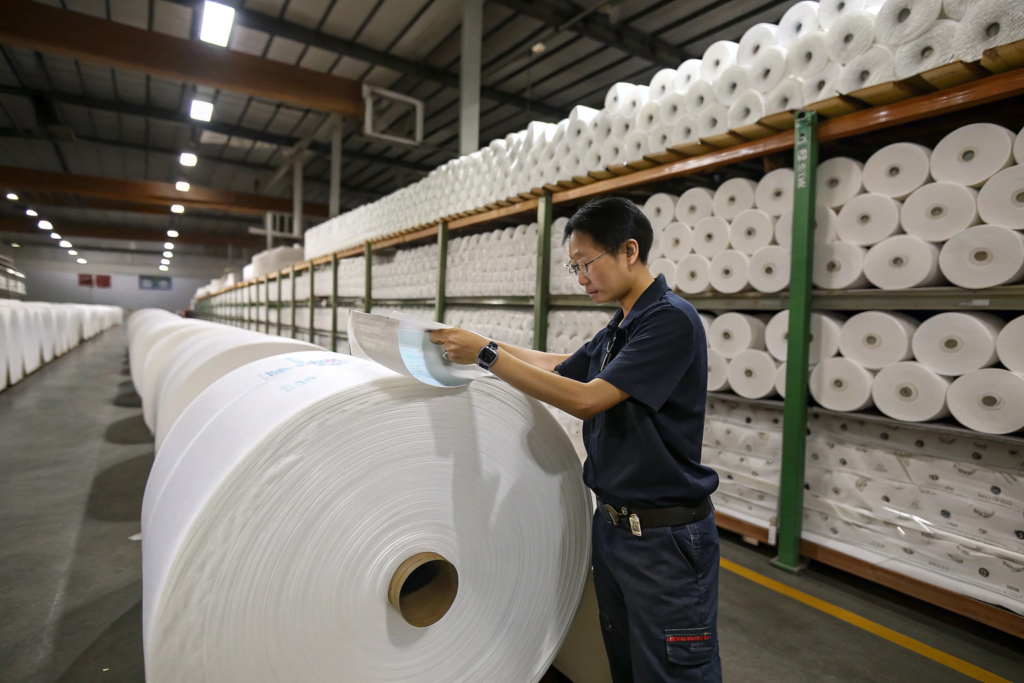
Lining fabric is a commodity, and commodity prices move. A factory quotes a price for a bag with a specific 100% cotton twill lining. Three months later, cotton prices have spiked by thirty percent. The factory's margin on your order has evaporated. An undisciplined production manager decides to substitute a poly-cotton blend that looks similar on the shelf but costs half the price. This is the most common root cause. The factory hopes you will not notice because the lining is inside the product. To combat this, I now include a clause in every purchase order that requires the factory to notify me in writing if any raw material cost increases by more than ten percent from the quote date. This opens a negotiation door instead of a deception door. I would rather renegotiate a price honestly than receive a container of bags with fake lining.
Can Internal Factory Communication Breakdowns Cause Accidental Substitution?
Sometimes, the substitution is not a calculated act of greed. It is a simple, devastating mistake. The sales manager approved your lining swatch. The purchasing manager never received the swatch or the specification sheet. They ordered lining material based on a verbal description. "Grey fabric for bag interior." The warehouse received a grey fabric. The production line sewed it in. No one checked until you opened the box. This type of error is more common in large factories where departments operate in silos. The root cause analysis report should reveal this. If the substitution was an internal communication failure, the factory should be horrified and fully cooperative in the rework. They should also immediately revise their internal sample handover process. A factory that implements a corrective action plan for its internal processes is one worth keeping.
How Do You Build a Bulletproof Lining Material Verification System?
You cannot police a factory from another continent by trust alone. You need a physical, tamper-proof system that makes unauthorized substitutions immediately visible to an inspector on the ground. The system I built after my own lining disaster is simple, cheap, and brutally effective. It creates a physical chain of custody for the approved lining material that runs from my factory's sample room all the way to the final QC inspection.
Why Is a Sealed and Signed Reference Swatch the Ultimate Tool?
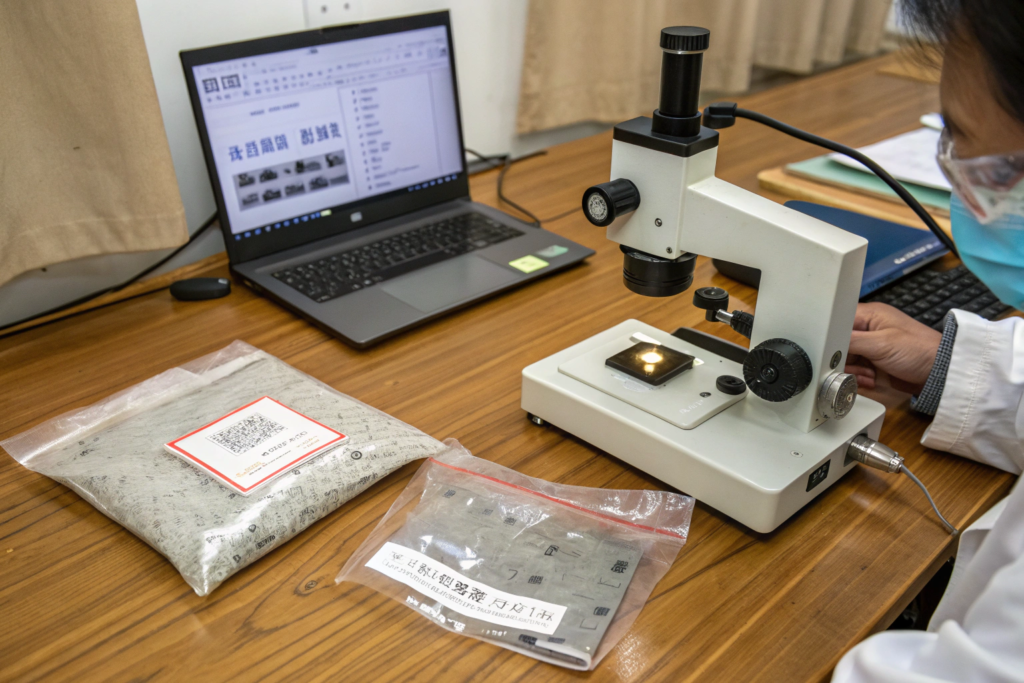
Here is the system. After you approve the pre-production sample, I cut three identical swatches of the approved lining fabric. I place one swatch in a clear, tamper-evident plastic pouch. I seal the pouch and sign my name across the seal. I send this sealed pouch to the factory and instruct them to staple it to the production traveler document that follows the batch. Every workstation supervisor and the final QC inspector must physically hold the sealed swatch against the lining being sewn. If the production lining does not match the sealed reference, the line stops. If the seal on the pouch is broken, the inspection is invalid and must be redone. I keep the second swatch in my office filing cabinet. The buyer gets the third swatch. This creates a three-way physical lock that cannot be argued with. A factory cannot claim a misunderstanding when a sealed, signed swatch is stapled to the work order.
How Can Third-Party Inspection and Burn Testing Add Another Layer?
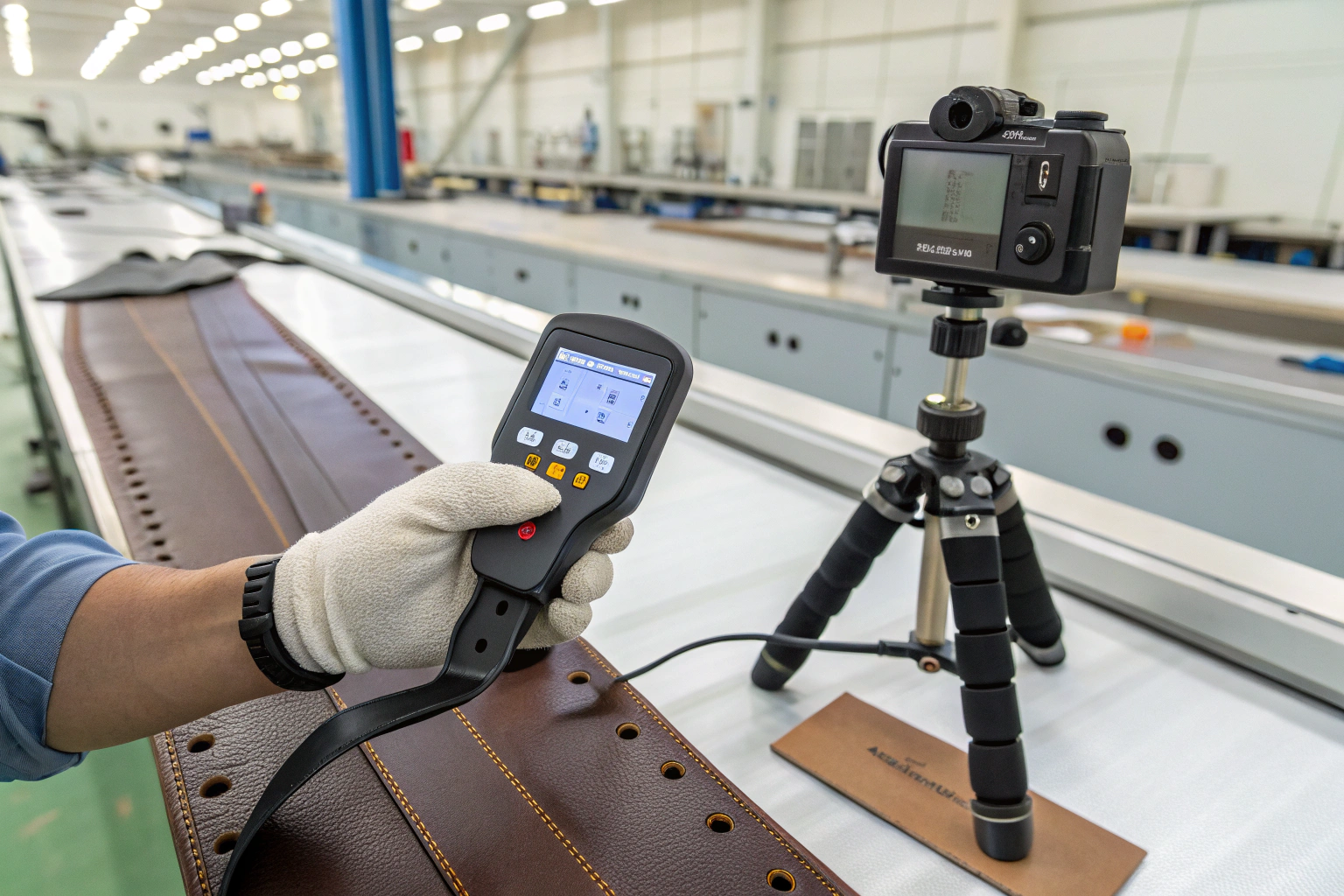
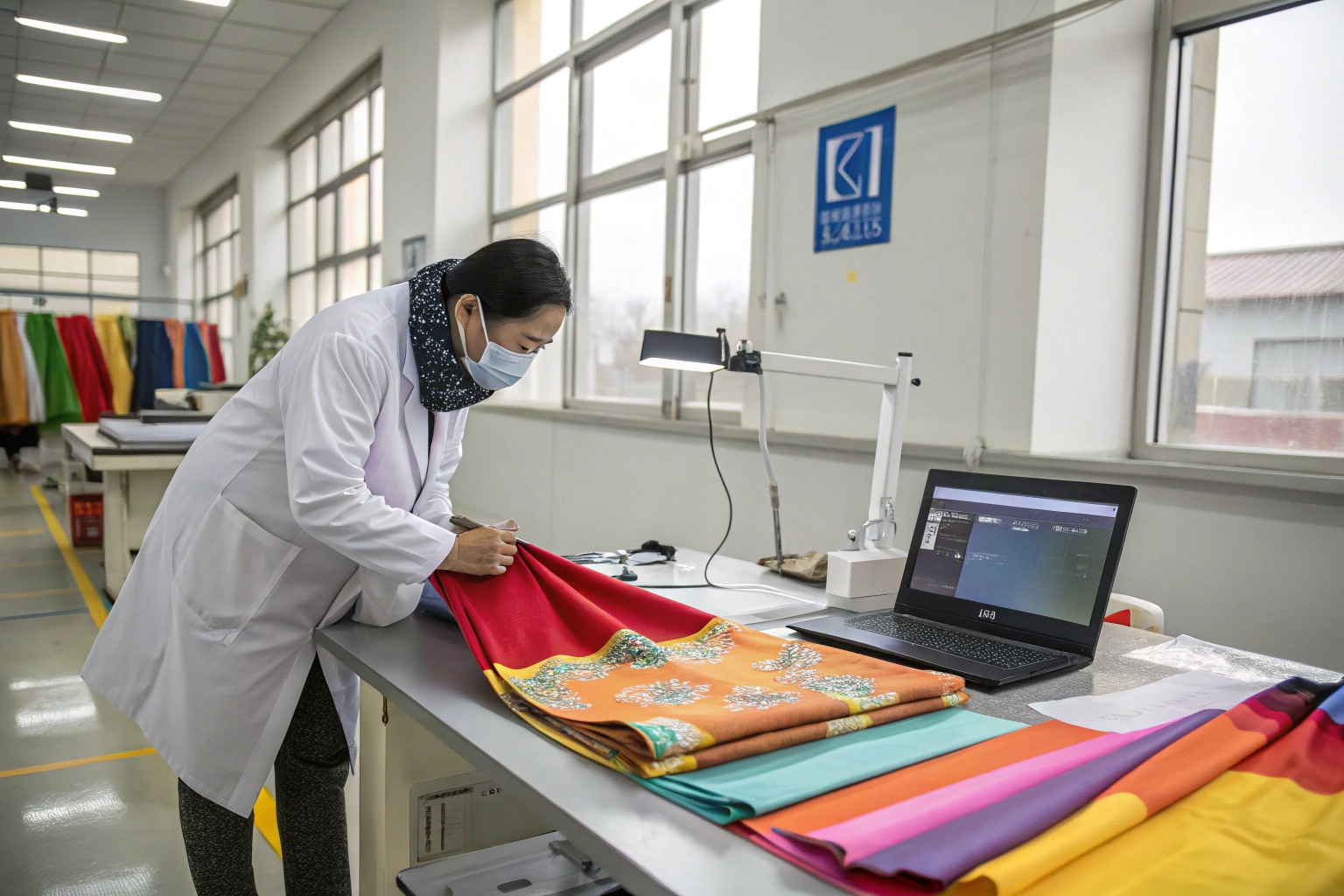
For high-value orders, I recommend hiring a third-party inspection company to perform an inline inspection when about twenty percent of the goods are produced. The inspector should carry your sealed reference swatch and perform a side-by-side comparison. They should also conduct a simple fiber burn test. Different fibers burn differently. Cotton burns with a clean, papery smell and leaves a fine ash. Polyester melts, shrinks from the flame, and smells like burning plastic. A polyester-rich substitute for a cotton lining reveals itself in seconds under a lighter. The inspection report should include photographs of the burn test in progress. This level of scrutiny sends a powerful message to the factory. It tells them that you are checking, scientifically, and that a visual approximation will be caught. Standards for fabric inspection and testing are well-documented by organizations like the American Association of Textile Chemists and Colorists, which provides test methods that your third-party inspector can follow.
What Are the Options When a Factory Refuses to Correct the Problem?
Sometimes, a factory that substitutes lining material will refuse to accept responsibility. They might argue that the substituted material is "commercially equivalent" or that you never explicitly forbade substitutions. They might offer a tiny discount on the next order instead of a full rework. This is where you must make a hard business decision. A factory that deflects accountability for a provable material substitution will not improve on future orders. They have shown you their character.
When Should You Reject the Shipment and Demand a Full Refund?
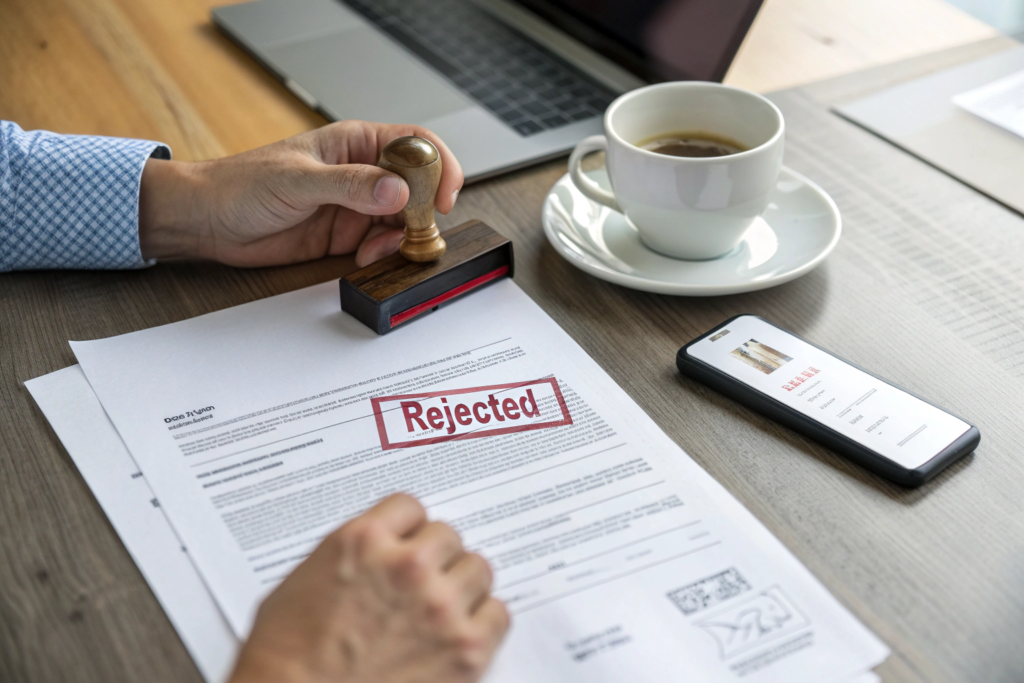
You reject the shipment outright when the lining substitution fundamentally alters the product's quality or your brand's promise. If your marketing material says "100% cotton lined" and the product contains a poly-blend, you are now selling a mislabeled product. This exposes you to legal liability in markets with strict consumer protection laws. In this case, you must formally reject the goods. Send a legal notice stating the goods are non-conforming to the contract. Demand a full refund of the deposit and any shipping costs incurred. Provide the evidence file as an attachment. If the factory refuses, you may need to file a claim with your trade insurance provider or initiate dispute resolution through the platform where you placed the order. This is painful, but accepting defective, misrepresented goods is more painful in the long run. The factory must learn that substitution has a terminal cost.
How Can You Transition Smoothly to a Verified Replacement Factory?
While you are dealing with the failing factory, you should already be activating a backup plan. Contact a factory you have previously vetted and explain the situation. A professional factory will understand that you are a buyer who takes material integrity seriously. They will welcome the business precisely because they do not cut corners. Send the new factory your tech pack and the sealed reference swatch you kept in your office. Schedule a video call to walk through the lining specification together. Ask them to produce a pre-production sample with your swatch visibly taped to the lining for reference. A factory that eagerly agrees to this level of transparency is one that values the long-term partnership. The old factory's failure becomes the foundation for a much stronger supplier relationship. Move the tooling if necessary, and leave a factual, unemotional review of the old factory's performance on your sourcing platform to warn other buyers.
Conclusion
Handling a factory that substitutes lining material requires a swift, evidence-based response that leaves no room for ambiguity. You document the discrepancy with side-by-side photographs, reference the signed tech pack, and demand an immediate production halt. You push for a written root cause analysis to determine whether the cause was financial opportunism or internal communication failure. Most importantly, you implement a prevention system centered on a sealed and signed physical reference swatch that travels with the production batch. If the factory refuses to rework the goods at their cost, you reject the shipment, demand a refund, and transition to a pre-vetted replacement factory that respects material integrity.
The lining inside a bag, a hat, or a scarf is not a hidden detail. It is the part of the product that the customer touches every single day. When it fails, the entire product fails. When it is substituted with a cheaper material, the brand's promise is broken. A factory that understands this will never touch the lining without your written approval.
At AceAccessory, we treat your approved lining swatch as a binding contract. Our internal system requires every production batch to have the sealed buyer-approved swatch physically present at every inspection gate. Our QC team is trained to perform fiber burn tests and weave density checks against that exact reference. We have been on the receiving end of a subcontractor's mistake before, and we built our entire quality system to ensure it never reaches a client's shipping carton.
If you have experienced a lining material substitution from your current supplier, or if you want to build a new accessory collection with a factory that treats material integrity as non-negotiable, I invite you to contact us directly.
To start a conversation about your next production run with a factory that respects specifications, please reach out to our Business Director, Elaine. You can email her at elaine@fumaoclothing.com. Let us ensure your lining is exactly what you approved.